When exploring the topic of solar energy, determining the optimal positioning of solar panels is crucial. "What is the best angle to position outdoor solar panels for maximum sunlight" remains a question many homeowners and businesses ask. Research shows that the angle of solar panels can significantly impact their efficiency. According to the National Renewable Energy Laboratory, adjusting the tilt of solar panels for different seasons can enhance energy capture by up to 40%.
Industry expert Dr. Emily Carter, a leading researcher in renewable energy, emphasizes the importance of this adjustment: "Aligning solar panels to the sun's movement throughout the year is essential for maximizing their output." She highlights that different geographic locations also affect the ideal angle. For instance, solar panels in northern latitudes might perform best when tilted at a steeper angle, while those closer to the equator benefit from a flatter positioning.
It’s clear that the best angle is not universal. Factors like time of year, geographical location, and even local weather patterns all play a role. This complexity underscores the need for thorough analysis and customization when installing solar systems. Without a doubt, understanding these nuances is vital for anyone looking to harness the full potential of solar energy.
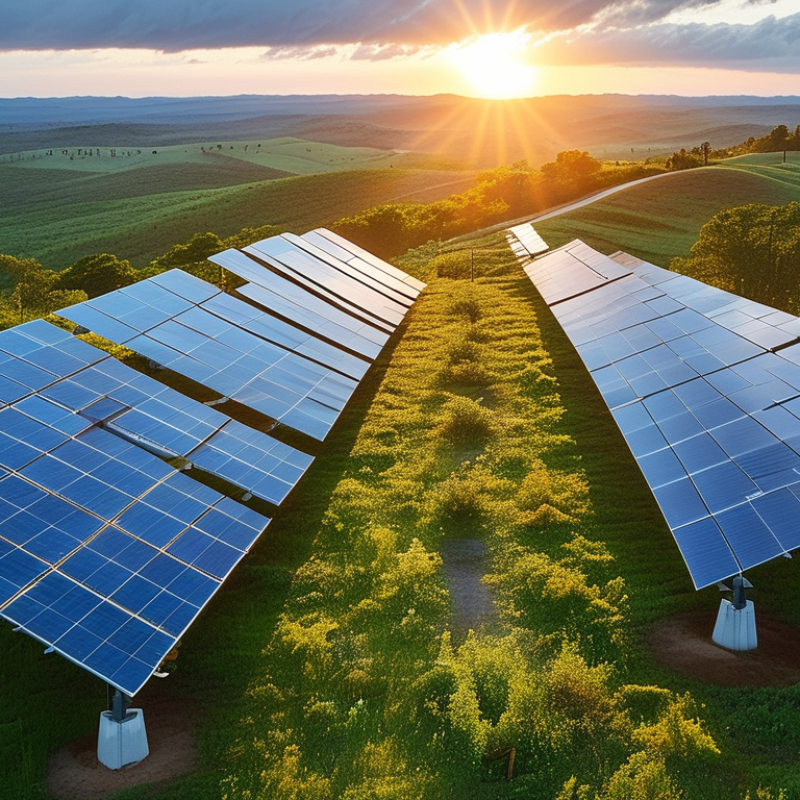
The angle at which solar panels are installed significantly impacts their efficiency. Research indicates that an optimal tilt can increase energy production by 20% to 30%. For most locations, a tilt equal to the latitude is often suggested as a best practice. This method aligns the photovoltaic cells directly with the sun's path throughout the year.
However, climate and seasonal variations must be considered. In winter, a steeper angle can capture low sunlight better, while a flatter angle benefits summer energy collection. Some studies show that neglecting to adjust the angle seasonally can reduce overall efficiency by 10% or more.
Installation errors or poor angle choices can lead to wasted energy. Even a few degrees off can affect performance, causing frustration for homeowners. Adjusting solar panel tilt periodically is essential, yet many users overlook this simple step. As a result, they miss out on the full potential of their solar systems.
Choosing the best angle for outdoor solar panels is crucial. Several factors influence this decision. One of the primary considerations is geographic location. The angle should vary depending on whether you live in the northern or southern hemisphere. Solar panels should ideally face true south in the north and true north in the south.
Another vital aspect is the time of year. The sun's position changes through seasons. Therefore, adjustable angles can provide better performance. For example, during summer, a lower tilt angle captures more sunlight. Conversely, a steeper angle in winter enhances efficiency.
Tips: Regularly check your panel orientation. As trees grow or buildings rise, shade can affect performance. Ensure that panels are free from debris. This is often overlooked but essential for maximum sunlight exposure. A small adjustment can yield significant energy gains. Consider these aspects to optimize your solar panel system effectively.
When installing outdoor solar panels, finding the right angle can significantly enhance energy production. Panel orientation should reflect the specific latitude and seasonal sun position. For example, optimal angles vary widely; a report from the National Renewable Energy Laboratory suggests that solar panels positioned between 30 to 45 degrees will typically capture more sunlight in mid-latitudes.
Latitude plays a crucial role in angle selection. In northern regions, such as Canada, a steeper angle, around 60 degrees, improves winter performance. Conversely, areas closer to the equator benefit from shallower angles, around 15 to 30 degrees. It's essential to adjust these angles with seasonal changes in mind. In summer, reducing the tilt by about 15 degrees can capitalize on the higher sun position.
Many homeowners install panels without accounting for seasonal shifts. Failure to regularly adjust the angle can lead to a decrease in efficiency by up to 25% during certain months. Regularly reviewing solar data can reveal patterns that may inform better positioning. While static systems are convenient, investing in adjustable mounts could optimize energy capture, yielding better long-term savings.
Adjustable mounting systems for solar panels are crucial for maximizing sunlight exposure. They allow users to adapt the angle of the panels according to the sun's position throughout the day and across different seasons. Finding the best angle can significantly increase solar efficiency, capturing more energy and improving overall performance.
By adjusting the angle, homeowners can enhance the amount of sunlight their panels receive. A tilt angle between 30 to 45 degrees often yields optimal results. However, not every location has the same optimal angle due to variations in latitude and seasonal changes. This is where adjustable systems excel—they help users experiment to determine what works best for their geographic area.
While adjustable mounting systems are beneficial, they may require regular maintenance. Dust accumulation and mechanical wear can affect their performance. Users should monitor their setup to ensure proper function. Continuous evaluation and adjustments can promote efficiency and longevity in solar panel systems. Balancing flexibility and stability is key, as not all adjustable mounts perform equally under various weather conditions.
Choosing the right angle for outdoor solar panels is vital for maximizing sunlight exposure. Typically, solar panels should be installed facing south in the Northern Hemisphere to capture the most sunlight. Research indicates that at a 30 to 45-degree tilt, you can enhance energy output by up to 15% during peak solar hours.
When installing solar panels, consider seasonal changes. During summer, a lower angle can optimize sunlight capture. In contrast, a steeper angle during winter helps to collect sunlight while preventing snow accumulation. It's essential to regularly adjust angles if feasible, based on seasonal sun positions.
Tips: Regularly clean your panels to remove dust and debris. This simple act can improve efficiency by up to 20%. Always consult with local solar experts to ensure your installation meets local regulations and best practices. Make sure your installation site is free from obstructions like trees or buildings, which can create shadows on your panels. Prioritizing these factors will lead to a more efficient solar energy system.
: The angle determines how much sunlight the panels capture, affecting energy output significantly.
In the northern hemisphere, panels should face true south; in the southern hemisphere, they should face true north.
Adjust angles seasonally; a lower tilt in summer captures more sunlight, while a steeper angle in winter prevents snow buildup.
Regular checks are essential, especially as shade from trees or buildings can impact panel performance.
Regularly cleaning panels to remove dust and debris can enhance efficiency by up to 20%.
Installing panels at a 30 to 45-degree tilt can improve energy output by up to 15%.
Trees or buildings casting shadows can significantly reduce sunlight exposure on panels.
Yes, adjusting angles seasonally can lead to better performance, optimizing sunlight capture.
Yes, local experts help ensure compliance with regulations and best practices for effective installation.
Absolutely, even minor changes in angle can yield significant improvements in energy collection.
To maximize sunlight exposure and enhance energy efficiency, determining the optimal angle for outdoor solar panels is crucial. What is the best angle to position outdoor solar panels for maximum sunlight? This can vary based on several factors, including geographic latitude and the changing seasons. By calculating the best angle tailored to these variables, solar panel performance can be significantly improved.
Additionally, employing adjustable mounting systems allows for versatility in positioning solar panels throughout the year, accommodating seasonal shifts in the sun's trajectory. Best practices for solar panel installation also emphasize proper orientation and tilt angles to capture the most sunlight, ultimately leading to greater energy production. Achieving the ideal angle not only maximizes efficiency but also supports sustainable energy practices.

Soweglow Solar