Engineered for high luminous efficiency, commercial-grade durability, and smart energy optimization.
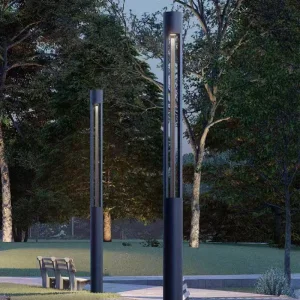
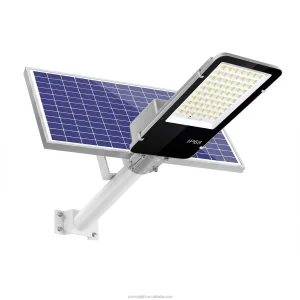
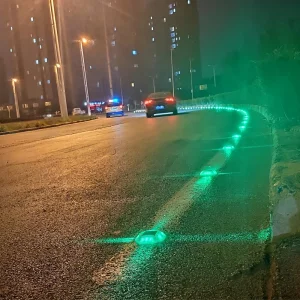
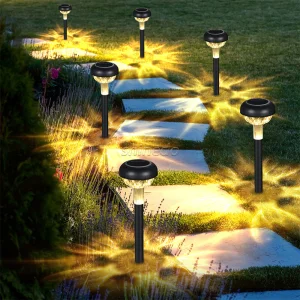
An in-depth analysis of the shift towards carbon-neutral public space management and architectural illumination.
The global solar garden lighting market is undergoing a rapid evolution, shifting from residential novelty accents to critical architectural and municipal infrastructure. Propelled by stringent global decarbonization goals, ESG compliance mandates, and the rising cost of traditional grid-connected utility electricity, urban planners and real estate developers are increasingly adopting off-grid outdoor lighting technologies. By eliminating the necessity for complex underground cabling and minimize site disturbance, commercial solar lighting dramatically lowers initial capital expenditures (CAPEX) while optimizing long-term operational expenditures (OPEX) to near-zero levels.
Historically limited by low-efficiency polycrystalline photovoltaic modules and low-density lead-acid batteries, modern solar garden lights have experienced a massive paradigm shift. Today, integration with premium monocrystalline silicon panels and High-Density Lithium Iron Phosphate (LiFePO4) storage systems has transformed these fixtures into reliable assets capable of continuous operation even in challenging geographical regions. The market’s expansion is heavily characterized by demand in North America and Western Europe, driven by green building certificates such as LEED and BREEAM, alongside a strong surge in municipal modernization across Asia-Pacific and Latin America.
"According to industry indicators, the global outdoor solar lighting market is expected to achieve a compound annual growth rate (CAGR) exceeding 15% through 2030, with a distinct pivot towards smart, connected IoT nodes within municipal micro-grids."
From a commercial standpoint, manufacturers are no longer competing solely on initial unit costs. Rather, the battleground has transitioned to technical durability, long-term performance guarantees, and smart system integration. Modern developments demand fixtures with structural integrity (such as marine-grade IP67/IP68 aluminum casings) and intelligent charging algorithms (such as Maximum Power Point Tracking - MPPT) that can handle highly dynamic weather conditions.
Architectural performance metrics that validate the capability of modern photovoltaic technology.
Tracking the engineering milestones that will define the next generation of outdoor solar lighting.
Integration of LoRaWAN, Zigbee, and Bluetooth Mesh protocols directly into solar drivers. This allows remote diagnostic monitoring, dynamic scheduling, and group grouping configurations.
AI-driven power optimization models adjust light output based on real-time environmental data, battery state-of-health, and historical weather patterns, ensuring 365-day lighting security.
Capturing secondary ambient light reflected from surrounding surfaces (albedo effect), increasing energy yields by up to 15-20% compared to standard unilateral panels.
The manufacturing sector is aligning with circular economy initiatives, focusing on recyclable and sustainably sourced materials. Carbon footprint audits of solar fixture supply chains are becoming standard requirements for large-scale European and North American projects. Innovations in solid-state battery technology and flexible thin-film perovskite PV layers will soon permit solar panels to conform seamlessly to curved poles, architectural pillars, and complex artistic landscape structures.
Additionally, the incorporation of high-efficiency color rendering index (CRI > 90) chipsets ensures that while solar fixtures conserve energy, they do not compromise the visual aesthetics and public safety of high-end resort landscapes, commercial plazas, and residential parks.
Optimizing solar technology configuration based on distinct microclimates and environmental stressors.
Coastal resorts and boardwalks present major corrosion challenges. Solutions demand marine-grade anodized aluminum (6063-T6) or premium 316 stainless steel casings, together with polyurethane-coated circuitry to isolate moisture, salt air, and prevent galvanic corrosion.
Extremely high ambient temperatures degrade standard lithium batteries and solar cells quickly. Industrial configurations employ advanced thermal barrier coatings, separate sub-surface battery vaults, and LiFePO4 cells engineered to operate reliably up to 65°C.
Extended nights and freezing winters test battery performance. Solutions include integrating built-in thermoelectric heating pads (BMS-controlled heating) and placing oversized monocrystalline panels at steep angles to shed snow accumulation naturally.
For enterprise clients, Soweglow Solar provides comprehensive photometric layout calculations using industry-standard DiaLUX software. By analyzing local solar radiation data (GHI - Global Horizontal Irradiation), we optimize the wattage, battery reserve capacity, and physical positioning of fixtures to achieve the desired illuminance levels (lux requirements) without energy failure.
A professional and reliable manufacturer specializing in clean energy solutions and intelligent solar lighting systems.
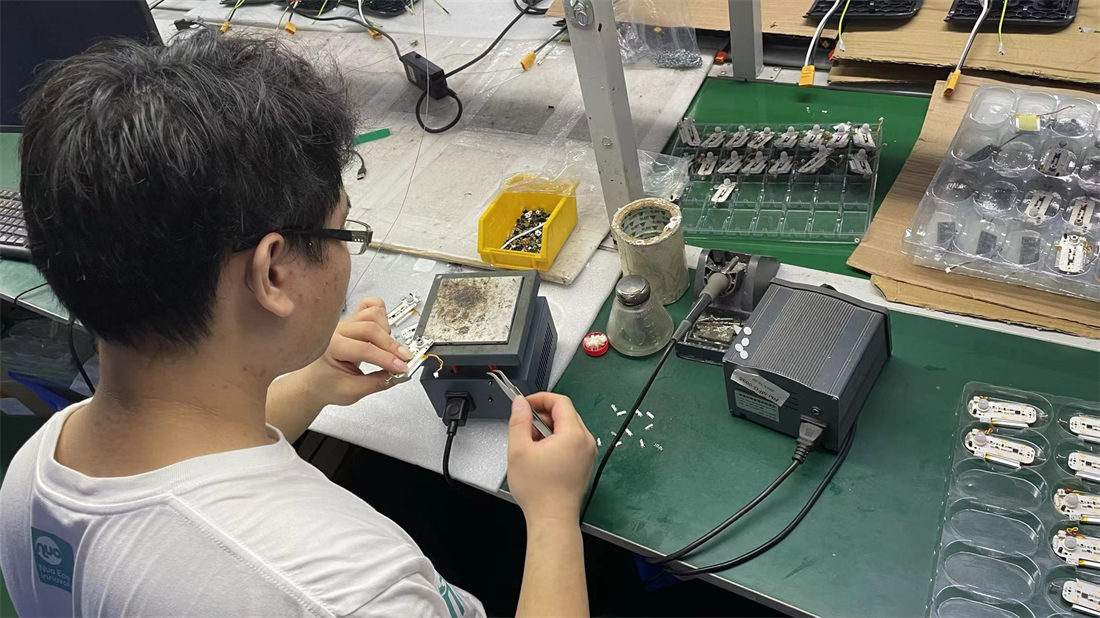
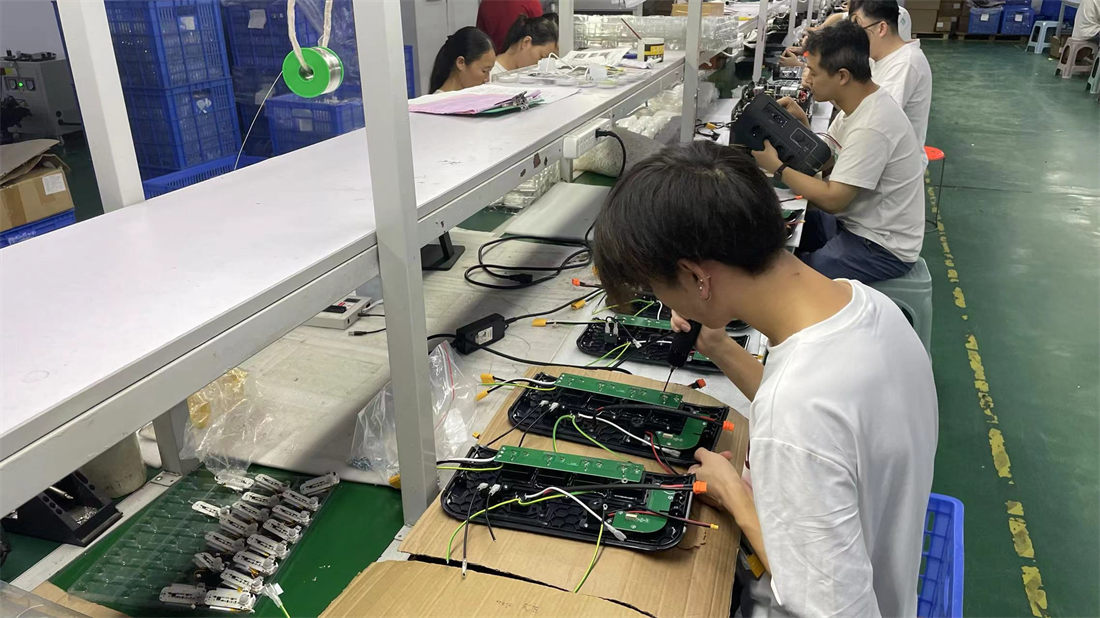
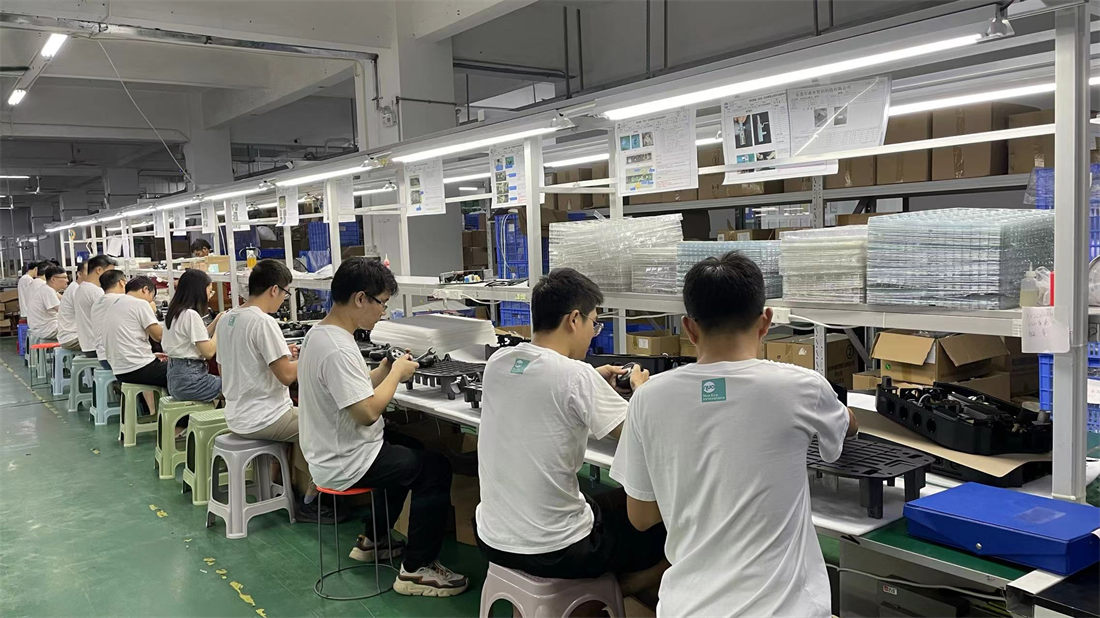
Located in Shenzhen, China, one of the world's most innovative and dynamic technology hubs, Shenzhen Soweglow Solar Co., Ltd. has committed to the solar industry for many years. We deliver high-quality products and customized energy solutions to customers worldwide. Driven by our mission to accelerate the adoption of clean energy, we focus on delivering efficient, environmentally friendly, and cost-effective solar products that help reduce carbon emissions and global energy consumption.
Our experienced team possesses extensive expertise in solar lighting engineering, photovoltaic systems, energy storage solutions, project management, and international business. We continuously invest in research and development to ensure our products meet evolving market demands and strict international standards.
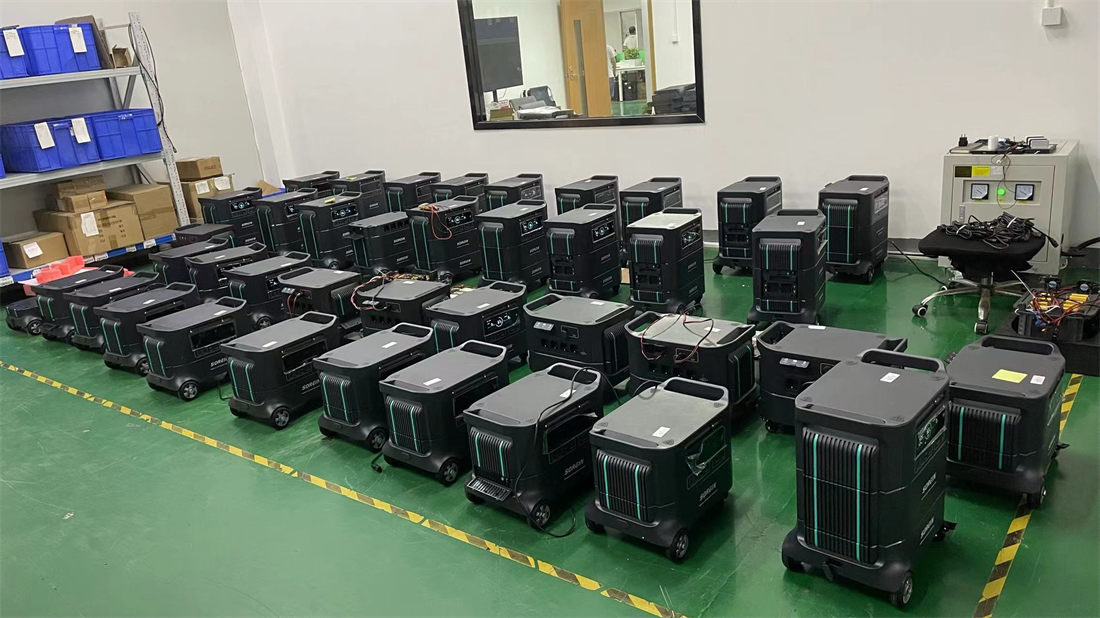
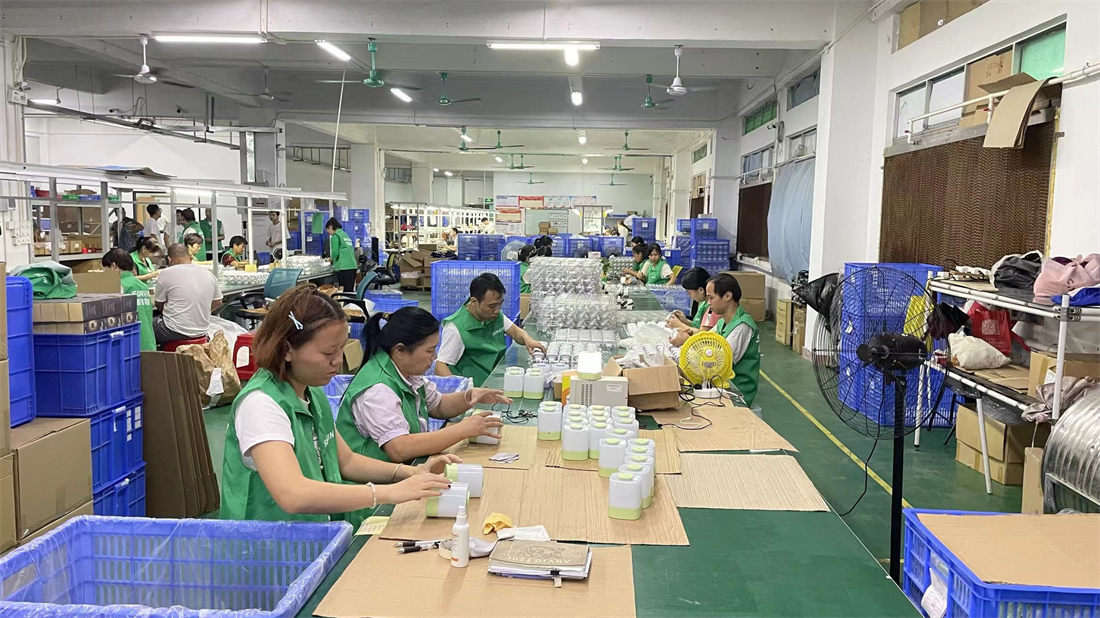
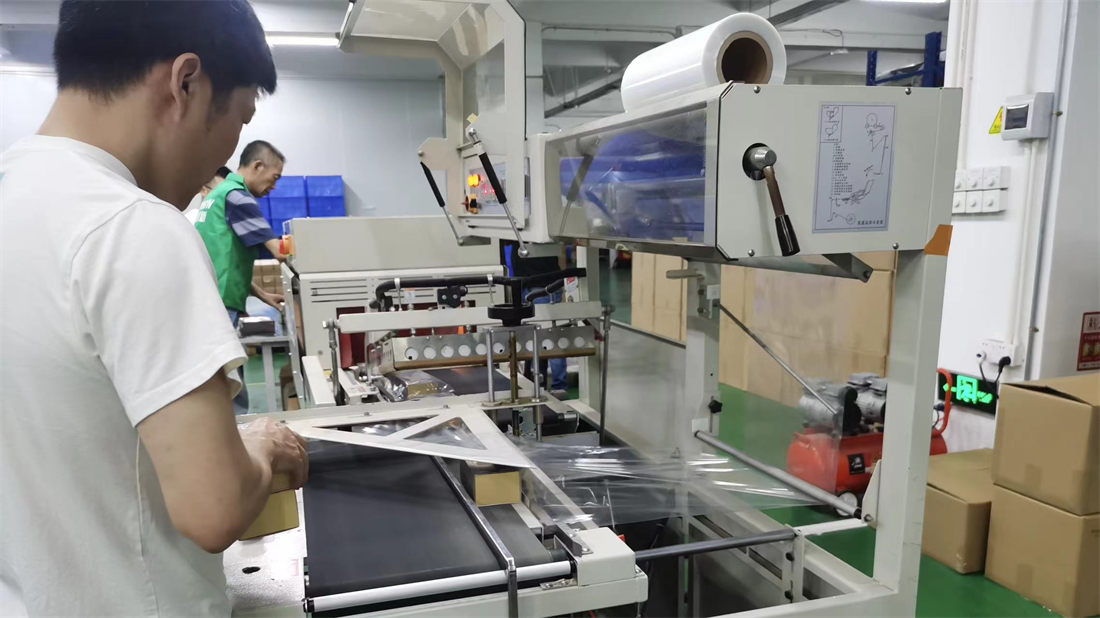
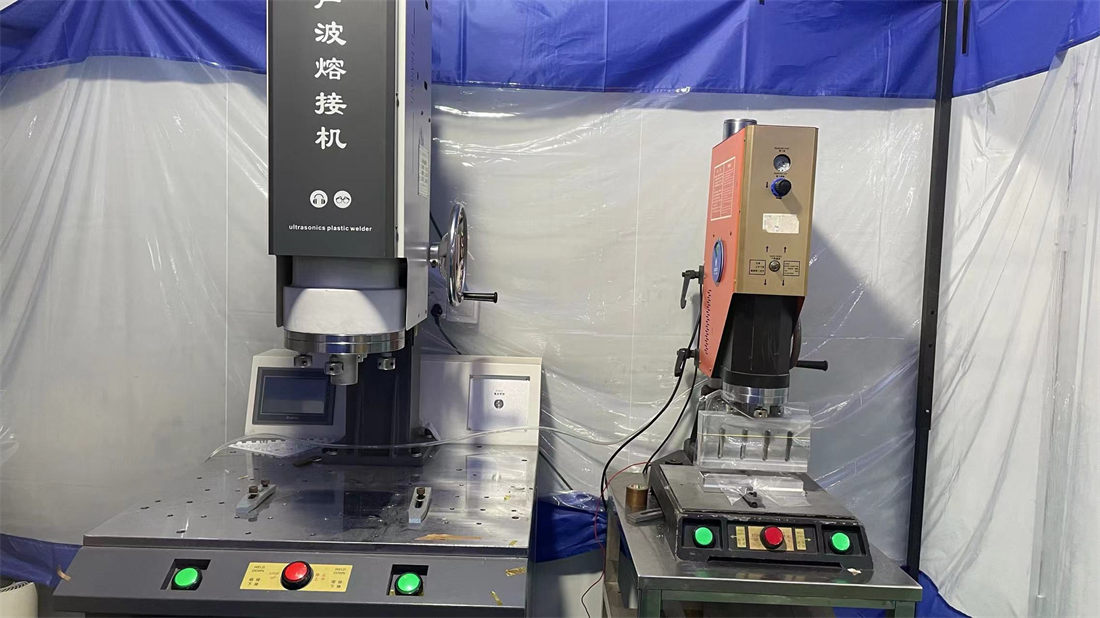
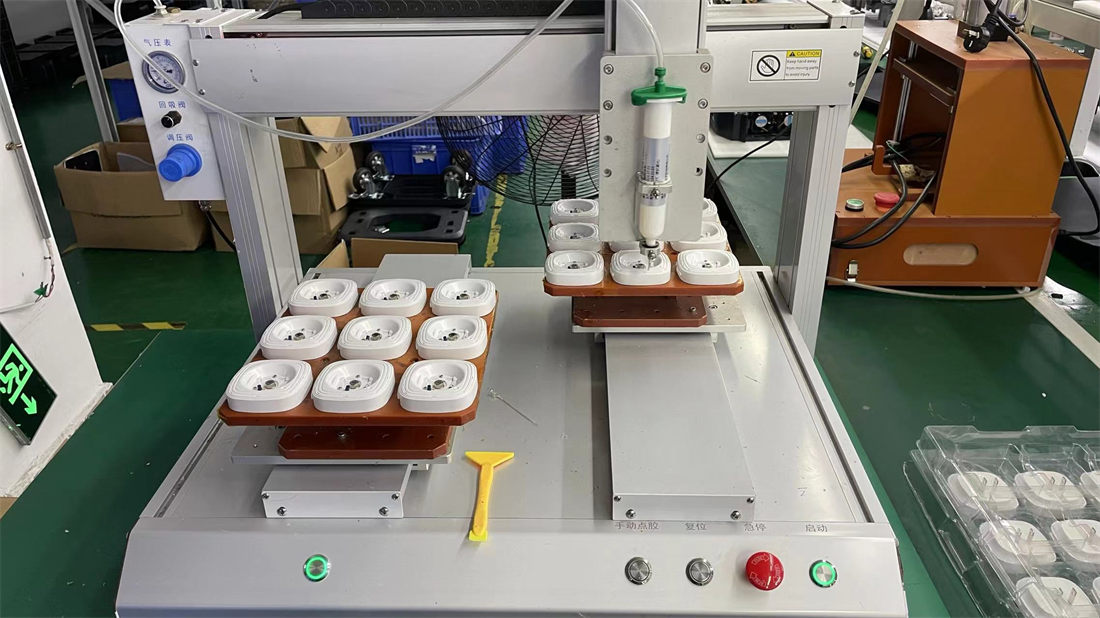
Quality is the foundation of our business. Every product undergoes strict quality inspections throughout the entire production process, from raw material selection to final assembly and shipment. Our manufacturing facilities operate under comprehensive quality management systems to ensure product reliability, safety, and long service life. We continuously improve our production processes and technology to provide products that comply with international certifications and industry standards.
Direct technical answers addressing system architecture, import compliance, and specification matching.
Lithium Iron Phosphate (LiFePO4) batteries offer superior thermal stability, safety, and lifespan compared to standard ternary lithium-ion chemistries. LiFePO4 batteries easily achieve over 3,000 charge/discharge cycles at 80% Depth of Discharge (DoD), whereas standard ternary cells typically drop in capacity after 800 to 1,000 cycles. Furthermore, LiFePO4 batteries are structurally stable under elevated temperatures (up to 65°C) without risk of thermal runaway, making them the industry standard for commercial and infrastructural solar installations.
Monocrystalline silicon panels are manufactured from a single pure crystal structure, yielding a higher electron mobility rate. This delivers a conversion efficiency rating of 21% to 24%, whereas polycrystalline panels rarely exceed 15% to 18%. In application, monocrystalline modules generate significantly more power per square centimeter, allowing smaller fixture designs to charge large batteries successfully, especially in overcast or winter conditions.
An IP65 rating means the fixture is dust-tight and protected against water jets from any angle, which is suitable for standard lawn and garden settings. However, for pathways, road markers, or coastal landscapes subjected to heavy rains, pooling water, or high humidity, an IP67 rating is recommended. IP67-rated fixtures are completely dust-tight and can survive temporary immersion in water up to 1 meter deep for 30 minutes, preventing moisture ingress and internal circuit failures.
We provide full-spectrum OEM and ODM services, including custom laser-etched branding, specific housing finishes (such as custom powder-coated colors), variable color temperatures (from ultra-warm 2200K to cool 6000K), custom battery capacities (up to 35000mAh and above), and integration of specific motion-sensor or IoT protocols. Our engineering team in Shenzhen works alongside your project designers to produce detailed architectural lighting profiles.
Our integrated systems utilize built-in photodiodes within the solar panel structure to measure ambient lux levels. When daylight drops below a pre-set threshold (usually 10 lux), the controller triggers the battery to discharge power to the LED engine. The accompanying remote control or integrated wireless mesh system allows administrators to adjust dimming intervals (e.g., 100% output for 4 hours, followed by 30% output for the rest of the night) or override the system for manual operation.
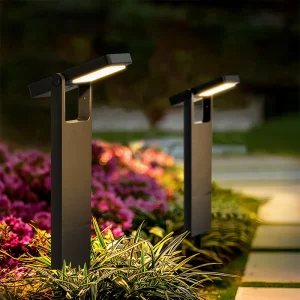
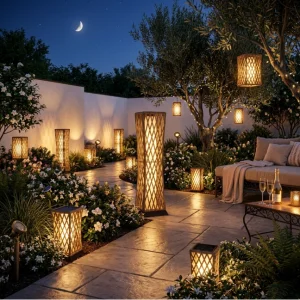
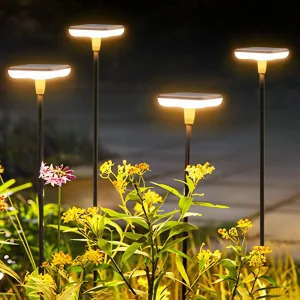
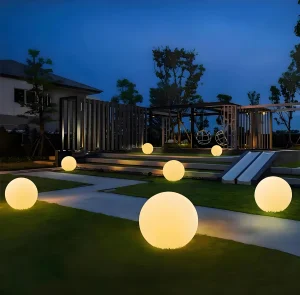
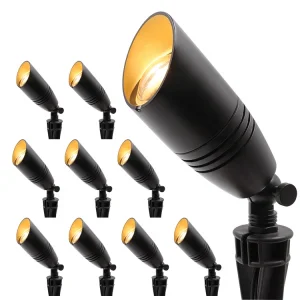
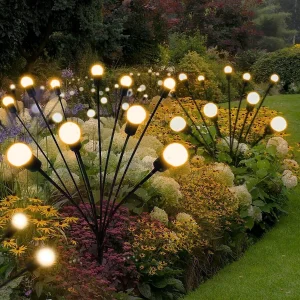
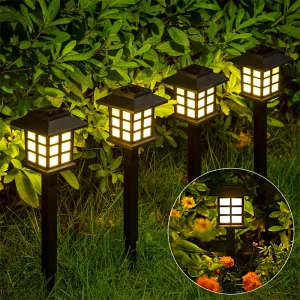
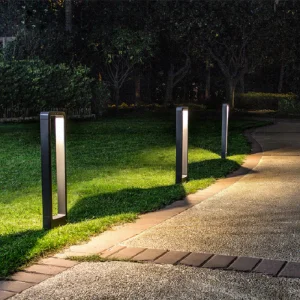
Architectural fixtures designed to elevate aesthetics and safety for pathways, green spaces, and municipal spaces.
 Soweglow Solar