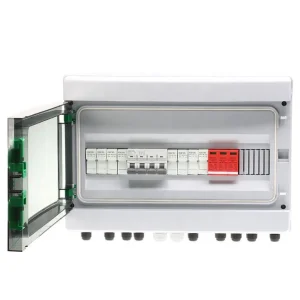
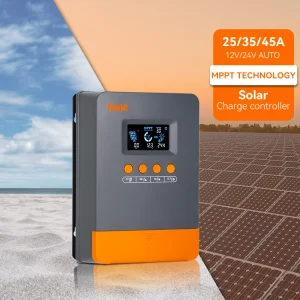
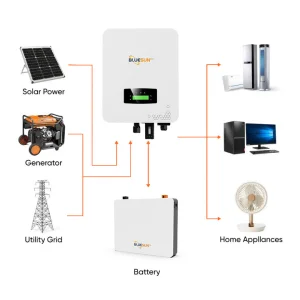
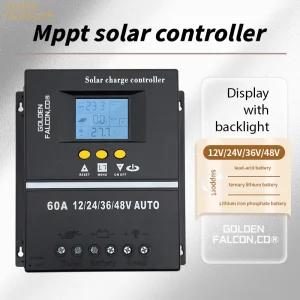
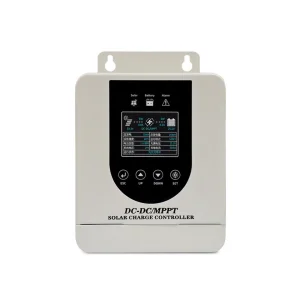
Explore our premium selection of advanced solar charge controllers, intelligent hybrid system components, and energy meters designed to maximize efficiency and assure continuous power stability.
The global push for decarbonization and energy independence has accelerated the deployment of distributed energy resources. At the heart of every off-grid and hybrid photovoltaic system lies the solar charge controller. Historically regarded as simple voltage regulators, modern controllers have evolved into intelligent, software-driven energy coordinators that manage complex charging protocols, communicate with cloud networks, and protect system batteries from premature degradation.
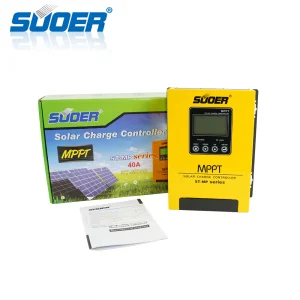
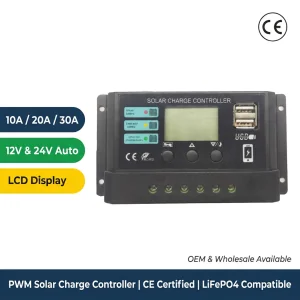
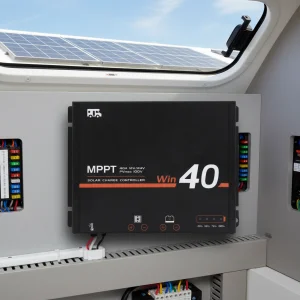
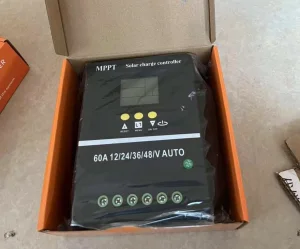
In industrial application landscapes, the division between Pulse Width Modulation (PWM) and Maximum Power Point Tracking (MPPT) represents a fundamental engineering choice. While PWM controllers function as electronic switches connecting solar arrays directly to battery banks, MPPT controllers utilize high-frequency DC-to-DC converters to dynamically track the peak power point of the solar panels. This tracking algorithm can increase overall energy extraction efficiency by up to 30%, which translates directly to reduced operational cost (OpEx) for commercial infrastructure.
Modern algorithms such as Perturb and Observe (P&O) and Incremental Conductance allow tracking speeds under 1 second. This ensures maximum efficiency in rapidly shifting cloud environments.
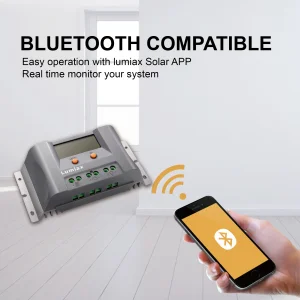
With RS485, Modbus-RTU, CAN Bus, and integrated Bluetooth interfaces, operators can remotely monitor battery health, parameter settings, and real-time power generation data from anywhere.
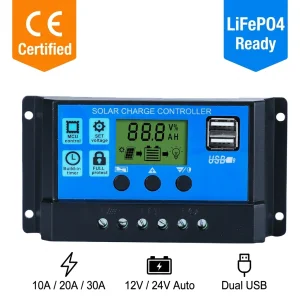
Dedicated algorithms support standard lead-acid profiles along with modern Lithium Iron Phosphate (LiFePO4) chemistries, featuring temperature-compensated charging curves.
For international procurement directors, utility contractors, and commercial importers, securing a reliable solar charge controller manufacturer is key to long-term system stability. Off-grid systems operate in some of the most unforgiving environments on the planet—ranging from high-temperature desert microgrids to extremely cold, remote telecom stations. Therefore, product reliability directly affects total cost of ownership (TCO).
Our research into procurement trends indicates three critical buying behaviors:
Demands vary significantly by region. In South America and Southeast Asia, small-to-medium off-grid solar systems drive the demand for 30A to 60A charge controllers. In contrast, European and North American markets focus heavily on smart communication features, hybrid off-grid installations, and integration with advanced LiFePO4 batteries.
By selecting a manufacturer that aligns with global standards, importers can secure a reliable supply of parts, minimize warranty claims, and ensure consistent customer satisfaction.
Shenzhen Soweglow Solar Co., Ltd. is a professional and reliable manufacturer and supplier specializing in solar energy products, renewable energy solutions, and intelligent solar lighting systems. Located in Shenzhen, China, one of the world's most innovative and dynamic technology hubs, we have been committed to the solar industry for many years, providing high-quality products and customized energy solutions to customers worldwide.
Driven by the mission of promoting clean energy and sustainable development, Soweglow Solar focuses on delivering efficient, environmentally friendly, and cost-effective solar products that help reduce energy consumption and carbon emissions. Through continuous innovation, strict quality control, and customer-oriented service, we have established long-term partnerships with clients across Europe, North America, South America, Africa, Southeast Asia, and the Middle East.
Our experienced team possesses extensive expertise in solar lighting, photovoltaic systems, energy storage solutions, project management, manufacturing, and international business. We continuously invest in research and development to ensure our products meet evolving market demands and international quality standards. Quality is the foundation of our business. Every product undergoes strict quality inspections throughout the entire production process, from raw material selection to final assembly and shipment.
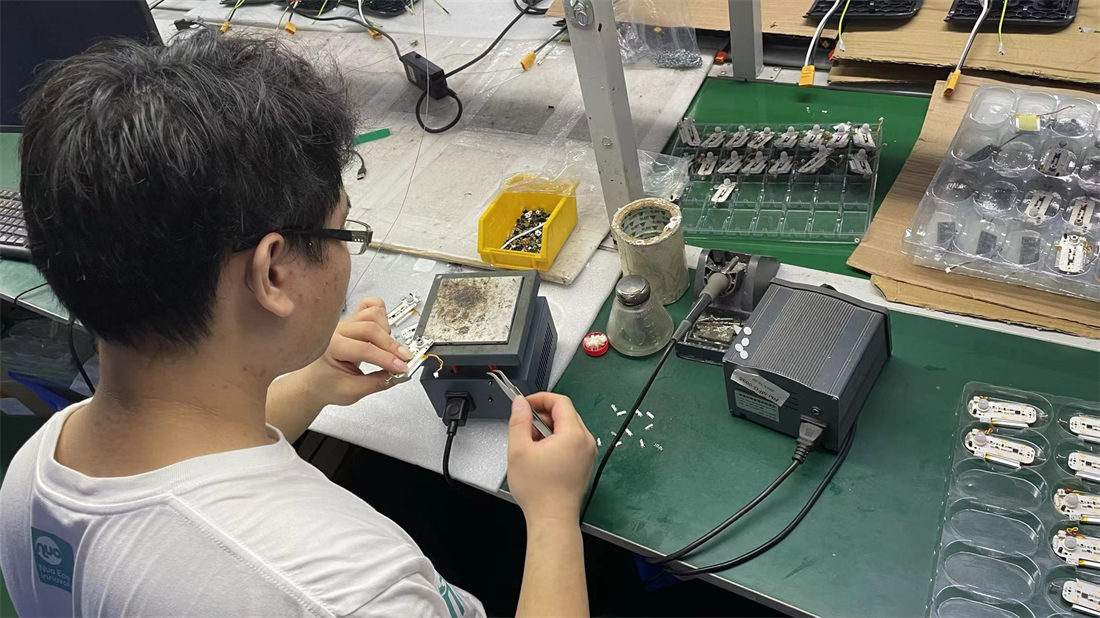
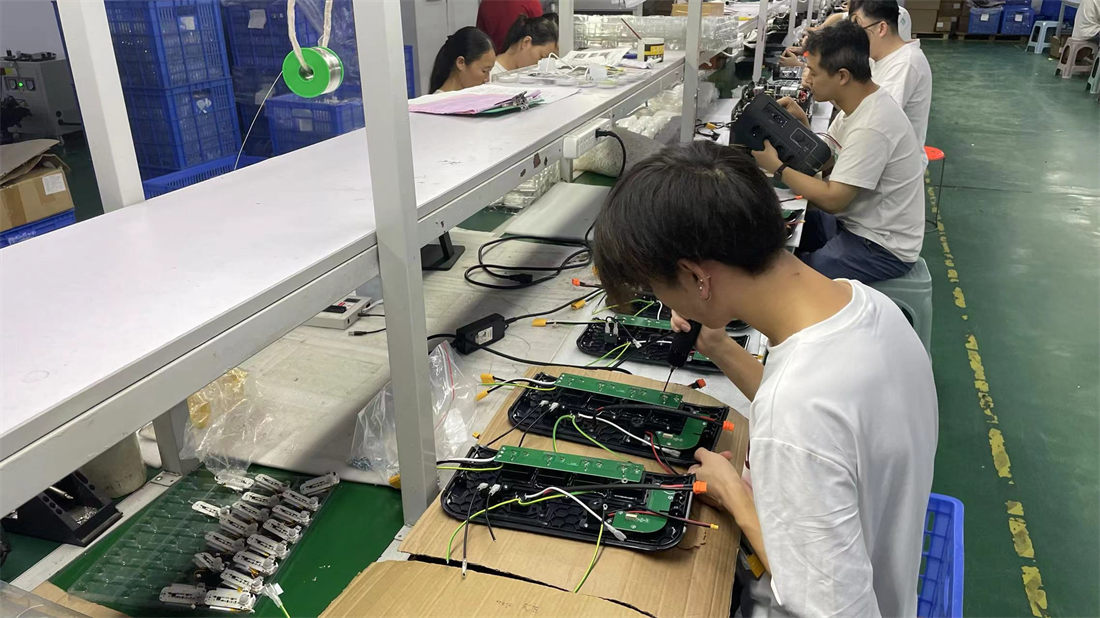
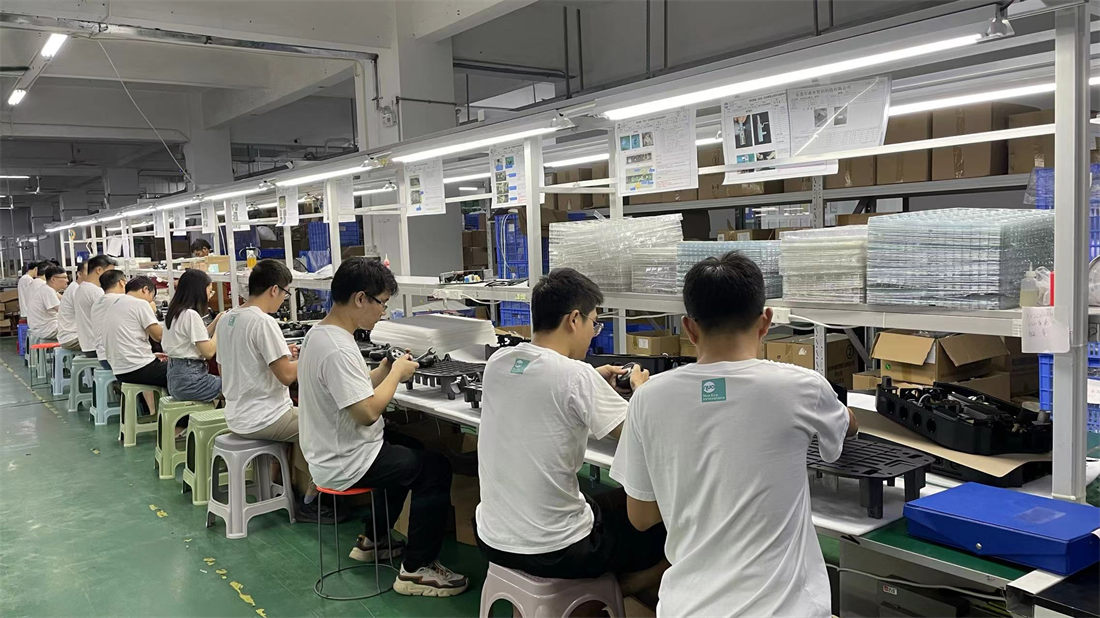
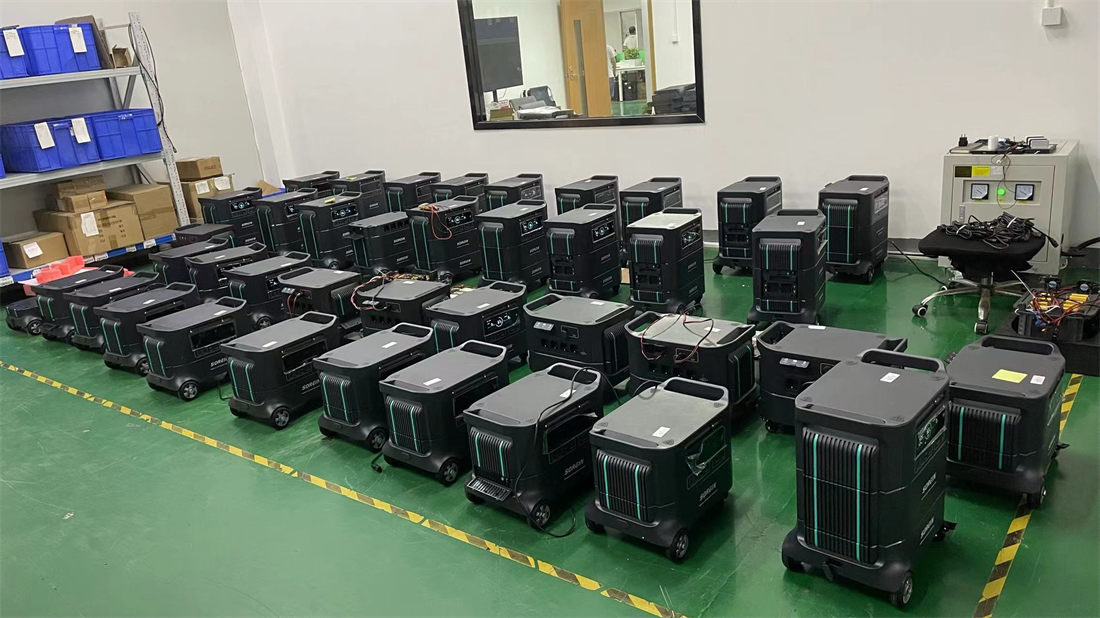
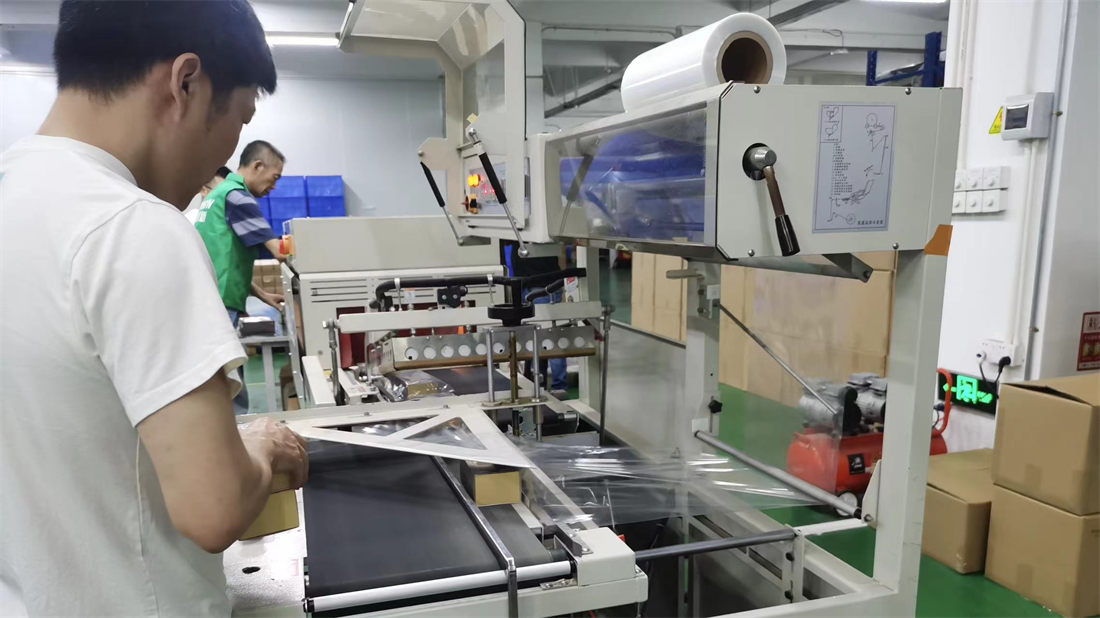
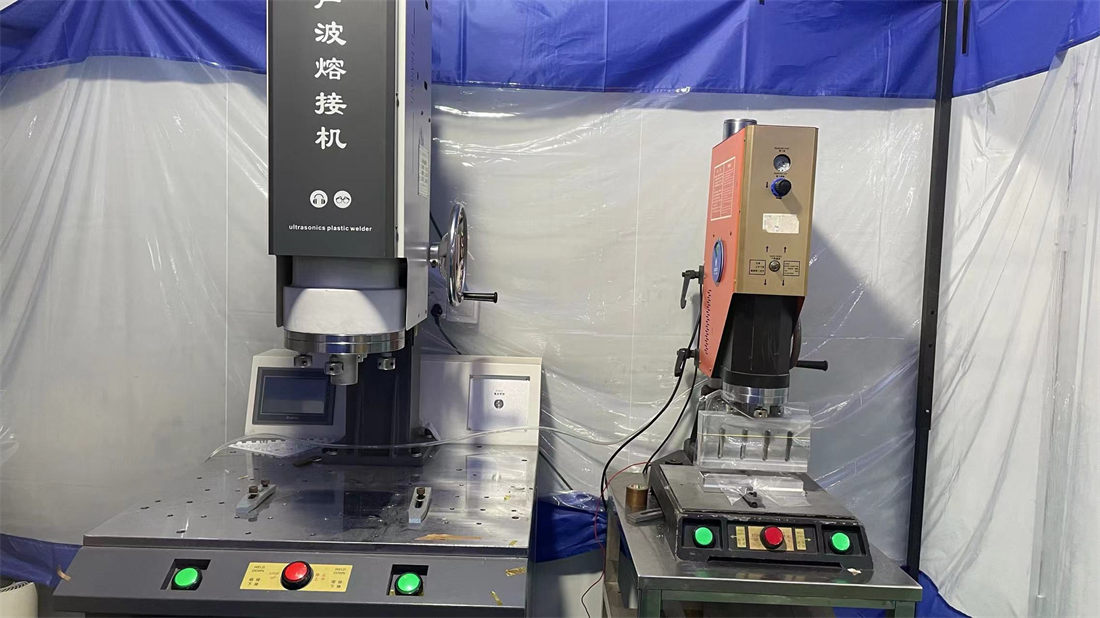
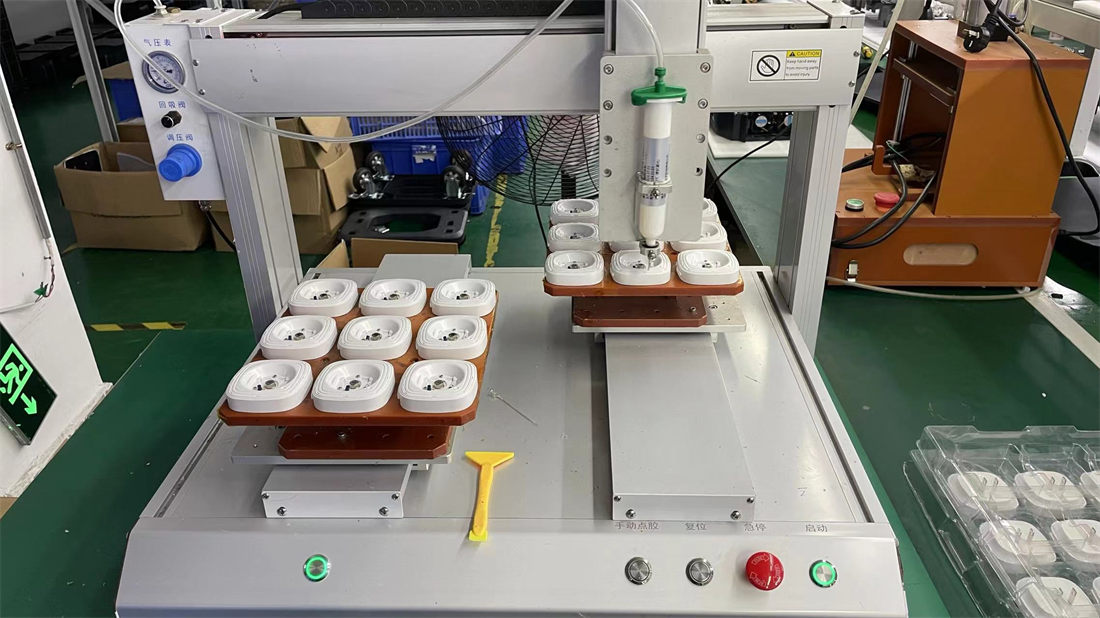
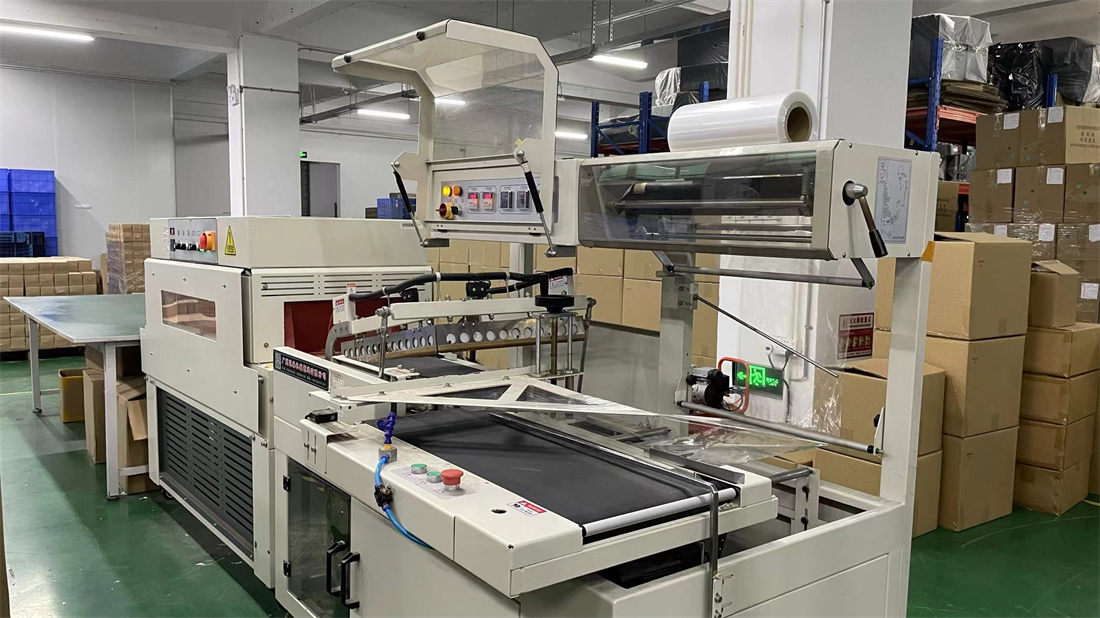
Operating inside our state-of-the-art facility in Shenzhen, Soweglow Solar combines lean production systems with automated testing to guarantee precision in every batch. Here is a look at our step-by-step manufacturing and testing processes:

Understanding the specifications of different solar charging technologies is essential for selecting the appropriate equipment. The table below details the performance, control, and efficiency metrics of both systems:
| Performance Metrics | High-Efficiency MPPT Controller | Standard PWM Controller |
|---|---|---|
| Conversion Efficiency | 97% – 99% (Maximum power output conversion) | 75% – 80% (Restricted to battery voltage level) |
| Over-sized Array Handling | Yes (Limits current/voltage automatically) | No (Can cause damage or blow fuses) |
| Complex Weather Performance | Excellent (Continuous dynamic adjustment) | Moderate (Fails to capture sudden power spikes) |
| PV Input Voltage Support | Up to 150V - 250V DC (Allows series strings) | Typically up to 30V - 50V DC (Parallel matching) |
| Ideal Battery Capacities | Large capacities (Over 200Ah, Lithium/Gel) | Small installations (Under 100Ah, Lead-Acid) |
| System Scalability | High (Supports modular expansion) | Limited (Requires wiring reconfigurations) |
Solar regulators are deployed across a wide range of climates and installations, each with its own specific operational requirements:
In remote microgrids, MPPT charge controllers act as the primary voltage regulator between large solar arrays and high-capacity LiFePO4 battery banks. By managing the high open-circuit voltages (Voc), they reduce the required wire gauge size, saving installer costs and minimizing line transmission losses.
For remote cellular towers, power reliability is critical. Using industrial 48V solar regulators with remote network cards allows telecom technicians to monitor system health, view charging history, and adjust charging parameters remotely, reducing the need for costly site visits.
Modern municipal lighting utilizes smart PWM controllers with built-in light sensors and timers. Integrating these controllers with high-frequency LED drivers helps regulate energy storage, ensuring that streetlights remain illuminated through multiple consecutive rainy days.
We answer some of the most common questions raised by solar engineers, system integrators, and international procurement managers:
An MPPT solar charge controller uses a high-frequency DC-to-DC converter to dynamically adjust the input voltage and current from the PV array. This process allows the controller to locate and track the peak power point, even during periods of changing solar irradiance or partial shading.
Yes, provided the controller features a dedicated lithium charging profile with adjustable voltage limits. Lithium batteries lack the self-balancing characteristics of lead-acid options, so precise control over absorption voltage is required to prevent cell damage.
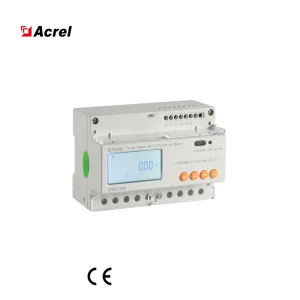
An energy meter like the DTSD1352 measures multi-electric parameters in real time, preventing reverse current from flowing back into the utility grid. This capability is essential for compliance with local net-metering and zero-export regulations.
Cold weather increases PV panel operating voltage, while warm weather decreases it. A quality controller uses temperature sensors to automatically adjust charging limits, preventing battery undercharging in cold weather and overcharging in hot climates.
Our testing cycle includes ultrasonic welding and high-temperature aging chambers to simulate years of field operation. This strict process ensures each unit can withstand harsh operating conditions and reduces field failure rates to less than 0.1%.
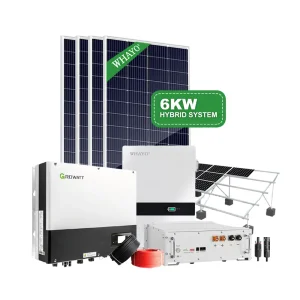
Browse our range of high-efficiency MPPT regulators, heavy-duty industrial converters, and complete solar system kits designed to support your project requirements:
 Soweglow Solar