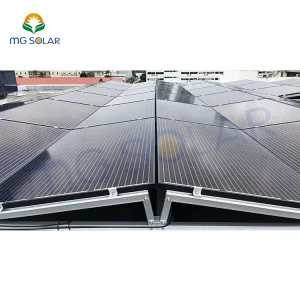
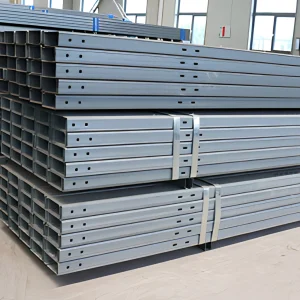
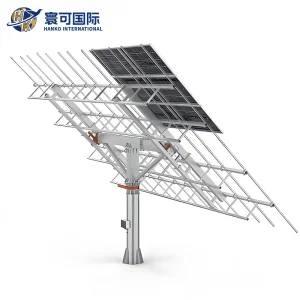
Explore our highly-durable racking assemblies engineered for robust structural longevity under harsh climatic conditions.
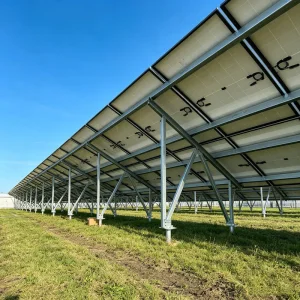
Navigating the shift toward structural durability, cost efficiency, and advanced metal coatings in utility-scale installations.
The global transition to net-zero carbon energy has transformed solar energy from a niche technology to the bedrock of future energy generation systems. Modern solar deployment requires not only highly efficient photovoltaic (PV) modules but also structural support solutions capable of surviving extreme atmospheric conditions for over 25 years. This has led to the adoption of advanced solar panel mounting systems, representing a paradigm shift in structural engineering, materials science, and deployment optimization.
Historically, hot-dip galvanized (HDG) steel was the primary material choice for heavy ground-mount racking systems. However, contemporary projects face severe challenges, including corrosive saline environments along coastlines, high humidity in equatorial zones, and elevated mechanical loads in snowy or high-wind regions. As a result, industry standards have shifted toward high-performance alloy coatings, notably Zinc-Aluminum-Magnesium (ZAM / ZM) coated steel. This specialized alloy provides self-healing properties along cut edges, preventing corrosion and reducing operational maintenance costs for project owners.
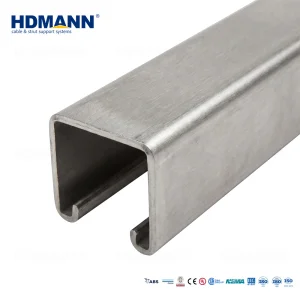
When selecting a supplier, engineers evaluate how mechanical properties degrade over decades. Anodized aluminum (AL6005-T5) is preferred for roof systems due to its lightweight profile and aesthetic appeal. For utility-scale ground structures, high-strength ZM channel steels (such as Z350 or Z450) offer higher load capacities per dollar. This allows for wider structural spans, fewer foundation piles, and faster overall installation times on site.
Understanding the manufacturing processes, quality inspection, and E-E-A-T parameters behind our production lines.
Shenzhen Soweglow Solar Co., Ltd. is a specialized manufacturer and supplier of solar energy systems, renewable energy solutions, and intelligent solar configurations. Located in Shenzhen, China, one of the world's most innovative technology hubs, Soweglow Solar has spent years delivering high-quality, customized structural solutions to global EPC contractors, developers, and distributors.
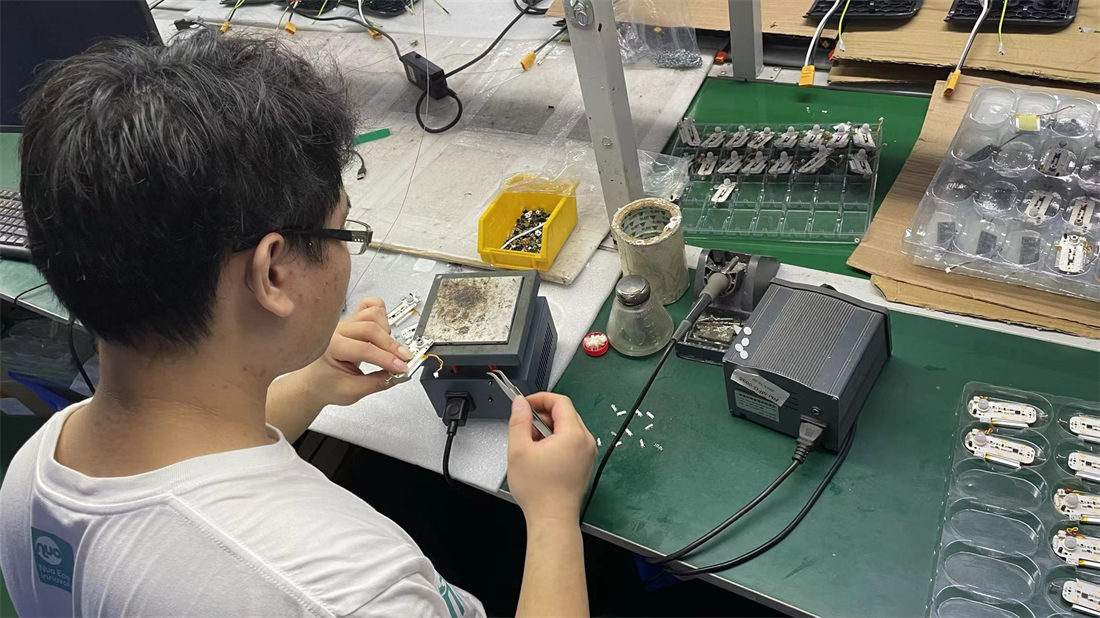
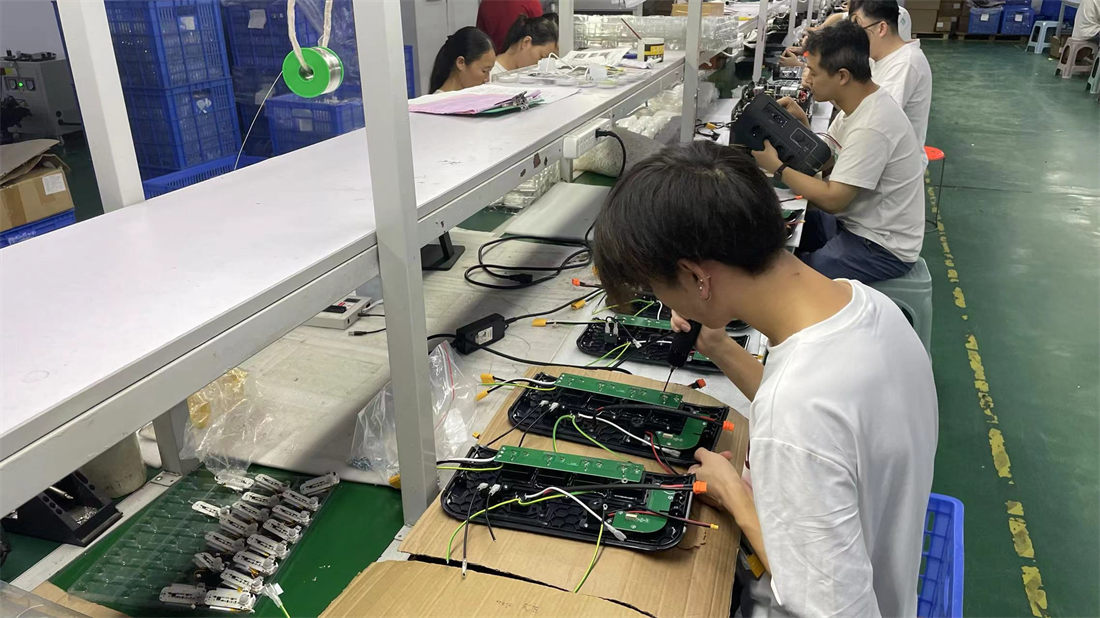
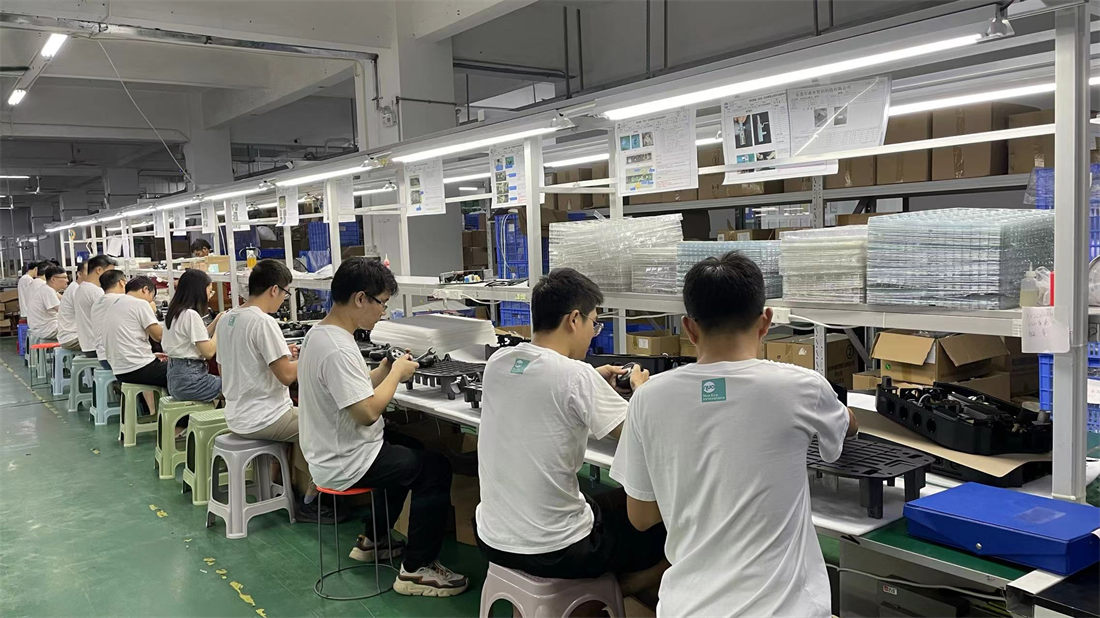
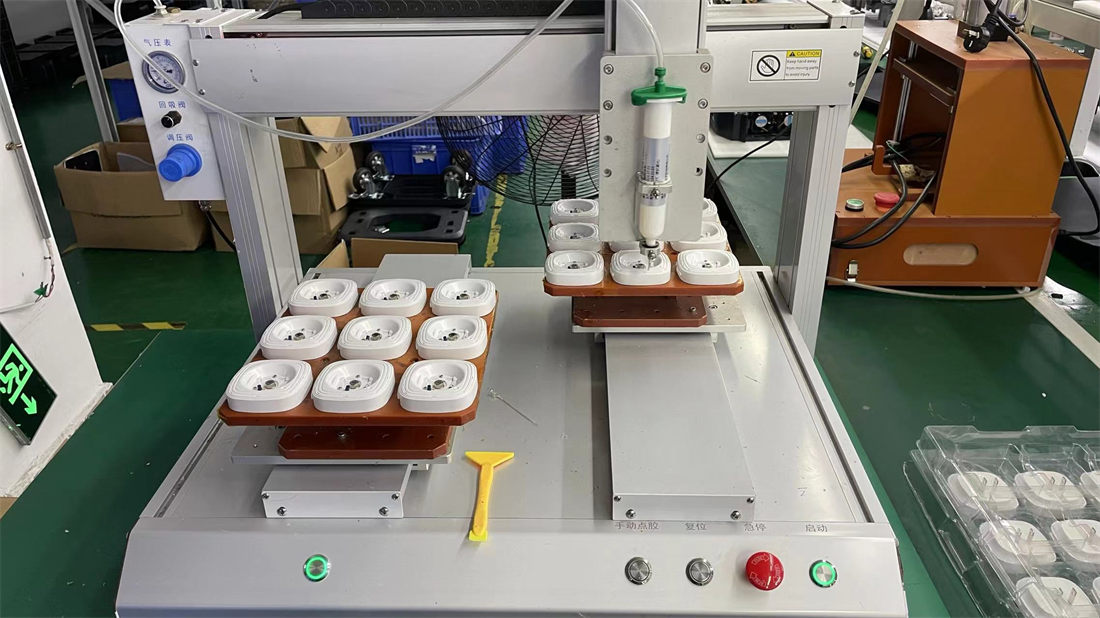
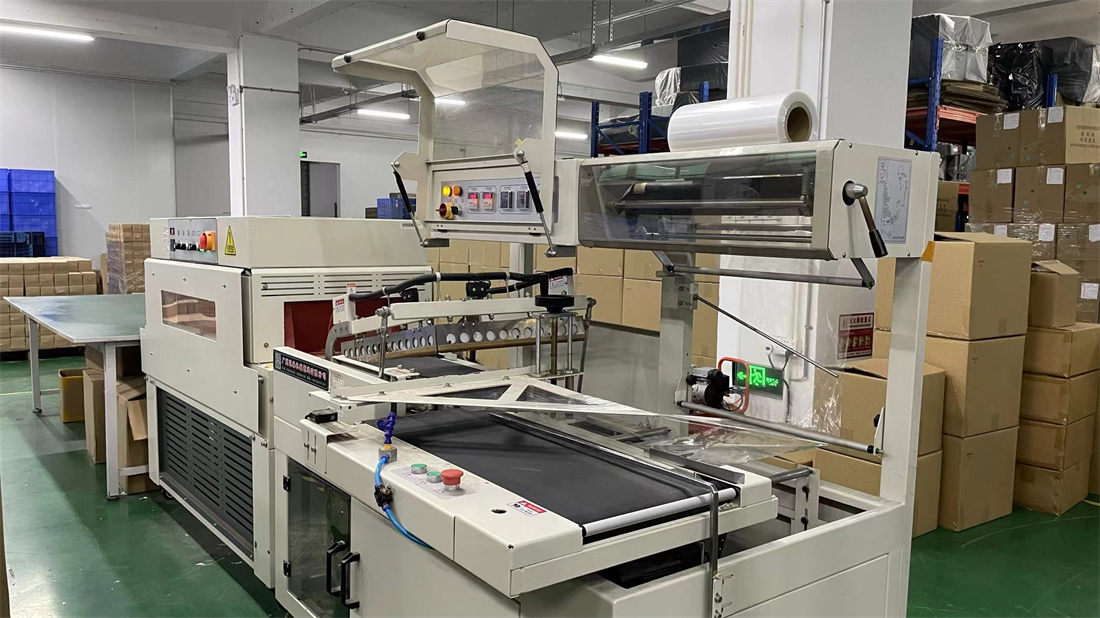
Driven by the mission to accelerate clean energy adoption, our team focuses on supplying cost-effective, durable, and highly engineered racking systems that reduce overall system costs. Through strictly controlled fabrication workflows, we serve projects across Europe, North and South America, Africa, Southeast Asia, and the Middle East. Below is an overview of our state-of-the-art manufacturing facilities, showcasing our commitment to quality control and operational transparency:
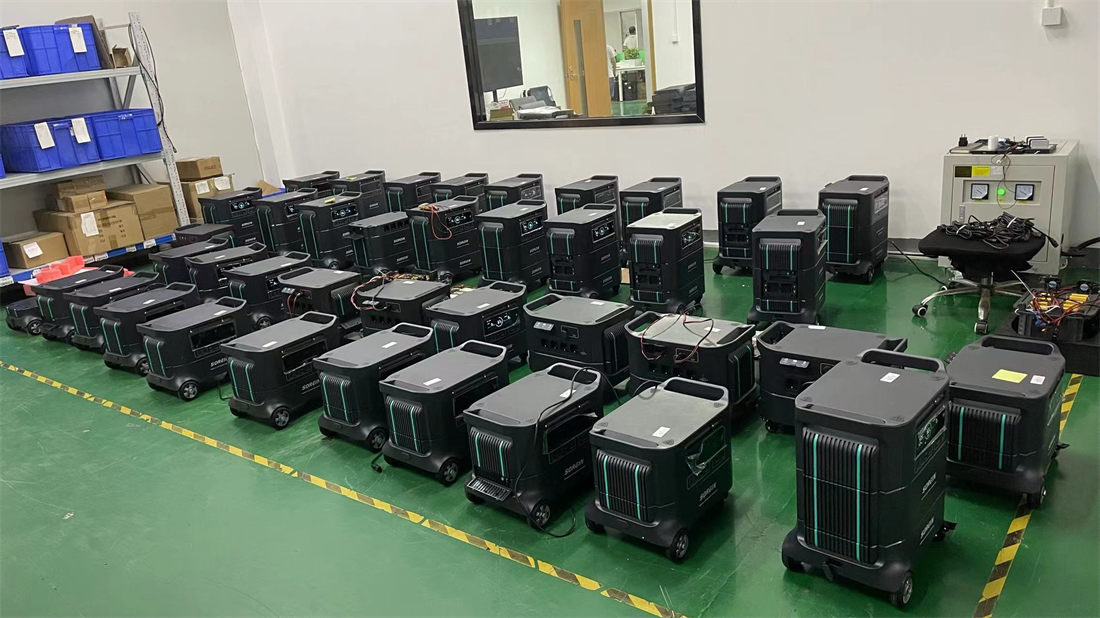
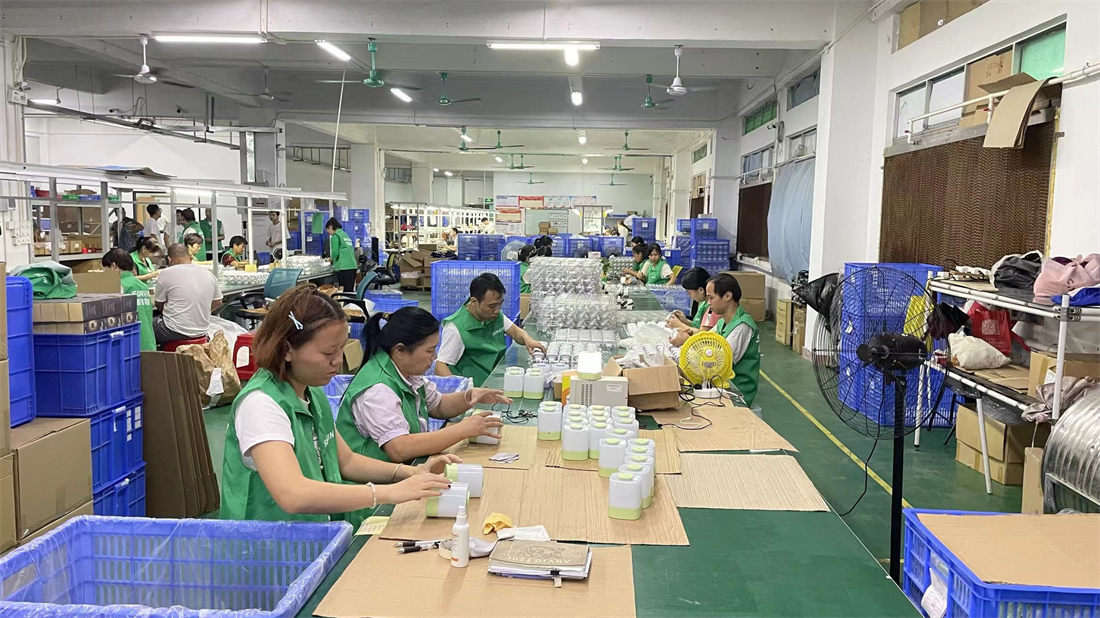
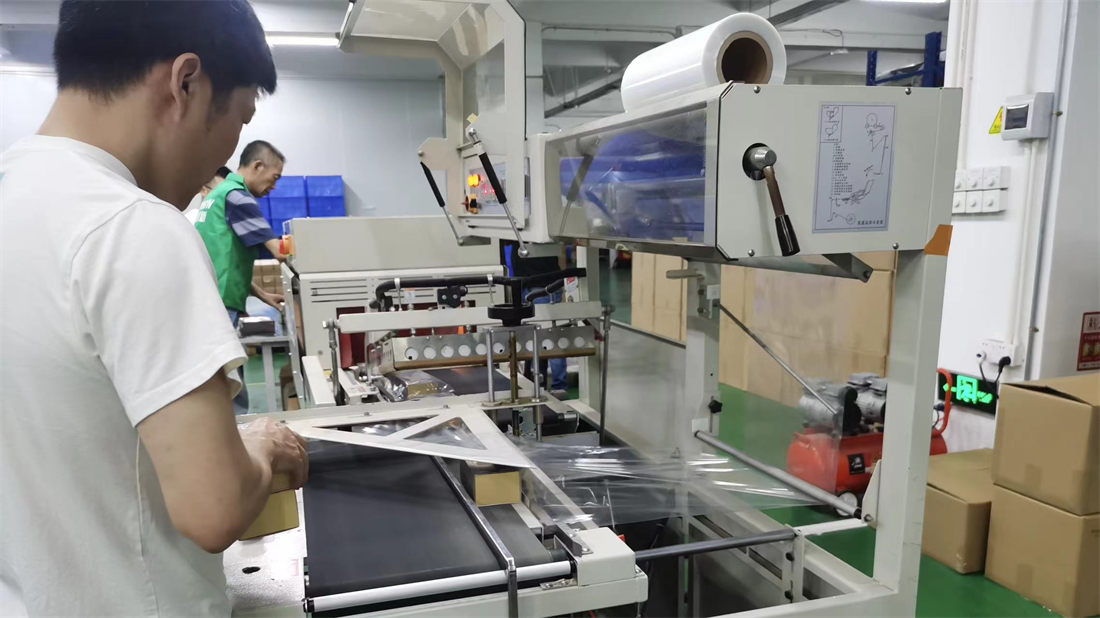
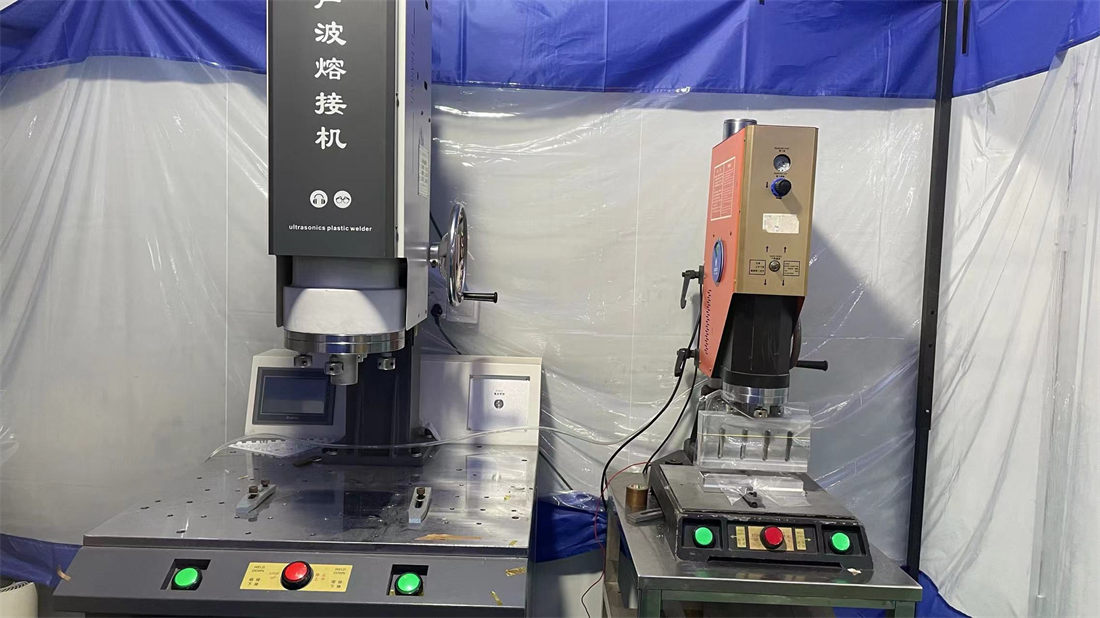
How international utility developers and EPC contractors mitigate financial risks through structural performance verification.
Large-scale solar investments require managing risks over decades-long project lifespans. As a result, global procurement managers analyze several key performance metrics when choosing structural suppliers:
Soweglow Solar addresses these requirements by integrating design and manufacturing processes under one roof. Our R&D division utilizes finite element analysis (FEA) to verify the mechanical stability of our aluminum and steel profiles. This process helps optimize steel channel designs to reduce material weight while maintaining the structural strength required to withstand high wind loads.
A technical analysis of ground-mount structures, flat roof systems, solar carports, and tracking configurations.
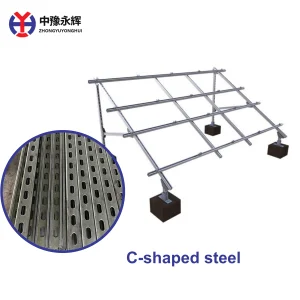
Designed for utility-scale solar farms. Available with screw pile foundations for sandy soils or concrete bases for rocky ground. Uses ZM-coated steel to resist soil moisture and chemical corrosion over long operational lifespans.
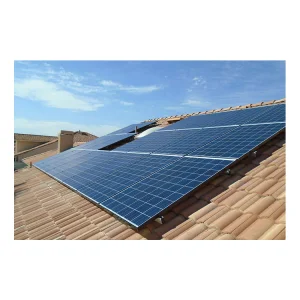
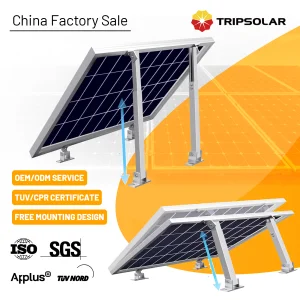
Includes non-penetrative ballasted options for flat roofs to maintain roof waterproofing, as well as bracket systems with roof-penetrating hooks for pitched roofs. Incorporates quick-connect splices to accelerate installation times.
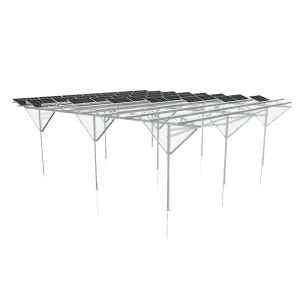
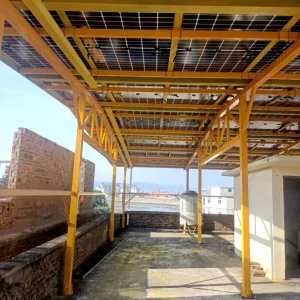
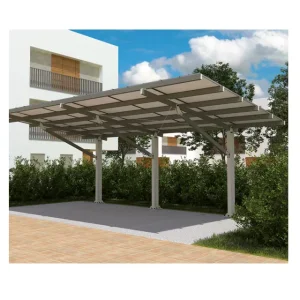
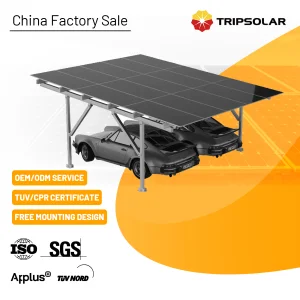
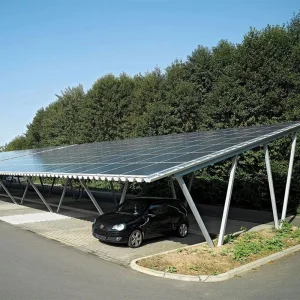
Combines structural parking shelters with renewable energy generation. Features integrated water management channels, anodized aluminum frames, and pre-assembled structures designed for residential and commercial parking lots.
In addition to fixed-tilt racking, intelligent dual-motor axis tracking systems represent a high-yield solution for modern solar farms. By continuously aligning solar modules with the sun throughout the day, active tracking structures can increase energy yields by up to 25% to 35% compared to static mounting systems, maximizing return on investment for high-irradiance project locations.
Ensuring global engineering compatibility, environmental sustainability, and product certifications.
Engineering solar installations requires strict adherence to international building and safety standards. Solar arrays face significant wind drag and uplift forces during storm events. At Soweglow, we conduct extensive testing to verify structural performance and meet strict compliance metrics:
Soweglow Solar integrates these engineering practices directly into our fabrication workflows. From automatic glue dispensing and ultrasonic welding to our final dimensional quality inspections, our systems are manufactured to provide reliable support for clean energy infrastructure worldwide.
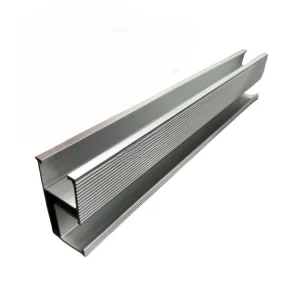
Browse our specialized components and high-capacity racking solutions designed for residential and commercial solar installations.
Expert structural insights answering key design, material specification, and compliance questions.
ZM coated steel features a chemical alloy composition that creates a self-healing protective layer on cut edges and punched holes. When exposed to rain and moisture, magnesium compounds migrate to the exposed steel edges, forming a dense barrier that prevents rust propagation. This provides significantly better corrosion resistance than traditional hot-dip galvanization in highly corrosive environments (such as coastal areas or chemical plants).
Every mounting structure undergoes mechanical analysis using Finite Element Analysis (FEA) software. We simulate localized climatic conditions, including wind speeds up to 60 m/s and snow loads up to 1.4 kN/m², in compliance with AS/NZS 1170.2 and Eurocode standards. This ensures the structural integrity of our racking profiles under demanding environmental conditions.
For flat concrete roofs where penetration is not possible, we design ballasted mounting systems. These structures use concrete blocks as weight ballast to secure the PV arrays against wind uplift, maintaining the integrity of the roof's waterproofing membrane. They also feature wind deflector plates to further minimize wind forces on the system.
Yes, our solar carports are fully customizable. We offer configurations in single-row, double-row, and multi-span layouts, with clearance heights tailored to passenger cars, utility trucks, or buses. The structures can be fabricated from anodized aluminum or ZM-coated steel, and can include integrated gutters for rainwater management.
Pre-assembled components, such as pre-hinged tripod frames and pre-assembled rail clamps, are folded and prepared at our factory. This minimizes the amount of loose hardware that field technicians must assemble on-site. Field trials show this approach can reduce on-site installation labor requirements by up to 40%.
Our quality control program covers every stage of production, from raw material inspection (verifying steel and aluminum grades) through fabrication processes like welding and assembling, to final dimensional checks. We run aging and stress tests under simulated loads to verify that our mounting structures can perform reliably over their designed 25-year lifespan.
 Soweglow Solar