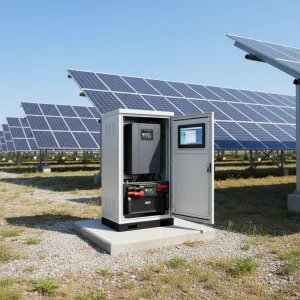
Explore our cutting-edge Tier-1 PV string and energy storage solutions engineered for industrial and residential resilience.
The paradigm shift in global energy grids from centralized fossils to distributed intelligent renewables.
Modern renewable energy deployment is moving far beyond simple generation. Global power grids are experiencing high penetration rates of intermittent solar power, forcing regulatory bodies to redefine standards. The primary driver in modern engineering is the transition from grid-following inverters to intelligent, grid-forming inverters. Modern solar inverter factories are redesigning their platforms to simulate virtual synchronous machine dynamics, regulating grid voltage and frequency actively rather than passively.
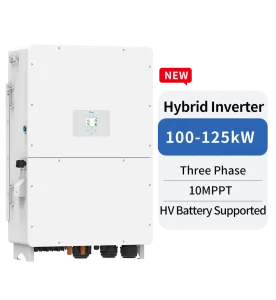
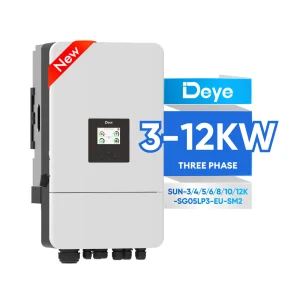
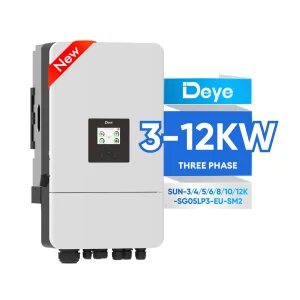
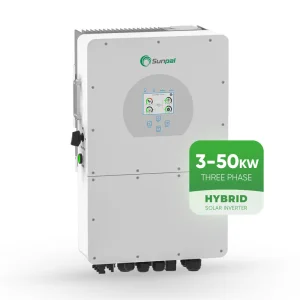
Simultaneously, the industry is witnessing an aggressive transition from low-voltage (48V) battery couplings to High-Voltage (HV) DC distribution networks (300V to 800V+). High-voltage architectures allow commercial & industrial (C&I) projects to minimize current flow, reduce cable thickness (copper requirements), slash I²R thermal losses, and boost system round-trip efficiency (RTE) up to 98.6%. Inverters such as the *Deye 100KW 125KW High Voltage Hybrid series* represent this technological pinnacle, integrating high-voltage battery managers directly with multi-channel MPPT tracking systems.
A solar inverter is no longer a simple direct-to-alternating current converter; it acts as the digital central nervous system of any smart microgrid. Leading-edge developers and EPC companies now mandate integration of AI-driven forecasting engines within the inverter hardware. By processing local weather telemetry, load usage statistics, and real-time utility tariff patterns, these units execute predictive peak-shaving algorithms. This level of smart distribution ensures optimal dispatch times—storing excess solar output during negative-pricing cycles and discharging it during peak utility price structures.
A comprehensive framework for developers, EPCs, and volume distributors sourcing power electronics.
Absolute requirement for UL1741, IEEE 1547, EN 50549, and local grid certifications to guarantee grid connection and safety compliance.
IP65 and IP66 protective enclosures featuring advanced liquid cooling or active fan heat sinks to mitigate ambient temperature throttling.
Ensuring component manufacturers offer 5 to 10-year baseline warranties backed by international reinsurers and localized service hubs.
When procurement managers evaluate OEM/ODM options, initial capital expenditure (CAPEX) represents only a portion of the financial equation. True evaluation requires analyzing Levelized Cost of Energy (LCOE) and operational expenses (OPEX). Factor in inverter MTBF (Mean Time Between Failures) metrics, replacement accessibility, and the efficiency of repair channels. Working directly with established factories that maintain transparent reliability reports and end-to-end component traceability ensures minimal downtime during utility grid disconnects or internal electronics faults.
Leveraging advanced automation, deep vertical integration, and cluster advantages in Shenzhen's technological ecosystem.
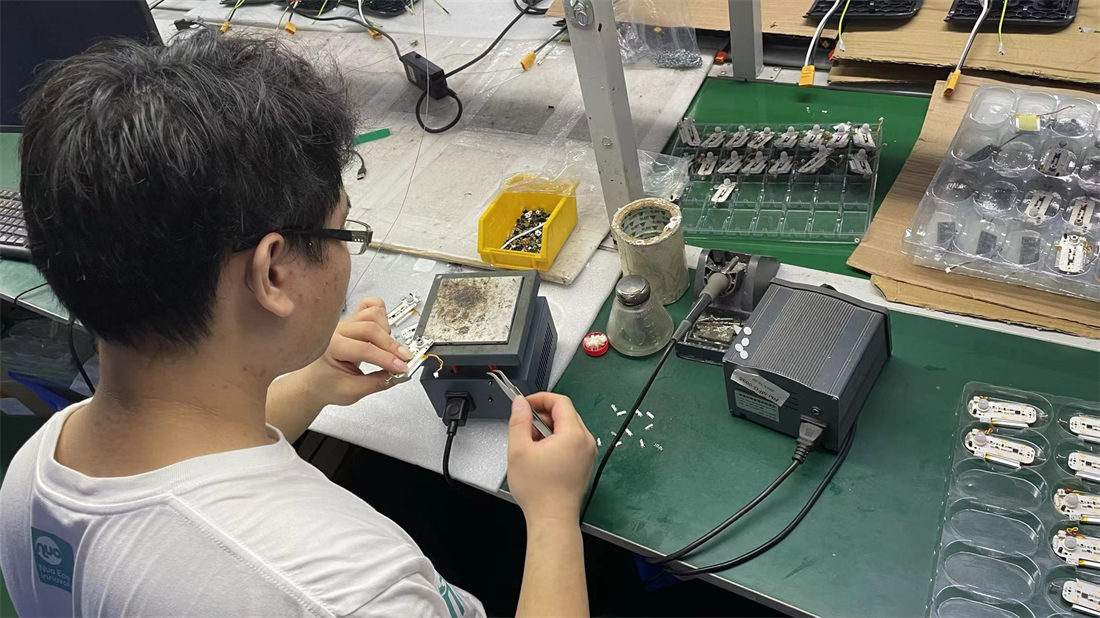
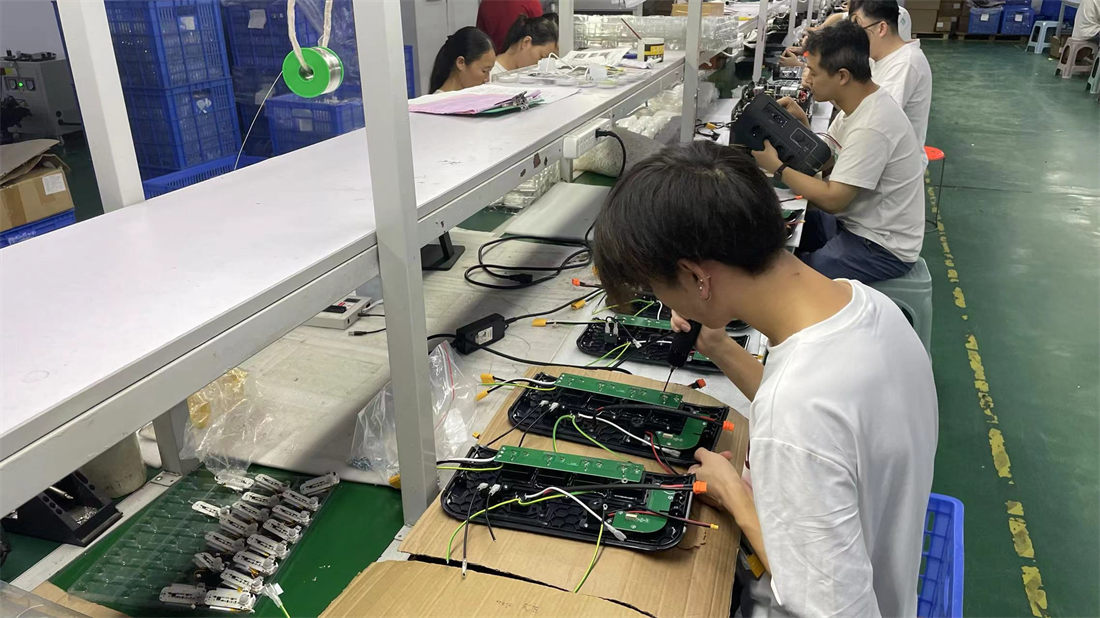
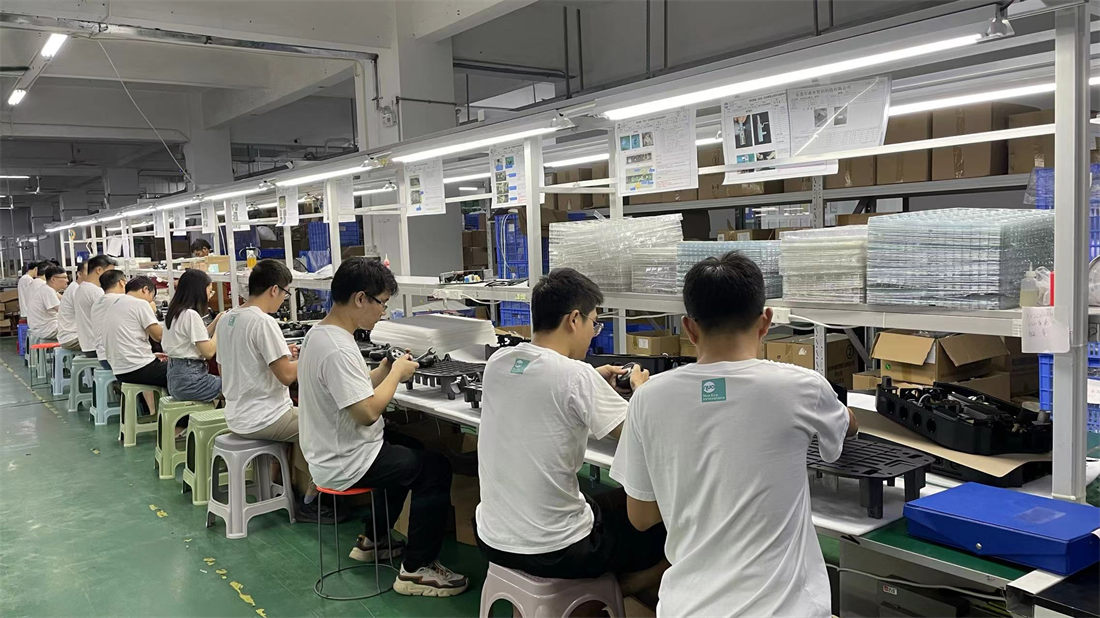
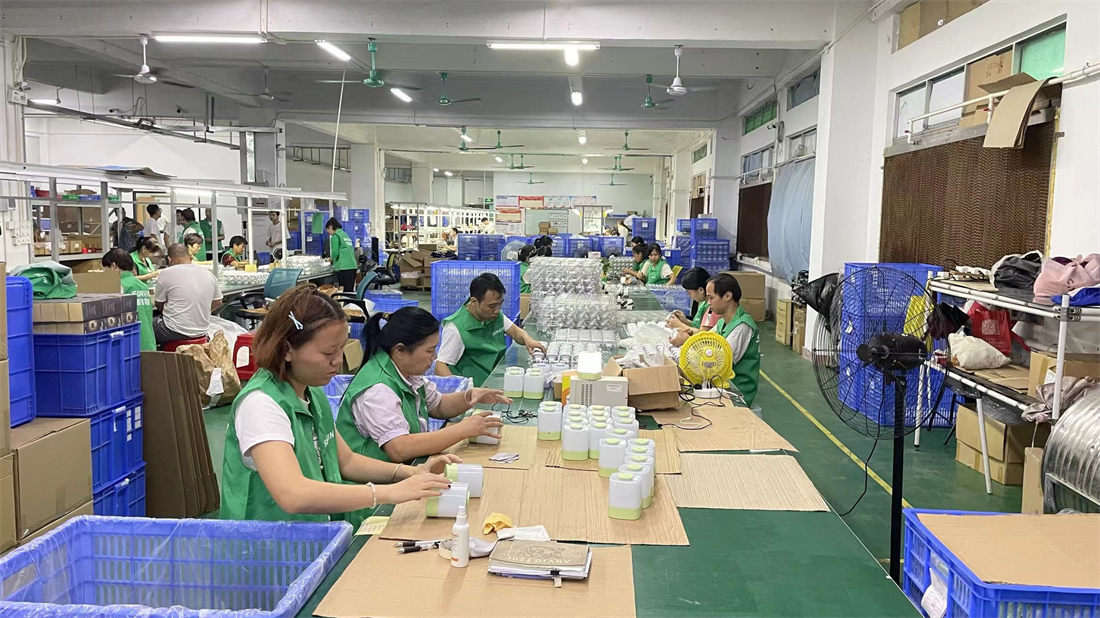
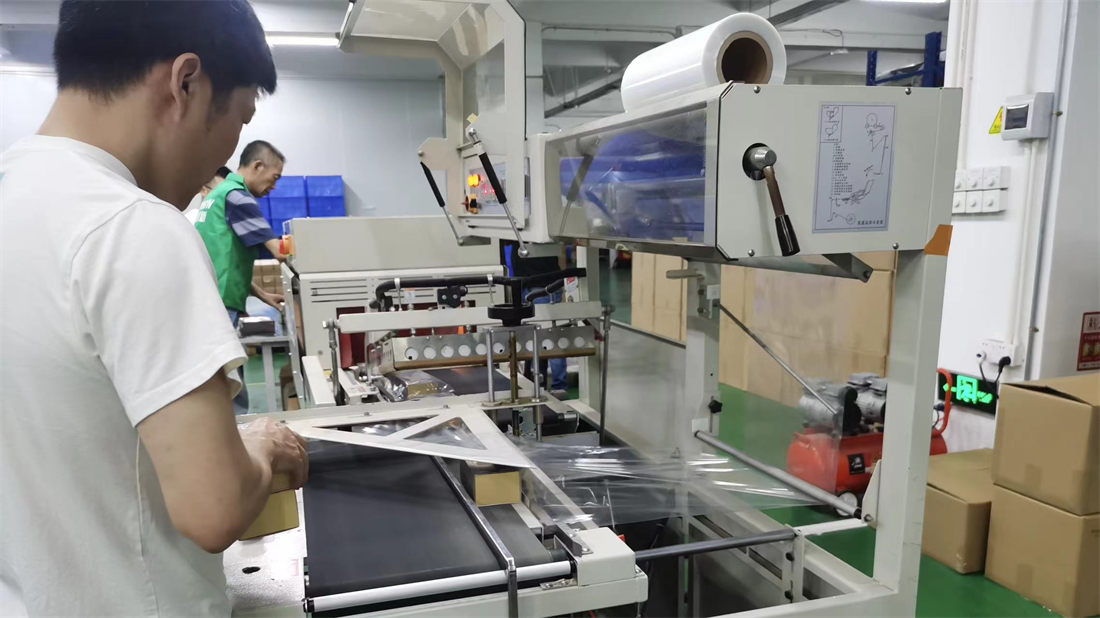
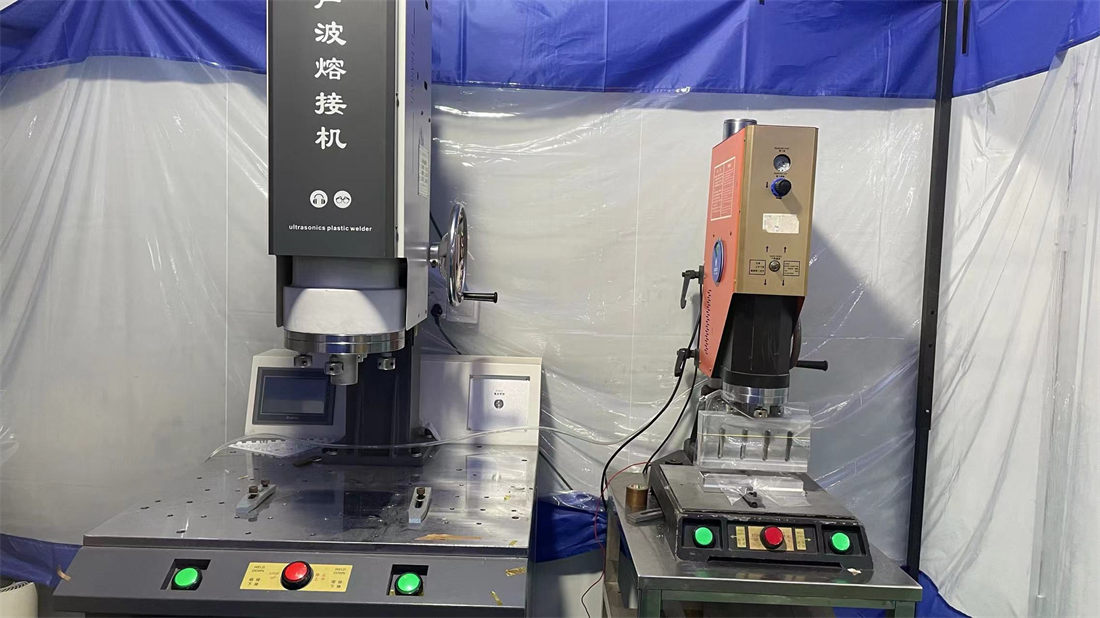
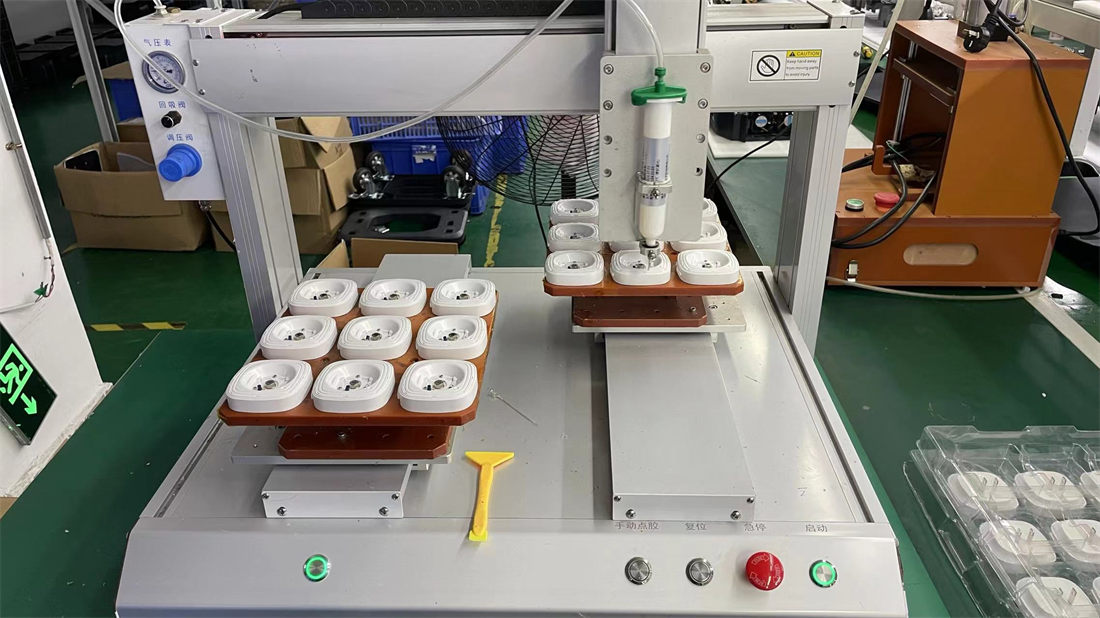
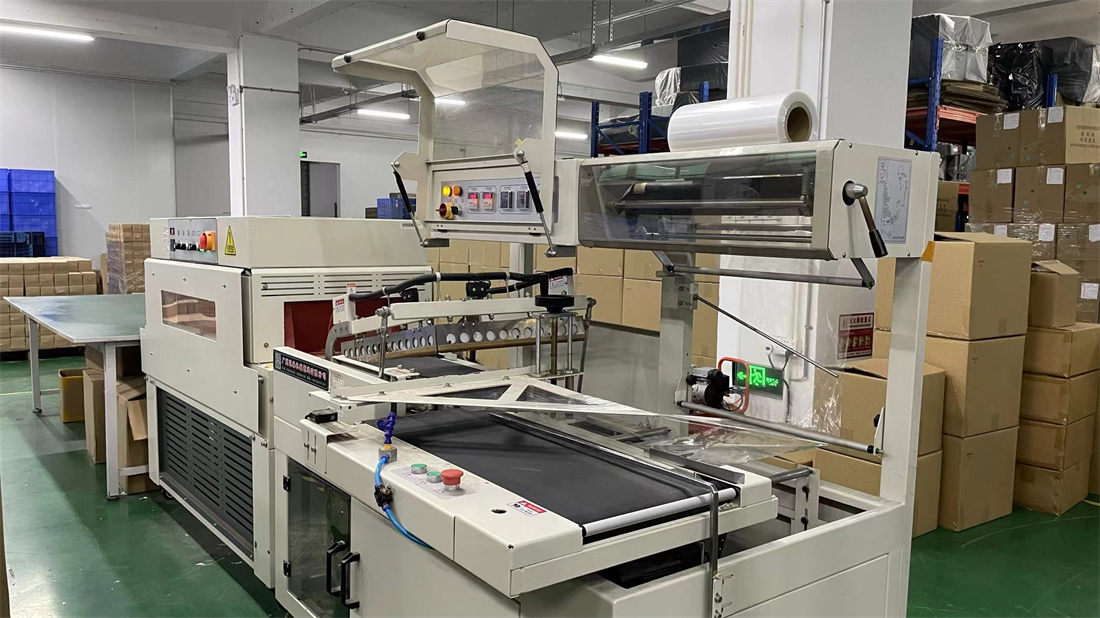
The production of highly reliable power electronics requires extreme environmental cleanliness, robotic precision, and rigorous quality loops. Our manufacturing facility in Shenzhen operates on the frontier of Industry 4.0 standards. By combining computerized SMT (Surface Mount Technology) assembly lines with automated optical inspections (AOI), we eliminate manual assembly errors on delicate logic boards and power PCB modules. Our production lines utilize automated dispensing systems and high-precision ultrasonic welding to guarantee hermetic seals on environmental enclosures, ensuring robust outdoor reliability for decades.
Furthermore, China’s industrial energy clusters provide unparalleled supply chain resilience. From high-grade power semiconductors (IGBTs) to premium magnetic cores, copper busbars, and aluminum heat sinks, all crucial sub-components are sourced within a 100-kilometer radius. This geographic advantage shields our operations from international shipping interruptions, material shortages, and sudden logistics volatility, ensuring we maintain stable delivery timelines even during high-demand quarters.
Tailoring system designs to meet regional grid codes, climatic extremes, and specific load requirements.
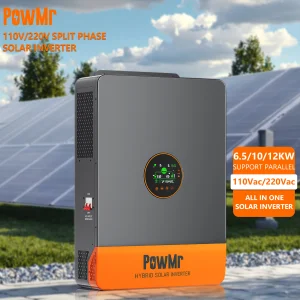
Deploying specialized split-phase inverters (e.g. 120V/240V configurations) that interface seamlessly with local dual-leg distribution systems without requiring external autotransformers.
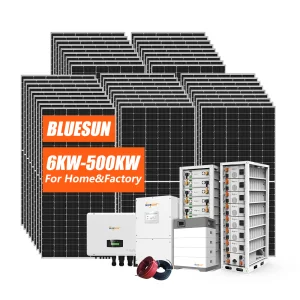
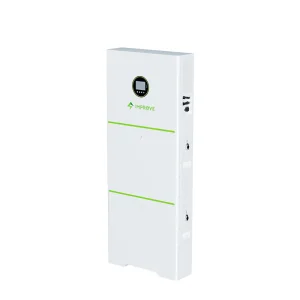
Providing three-phase European grid-compliant (400V) systems coupled with modular, stackable high-voltage LiFePO4 batteries to maximize residential self-consumption and participate in virtual power plants (VPPs).
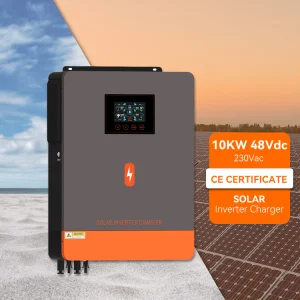
Deploying robust solar charging and high-frequency inverters in remote geographic locations (e.g. Sub-Saharan Africa, island communities) featuring wide input voltage limits and generator-starter integration.
Climatic factors play a major role in engineering specifications. For instance, in hot, arid desert climates in the Middle East, our inverters utilize smart active-cooling systems and intelligent derating technology to prevent thermal shutdown at ambient temperatures exceeding 50°C. Conversely, in highly humid coastal or tropical areas, our IP65 rating and corrosion-resistant powder coatings protect the internal power components against salt-spray corrosion and high relative humidity.
An engineering breakdown of modern inverter topologies and battery dispatch systems.
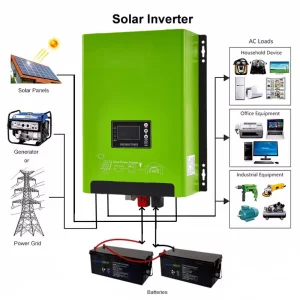
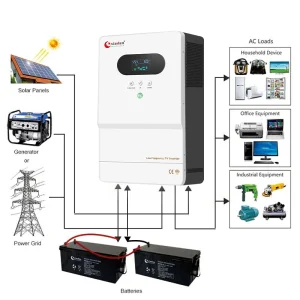
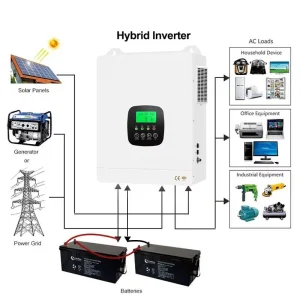
Modern hybrid inverters blend the best of grid-interactive and isolated systems. By incorporating bidirectional active-front-end (AFE) rectifiers, hybrid inverters transition energy in milliseconds between the PV panels, the battery pack, the local domestic load, and the utility grid. When the utility grid is stable, the system operates in grid-tied mode, exporting excess power or optimizing home consumption. In the event of a grid fault, a high-speed internal static transfer switch disconnects from the grid in less than 10 milliseconds, routing backup power to essential loads directly from the battery/PV sub-system.
On the other hand, traditional off-grid inverters rely heavily on robust transformer-based structures to handle massive inrush currents from inductive loads like motors, pumps, and air compressors. Our high-frequency transformerless off-grid designs utilize rapid digital signal processing (DSP) to achieve high peak surge ratings up to twice their nominal continuous output capacity while maintaining a lightweight, compact footprint. This balance of engineering enables clean, stable pure sine-wave outputs with total harmonic distortion (THD) under 3%, protecting delicate electronics from voltage fluctuations.
A global leader in engineering, manufacturing, and exporting advanced solar energy equipment.
Shenzhen Soweglow Solar Co., Ltd. is a professional and reliable manufacturer and supplier specializing in solar energy products, renewable energy solutions, and intelligent solar lighting systems. Located in Shenzhen, China, one of the world's most innovative and dynamic technology hubs, we have been committed to the solar industry for many years, providing high-quality products and customized energy solutions to customers worldwide.
Driven by the mission of promoting clean energy and sustainable development, Soweglow Solar focuses on delivering efficient, environmentally friendly, and cost-effective solar products that help reduce energy consumption and carbon emissions. Through continuous innovation, strict quality control, and customer-oriented service, we have established long-term partnerships with clients across Europe, North America, South America, Africa, Southeast Asia, and the Middle East.
Our experienced team possesses extensive expertise in solar lighting, photovoltaic systems, energy storage solutions, project management, manufacturing, and international business. We continuously invest in research and development to ensure our products meet evolving market demands and international quality standards.
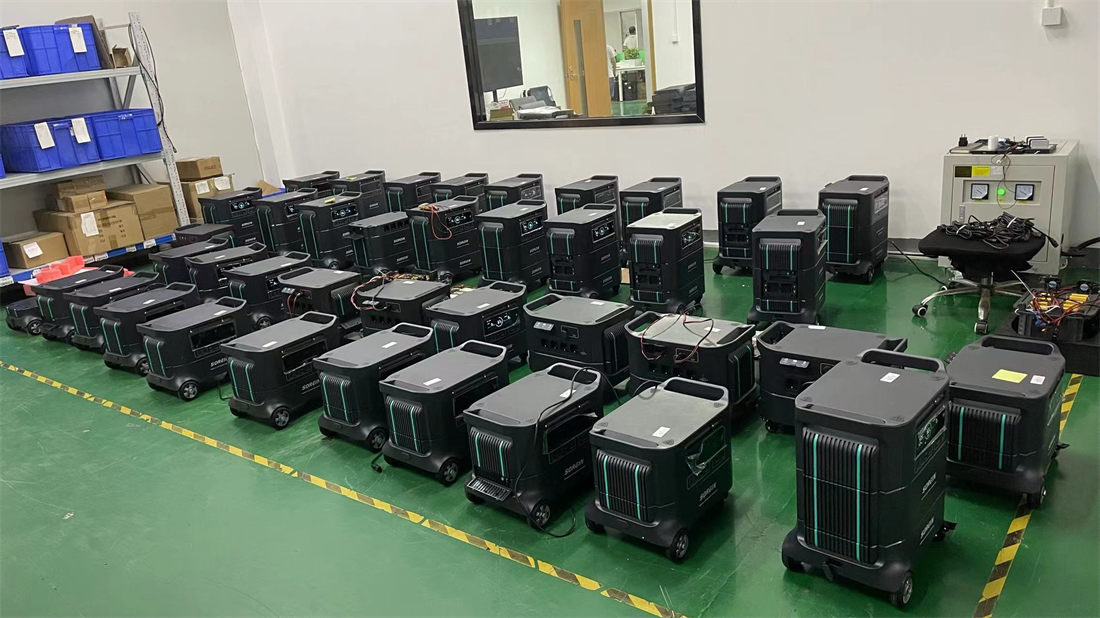
Quality is the foundation of our business. Every product undergoes strict quality inspections throughout the entire production process, from raw material selection to final assembly and shipment. Our manufacturing facilities operate under comprehensive quality management systems to ensure product reliability, safety, and long service life. We continuously improve our production processes and technology to provide products that comply with international certifications and industry standards.
To accelerate the adoption of renewable energy by providing innovative, efficient, and sustainable solar solutions that create long-term value for customers and contribute to a greener future.
In-depth responses to direct engineering and procurement inquiries from global importers and distributors.
Explore our full range of solutions designed to meet diverse energy needs across the globe.
 Soweglow Solar