Outdoor solar batteries work through changing weather, not controlled indoor conditions. Their performance can shift from a cool dawn to a hot afternoon. A battery cabinet may sit beside a wall, under a roof, or in direct sunlight. Each location creates a different thermal environment. The best temperature is usually a moderate range, not an extreme value.
How does temperature affect the performance of outdoor solar batteries? Cold conditions can reduce charging efficiency and temporarily limit available capacity. Very low temperatures may also require battery management systems to restrict charging. Heat creates different concerns. It can increase battery stress, accelerate aging, and reduce long-term reliability. Lithium-ion batteries often perform best near room temperature, but exact limits depend on their chemistry and manufacturer.
Real-world installation details matter. A shaded, ventilated enclosure can remain far cooler than a sealed metal box. Dust, blocked vents, and poor insulation can quietly worsen temperature problems. Monitoring battery temperature, charge rate, and warning codes provides useful evidence. Manufacturer specifications should guide every decision. General advice cannot replace them.
This topic needs careful judgment. A battery may operate outside its ideal range, yet lose efficiency or service life. That difference is easy to miss. Seasonal checks can reveal patterns that one inspection cannot. The sections ahead examine ideal temperature ranges, cold-weather charging, heat protection, enclosure design, monitoring practices, and signs of thermal damage. Small installation choices may produce large savings over time.
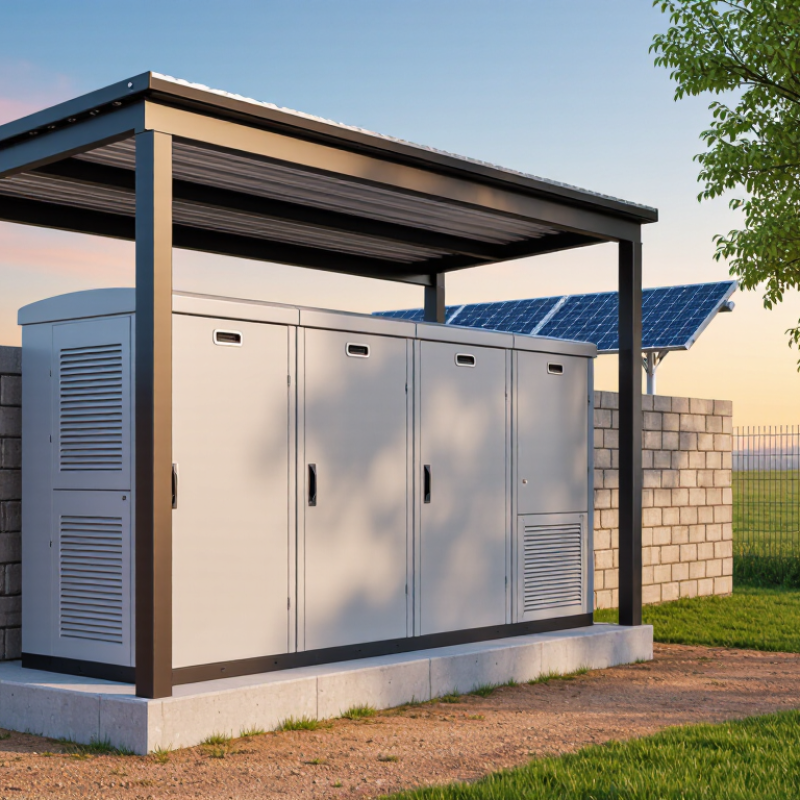
For most outdoor solar batteries, the best temperature range is about 15°C to 30°C (59°F to 86°F). This range supports efficient charging, stable discharge, and slower cell aging. Short periods outside it may be acceptable. Daily exposure is different. A battery cabinet sitting in direct sun can become much hotter than the surrounding air. Metal surfaces amplify this problem. Shade matters.
Many systems can operate around 0°C to 45°C, but exact limits depend on battery chemistry and manufacturer settings. Charging below freezing can damage lithium cells if protective controls are absent. Hot conditions also increase degradation and may trigger automatic shutdowns.
Place the enclosure under a ventilated cover, away from walls that radiate afternoon heat. Keep airflow clear. Do not seal heat inside a waterproof box without thermal planning. A thermometer near the battery is more useful than a weather app.
Check temperatures during charging, not only at noon. Heavy charging after a cold night can reveal a hidden risk. Set alerts for unusual readings, and inspect terminals for moisture or corrosion.
Insulation can help in winter, but it may trap heat in summer. That trade-off is easy to miss. A common planning error is choosing a battery from its advertised operating range alone.
Local shade, ventilation, and seasonal temperature swings matter more than a single number. If readings regularly exceed the recommended range, consult a qualified installer before changing settings or adding cooling equipment.
What Is the Best Temperature for Outdoor Solar Batteries?
How Temperature Affects Solar Battery Performance and Lifespan
Outdoor solar batteries generally perform best between 15°C and 25°C (59°F and 77°F). Within this range, charging efficiency, usable capacity, and internal resistance remain more balanced. Cold weather slows chemical reactions, so a battery may provide less energy. Heat creates a larger concern. Long periods above the rated range can accelerate aging and reduce capacity. A perfect number is tempting. Real installations are messier.
For lithium batteries, charging below freezing can cause permanent damage without suitable heating and control systems. Cold discharging is usually safer, but available output may still fall. Lead-acid batteries also lose capacity in low temperatures and age faster in persistent heat. Always check the technical manual, because chemistry and enclosure design affect operating limits. Shade matters. Direct afternoon sunlight can make a cabinet much hotter than the surrounding air. Install the battery in a ventilated, weather-protected location.
Temperature sensors and remote alerts can reveal abnormal patterns before performance drops. Insulation may reduce daily temperature swings, but it must not trap heat. In practice, poor airflow often causes more trouble than winter cold. That is easy to miss. Inspect vents, cable connections, moisture seals, and temperature records regularly. If readings repeatedly exceed the specified range, ask a qualified installer to investigate. The practical goal is simple: keep the battery within its approved temperature range for as many hours as possible.
| Battery Chemistry | Best Operating Temperature | Typical Discharge Range | Typical Charging Range | Effect of Cold Temperatures | Effect of High Temperatures | Recommended Outdoor Protection |
|---|---|---|---|---|---|---|
| Lithium Iron Phosphate (LiFePO4) | 15–30°C (59–86°F) |
Approximately −20–60°C (−4–140°F) |
Usually 0–45°C (32–113°F) |
Usable capacity and charging efficiency decrease. Charging below 0°C can cause permanent cell damage unless the battery management system prevents it or the cells are heated. | Heat accelerates capacity loss, increases internal stress, and can shorten service life, especially when the battery remains fully charged. | Use shade, ventilation, insulation that does not block airflow, and a battery management system with low-temperature charging protection. |
| Other Lithium-Ion Chemistries | 15–25°C (59–77°F) |
Approximately −20–60°C (−4–140°F), depending on cell design |
Commonly 0–45°C (32–113°F), depending on the battery system |
Available energy and power decline. Charging below the specified minimum temperature may result in lithium plating and permanent damage. | High temperatures speed up chemical aging and may increase safety risks if protection systems fail or ventilation is inadequate. | Install in a dry, shaded, ventilated enclosure and follow the exact limits stated by the battery manufacturer. |
| Sealed Lead-Acid (AGM or Gel) | 20–25°C (68–77°F) |
Approximately −20–50°C (−4–122°F) |
Approximately 0–50°C (32–122°F), with voltage compensation required |
Available capacity falls significantly. A fully discharged battery can freeze at relatively mild sub-zero temperatures, which may damage the case and plates. | Water loss, corrosion, and accelerated plate aging increase. Battery life generally declines as average temperature rises above 25°C. | Provide ventilation, protect against freezing, and use a temperature-compensated charge controller. |
| Flooded Lead-Acid | 20–25°C (68–77°F) |
Approximately −20–50°C (−4–122°F) |
Approximately 0–50°C (32–122°F), with temperature compensation |
Capacity and charging acceptance decrease. Electrolyte can freeze when the battery is deeply discharged and exposed to sub-zero temperatures. | Electrolyte evaporation and corrosion increase, so water levels may require more frequent inspection and maintenance. | Use a ventilated, weather-resistant enclosure; prevent water ingress and keep the battery sufficiently charged during winter. |
| Nickel-Based Batteries | 15–25°C (59–77°F) |
Approximately −20–45°C (−4–113°F) |
Approximately 0–45°C (32–113°F) |
Power and capacity can decrease, although some nickel-based systems tolerate cold better than lead-acid batteries. | High temperatures accelerate electrolyte and electrode degradation and may reduce cycle life. | Keep the enclosure shaded and ventilated, and use temperature monitoring to prevent operation outside the specified limits. |
| General Outdoor Solar Battery Guidance | Target 15–30°C (59–86°F) |
Follow the battery's rated limit | Follow the battery's rated limit | Expect lower capacity and slower chemical reactions. Never assume that a battery can safely charge at the same temperature at which it can discharge. | Every 10°C rise above approximately 25°C can substantially accelerate aging in many battery systems; the exact effect depends on chemistry and design. | Use shade, airflow, weather protection, temperature sensors, and a charge controller or battery management system configured for the battery chemistry. |
Important: Temperature limits vary by cell, enclosure, charge controller, and battery management system. Always use the specific operating and charging limits supplied for the installed battery. The temperature of the battery cells—not only the outdoor air temperature—should be monitored.
Outdoor solar batteries face sharper temperature changes than indoor units. Sunlit enclosures can become dangerously hot, while winter nights may drop below freezing. In most installations, moderate temperatures around 15–30°C support the best performance. Battery chemistry still matters more than a single ideal number.
Lithium iron phosphate batteries usually handle outdoor cycling well. They offer strong thermal stability, long service life, and steady daily performance. However, charging below 0°C can damage lithium cells unless heating protection is included. Cold weather also reduces available capacity. A battery may show power loss before its monitoring system reports a serious problem.
Lead-acid batteries tolerate cold operation reasonably well, but their capacity falls quickly in low temperatures. A deeply discharged unit may even freeze, cracking its case. They also need ventilation and more maintenance. Sodium-ion batteries are promising in colder climates because they can retain useful performance at lower temperatures. Their outdoor track record remains smaller, so published specifications deserve careful checking.
I would choose LFP for many warm or mixed climates, provided the enclosure has shade, airflow, and temperature controls. In harsh winters, sodium-ion may deserve closer attention. But availability and installer experience can change that decision. No chemistry wins everywhere. Real weather is less predictable than a laboratory chart.
Outdoor solar batteries generally perform best between 15°C and 30°C. Cooler conditions slow chemical reactions, while sustained heat accelerates capacity loss. The U.S. Department of Energy’s Energy Storage Handbook (2023) warns that thermal control strongly affects lithium-ion battery life and safety. Many systems can discharge below 0°C, but charging may require internal heating or a temperature lockout.
Heat protection needs more than a small roof. Install the battery in a shaded, ventilated enclosure with space around its housing. Keep it away from dark metal walls, concrete that stores afternoon heat, and direct reflected sunlight. The National Renewable Energy Laboratory’s 2024 Annual Technology Baseline links battery lifetime with operating temperature, cycling depth, and cooling performance. A shaded battery can still overheat if air cannot circulate. That detail is often missed.
Cold protection is equally practical. Place the enclosure above ground, reduce wind exposure, and use approved insulation without blocking ventilation. Do not wrap the battery tightly in blankets or plastic. Moisture can enter through cable glands, condensation, or driving rain. The enclosure should match the manufacturer’s outdoor protection rating, with sealed connections and a small drain path where appropriate. The International Electrotechnical Commission’s IEC 60529 framework classifies enclosure resistance to dust and water, but a rating is not permanent protection. Inspect seals after storms. Look for corrosion, swelling, unusual odors, or water marks. Field technicians often catch these signs early; owners sometimes wait too long. Temperature sensors and remote alerts help, though sensors can fail. Verify them during seasonal maintenance.
Outdoor solar batteries usually perform best between 15°C and 30°C (59°F–86°F). Temperature affects charging speed, capacity, and battery life. Lithium batteries need special care in freezing weather. Charging below 0°C (32°F) can cause permanent damage unless the system includes low-temperature protection. Heat also matters. Temperatures above 35°C (95°F) may accelerate aging and reduce performance.
Monitor the battery with its built-in sensor or a separate digital temperature probe. Check readings during midday heat and before dawn. Those measurements reveal daily temperature swings. Place the battery in a shaded, dry enclosure with steady airflow. Avoid sealed metal boxes that trap heat. In winter, insulation can help, but it must not block ventilation or create condensation.
Keep the battery away from direct sunlight, heaters, and damp ground. Inspect terminals, cables, and the enclosure every few weeks. Look for swelling, corrosion, unusual smells, or unexpected temperature changes. Stop using the system if the battery becomes extremely hot or physically damaged. A smart controller can reduce charging when conditions become unsafe. However, automation is not perfect. Sensors can drift, and a shaded surface may hide internal heat. Record temperatures and performance over time. A simple log often exposes problems before the battery fails.
For common lithium-ion solar batteries, moderate temperatures around 10–30°C (50–86°F) are generally preferred. Charging below 0°C can cause permanent damage, while high temperatures accelerate battery aging. Actual limits vary by battery chemistry and design, so always verify the manufacturer’s specifications.
How to maintain the right temperature: Install the battery in a shaded, ventilated enclosure, protect it from moisture and direct sunlight, and use temperature monitoring with automatic heating or cooling when outdoor conditions are extreme.
Most outdoor batteries perform best between 15°C and 30°C. This range supports efficient charging and steady discharge. Shade still matters.
Many systems can discharge below freezing, but charging lithium cells may cause damage. Heating protection or charging lockouts may be necessary. Cold also reduces available capacity.
Sustained heat speeds up capacity loss and cell aging. Direct sunlight can make a metal enclosure much hotter than the surrounding air. Airflow is essential.
Place it under a shaded, ventilated cover with clear space around the housing. Keep it away from dark walls, concrete, and reflected sunlight. Do not trap heat.
Lithium iron phosphate batteries often suit warm or mixed climates. They still need protection from freezing temperatures during charging. Sodium-ion batteries may deserve attention in colder regions, but their field history is smaller.
Low temperatures reduce capacity and slow chemical reactions. A deeply discharged lead-acid battery may freeze and crack. Approved insulation can help, but tight wrapping may trap summer heat.
Use sealed cable connections and an enclosure rated for outdoor dust and water exposure. Keep a suitable drain path where needed. Inspect seals after storms.
Check temperature during charging, especially after a cold night. Inspect terminals for moisture, corrosion, swelling, odors, and water marks. Sensors can fail, so verify them seasonally.
No. A sealed box may prevent rain but trap dangerous heat. Ventilation, shading, insulation, and drainage must work together. This trade-off is easy to miss.
Outdoor solar batteries perform best within a moderate temperature range, generally around 15°C to 30°C (59°F to 86°F), although the ideal range varies by battery chemistry and design. How does temperature affect the performance of outdoor solar batteries? Excessive heat can accelerate battery degradation, reduce efficiency, and shorten service life, while very cold conditions may temporarily lower capacity, charging speed, and available power. Some battery types tolerate temperature changes better than others, but all outdoor systems benefit from proper protection.
To maintain reliable operation, install the battery in a shaded, well-ventilated, and weather-resistant enclosure. Insulation can help reduce exposure to freezing temperatures, while airflow and reflective barriers can limit heat buildup. Moisture protection is also essential to prevent corrosion and electrical damage. Regularly monitor temperature, charge levels, and warning indicators, and inspect the enclosure for leaks, dust, or blocked ventilation. Keeping the battery within its recommended operating range supports safer performance, better energy storage, and a longer usable lifespan.

Soweglow Solar