How to Choose Between Monocrystalline and Polycrystalline Solar Panels?

Time:2026-06-13 Author:Sienna
0%

When considering solar energy, two popular options arise: monocrystalline and polycrystalline solar panels. Each type has distinct characteristics affecting efficiency and cost. The Solar Energy Industries Association (SEIA) reports that monocrystalline panels offer an efficiency rate of up to 22%, while polycrystalline panels average around 15-17%. This efficiency can significantly impact energy production in various climates.

Dr. Emily Shapiro, a solar energy expert, mentions, "Choosing the right type of solar panel is crucial for maximizing investment returns." Her insight emphasizes the importance of understanding the differences in technology when selecting solar panels. Monocrystalline panels are made from a single crystal structure, providing higher efficiency and space savings. In contrast, polycrystalline panels, crafted from multiple crystal fragments, are more affordable but less space-efficient.

What is the difference between monocrystalline and polycrystalline solar panels? The answer lies in their structure and performance. Potential buyers should weigh the initial costs and long-term benefits. Keep the local climate in mind, as different environments can affect panel performance. Your choice should reflect both your budget and energy needs. While monocrystalline choices may seem ideal, polycrystalline panels offer valuable affordability.
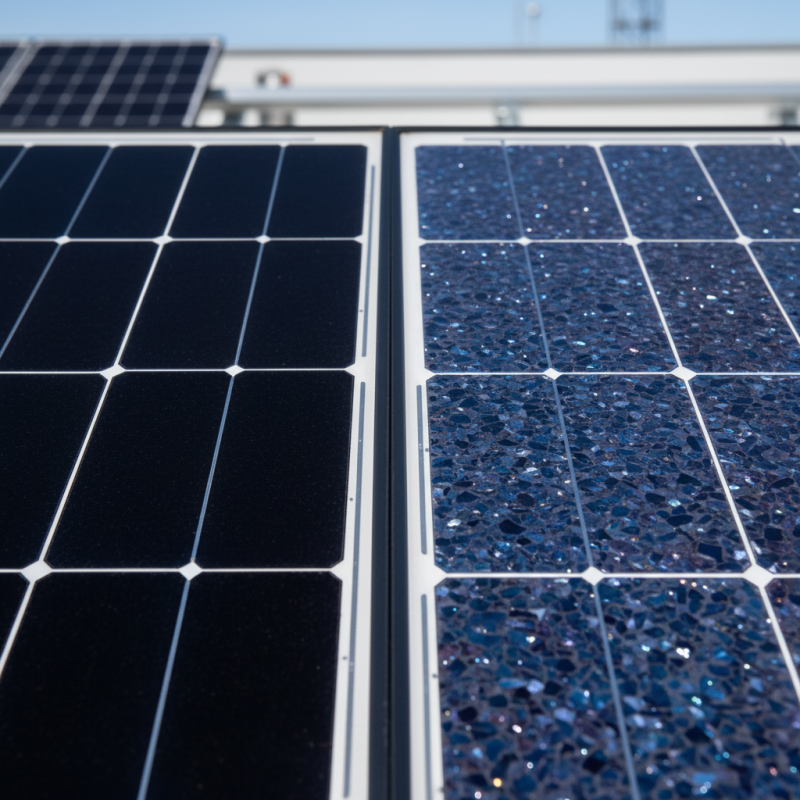
How to Choose Between Monocrystalline and Polycrystalline Solar Panels?

Understanding Monocrystalline Solar Panels: Features and Benefits

Monocrystalline solar panels are renowned for their efficiency and longevity. Made from a single crystal structure, they convert more sunlight into energy. This means they generate more power in smaller spaces compared to other types. Homeowners often prefer these panels due to their sleek, uniform appearance. However, they come with a higher price tag. It’s essential to weigh the initial investment against long-term savings.


One notable feature of monocrystalline panels is their performance in low light. They continue to produce electricity, even in cloudy conditions. This reliability can be a significant advantage for regions with inconsistent sunlight. Despite their benefits, these panels are sensitive to extreme temperatures. When it’s too hot, their efficiency can decline, which may be a concern in warmer climates.


In choosing monocrystalline panels, consider your energy needs and budget. While they offer excellent performance and durability, the upfront costs can be daunting. Reflecting on your specific situation and environment will help guide your choice. Balancing aesthetics, efficiency, and price makes the decision process more manageable.

Exploring Polycrystalline Solar Panels: Characteristics and Advantages

Polycrystalline solar panels have gained attention for their unique characteristics. Made from multiple silicon crystals, they showcase a speckled blue hue. This appearance stems from the method of production, where molten silicon is poured into molds. The result is a panel that is typically cheaper than its monocrystalline counterpart.

One significant advantage of polycrystalline panels is their efficiency in moderate sunlight. Studies indicate that these panels can perform adequately even on cloudy days. They usually have a conversion efficiency between 15% to 20%. While this is lower compared to monocrystalline panels, their lower manufacturing cost makes them a viable option for budget-conscious consumers. This trade-off is crucial for many homeowners and businesses choosing to invest in solar energy.

Another point to consider is the temperature coefficient. Polycrystalline panels tend to have a higher sensitivity to heat. When temperatures rise, their efficiency can drop more dramatically compared to monocrystalline panels. According to recent reports, the average temperature coefficient for polycrystalline panels is around -0.3% per degree Celsius. This means higher temperatures could lead to diminished output in hotter climates. As you weigh these factors, reflect on your specific energy needs and local climate to make an informed decision.

Comparison of Monocrystalline and Polycrystalline Solar Panels

Comparing Efficiency: Monocrystalline vs. Polycrystalline Technologies

When considering solar panel efficiency, monocrystalline and polycrystalline technologies present different advantages. Monocrystalline panels typically boast higher efficiency ratings, often exceeding 20%. They tend to perform better in low-light conditions, making them ideal for urban settings with limited sunlight. Their sleek appearance and higher density lead to a more efficient use of space. A recent report from the National Renewable Energy Laboratory indicates that these panels can generate more energy per square foot compared to their polycrystalline counterparts.

Polycrystalline panels, however, are generally more affordable. While their efficiency usually ranges between 15% to 17%, they remain a popular choice for larger installations where budget constraints exist. They are also made using silicon crystals melted together, which can result in lower production costs. A study by the International Energy Agency highlights that the manufacturing process can impact overall energy output and longevity. This points to an important consideration: while polycrystalline panels might save money initially, their lower efficiency may lead to higher costs over time due to the need for more panels in larger projects.

Ultimately, the choice between these technologies requires careful thought. While efficiency is crucial, cost, installation space, and specific energy needs also play a significant role. Potential buyers should weigh these factors against long-term energy goals to make a well-informed decision. This approach may help prevent regrets down the line regarding energy production and financial investment.

Cost Analysis: Evaluating Prices and Returns on Both Panel Types

When considering solar panels, the cost is a key factor. Monocrystalline panels generally cost more due to their higher efficiency and space-saving design. They often yield better performance in limited space. However, polycrystalline panels are more affordable. This could attract budget-conscious buyers. Evaluating the long-term return on investment is essential.

Tips: Assess your energy needs before purchasing. Calculate the energy output of different panels based on your location.

Installation costs also vary. While monocrystalline panels may save more on energy bills, installation may offset that advantage. Polycrystalline panels, with their lower price point, appeal to many homeowners. Be aware that performance can fluctuate based on factors like temperature and shading.

Tips: Don’t overlook warranties. A solid warranty can provide peace of mind and add value. Remember that prices can vary seasonally, so timing your purchase might impact the overall cost.

Installation Considerations: Choosing the Right Panel for Your Space

When selecting the right solar panel for your space, consider installation conditions. Monocrystalline panels are known for their high efficiency, boasting an average efficiency rating of around 20% to 22%. These panels require less space for the same energy output. However, their higher upfront cost may not appeal to everyone.

On the other hand, polycrystalline panels typically offer a lower efficiency of about 15% to 17%. They are less expensive but occupy more space. If your roof has ample square footage, polycrystalline panels could be a practical choice. The decision hinges on your available space and budget.

Assess the installation angle and shading on your property. Monocrystalline panels perform better in low-light conditions. According to the National Renewable Energy Laboratory (NREL), these panels can still generate energy when partially shaded. In contrast, polycrystalline panels may underperform if shaded. Analyze your environment to optimize energy production.

FAQS

: What are monocrystalline solar panels?

: Monocrystalline solar panels are made from a single crystal structure. They convert sunlight into energy efficiently.

What is the efficiency of these panels?

Their efficiency averages between 20% and 22%. This high efficiency requires less space for maximum energy output.

Are monocrystalline panels good in low light?

Yes, they perform well in low light. They continue producing energy even on cloudy days.

What about extreme temperatures?

Monocrystalline panels are sensitive to heat. High temperatures can reduce their efficiency.

Should I consider my budget when choosing panels?

Yes, upfront costs are significant. Weigh initial investment against long-term savings before making a decision.

How do monocrystalline and polycrystalline panels compare?

Monocrystalline panels are more efficient but pricier. Polycrystalline panels are cheaper but take up more space.

How does shading affect panel performance?

Monocrystalline panels can generate energy even when partially shaded. Polycrystalline panels may suffer under similar conditions.

What should I consider for installation?

Assess your installation angle and shading. Each space has unique conditions that affect energy production.

Why do homeowners choose monocrystalline panels?

Homeowners like the sleek look and high efficiency. However, the cost can be a downside.

Can my energy needs guide my decision?

Yes, reflect on your specific energy requirements. This helps in choosing the right type of solar panel.

Conclusion

When considering solar energy solutions, homeowners often ask, "What is the difference between monocrystalline and polycrystalline solar panels?" Monocrystalline panels are known for their high efficiency and sleek design, making them a popular choice for limited space installations. They are made from a single crystal structure, which allows for better energy conversion rates. In contrast, polycrystalline panels, composed of multiple crystals, are generally more affordable but offer lower efficiency levels.

When selecting between these two options, it is crucial to consider factors such as installation space, budget, and energy needs. The cost analysis of these two technologies reveals that while monocrystalline panels might have a higher upfront cost, their efficiency and longevity can provide better long-term returns. Additionally, understanding the installation requirements for each type will help in making an informed choice that suits your specific circumstances.

Sienna

Sienna

Sienna is a skilled marketing professional with a deep expertise in our company’s core products and services. With a passion for innovation and detail, she plays a pivotal role in crafting insightful blog posts that not only highlight the unique features of our offerings but also provide valuable......