Installing your own off-grid solar power supply system is an exciting venture. It offers independence from traditional energy sources. However, the process may seem daunting for beginners. Tim Johnson, an expert in renewable energy, once said, "The first step is often the hardest, but it opens up a world of possibilities."
To install an off-grid solar power supply by yourself, you need a solid plan. Start by assessing your energy needs. Calculate your daily power consumption to determine the right size of the system. Solar panels, batteries, charge controllers, and inverters are essential components.
Hands-on experience is valuable. Mistakes during installation can lead to inefficiencies. Seek guidance from reliable resources. Online forums, instructional videos, and local workshops can be beneficial. Remember, patience is key. This process requires trial and error. After all, learning and reflecting on your experience will make you more knowledgeable. Embrace the challenge and take the plunge into solar energy!
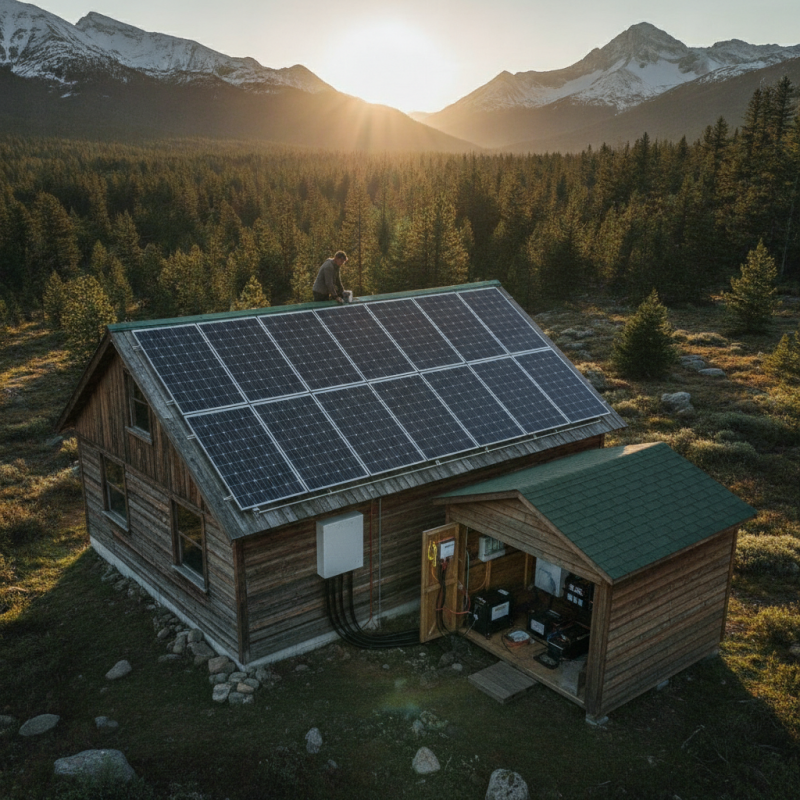
Off-grid solar power supply systems provide a sustainable energy solution for remote living. They generate electricity using solar panels, batteries, and inverters. The key is to understand how these components work together.
Solar panels capture sunlight, converting it into usable energy. Batteries store this energy for times when sunlight isn’t available. Inverters convert DC from batteries into AC for household use.
Tips: Be mindful of your energy consumption. Calculate how much energy your household uses daily. This helps in choosing the right size of solar panels and battery storage. You might overestimate your needs, leading to wasted resources. It’s about balancing your energy requirements with available solar resources.
Understanding the installation process is crucial. Research local regulations to ensure compliance. Study the layout of your property to optimize panel placement. Installers often overlook orientation and shading, which can affect efficiency. Reflecting on your system's performance regularly is vital. Are you generating enough energy? Are there maintenance issues? Fine-tuning your setup can lead to improved reliability and sustainability.
To set up your off-grid solar power supply system, understanding its essential components is crucial. A solar panel array is the heart of the system. Typically, many off-grid setups use polycrystalline or monocrystalline panels, which convert sunlight into electricity efficiently. According to the Solar Energy Industries Association (SEIA), solar energy accounted for 46% of new electric generation capacity in 2020. These components can vary in size and efficiency, so careful selection is needed to match your power needs.
Next, a charge controller regulates power going from the solar panels to the batteries. It prevents overcharging and ensures battery longevity. Deep-cycle batteries are essential in off-grid systems, as they store energy for use during cloudy days. The National Renewable Energy Laboratory (NREL) emphasizes that a quality battery bank is crucial for reliability and use comfort. Although some people may choose cheaper options, investing in robust batteries can greatly enhance system performance and endurance.
**Tips:** Regular maintenance of solar panels boosts efficiency. Dust and debris can reduce solar energy capture. Additionally, consider your energy consumption habits. Understanding peak usage times can help maximize your system’s output and efficiency. Recognizing when to upgrade components is also important. Investing in newer technology can yield better performance.
Installing solar panels can be a rewarding but challenging experience. Start by identifying the best location for your panels. Ideally, they should be installed in an area with maximum sunlight exposure. Take note of any potential obstructions like trees or buildings. It’s crucial to have a reliable solar resource assessment. This step can save you from future issues.
Next, gather the necessary tools and materials. You will need mounting brackets, inverters, and wiring specific to your system. Follow a step-by-step guide to ensure accuracy. Installing framework for solar panels requires precision. Misalignment can reduce efficiency. You may want to consult an expert if you're unsure about the setup. Sometimes, seeking professional assistance can prevent mistakes and save time.
Once your panels are installed, regular maintenance is key. Dirt and debris can lead to lower energy production. Clean your panels periodically to ensure optimal performance. Also, monitor your system for any discrepancies in energy output. This proactive approach can highlight potential issues. With each step, you learn and adapt, refining your skills and knowledge in off-grid solar energy.
Connecting batteries and inverters is essential for a functional off-grid solar power system. Begin by selecting batteries that match your energy needs. Lead-acid or lithium-ion batteries are common choices. Ensure that the voltage rating aligns with your inverter specifications. Using mismatched voltages can lead to inefficiencies and equipment failure.
Once you've selected the batteries, you'll need to connect them in series or parallel. Series connections increase voltage, while parallel connections increase capacity. Carefully check the connections for tightness and corrosion. A loose connection can result in significant energy loss.
Next, attach the inverter to the battery bank. The inverter converts DC power from the batteries into usable AC power. Ensure the inverter’s capacity meets your power needs. Be cautious during this process, as incorrect wiring can damage your equipment. Always refer to the manufacturer’s instructions for guidance. Testing the connections after setup is crucial. This not only ensures reliability but also helps identify potential issues early on.
| Component | Description | Capacity / Rating | Connection Type |
|---|---|---|---|
| Solar Panel | Converts sunlight into electricity | 300 W | Parallel/Series |
| Battery | Stores energy for use when sunlight is not available | 200 Ah, 12 V | Series/Parallel |
| Inverter | Converts DC from batteries to AC for appliances | 1500 W | Direct Connection |
| Charge Controller | Regulates voltage and current going into the batteries | 30 A | Direct Connection |
| Fuses | Protects the system from overcurrent | Various Ratings | In-line |
Maintaining an off-grid solar power system requires diligence and knowledge. Regularly cleaning panels is essential. Dust and debris can reduce efficiency by up to 20%. Surveys indicate that neglecting maintenance leads to performance drops and costly repairs. Inspecting panels every few months helps identify issues early.
Battery maintenance is another critical aspect. Many systems use lithium-ion batteries, recognized for their longevity. However, they need monitoring. Battery discharge levels should not drop below 20%. A study by the National Renewable Energy Laboratory reveals that maintaining appropriate charge levels can extend lifespan by 50%.
Temperature management is crucial too. Solar inverters must function properly across varying temperatures. Extreme heat can reduce performance and efficiency. Some systems may require cooling solutions or shade, particularly in warmer climates. Regular assessments can help ensure the system operates at optimal levels.
This chart illustrates the average monthly energy production (in kWh) from an off-grid solar power system over a year. The performance is affected by factors such as sunlight availability, installation angle, and system maintenance.
: It generates electricity using solar panels, batteries, and inverters for remote living.
Solar panels capture sunlight and convert it into usable energy for your household.
It helps choose the right size of solar panels and battery storage for your needs.
It regulates power from solar panels to batteries and prevents overcharging.
Regular cleaning boosts efficiency by removing dust and debris that block sunlight.
Study your property layout and avoid shading from trees or buildings for maximum sunlight.
Recognizing lower efficiency or outdated technology signals it's time for an upgrade.
Monitor your system regularly to identify potential issues and take necessary actions.
Yes, but careful planning and following a detailed guide is essential for success.
Misalignment during installation and lack of maintenance can lead to lower energy production.
Installing your own off-grid solar power supply system can be a rewarding and sustainable project. To start, it's essential to understand how these systems work, encompassing the necessary components like solar panels, batteries, and inverters. A step-by-step guide on installing solar panels will provide you with the foundational knowledge needed for setup.
After the panels are installed, connecting the batteries and inverters correctly for off-grid use is crucial to ensure efficient power storage and distribution. Regular maintenance tips will help keep your system running smoothly, maximizing efficiency and longevity. By following these guidelines, you’ll learn how to install an off-grid solar power supply by yourself, empowering you to harness renewable energy independently.

Soweglow Solar