Understanding how motion sensors trigger outdoor solar CCTV lights is crucial for efficient security solutions. These sensors play a vital role in ensuring safety around homes and businesses. By detecting movement, they activate the lights, illuminating dark areas and discouraging potential threats.
The technology behind motion sensors is fascinating but can be tricky. Various factors, such as lighting conditions and sensor placement, affect their effectiveness. For instance, improper positioning might lead to false alarms or missed detections. It’s essential to recognize these nuances for optimal performance.
Moreover, the interplay between solar power and motion detection can create unique challenges. Solar panels need sufficient daylight to function properly. If the sensors are not calibrated right, they might drain battery life too quickly. Homeowners must weigh these factors to enhance their outdoor security systems. Overall, understanding these complexities helps in making informed decisions.
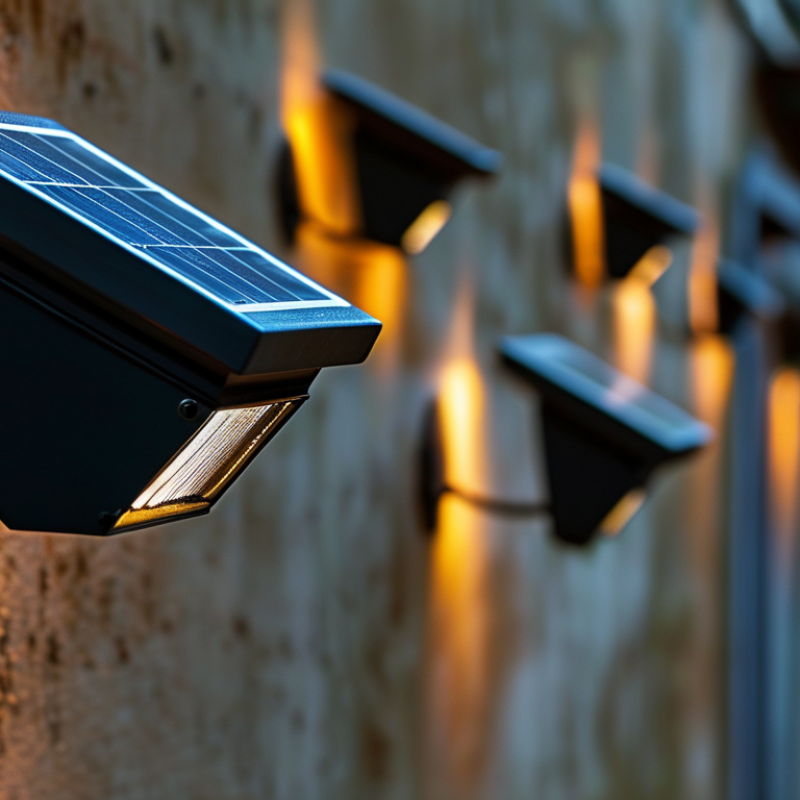
Motion sensors play a crucial role in the functioning of outdoor solar CCTV lights. They detect movement in their vicinity and trigger the lights to activate. This feature not only enhances security but also conserves energy by ensuring that the lights are only on when needed. Understanding how these sensors work can help optimize their performance.
These sensors typically use passive infrared technology. They sense body heat when someone enters their range. This means that they might not detect fast-paced movements, such as a vehicle speeding by. Occasionally, you may notice that the lights flicker or deactivate unexpectedly. Consider adjusting the sensitivity settings. If the sensor is too sensitive, even small movements could trigger it.
Tips for optimizing motion sensor performance include positioning the sensor away from direct sunlight. Excessive heat can cause false triggers. Regular maintenance is vital; dirt and dust might obstruct the sensor. Testing during different weather conditions can also provide insight. Remember, sensors may not pick up movements from certain angles, so experiment with placement to improve efficiency.
Motion detection technology plays a crucial role in solar-powered security systems. It primarily relies on passive infrared (PIR) sensors. These sensors detect changes in heat emitted by objects in their vicinity. When a person or an animal passes by, the sensor identifies the heat difference, triggering the security lights.
Solar CCTV lights equipped with motion sensors not only enhance visibility but also save energy. They remain inactive during the day, relying on solar power. At night, when movement is detected, they turn on automatically. This feature ensures that the lights are used only when needed. The efficiency of this system can sometimes vary, especially in extremely cold or hot weather conditions.
Professional installation can help minimize issues, but users must ensure the sensors are positioned correctly. Misalignment can lead to false activations or missed detections. Regular maintenance and adjustments may also be necessary for optimal performance. Thus, while these systems offer convenience and security, users should remain vigilant and reflective about their limitations.
This chart illustrates the activation frequency of outdoor solar CCTV lights based on the level of motion detected. As activity increases, the number of light activations correspondingly increases, highlighting the effectiveness of motion sensors in security systems.
Motion sensors play a crucial role in enhancing outdoor solar CCTV lights. They allow lights to activate only when necessary. This feature conserves energy and prolongs the lifespan of the lights. Imagine walking through your yard at night, and a light suddenly turns on. It provides instant visibility and alerts you to any movement nearby.
The benefits of motion sensor activation extend beyond convenience. These lights contribute to safety and security. When lights illuminate unexpectedly, they can deter potential intruders. Homeowners may feel more secure knowing that these sensors react promptly to movement. However, it’s important to position sensors carefully. If placed incorrectly, they might cause false alarms. Balancing security and reliability can be challenging.
Moreover, motion sensors can enhance energy efficiency. They only use power when activated, making them eco-friendly choices. Solar-powered versions reduce electricity dependence, saving money in the long run. However, installation can require some technical skills. Improper setup can lead to disappointment. Regular adjustments and maintenance may be necessary to ensure optimal performance. This reflection on setup can help improve their effectiveness over time.
When installing motion sensors for outdoor solar CCTV lights, placement is key. Choose locations that maximize coverage while reducing false alarms. Corners of buildings are ideal. They provide a wider field of view, capturing movement more effectively. Avoid placing sensors near trees or bushes. Movement from branches can trigger the lights unnecessarily.
Consider the height of the sensors as well. Installing them too high might limit their detection range. A height of around 6-8 feet works well for most applications. Ensure that the sensors face pathways or entrances. This strategic positioning allows for better detection of approaching visitors or intruders.
Testing the sensor's range is crucial. Walk around the area to see where the motion is detected. You may find some adjustments are necessary. Sometimes, the angle may need modification for optimal performance. Make sure to account for environmental factors like wind and rain, which can also trick the sensors into activation. With careful consideration and placement, your security system will function more effectively.
When using motion sensors to activate outdoor solar CCTV lights, issues can arise. One common problem is sensitivity. Sometimes, sensors are oversensitive and trigger with slight movements, such as branches swaying in the wind. This can lead to unnecessary recordings or notifications. Adjusting the sensor’s sensitivity level might help. Lowering it can minimize false alarms.
Another frequent issue involves the detection range. If your motion sensor does not cover the desired area, it might miss crucial movements. Objects or plants may obstruct the sensor's field. Repositioning the sensor or trimming nearby foliage could improve its effectiveness. Ensure it’s mounted at the correct height and angle for optimal performance.
Battery issues can also impact functionality. Inadequate charging from sunlight can lead to unreliable operation. Regularly check the solar panel for dirt or debris that could block sunlight. If the battery is old or defective, replacing it could restore the system's reliability. Regular maintenance and adjustments are essential for consistent performance.
: They detect movement using passive infrared technology, sensing body heat nearby.
Adjust the sensitivity settings. High sensitivity may trigger lights from small movements.
Position them away from direct sunlight and avoid areas near trees or bushes.
A height of 6-8 feet is ideal for maximizing detection range.
Place sensors strategically and experiment with angles to minimize unnecessary triggers.
They activate lights only when needed, conserving energy and prolonging the lights' lifespan.
Regularly clean dirt and dust that may obstruct the sensor, and test in various weather conditions.
Yes, wind and rain may cause false activations, so consider these when placing sensors.
Regular adjustments and testing placement can lead to more effective sensor performance over time.
Improper setup may cause disappointment; reflection on placement choices can help enhance effectiveness.
This article discusses "How Motion Sensors Activate Outdoor Solar CCTV Lights" by explaining the fundamental role of motion sensors in security systems. It details how motion detection works in solar-powered setups, enhancing security by automatically illuminating areas when movement is detected. The benefits of using motion sensor activation are highlighted, including energy efficiency and increased safety.
Furthermore, the article provides essential installation tips for the effective placement of motion sensors, ensuring optimal performance. It also addresses common issues users may encounter with motion sensor activation, offering troubleshooting techniques. Ultimately, understanding "How do motion sensors trigger outdoor solar CCTV lights" is crucial for maximizing the effectiveness of these systems in protecting outdoor spaces.

Soweglow Solar