Outdoor solar CCTV cameras have gained popularity for their convenience and sustainability. However, a common question arises: "How long do outdoor solar CCTV cameras last on a single charge?" This aspect is crucial for users who rely on these devices for security. According to a report by Security Today, these cameras can last anywhere from a few days to several weeks, depending on usage and solar exposure.
Expert Dr. Emily Hastings, a leading researcher in solar technology, states, “The performance of solar-powered devices hinges on sunlight availability and battery efficiency.” This insight underscores the significance of location and weather in determining camera longevity. Many factors influence this duration, including energy consumption patterns and local climate conditions.
While solar CCTV cameras are efficient, they are not infallible. Users may encounter issues during prolonged cloudy periods or poor installation. Ongoing advancements in solar technology aim to optimize performance, yet challenges remain. Understanding how these factors affect battery life is essential for users seeking reliable outdoor surveillance solutions.
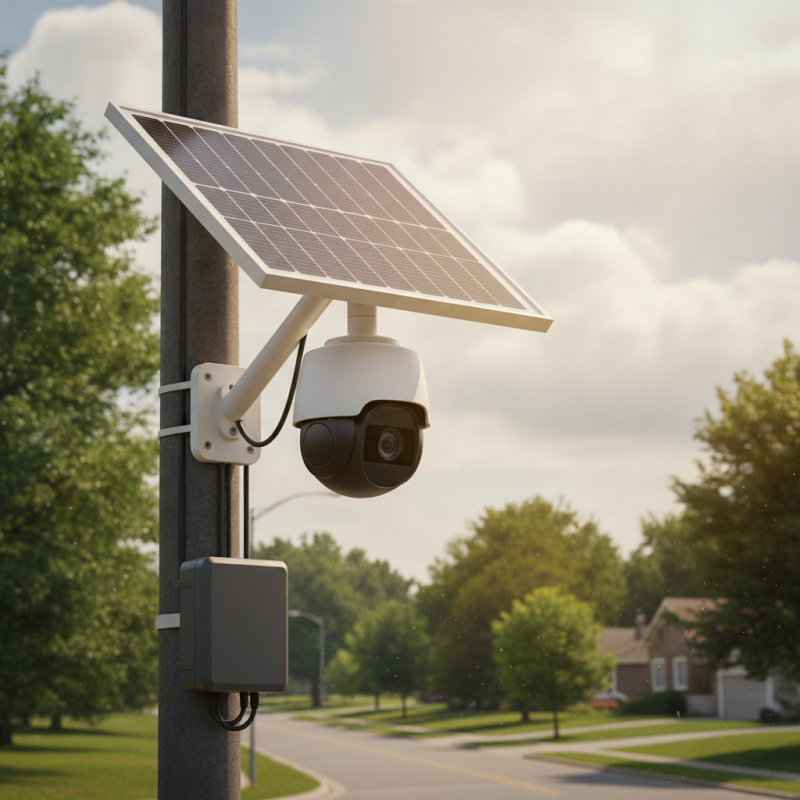
Outdoor solar CCTV cameras offer a sustainable solution for security monitoring. These cameras harness solar energy, reducing the need for frequent recharging. However, understanding their power requirements is essential for optimal performance. Solar panels usually come with built-in batteries that store energy. The duration these cameras can run on one charge varies significantly based on sunlight exposure.
Factors such as location and weather conditions significantly affect their efficiency. For instance, cameras in sunny areas recharge quickly and sustain longer operation times. Conversely, cloudy environments may limit their energy harvesting capabilities. Even a few days of overcast weather can drain the battery faster than anticipated. This creates a frustration for users relying entirely on solar technology.
The energy consumption of the camera itself is another crucial aspect. Higher resolution cameras typically draw more power. Consideration should be given to how often motion detection and recording features are activated. Users may find themselves adjusting settings, reflecting on their power management strategies. Balancing video quality with energy efficiency becomes a necessary challenge in maximizing the cameras' operational lifespan.
: They use solar energy to operate. Built-in batteries store the energy generated by solar panels.
Cloudy or rainy days reduce sunlight exposure. This leads to decreased battery charging and shorter operational times.
Yes, cameras in shaded areas receive less energy. Proper placement in direct sunlight can extend battery life.
Sunlight exposure, frame rate, and resolution all affect battery life. Higher resolutions consume more power, draining the battery quickly.
High heat can drain batteries faster, while cold conditions may reduce efficiency. Batteries may struggle to perform in extreme temperatures.
Yes, adjusting motion detection and recording settings can help conserve power. Reflection on usage habits is useful for battery longevity.
Weather conditions influence energy harvesting. Monitoring these patterns helps users plan for potential downtimes effectively.
Yes, using alternative energy sources during poor weather conditions can maintain surveillance effectiveness and reliability.
Yes, regular checks can provide insights into battery health and inform necessary adjustments for improved performance.
Balancing video quality with energy efficiency can be difficult. Frustrations may arise during extended cloudy days or when adjustments are necessary.
Outdoor solar CCTV cameras offer a sustainable surveillance solution, but users often wonder, "How long do outdoor solar CCTV cameras last on a single charge?" The runtime of these cameras largely depends on their power requirements and the factors influencing their battery life. Key aspects include the energy consumption of the camera, the efficiency of the solar panel, and external factors like weather conditions. Typically, a well-placed solar CCTV camera can operate effectively for several days to weeks on a full charge, depending on sunlight exposure and usage patterns.
Maintaining the battery life of solar-powered CCTV systems is critical for optimal performance. Regular cleaning of the solar panels, monitoring the angle for maximum sun exposure, and considering seasonal weather variations can significantly enhance longevity. By understanding these elements, users can better gauge the expected runtime and ensure their solar CCTV cameras remain functional and reliable over time.

 Soweglow Solar