Outdoor solar lights are a popular choice for sustainable lighting solutions, even in less-than-ideal weather conditions. Many users wonder, "How do outdoor solar lights work on cloudy days?" Industry experts highlight that solar technology has advanced significantly, allowing lights to operate efficiently. According to a report by the Solar Energy Industries Association, solar installations increased by 20% last year, demonstrating the growing reliance on solar energy.
Dr. Emily Carter, a leading expert in renewable energy, mentions, "Solar lights utilize diffuse sunlight, making them effective even on cloudy days." This ability to harness sunlight, even when it is partially obscured, is essential for maintaining functionality. On overcast days, the solar panels can still absorb indirect sunlight. However, the efficiency does drop compared to bright, sunny days.
While solar lights may not reach their full potential on cloudy days, the reliability of modern technologies is noteworthy. Testing shows that many solar lights can still generate sufficient energy for hours of use. It’s crucial to remember that installation location, panel quality, and battery capacity also play significant roles. Understanding these factors can help consumers reflect on their choices and optimize their solar lighting systems effectively.
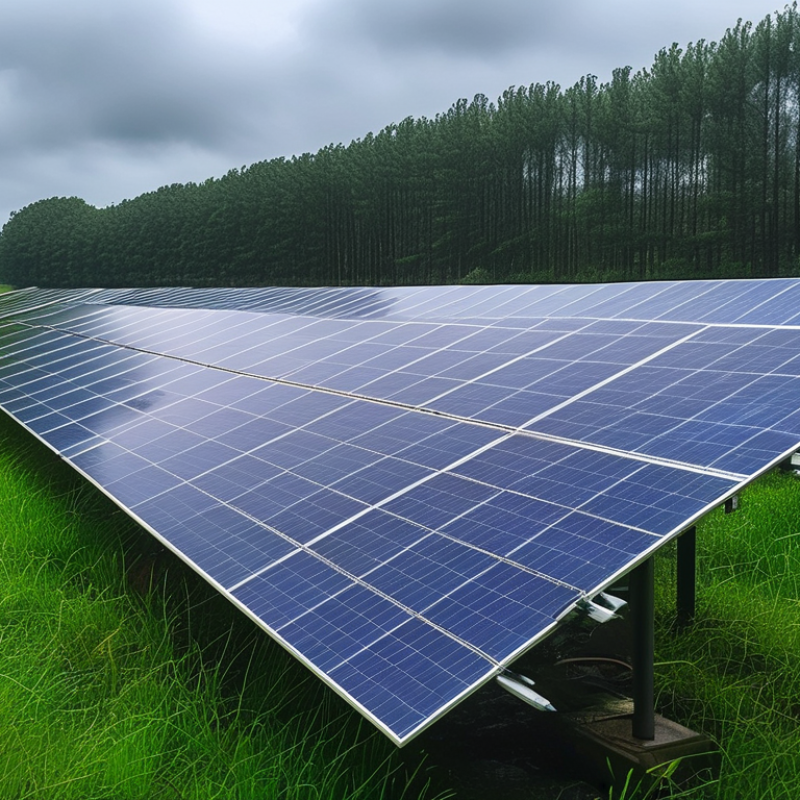
Understanding the Mechanism of Solar Lights on Cloudy Days
Outdoor solar lights utilize photovoltaic cells to convert sunlight into electricity. On cloudy days, these lights can still function effectively due to their design and technology. Solar panels can collect diffuse sunlight, which happens even when it's overcast. In fact, up to 80% of solar energy can penetrate cloud cover, allowing solar systems to charge efficiently, as noted by the U.S. Department of Energy.
Most solar lights are equipped with energy storage systems. These systems store the energy generated during sunny periods. This stored energy is then used to power the lights when the sun isn't shining. Research indicates that quality solar lights can store enough energy to last through cloudy and rainy periods. Battery life is an essential factor here. Regular maintenance can enhance this lifespan, ensuring consistent performance.
Tips: To maximize performance, clean your solar panels regularly. Dust and debris can reduce efficiency. Also, consider installing your solar lights in open areas. Avoid shaded regions from trees or buildings. This allows for optimal light absorption. Remember, even on cloudy days, there's still potential energy waiting to be harnessed.
The Role of Solar Panels in Energy Conversion and Storage
Solar panels are crucial for outdoor solar lights. They convert sunlight into electricity. This process relies on photovoltaic technology. Even on cloudy days, solar panels can capture diffuse light. Research indicates that they can produce about 20-25% of their peak output in overcast conditions.
In fact, many solar systems function efficiently with just 10-20% of full sunlight. According to the National Renewable Energy Laboratory, solar panels have been improving in efficiency. Newer models can perform better under low-light conditions. This adaptation is essential for regions with frequent cloud cover.
Battery storage is another key player. Solar lights store energy during the day. This stored energy powers the lights at night. Batteries have improved too. Lithium-ion technology allows for better energy retention. When well-maintained, these systems can last several years, but replacement can incur unexpected costs. Balancing performance and lifespan remains a challenge. It's clear that while solar technology is effective, continuous assessment and innovation are needed.
Why Do Outdoor Solar Lights Work on Cloudy Days? - The Role of Solar Panels in Energy Conversion and Storage
| Feature |
Description |
Impact on Performance |
| Solar Panel Efficiency |
Measures how effectively a solar panel converts sunlight into electricity. |
Higher efficiency leads to better performance even in low light conditions. |
| Cloud Coverage |
Extent to which clouds block sunlight. |
Partial cloud coverage still allows sufficient sunlight for energy generation. |
| Battery Storage Capacity |
Amount of energy the battery can store for later use. |
Larger capacity ensures lights can function during extended cloudy periods. |
| Light Sensor Technology |
Sensor that detects ambient light levels to turn lights on and off. |
Improves efficiency by maximizing energy use when sunlight is available. |
| Location and Orientation |
Geographic location and the angle of solar panels influence solar collection. |
Optimal placement enhances performance on cloudy days. |
Impact of Cloud Cover on Solar Light Efficiency
Outdoor solar lights are designed to capture sunlight and convert it into energy. But how effective are they on cloudy days?
Research indicates they still generate power, albeit at reduced efficiency.
According to the National Renewable Energy Laboratory, solar panels can produce 10-25% of their energy capacity on overcast days. This is due to diffuse sunlight, which can still provide energy even in cloudy conditions.
The impact of cloud cover varies by the type of solar technology used. Monocrystalline panels tend to perform slightly better under gray skies compared to polycrystalline counterparts. Observations have shown that geographical location plays a role too. Areas with frequent cloud cover may maximize efficiency through alternative innovations, like hybrid systems.
Tips: To enhance your solar lights' performance, consider a location with optimal sun exposure. Regular cleaning can also help maintain light absorption. Monitoring weather patterns can guide you on the best days for using solar lights effectively.
Comparative Analysis of Solar Lights and Traditional Lighting Sources
Outdoor solar lights and traditional lighting sources differ significantly in their operation and efficiency. Solar lights harness sunlight, converting it into energy through photovoltaic cells. Even on cloudy days, reports indicate that solar panels can produce about 20-25% of their rated output. This capability allows solar lights to function, albeit at reduced efficiency. In contrast, traditional lighting relies on continuous energy sources, creating a constant demand for electricity, regardless of weather conditions.
When comparing longevity and maintenance, solar lights stand out. A study from the U.S. Department of Energy suggests that LED solar lights can last up to 50,000 hours, while traditional incandescent bulbs average around 1,000 hours. This disparity highlights the long-term cost-effectiveness of solar solutions. However, the initial investment in solar technology can be a barrier. Uncertainty about returns can lead consumers to favor traditional options, overlooking the potential savings on energy bills.
Adverse weather impacts performance. Some users report diminished brightness during extended cloudy periods. This inconsistency can lead to frustration. Solar technology is still evolving. Improving efficiency in low-light conditions remains a challenge. Yet, as battery technologies advance, the overall reliability of solar lights continues to improve, reshaping the outdoor lighting landscape.
Benefits of Using Solar Lights Regardless of Weather Conditions
Outdoor solar lights are designed to harness sunlight, even on overcast days. They contain solar panels that convert sunlight into electricity. During cloudy weather, these panels still absorb diffused sunlight. This means they can continue to function. The efficiency may decrease, but they won't stop working altogether.
Using solar lights has several advantages. They require minimal maintenance and are cost-effective. Since they rely on solar power, they help reduce electricity bills. Additionally, solar lights are eco-friendly. They contribute to a reduction in carbon emissions. This aligns with the growing demand for sustainable energy solutions. Despite some drawbacks, such as reduced brightness in cloudy conditions, they remain a reliable choice for outdoor lighting.
Homeowners often express concerns about the reliability of solar lights. It is true that performance varies with weather conditions. Nonetheless, the benefits outweigh these issues. Many people have found creative ways to optimize their solar lights. For example, placing them in areas with more direct light can improve their performance. Adaptability is key to making the most of solar technology.
FAQS
: Solar lights use photovoltaic cells to gather diffuse sunlight, even when it's overcast.
Yes, solar panels can still function, capturing up to 80% of solar energy through clouds.
Solar lights have energy storage systems that hold energy from sunny periods to use later.
Quality solar lights can last through cloudy or rainy spells, depending on battery life and maintenance.
Regularly cleaning solar panels is essential to maintain their efficiency and performance over time.
Yes, solar panels generate 10-25% of energy capacity on cloudy days due to reduced sunlight.
Monocrystalline panels typically perform better than polycrystalline panels in cloudy conditions.
Installing lights in open areas with maximum sun exposure and monitoring weather patterns can help.
While solar lights can still work, their efficiency is noticeably reduced, requiring better planning.
Placing solar lights in shaded areas from trees or buildings can hinder their energy absorption.
Conclusion
Outdoor solar lights utilize photovoltaic cells to convert sunlight into electrical energy, allowing them to function even on cloudy days. Understanding the mechanism of solar lights involves recognizing how these panels capture diffused light, which is still present in overcast conditions, albeit at reduced intensity. While cloud cover can impact the efficiency of energy conversion and storage, solar lights are designed to accumulate energy during the day and can operate effectively under various weather conditions.
Comparatively, solar lights offer several advantages over traditional lighting sources, such as reduced energy costs and environmental benefits. This adaptability ensures that outdoor solar lights remain a reliable option for illumination, regardless of fluctuations in weather. So, how do outdoor solar lights work on cloudy days? They harness the available light energy through their solar panels, making them a resilient and sustainable lighting solution.

 Soweglow Solar