If you find yourself asking, "Why is my outdoor solar light not turning on at night," you're not alone. Many homeowners rely on solar lights to enhance outdoor spaces. These lights are popular for their energy efficiency and eco-friendliness. However, frustrations arise when these lights fail to illuminate after sunset.
There are various reasons for this issue. The most common problems often stem from insufficient sunlight exposure, poor battery performance, or even faulty wiring. It's essential to recognize that solar lights are not infallible. They can encounter challenges like debris obstructing their sensors or improper installation. Observing these details can help pinpoint the root of the problem.
Taking the time to assess these aspects can save you from unnecessary replacements. Understanding why your outdoor solar light fails to turn on will empower you as a homeowner. It leads to better maintenance and improved function. A little reflection can go a long way in keeping your outdoor area well-lit and beautiful.
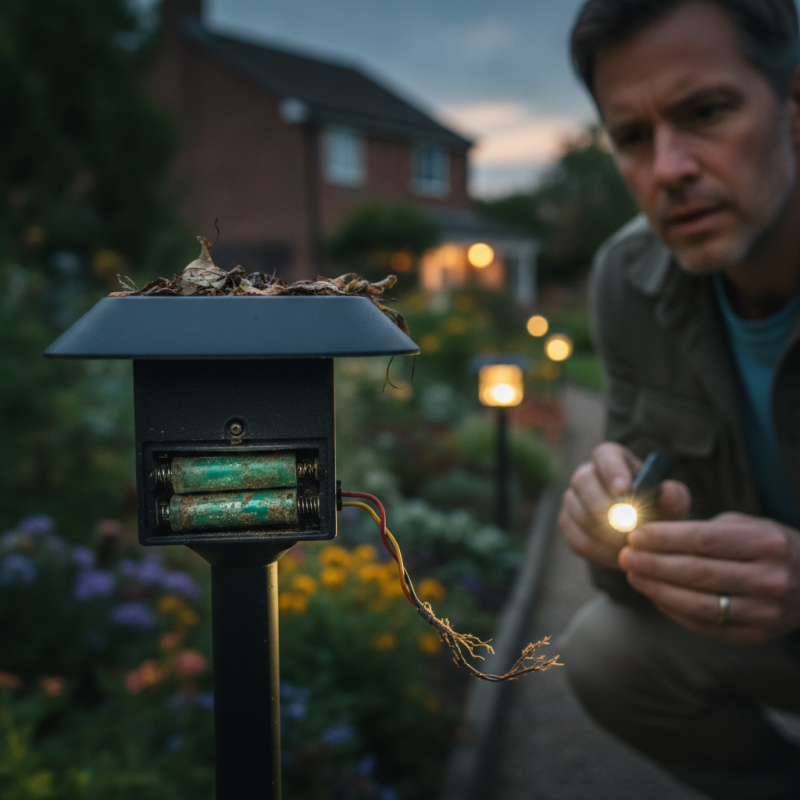
Outdoor solar lights can enhance your garden or yard, but they often face issues that prevent them from functioning properly. One common problem is dirt accumulation on the solar panels. Dust, leaves, or bird droppings can obstruct sunlight, reducing the efficiency of the lights. Regular cleaning can help ensure optimal performance.
Another issue stems from battery failure. Solar lights rely on rechargeable batteries that can weaken over time. If the battery no longer holds a charge, the light won’t turn on. It’s essential to check the battery regularly and replace it if necessary. Moreover, even brand new solar lights can sometimes malfunction due to manufacturing defects. This often happens without any visible indication, leaving users puzzled.
Lastly, not all locations are suitable for solar lights. Shaded areas may not receive enough sunlight to charge the batteries effectively. Placing lights in full sun is critical for their performance. Understanding these issues can lead to better maintenance and a more reliable outdoor lighting setup.
Solar lights are a popular choice for outdoor illumination due to their convenience and eco-friendliness. However, many users experience frustrations when these lights fail to turn on. One of the most crucial factors at play is sunlight. Solar lights rely on adequate sunlight exposure to charge their batteries during the day. If your lights are placed in shaded areas or under trees, they may not gather sufficient energy.
The quality of sunlight also matters. On cloudy days, the absorption of sunlight decreases, impacting the performance of solar lights. Even during sunny weather, dust and debris on the solar panel can obstruct light absorption. Regular cleaning of the solar panel helps maintain efficiency. Another common issue arises with the angle of installation. If the lights are not positioned to capture maximum sunlight, their functionality can decline significantly.
Reflecting on these aspects can help you make necessary adjustments. Consider relocating your solar lights to more optimal positions. Ensure they are clear from obstructions that block sunlight. This kind of proactive maintenance can lead to a more reliable outdoor lighting experience. Learning from past misplacements can significantly improve performance.
Battery issues are a common reason outdoor solar lights fail to illuminate. Over time, rechargeable batteries can lose their capacity. Weather conditions can accelerate this deterioration. Extreme temperatures can impact battery life. Cold nights might leave batteries undercharged, while excessive heat can cause damage. If a battery is less than a year old and doesn't hold a charge, it may be time for a replacement.
Additionally, improper installation can lead to battery problems. If solar lights are not positioned correctly, they may not receive enough sunlight to charge effectively. This is especially true if they are placed in shaded areas or under obstructions. It’s essential to regularly check the solar panels for dirt and debris. A clean surface allows maximum sunlight absorption, enhancing battery performance. Neglecting maintenance could result in a light that rarely turns on.
Consider the type of battery used in your solar light. Some cheaper models may use lower-quality batteries that wear out quickly. Investing in lights designed with reliable batteries can save trouble in the long term. It’s crucial to be aware of the potential shortcomings of your setup. Understanding these factors can lead to better performance and brighter nights.
Outdoor solar lights rely on sensors to function properly. When these sensors malfunction, the lights may not turn on at all. Common symptoms of sensor problems include lights that stay on during the day or fail to illuminate at night. These issues can stem from dirt or debris blocking the sensor. Physical obstructions prevent the sensor from detecting darkness effectively.
Keep your sensors clean. Regularly wipe away accumulated dust or grime. This simple maintenance step can improve sensor accuracy. Additionally, check the positioning of your lights. They should be installed in areas with ample sunlight exposure. Finding the right spot can enhance performance significantly.
Another potential issue is faulty wiring. Inspect connections for rust or wear. Even a small break in the wire can disrupt power supply. If you notice flickering lights, this could signal a deeper problem. Be proactive in examining all components. Identifying underlying issues early can save you time and effort later on.
Outdoor solar lights can enhance your garden's ambiance and provide safety during night hours. However, many users encounter issues where these lights fail to turn on. Understanding how to maintain them can significantly improve their performance and longevity.
Regular cleaning is essential. Dust and debris can accumulate on solar panels, blocking sunlight. Reports show that clean panels can increase light efficiency by up to 30%. Use a soft cloth and mild soap to clean them bi-monthly. This simple act ensures maximum solar absorption.
Battery maintenance is another critical factor. Most solar lights utilize rechargeable batteries, which lose effectiveness over time. Research indicates that replacing batteries every two years can prevent light failure. Always store batteries in a cool area. Extreme temperatures can reduce their lifespan and efficiency.
Inspecting connections and fixtures is crucial as well. Loose connections can prevent the light from working completely. Regularly check for any signs of wear or corrosion. Such assessments can help identify problems before they escalate, ensuring your solar lights shine brightly when needed.
| Reason | Description | Maintenance Tip |
|---|---|---|
| Insufficient Sunlight | The solar panel may not receive enough sunlight to charge. | Place in a sunny location; clean dust off the panel regularly. |
| Dirty Solar Panel | Dust or debris can block sunlight from reaching the panel. | Wash the panel with water and a soft cloth periodically. |
| Battery Issues | Old or defective batteries may not hold a charge. | Replace batteries every 1-2 years as part of maintenance. |
| Incorrect Installation | Improper angle or orientation can reduce efficiency. | Ensure proper installation per manufacturer's guidelines. |
| Obstructions | Nearby trees, buildings, or other lights may block light. | Trim foliage and relocate if necessary for better exposure. |
| Faulty LED | LED lights may fail over time due to wear or electrical issues. | Replace LEDs when they dim or stop working. |
| Weather Conditions | Extended cloudy or rainy days can reduce solar charging. | Store lights indoors during harsh weather to prolong lifespan. |
| Old Age | Over time, solar lights can degrade and lose efficiency. | Replace after several years of use for optimal performance. |
| Wiring Issues | Loose or damaged wires can interrupt power flow. | Inspect and repair wires as needed during maintenance. |
| Sensitivity Settings | Incorrect settings can prevent lights from turning on. | Adjust sensitivity settings according to environmental needs. |
: Dirt on the solar panels can block sunlight. Regular cleaning helps maintain efficiency.
It's good to check your solar lights' batteries regularly. Replace them if they no longer hold a charge.
Yes, new solar lights may have manufacturing defects. Sometimes, they might not function properly without visible signs.
Install solar lights in areas with full sunlight. Shade can prevent charging and affect performance.
This could indicate a sensor malfunction. Clean dirt or debris blocking the sensor to resolve this issue.
Flickering lights may signal faulty wiring. Inspect connections for rust or wear to identify issues.
Regularly wipe the sensors clean. Maintain them to ensure they detect darkness effectively.
Yes, obstructions can prevent sensors from working. Ensure lights have a clear path to detect sunlight.
If your lights do not turn on, the battery may not hold a charge. Regular checks can help catch this early.
Yes, maintenance like cleaning and inspecting can prevent small issues from becoming bigger problems later.
Outdoor solar lights are a popular choice for illuminating gardens and pathways, but many users find themselves asking, "Why is my outdoor solar light not turning on at night?" Several common issues can lead to this problem. First, inadequate exposure to sunlight can severely impact the solar light's functionality. If the lights are placed in shaded areas, they may not gather enough energy during the day.
Additionally, battery performance is crucial; degraded or faulty batteries can hinder the ability of solar lights to operate after dark. Sensor malfunctions are another culprit, often identified by symptoms such as lights remaining off even when it is dark outside. To enhance the efficiency and lifespan of solar lights, regular maintenance is essential, including cleaning the solar panels and checking battery conditions. Addressing these aspects can help ensure that your outdoor solar lights function optimally, providing reliable illumination at night.

Soweglow Solar