How Many Solar Panels Are Required for Outdoor CCTV System?

Time:2026-07-08 Author:Mason
0%

In today’s world, security is a top priority for many outdoor spaces. A well-functioning CCTV system can provide peace of mind. However, the question arises: How many solar panels are needed to run an outdoor CCTV system? Understanding the energy requirements is crucial for effective installation.

Solar panels can be an eco-friendly solution for powering CCTV systems. They reduce dependency on conventional energy sources. Yet, calculating the exact number needed can be tricky. It depends on several factors, such as the camera’s power consumption, sunlight availability, and battery backup.

Choosing the right number of panels involves some trial and error. Underestimating can lead to inadequate power supply. On the other hand, an overestimation might waste resources and space. Thus, careful planning and calculation are essential for utilizing solar panels efficiently.
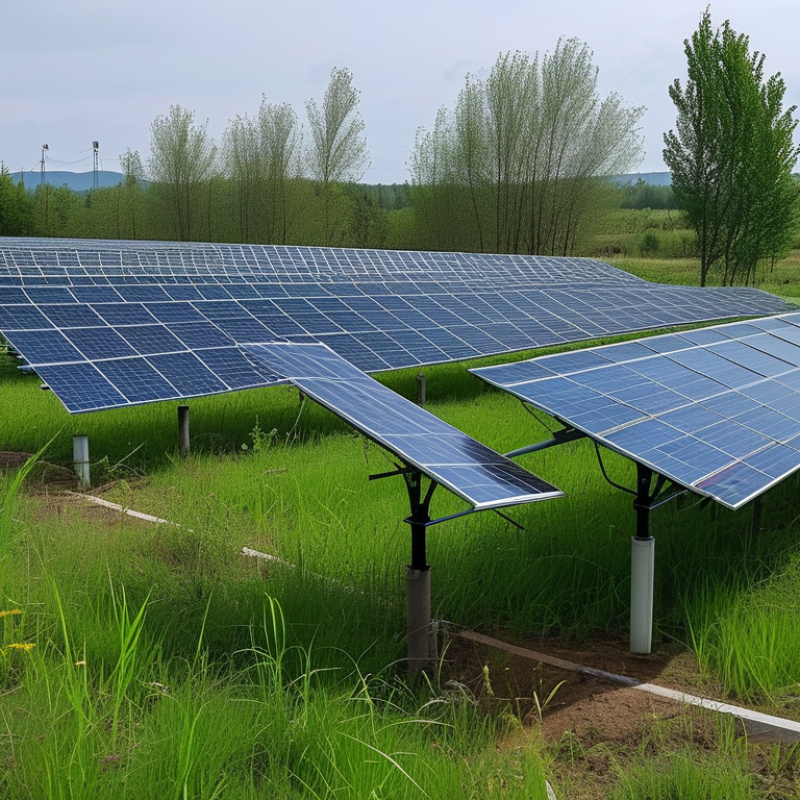
How Many Solar Panels Are Required for Outdoor CCTV System?

Understanding Outdoor CCTV System Power Requirements

Understanding the power requirements for an outdoor CCTV system is crucial. These systems need consistent energy to function effectively. Solar panels can provide an eco-friendly solution. However, knowing how many panels you need depends on several factors, including the camera's specifications and local sunlight availability.

Most outdoor CCTV cameras consume around 5-15 watts. This consumption rate is vital in determining your solar panel needs. For example, a camera that uses 10 watts running for 24 hours requires 240 watt-hours daily. If your solar panels generate 100 watts under ideal conditions, you might need at least three panels to ensure adequate charging and cover inefficiencies like cloudy days.

It’s also essential to consider battery capacity. A reliable battery system stores energy for non-sunny periods. You often need to install a battery bank that can hold enough charge for 1-2 days of operation. This aspect can complicate your solar setup. There are cases where users underestimated their energy needs. As a result, having partial surveillance or system downtime became a real issue. Evaluating your specific location’s sunlight hours is critical for an effective outdoor CCTV setup.

Estimating Power Consumption of Outdoor CCTV Cameras

Estimating power consumption for outdoor CCTV cameras is essential for anyone considering solar panels. These cameras vary in energy needs based on features, resolution, and usage. On average, a typical outdoor CCTV camera consumes between 5 to 10 watts. Factors like built-in infrared LEDs or pan-tilt-zoom capabilities can significantly increase consumption.

To calculate the total power requirement, consider the daily operational hours. If a camera runs for 24 hours, a 10-watt unit will need about 240 watt-hours daily. For multiple cameras, the total wattage multiplies quickly. This calculation helps in determining how many solar panels are needed to meet the energy requirements consistently.

You must also account for energy storage. Batteries are necessary to ensure cameras function during cloudy days. Energy loss during the conversion process also needs mentioning. Therefore, estimating energy consumption involves more than just assessing the camera’s wattage. It’s a complex task requiring careful consideration of multiple variables, which can be challenging but is crucial for effective planning.

Calculating Solar Panel Output for CCTV Systems

When calculating solar panel output for outdoor CCTV systems, several factors come into play. The energy consumption of the CCTV camera is a primary concern. For example, an average camera typically consumes between 5 to 15 watts. If we assume an average consumption of 10 watts, this amounts to 240 watt-hours per day.

To provide adequate power, we need to consider solar panel output. A typical solar panel can generate about 300 watts under optimal conditions. However, the actual output may vary due to local weather and seasonal changes. In sunny locations, a panel can produce around 1.5 kWh daily, enough to power several cameras. But in areas with less sunlight, this output may drop significantly.

Battery storage is another crucial element. To ensure 24/7 operation, a battery must store sufficient energy for night use. For a typical outdoor CCTV system, a battery capacity of at least 200-300 Ah is recommended to handle extended cloudy periods. This setup can lead to a more robust and reliable system. Reflecting on energy reliability, careful planning and continuous monitoring of energy consumption patterns can improve overall system performance.

Solar Panel Requirements for Outdoor CCTV Systems

This chart represents the estimated number of solar panels required for different outdoor CCTV systems based on their power consumption.

Determining Battery Storage Needs for Solar-Powered CCTV

When setting up a solar-powered outdoor CCTV system, determining battery storage needs is crucial for ensuring uninterrupted operation. A typical solar panel produces about 250 to 400 watts per panel, depending on various factors, including technology and efficiency. However, how much energy a CCTV system uses can vary, with estimates around 5 to 20 watts per camera. Hence, careful calculations are necessary to match the power generation with the system’s energy demands.

Battery storage systems should ideally have a capacity that supports several days of operation without sunshine. According to industry reports, a 100Ah (amp-hour) deep cycle battery can store about 1.2 kWh of energy. If the total power requirement for a CCTV setup is around 100 watts per day, a single battery may suffice. However, seasonal variations and occasional cloudy days may necessitate larger storage. Professionals often recommend adding at least 30% more storage capacity for unexpected usage spikes.

Evaluating energy needs should account for additional components, like Wi-Fi routers or NVRs (network video recorders). Each added device increases total power consumption. Those factors can be overlooked during planning. A misguided estimate could lead to system outages. Occasionally, users may find themselves adjusting to unexpected power demands, especially in high-usage scenarios. Thus, it's critical to perform detailed assessments to optimize the balance between solar input and battery storage.

Factors Influencing the Number of Solar Panels Needed

When deciding how many solar panels are needed for an outdoor CCTV system, several factors come into play. The location is crucial. Areas with ample sunlight will require fewer panels. Conversely, regions with frequent cloud cover may need more panels to generate sufficient energy. The angle and orientation of the panels also impact their efficiency. Ideal positioning can maximize solar absorption.

The power consumption of the CCTV system is another key factor. A high-resolution camera consumes more power. If the system includes multiple cameras, the energy requirement increases significantly. Additionally, battery storage should be considered. It ensures that the system operates smoothly during nighttime or cloudy days. Estimating energy needs accurately can help avoid oversizing or undersizing your solar setup.

Environmental conditions play a role as well. Dust and debris can affect panel efficiency. Regular maintenance is essential to keep them clean. It's vital to assess your unique situation rather than relying on general guidelines. This personalized approach can lead to unexpected lessons. The goal is to find a balance between energy needs and solar capacity.

FAQS

: What is the average power consumption of outdoor CCTV cameras?

: Outdoor CCTV cameras usually consume between 5 to 15 watts. This range affects energy planning.

How do solar panels help outdoor CCTV systems?

Solar panels provide eco-friendly energy for CCTV systems. They support consistent operation without grid dependency.

How many solar panels do I need for my CCTV system?

The number of panels depends on camera power usage and local sunlight. Assess your specific situation accurately.

Why is battery storage important for CCTV systems?

Battery storage ensures continuous operation during cloudy days and at night. A capacity of 200-300 Ah is often recommended.

Can local weather affect solar panel output?

Yes, local weather significantly impacts solar output. Less sunlight means more panels might be required for sufficient energy.

What common mistakes do users make with solar setups?

Many underestimate energy needs, resulting in partial system failure. Accurate energy assessment is crucial for reliability.

How can I optimize solar panel efficiency?

Panel angle and orientation are critical for maximizing sunlight exposure. Regular maintenance keeps panels functional and clean.

What is a common energy requirement for a CCTV system?

A typical outdoor CCTV camera needs about 240 watt-hours of energy daily. Misjudging this can lead to inadequate power supply.

Conclusion

When considering the installation of an outdoor CCTV system, a key question arises: "How many solar panels are needed to run an outdoor CCTV system?" Understanding the power requirements of the system is crucial, which includes estimating the power consumption of the outdoor CCTV cameras. This involves calculating the total energy needed for the cameras, considering factors like their operational hours and power ratings.

Once the power consumption is determined, the next step is to calculate the solar panel output necessary to meet those energy needs. In addition to the panels, considering battery storage is essential to ensure continuous operation during nighttime or cloudy days. Ultimately, various factors, such as location, sunlight availability, and the camera's energy demands, will influence the total number of solar panels required for an efficient and sustainable outdoor CCTV system.

Mason

Mason

Mason is a seasoned marketing professional with a deep expertise in the company's offerings and a passion for driving brand awareness. With a strong background in digital marketing strategies, he has an innate ability to connect with diverse audiences and effectively communicate product benefits.......