Top 10 Causes of Solar CCTV Camera Lagging or Delay?

Time:2026-10-01 Author:Charlotte
0%

A solar CCTV camera should provide timely footage, even when it operates far from a power outlet. Yet a few seconds of delay can make a person appear only after leaving the frame. This problem is common in outdoor security systems, especially during cloudy weeks, winter months, or heavy network use. Understanding the real cause requires more than blaming the camera itself.

What are the main causes of solar CCTV camera lagging or delay? In practice, the answer may involve weak sunlight, poor battery charging, unstable Wi-Fi, limited bandwidth, or excessive video resolution. Night vision can also increase processing demands, while motion detection settings may create delayed alerts. Dust-covered panels, shaded installations, extreme temperatures, outdated firmware, and overloaded cloud servers deserve attention too. Small details matter. A loose antenna can weaken the signal. A battery may look charged but fail under nighttime demand. I have also seen installation height and camera angle reduce detection quality, although these issues are sometimes mistaken for lag.

This guide examines ten common causes and explains how to identify each one. It focuses on practical checks, such as reviewing signal strength, testing playback locally, inspecting battery voltage, and comparing daytime performance with nighttime footage. Some recommendations may not solve every case. That is the honest limitation. Solar CCTV systems vary by brand, location, weather, and network design. A reliable diagnosis should therefore combine manufacturer guidance, measured observations, and repeated testing rather than guesswork.
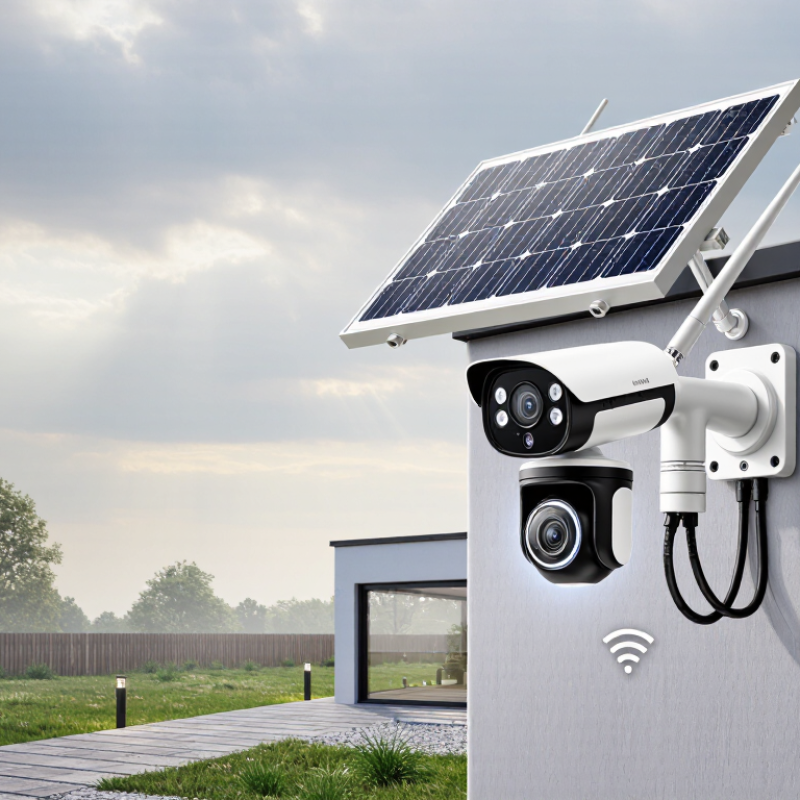
Top 10 Causes of Solar CCTV Camera Lagging or Delay?

Understanding Lag and Delay in Solar CCTV Camera Systems

Understanding Lag and Delay in Solar CCTV Camera Systems

Solar CCTV camera lag usually begins with an unstable power budget, not the camera itself. Shading, winter sunlight, dust, and battery aging reduce available energy. NREL’s widely cited photovoltaic degradation review reports median panel degradation near 0.5% annually. That loss is small, but repeated cloudy days can drain a marginal battery quickly. Low voltage may cause delayed uploads, frozen images, or frequent reconnecting.

Network conditions create another major delay. Weak cellular coverage, packet loss, overloaded routers, and excessive video resolution can fill the transmission buffer. ITU-T G.114 considers one-way delay below 150 milliseconds generally acceptable for interactive communication. Solar surveillance links often exceed that threshold when bitrate rises during motion detection. Lowering frame rate may help. It is not always enough. Incorrect access-point settings, congested frequencies, or a distant server can still add delay.

Measure it properly. Check battery voltage at night, signal strength during rain, and upload speed during motion events. Inspect the panel for leaves and partial shadows. Review camera logs for reconnect attempts. Field technicians sometimes blame the network too quickly, while ignoring a weak charge controller or oversized infrared lighting load. That diagnosis can be wrong. A practical test is to compare live viewing, recorded playback, and alarm notifications separately. Each path may have different delays. Firmware settings, long keyframe intervals, and aggressive compression also deserve attention. Small configuration changes can produce surprisingly large improvements.

Power Supply and Solar Charging Issues That Slow Camera Response

Top 10 Causes of Solar CCTV Camera Lagging or Delay?

A solar CCTV camera may respond slowly when its battery cannot supply stable power. Low charge often appears after several cloudy days or heavy nighttime recording. The panel may also receive weak sunlight because of shade, dust, seasonal angles, or nearby buildings. Even a small shadow can reduce charging noticeably.

I once blamed the network too quickly. That assumption was wrong. The camera voltage dropped when infrared lighting activated at night. Aging batteries, loose terminals, damaged cables, and overloaded charge controllers can create similar delays. Cold temperatures may also reduce battery performance. Check the camera’s voltage during startup and night operation, not only during daylight. A resting reading can look normal while the system is struggling.

Tips: Clean the panel monthly, if safely accessible. Keep the panel clear of leaves and bird debris. Review battery history after cloudy weather. Inspect connectors for moisture, corrosion, or heat marks. Confirm that the panel faces the strongest available sunlight. Reduce unnecessary recording or infrared intensity during testing. A simple power log can reveal patterns. Record charge level, weather, and response time for several days. Do not replace the battery immediately. The real fault may be poor solar exposure or excessive cable resistance. Use the manufacturer’s electrical limits, and request qualified service when measurements seem unsafe.

Wireless Network, Signal, and Bandwidth Problems

Top 10 Causes of Solar CCTV Camera Lagging or Delay?

Wireless network quality often causes delayed solar CCTV footage, even when the camera appears powered correctly. Weak Wi-Fi signals may travel through concrete walls, metal gates, or dense trees. Distance also matters. A camera beside a window can perform well, while one mounted ten metres away may freeze.

Bandwidth becomes another hidden problem. Several cameras, video calls, cloud backups, and streaming devices can compete for the same connection. High-resolution video needs steady upload capacity, not only fast downloads. A busy network may create blurry images, delayed alerts, or missing seconds. Signal interference from nearby wireless equipment can worsen the delay. A strong signal bar can mislead.

Tips: Test the camera during busy evening hours. Check upload speed near the mounting point. Move the wireless access point closer, or reduce obstructions. Lower video resolution temporarily and compare the response. Keep the antenna area clear. Inspect the live view for one full minute, not just a quick glance.

I once blamed the camera for lag, but the real issue was unstable upstream bandwidth. That mistake was useful. Check latency and packet loss, too. A speed test may look excellent while packets still arrive unevenly. Rebooting helps sometimes, but it is not a real fix. If delay continues, record the exact time, weather, distance, and connected devices. This evidence helps separate network trouble from camera or power problems.

Top 10 Causes of Solar CCTV Camera Lagging or Delay

Wireless congestion, weak signal strength, interference, limited upload capacity, and packet loss are the most common contributors to delayed solar CCTV video. The percentages below represent a normalized troubleshooting distribution for typical wireless camera deployments, not a universal industry benchmark.

How to read the chart: Start troubleshooting with Wi-Fi congestion, weak signal strength, interference, and upload bandwidth. These issues often create buffering, delayed live view, frozen frames, or intermittent disconnections.

Camera Hardware, Storage, and Firmware Performance Limits

Top 10 Causes of Solar CCTV Camera Lagging or Delay?

Camera Hardware, Storage, and Firmware Performance Limits

Solar CCTV lag rarely comes from one setting. In field checks, low battery voltage is a common starting point. A shaded panel cannot recharge quickly. An undersized battery may reset the processor during night recording. Heat adds another limit. Direct midday sun can trigger thermal throttling, slowing video encoding. Weak processors and limited RAM struggle when motion detection, infrared lighting, and audio operate together. The image freezes, then catches up. That pattern matters.

Storage can quietly create delay. A slow or worn memory card may pause while writing high-bitrate video. A nearly full card can reduce recording efficiency, especially when continuous recording and event clips overlap. Fragmented files are not always the main cause, but ignoring them is a mistake. Test a suitable card under real night conditions. I have seen cameras perform normally in daylight, then lag when infrared scenes create larger files. Storage errors may look like network problems.

Firmware creates another performance limit. Older firmware may contain memory leaks, inefficient encoding, or weak power management. An update can help, but it may also expose setting conflicts. Save the current configuration before changing anything. Check temperature, battery voltage, storage health, frame rate, bitrate, and system logs. Reduce resolution for testing, not as a permanent guess. Rebooting may hide a fault briefly. That is not a repair. Compare live video and recorded clips after each adjustment.

Environmental Conditions, Settings, and Maintenance-Related Causes

Top 10 Causes of Solar CCTV Camera Lagging or Delay?

Solar CCTV delay often begins with the environment. IEA PVPS Task 13 reports typical soiling losses of about 2% to 7% in many photovoltaic systems. Dust on a small panel can reduce charging, especially after several cloudy days. Shade from a growing branch creates the same problem. Heat also matters. Battery capacity and electronic performance can decline under extreme temperatures. NREL research commonly uses approximately 0.5% annual PV degradation as a planning value, so older systems may charge more slowly than expected.

Settings can create a delay that looks like poor connectivity. Excessive resolution, high frame rates, and constant infrared use increase power and bandwidth demand. A practical test is to compare live viewing with recorded playback. If playback is smooth, network latency may be the main issue. ITU-T G.114 identifies 150 milliseconds as an important conversational latency threshold, but CCTV performance also depends on encoding, wireless signal strength, and server processing. Weak cellular coverage, crowded Wi-Fi channels, and aggressive power-saving modes can add visible seconds.

Maintenance is often underestimated. Clean the lens, inspect panel connectors, and check battery health every few months. Firmware should be reviewed carefully, not updated blindly. I have seen technicians replace cameras before measuring voltage at night. That is an expensive mistake. Rainwater inside a connector, loose mounting hardware, or a partially blocked antenna can produce intermittent lag. The diagnosis may still be incomplete; weather logs, battery readings, and network tests should be compared over several days.

FAQS

Why does a solar CCTV camera lag after several cloudy days?

Cloudy weather reduces charging. Battery voltage may fall overnight. A marginal battery drains quickly. The camera may upload slowly or reconnect repeatedly.

Can panel shading cause delayed video?

Yes. Leaves, dust, or a narrow shadow can reduce charging noticeably. A small shadow matters. Inspect the panel during different daylight hours.

How does weak network coverage affect camera delay?

Weak cellular signals increase packet loss and transmission time. Live video may freeze, then catch up. Rain can make the connection worse.

What network delay is usually acceptable for interactive viewing?

One-way delay below 150 milliseconds is generally considered acceptable. Solar links may exceed it during motion events. Lowering frame rate may help, but not always.

Could high video quality overload the connection?

Yes. High resolution and bitrate can fill the transmission buffer. Try a lower frame rate temporarily. Keep the change under review.

Why does the camera lag only at night?

Infrared lighting can increase power use and file size. A weak battery may reset the processor. Night scenes can also expose slow storage.

Can a memory card create video delays?

Yes. A slow, worn, or nearly full card may pause during high-bitrate recording. Daylight may look normal. Infrared recordings can reveal the problem.

Does heat reduce camera performance?

Direct midday sunlight can cause thermal throttling. Encoding may slow down. Check the enclosure temperature. Heat may be overlooked too easily.

Can outdated firmware cause lag?

Older firmware may contain memory leaks or inefficient power management. An update might help. It can also create setting conflicts, so save the configuration first.

How should I test the real source of the delay?

Compare live viewing, recorded playback, and alarm notifications separately. Check battery voltage at night, signal strength during rain, upload speed, and camera logs. Rebooting may hide the fault briefly. That is not a repair.

Conclusion

Solar CCTV camera lagging or delay can result from several connected factors affecting power, communication, processing, and maintenance. What are the main causes of solar CCTV camera lagging or delay? Common causes include insufficient sunlight, a weak or aging battery, poor charging performance, loose connections, and unstable power delivery. Wireless signal interference, long distances between devices, network congestion, limited bandwidth, and weak internet service can also slow live viewing and notifications.

Hardware limitations, overloaded storage, high-resolution recording, outdated firmware, and excessive background processing may reduce camera responsiveness. In addition, extreme heat, cold, rain, dust, or obstructed solar panels can affect both power generation and device performance. Incorrect motion-detection settings, overly frequent alerts, neglected cleaning, and inadequate system maintenance may create further delays. Regularly inspecting the solar panel, battery, network signal, storage capacity, software version, and camera settings can help identify the source of lag and improve overall response speed.

Charlotte

Charlotte

Charlotte is a seasoned marketing professional with a deep understanding of the company's portfolio and a passion for elevating its presence in the market. With a keen eye for detail and a commitment to excellence, she ensures that our professional blog is regularly updated with insightful articles......