Many solar power users encounter a frustrating scenario: their systems fail to charge batteries effectively. This leads to the crucial question, "Why is my solar power supply not charging the battery properly?" Understanding the reasons behind these failures can empower users to optimize their solar setups.
Solar energy systems are intricate and require various components to work harmoniously. Issues such as poor sunlight exposure, faulty connections, or inadequate battery compatibility can significantly impact performance. One misstep, like a damaged cable, may disrupt the entire system. Users often overlook simple details that can lead to inefficiencies.
Moreover, environmental factors can also play a critical role. Dust accumulation on solar panels can limit their efficiency. Regular maintenance is essential to keep systems functioning optimally. A lack of awareness about these aspects often leads to disillusionment with solar technology. By identifying these common pitfalls, users can take proactive steps to enhance their solar power systems and ensure they meet their energy needs.
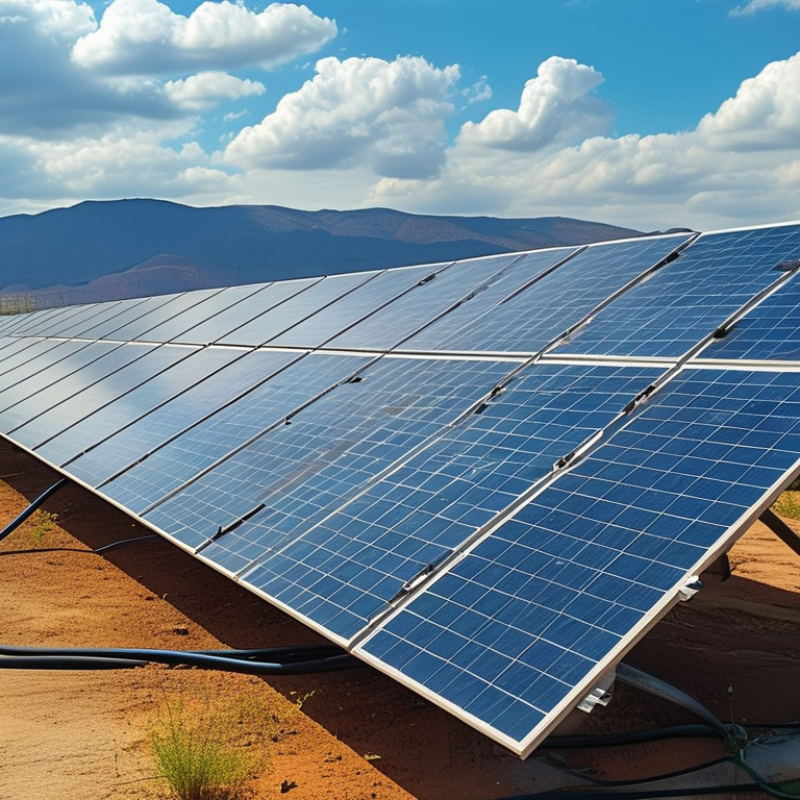
Common Issues with Solar Panel Performance
Solar panel performance is essential for effective energy generation. A common issue is shading. Even small obstructions, like trees or buildings, can drastically reduce output. Dust accumulation on panels can similarly hinder performance. Regular cleaning is crucial, especially in dry or dusty climates.
Another frequent problem involves mismatched components. If your solar panels and batteries are not compatible, charging efficiency drops. It’s important to ensure that your inverter can handle the output from your panels. Additionally, wiring issues can lead to energy loss. Check for corroded connections and ensure all wiring is secure.
Temperature also affects solar panel efficiency. Panels can lose up to 20% of their performance in extreme heat. Monitoring conditions is key. Sometimes, we might overlook these details, leading to suboptimal energy production. Understanding these nuances can help you maintain the efficiency of your solar power system.
Battery Compatibility and Charge Capacity Problems
When dealing with solar power supply systems, battery compatibility is a crucial aspect. Many users overlook the importance of matching batteries with the correct solar charge controller.
Using incompatible batteries can lead to inefficient charging. This mismatch often results in batteries not being charged at all or only receiving partial charges, causing frustration and inefficiency.
Further complicating matters is the concept of charge capacity. Each battery type has a specified charge capacity. If your solar setup generates more or less energy than a battery can handle, problems arise.
A battery that is too small will drain quickly. Conversely, an oversized battery may not charge properly. It's a balancing act that requires careful planning and understanding of your solar supply needs.
Tips for maintaining battery compatibility:
- Always check specifications before purchasing batteries.
- Consider the climate and conditions where you live. Extreme temperatures impact battery performance.
- Use a charge controller that matches battery specifications for optimal performance.
Taking these steps will enhance your solar system's efficiency. Remember, it’s vital to ensure all components work harmoniously for better energy management. Adjustments may need to be made as energy needs evolve. Finding balance is key.
Improper Installation of Solar Power Systems
Improper installation of solar power systems can dramatically hinder battery charging efficiency. In fact, research shows that nearly 30% of solar installation failures stem from mistakes during set-up. This leads to suboptimal performance, negating the advantages of solar technology. Common installation errors include
incorrect panel orientation, inadequate tilt angles, and failure to properly connect components.
Poor wiring also plays a crucial role in installation failures. These wiring issues can result in energy losses of up to 10%, significantly diminishing the system's overall effectiveness. A report from the National Renewable Energy Laboratory highlights that ensuring proper connections and voltage measurements is vital for optimal performance. If connections are loose or wiring is incorrectly sized, the inefficiencies can wreak havoc on a system intended to be reliable.
In addition to technical flaws, installation environments can impact performance. Shading from nearby trees or buildings can reduce solar panel output by as much as 80%. This underscores the importance of site assessments before installation. Many users overlook these critical evaluations, leading to a significant disconnect between expectations and real-world performance. Addressing these issues early on can save time and money in the long run.
Environmental Factors Affecting Solar Efficiency
Environmental factors significantly impact the efficiency of solar power systems. Weather conditions, particularly cloud cover and rain, can reduce solar panel output. According to the National Renewable Energy Laboratory (NREL), cloudy days can cut solar energy production by up to 80%. This variability is crucial to consider when planning solar installations.
Temperature plays a role too. While solar panels generate more electricity in direct sunlight, extreme heat can cause a drop in efficiency. A study by the Lawrence Berkeley National Laboratory found that excessive heat could reduce output by as much as 20%. Understanding these nuances helps users choose optimal locations for their panels.
Tips: Always monitor your local climate conditions. Regular maintenance and cleaning of solar panels can improve efficiency. Keep an eye on temperature variations throughout the year. These steps might mitigate adverse effects and enhance your solar system's performance. Remember, awareness of environmental factors is key for reliable solar energy production.
Maintenance Practices Impacting Battery Charging
Maintaining the efficiency of solar power systems is crucial for effective battery charging. Regular cleaning of solar panels is vital. Dust, dirt, and debris can accumulate, reducing sunlight exposure. Even a thin layer of grime can impact performance. Perform this maintenance at least twice a year. Examine your area for tree branches. They can cast shadows, limiting sunlight and energy output.
Another common oversight is checking connections. Loose or corroded terminals can prevent optimal power transfer. Inspect wiring for wear and tear regularly. Properly functioning charge controllers are also essential. They regulate the charging cycles, protecting batteries from overcharging or deep discharging. Each of these aspects demands attention to detail.
Moreover, battery condition is often neglected. Old or damaged batteries will not hold a charge effectively. Keep track of battery age and performance. If you notice significant drops in capacity, it might be time to replace them. Reflecting on these practices can help identify the areas needing improvement. Each small action contributes to your solar power systems functioning optimally, ensuring better battery charging.
Top 10 Reasons Your Solar Power Supply Fails to Charge Battery
| Reason |
Description |
Impact Level |
Possible Solution |
| Insufficient Sunlight |
Poor placement or shading reduces solar exposure. |
High |
Reposition panels to maximize direct sunlight. |
| Dirty Solar Panels |
Dust and debris accumulate, blocking sunlight. |
Medium |
Regularly clean panels and perform maintenance. |
| Faulty Wiring |
Damaged connections can interrupt power flow. |
High |
Inspect and repair wiring regularly. |
| Incompatible Battery |
Battery not suitable for the solar system specifications. |
High |
Use batteries recommended by solar system guidelines. |
| Overcharging Issues |
Improper charging can damage batteries. |
Medium |
Install charge controllers to manage battery levels. |
| Temperature Extremes |
Excessive heat or cold affects battery performance. |
Medium |
Store batteries in temperature-controlled environments. |
| Infrequent Maintenance |
Lack of regular checks can lead to declining performance. |
High |
Establish a routine maintenance schedule. |
| Defective Components |
Broken or worn-out parts hinder system efficiency. |
High |
Replace defective components immediately. |
| Improper Installation |
Incorrect setup can lead to performance issues. |
High |
Follow manufacturer guidelines for installation. |
| Age of the System |
Older systems may not perform effectively. |
Medium |
Consider updating outdated equipment. |
Conclusion
When faced with the question, "Why is my solar power supply not charging the battery properly?", it is essential to evaluate several common issues that can hinder solar panel performance. Factors such as battery compatibility and charge capacity can play a significant role, as using mismatched components may limit effective energy transfer. Additionally, improper installation of the solar power system can lead to inefficient performance, resulting in inadequate charging of the battery.
Environmental factors also impact solar efficiency. Weather conditions, shading, and seasonal variations can drastically reduce the energy produced by solar panels. Furthermore, regular maintenance practices are crucial; neglecting to clean or inspect the system can lead to unforeseen issues affecting battery charging. By addressing these aspects, one can improve the performance of their solar power supply and ensure that the battery receives the optimal charge it requires.

 Soweglow Solar