China Top Outdoor Solar Lights Why Turn On in Daytime?

Time:2026-09-21 Author:Henry
0%

China top outdoor solar lights are designed to charge in sunlight and illuminate after dark. Yet some fixtures glow at noon, which can confuse homeowners and installers. Why do outdoor solar lights turn on during the daytime? The answer usually involves the light sensor, battery condition, panel position, or controller settings.

In practical inspections, a shaded solar panel is a common cause. A balcony, wall, tree, or heavy dust layer can make the controller detect darkness. The lamp may then switch on, even under a bright sky. A weak battery can create similar behavior. It may charge briefly, lose voltage, and trigger an unstable lighting cycle. I have also seen protective films left on panels after installation. That small detail reduced charging performance noticeably. Sometimes, the sensor itself is damaged or poorly calibrated. Not every daytime activation indicates a manufacturing defect. This assumption needs checking.

Reliable suppliers in China commonly test charging efficiency, sensor response, waterproofing, and battery performance before shipment. However, quality can vary between models and batches. Buyers should review test reports, warranty terms, operating temperature ranges, and replacement support. A simple daytime check can help: cover the panel completely, expose the sensor, and observe the lamp’s response. Then remove the cover and wait several minutes. Results may differ.

The following discussion examines the main technical reasons outdoor solar lights turn on during the daytime. It also explains practical inspection steps, installation mistakes, and when professional service is appropriate. Small details matter. Real conditions are rarely perfect.
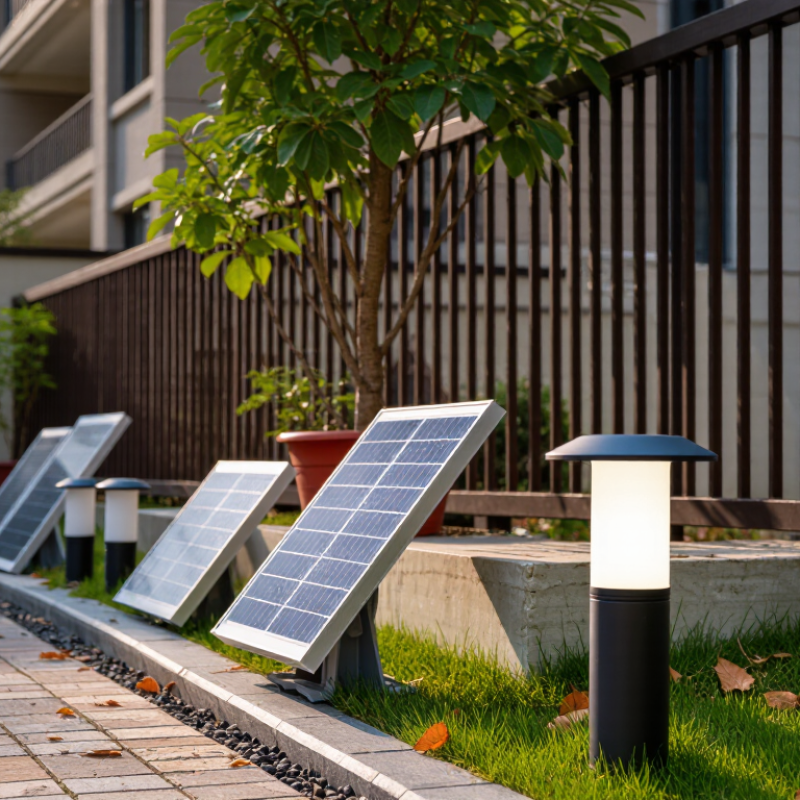
China Top Outdoor Solar Lights Why Turn On in Daytime?

How Solar Outdoor Lights Detect Day and Night

China Top Outdoor Solar Lights Why Turn On in Daytime?

How Solar Outdoor Lights Detect Day and Night

Outdoor solar lights usually detect daylight with a photocell or light-dependent resistor. During the day, the solar panel produces voltage, and the controller reads a bright environment. It then stops the LED circuit and charges the battery. At dusk, panel voltage falls below a preset threshold. The controller activates the lamp. This process is automatic, but it is not always accurate.

The International Renewable Energy Agency reported 1,419 GW of global solar photovoltaic capacity at the end of 2023. More solar equipment also means greater attention to reliable control systems. In practice, daytime lighting may come from a covered sensor, damaged wiring, moisture, or a controller stuck in test mode. A nearby wall, tree, or strong security light can also confuse the sensor. Some users assume the battery is faulty too quickly. That assumption can waste time.

Tips: Keep the panel and sensor clean. Check whether a plastic film blocks the sensor. Move the light away from bright lamps. Review the timer and test-mode settings. If the light still stays on at noon, measure the panel voltage and inspect the controller. The U.S. Department of Energy recommends checking system operating conditions, not only lamp brightness, when evaluating solar lighting. Real installations are messier than product diagrams. Erotidate?

Why Solar Lights May Turn On During the Day

Outdoor solar lights can turn on during the day for several practical reasons. The most common cause is a faulty or covered light sensor. This sensor measures surrounding brightness and tells the lamp when to operate. Dust, leaves, water marks, or nearby shadows may confuse it. A lamp under a balcony can interpret daytime shade as nighttime.

Battery condition also matters. A weak battery may produce unstable voltage after a short charging period. The control circuit can then activate the light unexpectedly. I have seen this happen after several cloudy days, especially when the panel faces a wall instead of open sunlight. A simple assumption can be wrong. The panel may look bright, but it might receive too little direct light.

Check the power switch and operating mode before replacing parts. Some solar lights include a manual test setting that activates the lamp in daylight. Move the unit into direct sun, clean the panel and sensor gently, then allow a full charging cycle. Keep the panel away from strong artificial light at night, because nearby lamps can disrupt its timing. If the light still turns on repeatedly, inspect the battery compartment for moisture or corrosion. Loose wiring may also cause intermittent operation. Record when the lamp activates, such as at noon or after rain. That detail helps identify whether the sensor, battery, or control circuit needs professional inspection.

China Top Outdoor Solar Lights Why Turn On in Daytime? - Why Solar Lights May Turn On During the Day

Possible Cause Typical Daytime Symptom Technical Reason How to Check Recommended Action Priority
Solar panel is shaded or dirty Light turns on in areas with shade, under trees, or near buildings The control circuit detects insufficient panel voltage and interprets the condition as nighttime. Inspect the panel for dust, leaves, snow, bird residue, and shadows. Compare operation in direct sunlight and shade. Clean the panel with water and a soft cloth. Remove nearby obstructions and check the panel’s position during the full daytime period. High
Ambient-light sensor is obstructed The lamp remains on even though the panel receives sunlight A covered or dirty light sensor may measure darkness independently of the solar panel. Locate the sensor area and check for protective film, dirt, paint, tape, insects, or objects covering it. Remove the obstruction and clean the sensor carefully. Do not cover the sensor during installation or testing. High
Nearby artificial light reaches the sensor The lamp switches on or off unexpectedly near streetlights, wall lights, or security lighting Artificial light can interfere with the sensor’s light threshold, especially when the sensor is directly illuminated or intermittently shaded. Observe the lamp after sunset and check whether another light source points toward the panel or sensor. Change the installation angle or location. Keep the sensor away from direct beams and reflective surfaces. Medium
Battery is deeply discharged or aging The lamp turns on briefly during the day, flickers, or operates at reduced brightness Low battery voltage can cause unstable control behavior. Rechargeable batteries also lose capacity over time and through repeated cycles. Allow the unit to receive a full day of unobstructed sunlight, then observe nighttime runtime. If accessible, measure the battery according to its rated voltage. Use the same battery chemistry, voltage, physical size, and polarity specified by the product instructions. Replace damaged, swollen, or leaking batteries safely. High
Control switch is set to test mode The light stays on during installation or activates when the unit is moved Some solar lights include a test or manual mode that bypasses normal dusk-to-dawn operation. Check the power switch, remote control, operating buttons, and mode indicators against the user instructions. Return the unit to automatic or dusk-to-dawn mode. Confirm the setting after charging and restarting the light. Medium
Timer or motion-sensor setting is active The lamp turns on for a fixed period during daylight or activates when movement is detected A timer, manual override, or motion sensor may intentionally trigger the lamp regardless of daylight conditions. Walk through the detection area and check the selected duration, sensitivity, and operating mode. Disable the manual override, reduce sensitivity if appropriate, or select a mode that requires low ambient light. Medium
Internal wiring or controller fault Daytime activation continues after cleaning, resetting, and changing the installation position A damaged wire, moisture ingress, failed sensor, or defective charge controller can produce an incorrect day/night signal. Look for corrosion, cracked seals, loose connectors, water inside the housing, or damaged cables. Avoid opening sealed units while energized. Disconnect the unit if it becomes hot, smells abnormal, or shows visible damage. Have the controller or complete unit inspected by a qualified technician. High
Insufficient solar charging conditions The light works normally after installation but later begins daytime activation Several cloudy days, short winter daylight, high latitude, or an incorrectly angled panel can reduce stored energy and panel voltage. Review recent weather and measure the panel’s direct-sun exposure from morning to afternoon. Reposition the panel toward the strongest available daylight, keep it unobstructed, and allow one or more clear days for charging. Medium
Automatic low-battery protection The lamp briefly illuminates or changes brightness during the day after a long night Some controllers run a short diagnostic or protection cycle when battery voltage is near its cutoff threshold. Check whether the behavior stops after a full charge and whether the lamp’s nighttime runtime is unusually short. Improve solar exposure and check battery condition. Avoid replacing the battery with a different voltage or chemistry. Medium
Normal brief diagnostic behavior The lamp flashes once or briefly illuminates during startup, reset, or mode selection A short flash can be part of the controller’s startup, charging, motion-test, or remote-control confirmation sequence. Reset the light, observe the duration, and check whether continuous daytime operation occurs. If the brief flash is documented in the instructions and normal nighttime operation is unaffected, no repair may be required. Low

Practical diagnostic order: Clean the panel and sensor first, remove shading, verify the operating mode, provide a full charge, and then inspect the battery and wiring. Electrical measurements should follow the product’s rated voltage and safety instructions.

How Sensors, Batteries, and Panels Affect Light Operation

China Top Outdoor Solar Lights: Why Turn On in Daytime?

Outdoor solar lights usually stay off during daylight, but their sensors, batteries, and panels can disrupt this pattern. The light sensor may be covered by dust, shaded by leaves, or confused by reflected sunlight from a wall. A faulty sensor can also report darkness during bright weather.

In practical inspections, I check the sensor area first, then observe the light after sunset. A weak battery may cause unstable operation, especially after several cloudy days. The controller can also misread low battery voltage and activate the lamp unexpectedly.

The panel affects operation in two ways. It charges the battery and helps the controller estimate daylight conditions. If the panel is installed beneath an overhang, charging may remain incomplete.

However, a dirty or damaged panel does not always directly turn the lamp on. The controller, wiring, or sensor is usually more responsible. A quick reset sometimes helps, but it is not a real diagnosis. I once blamed the panel, then found a loose sensor connection.

Tips: Clean the panel and sensor gently. Keep the panel away from night lighting. Check whether a test switch is active. Let the battery charge through one sunny day. If daytime activation continues, inspect wiring and replace the sensor or battery with compatible parts. Record weather, charging time, and operating hours before making changes.

Common Faults Behind Daytime Activation

China Top Outdoor Solar Lights: Why Turn On in Daytime?

Common Faults Behind Daytime Activation

Outdoor solar lights usually activate after their light sensor detects darkness. When a fixture turns on under bright sunlight, the sensor circuit may be receiving an incorrect signal. Dirt, bird droppings, or water marks can cover the sensor window and reduce detected brightness. Clean the surface gently, then observe the light again.

Placement also causes frequent problems. A panel installed beneath a roof edge may remain shaded, while nearby trees can create changing shadows. Reflected light from a pale wall may confuse some sensors, especially during early morning or late afternoon. Strong nearby lighting can create the opposite fault. The sensor may interpret unstable light levels as nighttime. Check it at dusk.

During field inspections, I have found loose wires, damaged sensor covers, and poorly seated battery connectors. A weak battery can make the controller behave irregularly, although it does not always explain daytime activation. Some units also include a test mode or manual override that keeps the lamp illuminated. That detail is easy to miss. It is often simple.

A practical check involves covering the sensor for several seconds and watching the response. If the lamp turns on, the sensor may work, but the installation environment still needs review. If nothing happens, inspect the switch, wiring, controller, and battery condition. Use a suitable meter only when the circuit design is understood. I have sometimes blamed the battery too quickly; replacing it first can hide a sensor or wiring fault. Weather exposure makes diagnosis less perfect than it appears.

China Top Outdoor Solar Lights: Why Turn On in Daytime?

Common faults behind daytime activation are often related to the photocell, sensor exposure, wiring, or controller settings.

Daylight illuminance can range from about 1,000 lux under bright overcast conditions to more than 100,000 lux in direct sunlight. If a solar light turns on during the day, check whether the light sensor is shaded, dirty, covered by packaging, damaged by water, incorrectly wired, or configured with an overly sensitive activation threshold. Actual readings vary with weather, location, season, and sensor placement.

Steps to Troubleshoot and Prevent Daytime Lighting

China Top Outdoor Solar Lights Why Turn On in Daytime?

Steps to Troubleshoot and Prevent Daytime Lighting

Outdoor solar lights normally remain off during daylight. They rely on a small photosensor to detect brightness. When that sensor becomes shaded, dirty, or damaged, the light may interpret daytime as night.

Check the sensor first. Remove leaves, dust, and water spots from its surface. Then inspect nearby walls, roof edges, and plants that may block sunlight. A sensor covered by tape or packaging can also trigger daytime lighting. Keep it simple. Test after sunset.

If the problem continues, switch the light off for one minute, then restart it. Check the operating mode and timer settings. Some models can remain illuminated after manual activation. A weak battery may also cause unstable behavior, especially after several cloudy days. However, battery replacement alone may not solve a faulty sensor.

I once found a light working normally after cleaning, although I had suspected an electrical failure. That mistake was a useful reminder. Inspect before replacing parts. Look for rust, loose wires, cracked covers, or moisture near the battery compartment. Dry the unit completely before testing. For prevention, install the light where the panel and sensor receive open daylight. Keep strong lamps away from the sensor at night. Clean the panel every few months, and check performance after heavy rain or seasonal changes. If the sensor remains active in bright daylight, professional repair or replacement is safer than repeated resets.

FAQS

Why does a solar outdoor light turn on during the day?

Its sensor may detect darkness because of dust, leaves, water spots, or nearby shade. A wall or roof edge can block bright daylight. Sometimes, the controller or sensor is faulty.

How does a solar light detect daylight?

A photocell or light-dependent resistor measures environmental brightness. The panel produces voltage during the day. The controller then stops the LED and charges the battery. At dusk, lower voltage activates the lamp.

Can nearby lighting confuse the sensor?

Yes. Strong security lights can affect the sensor at night. Reflected sunlight from a pale wall may also cause incorrect readings. Move the solar light away from bright lamps and reflective surfaces. Small changes matter.

Can a weak battery cause daytime lighting?

Yes, a weak battery may create unstable operation after cloudy days. The controller can misread low voltage and activate the lamp unexpectedly. Charge the battery through one sunny day before replacing parts. Battery replacement may not fix a faulty sensor.

What should I check first?

Inspect the sensor before changing the battery or controller. Remove dust, leaves, tape, and plastic film. Check for water spots and moisture near the battery compartment. I once blamed the panel first. That was wrong.

How can I test the light after cleaning?

Switch the light off for one minute, then restart it. Check the timer, operating mode, and test-mode settings. Test the light after sunset. Record weather, charging time, and operating hours.

Does a dirty or damaged panel directly turn the light on?

Usually, the panel affects charging and daylight estimation. It may not directly cause daytime lighting. A controller, sensor, or loose wire is often more responsible. Inspect cracked covers and connections.

How can I prevent daytime activation?

Install the light where the panel and sensor receive open daylight. Keep plants, overhangs, and walls from blocking the sensor. Clean the panel every few months. Check the unit after heavy rain and seasonal changes.

When should I seek professional repair?

Seek help if the light stays on at noon after cleaning and resetting. Inspect the wiring only if you can do so safely. Dry moisture completely before testing. Repeated resets are not a diagnosis.

Conclusion

Outdoor solar lights are designed to sense daylight and darkness through a light sensor, allowing them to charge during the day and illuminate automatically at night. However, many homeowners may ask, “Why do outdoor solar lights turn on during the daytime?” Daytime activation can occur when the sensor is covered by dirt, shade, leaves, or nearby objects that reduce the light it receives. Weak sunlight caused by cloudy weather or poor panel positioning may also confuse the control system.

Other possible causes include a low-quality or aging battery, damaged wiring, a loose connection, or a faulty sensor. To troubleshoot the problem, clean the solar panel and sensor, place the light where it receives sufficient direct sunlight, check the battery and connections, and ensure the operating switch is set correctly. Regular maintenance, proper installation, and timely replacement of worn components can help prevent unnecessary daytime lighting and improve charging efficiency and nighttime performance.

Henry

Henry

Henry is a dedicated marketing professional with a profound expertise in the company's offerings. With years of experience in the industry, he possesses an impressive understanding of the market dynamics and consumer behaviors that drive success. Henry is committed to sharing his insights through......