Premium quality solar accessories, panels, system components, and energy storage systems manufactured to international regulatory standards.
Shenzhen Soweglow Solar Co., Ltd. is a professional and reliable manufacturer and supplier specializing in solar energy products, renewable energy solutions, and intelligent solar lighting systems. Located in Shenzhen, China, one of the world's most innovative and dynamic technology hubs, we have been committed to the solar industry for many years, providing high-quality products and customized energy solutions to customers worldwide.
Driven by the mission of promoting clean energy and sustainable development, Soweglow Solar focuses on delivering efficient, environmentally friendly, and cost-effective solar products that help reduce energy consumption and carbon emissions. Through continuous innovation, strict quality control, and customer-oriented service, we have established long-term partnerships with clients across Europe, North America, South America, Africa, Southeast Asia, and the Middle East.
Our experienced team possesses extensive expertise in solar lighting, photovoltaic systems, energy storage solutions, project management, manufacturing, and international business. We continuously invest in research and development to ensure our products meet evolving market demands and international quality standards.
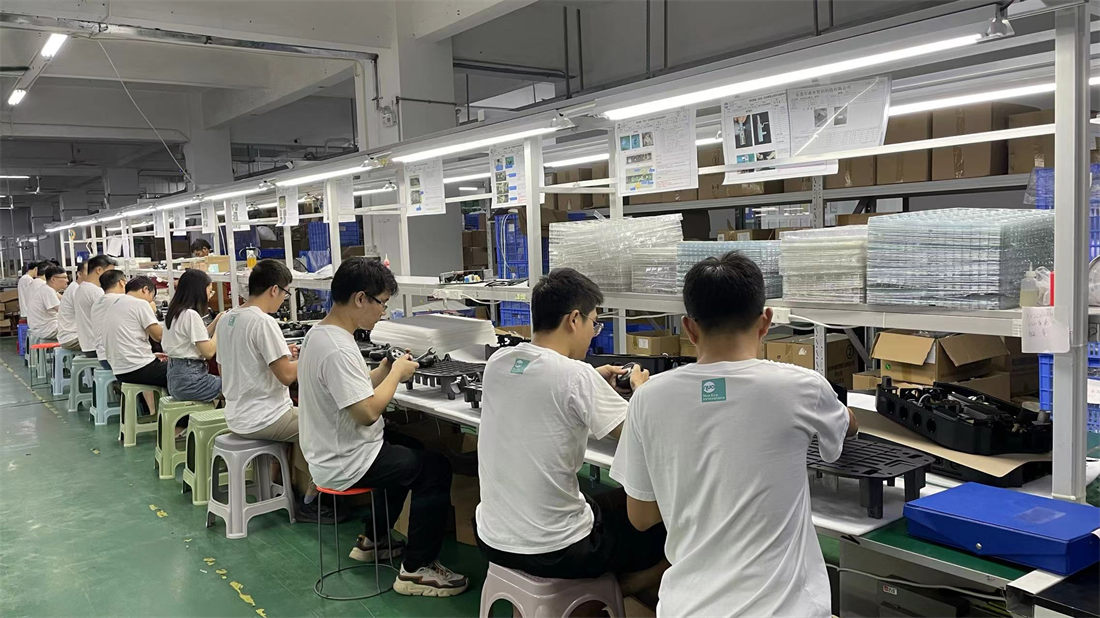
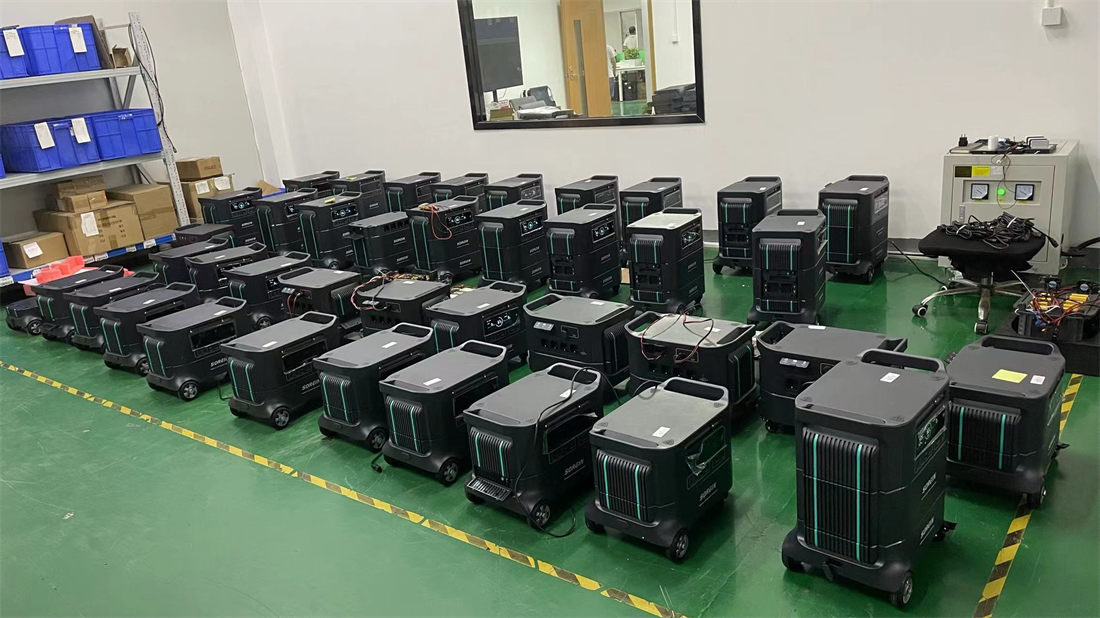
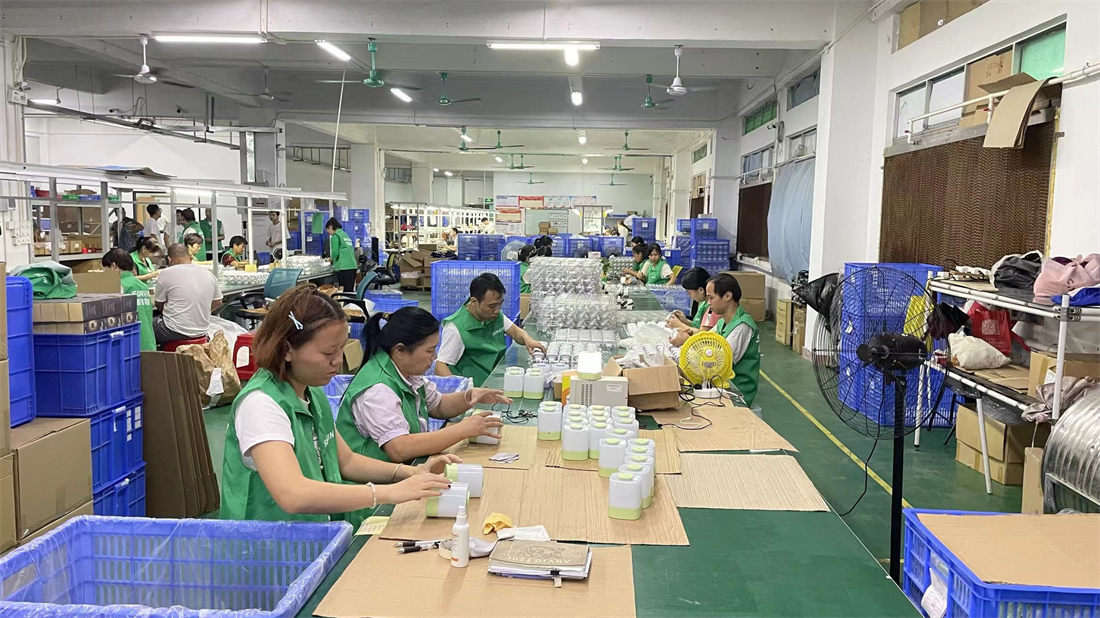
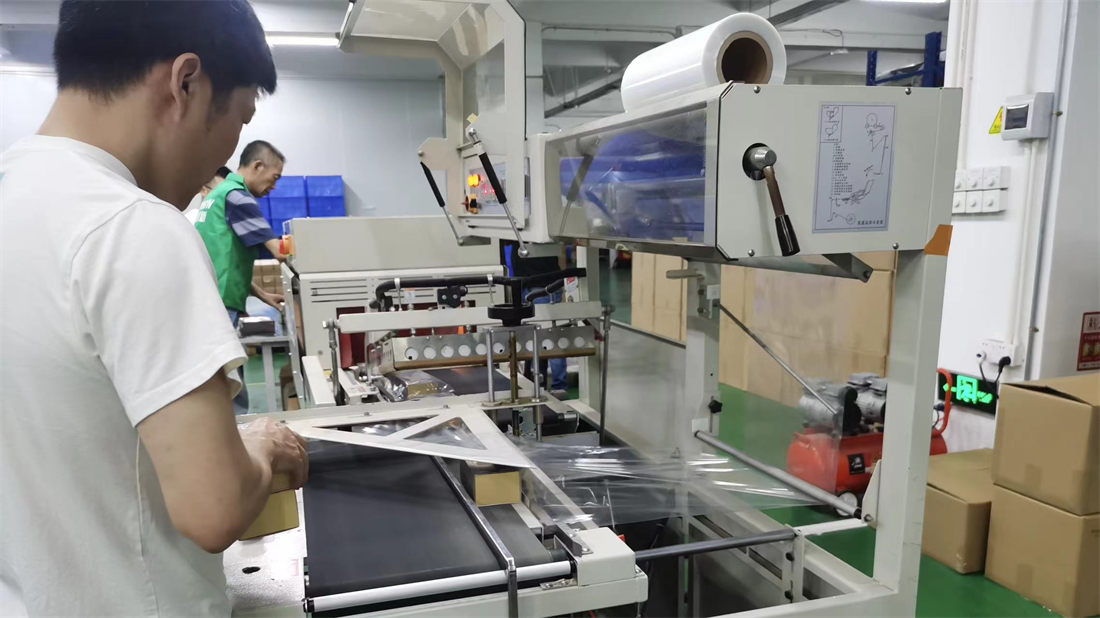
Quality is the foundation of our business. Every product undergoes strict quality inspections throughout the entire production process, from raw material selection to final assembly and shipment. Our manufacturing facilities operate under comprehensive quality management systems to ensure product reliability, safety, and long service life.
We continuously improve our production processes and technology to provide products that comply with international certifications and industry standards.
To accelerate the adoption of renewable energy by providing innovative, efficient, and sustainable solar solutions that create long-term value for customers and contribute to a greener future.
Strategic structural benefits, industrial clusters, and technological dominance that empower Soweglow Solar to deliver world-class OEM/ODM solutions.
China is home to the world's most complete PV supply chain, from polysilicon purification and silicon ingot slicing to solar cells, encapsulation sheets (EVA/POE), and smart control software. This localized raw material ecosystem enables Soweglow Solar to acquire premium components at minimum transit costs, translating directly to highly competitive factory-gate pricing.
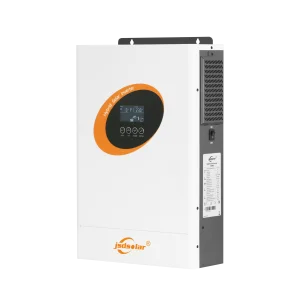
Situated in Shenzhen, Soweglow Solar draws directly from the world's most advanced electronics hardware talent pool. This allows us to rapidly design, mock, prototype, and manufacture state-of-the-art software systems for hybrid solar inverters, lithium battery management systems (BMS), and automated IoT solar street lighting networks.
Our manufacturing facility adapts swiftly to scaling demands, from specialized local microgrid integrations to high-volume commercial components. Guided by robust manufacturing practices, our production lines balance precision with flexibility, achieving short production lead times and high yield rates.
Understanding the transition from older solar formats to intelligent, high-efficiency generation frameworks.
The global PV industry is rapidly leaving behind standard P-type PERC structures in favor of N-type Tunnel Oxide Passivated Contact (TOPCon) technologies. TOPCon technology reduces surface recombination, increases Voc (open-circuit voltage), and provides a higher bifaciality factor. This architectural leap guarantees stable power output even under high ambient temperatures and diffuse light conditions, minimizing the Levelized Cost of Energy (LCOE) across utility and commercial projects.
Solar generation is transitioning from passive grid injection to active, dispatchable energy control. The combination of high-density LiFePO4 (Lithium Iron Phosphate) battery chemistry with sophisticated Hybrid Inverters allows home and industrial sites to manage load shifting, peak shaving, and automatic UPS backup. These systems balance dynamic loads dynamically, keeping grid demand balanced and ensuring uninterrupted operations.
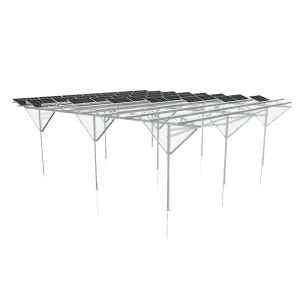
Photovoltaic installations must withstand extreme structural stresses. Modern PV mounting structures have moved away from heavy, corrosive iron frames to high-tensile, zinc-magnesium-aluminum (ZM) coated steel and lightweight structural components. These advanced setups use pre-assembled configurations and custom fittings to simplify ground and rooftop installation while maintaining aerodynamic stability in high-wind zones.
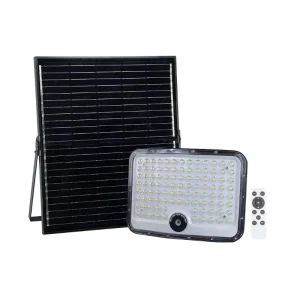
Smart city systems and off-grid zones increasingly rely on integrated, self-sustaining solar infrastructure. Smart solar street lights now integrate high-efficiency monocrystalline panels, MPPT charge controllers, LiFePO4 battery banks, and smart motion sensors into single, weather-sealed housings. These components optimize light levels dynamically based on foot traffic and remaining battery capacity, ensuring reliable, year-round operation.
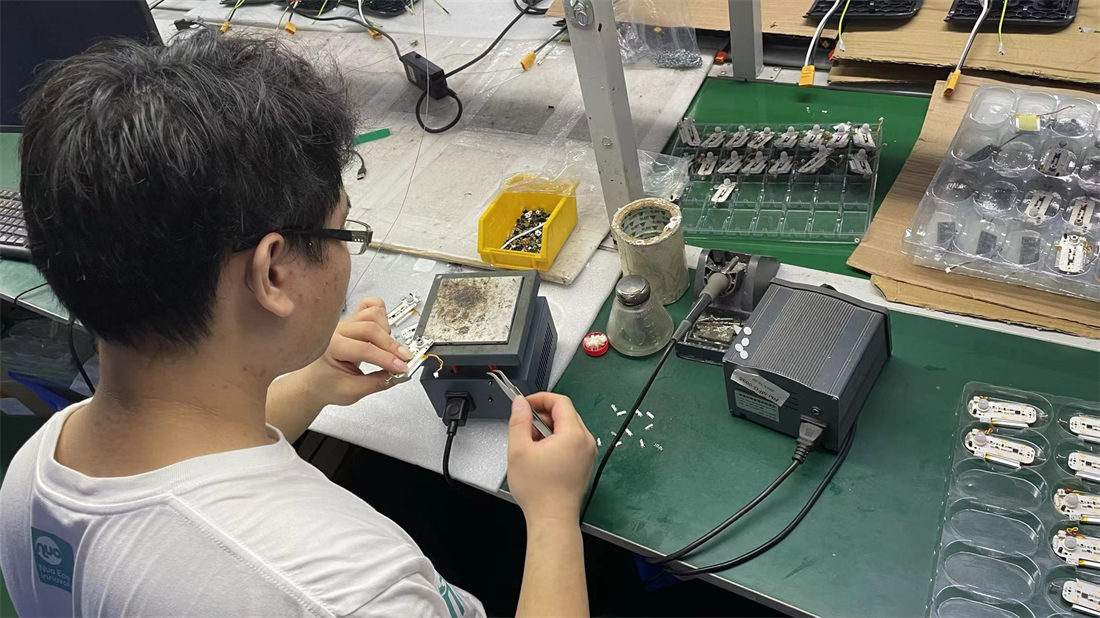
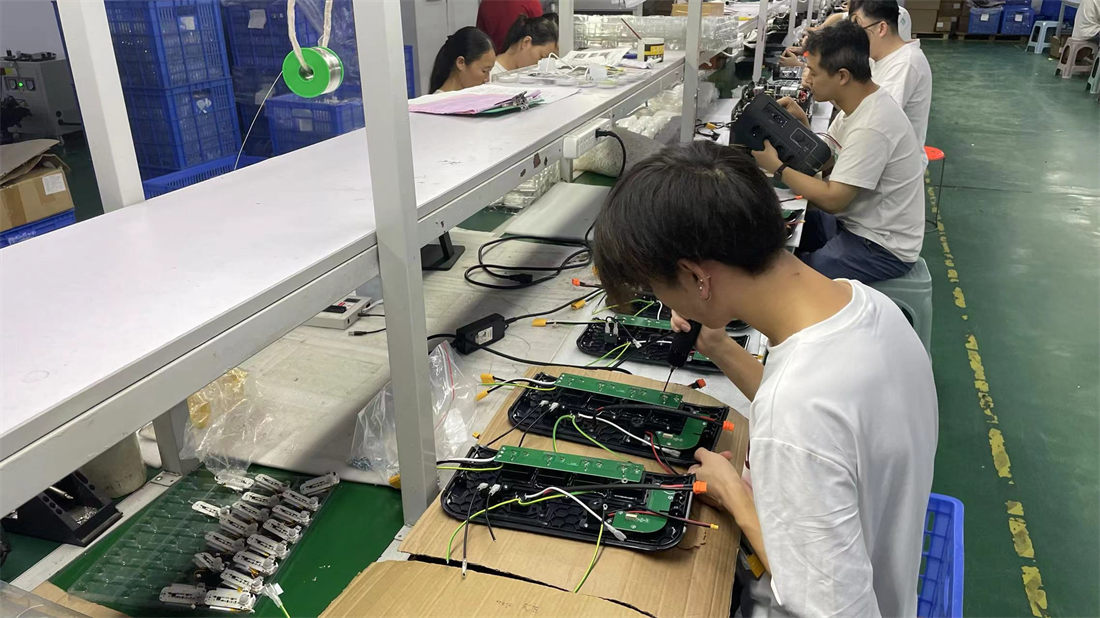
A transparent look inside the Shenzhen Soweglow Solar manufacturing plant. High automation levels ensure consistent output and structural longevity.
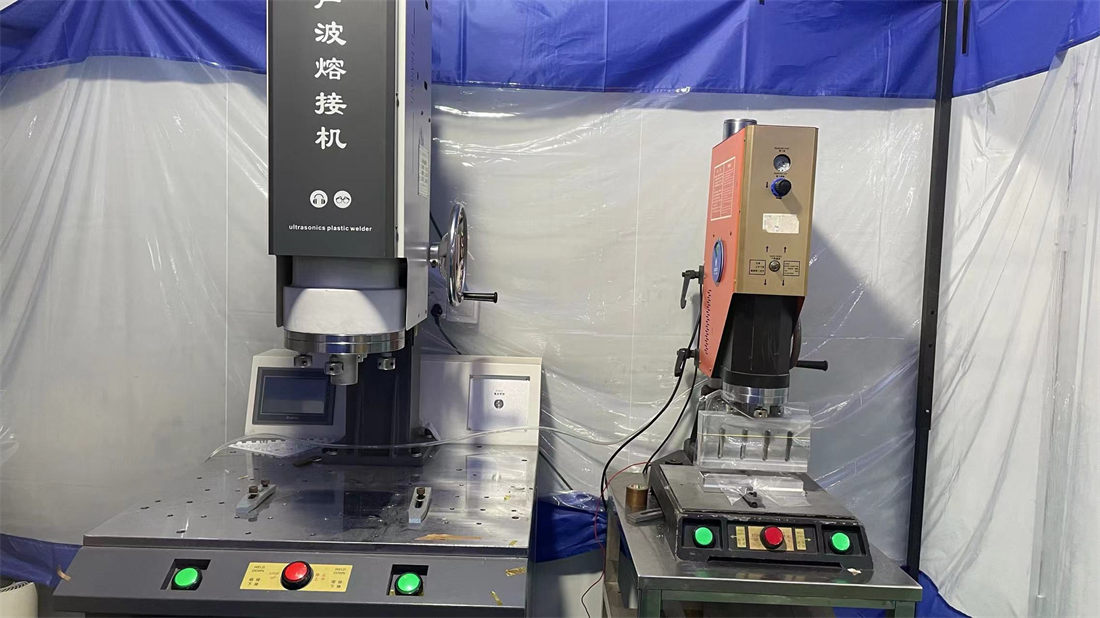
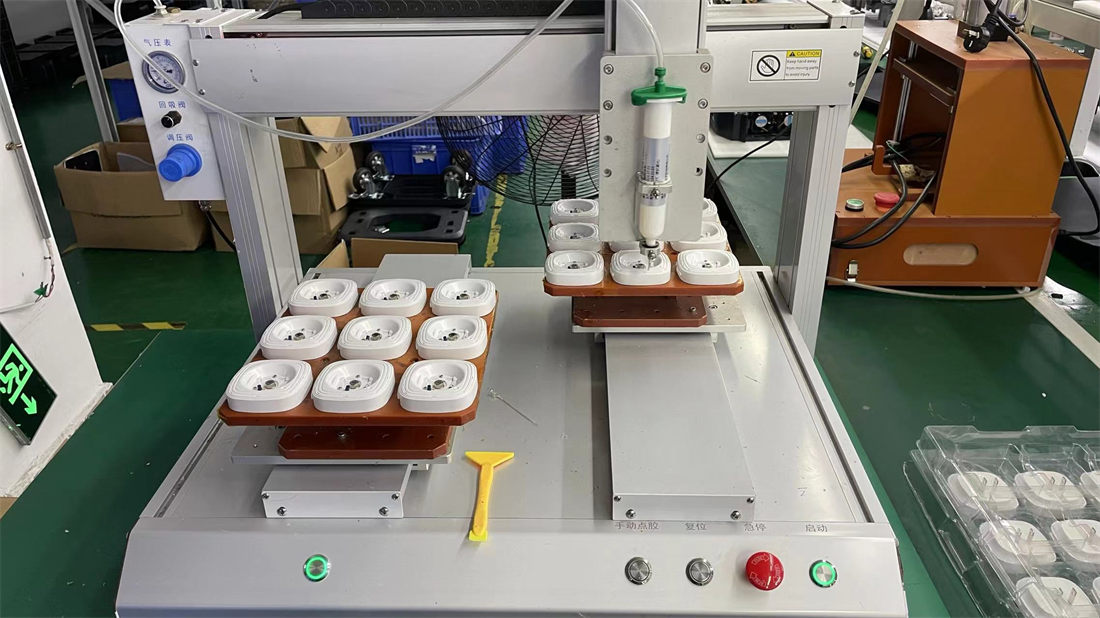
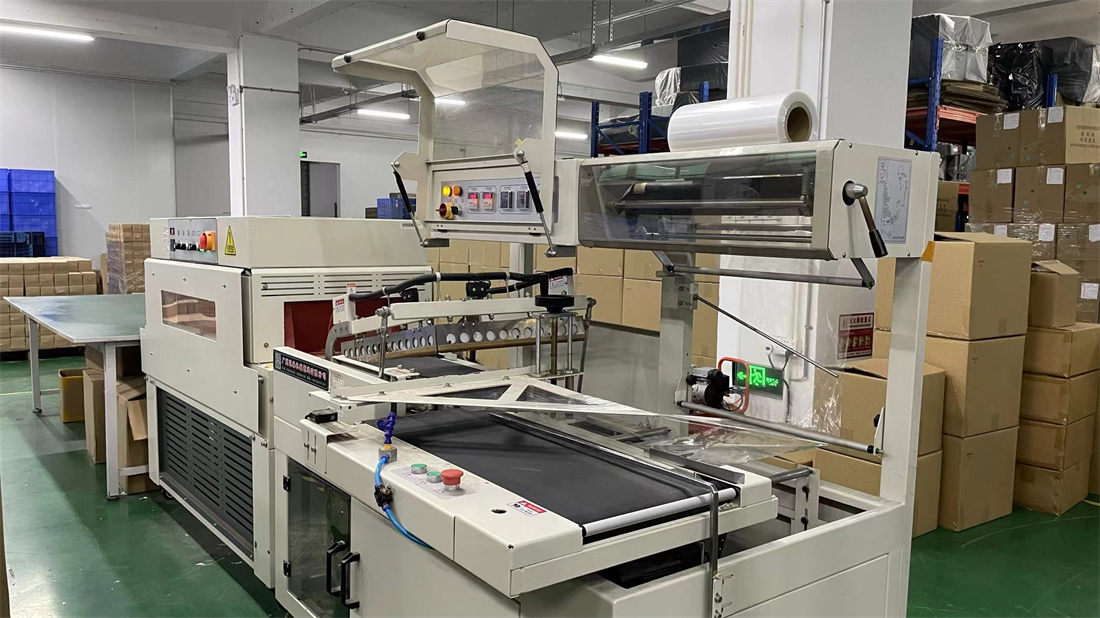
How Soweglow Solar's OEM/ODM portfolio adapts to specific municipal, agricultural, industrial, and consumer energy challenges.
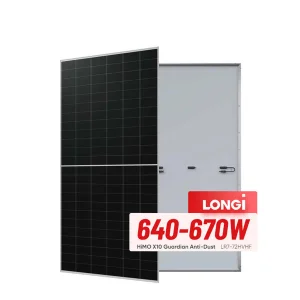
Our utility-grade 640W-670W N-Type TOPCon panels integrate with large-scale hybrid solar inverters and outdoor battery cabinets. Designed for factories, agricultural centers, and off-grid logistics warehouses, this solution offers a reliable source of power. By using automated solar chargers, C&I operators can lower peak demand charges, maintain backup power for critical machinery, and transition from high carbon footprints to net-zero status.
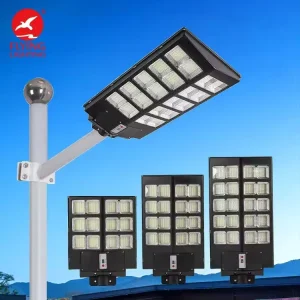
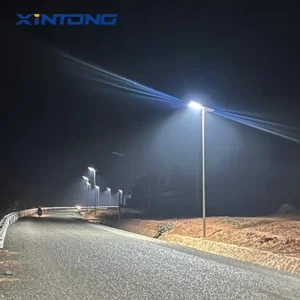
Traditional grid-powered street lighting is expensive to deploy and maintain in remote zones. Our integrated all-in-one IP65 solar street lights, combined with automated motion sensors and high-performance LiFePO4 batteries, offer a reliable, wire-free municipal lighting solution. Engineered to withstand high winds and heavy downpours, these systems reduce trenching and utility costs for municipal governments and developers.
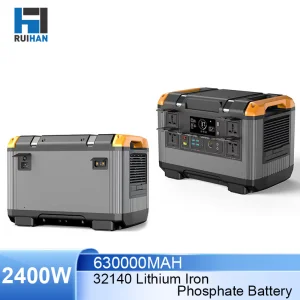
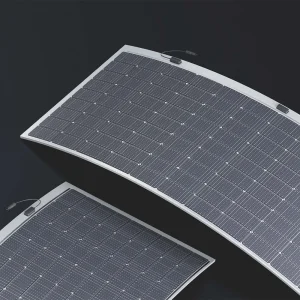
For research stations, humanitarian missions, and off-grid camping, power reliability is critical. We build durable, lightweight monocrystalline flexible panels (300W-500W) alongside high-capacity portable power stations (2400W pure sine wave LiFePO4 ESS). These packages offer a reliable mobile power source, recharging electronic devices, medical equipment, and tools without the noise and pollution of combustion generators.
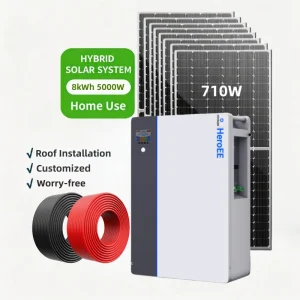
In regions with weak grids or high utility rates, residential off-grid solar energy systems provide reliable home security. By pairing our hybrid single-phase inverters with 8kWh LiFePO4 home batteries, homeowners can run essential appliances, refrigeration, and cooling systems. The system charges efficiently via the PV array during daylight hours and runs on battery power overnight.
A professional checklist to simplify solar procurement, confirm compliance, and verify manufacturing capability.
Check that all products carry recognized markings (e.g., ETL, CE, RoHS, TUV, IEC). Compliance certifications verify that solar panels and electronic components meet regional safety codes, streamlining import clearance and grid connection approvals.
For safety and cycle life, specify Lithium Iron Phosphate (LiFePO4) over standard ternary lithium (NMC) batteries in ESS products. LiFePO4 cells provide up to 6,000 charge cycles, run cooler, and present a much lower risk of thermal runaway.
Ensure the manufacturer provides full OEM/ODM services, including custom enclosures, branding, structural modification of mounting structures, and custom electrical configurations (voltage ranges, MPPT inputs) matching local grid requirements.
Partner with manufacturers who offer linear performance warranties on solar modules (typically 25 years at 80%+ output) and product warranties on active power electronics like controllers, inverters, and battery management systems (BMS).
Answers to technical, regulatory, and logistics queries for project managers, solar distributors, and procurement agents.
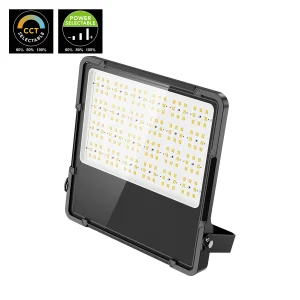
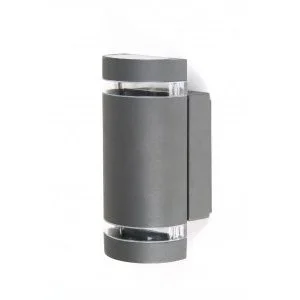
Complete structural systems, flexible PV solutions, and architectural light fittings to round out your system designs.
 Soweglow Solar