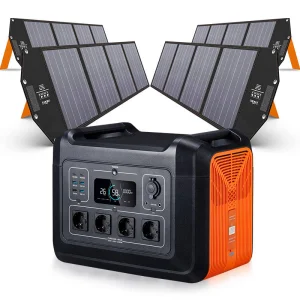
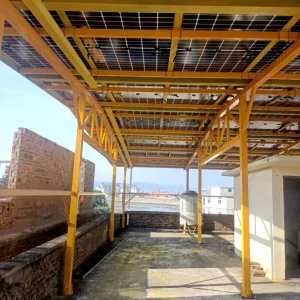
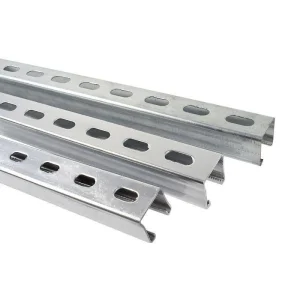
Explore our premium product selection featuring high-density energy systems, smart portable power stations, mounting brackets, and specialized solar solutions engineered for ultimate durability and efficiency.
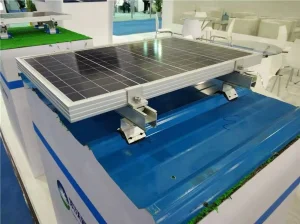
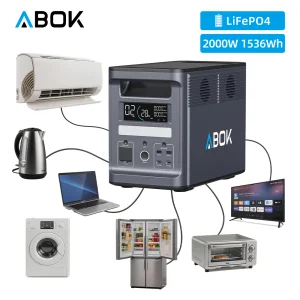
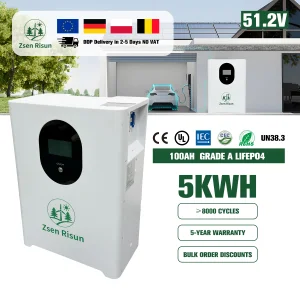
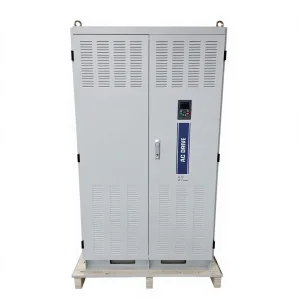
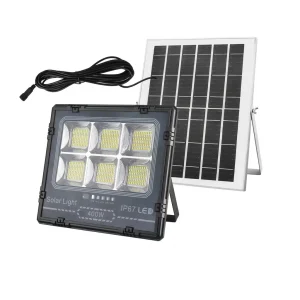
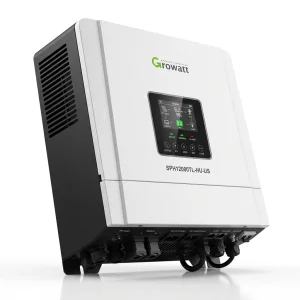
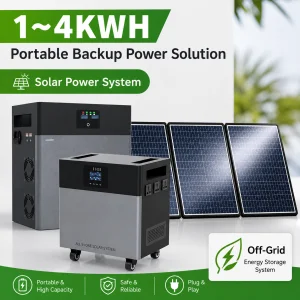
Shenzhen Soweglow Solar Co., Ltd. leads the engineering of commercial and residential photovoltaic networks, transforming utility distribution through smart control systems.
Shenzhen Soweglow Solar Co., Ltd. is a professional and reliable manufacturer and supplier specializing in high-performance solar energy products, next-generation renewable energy solutions, and intelligent solar lighting systems. Strategically located in Shenzhen, China—the world’s preeminent hub for technology, electronics manufacturing, and clean energy innovation—we are committed to accelerating global decarbonization. Over many years of deep sector immersion, we have built a comprehensive portfolio designed to optimize solar harvest, convert power with ultra-high efficiency, and store energy reliably for multi-decade operations.
Driven by the core mission of promoting clean energy transitions and sustainable development, Soweglow Solar focuses on delivering efficient, environmentally friendly, and cost-effective solar products. These solutions help partners reduce electricity expenditures, stabilize grids, and dramatically shrink carbon footprints. Through continuous R&D investments, strict quality control protocols, and custom engineering services, we have established robust, long-term partnerships with commercial installers, distributors, utility companies, and industrial conglomerates across Europe, North America, South America, Africa, Southeast Asia, and the Middle East.
Our multidisciplinary team possesses extensive, practical expertise in solar lighting architecture, photovoltaic systems, complex energy storage systems (BESS), project management, advanced electronics manufacturing, and international trade operations. We don't just sell components; we deliver integrated, engineered systems designed for durability in harsh environments, ensuring long-term financial yield for your solar investments.
How cutting-edge materials and intelligent management platforms are shaping the next generation of battery storage systems.
Lithium Iron Phosphate remains the gold standard for stationary storage due to its exceptional thermal stability and safety. Our advanced chemical compounding enables batteries to achieve over 12,000 cycles at 80% Depth of Discharge (DoD), supporting sustained operations for 15+ years.
Our smart Battery Management Systems (BMS) dynamically monitor temperature, cell impedance, and voltage deviation in real-time. Cloud integration allows predictive maintenance, early thermal anomaly detection, and automated remote firm-ware updates to optimize longevity.
Moving from traditional low-voltage systems to high-voltage architectures (up to 1000V DC) drastically cuts line losses, improves round-trip efficiency by 3-5%, and simplifies utility-scale power integration with heavy industrial machinery.
The global transition to net-zero requires a shift in how energy storage is integrated into localized distribution networks. While photovoltaic panels harvest clean electricity, solar energy remains inherently intermittent. To bridge the gap, next-generation storage systems rely on dynamic, highly integrated system topologies. Innovations in anode and cathode composition, such as silicon-carbon composites and solid-state electrolytes, are on our immediate technology roadmap to push energy density limits even higher, reducing physical footprints while boosting safety.
Moreover, intelligent power electronics—including our advanced high-power frequency converters and bi-directional hybrid inverters—bridge the gap between raw chemical energy storage and direct consumption. By synchronizing grid interfaces using advanced phase-locked loops (PLL) and fast frequency response protocols, our hybrid systems switch from grid-tied to isolated off-grid mode in under 10 milliseconds, acting as a reliable Uninterruptible Power Supply (UPS) for critical facilities.
Step inside Soweglow Solar’s automated production lines. Our Shenzhen factory utilizes precision robotic automation and exhaustive quality assurance protocols to deliver high-quality, defect-free solar hardware.
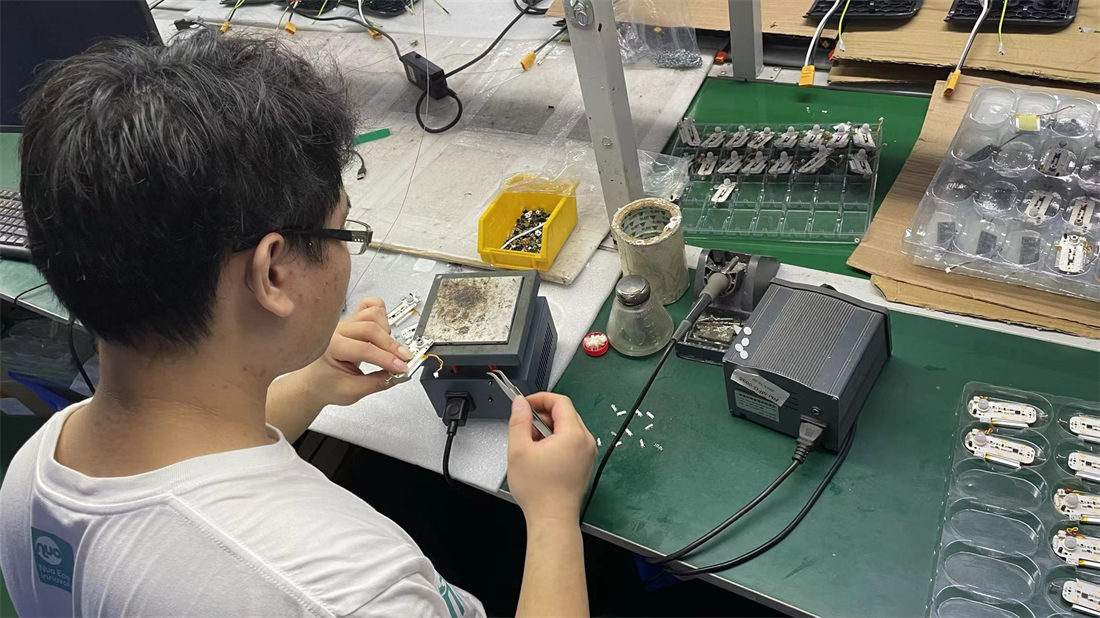
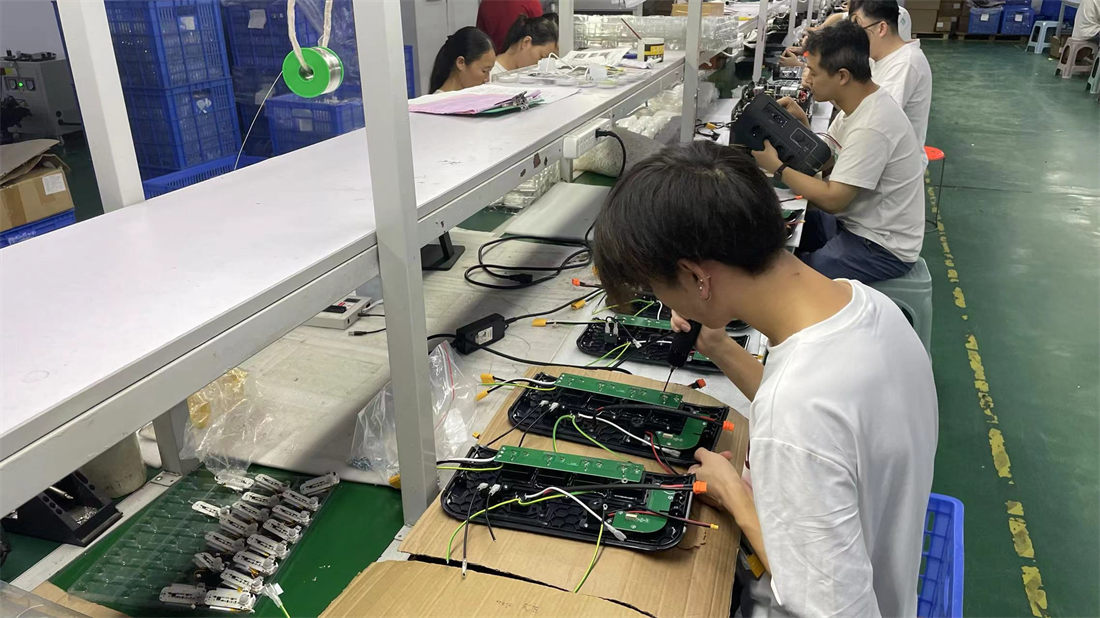
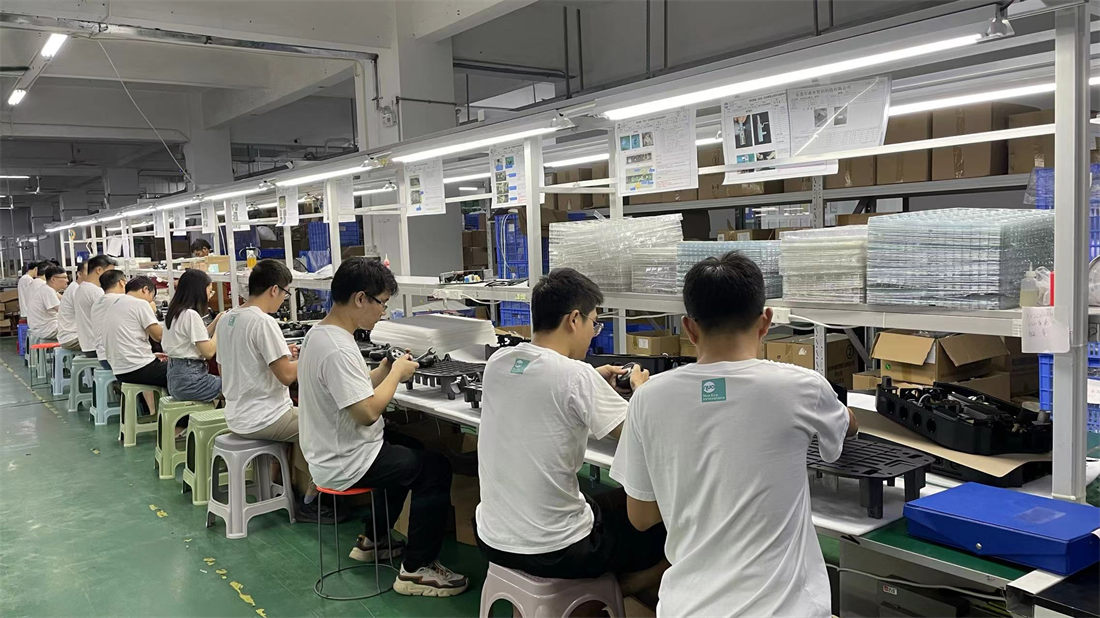
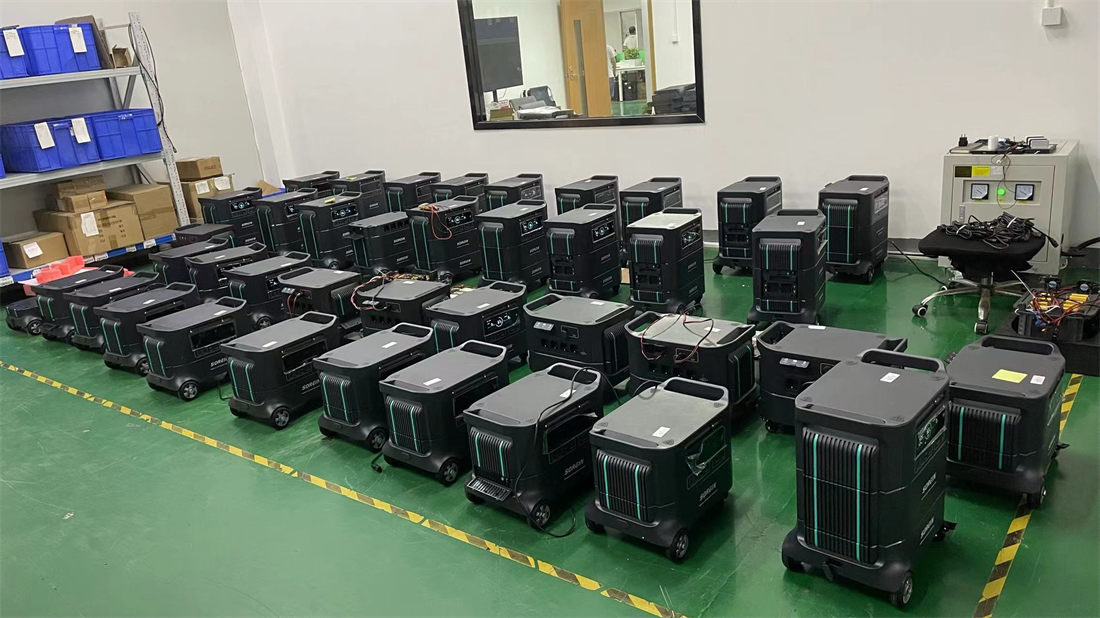
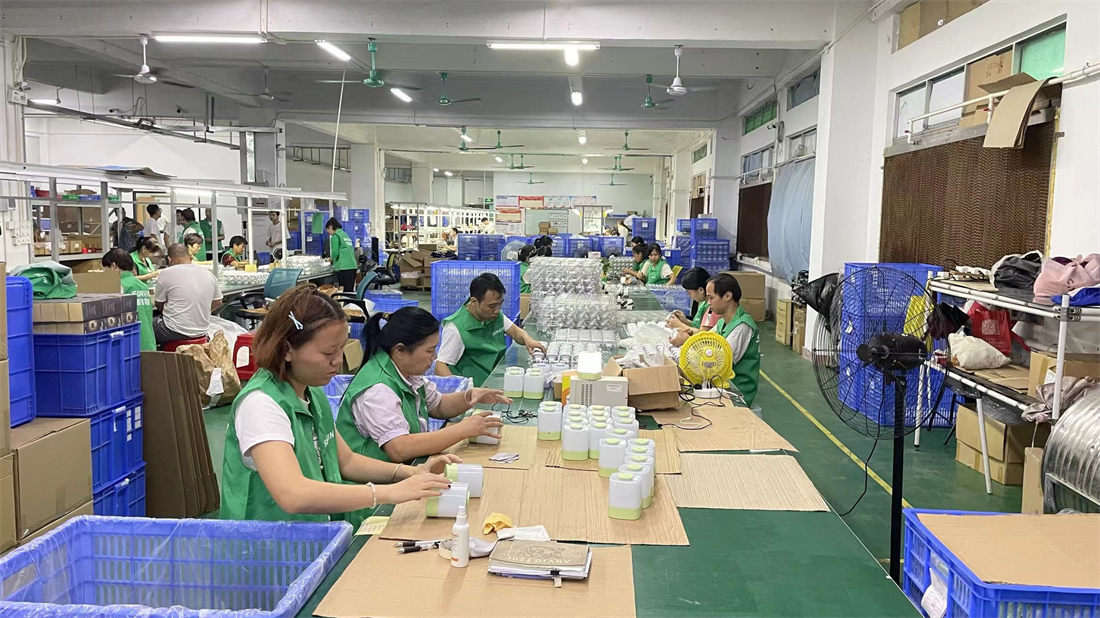
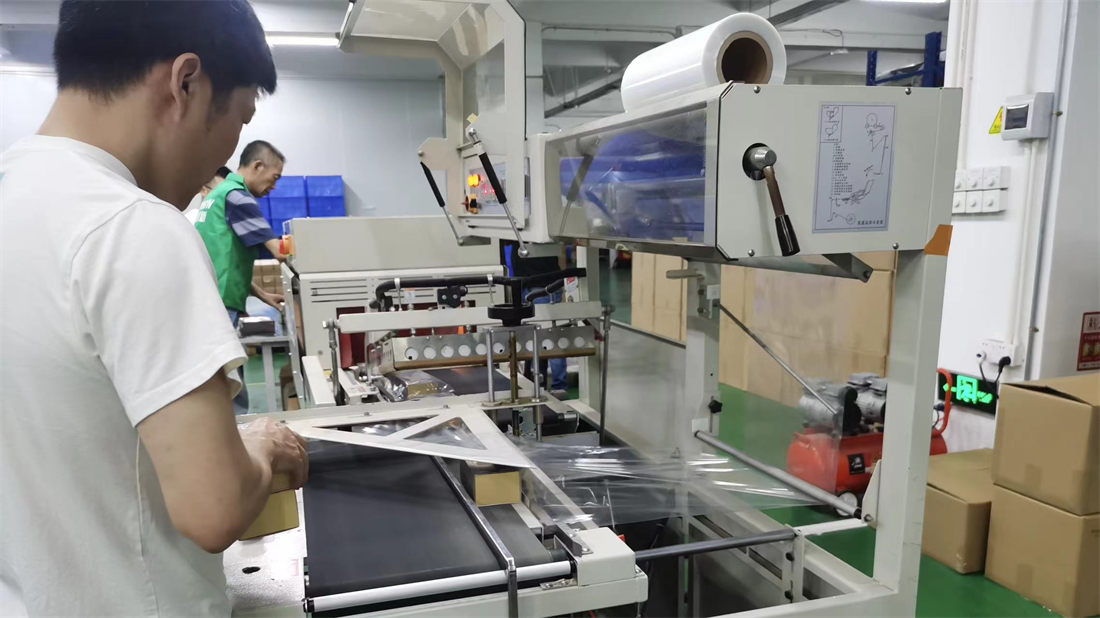
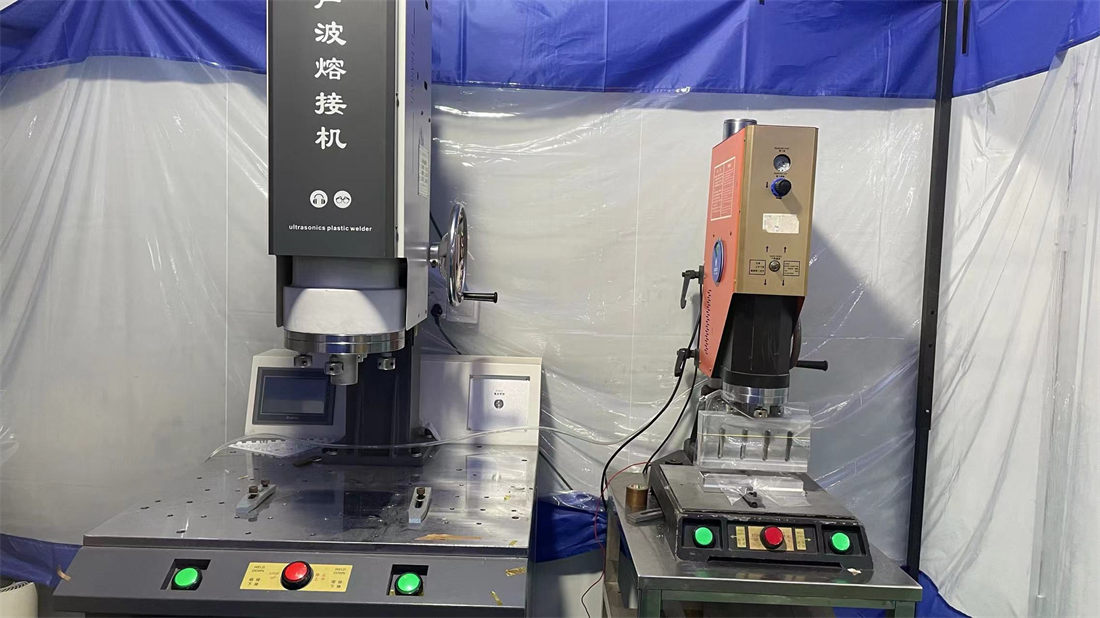
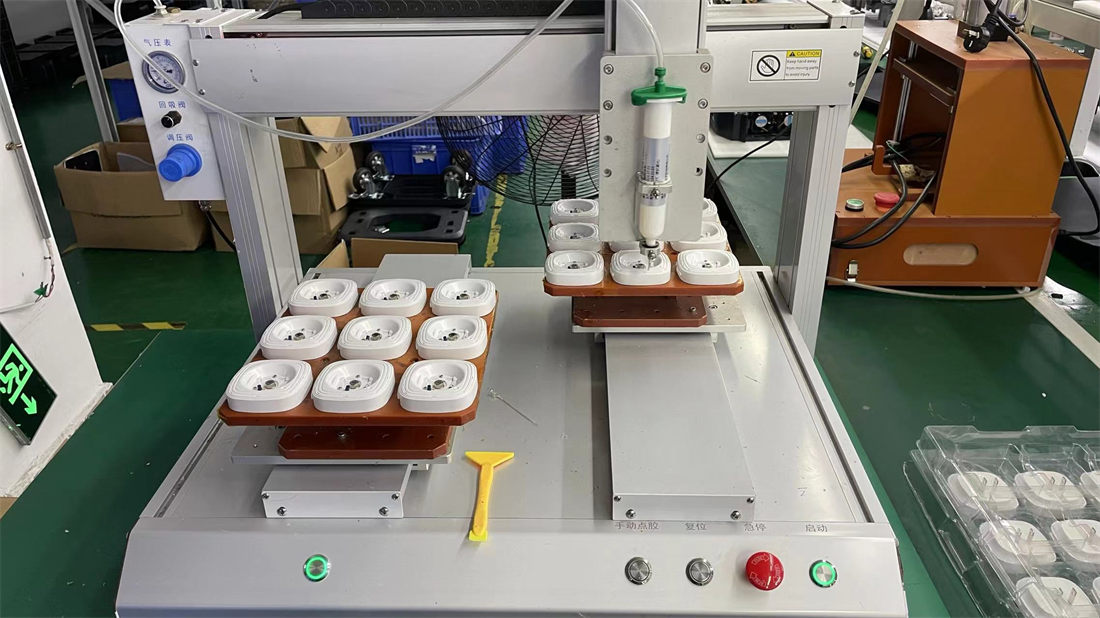
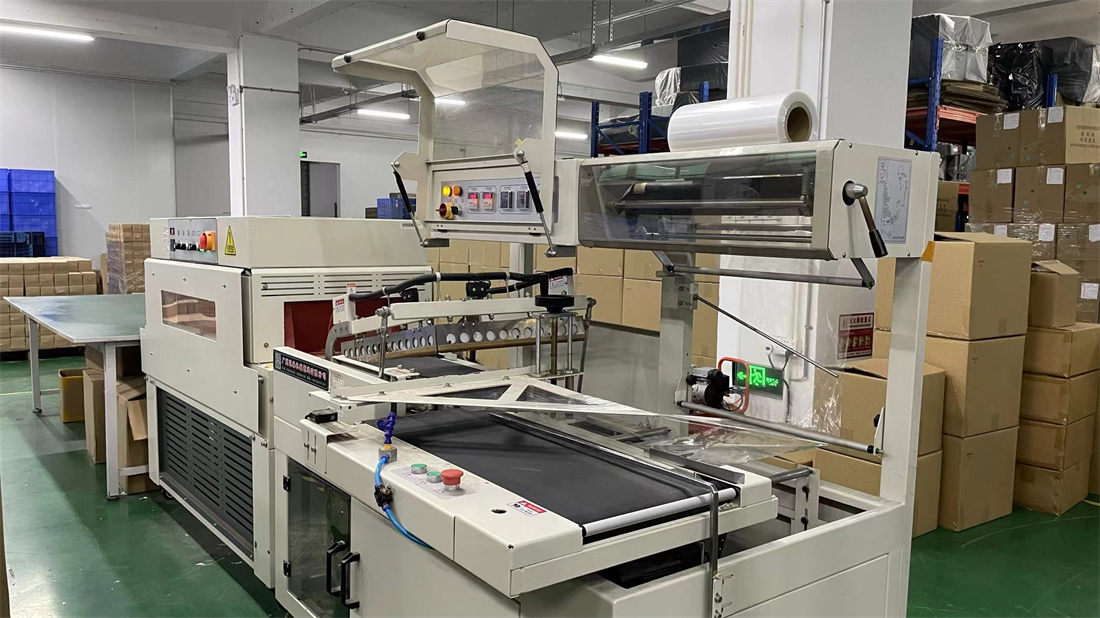
Quality is the cornerstone of Soweglow Solar. Every individual energy storage product and structural mount undergoes a rigorous quality inspection protocol throughout the production cycle, starting at raw material selection and moving through laser welding, module calibration, final load testing, and logistics preparation. Our advanced facilities implement Lean Manufacturing (5S) and operate under strict ISO 9001:2015 standards to guarantee high reliability, environmental safety, and long service life. By integrating ultrasonic welding and automated dispensing machinery, we maintain absolute structural integrity, keeping internal resistance low and eliminating potential points of failure.
From microgrids in remote regions to peak-shaving systems for heavy industries, our custom projects are engineered for maximum efficiency.
As carbon taxes and utility price spikes affect businesses worldwide, deploying high-capacity energy storage systems (ESS) is essential to ensure operational continuity. Soweglow Solar provides comprehensive, macro-level power architectures tailored to diverse industrial environments:
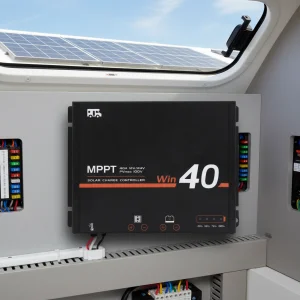
Furthermore, our systems support dual-input power configurations, allowing seamless coordination between diesel generators, local grids, and solar arrays. Advanced maximum power point tracking (MPPT) inputs ensure that every square meter of solar panel yields maximum energy, even in low-light environments.
Key metrics and performance indicators that procurement managers must prioritize when selecting a solar supplier in China.
Procuring solar energy storage equipment internationally requires evaluating more than just upfront prices. Savvy procurement teams look at the Total Cost of Ownership (TCO) and long-term operating costs. Key parameters include:
Partnering directly with a manufacturer that controls both structural components (like mounting systems) and battery integration simplifies project delivery. This consolidated sourcing approach cuts shipping complexity, ensures component compatibility, and streamlines after-sales support.
We build international confidence through rigorous compliance and dedicated customer service teams.
Deploying energy projects globally requires navigating complex local grid requirements and safety regulations. At Soweglow Solar, we ensure our products carry the certifications needed for smooth grid connection and compliance:
Additionally, we offer dedicated localized technical support. Our engineers assist from initial project layout and structural wind load calculations to remote installation support, helping system integrators and EPC contractors deploy projects efficiently and securely.
Answers to common technical, logistics, and integration questions from project engineers and sourcing professionals.
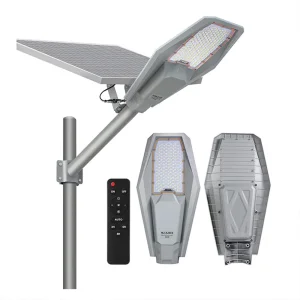
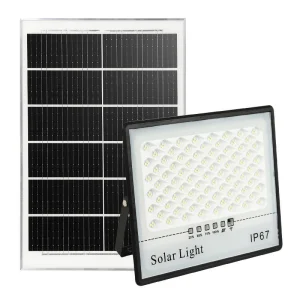
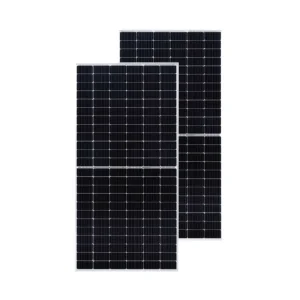
Complete your energy project setup with our certified solar panels, mounting structures, charge controllers, and outdoor lighting systems.
 Soweglow Solar