Explore our top-performing components designed for integration into commercial, industrial, and rural off-grid electrical infrastructures.
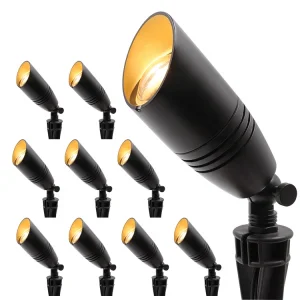
In the contemporary global energy landscape, industrial reliance on centralized electrical power grids is encountering unprecedented disruptions. Intensifying regulatory pressure under Scope 1 and Scope 2 environmental compliance, volatile fuel costs for emergency diesel generators, and escalating frequency of severe weather events have shifted decentralized, grid-resilient renewable systems from optional auxiliary units to core operational necessities. Modern off-grid and hybrid photovoltaic systems offer highly predictable levelized cost of energy (LCOE) trends while ensuring uninterrupted critical operations.
For engineers, municipal planners, and procurement directors, integrating robust outdoor solar systems demands more than standard component matching. It requires high-performance materials engineered to resist dust, marine air, ultraviolet radiation, and thermal mechanical stress. The evolution of PV module technology—incorporating flexible monocrystalline wafers and smart MPPT-driven energy storage systems—enables off-grid installations in settings once deemed structurally or geographically unfeasible, including temporary building infrastructure, marine structures, and high-altitude monitoring installations.
Selecting hardware for demanding outdoor utility deployment requires deep analysis of materials science and electrical engineering parameters. Each link in a micro-generation chain, from silicon wafer processing to final ground rack mounting structural load calculations, directly dictates operational lifetime.
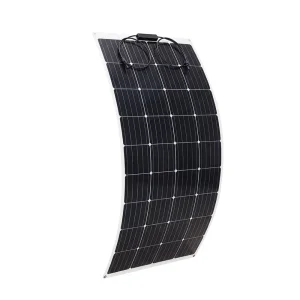
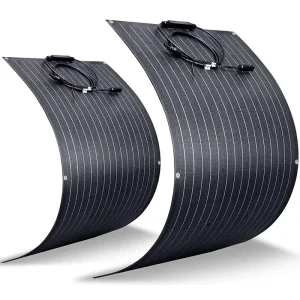
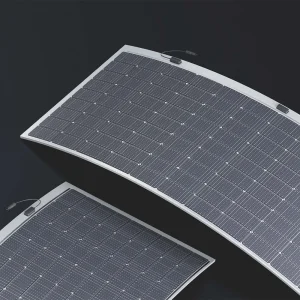
Modern monocrystalline PV cells leverage Passivated Emitter and Rear Cell (PERC) technology, improving light capture near the rear cell boundary. This raises industrial panel output efficiency to the 21.8% threshold. In locations prioritizing spatial flexibility, light structural load capacities, or aerodynamic shapes (such as commercial vehicles or architectural membrane roofs), semi-flexible, high-durability thin-film PV solutions become vital. Using premium ethylene tetrafluoroethylene (ETFE) encapsulation layers prevents typical degradation issues like delamination and cracking common in lower-tier polyethylene terephthalate (PET) panels under exposure to high UV radiation and extreme heat cycles.
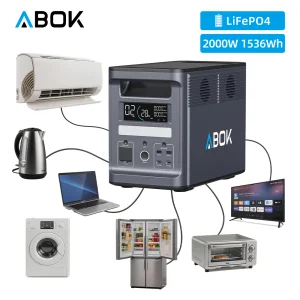
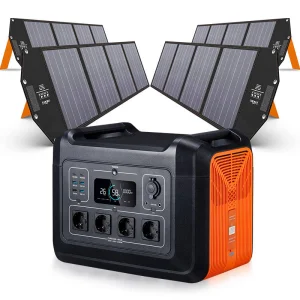
Industrial solar systems rely on integrated Lithium Iron Phosphate (LiFePO4) storage chemistries. Compared to lead-acid or standard lithium cobalt oxide batteries, LiFePO4 chemistry has a superior thermal runaway threshold, maintaining stable operations up to 60°C. Coupled with intelligent Battery Management Systems (BMS) featuring integrated active balance circuits, overvoltage protection, and low-temperature charge heaters, these systems easily sustain over 4,000 deep discharge cycles (up to 80% Depth of Discharge).
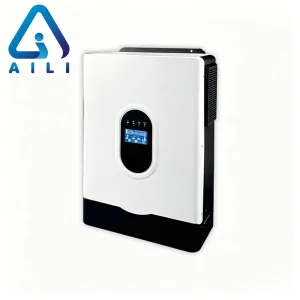
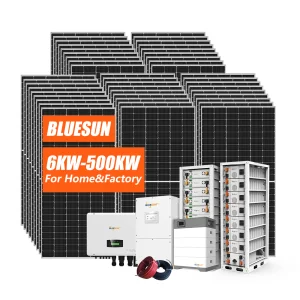
Converting unstable DC generation from solar fields to stable, grid-compliant AC power requires intelligent MPPT and inversion equipment. High-speed MPPT controllers dynamically adjust the panel terminal operating voltage under rapid cloud transition periods, yielding up to 30% more energy than legacy PWM controllers. Furthermore, dual-output hybrid solar inverters allow simultaneous support for critical infrastructure bypass circuits and battery storage recharging, utilizing localized solar power while maintaining backup generator integration.
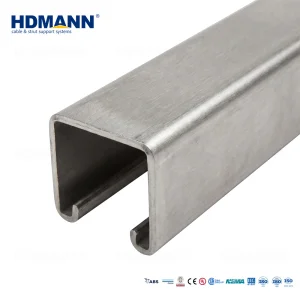
Utilizing high-tensile hot-dip galvanized steel (ASTM A123 standard) and anodized aluminum mounting systems ensures resistance to high wind velocity (60 m/s) and heavy snow accumulation.
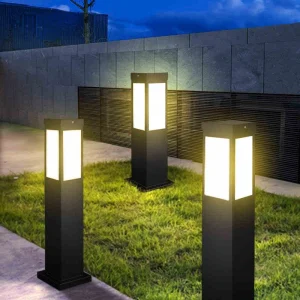
From IP65 architectural bollards to IP68 completely submersible marine solar panels, our component housings exclude micro-particulate dust and withstand prolonged water exposure.
Integrated luminaire networks feature smart optical microwave motion sensors and cloud-based management systems, enabling remote dimming schedules and diagnostics.
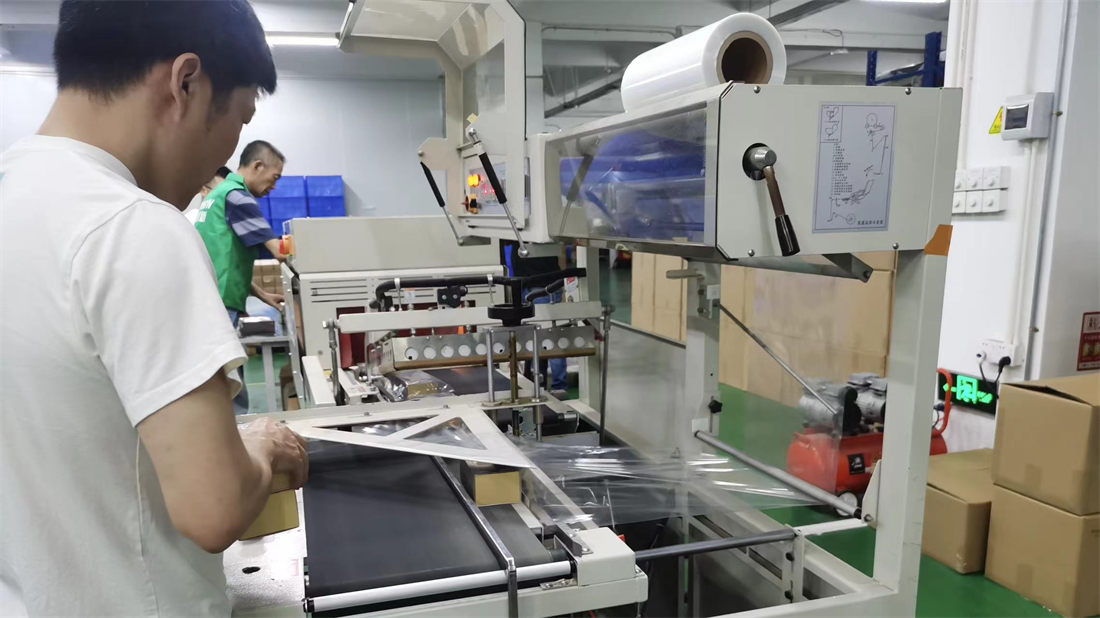
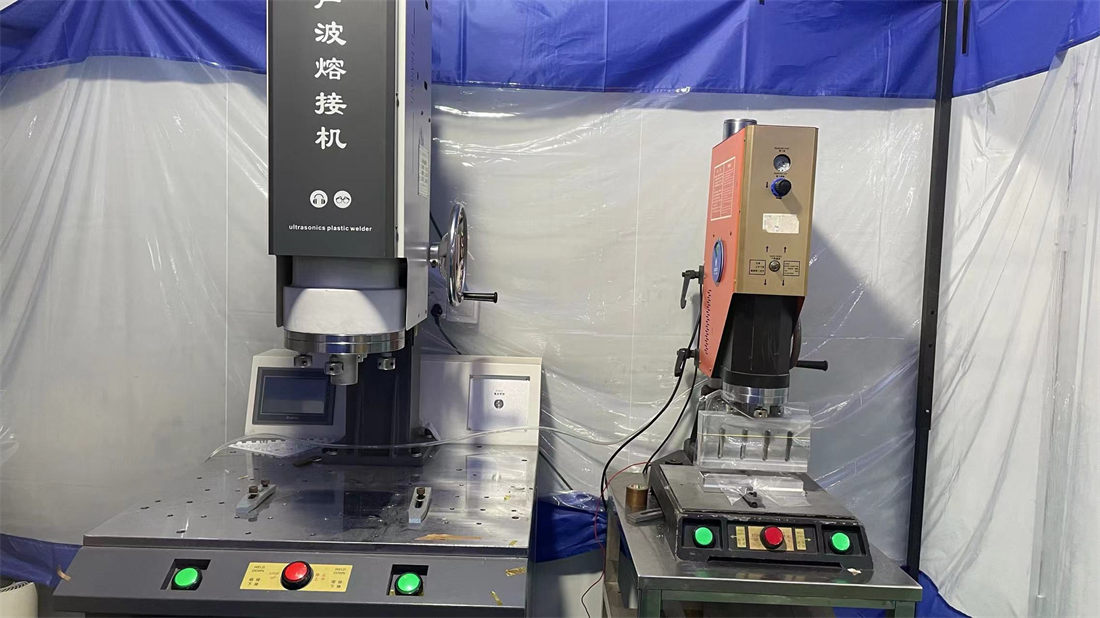
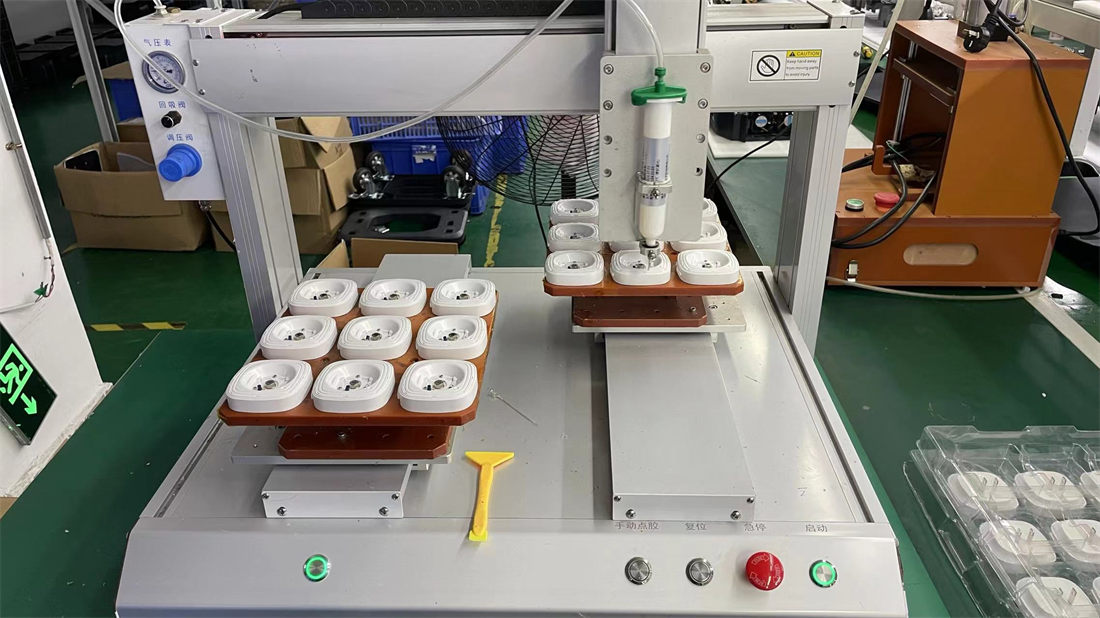
Shenzhen Soweglow Solar Co., Ltd. is a specialized, ISO 9001:2015 certified manufacturer and supplier specializing in high-performance solar components, industrial-grade energy solutions, and intelligent off-grid lighting networks. Based in Shenzhen, China—a global hub for electronics engineering and advanced hardware fabrication—we leverage a robust regional supply chain, deep materials-science expertise, and highly automated production processes to supply customers worldwide.
Driven by the mission to accelerate the deployment of clean energy through innovative and sustainable solar systems, our operations integrate design, manufacturing, inspection, and logistics under one roof. Our experienced engineering team possesses extensive expertise in PV design, power electronics, energy storage solutions, project management, and international compliance. We invest in research and development to verify that every component, from high-capacity portable power stations to architectural pathway lighting, meets rigorous international performance standards.
To supply robust, cost-effective, and highly efficient outdoor solar systems that deliver predictable levelized cost of energy (LCOE) outcomes, reduce industrial emissions, and secure critical operations against utility grid outages.
Quality control is central to our production philosophy. Every production run undergoes automated inspections, mechanical stress testing, electrical parameter validation, and thermal imaging analyses. From incoming raw material verification (such as glass purity and silicon wafer thickness) to final multi-point functional test routines, we maintain strict manufacturing traceability.
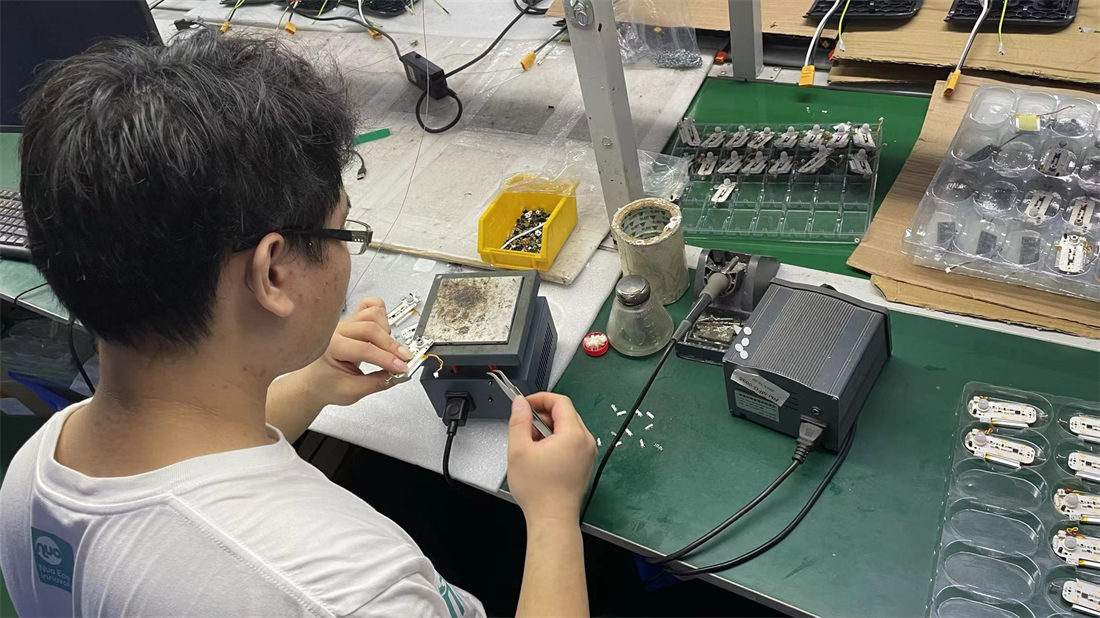
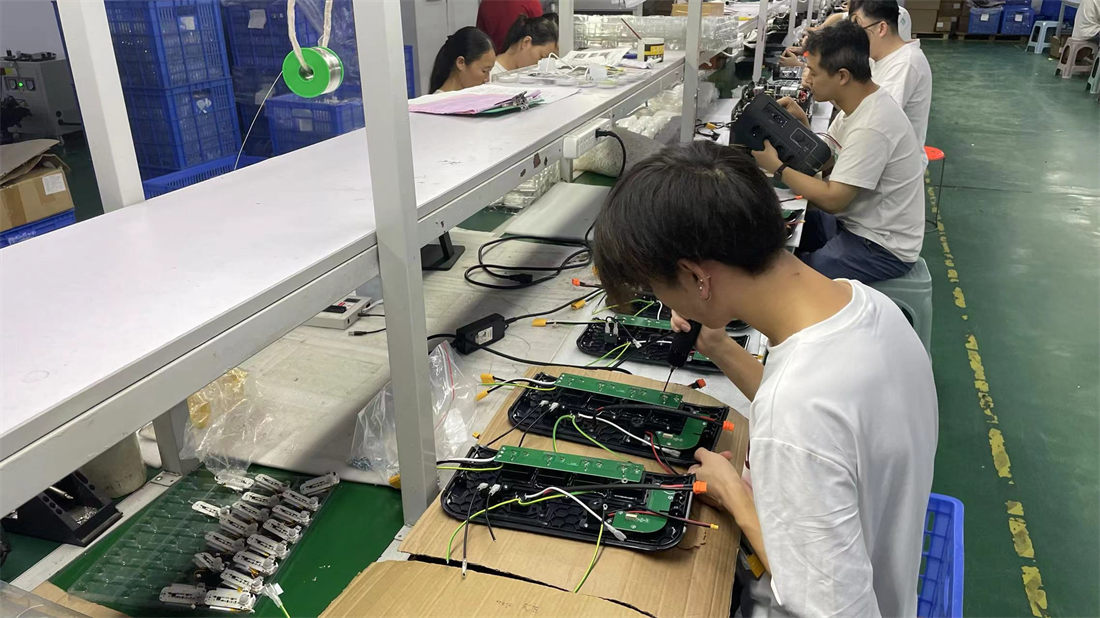
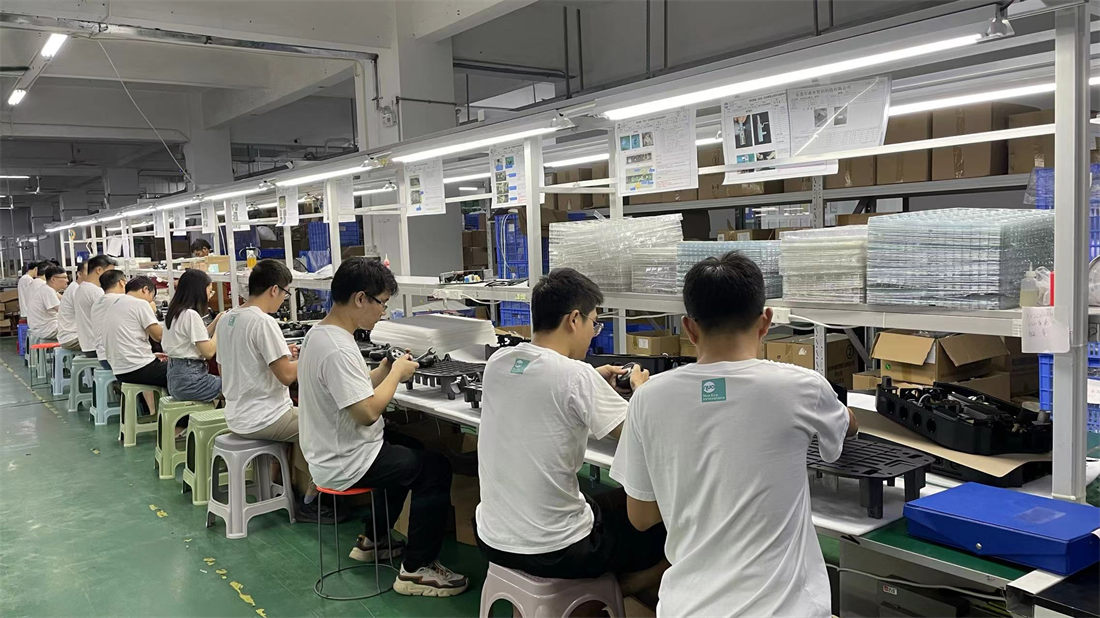
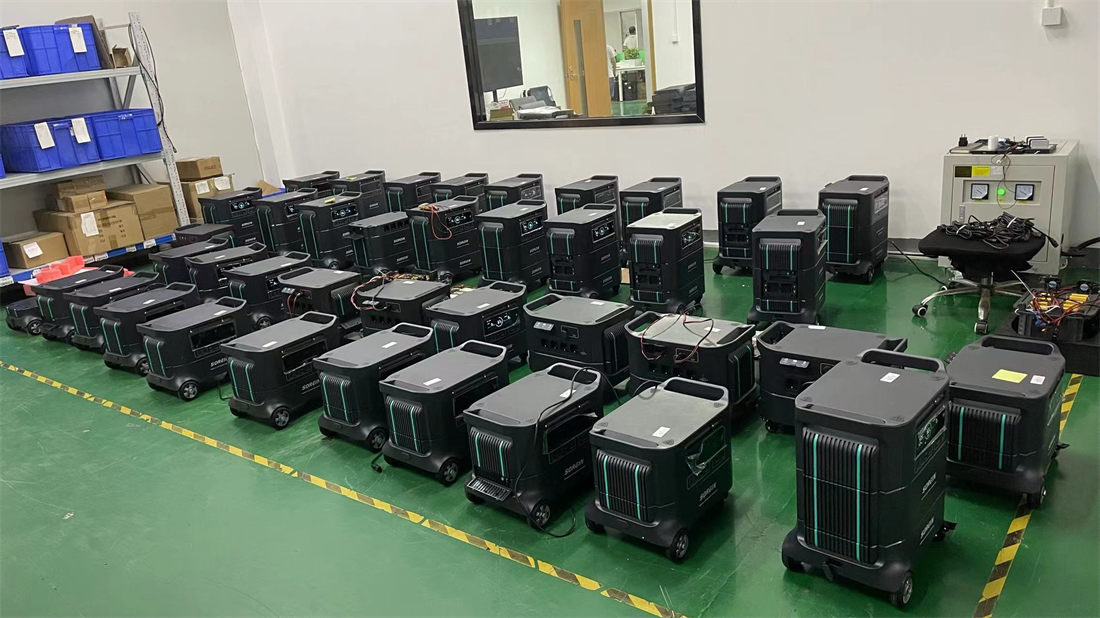
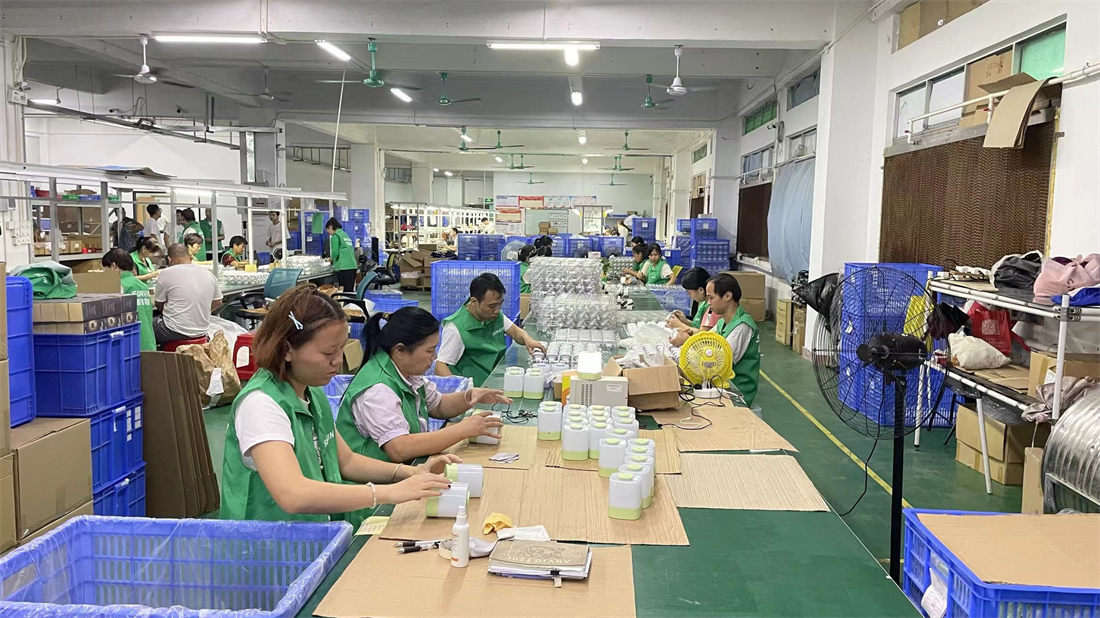
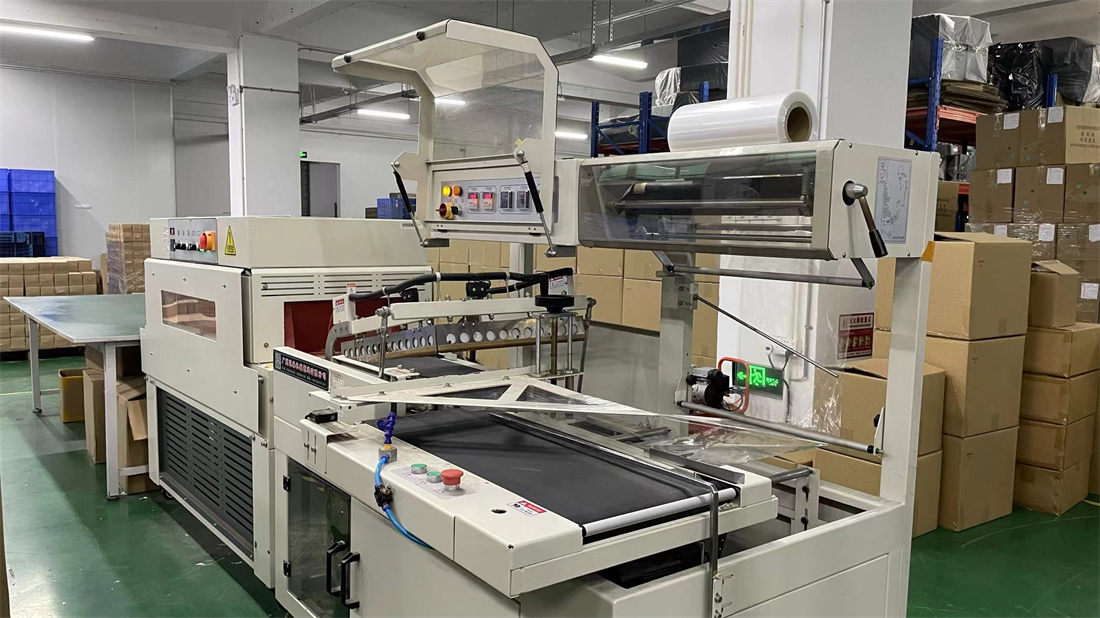
Deploying specialized outdoor solar configurations yields direct operational benefits across municipal, industrial, commercial, and emergency support domains.
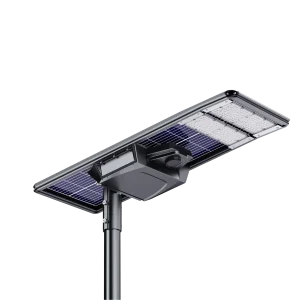
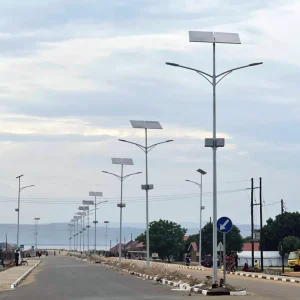
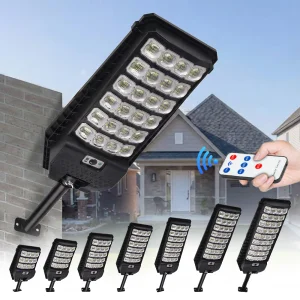
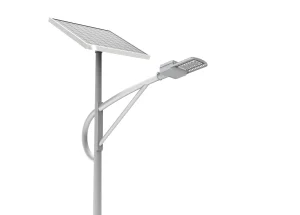
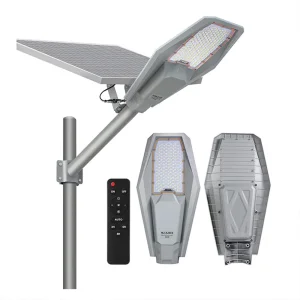
Traditional grid-tied street lighting requires high excavation, conduit laying, and installation labor costs. Split and All-in-One IP65/IP66/IP67 solar street lights bypass this capital expense entirely. Incorporating high-lumen density LED chips, monofilament cells, and high-efficiency lithium storage, these units supply illumination all night through rain, fog, and extended winter overcast periods without trenching or environmental disruption.
Remote farming operations rely on distributed power configurations for deep-well water pumps, automated livestock feeders, and processing equipment. Integrating modular structural ground arrays with unistrut racking systems enables fast setup over varied terrain. High-power MPPT micro-inverters supply standard AC power directly to deep induction pumps, replacing loud and high-maintenance diesel engines.
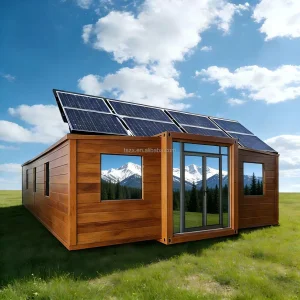
In post-disaster zones, remote field offices, and temporary housing developments, establishing power is a primary logistics challenge. Modern container houses and modular homes featuring integrated solar panel arrays and backup hybrid inverters supply complete electrical self-reliance. This configuration powers communications gear, medical refrigeration, and climate control immediately upon setup, without relying on unstable local grids.
Marine environments require salt-spray corrosion resistance. Lightweight, semi-flexible monocrystalline panels match curved decks, cabin roofs, and vehicle cowlings without changing aerodynamic drag or structural weight balance. Built with IP68 waterproof junction boxes, these modules charge high-density LiFePO4 battery banks to support navigation systems and auxiliary power loads under demanding offshore conditions.
Entering international PV projects requires strict compliance with mechanical safety, electromagnetic emissions, and environmental standards. We design and test all exports to satisfy the following specifications:
Shenzhen Soweglow Solar Co., Ltd. coordinates with top logistics carriers to offer reliable customs handling and protected shipping options. We package all fragile equipment in shock-absorbing cases with moisture barriers to ensure pristine arrival on site.
We continue updating our material compositions and power architecture to keep pace with clean energy technologies. Our research division focuses on two primary areas:
By layering perovskite thin-films over silicon substrates, our next-generation modules target conversion efficiencies beyond 26%. This material layer absorbs different wavelengths of the light spectrum, yielding higher power per square meter under diffuse overcast lighting.
Future outdoor lighting and generator configurations will utilize AI processing at the edge. Integrating low-power IoT controllers into outdoor light fixtures allows nodes to adjust illumination levels dynamically based on weather trends, historical battery usage, and pedestrian traffic patterns. This optimization increases battery service life by up to 20%.
Complete your PV system integration with robust structural channels, high-capacity mobile generators, and specialized flexible configurations.
Answers to common structural, electrical, and integration questions for engineering teams and procurement specialists.
 Soweglow Solar