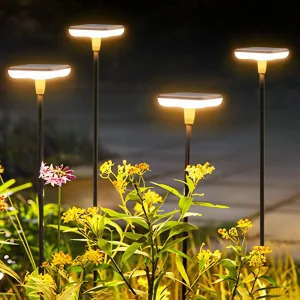
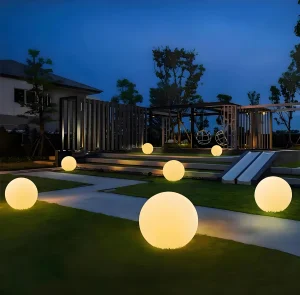
Engineering solar-powered lighting components calibrated specifically for South Korea’s regional weather profiles, urban specifications, and industrial safety compliance.
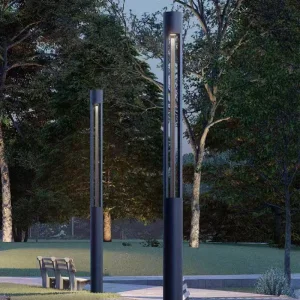
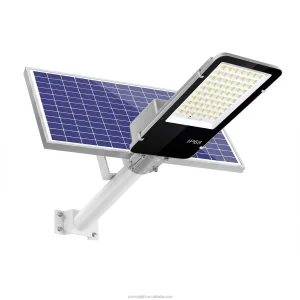
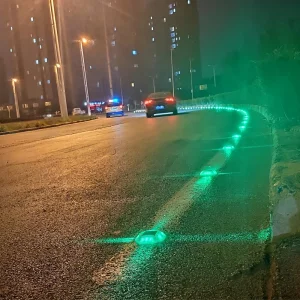
South Korea is driving forward with some of the world's most aggressive sustainable development policies. Backed by central government frameworks like the "Carbon Neutrality 2050" initiative and local city schemes like the Solar City Seoul initiative, the transition toward zero-carbon public lighting infrastructure is in full motion. Traditional high-voltage grid landscape lighting is rapidly being replaced with self-sufficient, smart solar garden lights and photovoltaic pavement solutions.
However, South Korea presents highly specific environmental and architectural demands. Sourcing solar garden lights for regions like Seoul, Gyeonggi, Gangwon, or Jeju requires products that can withstand extreme microclimatic challenges. Korean winters are freezing, dry, and characterized by low solar irradiance, while the hot, humid summer monsoon season (Jangma) subjects outdoor equipment to weeks of torrential rain, high humidity, and potential water ingress. Thus, simple consumer-grade lighting is insufficient. Commercial project developers, EPC contractors, and municipal procurement departments require industrial-grade, KC (Korea Certification) compliant, high-performance solar lighting systems designed for long-term operational resilience.
1. Convergence of IoT and Solar Lighting (Smart Grid Integration): South Korean municipal lighting initiatives increasingly mandate IoT integration. Smart solar street and garden lights are now configured with Zigbee, LoRa, or NB-IoT controllers, feeding battery capacity, real-time power generation, and diagnostics to centralized smart city control rooms.
2. The Shift to LiFePO4 Chemistry: The transition from Lead-Acid and standard Ternary Lithium batteries to high-safety Lithium Iron Phosphate (LiFePO4) is standard practice. LiFePO4 cells minimize the risks of thermal runaway and boast an extended operating temperature profile, crucial for surviving Korea's winter conditions.
3. Dark Sky Compliance and Aesthetic Harmony: Urban designers in Gyeonggi and Gangwon provinces place high value on anti-glare, dark-sky friendly fixtures. Solar lighting is no longer just functional; it must blend into the architectural vernacular of Korean historic sites, modern resorts, and upscale residential developments.
Utilizing premium high-transparency tempered glass panels delivering industry-leading conversion ratios, maximizing energy generation even under cloudy autumn sky conditions common in Korea.
Intelligent Battery Management Systems with integrated low-temperature cutoff and safety protocols, preventing cell damage during freezing Korean winter spells down to -20°C.
Heavy-duty, marine-grade die-cast aluminum with specialized PVDF powder coating or anodization, achieving outstanding resistance to salt spray in coastal zones like Busan and Incheon.
For global importers, Korean distributors, and government-contracted EPC companies, standard catalog sourcing is obsolete. The modern procurement lifecycle mandates verification of a manufacturer's supply chain control, internal testing capabilities, and technical compliance parameters.
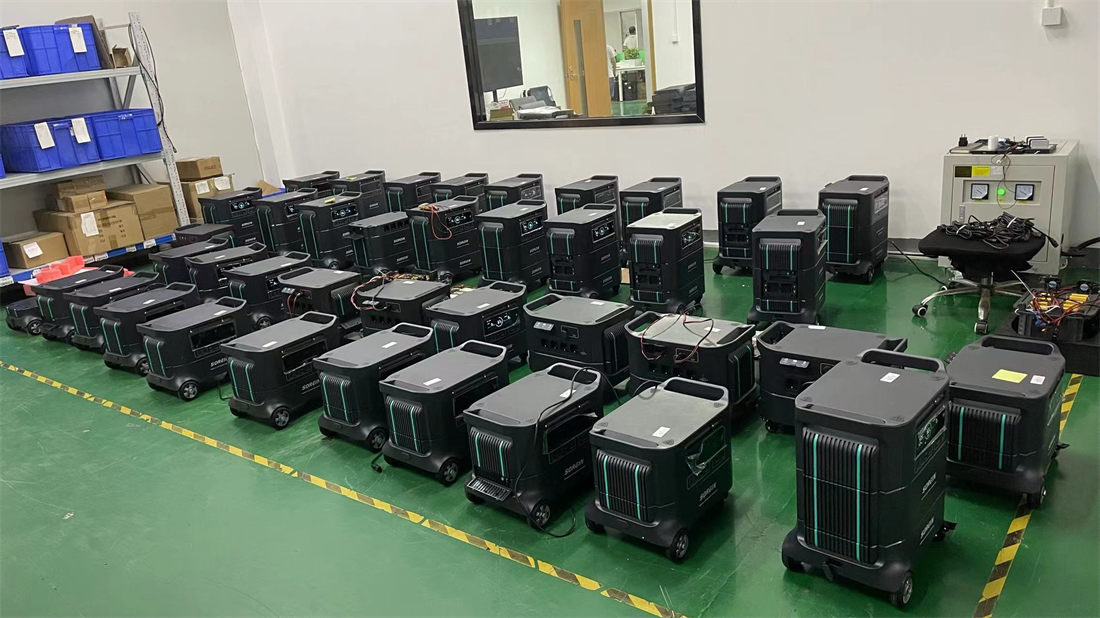
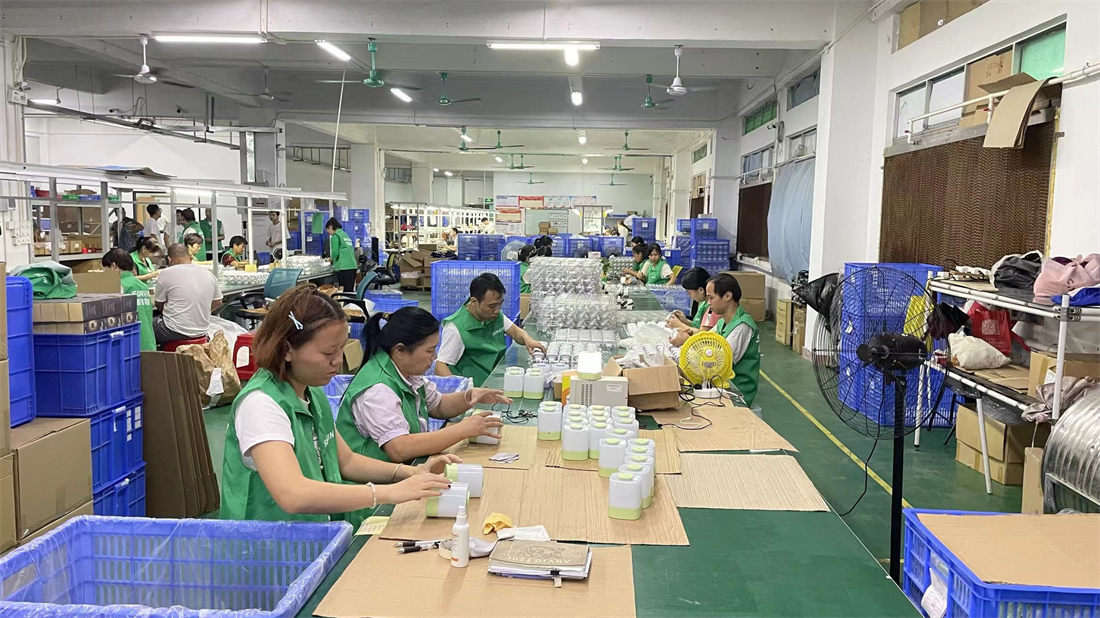
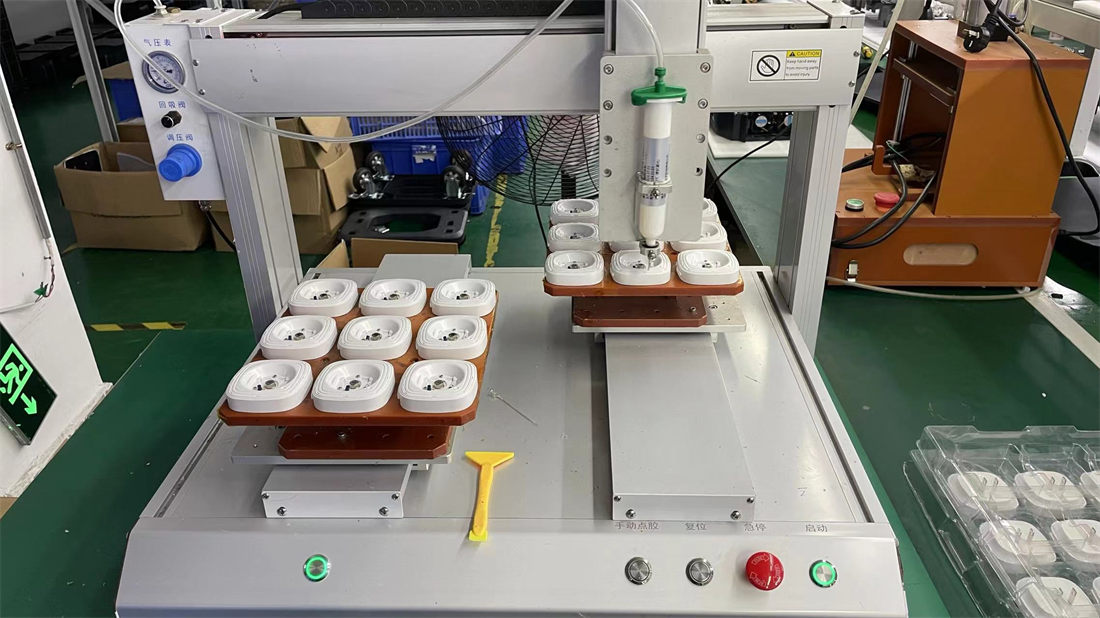
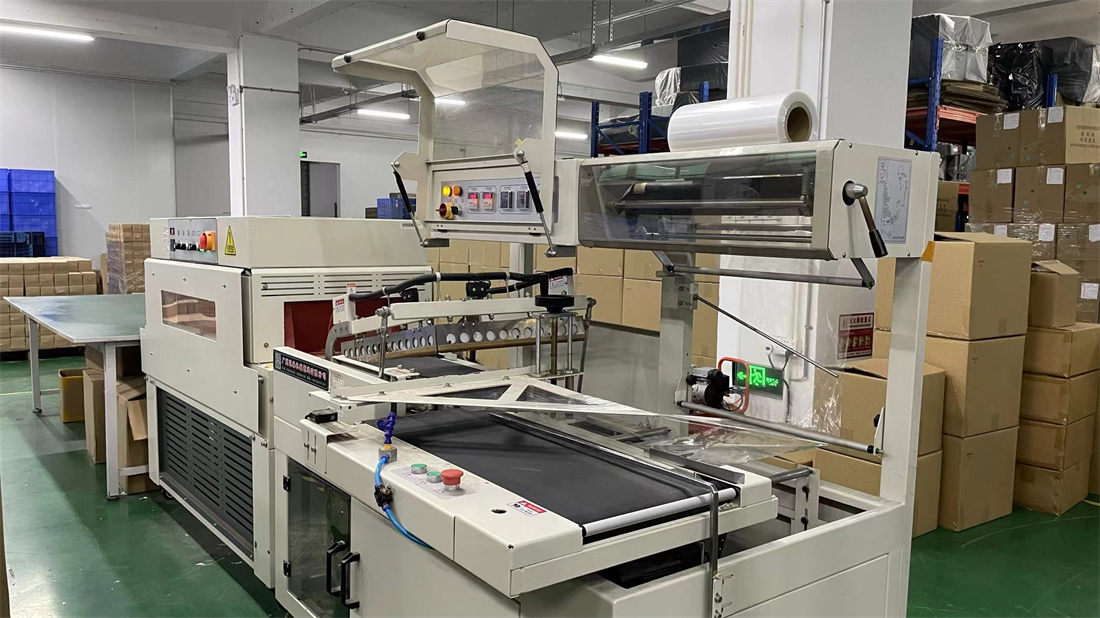
Shenzhen Soweglow Solar Co., Ltd. stands as a premium technical manufacturer serving South Korean and international markets. We build and supply solar landscape solutions through a vertically integrated engineering and assembly process that ensures zero failure rate. To qualify for industrial tenders in South Korea, our systems undergo rigorous simulation testing including high-low temperature chamber aging, waterproof IPX7 immersion testing, salt spray erosion testing, and photometrical sphere output analysis.
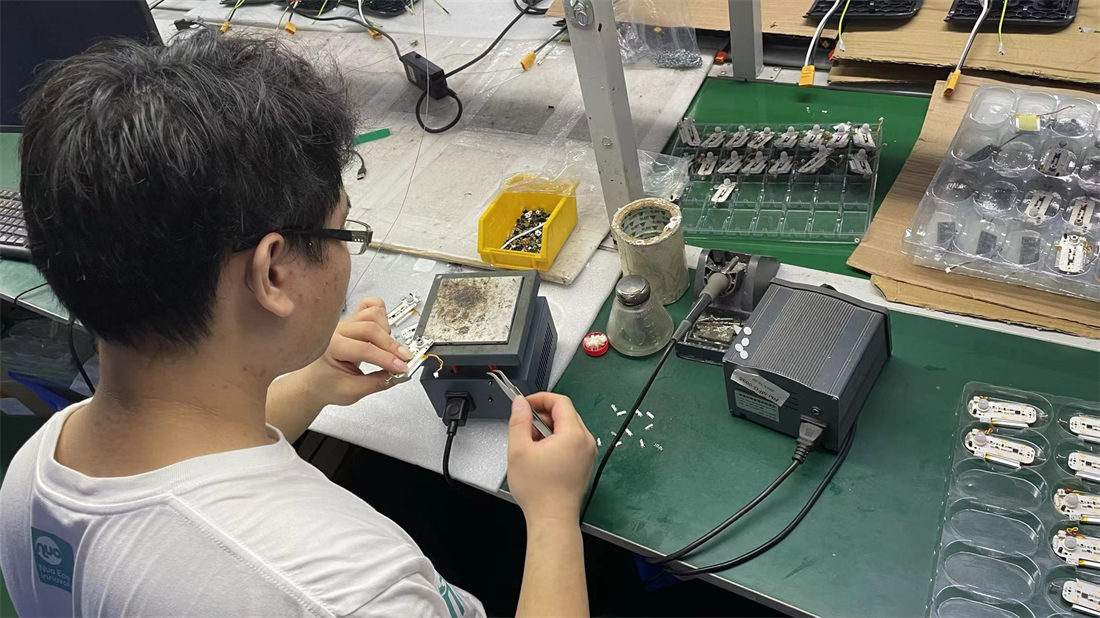
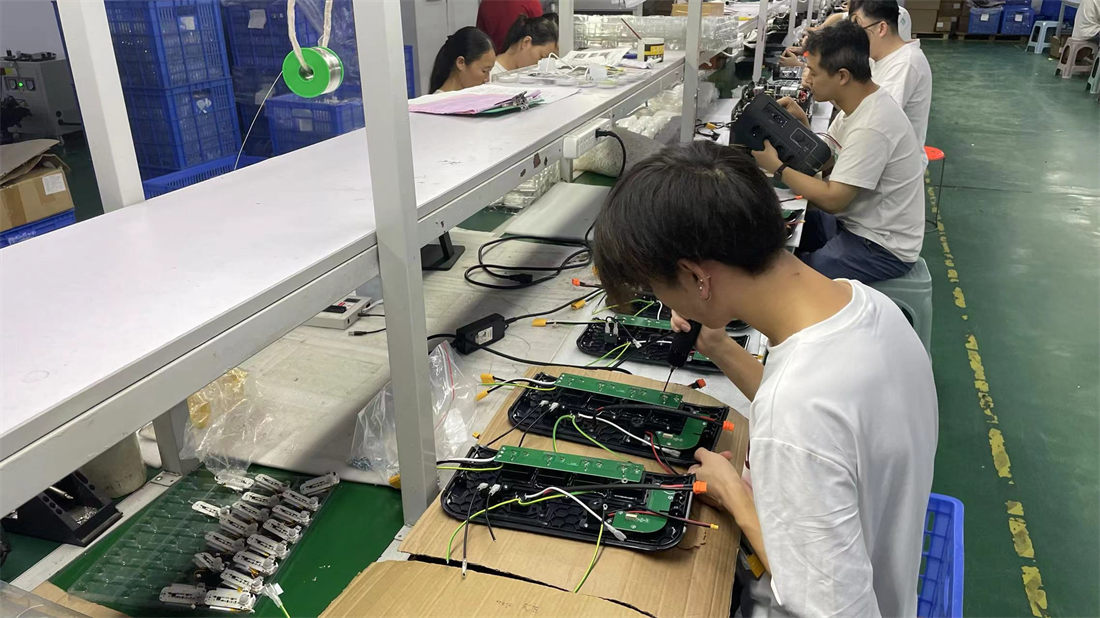
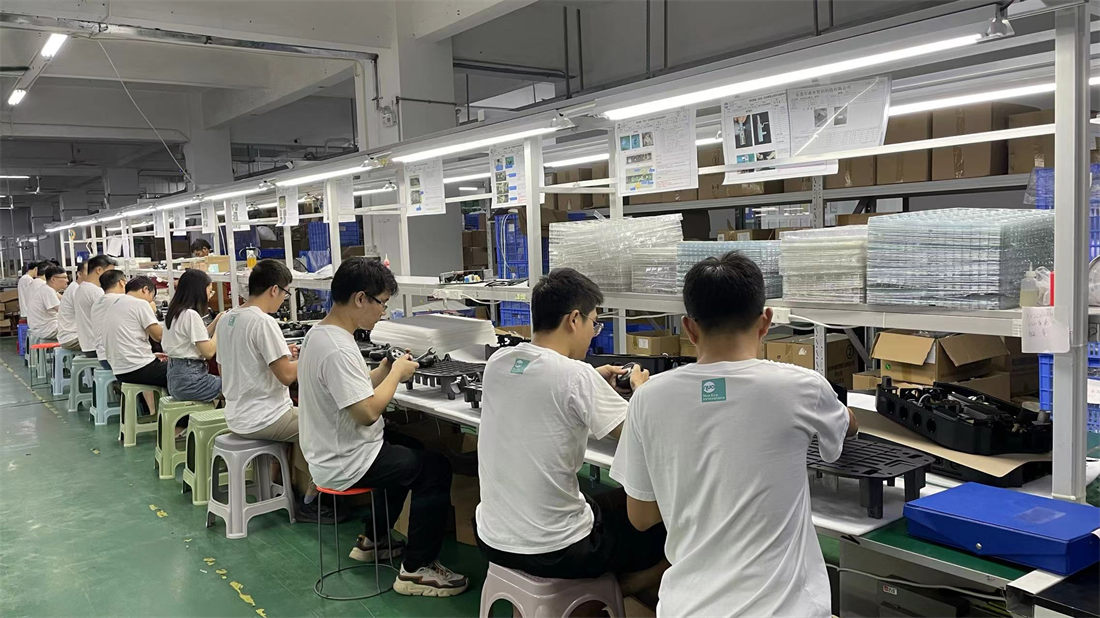
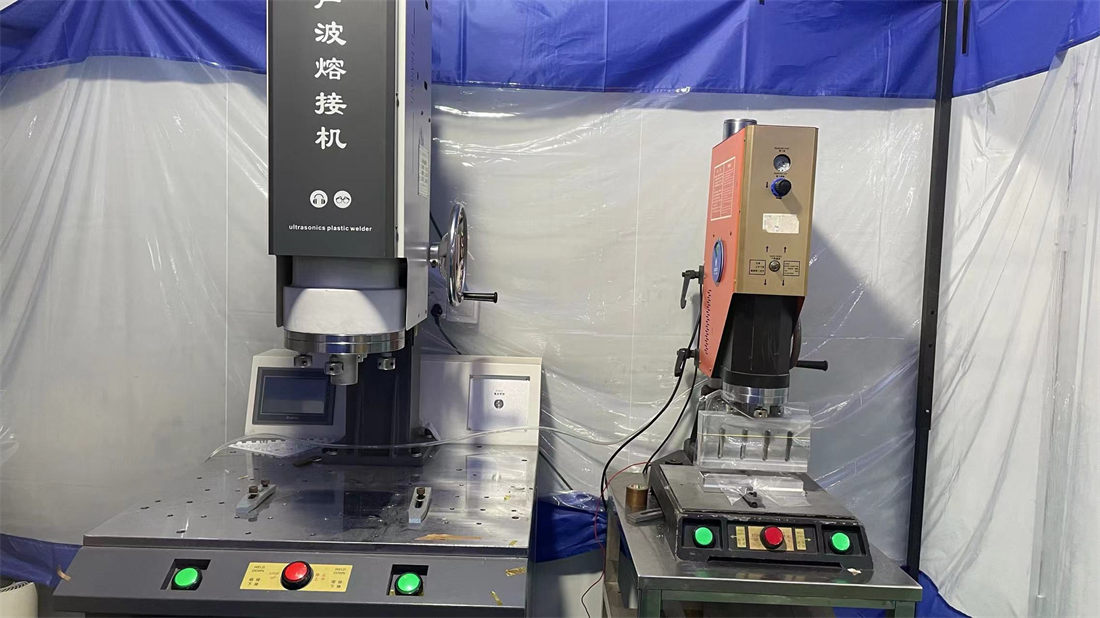
As a leader in industrial solar manufacturing, Shenzhen Soweglow Solar Co., Ltd. continuously invests in advanced R&D to align with next-generation requirements of South Korea's smart cities. Our R&D division has outlined several focus fields currently transitioning from design phases to field deployments:
Traditional solar garden fixtures utilize P-type polycrystalline or monocrystalline structures. By incorporating N-Type TOPCon micro-panels, we are boosting light conversion efficiency to 24.5%. This technical optimization is crucial for Northern Korean zones where direct sunlight hours decrease below 2.5 hours per day in December and January.
Standard batteries lose up to 45% of their capacity when temperature drops to -15°C. Our new custom engineered ETC-BMS technology integrates smart thermal insulation layers and minor self-heating currents. The battery system draws micro-amps from the panel during sunset to pre-warm the enclosure, ensuring the battery cell operates above 0°C, thereby safeguarding capacity and cycle life.
We are upgrading our control boards to support universal mesh protocols. This allows our lights to communicate local metrics (including ambient light levels, historical charge levels, battery degradation alerts, and motion sensor triggers) directly to regional IoT smart city control platforms, minimizing municipal maintenance costs.
Shenzhen Soweglow Solar Co., Ltd. is a professional and reliable manufacturer and supplier specializing in solar energy products, renewable energy solutions, and intelligent solar lighting systems. Located in Shenzhen, China, one of the world's most innovative and dynamic technology hubs, we have been committed to the solar industry for many years, providing high-quality products and customized energy solutions to customers worldwide.
Driven by the mission of promoting clean energy and sustainable development, Soweglow Solar focuses on delivering efficient, environmentally friendly, and cost-effective solar products that help reduce energy consumption and carbon emissions. Through continuous innovation, strict quality control, and customer-oriented service, we have established long-term partnerships with clients across Europe, North America, South America, Africa, Southeast Asia, and the Middle East, with a primary strategic pipeline serving South Korea.
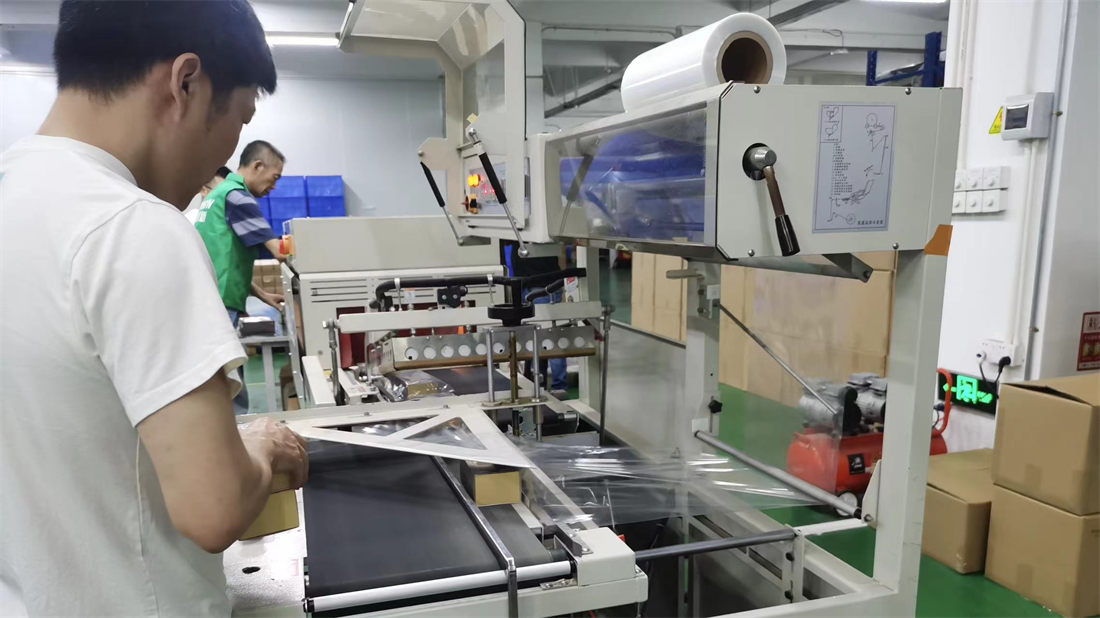
Quality is the absolute foundation of our business. Every single product undergoes strict quality inspections throughout the entire production process, from raw material selection (silicon wafer grade auditing, high-grade LED binning) to final assembly, high-load burn-in testing, and export container shipment. Our manufacturing facilities operate under comprehensive quality management systems (ISO 9001:2015, ISO 14001:2015) to ensure product reliability, safety, and long service life.
Our Mission: To accelerate the global adoption of renewable energy by providing innovative, efficient, and sustainable solar solutions that create long-term value for customers and contribute to a greener, carbon-neutral future.
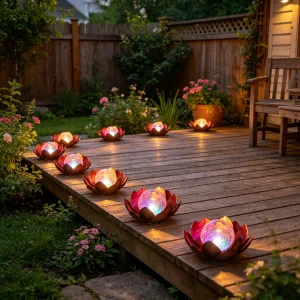
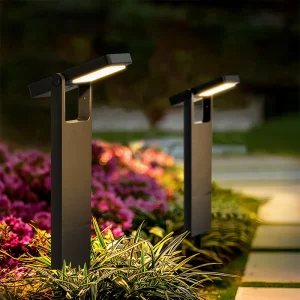
Complete portfolio featuring specialized LED illumination patterns, variable CCT controllers, anti-salt-corrosion structures, and multi-ton bearing road indicators.
Get answers to critical technical, compliance, and import questions concerning solar garden lighting integration in Korea and global markets.
 Soweglow Solar