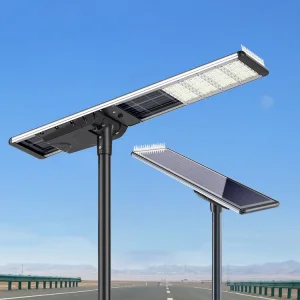
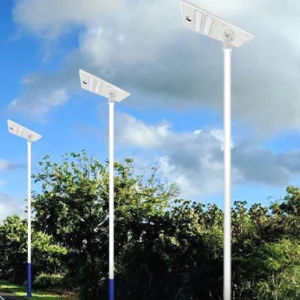
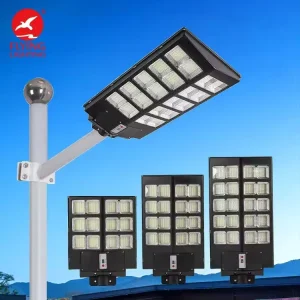
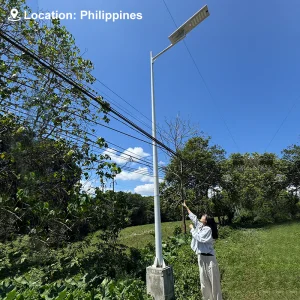
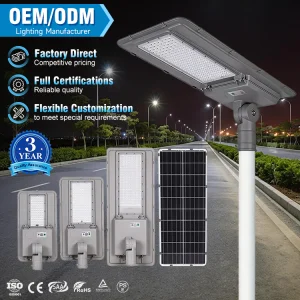
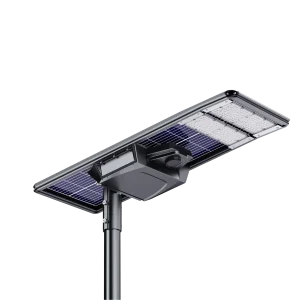
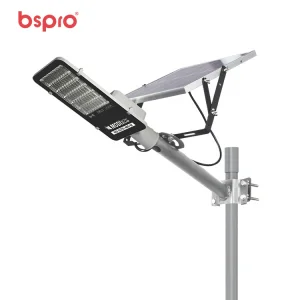
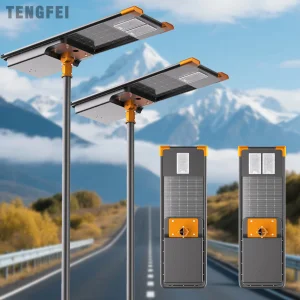
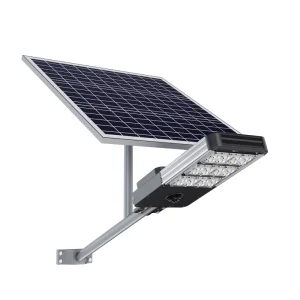
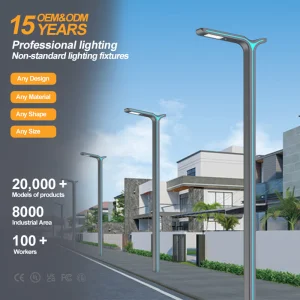
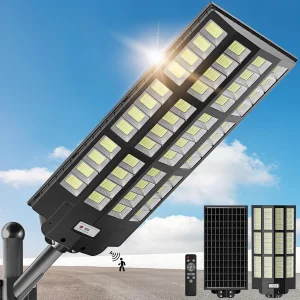
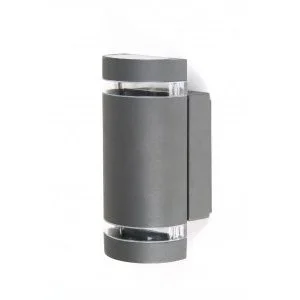
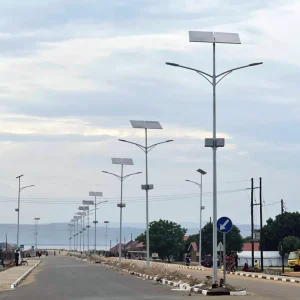
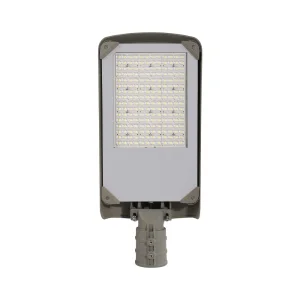
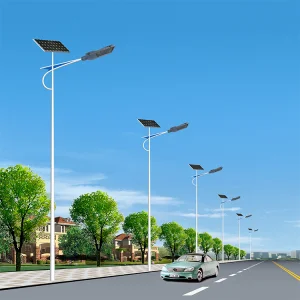
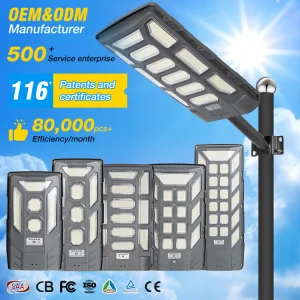
As Munich marches toward its ambitious goal of climate neutrality by 2035, the demand for high-efficiency, off-grid infrastructure has reached a critical peak. Munich, a global hub for engineering and automotive excellence, requires more than just standard lighting; it demands intelligent, resilient, and aesthetically integrated energy solutions. Our solar street light factory specialized systems are designed to bridge the gap between German engineering standards and Chinese manufacturing efficiency.
In the Munich market, solar lighting isn't merely a decorative addition. From the industrial corridors of Freimann to the residential expansions in Aubing-Lochhausen, the transition to solar reduces the strain on the municipal grid while providing reliable safety. This white paper explores the synergy between advanced photovoltaic manufacturing and Munich's localized environmental requirements.
With German electricity prices among the highest in the EU, Munich enterprises are pivoting to self-sustaining lighting. Our systems offer a 100% reduction in operational energy costs.
Munich experiences low solar irradiance during winter. Our factory utilizes high-yield Monocrystalline cells and MPPT controllers specifically tuned for overcast conditions.
Compatible with LoRaWAN and NB-IoT, our street lights serve as nodes for Munich’s growing IoT network, enabling remote dimming and maintenance.
The global solar street light market is projected to reach $15 billion by 2030. As a premier factory supplier, we understand that Munich customers prioritize reliability (E-E-A-T). Our production line adheres to EN 13201 standards for road lighting and the VDE requirements prevalent in Germany. By integrating high-density LiFePO4 batteries, we ensure a lifespan exceeding 10 years, even in the temperate fluctuating climate of Southern Germany.
Ideal for lighting parking lots and walkways in the Parkstadt Schwabing or near the Messe München, providing high-lumen output without trenching costs.
Eco-friendly lighting for the Englischer Garten or along the Isar River, preserving the natural ecosystem through zero light pollution technology.
Enhancing safety in logistics zones around the Munich Airport (MUC) where 24/7 operation and high-performance visibility are non-negotiable.
The next generation of solar lighting in the Munich market focuses on "Information Gain" through AI-driven power management. Our R&D team is currently implementing machine learning algorithms that predict local weather patterns in Bavaria to adjust battery discharge rates dynamically. This ensures that even during a week-long "Münchner Nebel" (Munich fog), the lights remain operational.
Future iterations will include EV-charging integration, where the light pole acts as a slow-charging station for electric micro-mobility, aligning with Munich’s mobility transition (Verkehrswende).
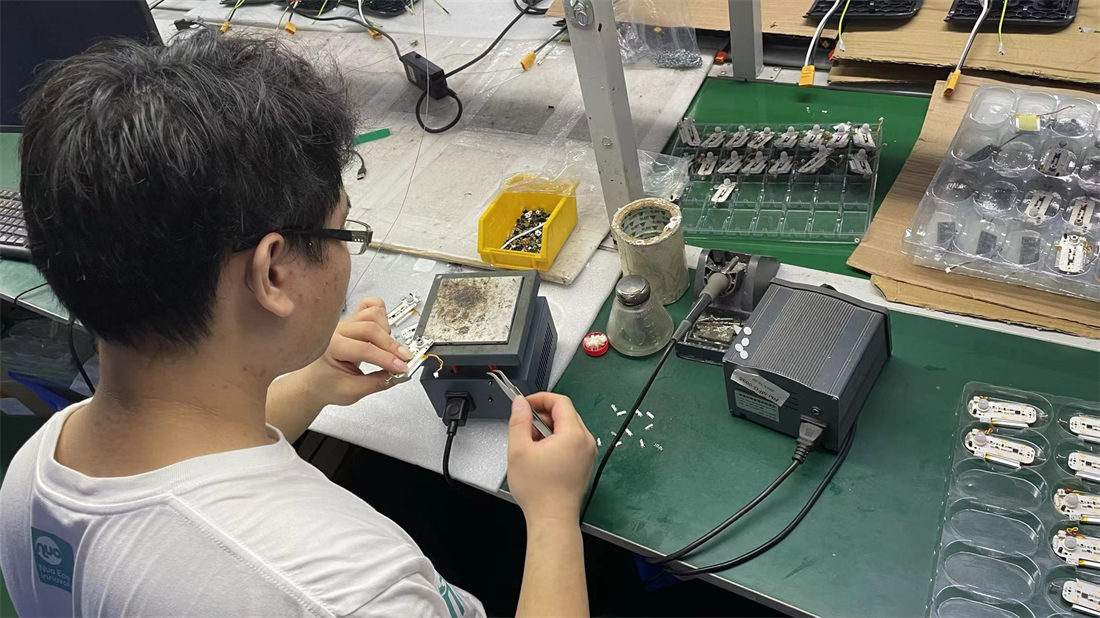
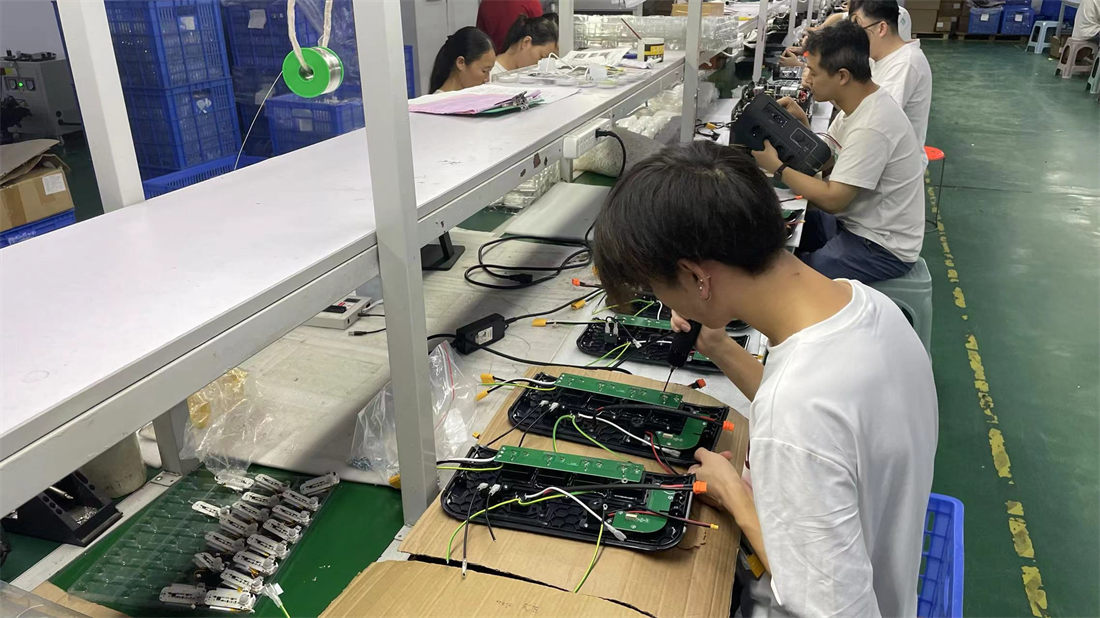
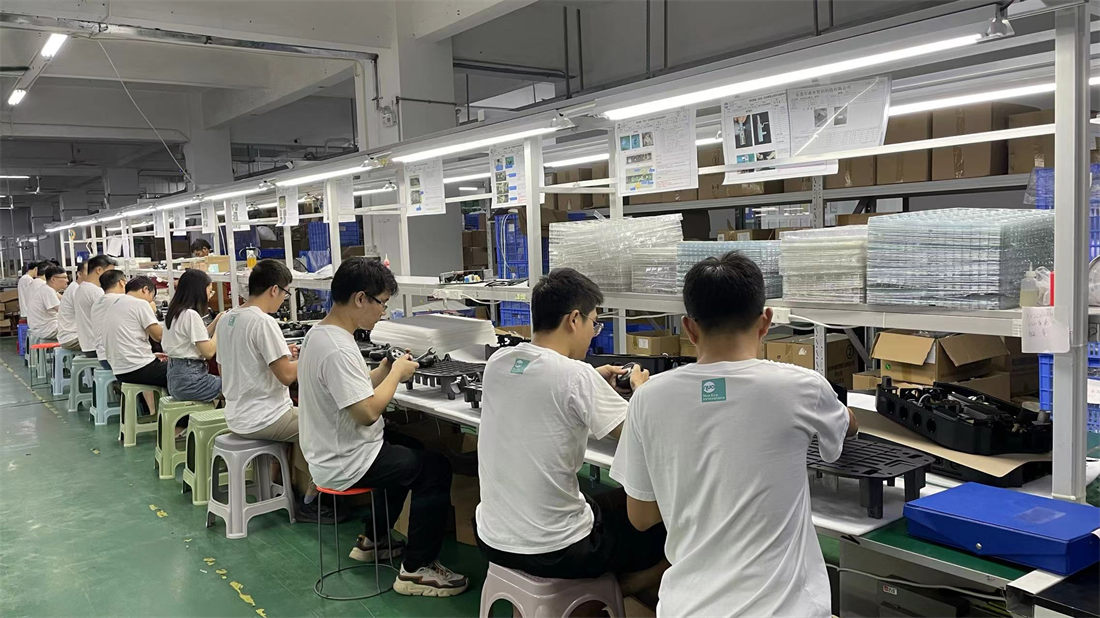
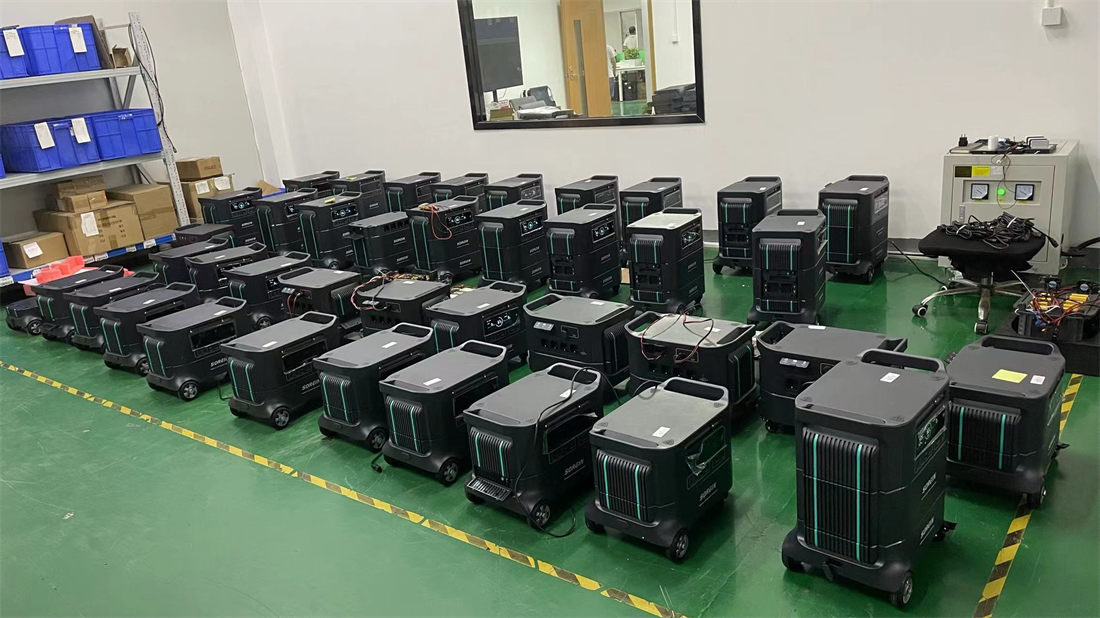
Shenzhen Soweglow Solar Co., Ltd. is a professional and reliable manufacturer and supplier specializing in solar energy products, renewable energy solutions, and intelligent solar lighting systems. Located in Shenzhen, China, one of the world's most innovative and dynamic technology hubs, we have been committed to the solar industry for many years, providing high-quality products and customized energy solutions to customers worldwide.
Driven by the mission of promoting clean energy and sustainable development, Soweglow Solar focuses on delivering efficient, environmentally friendly, and cost-effective solar products that help reduce energy consumption and carbon emissions. Through continuous innovation, strict quality control, and customer-oriented service, we have established long-term partnerships with clients across Europe, North America, South America, Africa, Southeast Asia, and the Middle East.
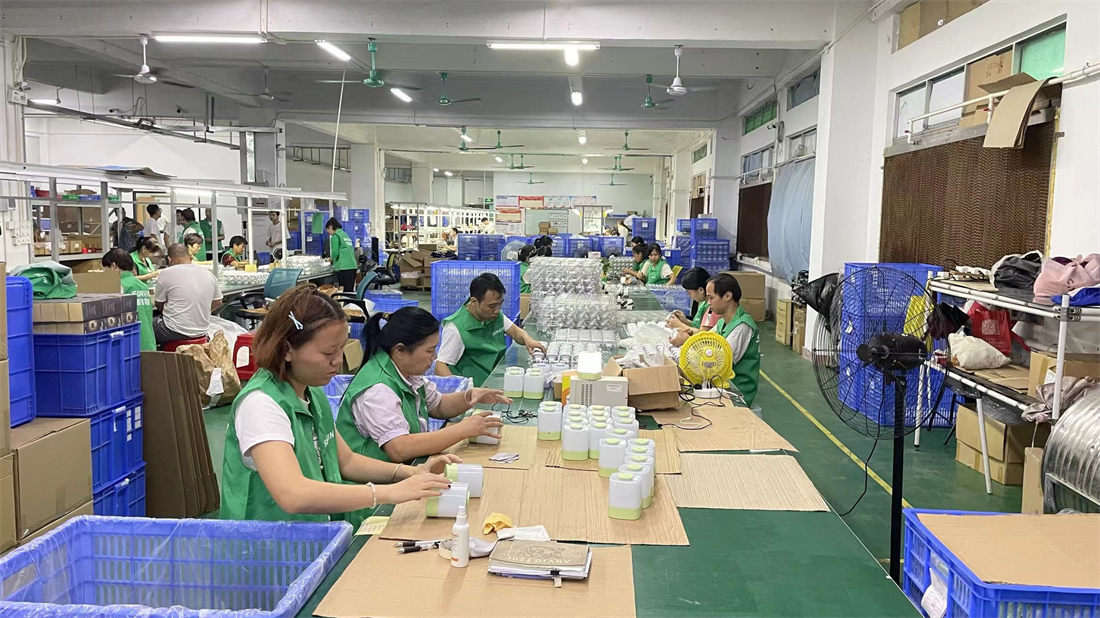
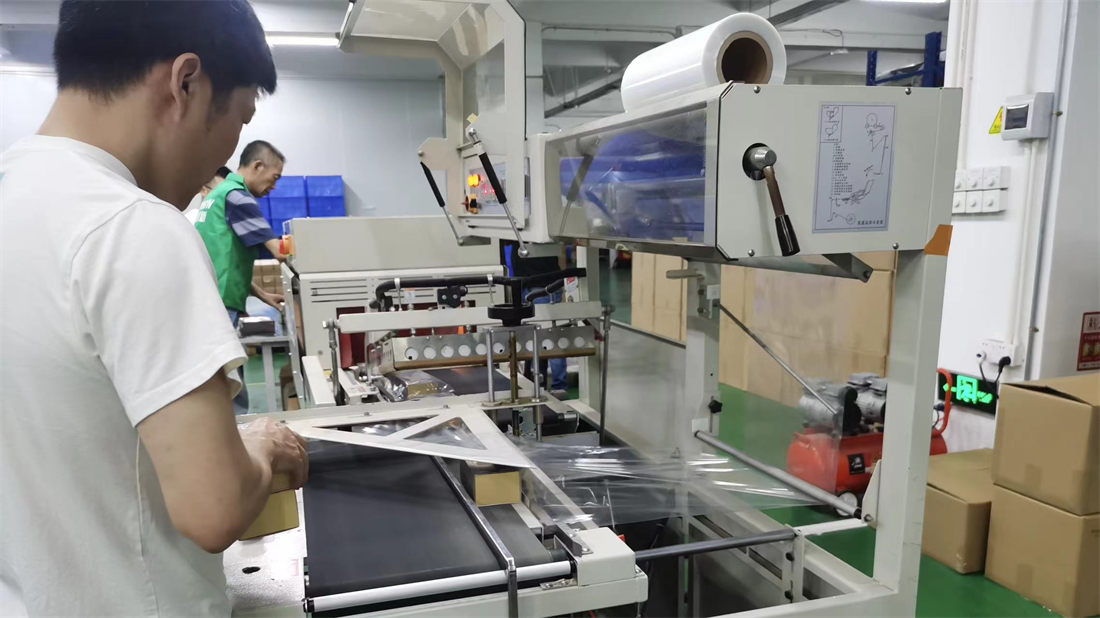
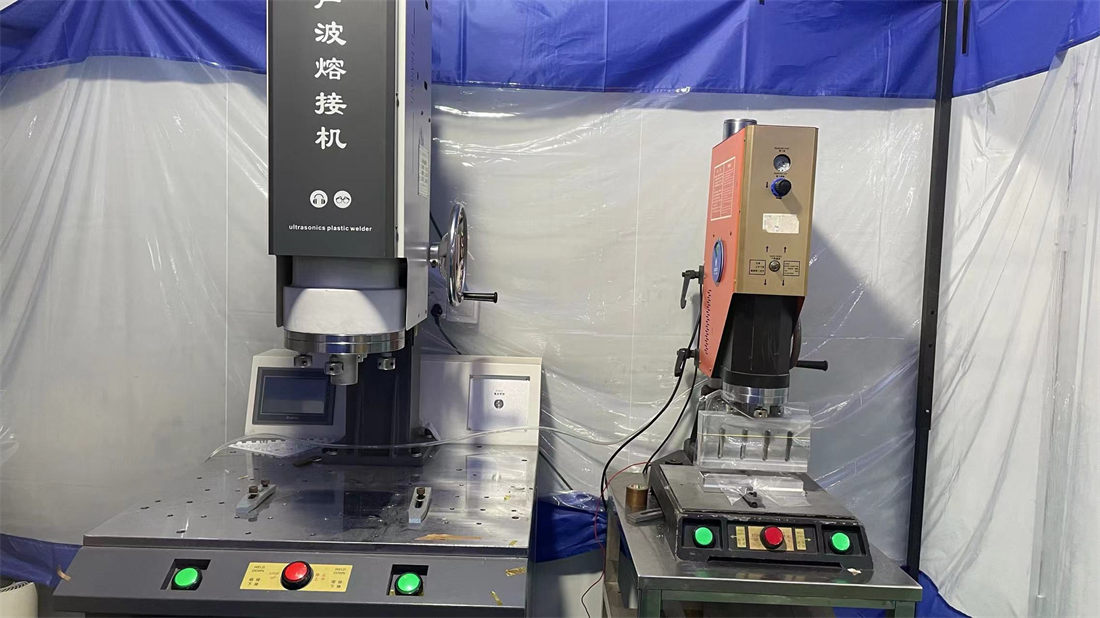
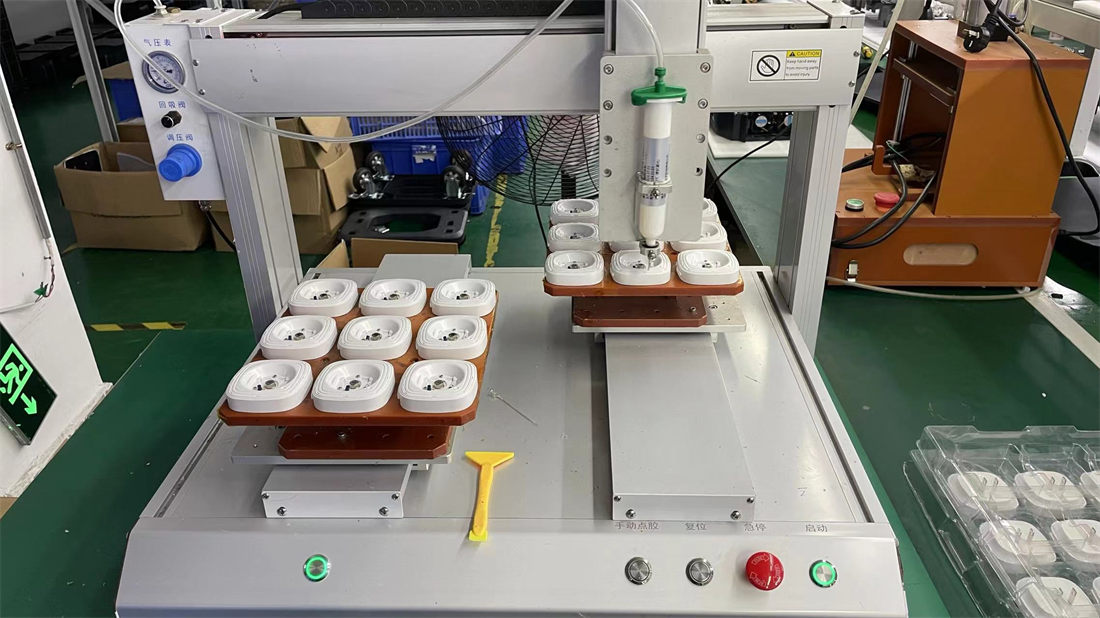
Entering the Munich market requires more than just a product; it requires a partnership. We provide full localization support, including:
A: Our Munich-spec models feature a "Winter Mode" controller and a 35-degree tilt option to prevent snow accumulation. The LiFePO4 batteries are insulated to operate efficiently even in temperatures as low as -20°C.
A: Yes. We offer Zhaga or NEMA sockets for integration with standard German smart city controllers like those from Siemens or Deutsche Telekom networks.
A: For standard models, the lead time is 15-20 days. For custom engineering projects, we provide a detailed timeline within 48 hours of your inquiry.
 Soweglow Solar