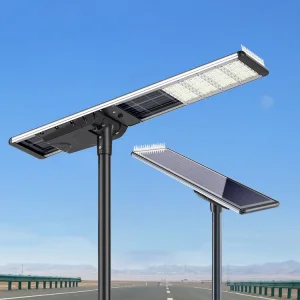
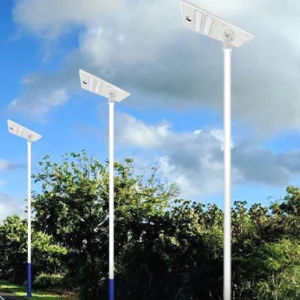
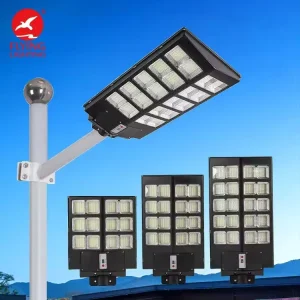
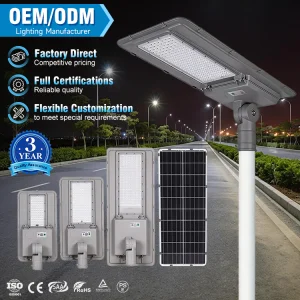
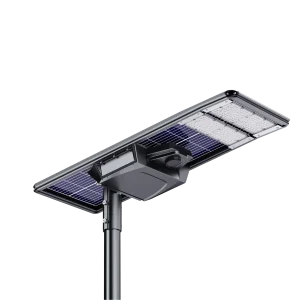
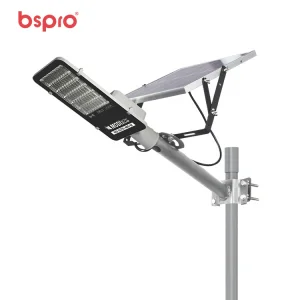
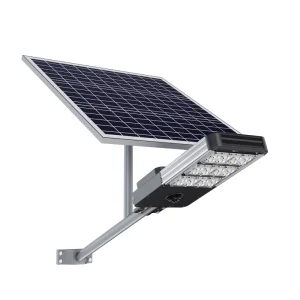
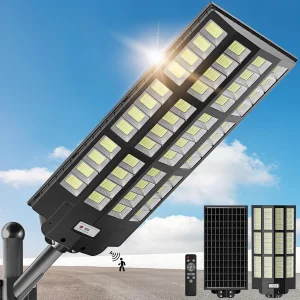
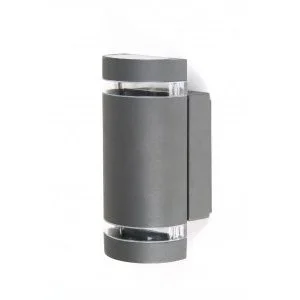
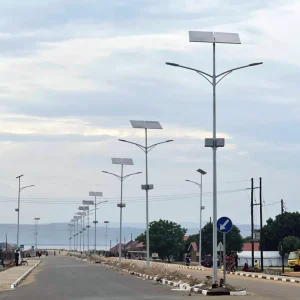
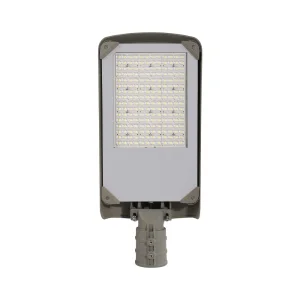
Solar Street Light Manufacturers & Suppliers for the Mexico City Market

High-Efficiency Industrial & Municipal Smart Solar Lighting Solutions Engineered for the Unique Altitude, Climate, and Urban Infrastructure of CDMX

Mexico City’s Transition to Sustainable Municipal & Industrial Lighting

Mexico City (CDMX) lies in the high-altitude Valley of Mexico at 2,240 meters above sea level. This unique geography creates a demanding environment for outdoor electrical infrastructure. High-elevation solar radiation levels (averaging 5.5 kWh/m²/day) present an excellent resource for solar energy generation, yet the intense UV exposure accelerates material degradation. In parallel, the metropolitan area faces regular summer rainy seasons and intense thermal cycles that demand high-level ingress protection (IP65/IP66) and rugged thermal management systems.

Under municipal initiatives such as the "Sembrando Parques" environmental restoration program and modern smart-city masterplans, Mexico City's public and industrial spaces are phasing out legacy high-pressure sodium (HPS) systems. Purchasing managers, municipal engineers, and private EPC contractors are moving rapidly toward standalone solar street lights. These solutions avoid costly grid trenching, protect against city-wide blackouts, and reduce municipal energy costs, which aligns with Mexico's national climate commitments.

"For commercial corridors in Iztapalapa, Vallejo, and Santa Fe, infrastructure planners require robust solar systems that combine anti-theft battery enclosures with smart MPPT controllers to handle persistent rainy-season cloud cover."

Solar Resource Yield

Mexico City registers over 2,000 hours of direct sunlight annually, allowing a high return on investment for high-efficiency monocrystalline PV modules.

Standards Compliance

Imported solar street lights must meet stringent NOM-031-ENER-2019 certifications for LED luminaire efficiency, assuring safety and longevity in public works.

Global Trends and Technical Frameworks in Solar Street Lighting

Understanding the shift in high-efficiency component selection, battery chemistries, and automated manufacturing systems.

MPPT Controller Optimization

Maximum Power Point Tracking (MPPT) delivers up to 30% higher charging efficiency compared to traditional PWM systems, crucial during rainy seasons in Mexico City when cloud cover reduces direct irradiance.

LiFePO4 Battery Evolution

Lithium Iron Phosphate (LiFePO4) chemistries are replacing lead-acid and ternary lithium batteries. They deliver a longer operational lifespan (>3,000 charge cycles at 80% DOD) and maintain structural stability at high operating temperatures.

Smart City and CCTV Integration

Modern smart solar street lights feature LoRaWAN, NB-IoT, and integrated HD CCTV systems. This allows municipal operators to monitor road security and luminaire health status in real time from central operations dashboards.

System Efficiency: > 170 lm/W
Battery Life Cycle: 3000+ Cycles
Ingress Protection: IP66 Certified
Smart Dimming: Microwave Sensor / IoT

China Industry 4.0: Supply Chain Resilience & Quality Control

How Shenzhen Soweglow Solar Co., Ltd. leverages advanced manufacturing, automated production lines, and rigorous inspection regimes to deliver reliable, long-lasting components.

Located in Shenzhen, the technology center of China, Shenzhen Soweglow Solar Co., Ltd. is a specialized manufacturer and supplier of clean energy products, solar solutions, and smart solar lighting. Our operations integrate Industry 4.0 automation practices to maintain strict quality standards, low failure rates, and reliable production capacity for large-scale international municipal contracts.

By automating the welding, gluing, packaging, and aging inspection stages, we maintain production tolerances below 0.05% variance. This helps ensure our systems perform reliably in the high-humidity, high-altitude climates of the Valle de México.
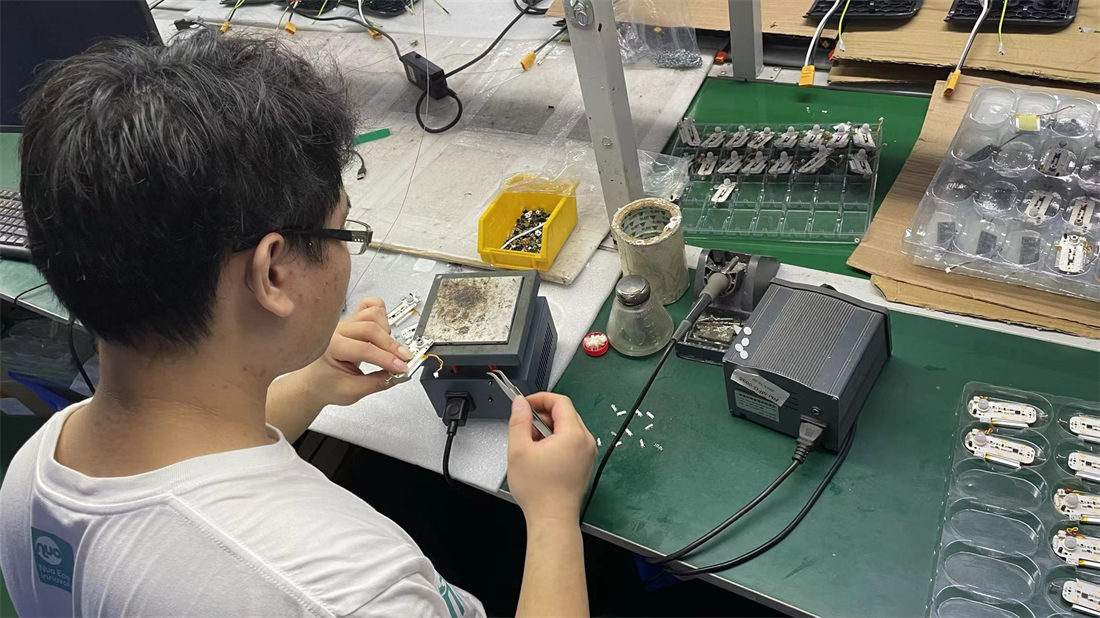
Welding Process at Soweglow Solar Factory

Welding

Automated precision welding of electrical connectors and battery plates prevents cold solder joints.
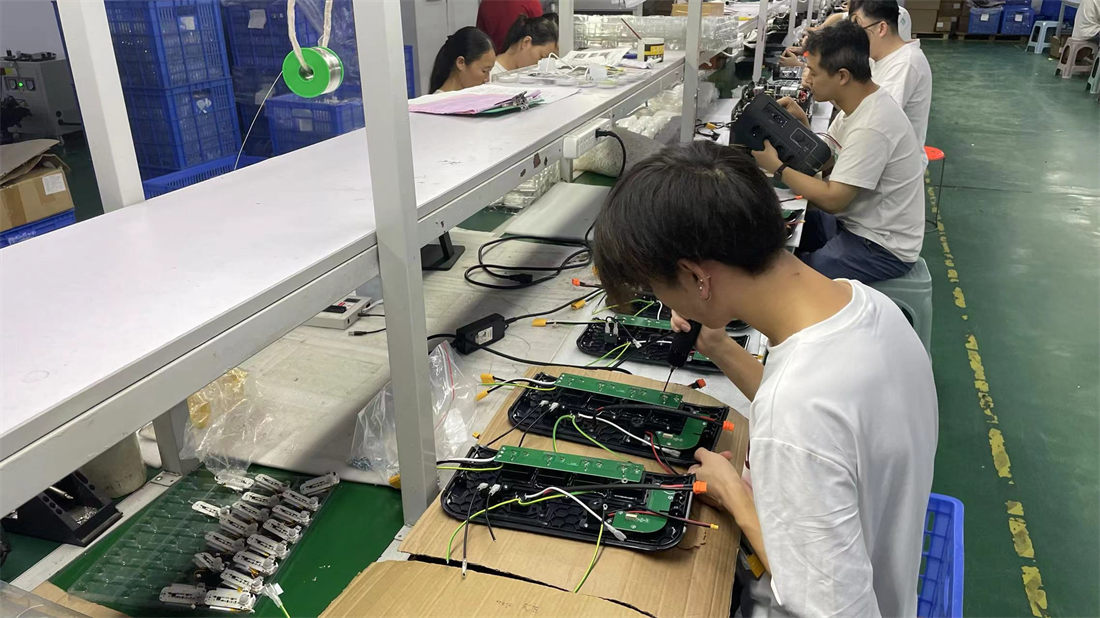
Assembling Line 1 at Soweglow Solar Factory

Assembling 1

Integration of monocrystalline silicon panels with high-transmittance tempered glass overlays.
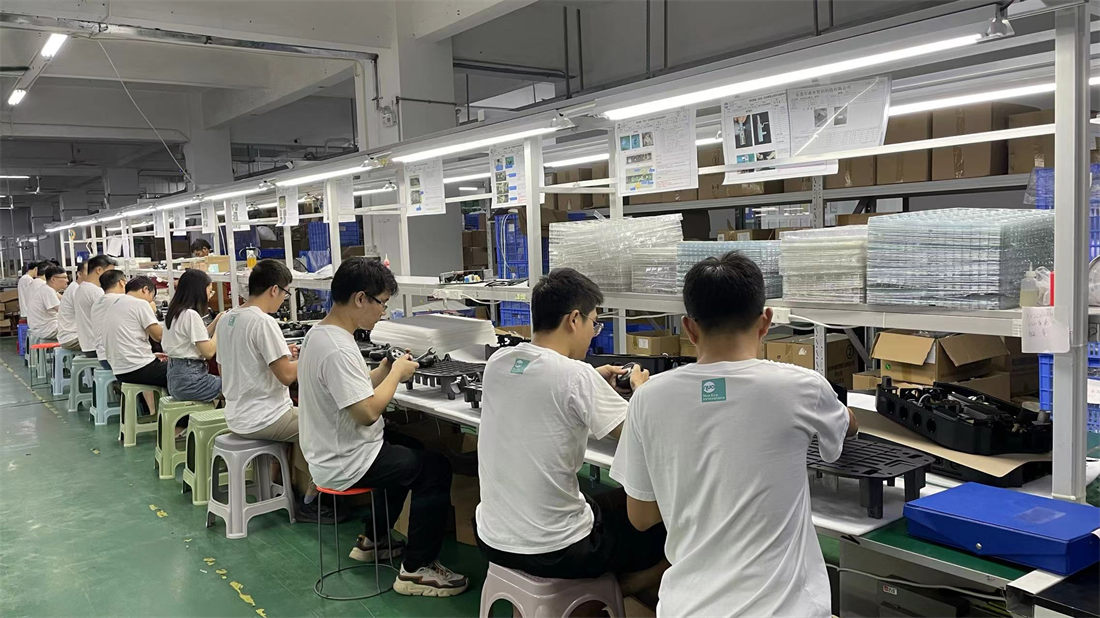
Assembling Line 2 at Soweglow Solar Factory

Assembling 2

Modular housing alignment for the MPPT controller system, thermal sink, and LED engines.
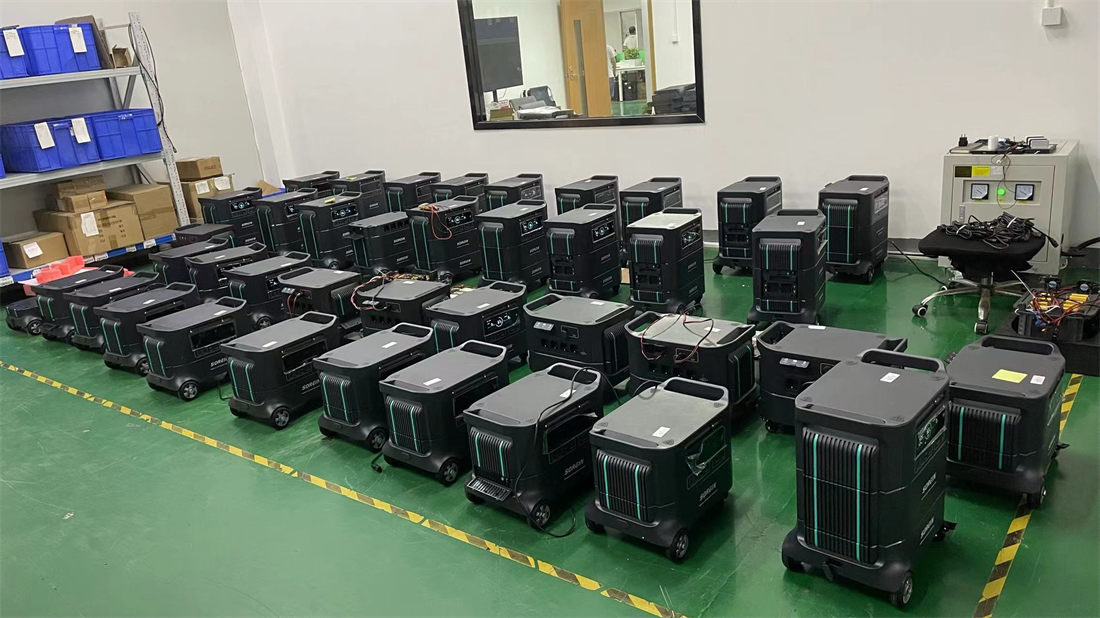
Aging Testing at Soweglow Solar Factory

Aging Testing

Every luminaire runs through 72 hours of uninterrupted dynamic burn-in and cycling tests.
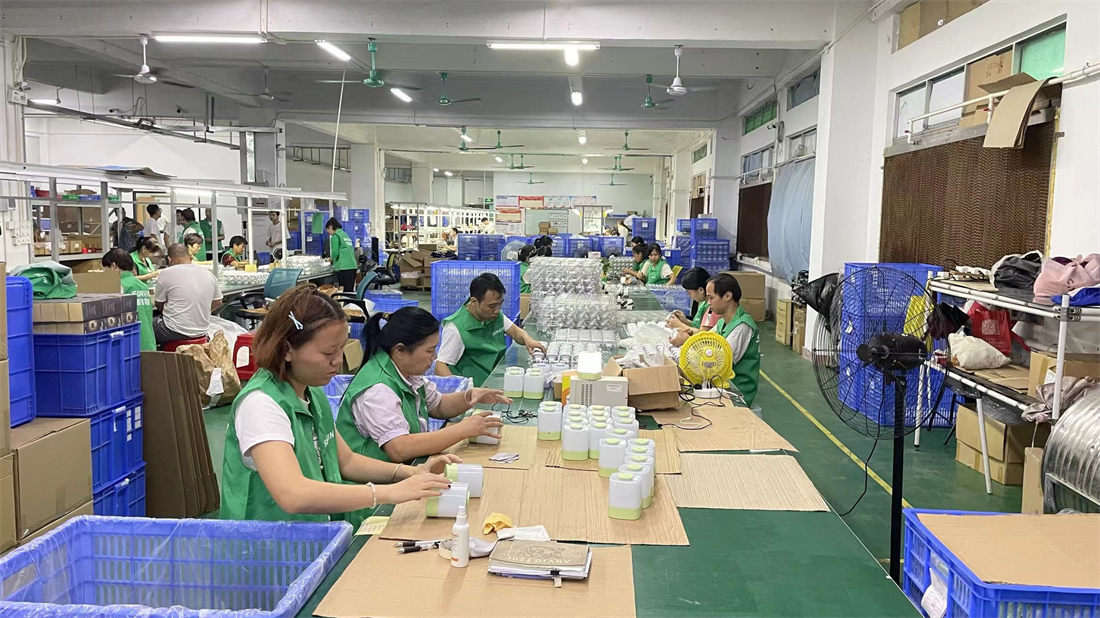
Quality Inspection at Soweglow Solar Factory

Inspection

Optical distribution analysis using goniophotometers to verify real-world lux and lumen outputs.
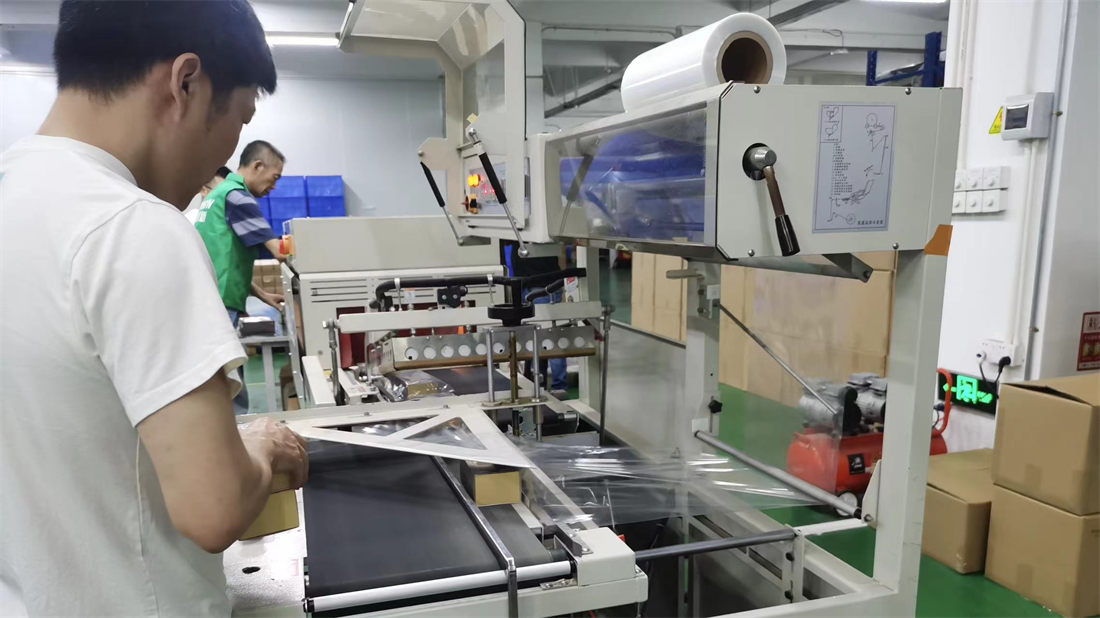
Packaging Process at Soweglow Solar Factory

Packaging

Heavy-duty, vibration-absorbent seaworthy packaging protects against transit shocks during sea transport.
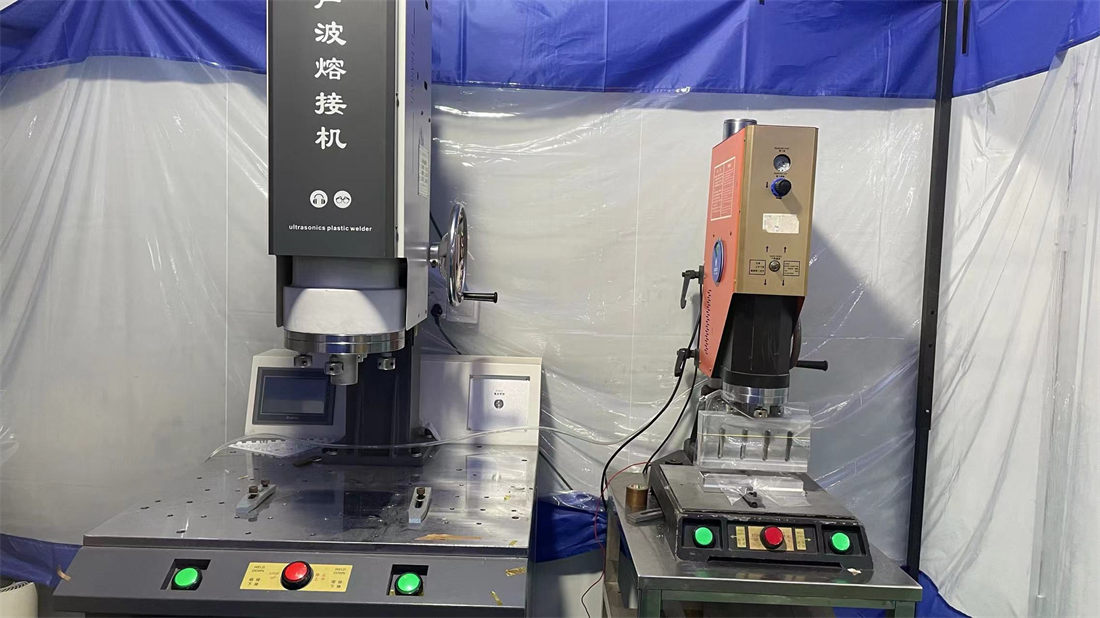
Ultrasonic Welding Machine at Soweglow Solar Factory

Ultrasonic Welding Machine

Hermetic structural sealing using high-frequency acoustics for water and dust-proof structural joints.
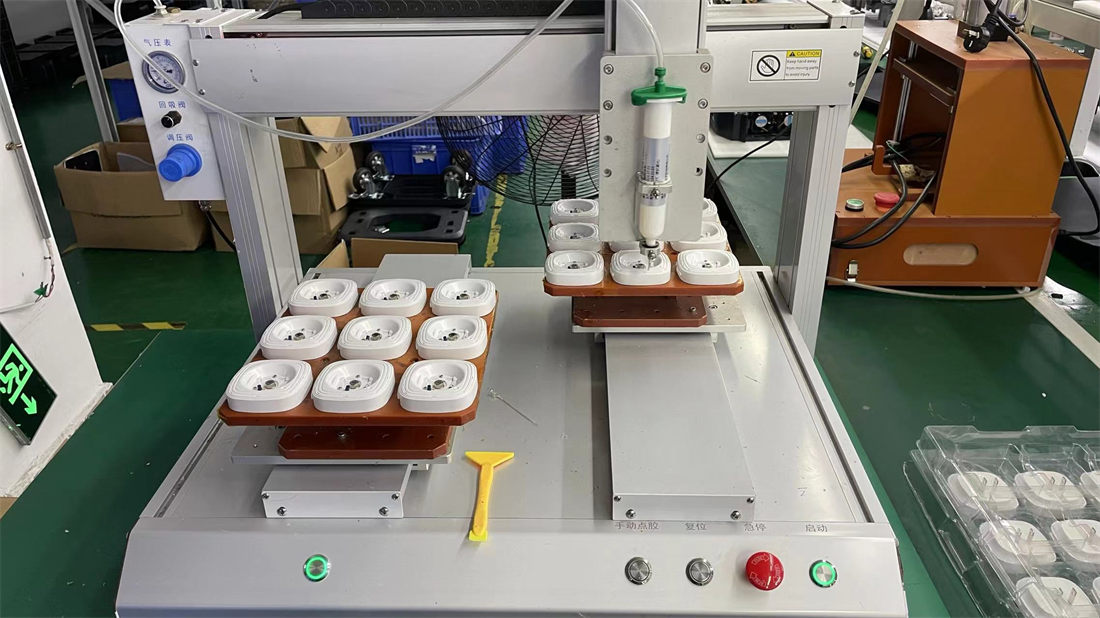
Automatic Glue Dispensing Machine at Soweglow Solar Factory

Automatic Glue Dispensing Machine

Precise, continuous sealing compound application guarantees IP65 and IP66 rating consistency.
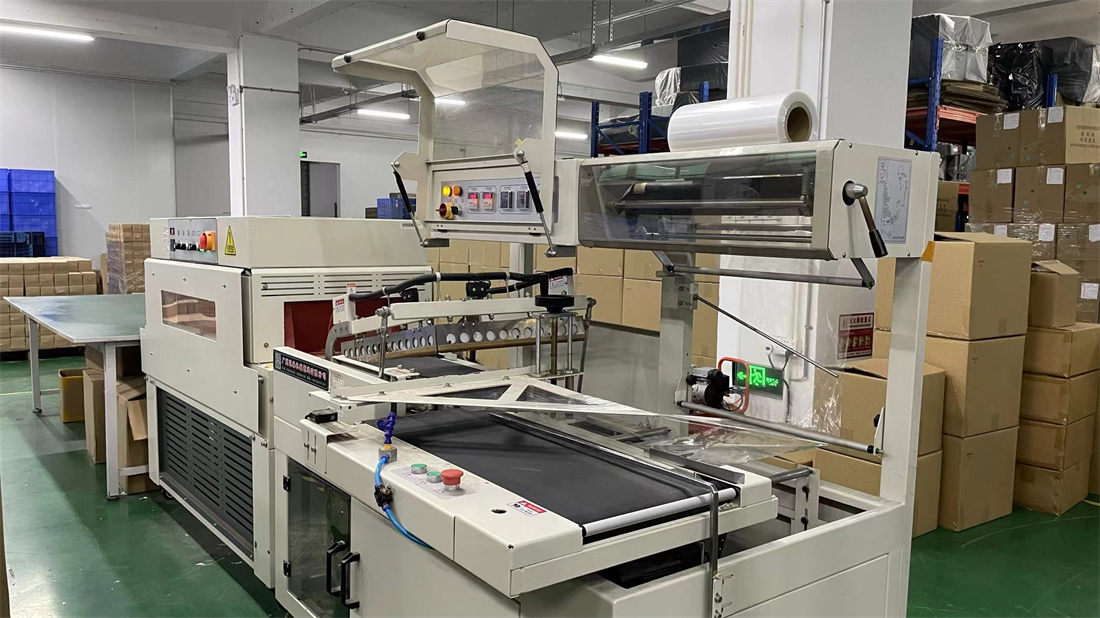
Automatic Film Shrinking Machine at Soweglow Solar Factory

Automatic Film Shrinking Machine

Thermal shrink protection seals the components against environmental moisture prior to shipment.

Local Deployment Scenarios in Mexico City

Engineered for the physical, social, and structural realities of the metropolitan area's municipalities.

Municipal Parkways & Plazas

Targeting areas like Chapultepec, Iztapalapa, and Gustavo A. Madero parks.

  • Aesthetic Integration: Sleek All-In-One (AIO) profiles minimize spatial footprints.
  • Safety Integration: Integrated microwave motion sensors and 24/7 CCTV surveillance systems for public security.
  • Spectral Profile: Warm 3000K to 4000K CCT to preserve local flora and fauna ecosystem balance.
AIO Design CCTV Smart Control Warm CCT

Industrial & Logistics Hubs

Targeting Vallejo, Tlalnepantla, and airport logistics corridors.

  • High Lumen Requirement: Ultra-bright 200W to 300W luminaires providing high lux distribution on asphalt.
  • Reliability: External high-capacity battery enclosures designed to prevent thermal buildup and allow easy maintenance.
  • Optical Precision: Type II/Type III beam distributions to illuminate wide roadways and security fences.
Split Type Type III Lens High Wattage

Suburban & Peripheral Arteries

Targeting secondary roads, highway entries, and informal urban developments.

  • Vandal Protection: Pole-mounted battery enclosures located above 4 meters to prevent theft.
  • High Dust Resistance: Coated aluminum frames that resist ash and dust from surrounding volcanic fields.
  • Self-Sustaining Operations: Standalone operation keeps roads lit even during local grid outages.
Anti-Theft Box Salt Mist Rated Off-Grid

Technical Procurement FAQ for Mexico City Projects

Expert engineering insights to help developers and procurement managers select the right technical specifications.

Why are LiFePO4 batteries preferred over ternary lithium or lead-acid batteries for Mexico City?
Mexico City's high altitude leads to intense UV rays and high daily thermal cycles. Lead-acid batteries degrade quickly in these conditions, demanding replacement every 2 years. Ternary lithium (LiNiCoMnO2) batteries carry higher risks of thermal runaway if exposed to extreme ambient heat. LiFePO4 (Lithium Iron Phosphate) cells remain stable at high temperatures, offer a longer operating life (>3,000 charge cycles at 80% Depth of Discharge), and maintain charge retention through seasonal weather variations.
What NOM certifications are required to import and install solar street lights in Mexico?
The primary standard for public and roadway lighting efficiency is NOM-031-ENER-2019 (efficiency specifications for LED luminaires). Additionally, driver components and solar modules must satisfy NOM-003-SCFI safety requirements. Working with a Chinese manufacturer that tests its systems to these standards helps streamline import customs clearance at Veracruz or Manzanillo and supports municipal tender approvals.
How do the lights perform during the summer rainy season (Temporada de Lluvias) in CDMX?
During the rainy season, Mexico City can experience consecutive days of overcast skies. To ensure uninterrupted lighting, our solar street lights feature intelligent MPPT controllers. These controllers automatically scale power consumption during extended periods of low charge, maintaining illumination for 3 to 5 cloudy days without battery exhaustion. The light housings are rated IP65/IP66 to prevent moisture and condensation ingress during heavy rains.
How does high altitude (2,240m) affect heat dissipation and solar panels?
At high altitudes, the thinner air reduces convective cooling efficiency, which can cause LEDs and drivers to run hotter than they would at sea level. We address this by using die-cast aluminum heat sinks with aerodynamic venting. This helps ensure that driver and diode temperatures stay within safe limits. Additionally, the solar glass is treated to resist degradation from the intense high-altitude UV rays.
What is the typical shipping time and logistics path from Shenzhen to Mexico City?
Shipments depart from Shenzhen or Guangzhou ports and travel by sea to the Mexican ports of Manzanillo (Colima) or Lázaro Cárdenas (Michoacán). The ocean voyage typically takes 18 to 22 days. From there, inland freight via secure transport lines delivers the containers to Mexico City distribution centers or project sites within 3 to 5 days, subject to customs clearance.

Strategic Procurement Framework for EPCs and Contractors in Mexico

Importing large batches of solar street lighting systems into Mexico City requires addressing key logistical and regulatory steps. The following breakdown is designed to help purchasing managers minimize risk and secure reliable equipment.

1. Verifying Technical Documentation

Contractors should request comprehensive testing reports for all components. The documentation package should include:

  • LED Chip Reports: LM-80 data showing lumen maintenance over time.
  • Battery Safety Certification: UN38.3 documentation for lithium transport and IEC 62133 safety certificates.
  • Ingress Protection: IP65 or IP66 laboratory test certificates.
  • Salt Spray Testing: ASTM B117 certification, which confirms corrosion resistance for coastal or highly polluted environments.

2. Navigating Import Customs and Tariffs

Goods imported from China into Mexico go through either Manzanillo or Lázaro Cárdenas ports. It is important to work with a customs broker (Agente Aduanal) who has experience with renewable energy technology. Key customs considerations include:

  • Tariff Classifications: Solar panels and LED street lights have distinct HS Code categories. Selecting the correct code helps avoid processing delays and tax miscalculations.
  • USMCA/T-MEC Compliance: If your project requires materials sourced within North America, you will need to review the origin declarations of all internal components.
  • NOM Verification: Border inspectors may check for NOM-031-ENER-2019 compliance certificates. Having these ready prevents shipments from being held at the port of entry.

3. Installation and Preventive Maintenance

While solar street lights require no fuel and minimal cabling, setting up a regular maintenance schedule helps prolong system life:

  • Panel Cleaning: Dust, ash, and pollution residue can accumulate on the panels, reducing charging efficiency. We recommend cleaning the panels twice a year, especially before the summer rainy season.
  • Connection Checks: Check mounting brackets, anti-theft bolts, and electrical connections annually to ensure everything remains secure against local wind forces.
  • Firmware and Sensor Tuning: For systems with smart controllers, update the dimming profiles and check the motion sensors to align light levels with local foot and vehicle traffic.

Ready to Upgrade Mexico City's Infrastructure?

Partner with Shenzhen Soweglow Solar Co., Ltd. for certified, high-performance solar street lights. Our engineering team can customize lumen outputs, battery capacities, and physical designs to match your specific municipal or industrial requirements.

Custom OEM/ODM Services NOM Compliance Ready Factory-Direct Pricing
Send Inquiry Now