Denmark is widely recognized as a global frontrunner in the green transition, targeting a 70% reduction in carbon emissions by 2030 and aiming for complete climate neutrality by 2045. As Danish municipalities, infrastructure authorities, and private industrial parks seek to reduce energy consumption, legacy grid-powered street lighting is undergoing rapid replacement. The integration of solar street lights has emerged as a key pillar in Denmark's smart city strategies.
However, the Danish market presents unique geographical challenges: high latitudes lead to extreme seasonal variations in sunlight, with prolonged daylight during the summer solstice and as little as 7 hours of daily sunlight during winter. For solar street lamps to function reliably in Copenhagen, Aarhus, or Odense, standard off-the-shelf photovoltaic components are insufficient. Systems must be engineered with advanced lithium iron phosphate (LiFePO4) battery management, high-efficiency monocrystalline solar panels, and intelligent dimming algorithms designed to survive low-temperature operations without grid fallback.
Enterprise procurement in the EU requires compliance with CE, RoHS, and EN standards. Danish tenders emphasize structural durability standards for light poles, electrical components, and luminaire efficacy ratings. Products must undergo stringent electromagnetic compatibility (EMC) testing.
Lithium Iron Phosphate (LiFePO4) has replaced traditional Gel/Lead-acid batteries. Buyers prioritize batteries capable of 3,000+ deep discharge cycles at 80% DoD, complete with intelligent battery management systems (BMS) that incorporate cold-weather heating foils.
Modern commercial specifications in Europe mandate remote control features via LoRaWAN, NB-IoT, or Zigbee. This allows municipal operators to dynamically schedule dimming, monitor battery health, and perform preventative maintenance remotely, cutting operating costs by up to 50%.
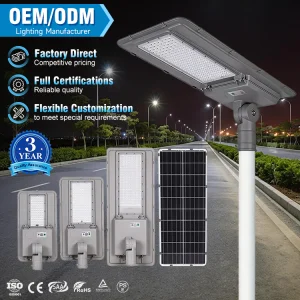
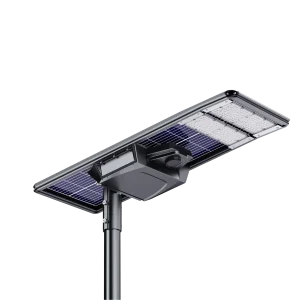
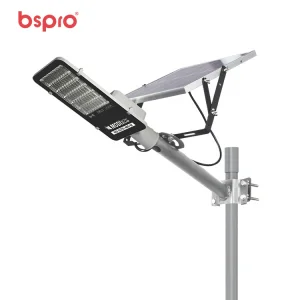
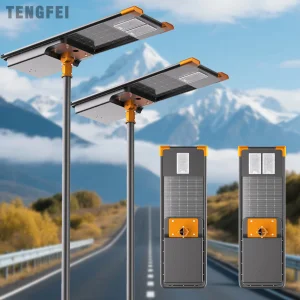
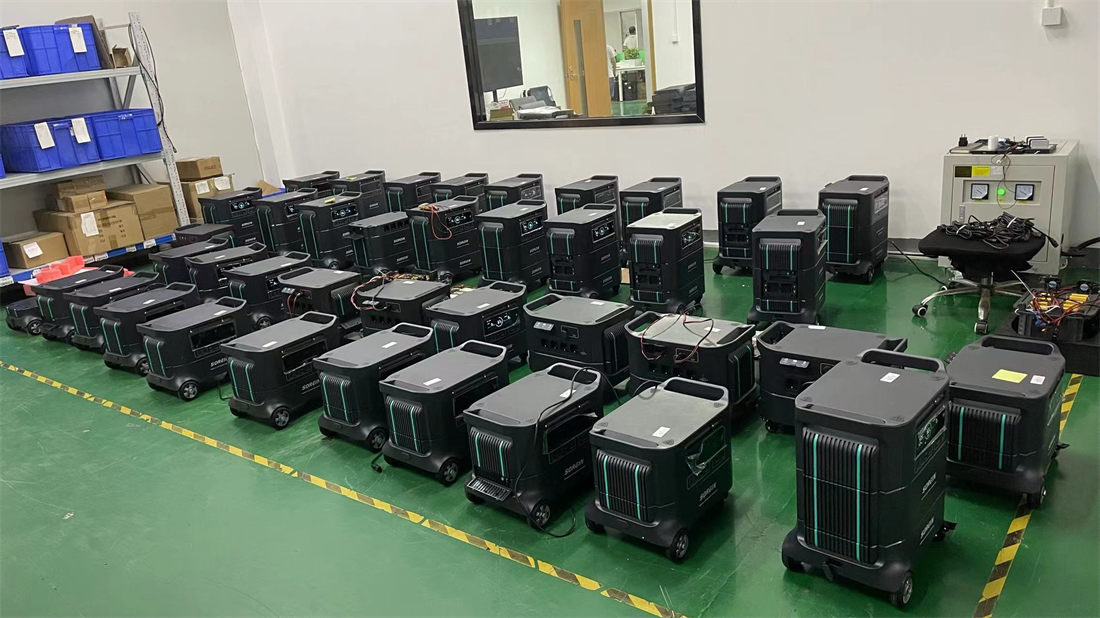
The solar street light industry is transitioning from passive illumination platforms to intelligent, grid-independent infrastructure nodes. Key innovations include:
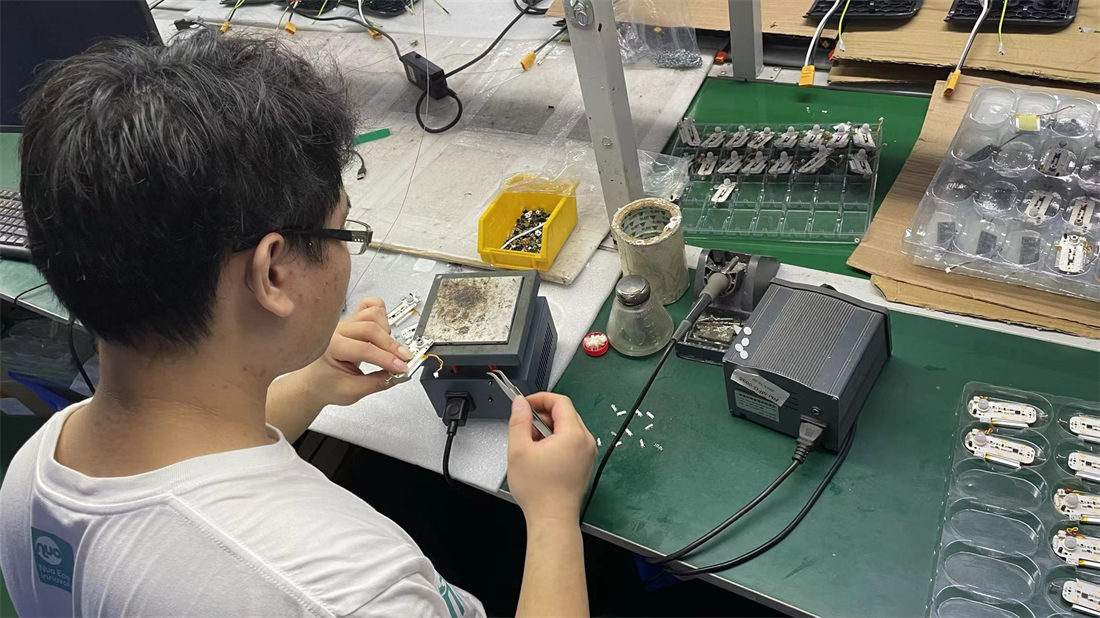
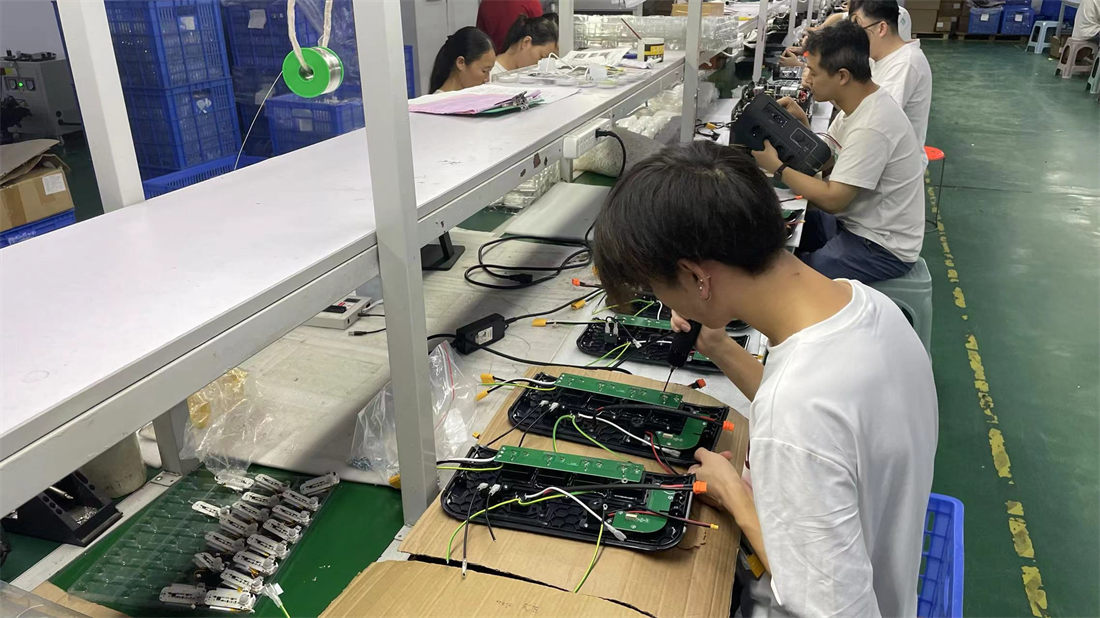
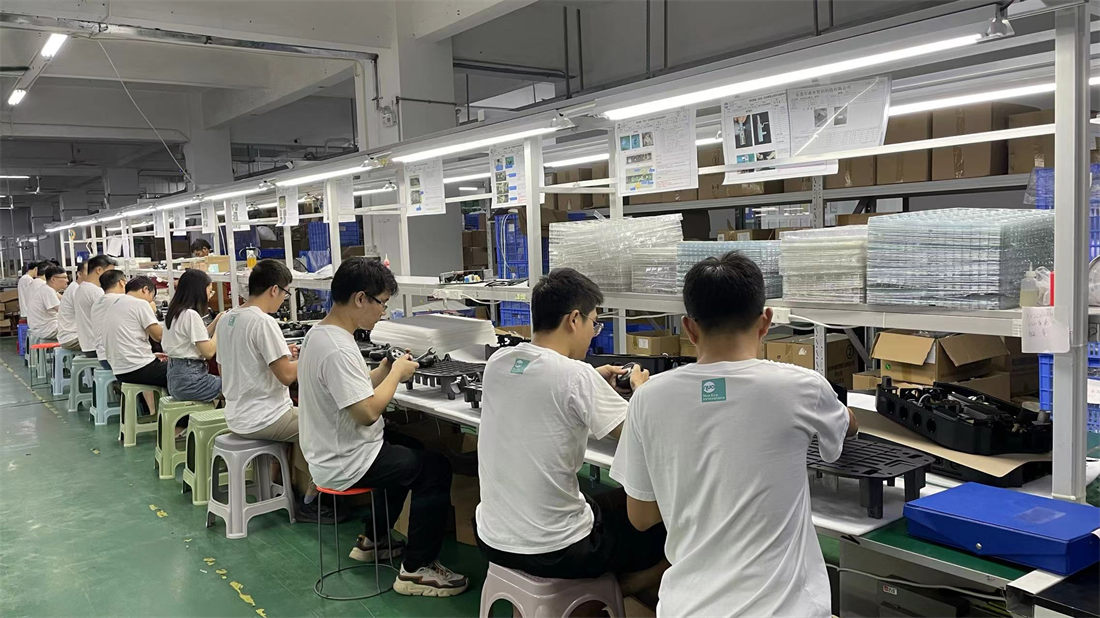
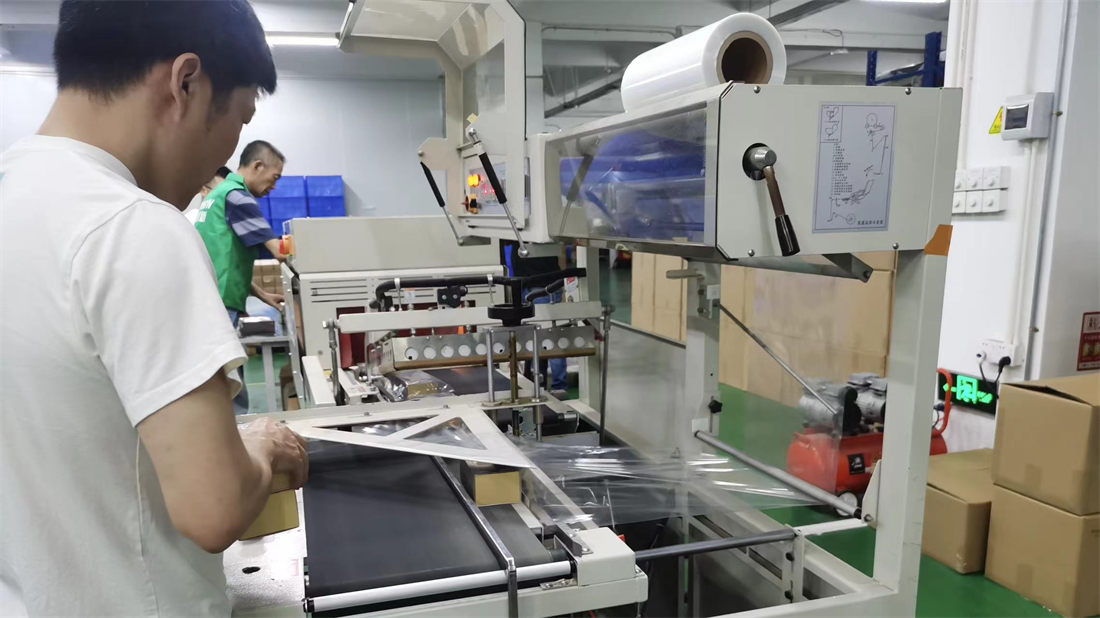
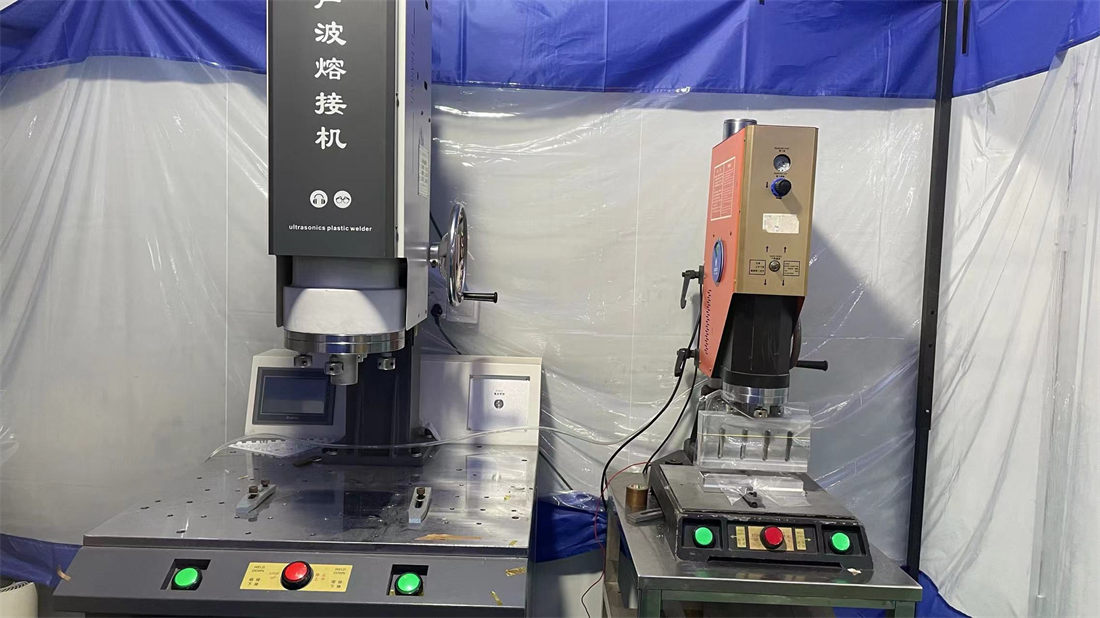
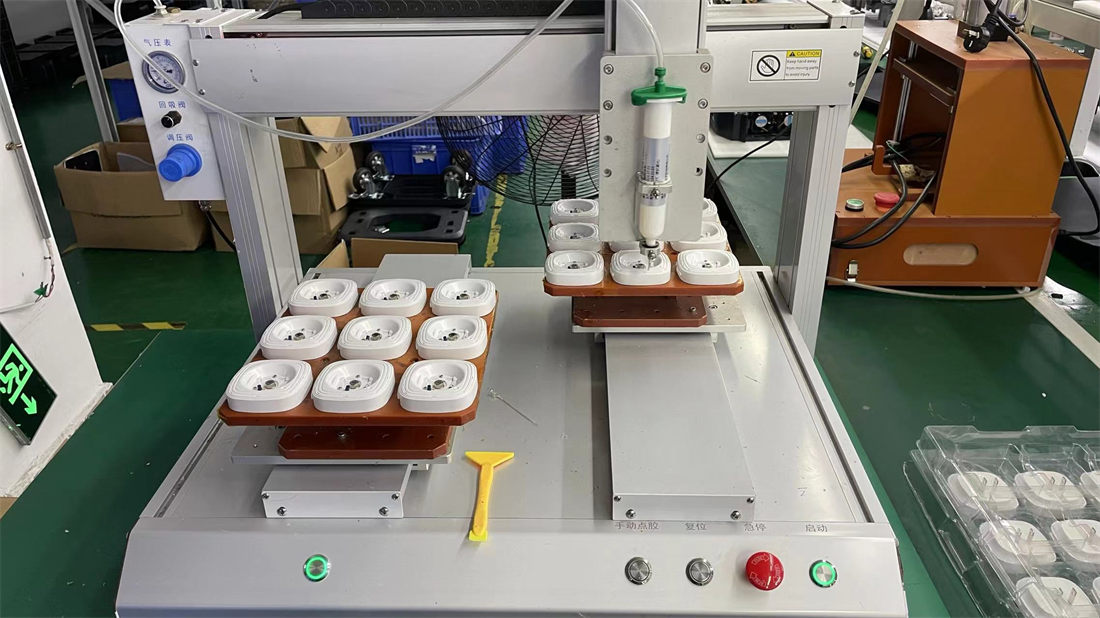
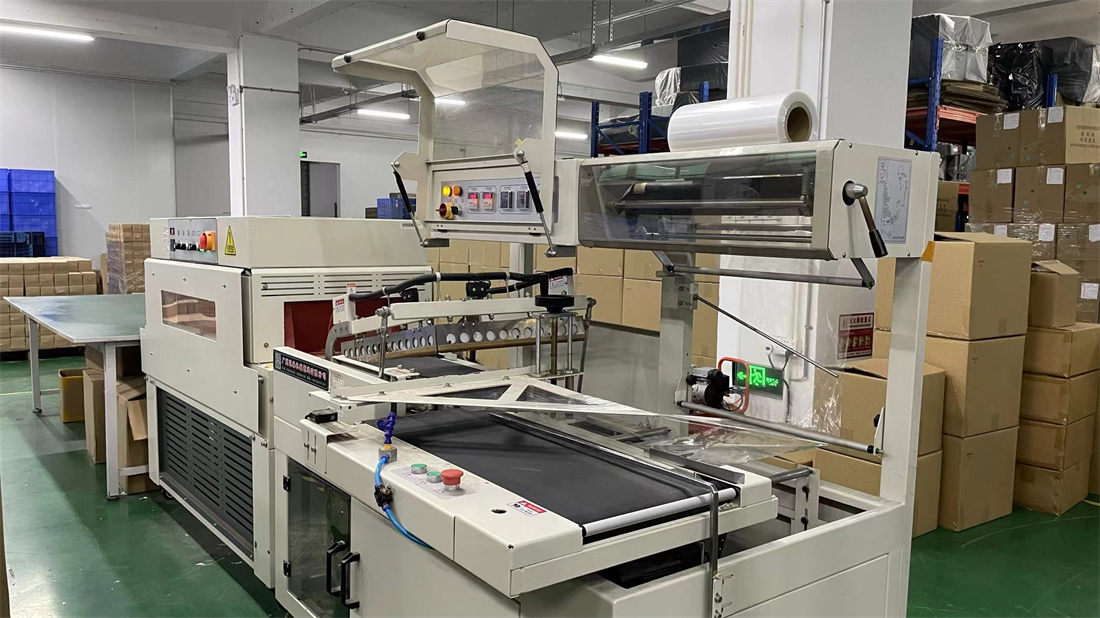
Shenzhen Soweglow Solar Co., Ltd. is a leading manufacturer specializing in solar lighting and intelligent energy systems. Based in Shenzhen, China, our advanced facility leverages automated production processes and strict QC structures to supply the global market, including highly demanding regions like the EU and Scandinavia.
Our Factory 4.0 model ensures extreme precision and structural durability, which is essential for products deployed in Denmark's demanding maritime environments. By combining automated component assembly, precision welding, and comprehensive test phases, we deliver solar street lights that meet the highest standards of reliability, performance, and long service life.

Designed for commuter bicycle highways. Sensor-driven, low-level illumination increases to 100% upon sensing oncoming bicycle traffic. This saves up to 75% battery reserve during winter months when sun hours are scarce.
Corrosion-resistant materials (AL6063-T5 aluminum with Dacromet coating) prevent salt mist damage from the Baltic Sea. Built to withstand sustained high winds and low winter ambient light.
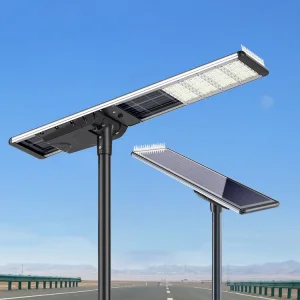
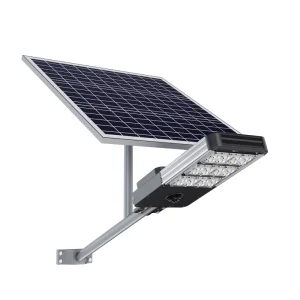
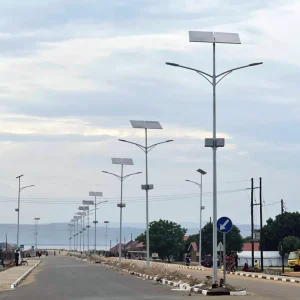
Split-type solar street lights installed in central Jutland where grid layout is cost-prohibitive. Highly efficient, remote off-grid systems provide reliable light, improving road safety during long winter nights.
Yes. By pairing high-efficiency monocrystalline solar panels with smart MPPT controllers and LiFePO4 batteries, systems are engineered for the winter months. They utilize custom dimming profiles (e.g., keeping the light active during high-traffic commuter hours and dimming it during off-peak night hours) to ensure continuous operation over multi-day periods of overcast weather.
Cold temperatures can decrease battery efficiency. To counter this, our systems utilize premium LiFePO4 chemistry managed by a BMS with heating elements that warm the battery cells during charging cycles. This prevents lithium plating, preserves cycle life, and ensures reliable operation down to -20°C.
Wind load calculations must follow the EN 40 European standards. Our structural components, brackets, and poles are engineered with die-cast aluminum alloys and heavy-duty steel anchors to withstand high-velocity wind loads of up to 45 m/s, which is essential for coastal installations.
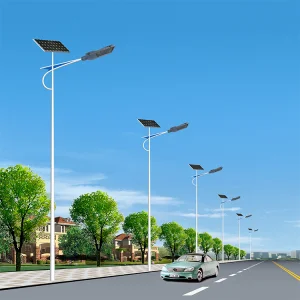
Split-type designs permit the solar panel to be adjusted independently to the optimal tilt angle (typically 35° to 45° in Denmark) to maximize solar yield throughout the year. This ensures the solar cells receive maximum exposure while the LED luminaire is pointed downward.
IoT modules (such as Zigbee or NB-IoT) connect the street lights to a centralized management system. This enables real-time monitoring of battery charge, solar panel efficiency, and component failures, allowing maintenance teams to address issues before outages occur.
 Soweglow Solar