Explore our top-tier tier-1 equivalent solar components and energy storage platforms built for resilience and high yield.
The global energy landscape is undergoing a structural transition. Organizations worldwide are seeking stable, high-performance clean energy assets to meet stringent ESG targets, lower Levelized Cost of Energy (LCOE), and guarantee grid resilience. As the primary motor of global clean technology manufacturing, China represents more than 80% of the worldwide photovoltaic module supply chain and a dominant share in lithium-ion battery integration. Achieving successful procurement requires a detailed, professional understanding of advanced manufacturer capabilities, production systems, and strict compliance structures.
Selecting an OEM/ODM partner in China is no longer just a matter of price-per-watt optimization. E-E-A-T principles dictate that modern sourcing directors must evaluate the factory's technical core competencies, automation equipment, compliance with regional import standards (like EU CE or US UL), and local distribution capability.
Shenzhen Soweglow Solar Co., Ltd. represents this new era of high-precision clean energy manufacturing. Situated in Shenzhen—a global electronics engineering powerhouse—our operations bridge raw component processing, high-density cell architecture assembly, smart battery management system (BMS) engineering, and rugged hardware fabrication. Our corporate philosophy is built around reliability: engineering assets that function optimally under diverse meteorological conditions for 10 to 25 years.
Unparalleled efficiency driven by industrial clusters, advanced automation, and highly integrated logistics.
Direct proximity to critical mineral supply chains and high-purity silicon manufacturing enables lower raw material costs and eliminates transit delays. We source premium-grade monocrystalline wafers and tier-1 LiFePO4 cells directly from primary refiners, securing consistent batch-to-batch chemistry stability.
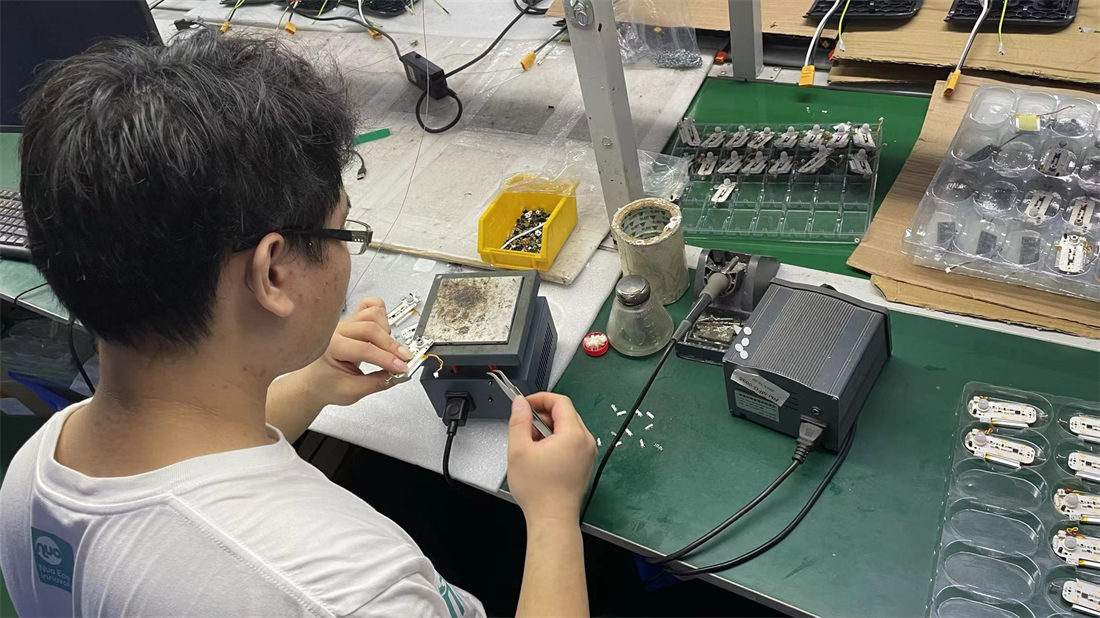
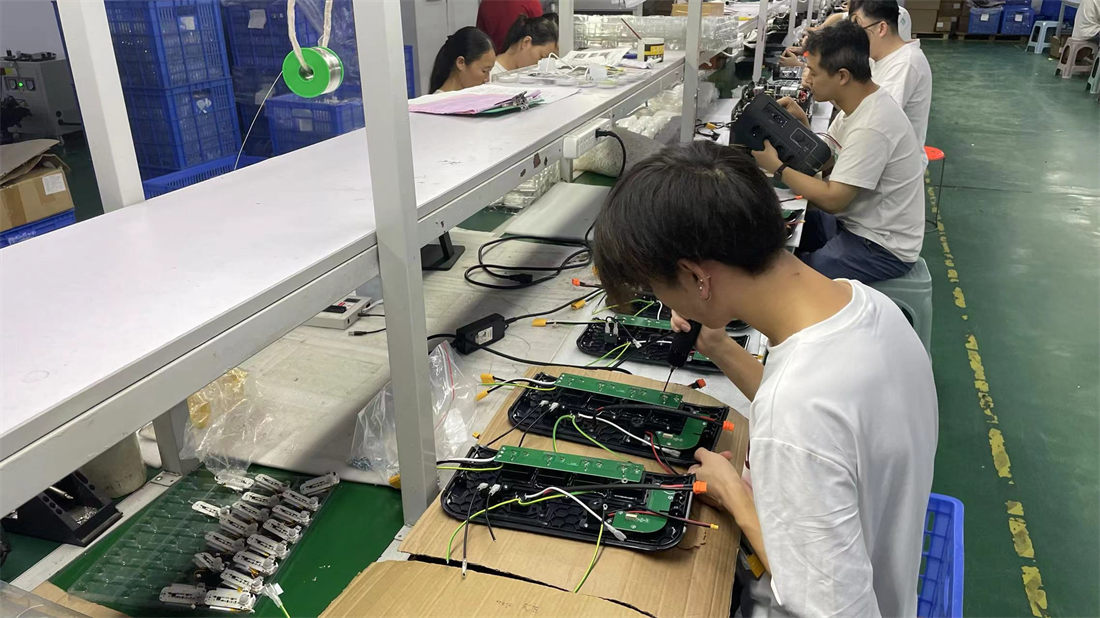
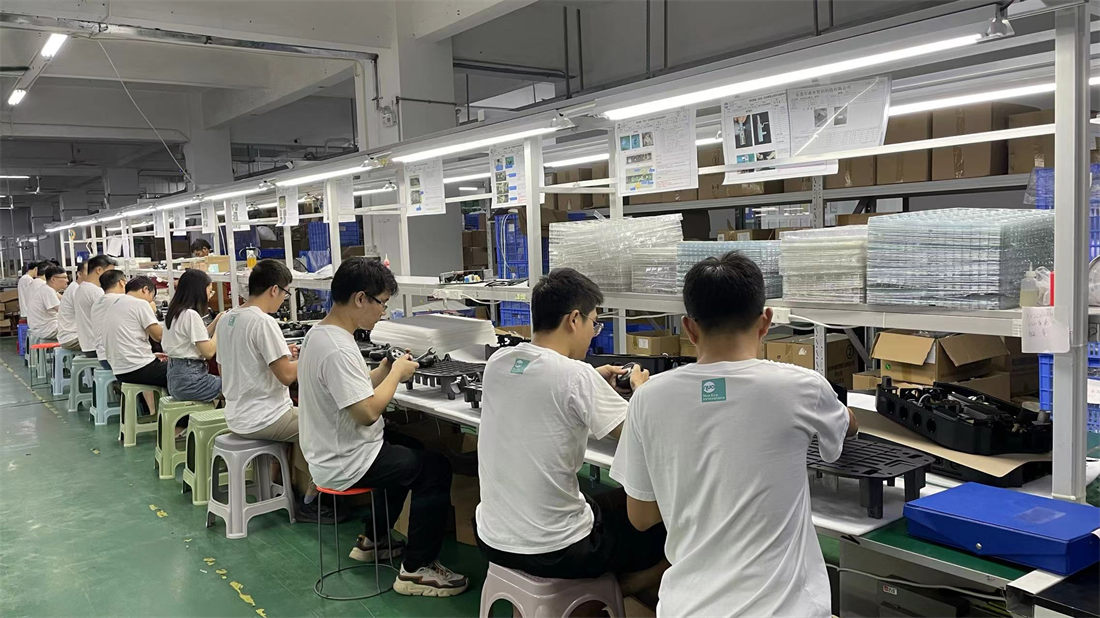
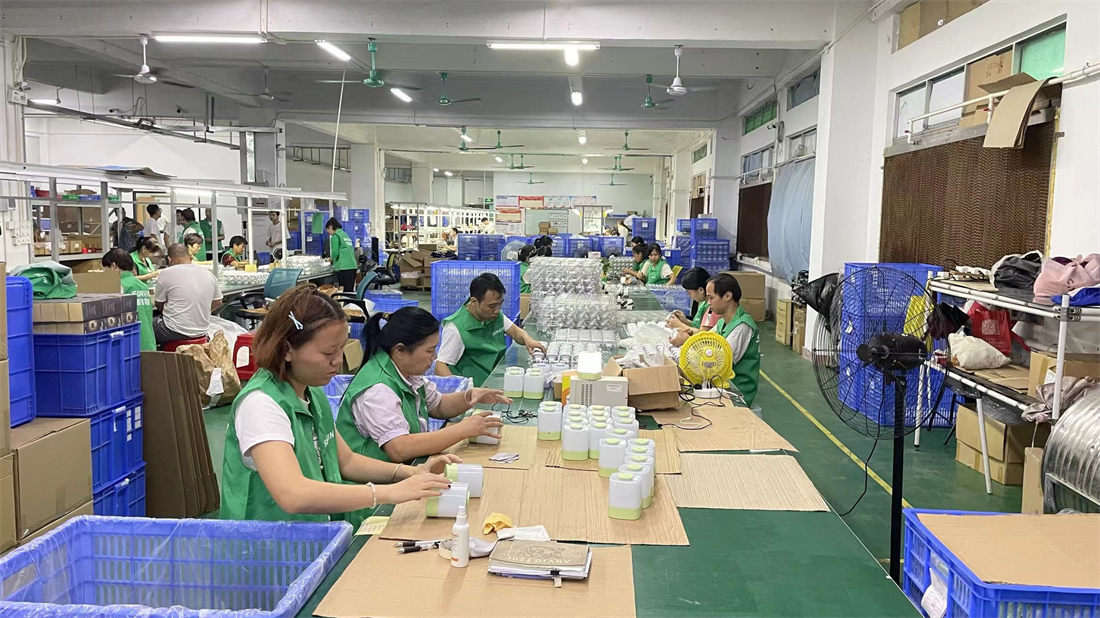
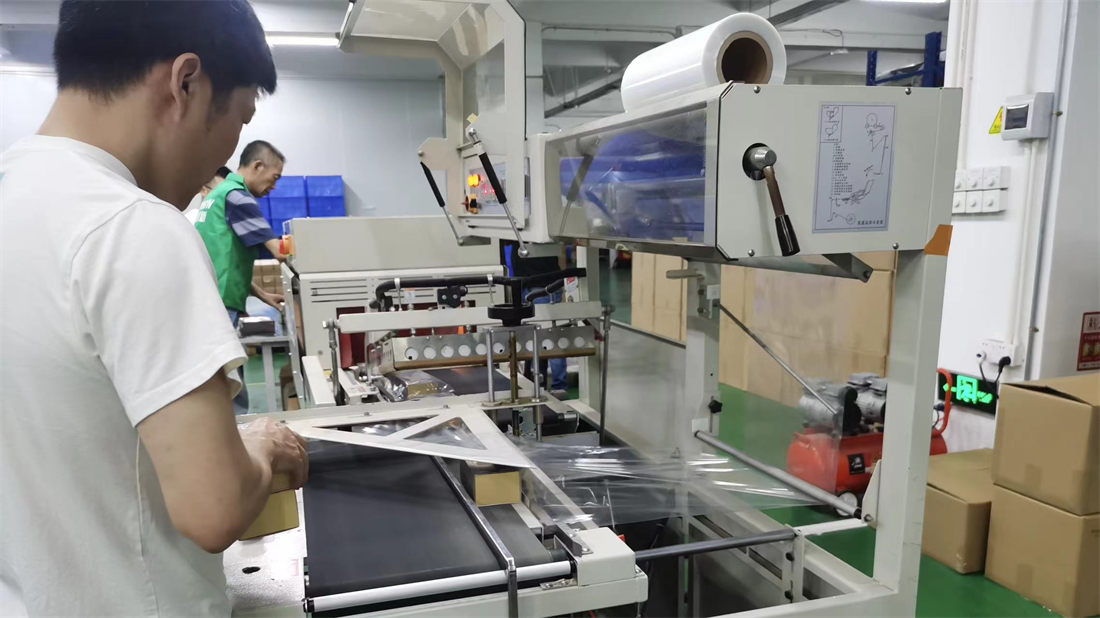
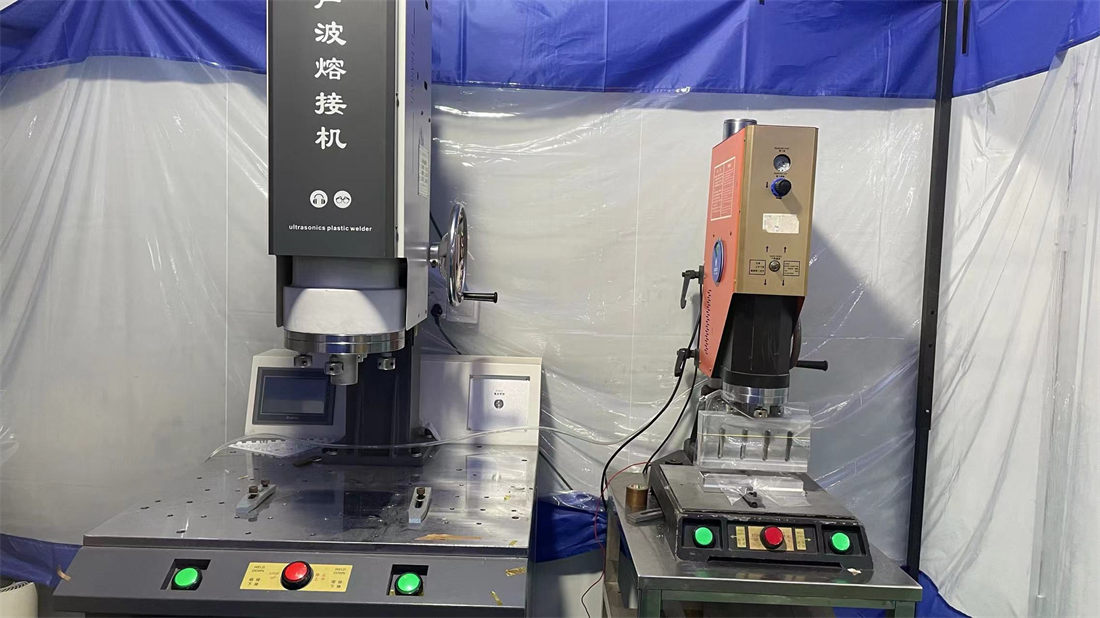
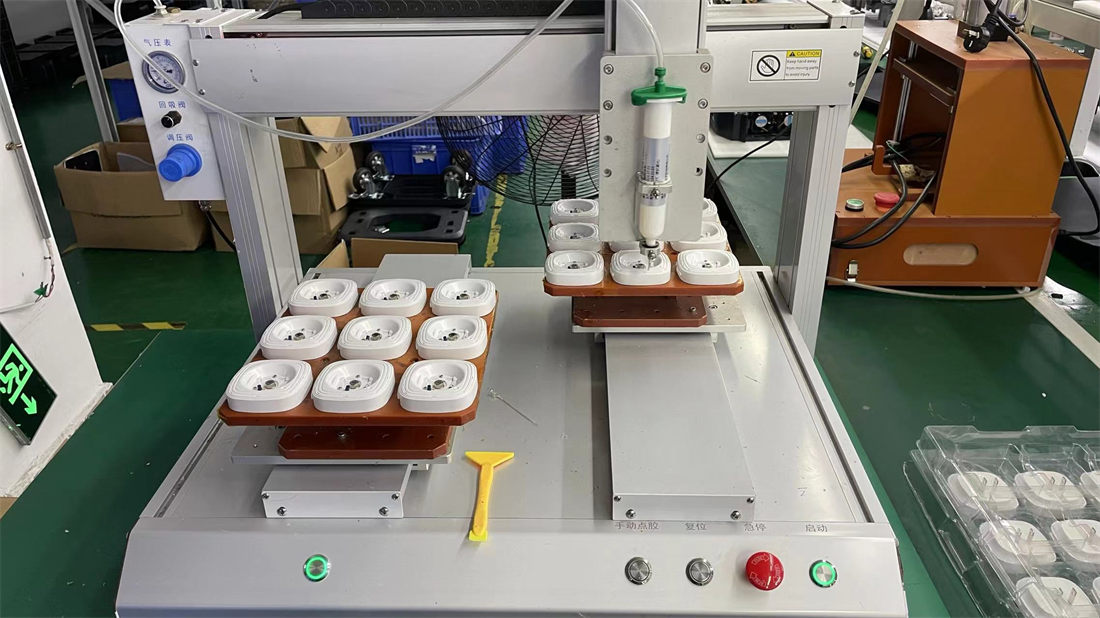
Our Shenzhen factory leverages automated assembly platforms to guarantee structural and electrical integrity. High-accuracy machines handle micro-welding, vacuum-tight sealing, and precise optical testing. This reduces human error, maintains low internal resistance in battery packs, and guarantees IP66 weatherproofing.
Being situated in the world's most dynamic hardware corridor gives us direct access to Shenzhen Port and Hong Kong shipping lines. This guarantees seamless multi-modal logistics, quick customs declaration, and optimization of container load layouts, leading to a substantial decrease in maritime freight costs.
Our facility operates under ISO 9001:2015 frameworks. Every step—from wire welding to automated packaging—is tracked by an MES execution system.
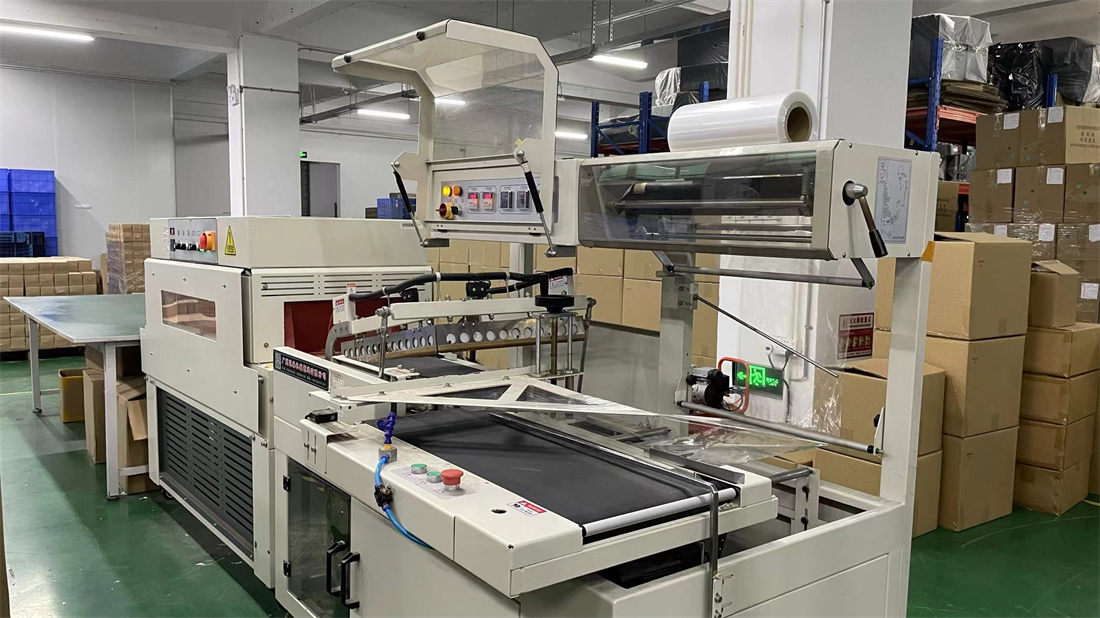
Commercial & Industrial (C&I) developers, public utility contractors, and distribution networks are under pressure to select equipment that is not only cost-competitive but also fully compliant with local electrical, fire, and structural safety codes. When sourcing clean energy systems from China, technical diligence requires verifying three primary areas:
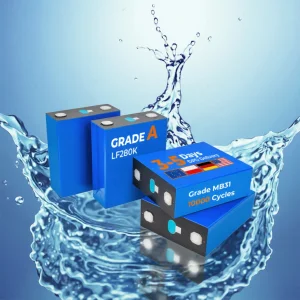
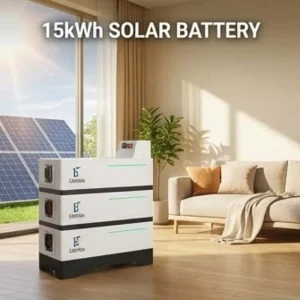
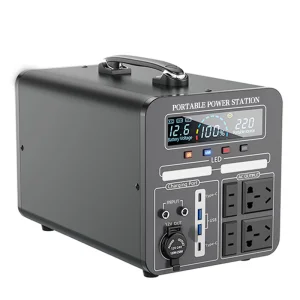
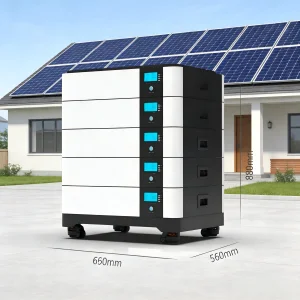
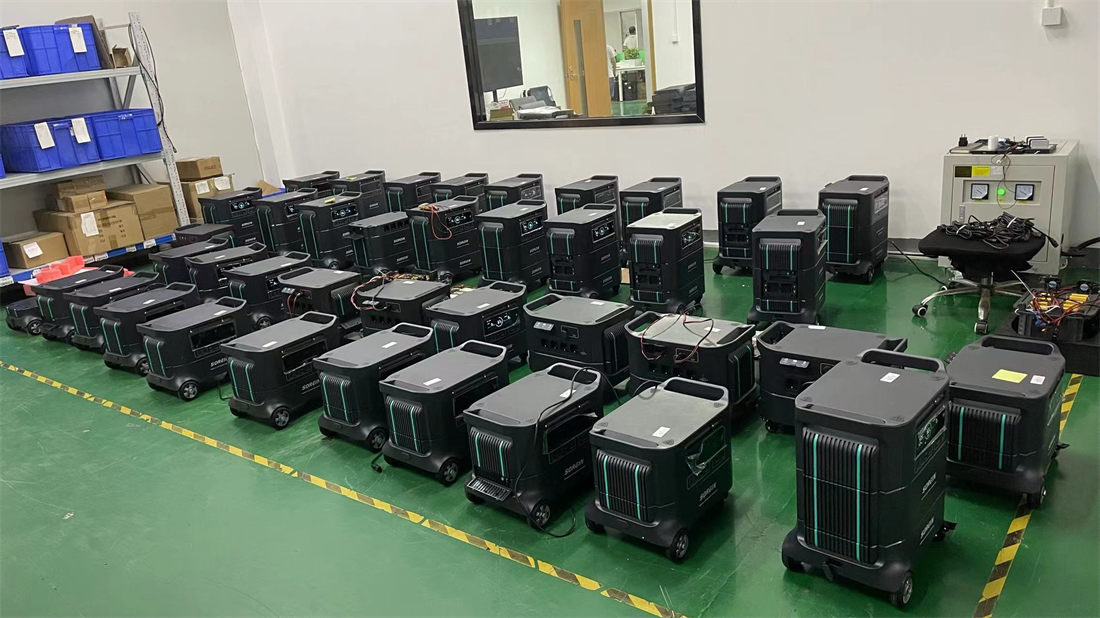
For systems like the Stackable Solar Battery Storage System and All-in-One Energy Storage Container, cell chemistry is critical. Lithium Iron Phosphate (LiFePO4) is the benchmark for safety and thermal run-away prevention. Enterprise procurement mandates testing verification of UL 1973 for battery packs, UN 38.3 for shipping safety, and IEC 62619 for operational security. Dual-BMS integration is essential to actively monitor cell temperature, state of charge (SoC), and balance cells in real-time, preventing micro-shorts.
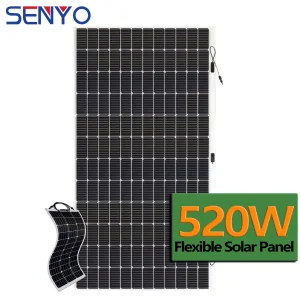
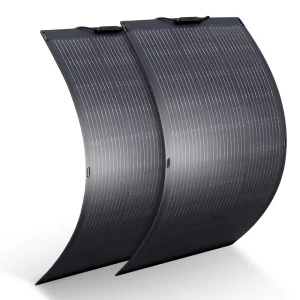
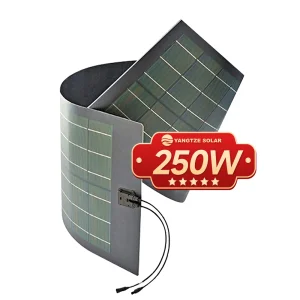
Modern PV modules must achieve higher conversion ratios while maintaining high flexibility for non-traditional roofs. Thin-film semi-flexible panels utilize advanced ETFE (Ethylene Tetrafluoroethylene) encapsulation. Unlike standard PET panels, ETFE allows better light transmittance (up to 95%), exhibits superior self-cleaning properties, and resists UV degradation, preventing delamination in harsh environments like marine installations or high-salinity coastal areas.
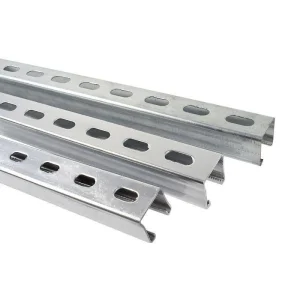
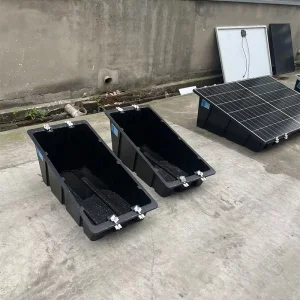
For mounting systems (e.g., HDPE Plastic ABS 10KW Flat Roof Ballast and Galvanized Steel Photovoltaic Brackets), structural integrity must be backed by finite element analysis (FEA). Brackets must endure localized wind shear of up to 60m/s and have corrosion protection (such as hot-dip galvanization with a minimum thickness of 80μm) to last 25+ years in harsh climates.
How we facilitate seamless international trade operations and local stocking logistics for regional distributors.
To eliminate shipping delays and manage import tariffs, we maintain local EU stock of solar modules and LiFePO4 battery containers. This enables our regional partners to bypass lengthy freight lead times and clear customs quickly, allowing projects to remain on schedule.
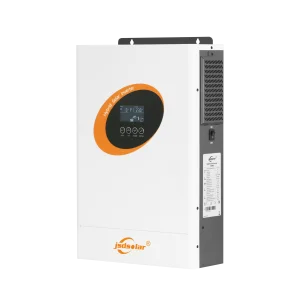
Different jurisdictions require specific grid compliance. Our hybrid inverters support grid-interconnection certifications including VDE-AR-N 4105 (Germany), EN 50549 (EU), and G98/G99 (UK). This guarantees our systems pass regional utility audits and can safely feedback clean power without damaging grid infrastructure.
From remote off-grid regions to high-density residential properties, discover how our clean technology is deployed.
Our plug-and-play balcony systems and stackable LiFePO4 batteries allow urban apartments and large villas to generate and store solar power, reducing dependencies on the utility grid during peak hours.
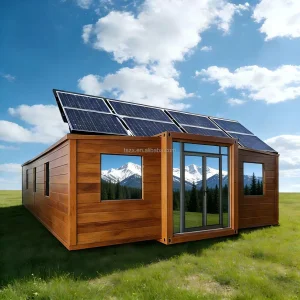
For off-grid eco-resorts, dynamic mobile container homes, and emergency response camps, our integrated solar packages provide stable 220V power without the need for noisy, polluting diesel generators.
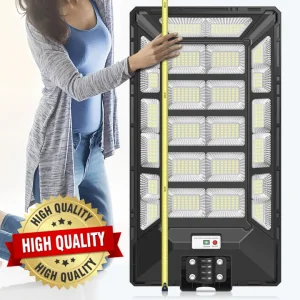
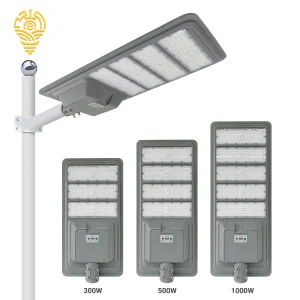
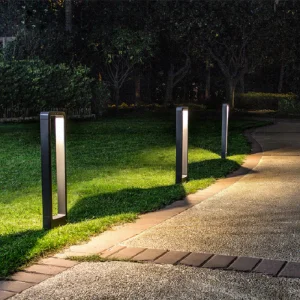
Our IP66 integrated solar street lighting systems operate independently of local utility grids, using smart controllers and motion sensors to optimize illumination based on battery levels and foot traffic.
Technological advancement in the photovoltaic and energy storage sectors is moving rapidly. Over the next five years, clean tech engineering will focus on three major trends:
P-type PERC technology is giving way to N-type TopCon and Heterojunction (HJT) cell architectures. These advanced designs achieve over 25.5% efficiency, display a lower temperature coefficient, and show minimal light-induced degradation, increasing long-term energy generation.
Modern residential and C&I energy storage systems are shifting toward high-voltage architectures (300V-800V) to reduce conversion losses and cable requirements. Concurrently, sodium-ion technology is emerging for stationary storage applications due to its resilience to low temperatures and low materials cost.
Inverters are evolving from simple power converters into intelligent grid assets. By integrating machine learning models, modern hybrid inverters can analyze local weather forecasts, electricity tariff pricing, and household consumption patterns to optimize charging cycles, saving costs.
Get answers to critical technical questions regarding clean energy system deployment, compliance, and custom configurations.
Complete your installation setups with our industrial mounting hardware, smart hybrid inverters, and utility accessories.
 Soweglow Solar