Industrial grade power generation and hybrid storage components optimized for commercial applications and smart grid stabilization.

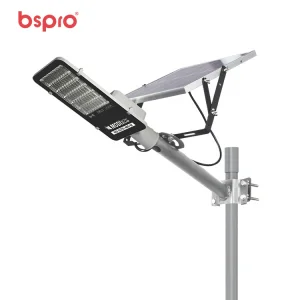
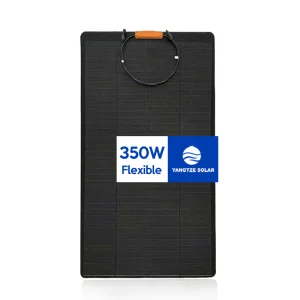

Analyzing global market shifts, ESG compliance framework, and the technical demands of international commercial buyers.
Across the European Union (under the Corporate Sustainability Reporting Directive - CSRD), North America, and key Asia-Pacific markets, commercial and industrial (C&I) entities face stringent carbon emissions limits. Industrial heating, lighting, and power supply represent over 60% of commercial facilities' thermal and electrical load footprint. Procuring directly from tier-one factories in China allows international developers to bypass intermediate distribution costs while maintaining strict compliance with local grid integration codes.
Enterprise procurement managers must analyze the Levelized Cost of Energy (LCOE) and the Payback Period when evaluating commercial systems. By deploying high-capacity systems integrated with hybrid MPPT inverters and lithium-iron-phosphate (LiFePO4) energy storage, facilities can transition up to 90% of their base lighting and auxiliary electrical loads to clean solar energy, drastically shifting their operating costs and securing tax credits under local green development acts (such as the US Inflation Reduction Act or EU Net-Zero Industry Act).
To maximize Return on Investment (ROI), commercial projects must look beyond initial acquisition costs. Factoring in degradation coefficients (e.g., <0.5% annually for high-grade monocrystalline modules), cycle-life guarantees, and component-level certifications (CE, IEC, UL) prevents downstream operations failures and ensures operational continuity for 25+ years.
Sustainable solar solutions are no longer limited to standard rooftop installations. Today's commercial deployment relies on holistic, integrated designs:
How forward-looking material engineering and tracking algorithms optimize energy yield and reduce system degradation.
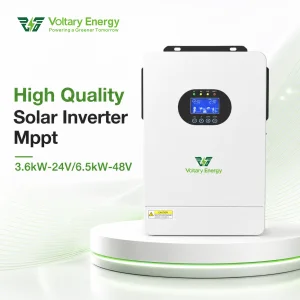
Modern hybrid inverters employ dynamic Maximum Power Point Tracking (MPPT) with tracking efficiencies above 99.9%. By using high-speed digital signal processors (DSPs), these systems instantly adapt to sudden solar irradiance changes, protecting storage arrays from overvoltage and thermal spikes.
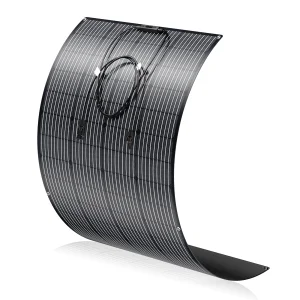
Copper Indium Gallium Selenide (CIGS) thin-film modules leverage multi-junction absorption layers to capture a wider spectrum of sunlight, including low-angle diffused light. This delivers superior performance in overcast climates and extreme temperatures compared to traditional silicon cells.
Lithium Iron Phosphate (LiFePO4) chemistry is the gold standard for commercial energy storage. Offering exceptional thermal stability, zero off-gassing, and up to 6,000 cycles at 80% Depth of Discharge (DoD), this technology ensures decades of daily peak-shaving capability.
A professional and reliable manufacturer specializing in solar energy systems, advanced energy storage, and smart lighting solutions.
Based in Shenzhen, China's premier technology innovation hub, Shenzhen Soweglow Solar Co., Ltd. has established itself as an industry pioneer in clean energy engineering. Our mission is to accelerate the worldwide adoption of renewable energy by delivering reliable, high-performance, and cost-effective solar solutions that generate long-term value for our commercial partners.
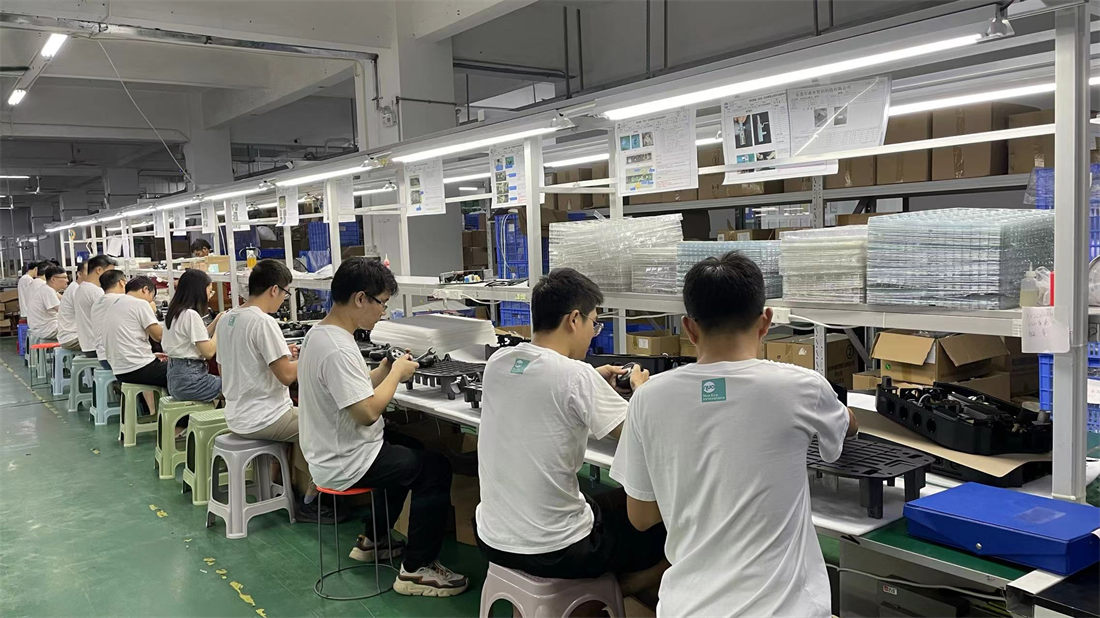
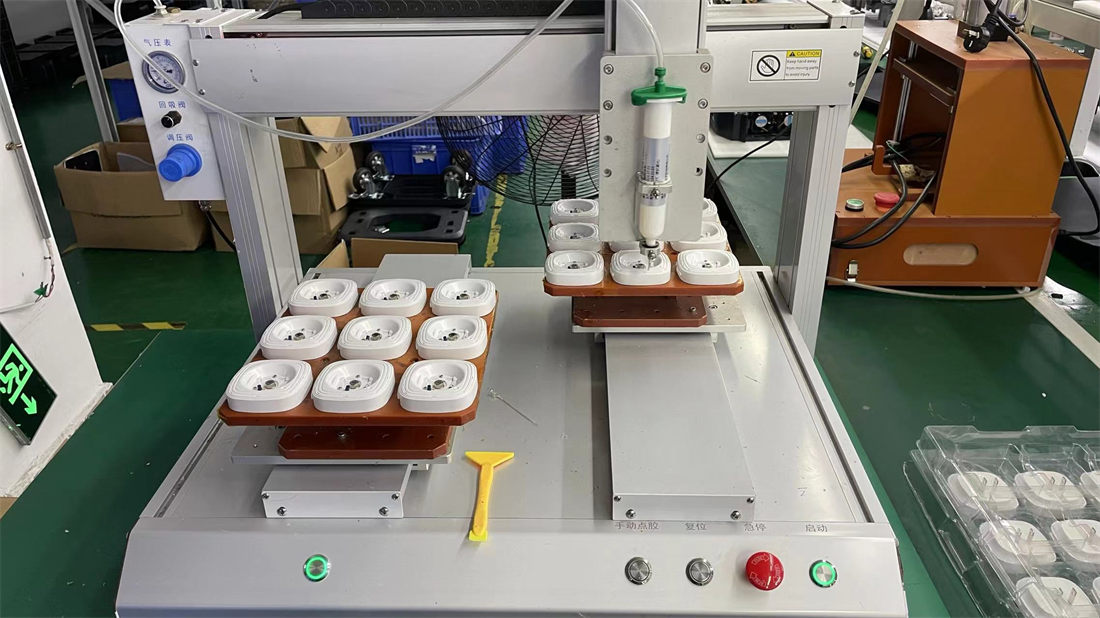
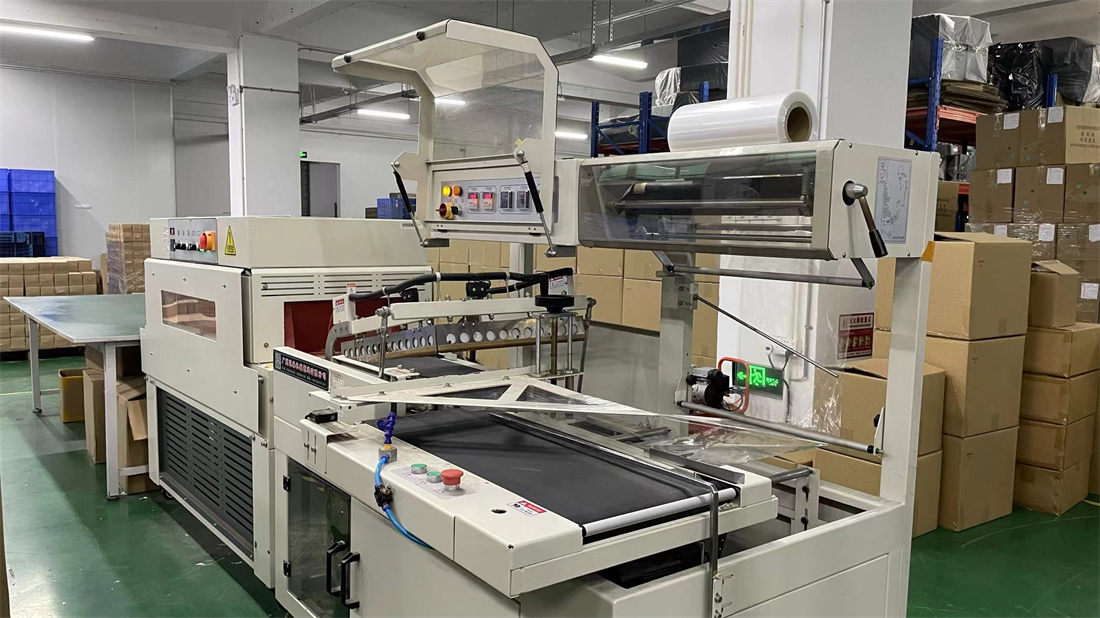
Over the years, we have built a comprehensive production ecosystem. By integrating hardware development, strict material validation, and advanced QA diagnostics, we deliver products that satisfy the strict demands of EPC contractors and industrial distributors across Europe, North America, South America, Asia, and Africa.
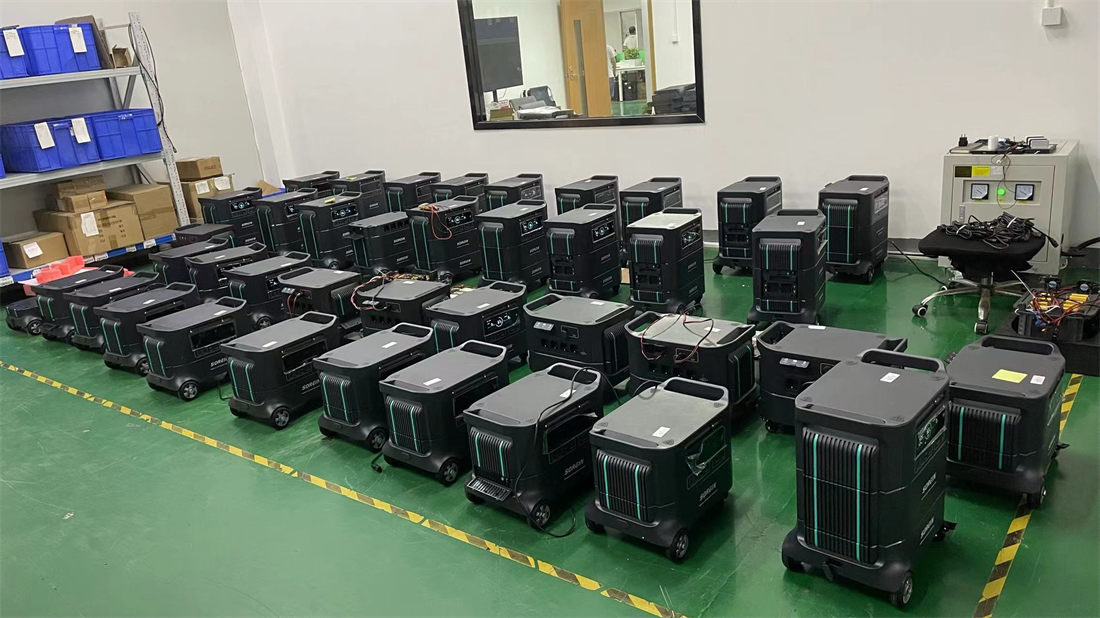
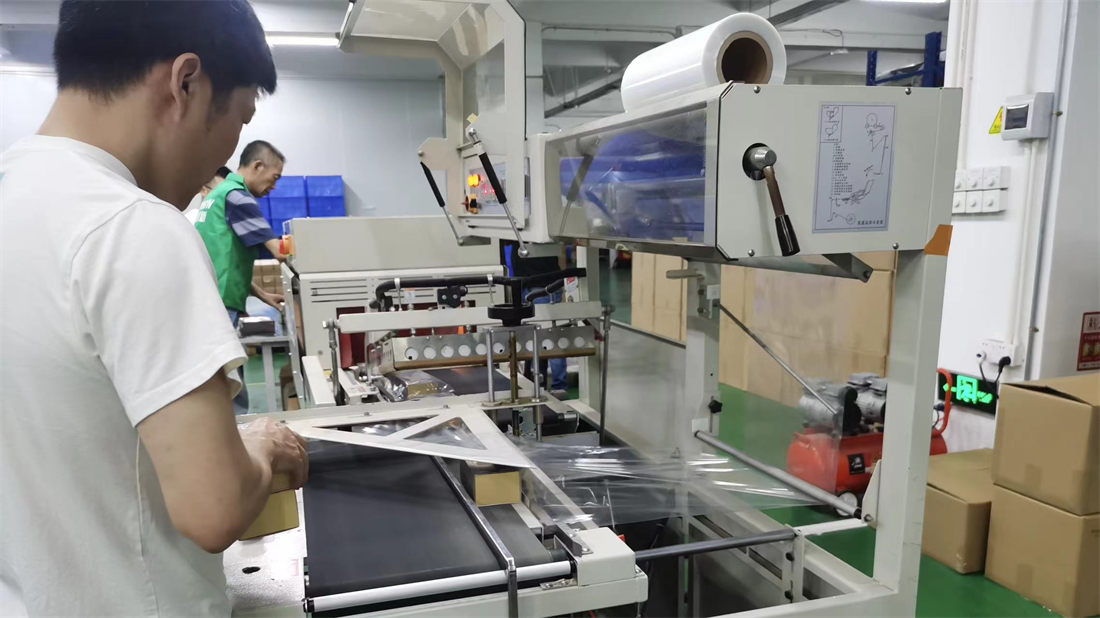
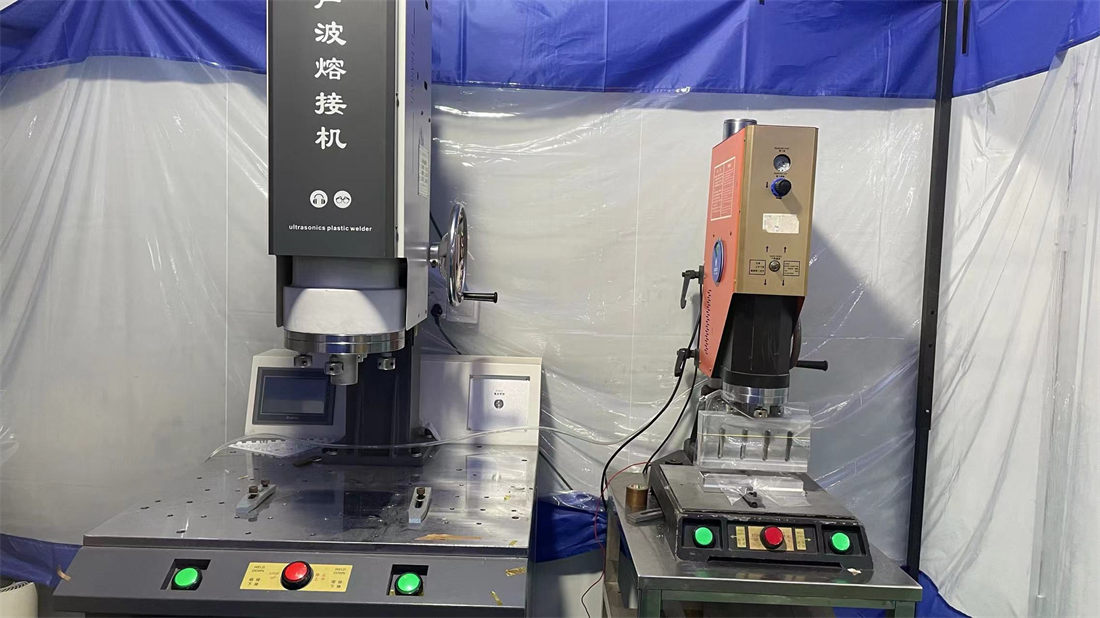
Every solar system component undergoes rigorous testing routines, including high-frequency welding checks, automated optical inspection, environmental aging tests, and precise output calibration. Our state-of-the-art facilities operate under strict quality management frameworks to ensure that our systems can withstand harsh outdoor environments, including marine, desert, and extreme cold regions.
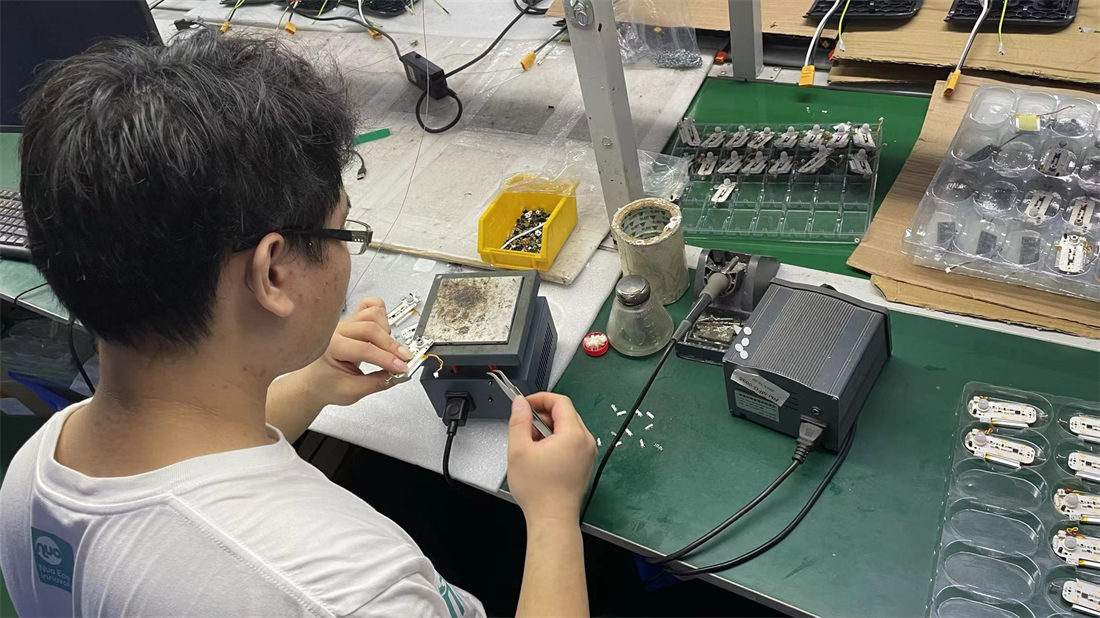
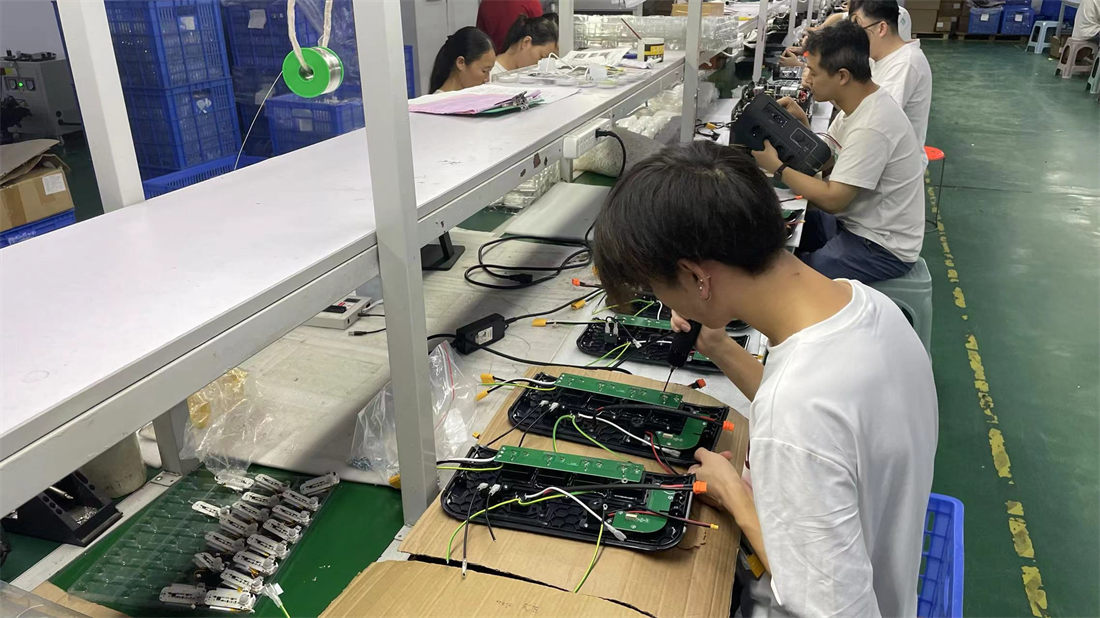

Ensuring absolute alignment with global grid specifications, import protocols, and after-sales support systems.
Navigating varying regional standards is a key challenge in solar hardware procurement. Our product lines undergo strict testing to meet international market requirements. All commercial streetlights comply with CE, RoHS, and IP66/IP67 waterproofing certifications, guaranteeing stable performance in humid coastal areas. Our hybrid solar inverters and energy storage units meet CE and local grid protection requirements, ensuring seamless integration with regional utilities.
We work closely with leading logistics providers to ensure secure, reliable ocean, air, and rail transport. For complex engineering installations, such as utility-scale tracking arrays and multi-kilowatt battery systems, our technical team provides detailed structural diagrams, electrical schematics, and remote commissioning support. This helps project installers minimize setup time and prevent wiring errors.
Technical guidance and commercial insight for corporate procurement agents and engineering contractors.
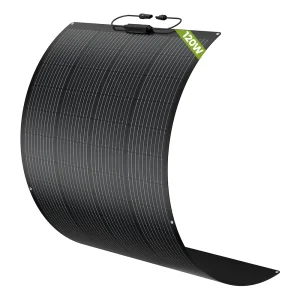
Traditional monocrystalline panels feature higher conversion efficiency under direct vertical sunlight. However, CIGS (Copper Indium Gallium Selenide) thin-film panels offer superior flexibility, allowing them to bend to match curved structures (like RV roofs, metal hulls, or circular building columns). CIGS also delivers better performance under low-light or cloudy conditions, and is less affected by partial shading.
Our hybrid MPPT inverter uses real-time DSP microcontrollers to monitor input and output parameters. If the grid experiences voltage spikes, the inverter's isolation relays disconnect in under 10 milliseconds, protecting the LiFePO4 battery pack from overcurrent. The system also manages battery cell temperatures and voltages, preventing overcharging and thermal runaway.
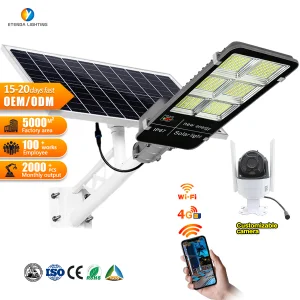
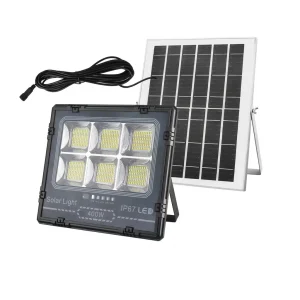
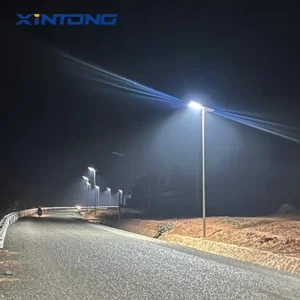
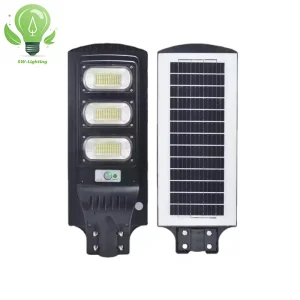
Our streetlights use high-strength aluminum alloy or impact-resistant ABS housings, which are treated with anti-corrosion finishes. They feature IP65 to IP67 ingress protection, sealing the internal LED drivers, batteries, and controllers against moisture, salt spray, and dust.
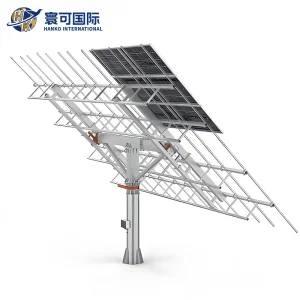
The tracker uses dual-axis positioning algorithms to adjust both azimuth and elevation angles, keeping the solar panels perpendicular to the sun's rays all day. Compared to fixed mounting configurations, our dual-axis solar tracking systems can increase annual power generation by 25% to 35% depending on the region.
Yes. As a direct manufacturer, we offer comprehensive OEM and ODM services. This includes customized power and voltage configurations, custom battery capacity scaling, and custom branding on housing components to meet specific project guidelines.
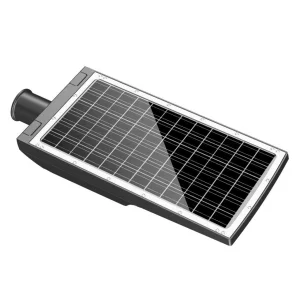
Explore our complete range of certified off-grid solar lamps, flexible PV arrays, and complete hybrid energy storage solutions.
 Soweglow Solar