The global energy paradigm is experiencing an unprecedented structural transformation. As nations align their long-term economic strategies with net-zero carbon mandates and ESG obligations, solar energy has transitioned from an alternative asset class to the foundational pillar of utility-scale power grids. China, functioning as the primary technological and manufacturing locus for solar cells, mounting brackets, microgrids, and storage units, represents the absolute core of the global solar supply chain. Purchasing directly from authoritative suppliers ensures that capital expenditure (CapEx) yields maximum lifetime performance, minimum operational expenditure (OpEx), and optimized Levelized Cost of Energy (LCOE).
"Investing in solar infrastructure is no longer merely a corporate social responsibility checkpoint. It is a high-yield macroeconomic strategy that safeguards enterprises against volatile fossil-fuel markets while generating stable, multi-decade cash flows through clean energy generation."
This industry document serves as a comprehensive analysis of the investment landscapes, structural applications, technological pathways, and production capabilities that define Soweglow Solar Co., Ltd.'s wholesale energy product offerings. By exploring structural support solutions, smart controllers, advanced storage systems, and intelligent municipal illumination, we present the structural blueprint for institutional and enterprise solar investments globally.
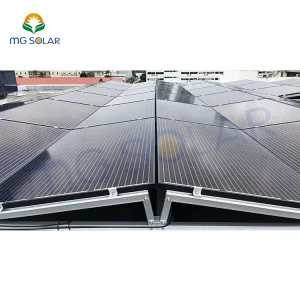
C&I enterprises are increasingly adopting rooftop arrays and carport mounting systems to bypass rising industrial utility rates. By utilizing rugged aluminum and steel mounting channels, businesses ensure a stable 25-year structural lifespan, enabling predictable internal rates of return (IRR) of up to 15-20% depending on geographical solar irradiance.
Remote municipalities, island communities, and off-grid agricultural operations are deploying autonomous microgrids. By combining high-efficiency monocrystalline flexible modules with industrial MPPT controllers and battery storage systems, these installations eliminate fuel transport costs and secure uninterrupted energy independence.
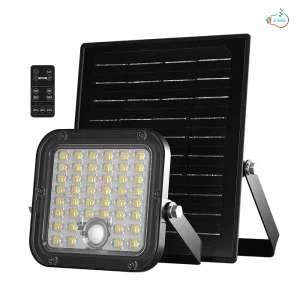
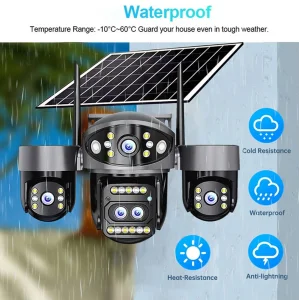
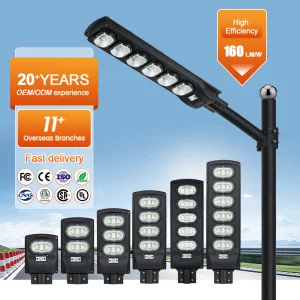
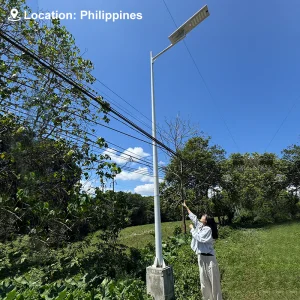
Urban upgrades are incorporating solar-battery smart streetlights integrated with security systems. This reduces public infrastructure wiring costs, utilizes localized clean energy, and integrates municipal surveillance directly with renewable power grids, drastically improving modern smart city capabilities.
In response to supply chain disruptions and cargo constraints, international procurement officers are shifting away from fragmented component sourcing. They are moving towards vertically integrated partnerships with direct-from-factory suppliers in China. This transition ensures that mounting rails, structural channel brackets, solar charge controllers, battery generators, and high-yield flexible panels are designed to interface seamlessly. As a result, this reduces installation errors, controls structural tolerances, and minimizes shipping friction.
High temperatures trigger thermal degradation in standard solar modules. By utilizing specialized aluminum rails, C-type/U-type structural brackets, and highly durable MPPT controllers with advanced thermal management (such as Soweglow's 12V-72V controllers), installers minimize system stress. Integrated Smart Streetlights with CCTV cameras utilize heavy-duty IP65 and IP66 casings to resist windborne sand abrasion and extreme diurnal temperature variations.
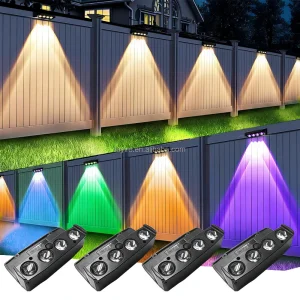
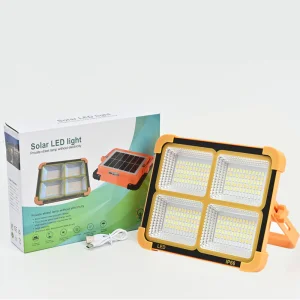
Coastal and offshore environments demand maximum resistance to galvanic corrosion. Systems installed in these zones require marine-grade anodized aluminum support rails, heavy-gauge steel channel photovoltaic stents, and hermetically sealed controllers. Soweglow's waterproofing protocols ensure that outdoor LED wall lamps, floodlights, and integrated smart cameras survive long-term exposure to salt fog, high humidity, and violent storms.
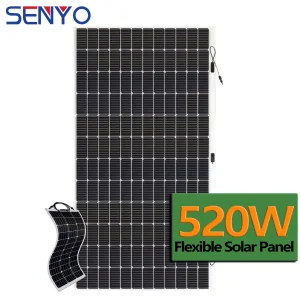
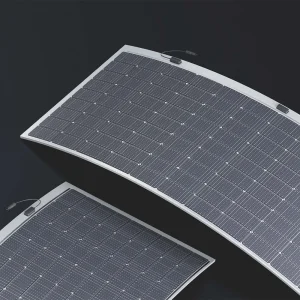
Urban space limitations necessitate architectural adaptation. Soweglow's flat roof mounting solutions allow installers to optimize panel tilt angles for maximum solar yield without piercing the roof's waterproofing membrane. For curved architecture, lightweight monocrystalline flexible panels (300w-500w) conform seamlessly to structural shapes, eliminating wind-loading concerns while significantly reducing building load stress.
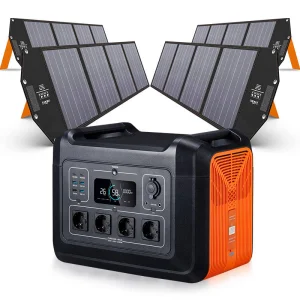
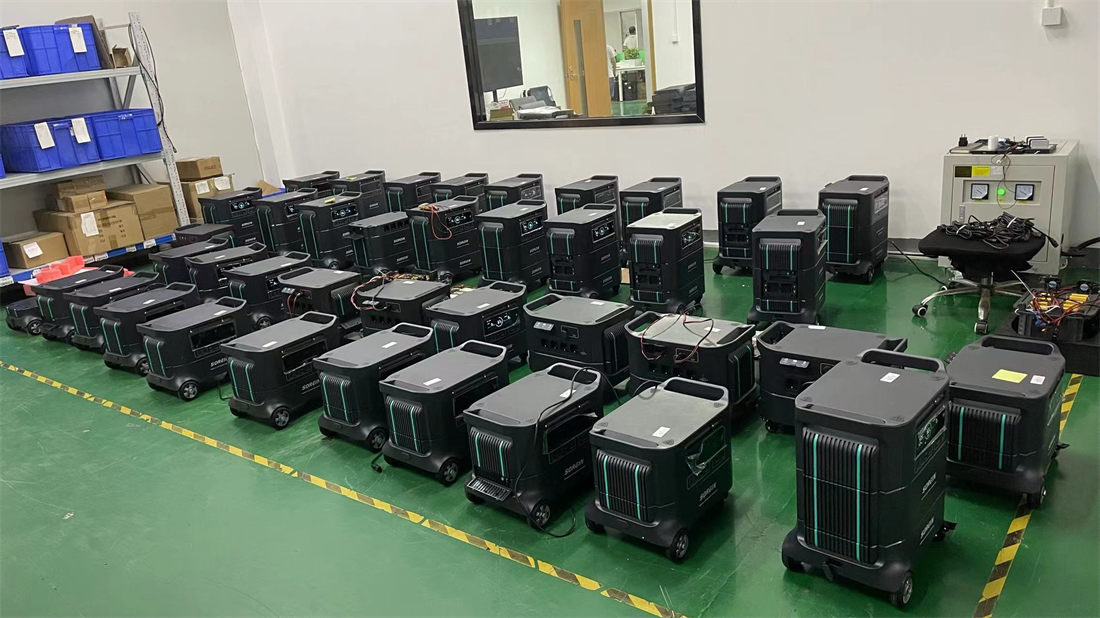
Grid vulnerability due to climate events has accelerated the demand for mobile off-grid power solutions. High-capacity portable LiFePO4 battery generators (such as the SOUOP 2400W camping powerstation) paired with folding/flexible monocrystalline solar modules provide relief organizations, mobile medical facilities, and wilderness expeditions with reliable, emission-free power.
The photovoltaic industry continues to advance in raw cell efficiency, power electronics, and energy storage chemistry. Understanding these technical pathways allows procurement managers and project developers to future-proof their supply chains and maximize asset longevity.
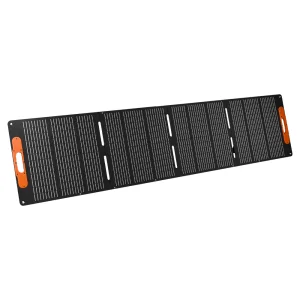
Monocrystalline silicon remains the industry benchmark, but structural design is evolving. Traditional glass-backed panels are heavy, making them unsuitable for older factory roofs or curved architectural elements. The integration of high-performance polymer encapsulants has enabled lightweight, flexible solar panels (300W–520W). These panels retain high conversion efficiency (over 21%) while resisting mechanical stresses, micro-cracks, and environmental degradation.
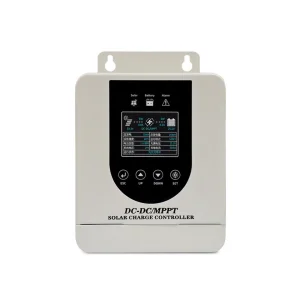
Power conversion efficiency depends directly on charge controllers. Modern Maximum Power Point Tracking (MPPT) systems analyze solar array output in real-time, matching load voltages to capture peak energy generation. These advanced devices feature buck-boost circuitry, high heat dissipation profiles, and compatibility with various battery chemistries (including Lead-Acid, Gel, and LiFePO4), ensuring stable power delivery even during partial shading.
Energy storage transition is heavily centered around Lithium Iron Phosphate (LiFePO4) technology. LiFePO4 cells offer excellent thermal stability, an eco-friendly chemical footprint, and a long cycle life (often exceeding 3,500 to 6,000 cycles at 80% Depth of Discharge). These performance characteristics make them ideal for rugged portable power stations and commercial battery storage systems (BESS).
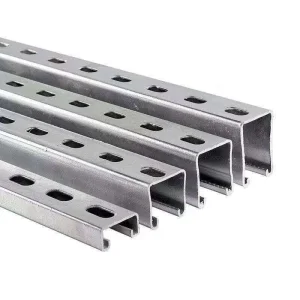
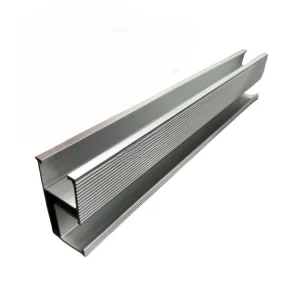
Rooftop solar arrays must withstand wind-uplift pressures and snow loads over decades of exposure. Cold-formed C-type and U-type steel channels, along with extruded aluminum mounting rails, provide the structural foundation for solar projects. Precision-engineered splice joints and bracket accessories are critical to simplifying field installation and maintaining structural integrity across varying temperature cycles.
Shenzhen Soweglow Solar Co., Ltd. is a professional and reliable manufacturer and supplier specializing in solar energy products, renewable energy solutions, and intelligent solar lighting systems. Located in Shenzhen, China, one of the world's most innovative and dynamic technology hubs, we have been committed to the solar industry for many years, providing high-quality products and customized energy solutions to customers worldwide.
Driven by the mission of promoting clean energy and sustainable development, Soweglow Solar focuses on delivering efficient, environmentally friendly, and cost-effective solar products that help reduce energy consumption and carbon emissions. Through continuous innovation, strict quality control, and customer-oriented service, we have established long-term partnerships with clients across Europe, North America, South America, Africa, Southeast Asia, and the Middle East.
Our experienced team possesses extensive expertise in solar lighting, photovoltaic systems, energy storage solutions, project management, manufacturing, and international business. We continuously invest in research and development to ensure our products meet evolving market demands and international quality standards.
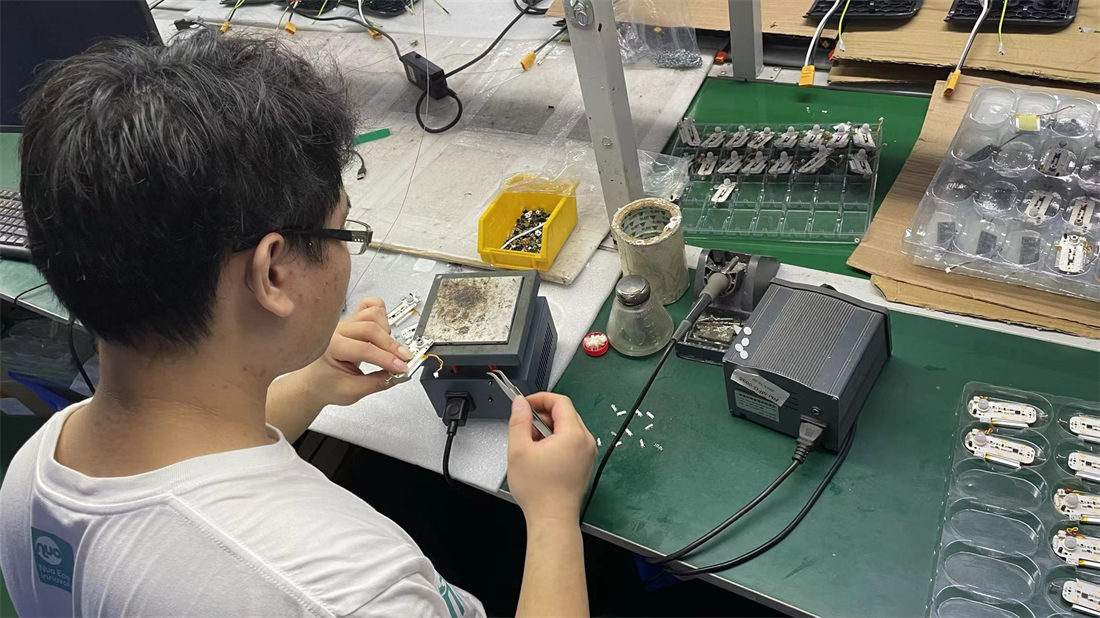
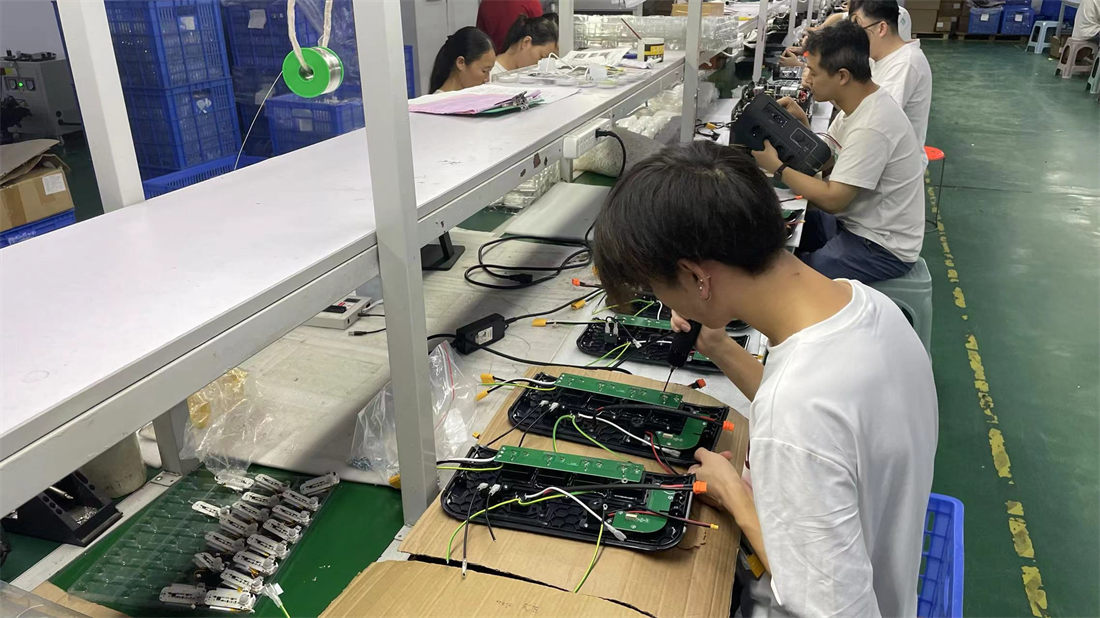
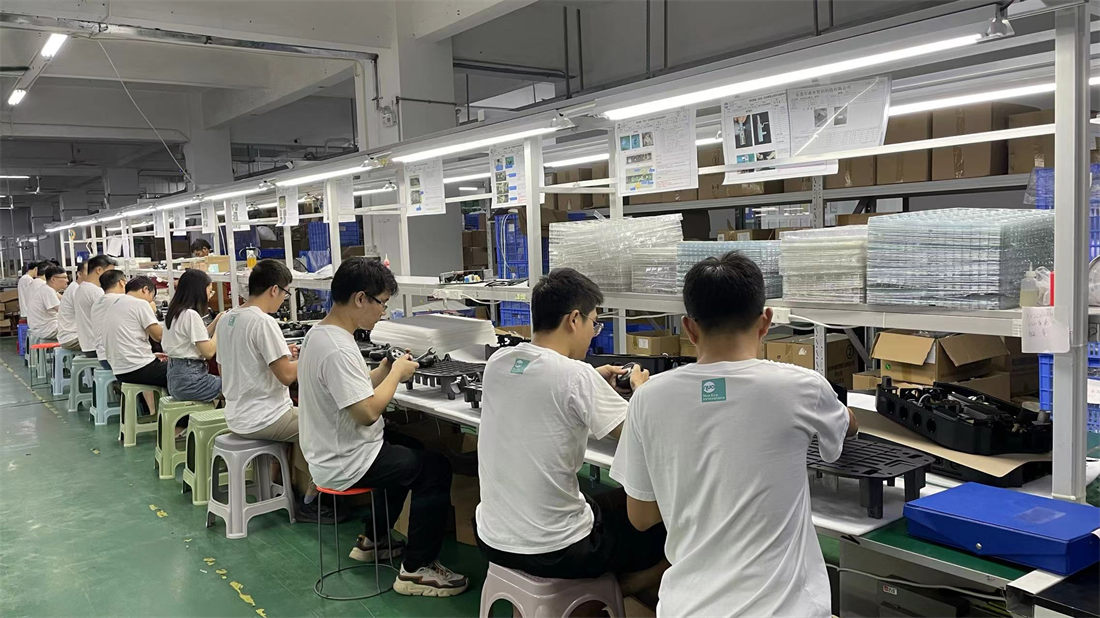
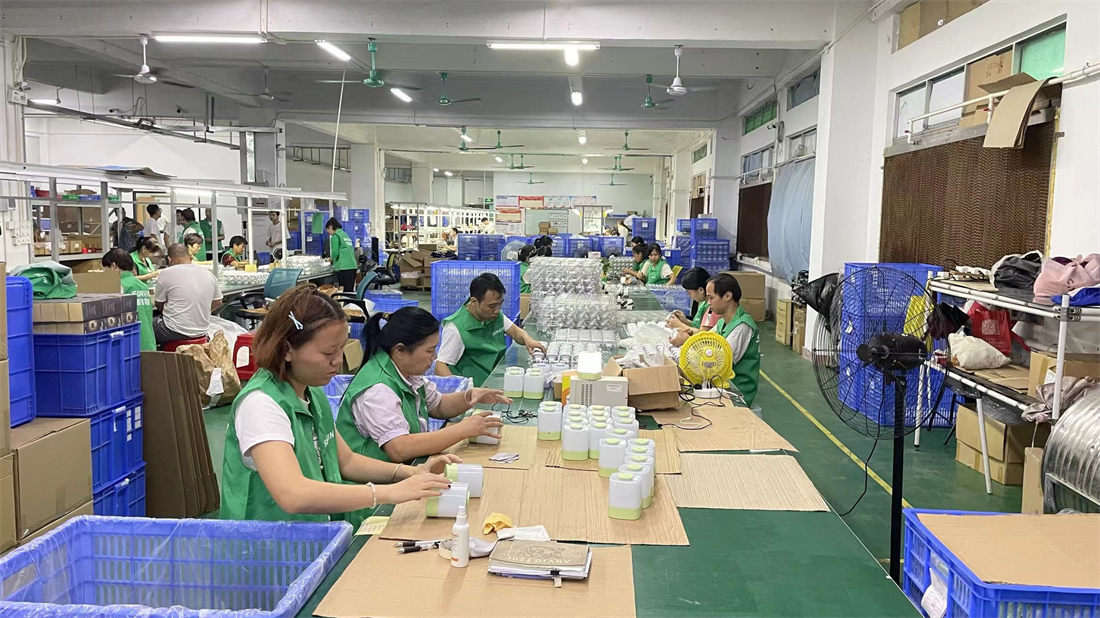
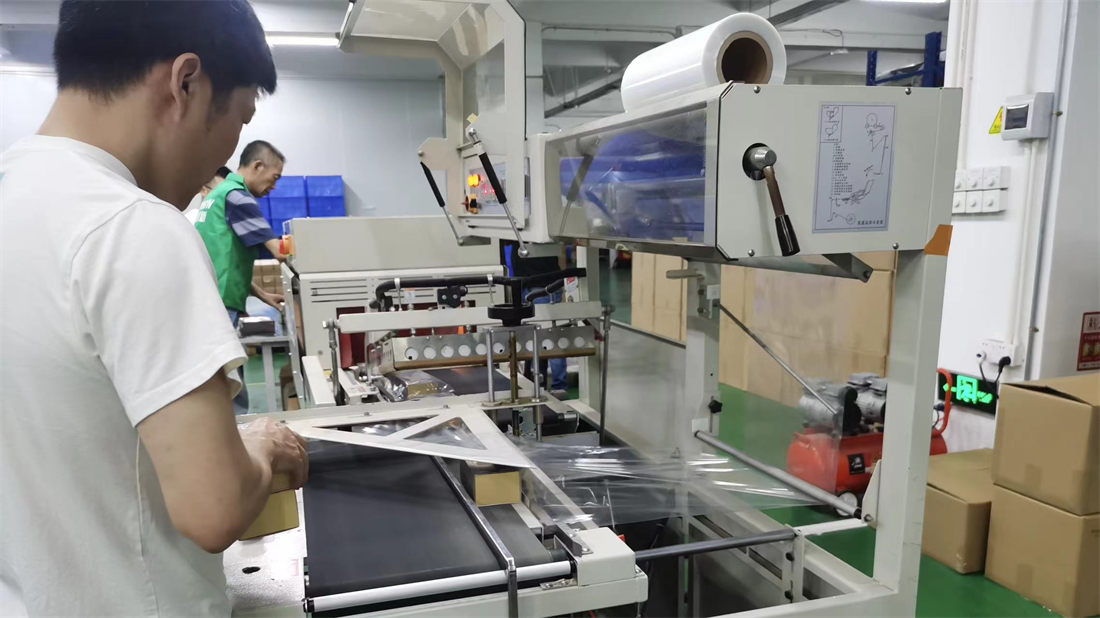
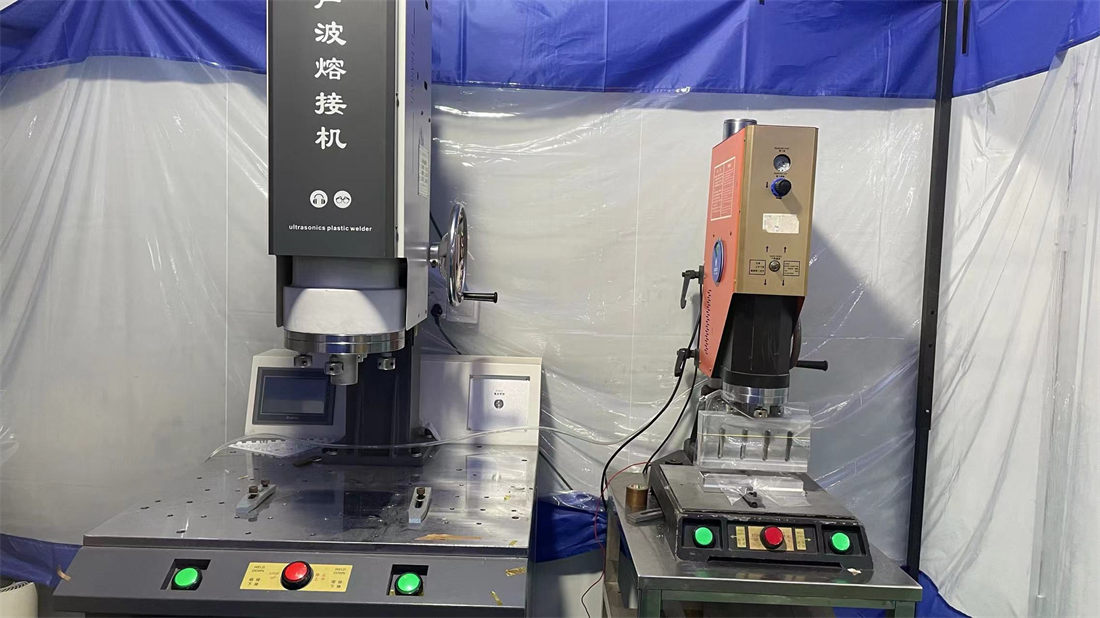
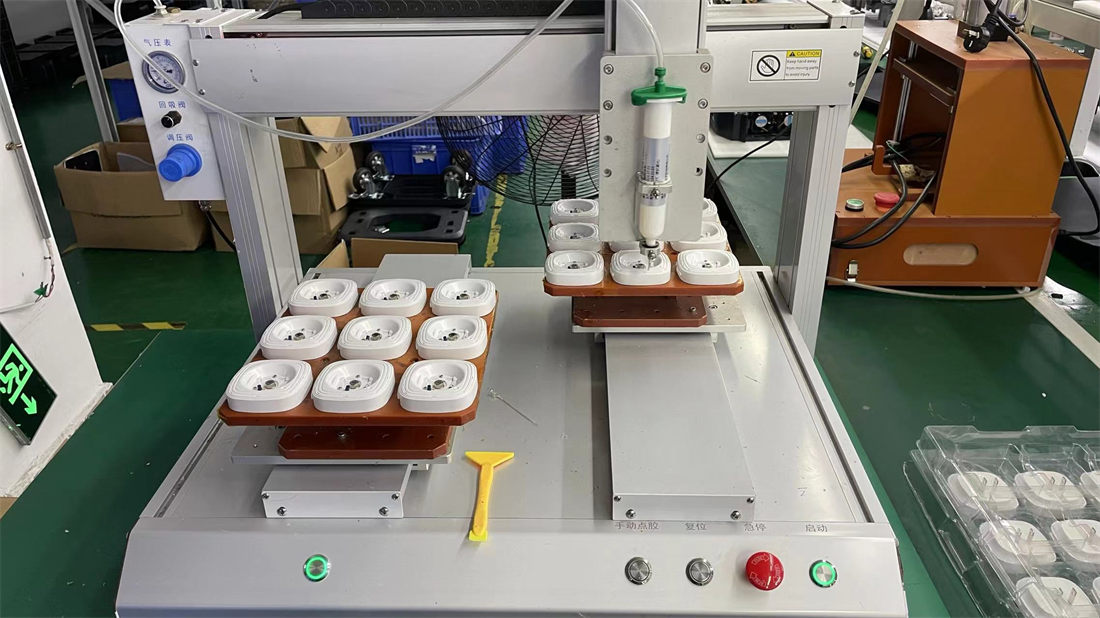
Quality is the foundation of our business. Every product undergoes strict quality inspections throughout the entire production process, from raw material selection to final assembly and shipment. Our manufacturing facilities operate under comprehensive quality management systems to ensure product reliability, safety, and long service life. We continuously improve our production processes and technology to provide products that comply with international certifications and industry standards.
To accelerate the adoption of renewable energy by providing innovative, efficient, and sustainable solar solutions that create long-term value for customers and contribute to a greener future.
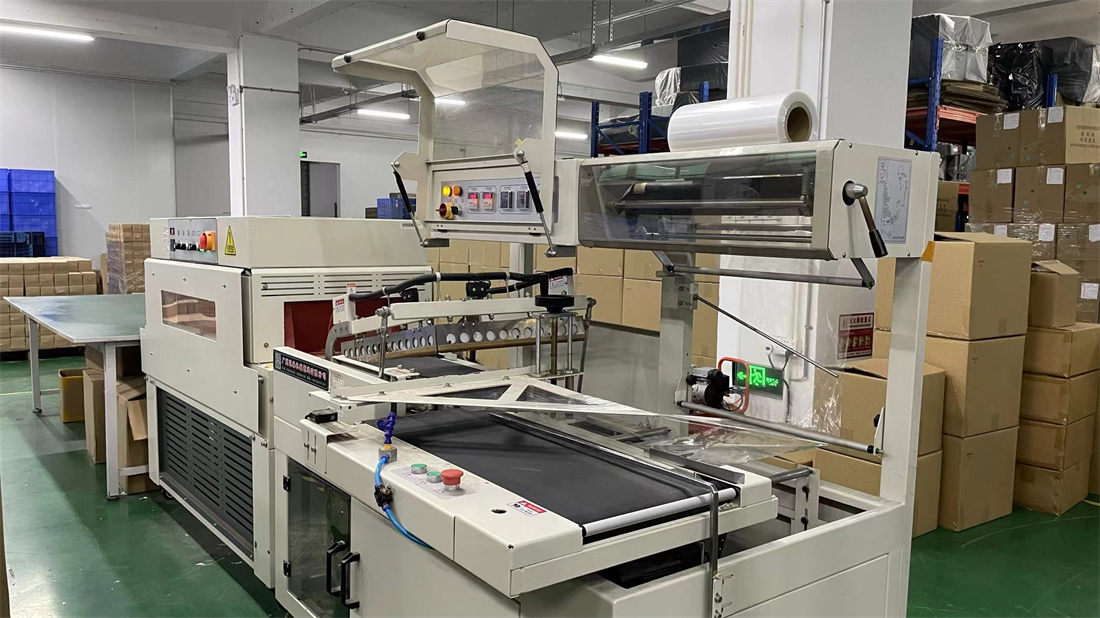
Maximizing returns on solar investments requires a comprehensive system integration strategy. Sourcing individual parts from disparate markets often introduces compatibility issues that compromise structural efficiency. A unified procurement approach addresses these challenges through coordinated engineering:
Integrated Structural Integrity: Designing steel U-type and C-type support brackets in tandem with aluminum mounting rails allows engineers to calculate precise wind-load and dead-load capacities. This reduces the risk of structural failure during high-wind events and seismic activity.
Optimized Power Regulation: Matching solar charge controllers to battery parameters prevents overcharging and undercharging. This level of system integration stabilizes voltage output, protects battery health, and maximizes round-trip storage efficiency.
Unified Municipal Infrastructure: Smart streetlights that combine solar power, LiFePO4 storage, and surveillance cameras eliminate the need for trenching and external wiring. This provides municipalities with a self-sufficient security and lighting solution that remains operational during grid outages.
By coordinating mounting hardware, electrical controls, and storage solutions, developers can streamline the installation process, lower soft costs, and establish a reliable, long-term clean energy infrastructure.
Flexible panels (300w-520w) provide key mechanical benefits in specific scenarios. They are lightweight (saving up to 70% in weight compared to glass panels) and conform to curved surfaces, making them ideal for transportation, low-load rooftops, and mobile applications. Rigid panels, conversely, remain the default choice for ground-mounted arrays where structure weight is not a constraint and absolute yield-per-square-meter needs to be maximized.
An MPPT (Maximum Power Point Tracking) controller continuously monitors the current and voltage of the solar panels, adjusting the electrical operating point to deliver maximum available power to the battery bank. Unlike PWM controllers, MPPT systems can convert excess voltage into charging current, boosting system efficiency by up to 30%, especially in cold or overcast environments.
Lithium Iron Phosphate (LiFePO4) offers significant advantages in cycle life and safety. It remains chemically stable under high temperatures and resists thermal runaway even if damaged. Additionally, it supports thousands of charge cycles with minimal capacity loss, outperforming traditional ternary lithium (NMC) batteries in long-term reliability.
Our C-type and U-type steel channels, aluminum rails, and structural splices are manufactured to handle harsh environmental conditions. They are engineered to comply with international wind load and snow load standards, utilizing hot-dip galvanization and anodization coatings to prevent corrosion over a 25-year service life.
 Soweglow Solar