Custom OEM Integrated Solar Solutions Manufacturers & Exporter

Decarbonizing Global Industries Through Advanced Photovoltaic Systems, Scalable Smart Grid Assemblies, and Turnkey Clean Energy Infrastructures

Industrial Whitepaper: Navigating the Global Shift to Integrated Photovoltaics

An in-depth analysis of supply-chain mechanics, customizable hardware design, and E-E-A-T manufacturing standards.

Global Market Dynamics

Decentralized grid networks and heavy industrial ESG imperatives are forcing a massive shift from traditional central solar farms to highly distributed, localized OEM integrated solar structures.

Custom OEM Integration

Standardized components frequently fail to align with spatial, climatic, or load-bearing parameters of specific commercial project environments. Custom design is no longer optional; it is a necessity.

EEAT Manufacturing Rules

Rigorously tested, fully certified mounting solutions and electrical configurations ensure 25+ years of operational durability. Safety, materials tractability, and factory audits verify reliable output.

1. The Commercial & Industrial Energy Landscape

As the international transition towards net-zero carbon operations accelerates, heavy industrial, commercial real estate, and municipal infrastructure developers face a critical technical bottleneck: the inefficiency of off-the-shelf photovoltaic assemblies. Standard configurations struggle to account for complex wind load factors, regional irradiance limits, or customized electrical architecture integrations. Consequently, Custom OEM Integrated Solar Solutions have transitioned from a premium niche option to the global baseline for high-yield solar deployment.

Modern global logistics networks, automated processing facilities, and smart security installations demand dedicated off-grid power structures. Commercial installations require high reliability in harsh environments, ranging from extreme desert heat to maritime coastal environments with high salt mist corrosion. Building structural safety rules demand customized aluminum and steel mounting options engineered precisely for the mechanical stresses of the target site. Shenzhen Soweglow Solar Co., Ltd. fills this exact market gap, combining high-grade raw material procurement, intelligent design validation, and premium logistics support.

"Integrating custom solar components reduces overall Balance of System (BOS) costs by up to 18% compared to adapting pre-fabricated retail modules to complex site parameters. Precision manufacturing is the foundation of high-performance modern micro-grids."

2. Shenzhen & China Manufacturing Efficiency Advantages

Shenzhen represents the global epicenter for electrical component design, material supply chain density, and fast-paced technological iteration. Operating from this advanced technological ecosystem, Shenzhen Soweglow Solar Co., Ltd. synthesizes premium mechanical engineering with robust supply-chain control. This localized cluster advantage allows us to rapidly secure raw monocrystalline silicon wafers, corrosion-resistant anodized aluminum extrusions, and advanced structural steel elements with minimal logistical lead times.

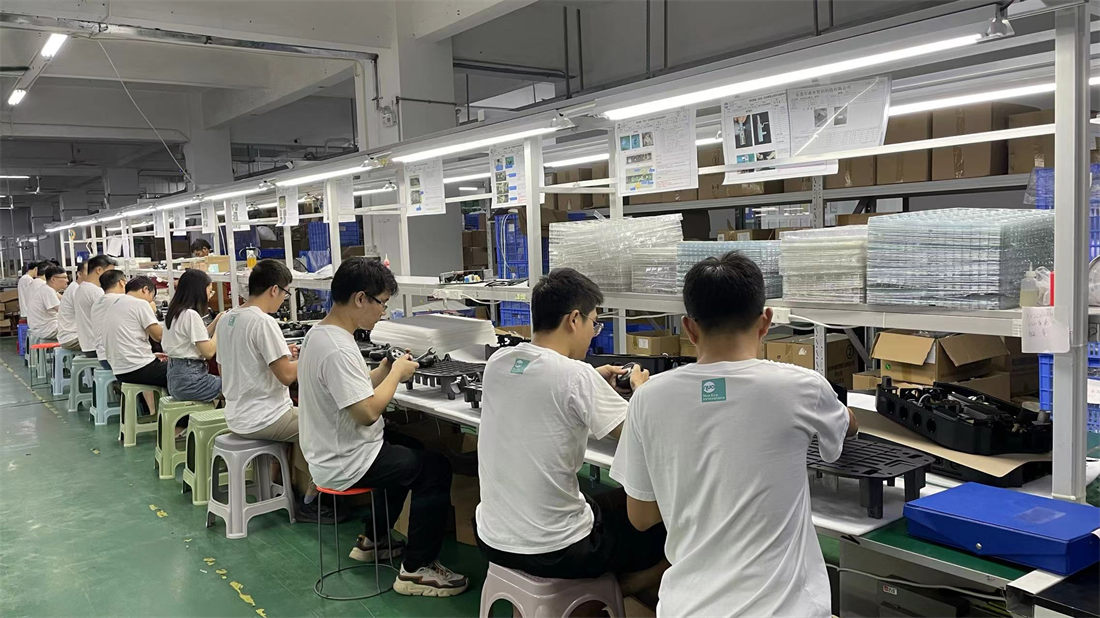
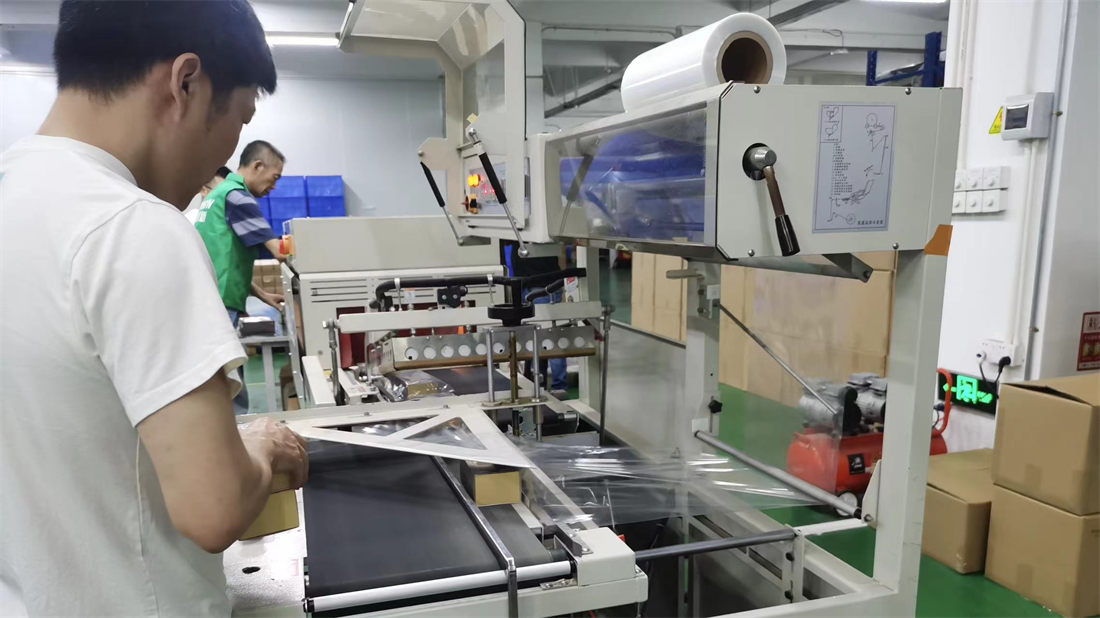
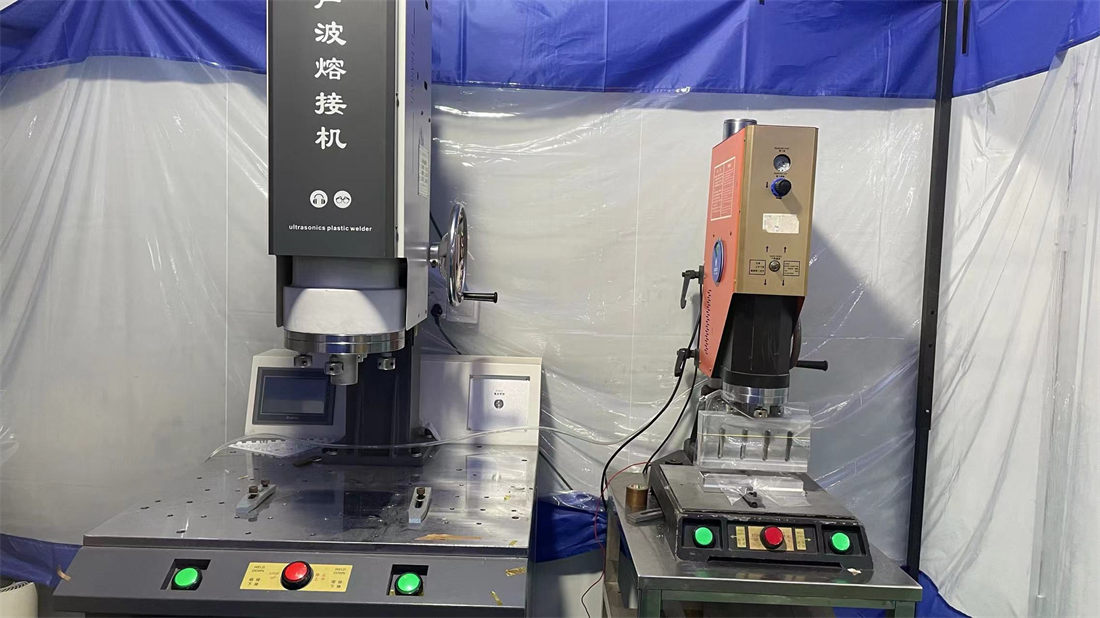
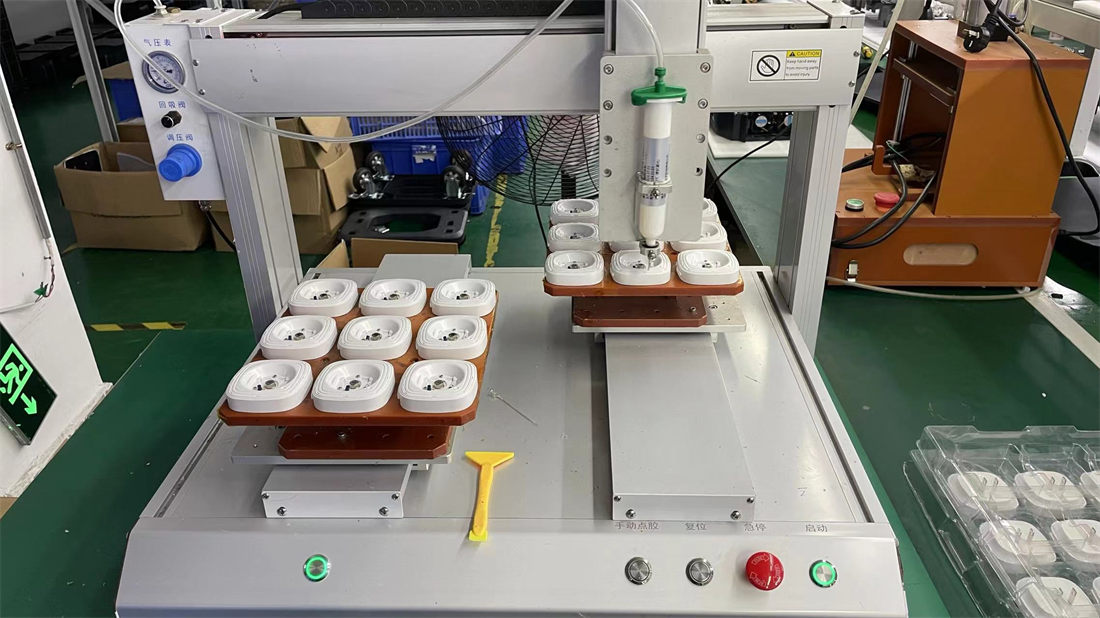
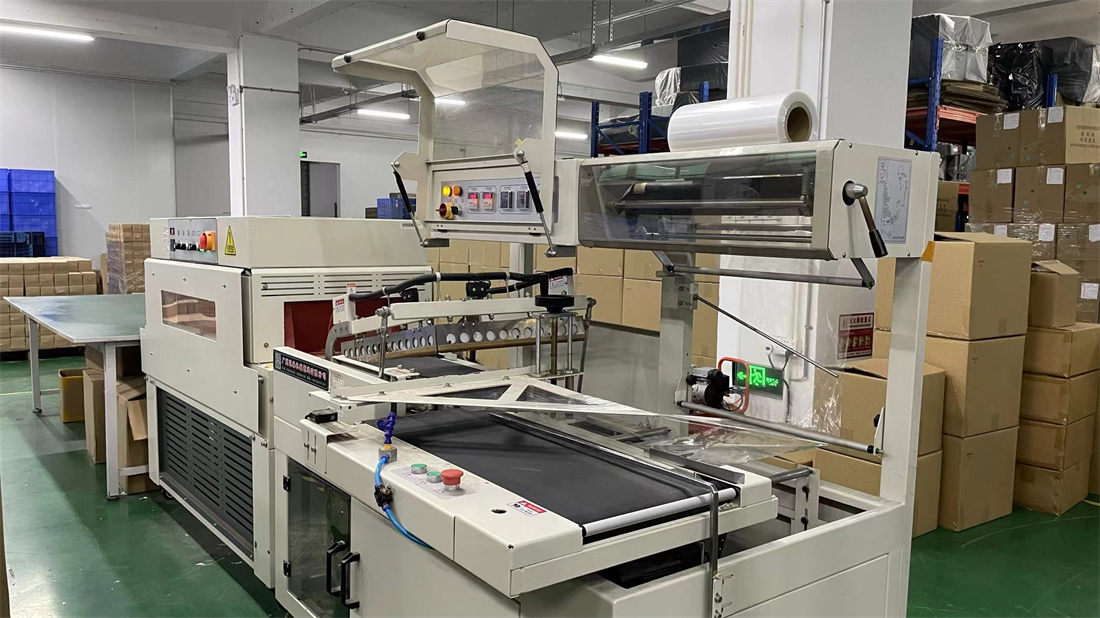
By using optimized manufacturing tools such as our Ultrasonic Welding Machine, Automatic Glue Dispensing Machine, and Automatic Film Shrinking Machine, we maintain tight tolerances and high production speeds. Automation reduces manual error margins, resulting in consistent weld integrity and moisture-proof sealing profiles. Our automated assembly and continuous testing lines ensure that every solar lighting post, carport frame, and mounting structure meets strict structural compliance profiles prior to export.

99.8%
Factory Pass Rate
25+ Yrs
Expected Service Life
80+
Countries Exported
12,000+
Storage Battery Cycles

3. Localized Application Scenarios & Custom Integration Cases

A key principle of E-E-A-T is demonstrating real-world operational competence. Integrated solar systems operate in highly diverse physical environments. Understanding the specific local challenges allows for target-oriented OEM configurations:

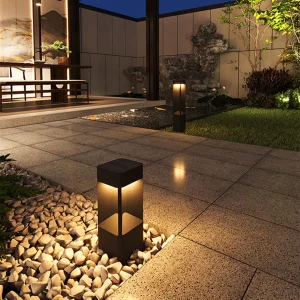
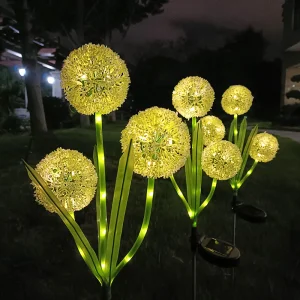
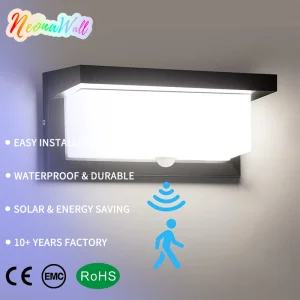
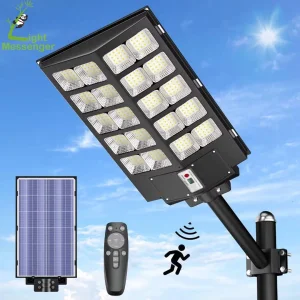
  • Smart Urban & Landscape Infrastructure: Utilizing warm-light LED systems like the IP65 Waterproof Lawn Light and specialized *Dandelion Floor Lamps* allows parks, golf courses, and luxury resorts to minimize grid wiring infrastructure, saving substantial labor and ground disturbance costs during installation.
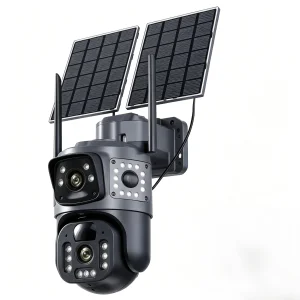
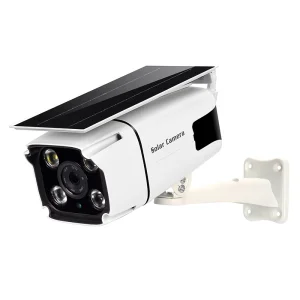
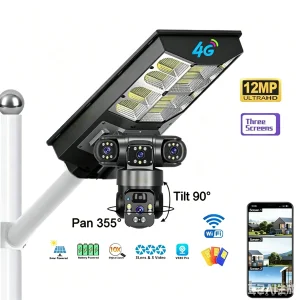
  • Off-Grid Security & Telecom Monitoring: Critical installations, such as oil pipelines, forest reserves, and municipal boundaries, require 24/7 surveillance. Integrating solar-powered PTZ 4G and WiFi outdoor cameras with local low-power NVR storage ensures uninterrupted operation, even during extended cloudy spells, through calculated battery reserve architectures.
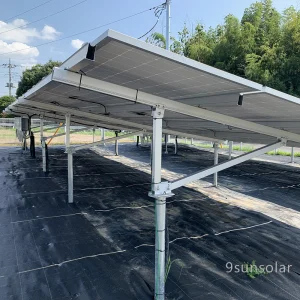
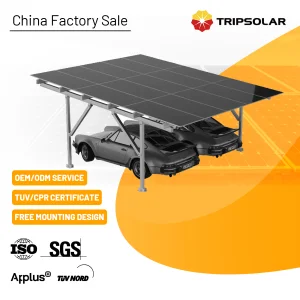
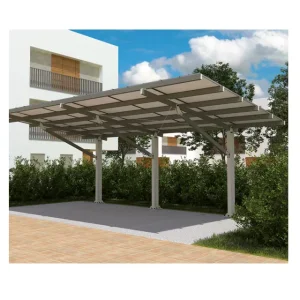
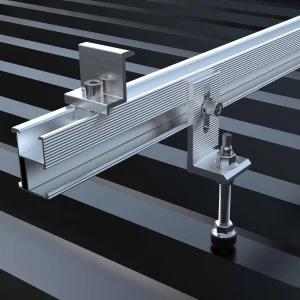
  • Industrial Carports & Roof Structures: Solar structural integration reaches its peak with aluminum carports and rooftop L-feet mounting kit solutions. These systems turn open parking structures into localized micro-generation hubs, generating clean energy while physically protecting commercial vehicle fleets.

4. Strategic Quality Assurance Framework

To assure long-term reliability for EPC contractors and project developers, Soweglow implements a comprehensive multi-stage Quality Assurance (QA) workflow. Every module undergoes rigorous mechanical and electrical evaluations. Our factory testing protocol encompasses:
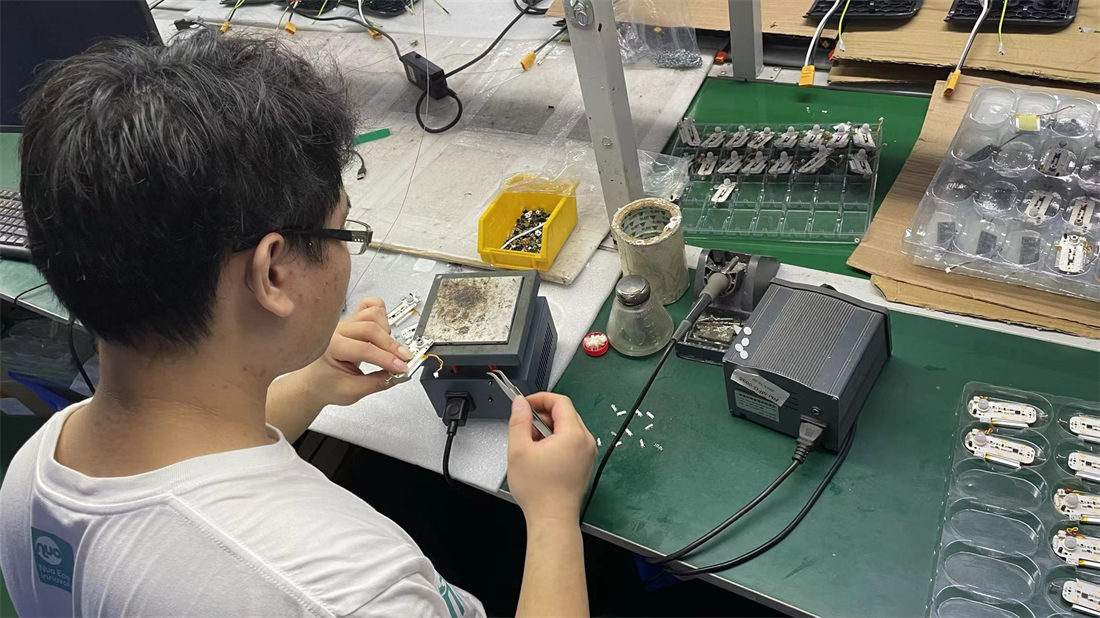
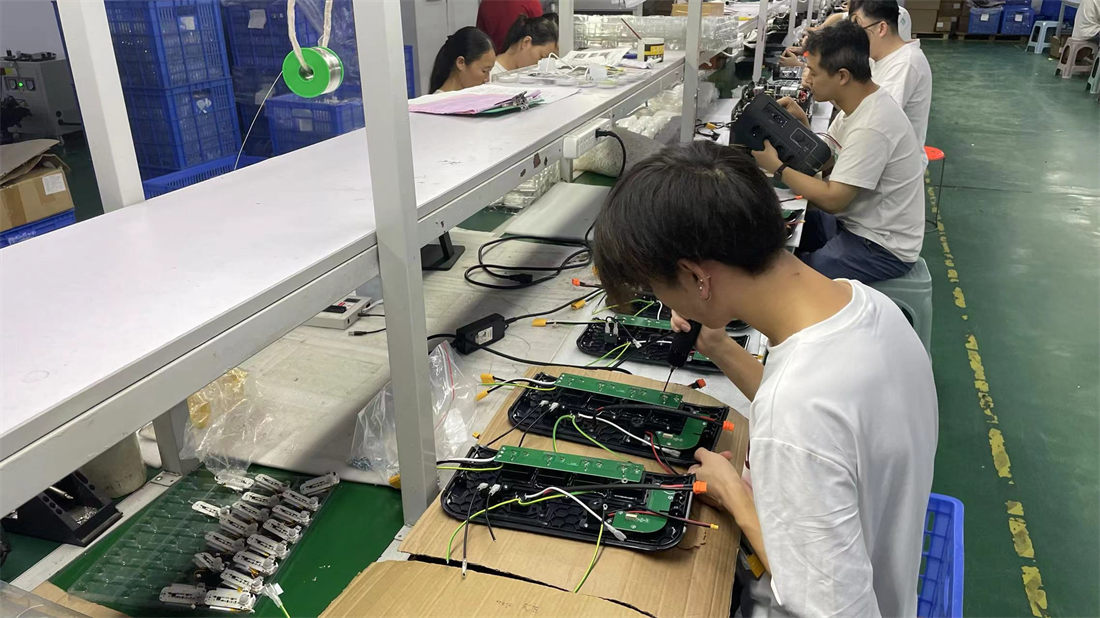
Welding Process at Soweglow Factory
Welding
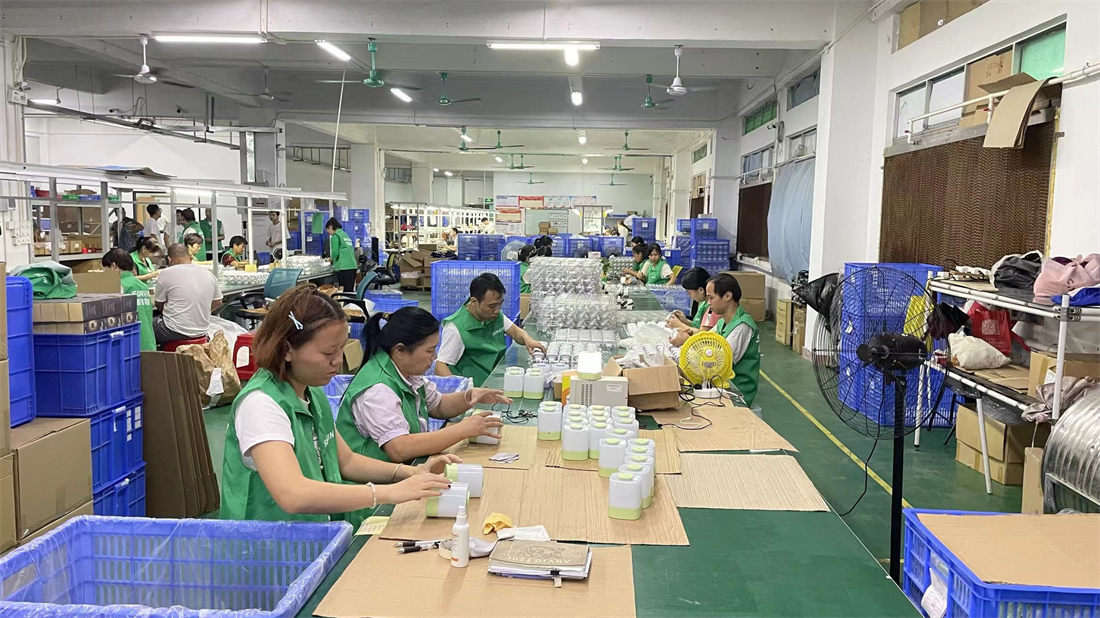
Assembling Line 1
Assembling 1
Assembling Line 2
Assembling 2
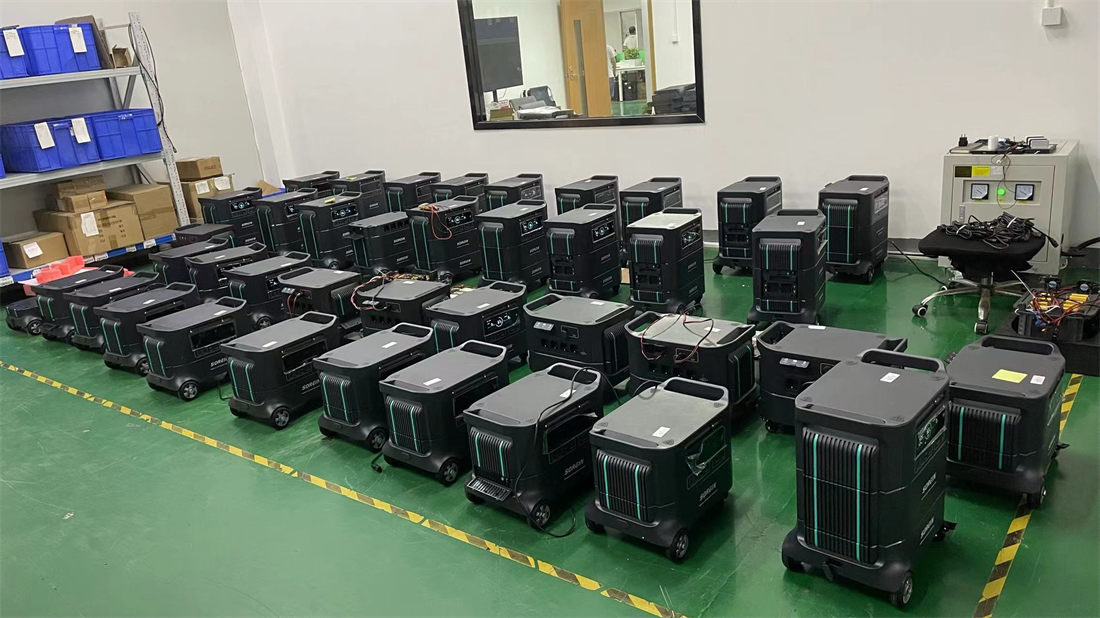
Aging Testing Area
Aging Testing
Quality Inspection Process
Inspection
Packaging Line
Packaging
Ultrasonic Welding Machine
Automatic Glue Dispensing Machine
Automatic Film Shrinking Machine

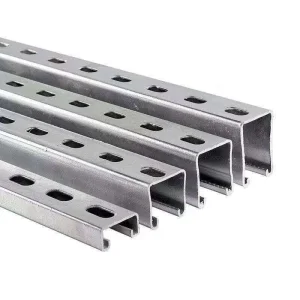
From the initial raw steel profile check to automated ultrasonic welding and final load-bearing calculations, every production phase is monitored. Our Aging Testing protocols simulate continuous heavy usage in accelerated environments, exposing components to elevated thermal and humidity variations. This predictive quality testing allows us to issue structural performance and yield guarantees with confidence, establishing Shenzhen Soweglow Solar Co., Ltd. as a reliable manufacturing partner on the global market.

Technical FAQ & Integration Engineering Guide

Expert answers addressing structural design, material certifications, electrical integration, and custom OEM processes.

1. What materials are standard for your solar mounting brackets to prevent corrosion in coastal areas?
For marine or coastal zones with high salt-air exposure, we utilize highly anodized aluminum (Al6005-T5) with a minimum film thickness of 10-15 microns, or hot-dip galvanized steel (Q235B) with average zinc coatings exceeding 80 microns. This ensures our brackets, including our ground-mounting and roof-mount systems, maintain structural integrity and remain free from rust for over 25 years.
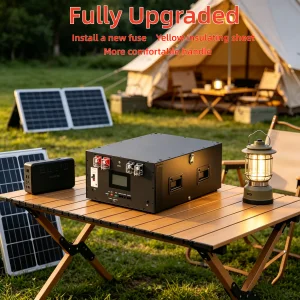
2. How does the 12,000 cycle time of your portable solar storage generators compare to industry standards?
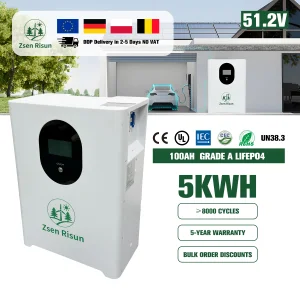
Standard retail energy storage devices typically offer 2,000 to 3,000 cycles. Our premium energy storage cases use LiFePO4 cells configured with active-balancing Battery Management Systems (BMS). Under controlled DOD (Depth of Discharge) parameters, these systems can deliver up to 12,000 cycles before reaching 80% of their original capacity, which represents an operational lifespan of over 10 years in continuous cyclic utility.
3. Can the 4G/WiFi security solar cameras run continuously during long winter periods without sunlight?
Yes. Our intelligent PTZ solar cameras are designed with smart low-power operating modes. The camera remains in a standby state, consuming minimal power, and wakes up instantly when triggered by radar or motion events. When coupled with a customized high-capacity lithium battery bank and monocrystalline panels, the system can support up to 5-7 consecutive rainy or overcast days without external recharging.
4. What customization options do you offer for solar photovoltaic panels?
We provide comprehensive OEM support including customized mechanical dimensions, custom cell configurations (monocrystalline, N-Type, or flexible thin-film), diverse backing sheets, junction box placement, and customized cabling length with specific connector interfaces (such as MC4 compatible plugs) to match your custom product configuration.
5. Are your solar carports engineered to withstand high wind loads and heavy snow loads?
Absolutely. Every solar carport structure we manufacture undergoes rigorous finite element analysis (FEA). We design structures to withstand wind velocities of up to 60 meters per second (134 mph) and snow loads of up to 1.4 kilonewtons per square meter, ensuring structural compliance with local building codes across Europe and North America.
6. How does Shenzhen Soweglow ensure consistency during the automated assembly phase?
We utilize automated manufacturing machinery, including our Automatic Glue Dispensing Machine and Ultrasonic Welding Machine. Automation removes physical variance from critical structural welds and weatherproofing seals, yielding consistent performance across large production volumes.
7. What is the efficiency rating of your custom monocrystalline panels?
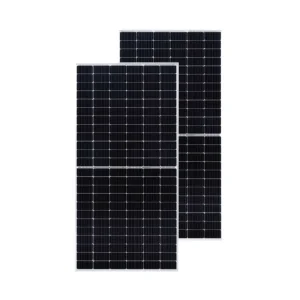
Our custom monocrystalline photovoltaic panels utilize high-efficiency PERC or N-Type TOPCon cells, achieving module-level conversion efficiencies ranging from 21.5% to 23%. This ensures maximum power output per unit area, which is critical for space-constrained industrial rooftops and integrated solar structures.
8. Do your outdoor lighting products carry IP65 or IP67 ratings, and how is this tested?
Our outdoor light and camera products are certified with IP65 to IP67 ingress ratings. During our quality inspection process, units undergo vacuum seal tests and high-pressure water spray chamber testing to verify that moisture cannot penetrate the enclosures, protecting the internal electronics over years of service.
9. What is the typical lead time for a custom OEM solar project?
For custom mounting bracket adjustments or standard module modifications, prototype verification takes roughly 7 to 10 days. Mass production averages 20 to 30 days depending on component availability and the current production schedule, with shipping organized directly out of Shenzhen or Guangzhou port.
10. Can you integrate third-party BMS configurations in your home energy storage kits?
Yes. Our home storage kits are compatible with leading hybrid inverter and communication systems. We frequently integrate systems like the JK Inverter BMS or other major brands, ensuring seamless communication (via CAN/RS485 protocol) with major global inverter brands.