Explore our leading-edge OEM/ODM solar solutions engineered for modern sustainable urban integrations, commercial micro-grids, and decentralized net-zero public works.
In the era of climate emergency and accelerating urbanization, the concept of a smart city is undergoing a profound paradigm shift. Modern municipal planners, real estate developers, and utility providers are transitioning away from passive, carbon-dependent power grids. Instead, they are prioritizing decentralized, building-integrated, and self-sufficient local energy architectures. As an industry leader in customized photovoltaic engineering, Shenzhen Soweglow Solar Co., Ltd. serves as a reliable global OEM/ODM manufacturing partner. We bridge the gap between architectural vision and robust, zero-emission physical deployments.
Sustainable urban development relies heavily on the widespread deployment of smart, grid-independent infrastructure. High-efficiency flexible solar cells, customized PV mounting frameworks, battery energy storage systems (BESS), and intelligent highway light-emitting diode (LED) networks are no longer luxury options. They are essential requirements for modern regulatory frameworks, including the European Union's Green Deal, global ESG directives, and national Net-Zero targets.
Based in Shenzhen, China—the world's preeminent hub for electronic manufacturing and green tech research—Shenzhen Soweglow Solar Co., Ltd. is a specialized manufacturer and exporter of solar energy systems and intelligent lighting solutions. With extensive experience in clean tech manufacturing, we deliver customized OEM and ODM solutions to clients in Europe, the Americas, Africa, Southeast Asia, and the Middle East.
Driven by a core mission to accelerate global renewable adoption, our team integrates research and development, high-capacity manufacturing lines, and strict quality verification frameworks. This integrated approach ensures that our components operate reliably under extreme climate conditions, from coastal environments to dry regions.
Our mission is to accelerate the adoption of renewable energy by providing innovative, efficient, and sustainable solar solutions. We aim to create long-term value for customers and contribute to a greener future by delivering technologies that reduce grid load, lower operational costs, and eliminate carbon footprint.
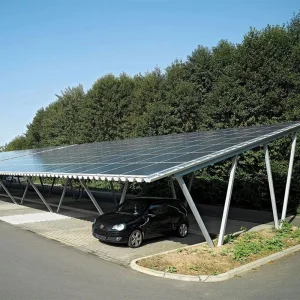
Modern smart grid standards emphasize reducing grid reliance. Integrating solar modules into existing urban surfaces—such as building facades, pedestrian pathways, and carports—helps municipalities mitigate localized grid congestion.
Urban infrastructure projects must comply with rigorous regional standards. These include structural wind-load requirements in North America, CE and RoHS environmental certifications in the EU, and IP65/IP66 ingress protection ratings for dust and moisture resistance.
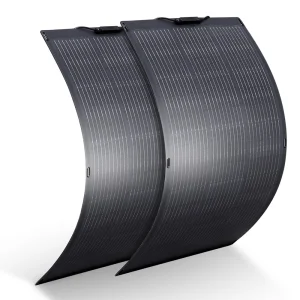
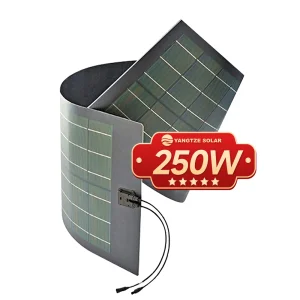
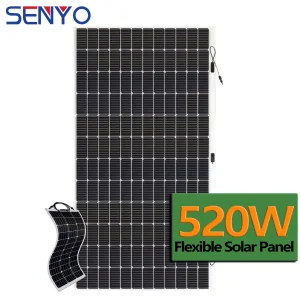
Standard flat solar panels often struggle with non-planar architectural features. Customized, semi-flexible, and lightweight PV modules (incorporating Sunpower back-contact cells or low-light Perovskite technologies) are essential for curved facades, vehicles, and portable energy units.
Large-scale commercial buyers, engineering procurement companies (EPCs), and governmental urban developers face distinct supply chain challenges. When selecting components, they evaluate long-term durability, structural integrity under high wind loads, degradation profiles, and electrical compatibility. Our customized manufacturing solutions address these variables through:
By utilizing our manufacturing facilities in Shenzhen, we pass on the direct cost and technological benefits of China's highly integrated solar supply chain to our clients.
This integration ensures reliable access to high-grade raw silicon, protective EVA/POE encapsulation materials, and advanced automated machinery. Consequently, we can optimize lead times, maintain consistent batch-to-batch quality, and offer flexible customization (OEM/ODM) at competitive scale.
Our facility is equipped with automated systems and diagnostic tools, ensuring that every solar module, lighting system, and distribution box meets rigorous performance standards.
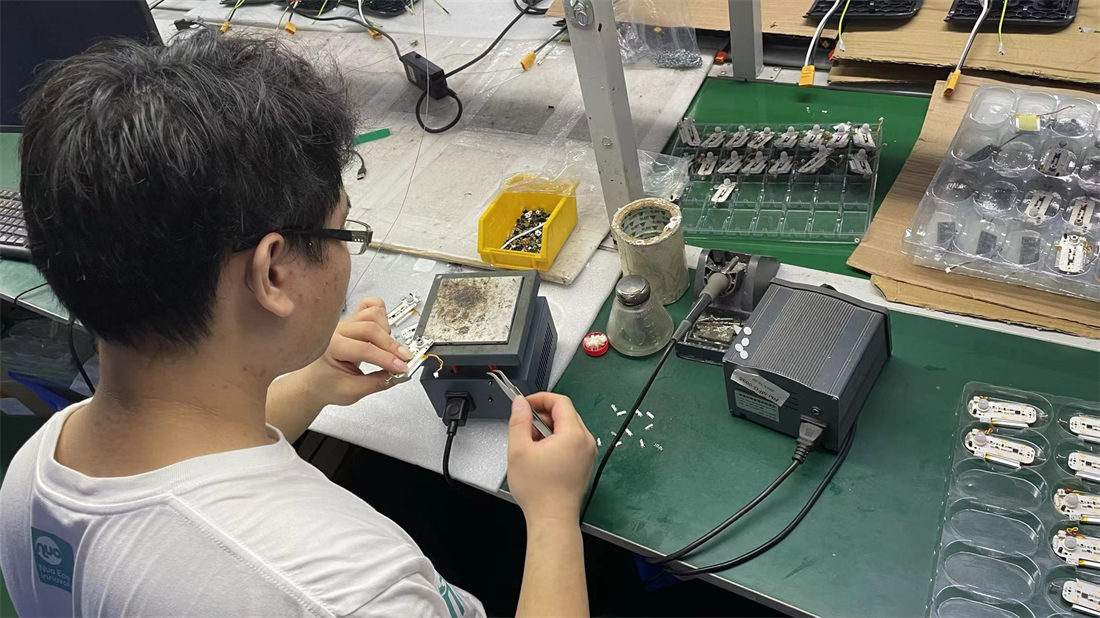
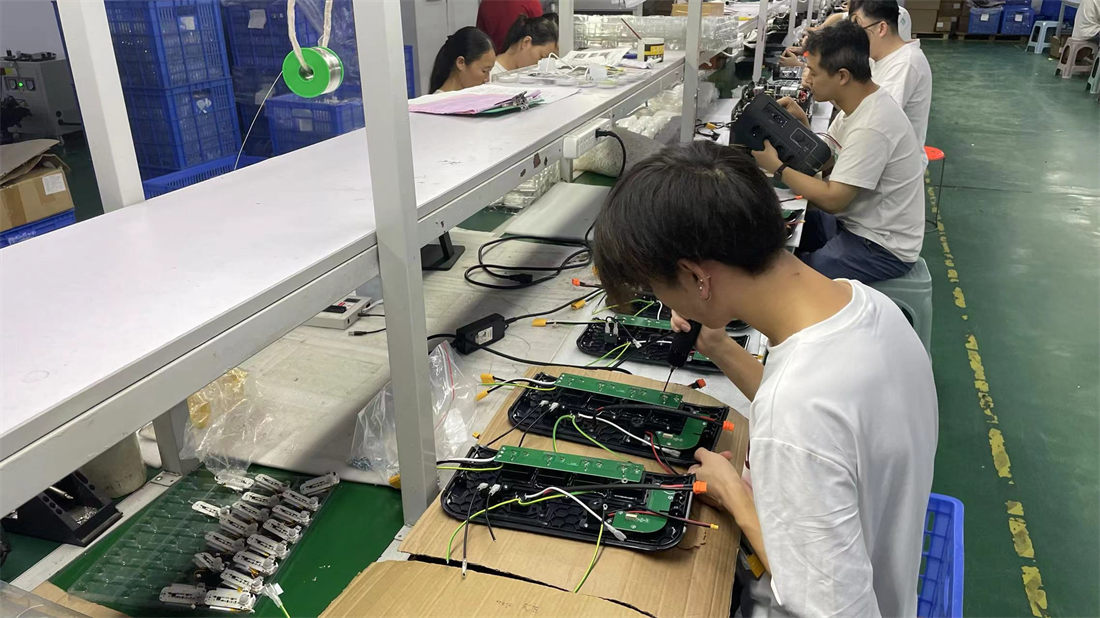
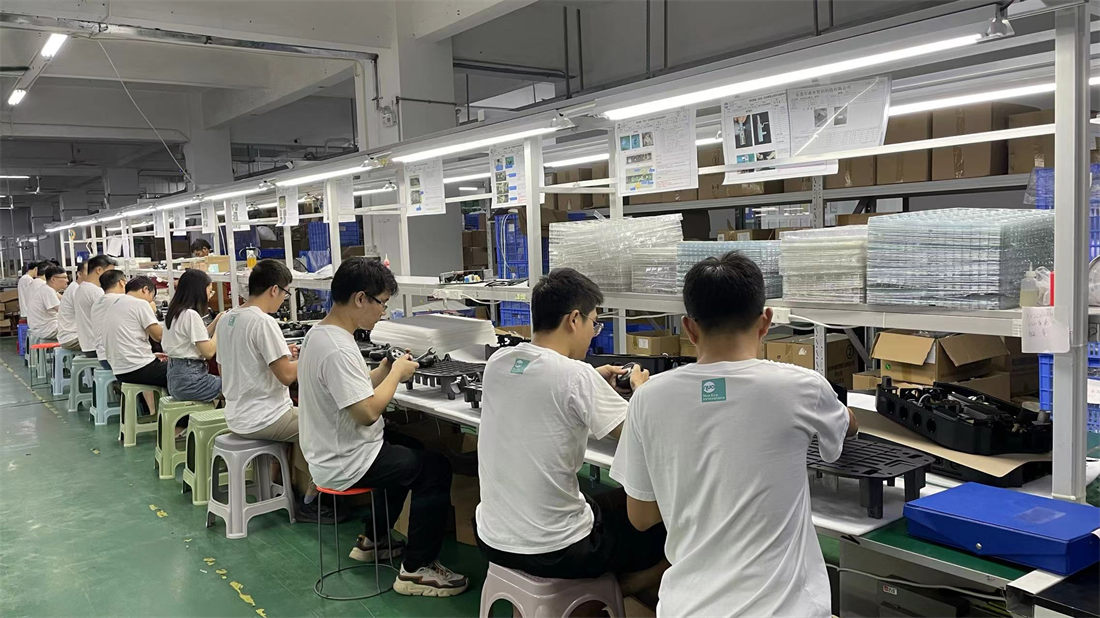
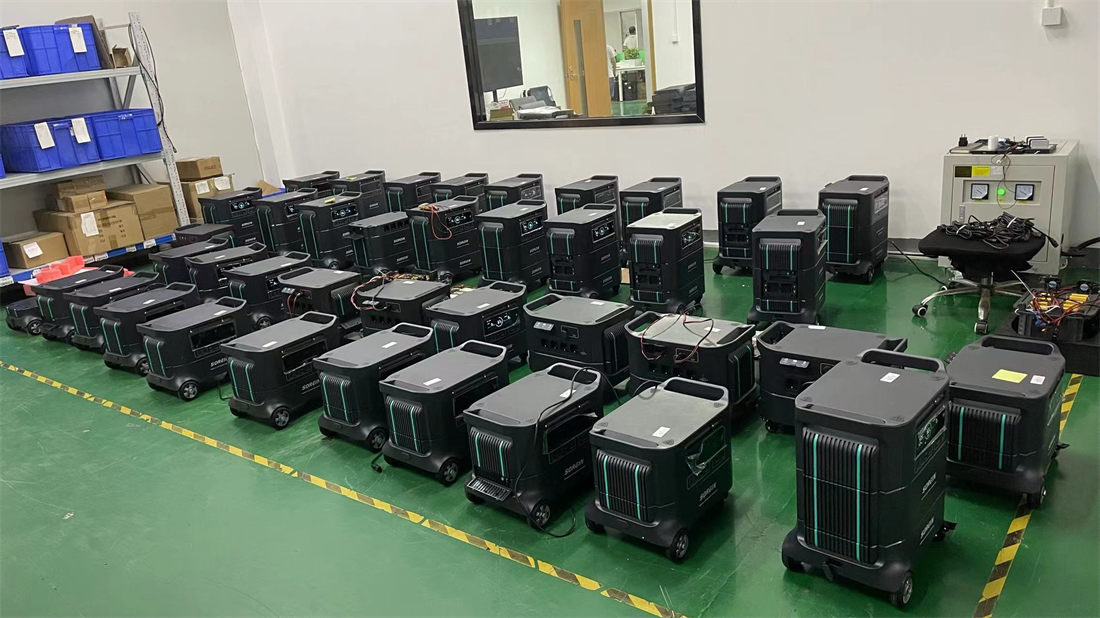
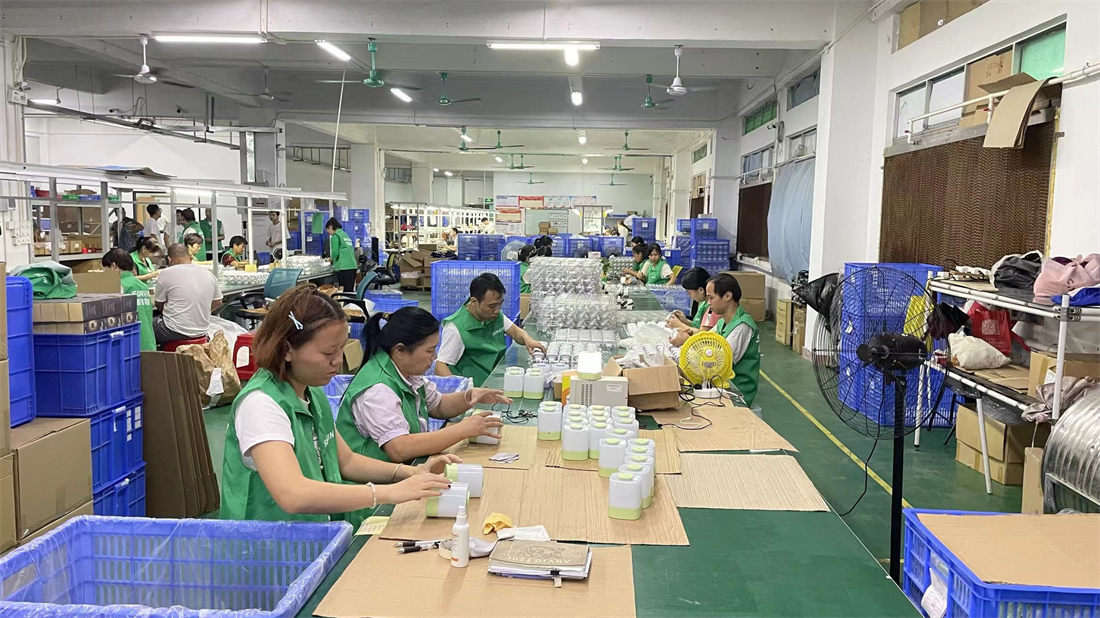
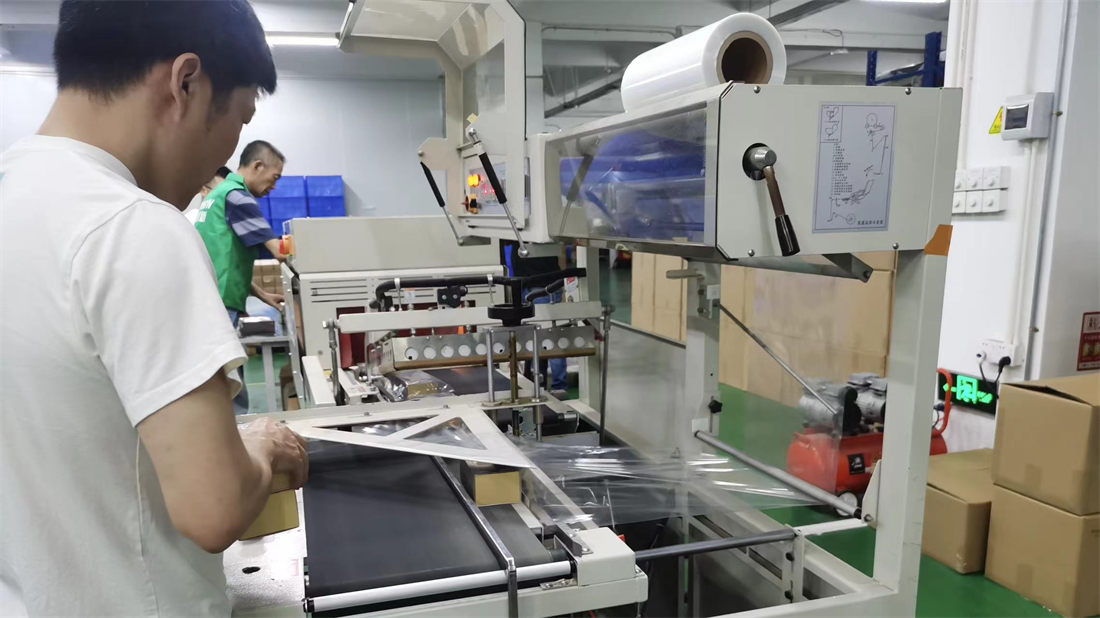
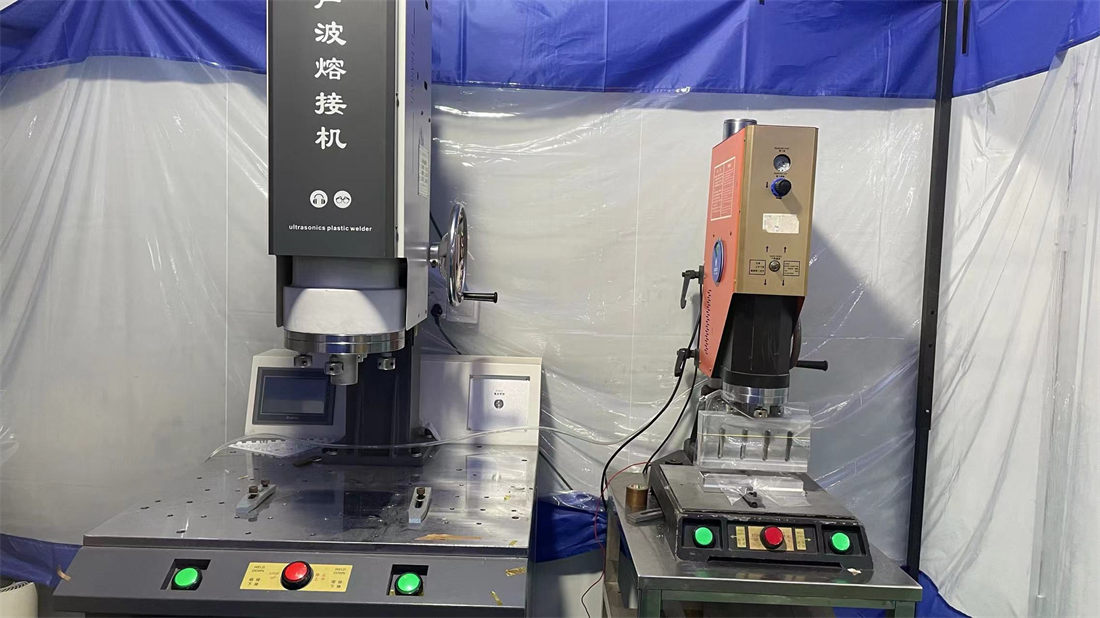
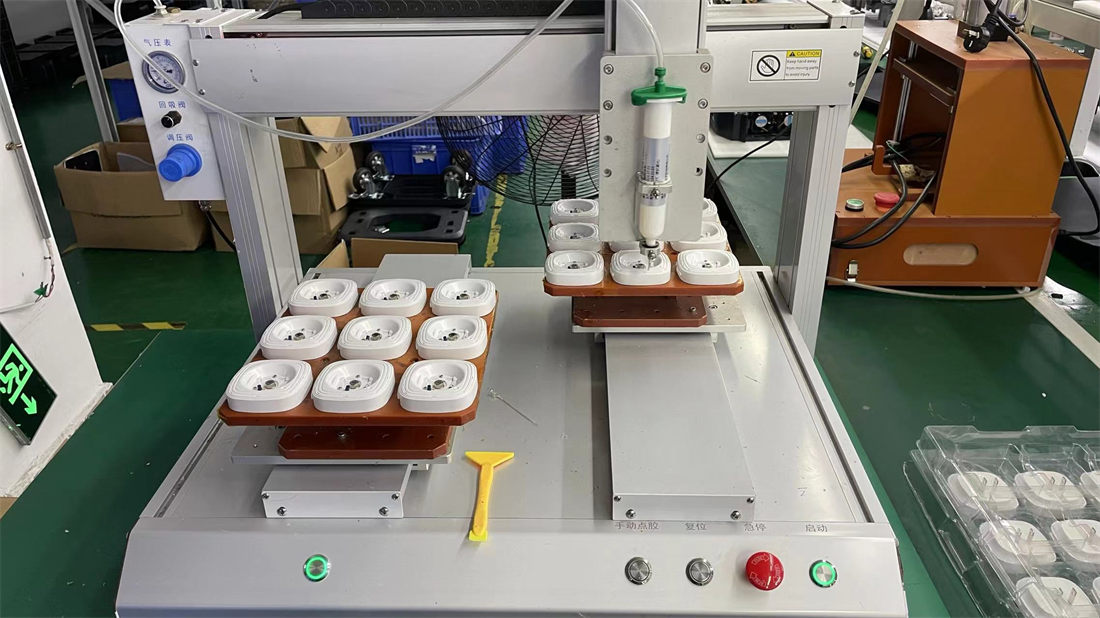
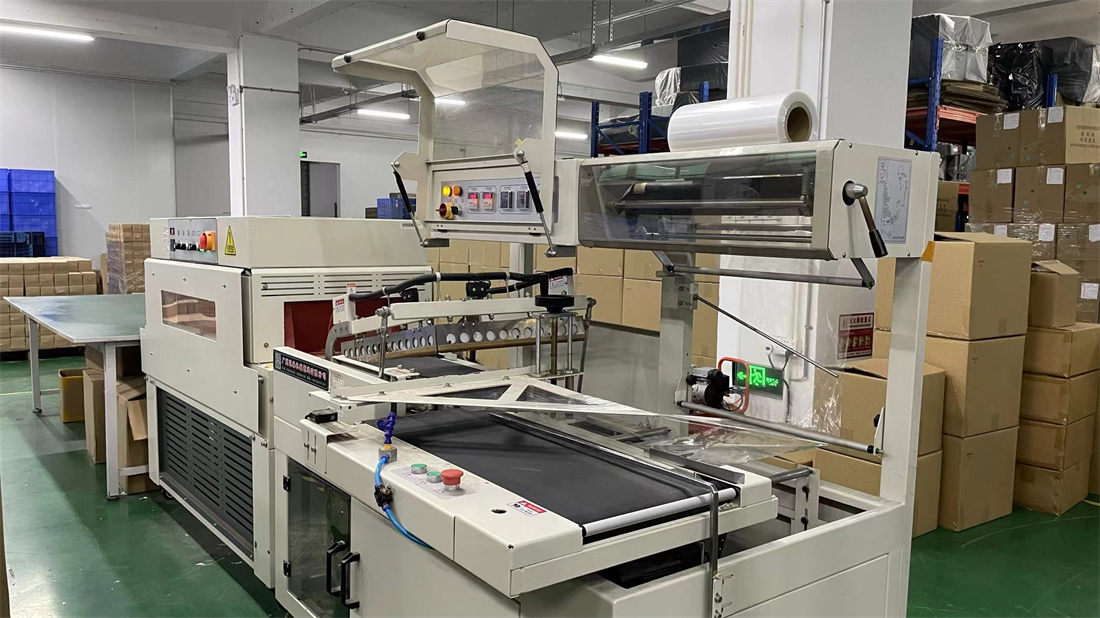
"Quality is the foundation of our business. Every product undergoes strict quality inspections throughout the entire production process, from raw material selection to final assembly and shipment. Our manufacturing facilities operate under comprehensive quality management systems to ensure product reliability, safety, and long service life."
Deploying solar technologies in municipal settings requires adhering to strict localized regulatory frameworks. Different regions present distinct compliance and operating challenges:
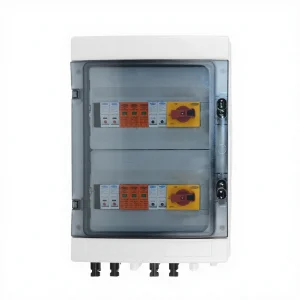
Projects in North America often require UL listings for electrical distribution boxes and high-capacity solar mounting racks. In addition, municipalities demand strict structural certification to ensure systems can withstand high-wind events. Our universal solar mounting structures and pre-wired PV combiner distribution boxes are engineered to meet these load-bearing and safety requirements.
Deployments within the European Union must comply with CE marking, RoHS hazardous substance restrictions, and WEEE recycling directives. Our semi-flexible PV modules and low-light perovskite cells utilize eco-friendly materials and manufacturing processes, aligning with European green procurement guidelines.
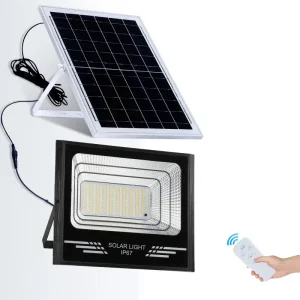
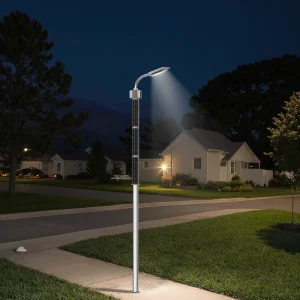
Infrastructure in coastal regions faces constant exposure to corrosive salt spray. To prevent premature component failure, our integrated solar streetlights and outdoor garden floodlights feature IP66-rated enclosures, anodized structural components, and salt-mist-resistant PV laminations.
Our semi-flexible, 0.6mm thin-film modules can be laminated directly onto curved metal roofs, glass facades, and architectural panels. This eliminates the need for heavy, intrusive mounting frames while maintaining the clean lines of the building envelope.
Integrating solar panels into parking lot carports and bus shelters generates localized power to run charging stations, lighting, and digital transit displays. This reduces reliance on the primary utility grid.
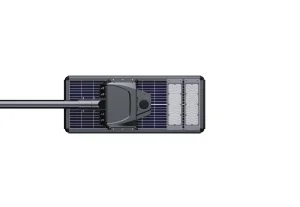
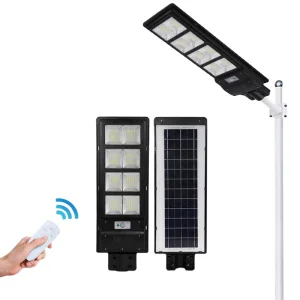
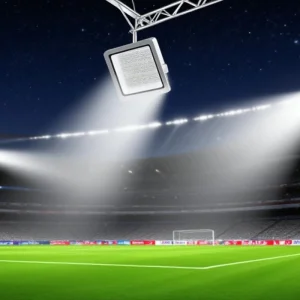
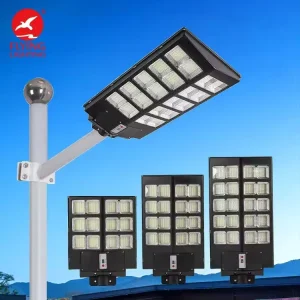
Integrated solar streetlights and motion-activated floodlights provide reliable illumination for public parks, highways, and residential roads. These systems eliminate the need for costly under-ground electrical trenching.
Combining portable solar generation with stackable LiFePO4 batteries creates dependable backup power systems for medical clinics, command posts, and municipal communication networks during severe weather events.
Expert responses to critical engineering, manufacturing, and supply chain questions for institutional buyers, EPC contractors, and sustainable developers.
Traditional glass-and-aluminum solar panels are heavy (often exceeding 15kg/m²), rigid, and require robust, invasive racking systems. Flexible modules using high-efficiency back-contact Sunpower cells or thin-film perovskite material weight under 3kg/m² and can be as thin as 0.6mm. This flexibility allows them to conform to curved roofs, vehicle profiles, and architectural surfaces. Additionally, they perform better in low-light and high-temperature conditions, minimizing degradation and maintaining system performance over time.
Our hybrid lighting systems utilize a dual-path power input structure managed by smart MPPT (Maximum Power Point Tracking) controllers. Under normal conditions, the system runs on stored solar power from internal batteries. If prolonged rain or snow depletes the battery below a safe threshold, the intelligent driver seamlessly transitions to local AC grid power. This ensures continuous operation while maximizing renewable usage whenever solar energy is available.
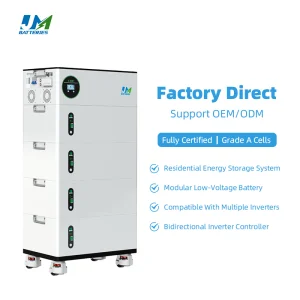
Our stackable battery systems utilize Lithium Iron Phosphate (LiFePO4) chemistry, which offers high thermal stability and resistance to thermal runaway. Each unit is managed by a centralized Battery Management System (BMS) that monitors individual cell voltages, operating temperatures, and charge currents. The system features built-in protection against over-charge, over-discharge, short-circuits, and thermal spikes. Additionally, it integrates IP65-rated metal enclosures and automated safety disconnects.
Yes. Our engineering team designs custom structural mounting systems, such as cross-hole frameworks, tailored to project-specific wind-load and environmental requirements. We utilize corrosion-resistant anodized aluminum and stainless-steel fasteners, with structural integrity verified through FEA (Finite Element Analysis) modeling. This ensures compliance with local building codes for coastal and typhoon-prone zones.
For custom OEM/ODM projects, we provide complete design and manufacturing support. This includes custom cell layouts, specialized electrical junctions, customized cabling lengths, and branded packaging. Initial prototyping and engineering drawings are typically completed within 7 to 10 days. Once finalized, mass production runs are generally completed within 25 to 35 days, depending on materials sourcing and production queue status.
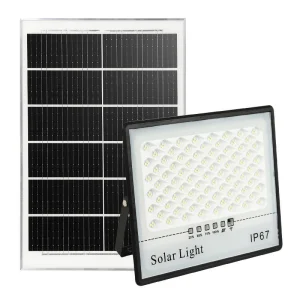
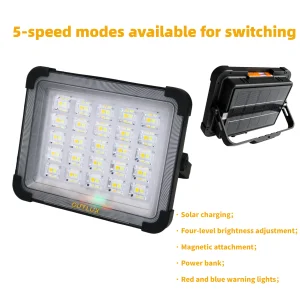
Our complete product range of industrial solar panels, weather-proof distribution boxes, and lithium battery storage systems engineered for global supply chains.
 Soweglow Solar