Deploying tier-one silicon technology, smart hybrid modulation, and highly durable outdoor fixtures optimized for residential and recreational microgrids.
As the global community shifts toward decentralizing power grids and reducing fossil fuel dependency, the role of a reliable residential energy solutions supplier has evolved. It is no longer just about manufacturing solar panels; it is about providing fully integrated ecosystems that ensure energy independence, grid resilience, and localized adaptation. Shenzhen Soweglow Solar Co., Ltd. stands at the vanguard of this transition, combining high-grade raw materials with rigorous intelligence protocols to design, manufacture, and export systems that define the next generation of domestic power infrastructure.
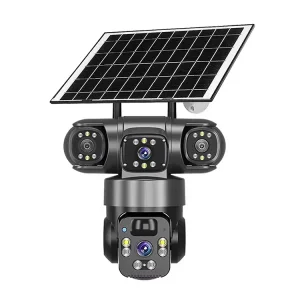
Based in the technological core of Shenzhen, China, our company leverages a local ecosystem of advanced electronics components, top-tier research talent, and rapid prototyping capabilities. The result is a diverse portfolio ranging from highly flexible perovskite modules and smart hybrid inverters to IoT-based street lamps and dynamic outdoor security platforms. By ensuring each component has the resilience to withstand harsh environmental conditions, we support global households and light commercial entities in securing stable, cost-effective energy flows.
The global residential energy market is experiencing a profound paradigm shift. Emerging trends indicate a major migration away from centralized, one-way electricity grids to smart, interactive, and autonomous home microgrids. Key global macro trends include:
Standard lithium-ion systems are rapidly being outpaced by Lithium Iron Phosphate (LiFePO4) and emerging solid-state chemistries due to safety and longevity. Modern residential systems now guarantee over 10,000 cycles, providing reliable operation for upwards of 15 to 20 years without critical capacity degradation.
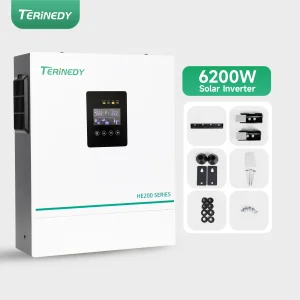
Modern residential set-ups demand smart hybrid inverters equipped with dual outputs. These units intelligently route surplus power between domestic storage banks, critical home loads, electric vehicles (EVs), and the municipal grid, enabling homeowners to capitalize on dynamic, time-of-use (TOU) pricing.
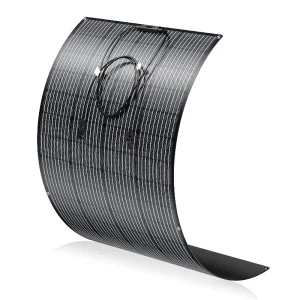
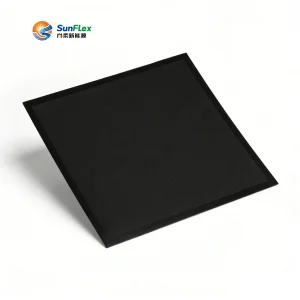
Traditional rigid solar arrays are giving way to flexible, rollable amorphous silicon and low-light perovskite panels. These structural shifts allow solar energy capture on curved architectures, RVs, and indoor or shaded zones, boosting total energy harvesting capability across non-traditional surfaces.
For B2B importers, EPC contractors, and distribution networks, choosing the right residential energy solutions supplier requires strict alignment with local certification structures, environmental realities, and economic constraints. Sourcing managers focus heavily on mitigating operational risks while ensuring long-term product viability.
Key procurement vectors analyzed by leading global energy developers include:
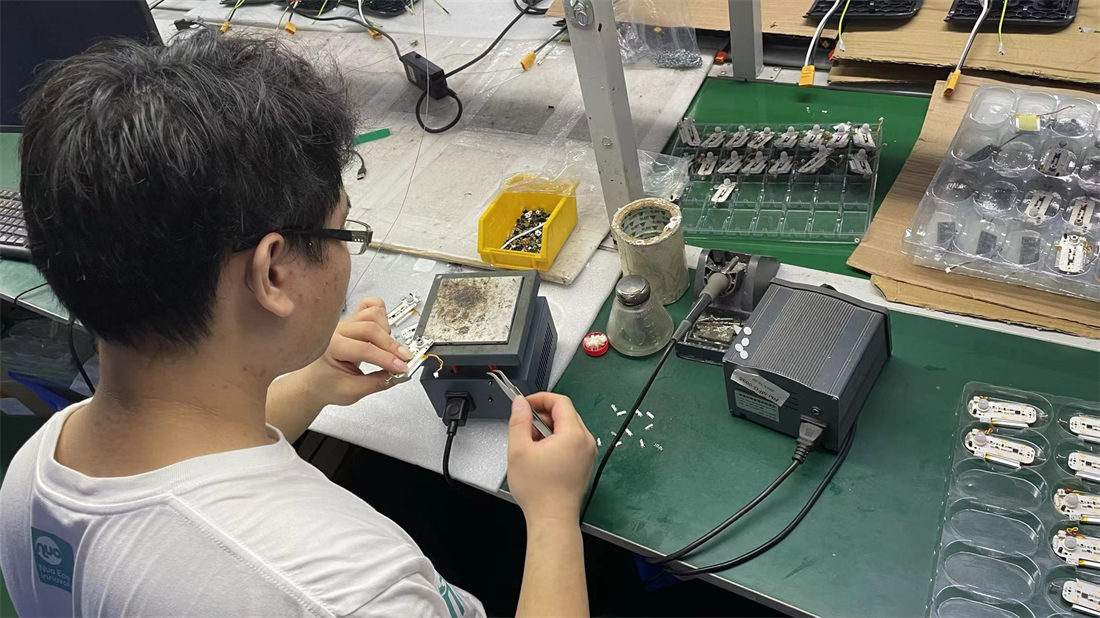
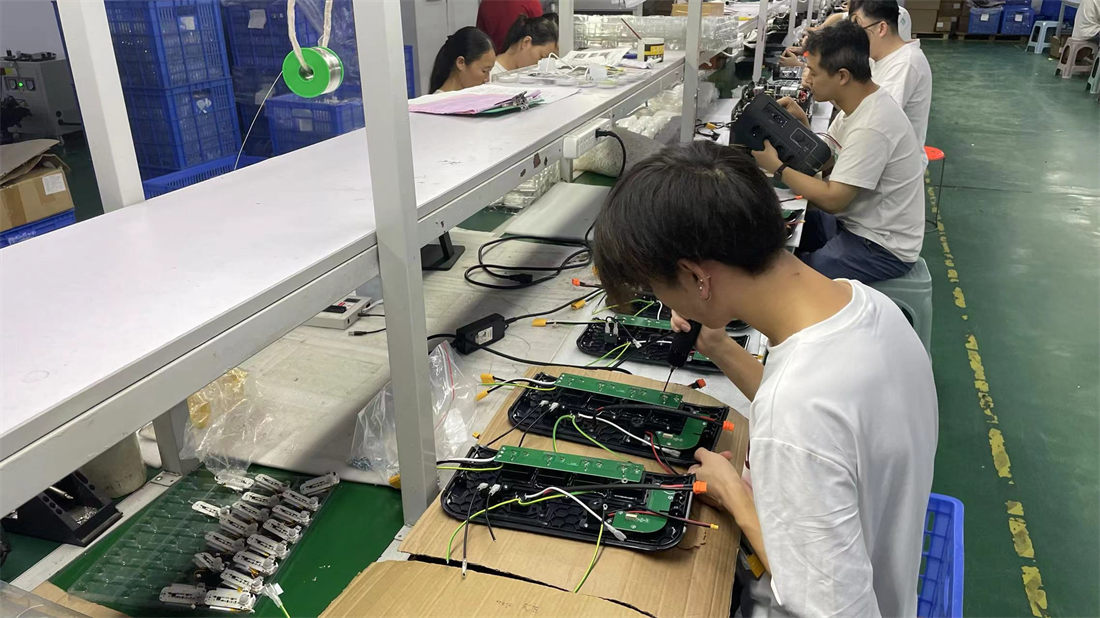
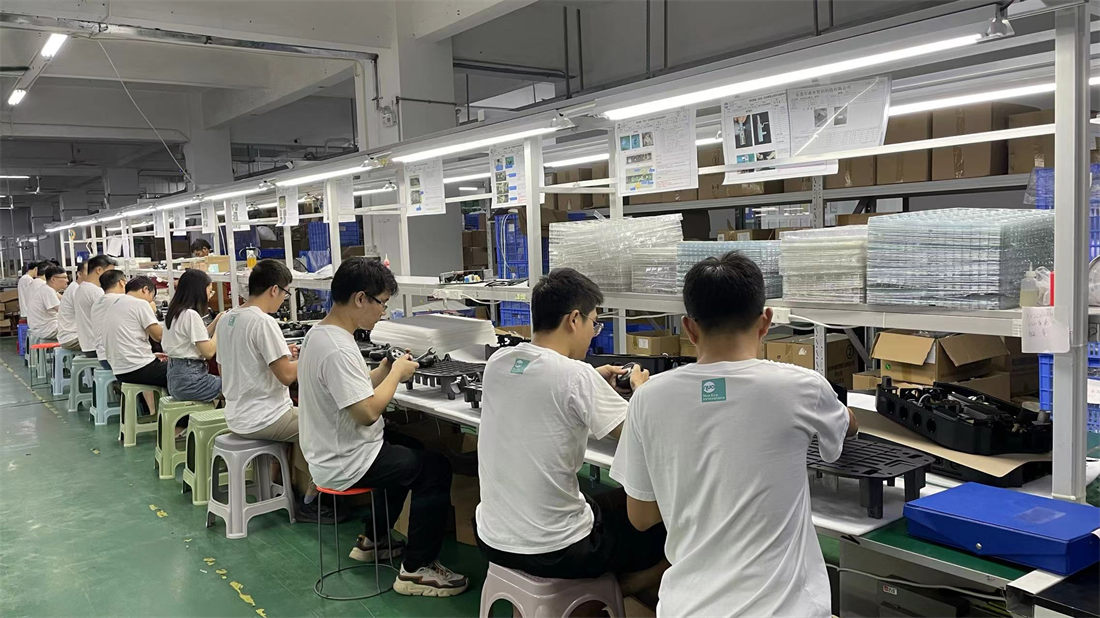
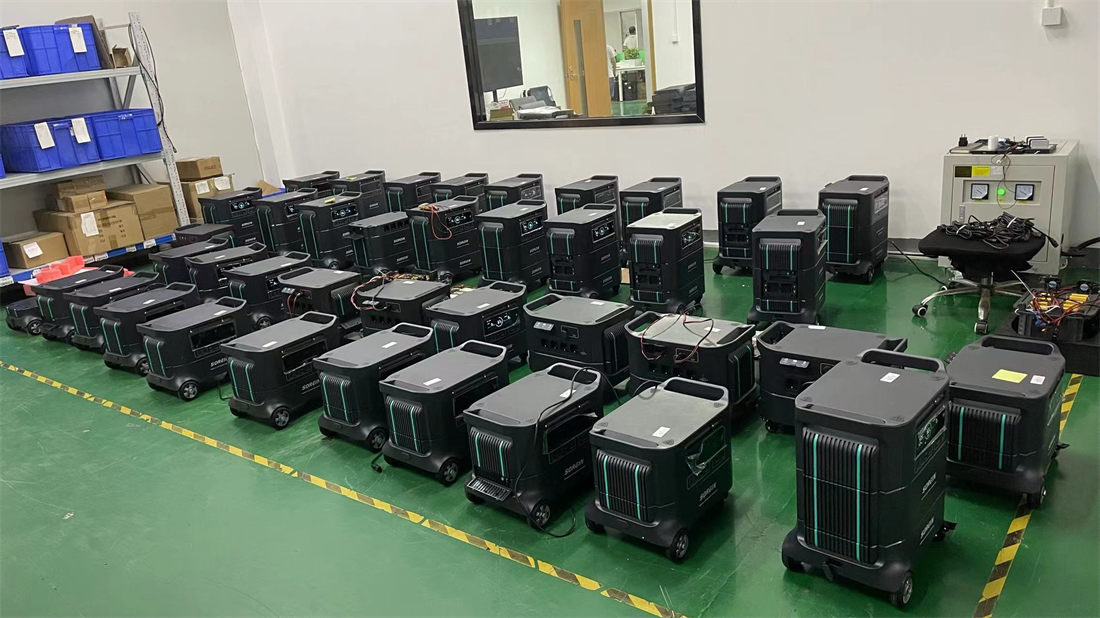
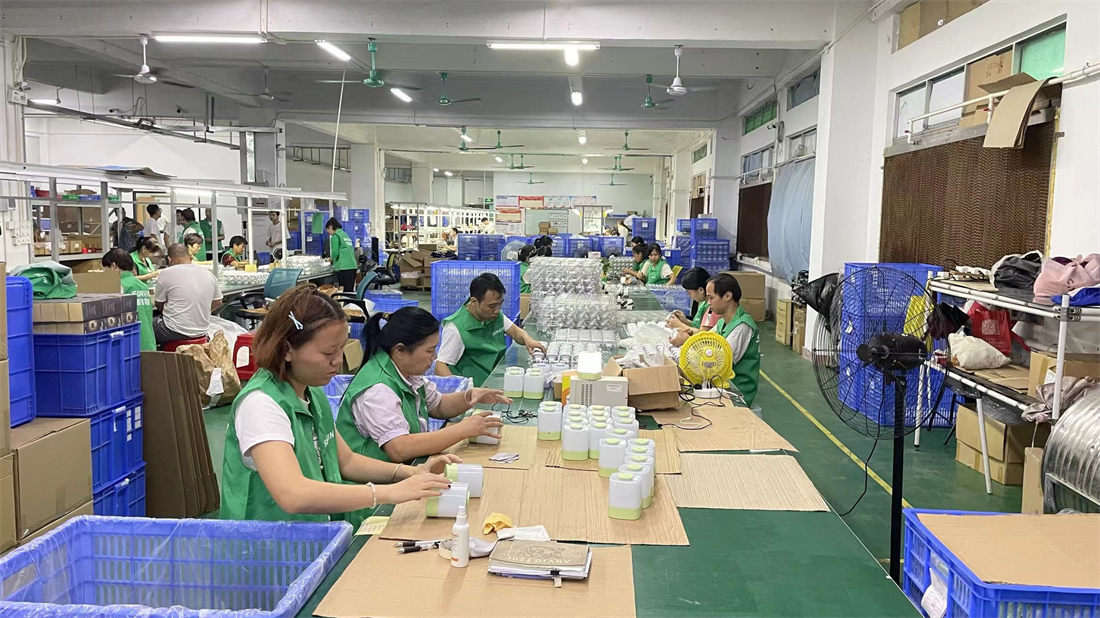
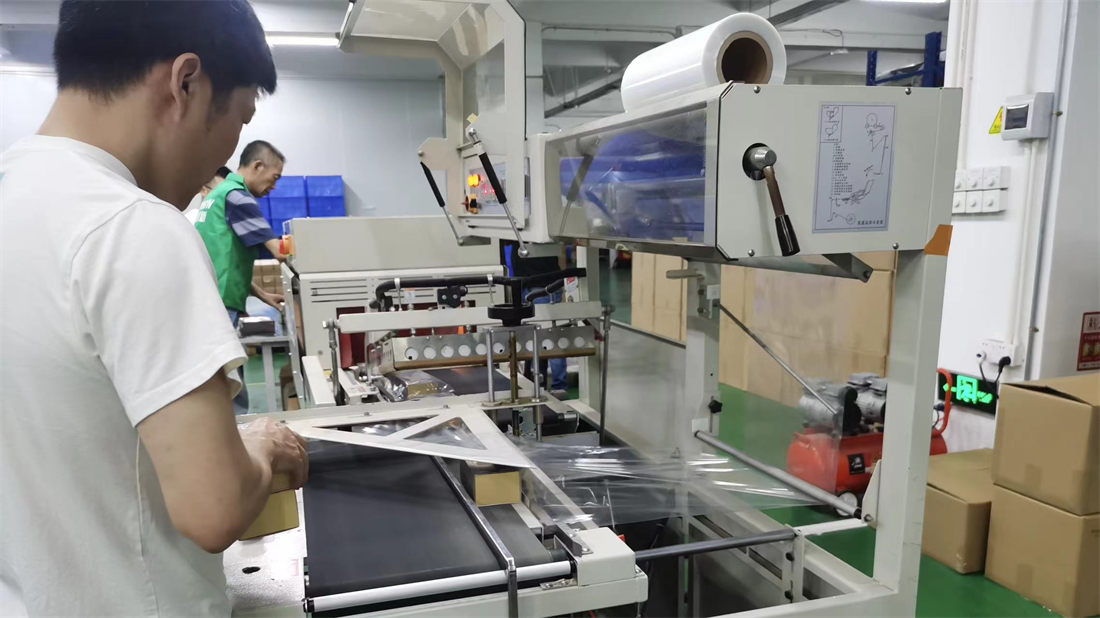
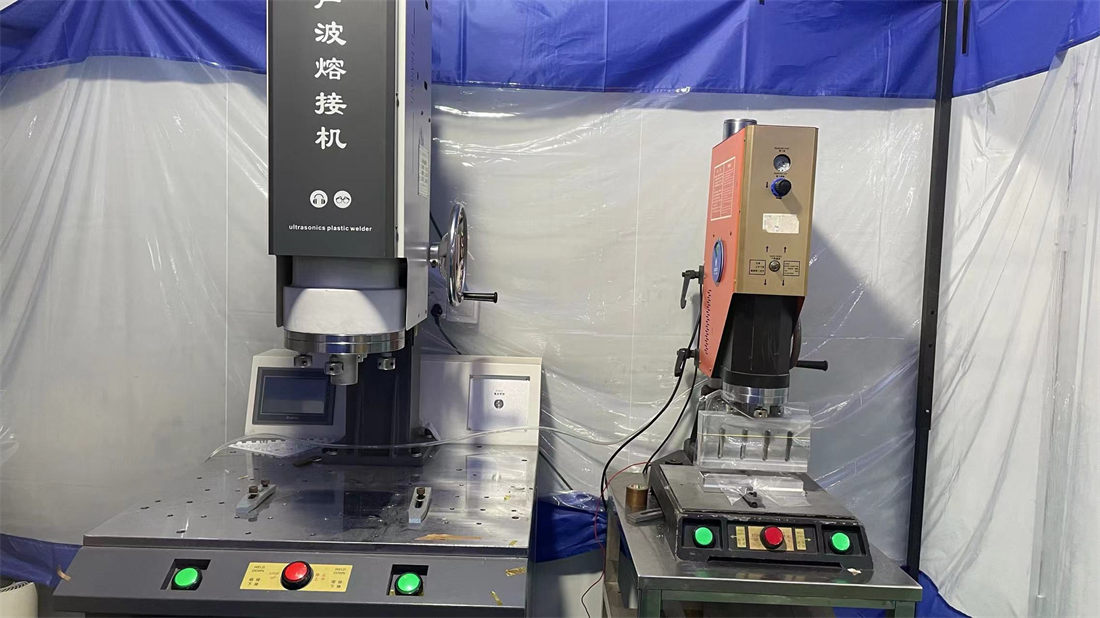
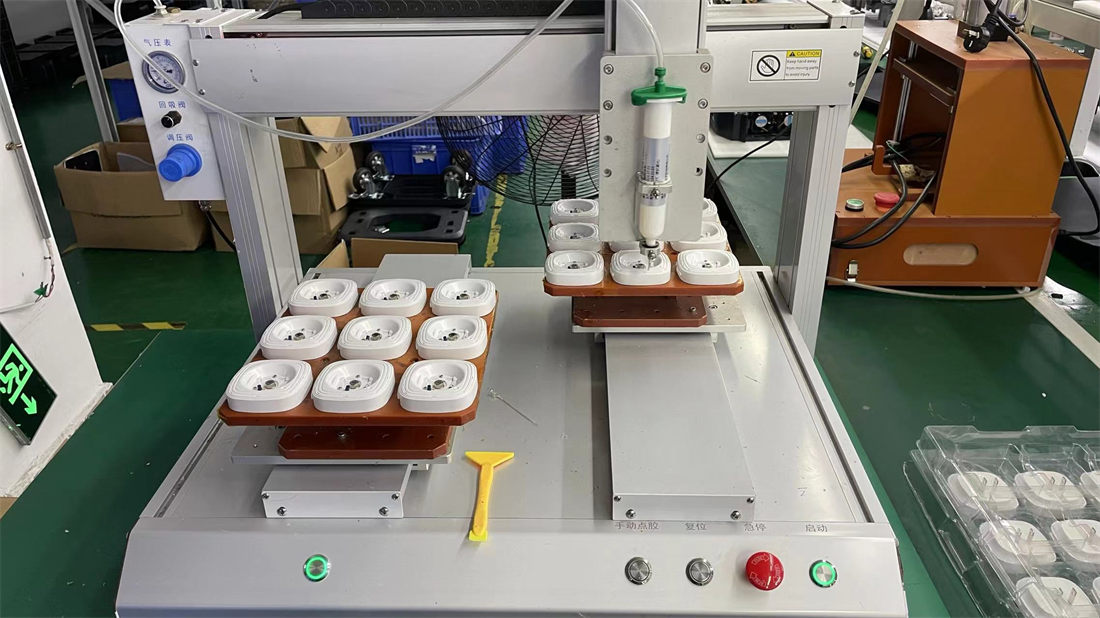
Soweglow Solar’s manufacturing ecosystem utilizes automated production workflows to maintain high efficiency and product consistency. Our Shenzhen-based production lines employ high-precision machinery designed to optimize resource allocation and prevent structural inconsistencies in our clean energy products.
Through our dedicated facility, we integrate critical engineering processes—from welding and automated assembly to multi-phase inspection and rigorous environmental stress testing:
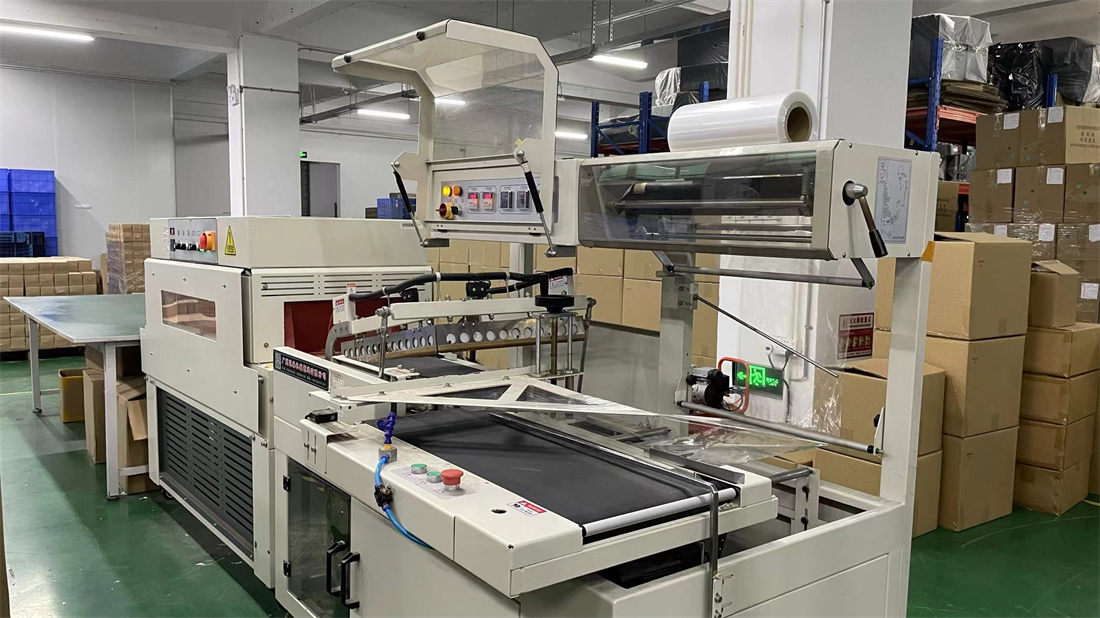
Clean energy deployment is never a one-size-fits-all scenario. Environmental conditions, geographical variations, and consumer lifestyle differences require specialized hardware. Below are three localized application scenarios showing how Soweglow Solar’s product suite integrates into modern life:
Challenge: Marine and mobile installations require lightweight, highly durable energy capture systems capable of flexing around curved rooftops, resisting corrosive saltwater spray, and generating electricity in shifting, low-light conditions.
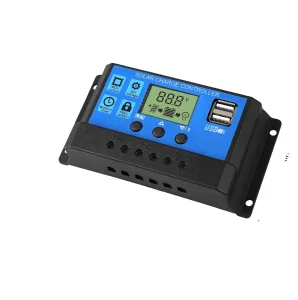
Solution: The integration of 200W-300W Rollable Amorphous Silicon Thin Film Flexible Solar Panels combined with high-grade IP65-protected charge controllers. Amorphous silicon maintains active electron mobility even when partially shaded, preventing system-wide power drops common in traditional mono-crystalline configurations.
Challenge: Dense urban and suburban properties face unpredictable energy billing, frequent peak-pricing surges, and localized blackouts due to severe weather events.
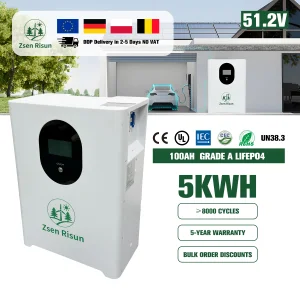
Solution: A hybrid setup featuring the 10kW Smart Dual Output Hybrid Solar Inverter and a high-cycle 5kW Portable Power Station. During non-peak hours, the system charges the battery storage; during utility price spikes or grid outages, the dual-output system reroutes primary loads to battery power, insulating the home from grid volatility.
Challenge: Off-grid roadways, parks, and large property perimeters require continuous night lighting without increasing carbon output or incurring extensive trenching and cabling costs.
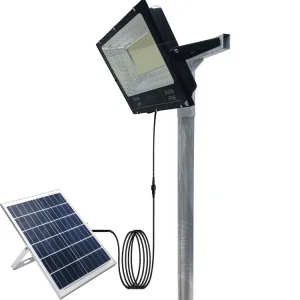
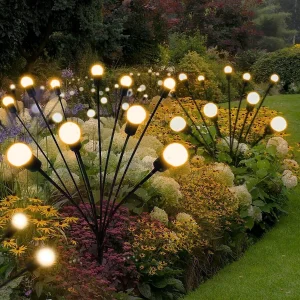
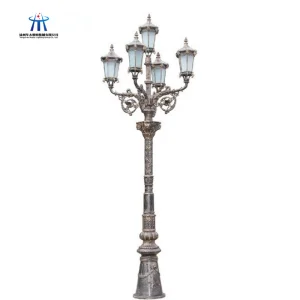
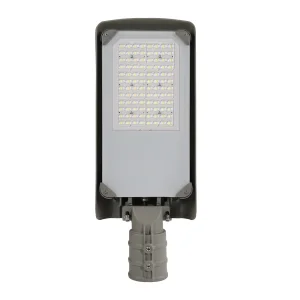
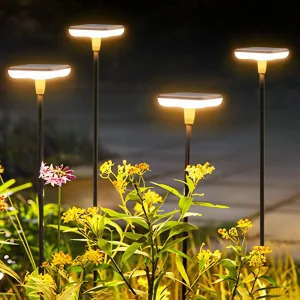
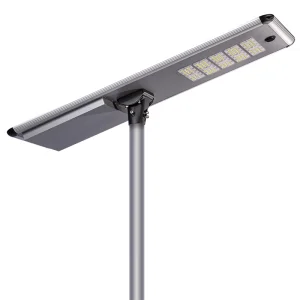
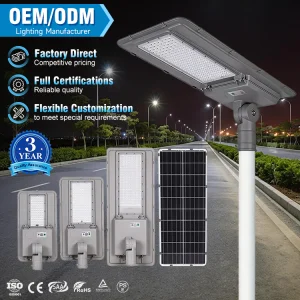
Solution: Deploying 170LM/W High Lumen LED Street Lights and 1000W RGB Outdoor Garden Solar Streetlights. By utilizing motion-sensor technology, these fixtures operate at a dimmed power conservation state, instantly shifting to full output upon detecting movement, thereby preserving battery life through consecutive overcast days.
Providing engineering-backed answers to critical technical questions commonly encountered by global energy importers and procurement specialists.
Integrating tracking mechanics, parameter metering, smart municipal lighting, and low-light materials to maximize system yield and grid reliability.
 Soweglow Solar