Industrial grade photovoltaic infrastructure components engineered for remote efficiency and reliability.
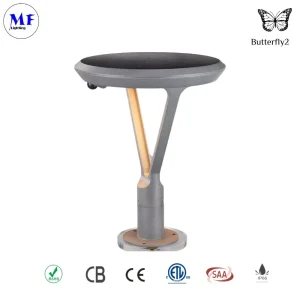
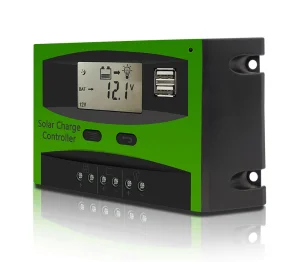
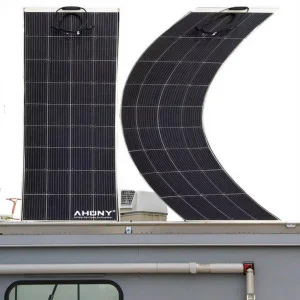
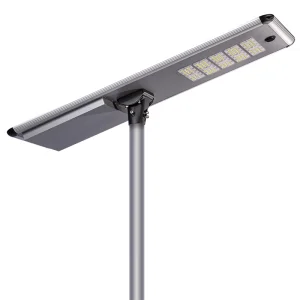


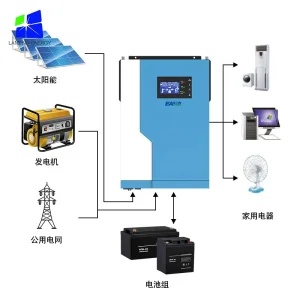
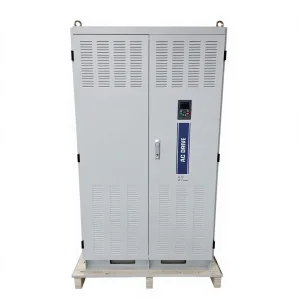
In the global race to transition toward high-yield carbon-neutral operating models, solar asset owners, EPCs (Engineering, Procurement, and Construction), and O&M (Operations & Maintenance) providers face a significant challenge: optimizing the Levelized Cost of Energy (LCOE). Solar performance monitoring systems represent the operational nervous system of commercial, industrial, and utility-scale solar photovoltaic (PV) plants.
Without robust performance monitoring, operational inefficiencies such as PID (Potential Induced Degradation), localized micro-cracks, string mismatch, dynamic shading, and dust accumulation remain hidden. Advanced monitoring platforms leverage real-time telemetry, IoT sensors, and AI-driven diagnostics to convert raw data streams from inverters, weather stations, and pyranometers into actionable intelligence.
From an enterprise procurement perspective, choosing the right solar performance monitoring supplier is no longer a matter of simply comparing software interfaces. It requires an evaluation of sensor integration, cloud cybersecurity, data ingestion rates, hardware-agnostic connectivity (via Modbus RTU/TCP or OPC UA), and the capacity for predictive maintenance modeling.
Corporate procurement of solar tracking and monitoring infrastructure is subject to strict engineering standards. Large-scale developers and portfolio managers prioritize suppliers that provide seamless integration between solar hardware—such as high-efficiency flexible monocrystalline cells, hybrid high-power DC-to-AC inverters, and automated charge controllers—and the central SCADA system. Key procurement criteria include:
Modern developers cannot afford to be locked into proprietary hardware ecosystems. Procurement guidelines mandate systems compatible with standard communication protocols (RS-485, Modbus, Ethernet, Zigbee, LoRaWAN) to integrate all devices: from small charge controllers (10A to 30A PWM/MPPT) to megawatt-scale utility frequency converters.
For solar projects to qualify for project finance, the monitoring system must be "bankable"—widely accepted by financial institutions and independent engineers (IEs). Compliance with international cybersecurity regulations, such as NERC-CIP in North America and NIS2/GDPR in Europe, is mandatory for protecting operational technology (OT) from external intrusion.
Multi-gigawatt asset owners need to consolidate data from dozens of solar plants globally into a single dashboard. Centralized Web APIs (REST, GraphQL) allow raw performance metrics to feed into enterprise asset management (EAM) software and corporate ESG reporting databases.
As PV projects expand into challenging environments, the industry is transitioning from reactive maintenance to prescriptive asset optimization. The diagram below highlights the ongoing shift in technological roadmaps for solar monitoring:
By monitoring the electrical output of individual strings, operators can detect anomalies such as module-level degradation, localized hot-spots, and dynamic shading before they impact overall system performance. This level of granularity is crucial for optimizing modern bifacial modules that capture albedo reflection from the ground.
Soiling (dust, pollen, snow, bird droppings) accounts for substantial energy yield loss globally, especially in high-irradiance desert regions. Leading suppliers integrate smart algorithms that analyze the divergence between actual power yield and expected performance. This enables optimization of cleaning schedules to maximize ROI based on current weather patterns and labor costs.
With utility operators enforcing strict active and reactive power controls, monitoring systems are shifting toward edge-computing architectures. Local controllers analyze grid voltage and frequency variations, initiating dynamic inverter curtailment or discharging on-site energy storage (BESS) within milliseconds to ensure grid stability.
An evaluation of the leading utility-scale and C&I performance monitoring suppliers globally.
Analyzing the global market for solar performance monitoring reveals that the leading suppliers offer a combination of advanced hardware (sensors, weather stations, dataloggers) and robust software platforms (SaaS, cloud databases, AI analytics). Below is an analytical review of the top 10 global suppliers driving industry standards:
A global leader in utility and C&I monitoring. Their PowerTrack platform is hardware-agnostic and provides powerful data analytics, financial reporting, and O&M workflow automation.
Renowned for engineering precision. Based in Germany, Meteocontrol provides hardware dataloggers (blue'Log XC/XM) and the VCOM cloud platform, which features high-frequency telemetry and sensor calibration.
As a leading global inverter manufacturer, SMA's Sunny Portal is one of the most widely deployed monitoring systems in the world, specialized in seamless system configuration and smart energy management.
Pioneered module-level optimization through DC power optimizers. Their system provides granular tracking of individual modules, making it ideal for shaded or complex rooftop configurations.
A leader in smart PV solutions, Huawei's FusionSolar utilizes advanced cloud computing and AI diagnostics, including smart I-V curve detection, to perform remote health diagnostics of large solar assets.
Specializes in utility-scale PV and hybrid systems. Their Unity SCADA system integrates solar and battery storage (BESS) systems, providing high-performance control and compliance in complex grid systems.
Offers a suite of monitoring products for residential, C&I, and utility-scale installations, providing remote performance tracking and management for their extensive range of string and central inverters.
A specialized asset management software provider, Greenbyte consolidates data from diverse renewable energy portfolios, providing standardized KPIs for both wind and solar systems.
An independent software vendor whose Qantum platform integrates with any hardware provider, allowing developers to manage energy storage, wind, and solar assets under a unified dashboard.
An agile supplier of integrated solar hardware and controllers. Soweglow provides robust off-grid and hybrid infrastructure solutions (such as smart PWM/MPPT solar controllers and high-power VFD inverters) coupled with remote control telemetry.
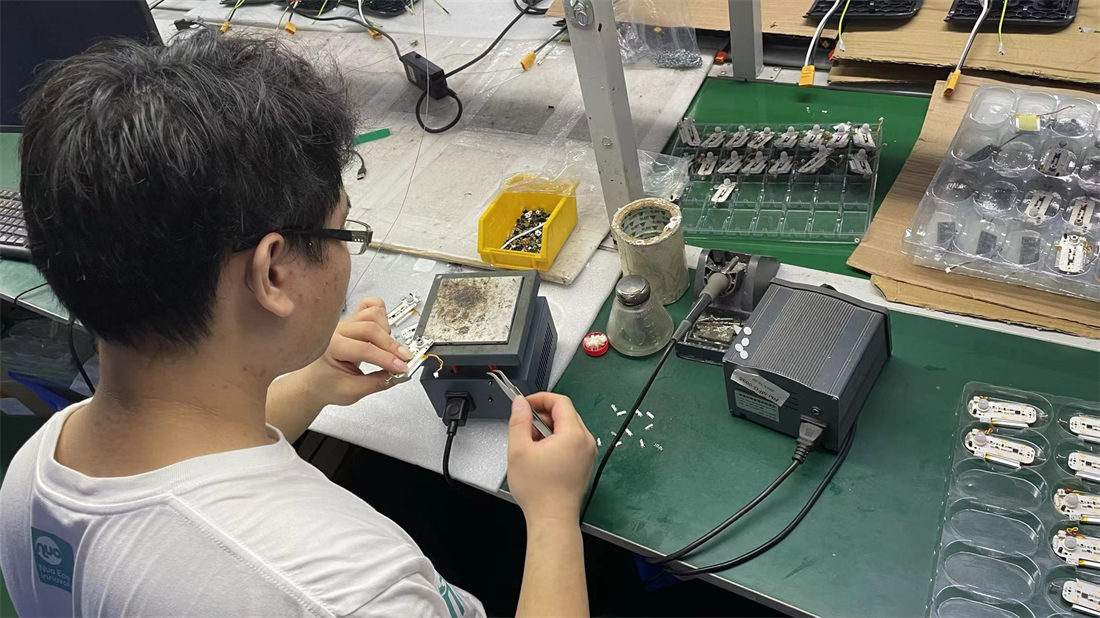
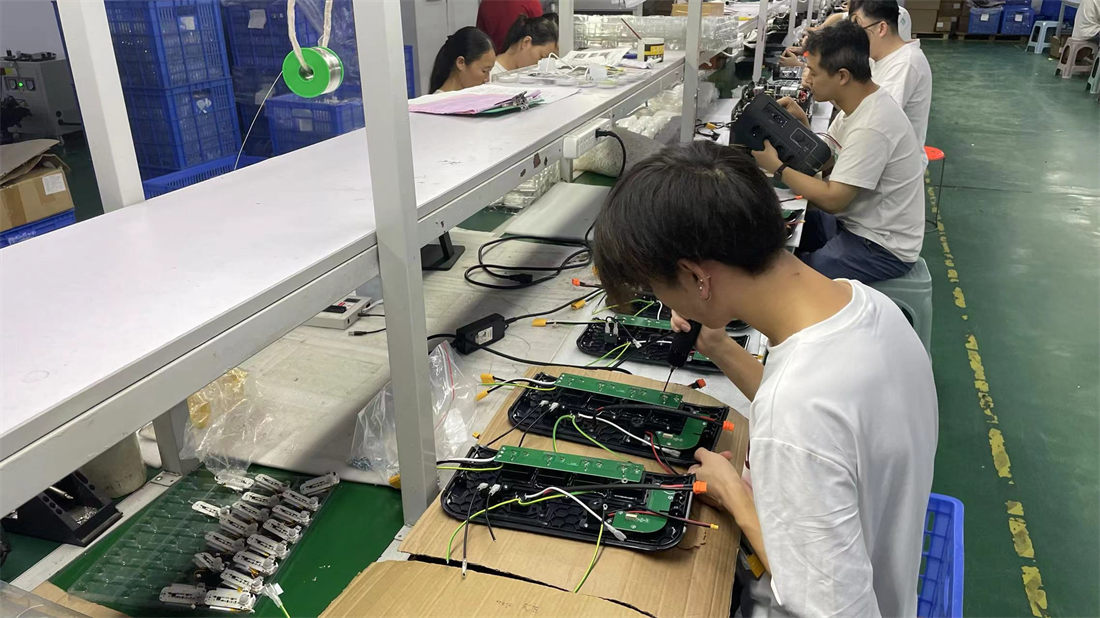
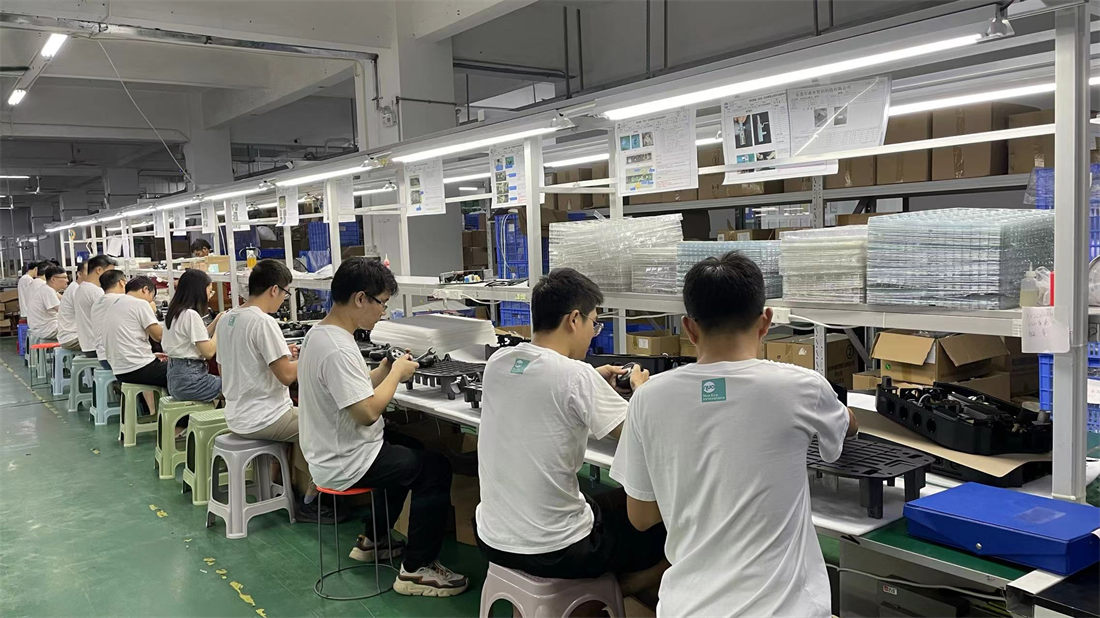
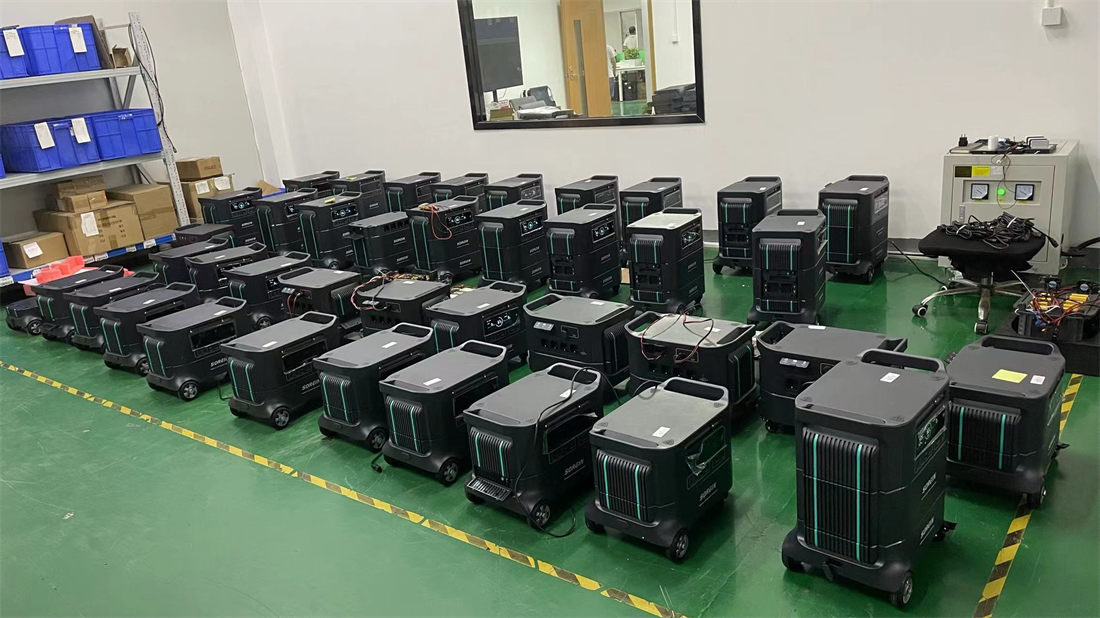
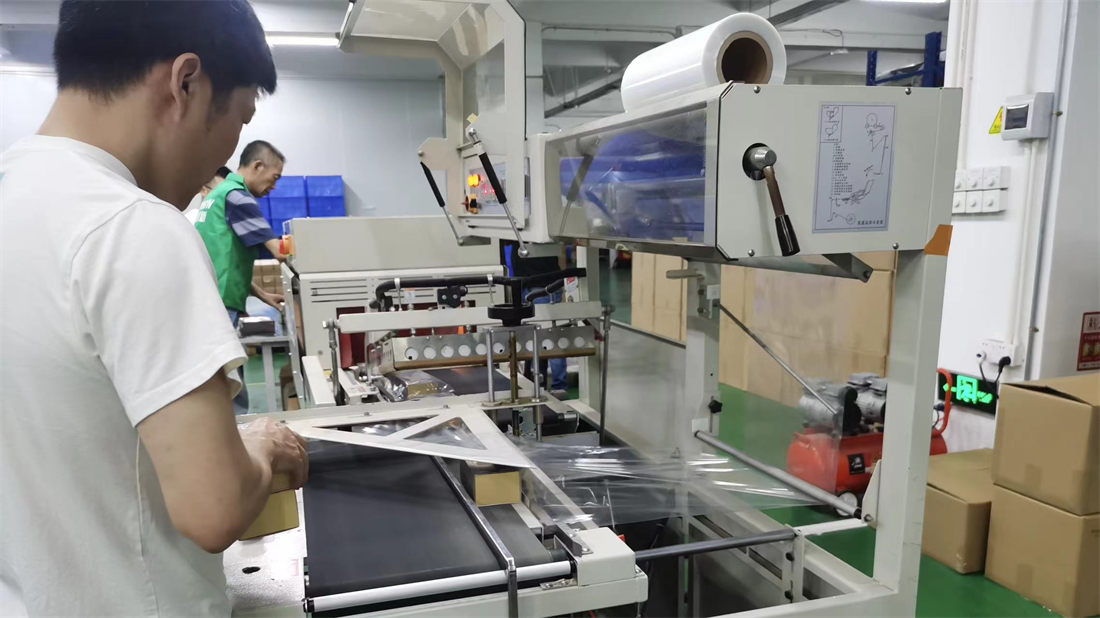
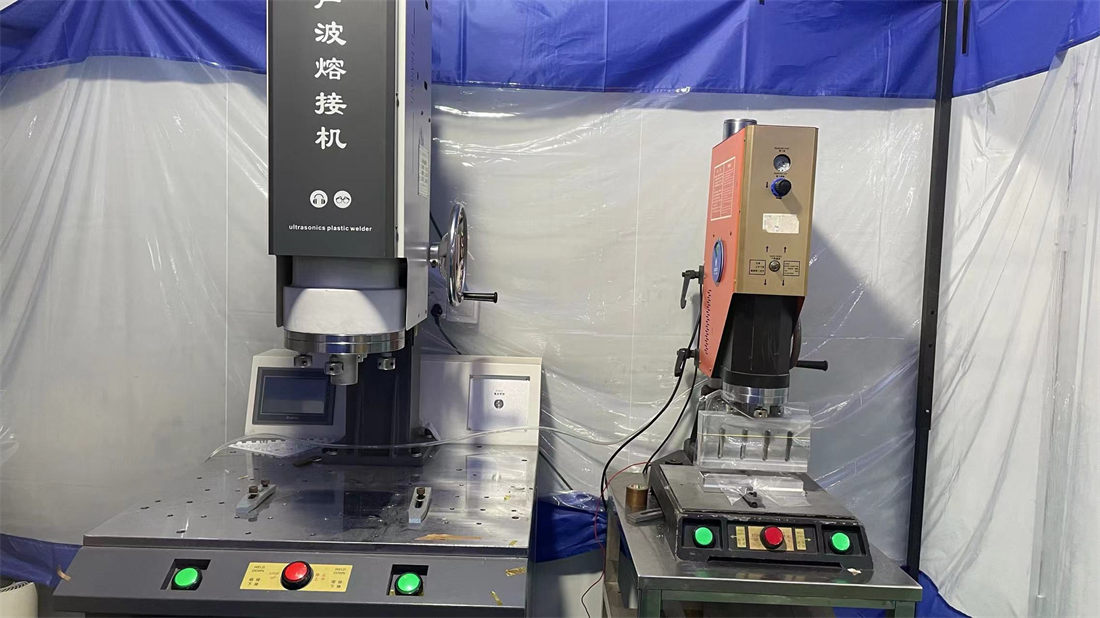
Operational Transparency, Advanced Machinery, and Quality Control Standards.
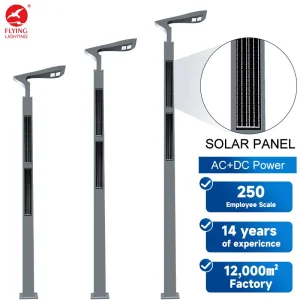
Shenzhen Soweglow Solar Co., Ltd. is a professional and reliable manufacturer and supplier specializing in solar energy products, renewable energy solutions, and intelligent solar lighting systems. Located in Shenzhen, China, one of the world's most innovative and dynamic technology hubs, Soweglow has been committed to the solar industry for many years, providing high-quality products and customized energy solutions to customers worldwide.
Driven by the mission of promoting clean energy and sustainable development, Soweglow Solar focuses on delivering efficient, environmentally friendly, and cost-effective solar products that help reduce energy consumption and carbon emissions. Through continuous innovation, strict quality control, and customer-oriented service, Soweglow has established long-term partnerships with clients across Europe, North America, South America, Africa, Southeast Asia, and the Middle East.
The company's experienced team possesses extensive expertise in solar lighting, photovoltaic systems, energy storage solutions, project management, manufacturing, and international business. They continuously invest in research and development to ensure that products meet evolving market demands and international quality standards.

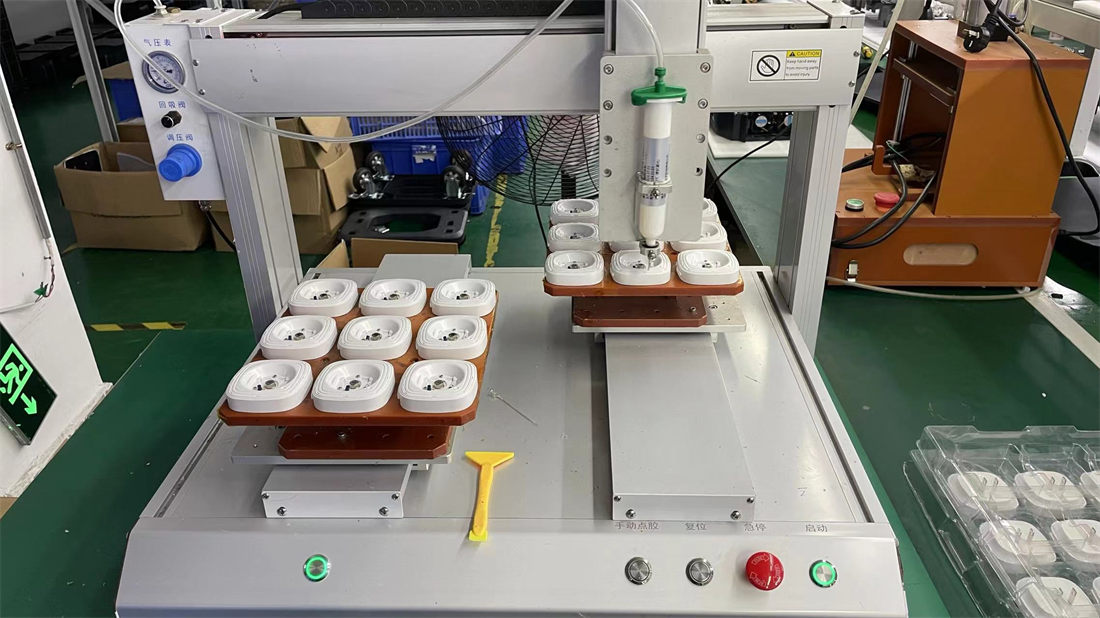
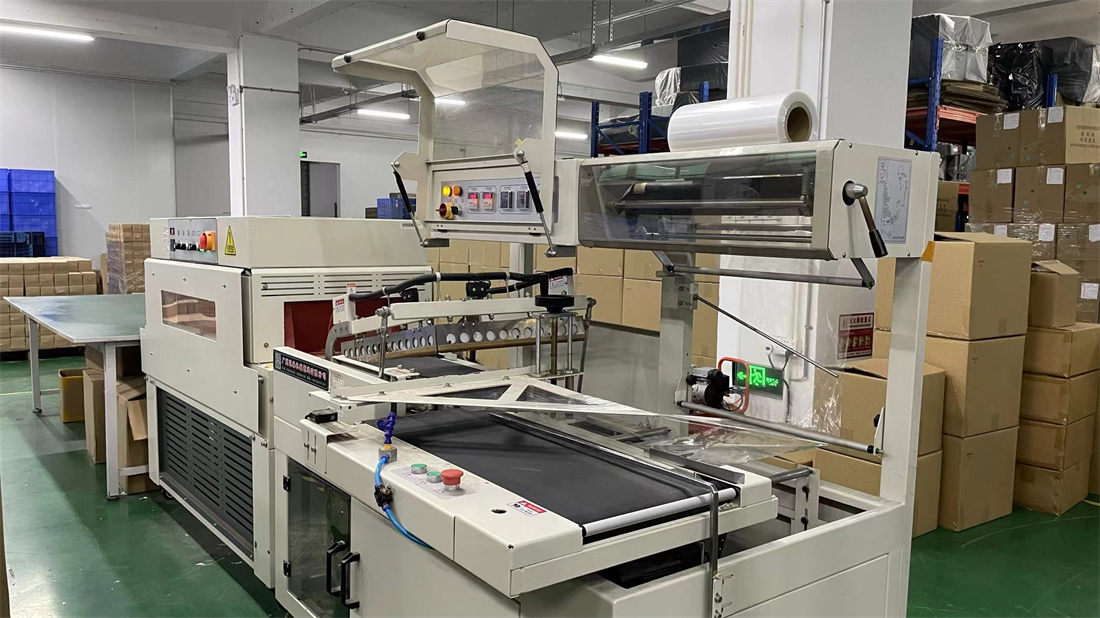
Deploying solar performance monitoring on a global scale requires suppliers to navigate localized regulatory frameworks. Different regions impose unique requirements that impact system design and compliance:
Answering the most complex technical queries of O&M leads, PV engineers, and asset managers.
Industrial grade photovoltaic infrastructure components engineered for remote efficiency and reliability.

 Soweglow Solar