Soweglow Solar
1 / 5
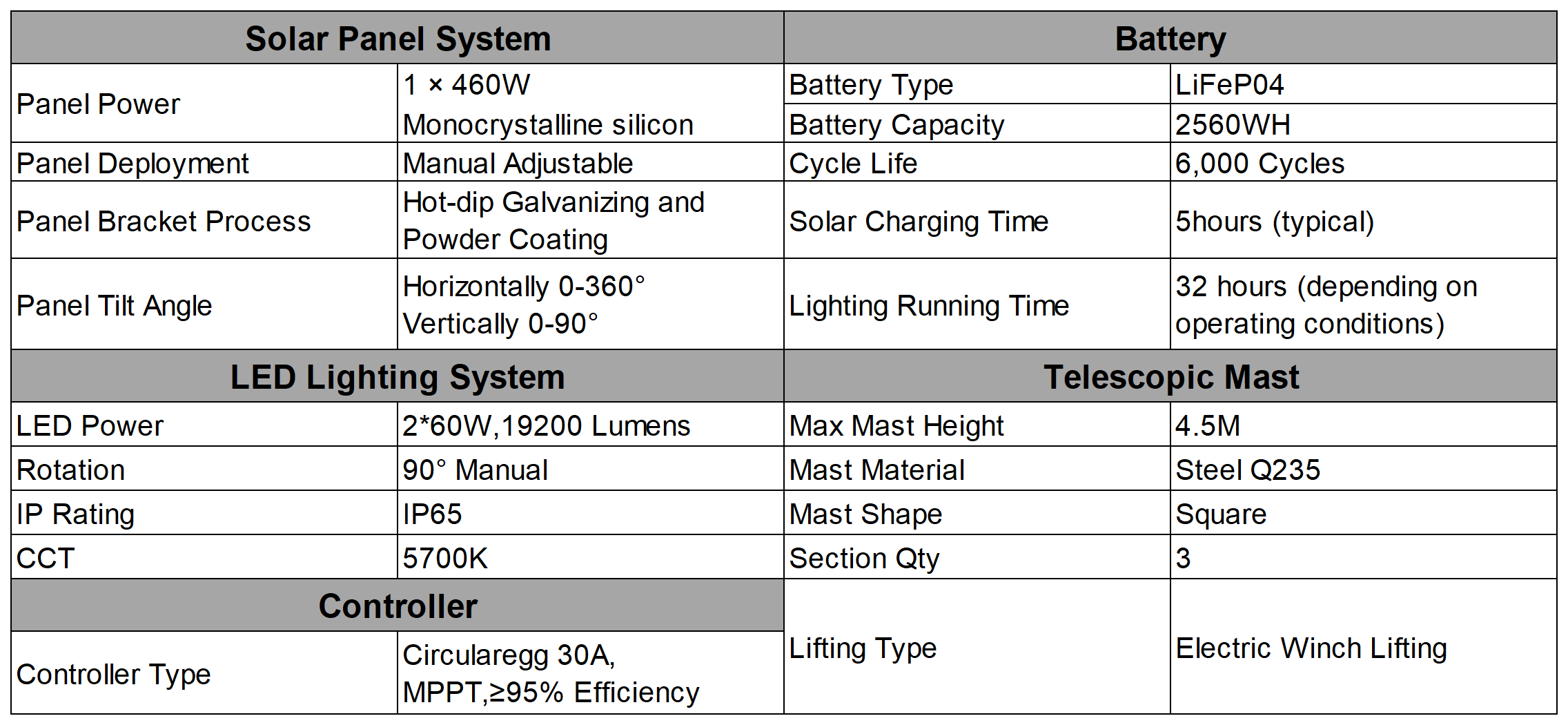
The required size depends on your average monthly electricity usage, roof orientation, and local peak sun hours. Checking your utility bill for kilowatt-hour (kWh) usage is the best starting point.
On-grid systems connect to the public grid and send excess power back for energy credits, but will shut down during power outages. Off-grid systems are entirely self-sustained and use batteries to store electricity for nighttime or emergency use.
Yes, solar panels can still produce electricity under overcast conditions by capturing indirect sunlight. However, output is lower compared to sunny days. In contrast, rain is beneficial as it cleans away dust and debris.
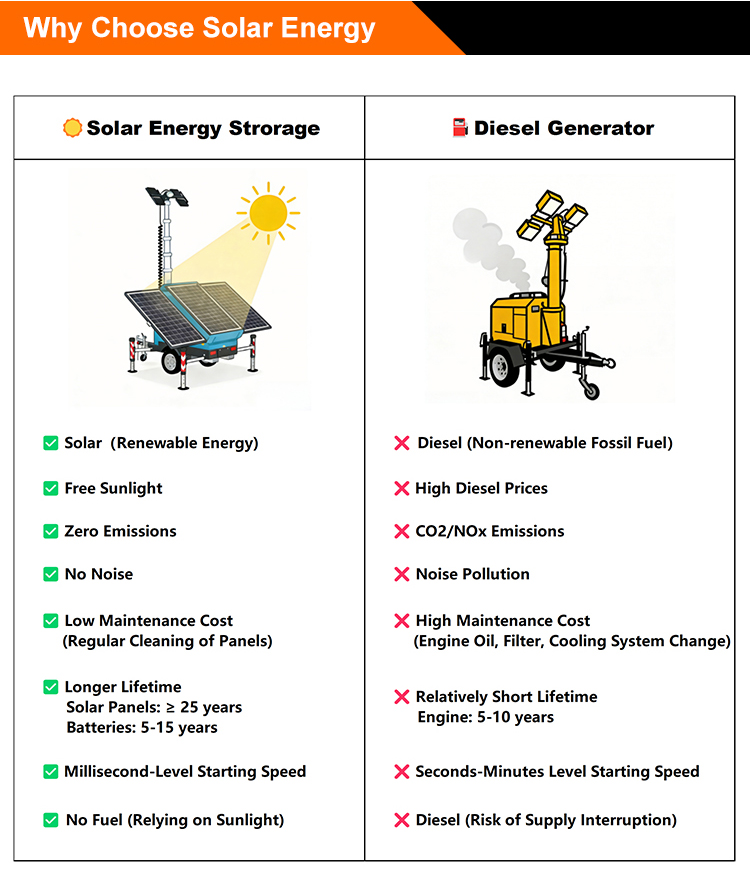
Solar systems require minimal maintenance because they have no moving parts. Keeping the panels clean from leaves, dust, and snow, along with occasional inspections, ensures long-term operational efficiency.
High-quality solar panels usually last between 25 and 30 years and are backed by performance warranties. Solar inverters normally have a working life of 10 to 15 years and may need replacement or repair during the panel’s lifetime.
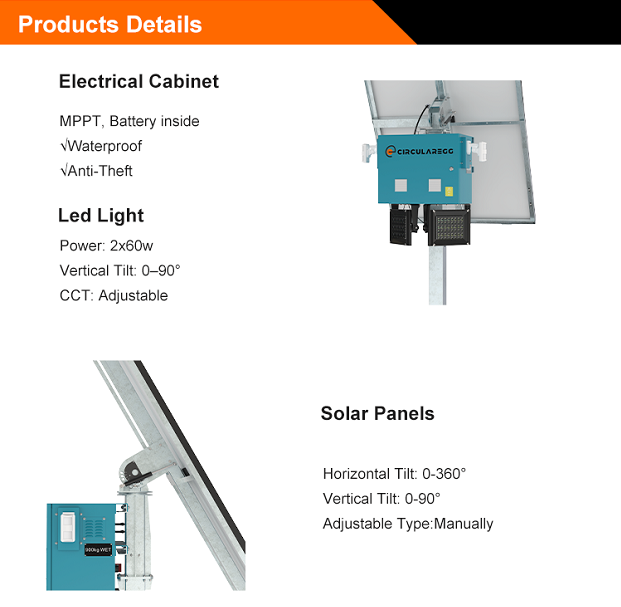
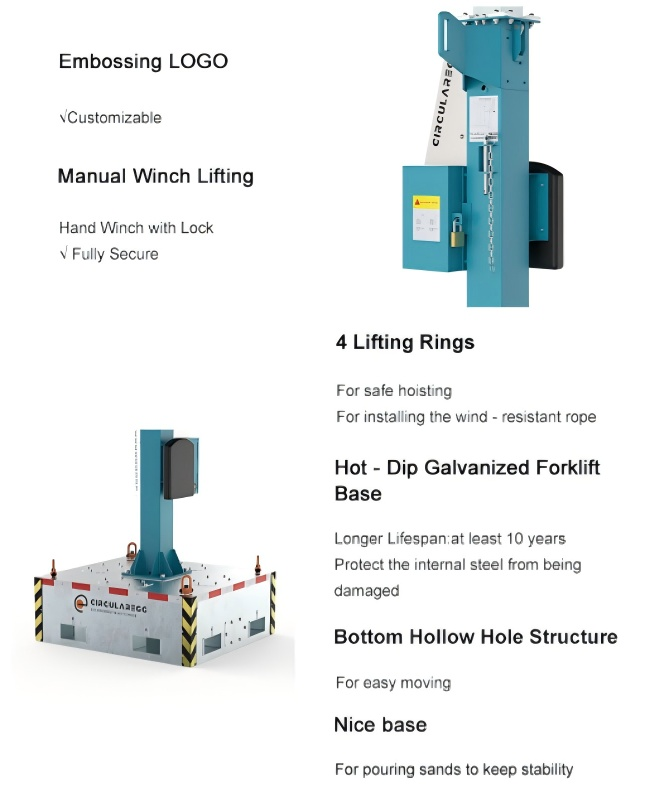
Yes. The solar panels and mounting structures are engineered and tested to withstand high wind loads and hail impacts, conforming to international safety and durability standards.