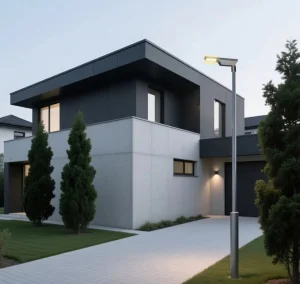
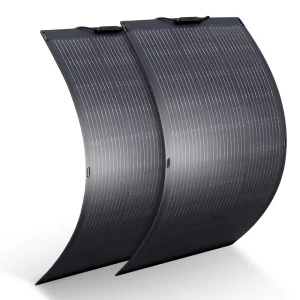
High-efficiency components, mounting systems, and solar accessories engineered for durability and architectural integration.
A comprehensive study on Building-Integrated Photovoltaics (BIPV), structural engineering solutions, and factory capacity in China.
Building-Integrated Photovoltaics (BIPV) represents the cutting-edge intersection of building engineering and solar technology. Unlike conventional Building-Applied Photovoltaics (BAPV), where solar panels are simply mounted onto existing structures, BIPV systems serve a dual function. They replace traditional building components such as curtain walls, glass façades, skylights, atriums, and roofing systems while simultaneously acting as high-efficiency clean energy power plants.
This integration is not merely aesthetic; it is a fundamental shift in how civil engineering structures interact with ambient energy. True BIPV solutions are engineered to withstand structural loads, resist wind pressures, provide thermal insulation, manage acoustic transfer, and guarantee moisture barriers, all while maintaining optimum solar cell configuration to capture maximum solar irradiance throughout the seasonal cycles.
China has solidified its position as the global hub for BIPV innovation and manufacturing due to several critical structural advantages:
1. Vertically Integrated Supply Chain: Chinese manufacturing clusters bring together raw polysilicon processing, high-efficiency solar cell production (TOPCon, HJT, and Perovskite-Silicon tandems), structural glass fabrication, and precise structural aluminum extrusion within tight geographic corridors. This minimizes transit times, optimizes component compatibility, and reduces manufacturing costs.
2. Leading Customization and OEM Capabilities: BIPV is rarely a one-size-fits-all solution. Buildings have varying dimensions, glass transparency requirements, and structural loads. Factories in Shenzhen and surrounding industrial zones are highly experienced in producing custom glazing sizes, color configurations, and electrical wiring solutions to match specific architectural designs.
3. Advanced Testing Standards: Modern Chinese BIPV factories adhere to international double-testing protocols. Products undergo both construction material testing (such as wind pressure, watertightness, airtightness, and structural seismic shift tests) and photovoltaic performance tests (IEC 61215, IEC 61730, and UL certifications) to ensure long-term durability in harsh environments.
Uncompromising commitment to renewable engineering, advanced fabrication systems, and premium quality assurance.
Shenzhen Soweglow Solar Co., Ltd. is a professional and reliable manufacturer and supplier specializing in solar energy products, renewable energy solutions, and intelligent solar lighting systems. Located in Shenzhen, China, one of the world's most innovative and dynamic technology hubs, we have been committed to the solar industry for many years, providing high-quality products and customized energy solutions to customers worldwide.
Driven by the mission of promoting clean energy and sustainable development, Soweglow Solar focuses on delivering efficient, environmentally friendly, and cost-effective solar products that help reduce energy consumption and carbon emissions. Through continuous innovation, strict quality control, and customer-oriented service, we have established long-term partnerships with clients across Europe, North America, South America, Africa, Southeast Asia, and the Middle East.
Our experienced team possesses extensive expertise in solar lighting, photovoltaic systems, energy storage solutions, project management, manufacturing, and international business. We continuously invest in research and development to ensure our products meet evolving market demands and international quality standards.
Quality is the foundation of our business. Every product undergoes strict quality inspections throughout the entire production process, from raw material selection to final assembly and shipment. Our manufacturing facilities operate under comprehensive quality management systems to ensure product reliability, safety, and long service life. We continuously improve our production processes and technology to provide products that comply with international certifications and industry standards.
To accelerate the adoption of renewable energy by providing innovative, efficient, and sustainable solar solutions that create long-term value for customers and contribute to a greener future.
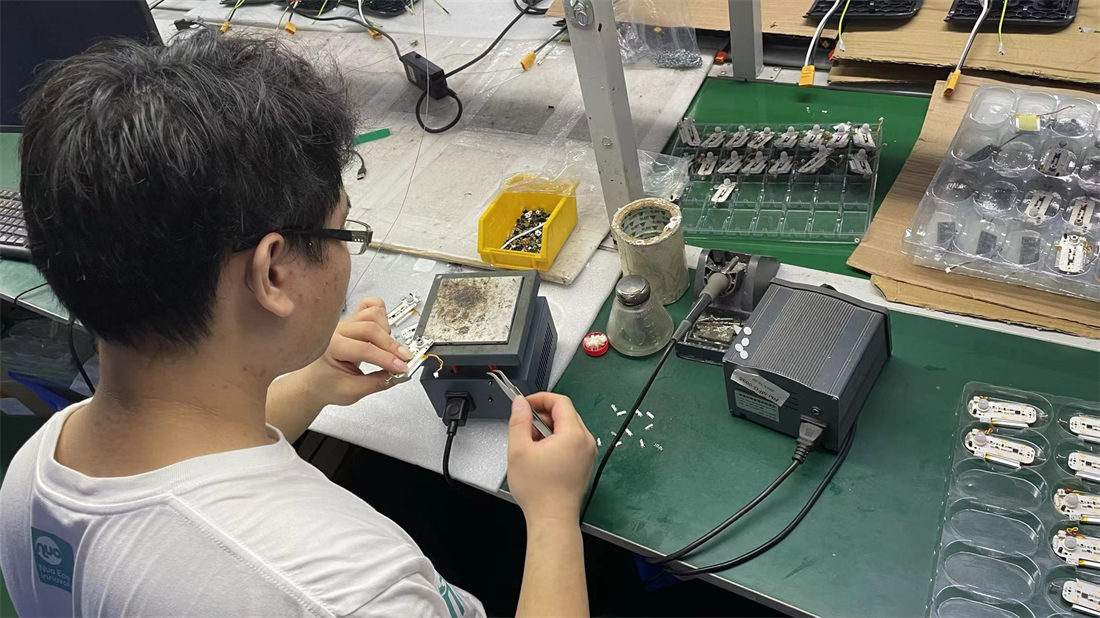
Inside our Shenzhen facility: Leveraging automation, rigorous quality control, and specialized equipment to ensure architectural durability.
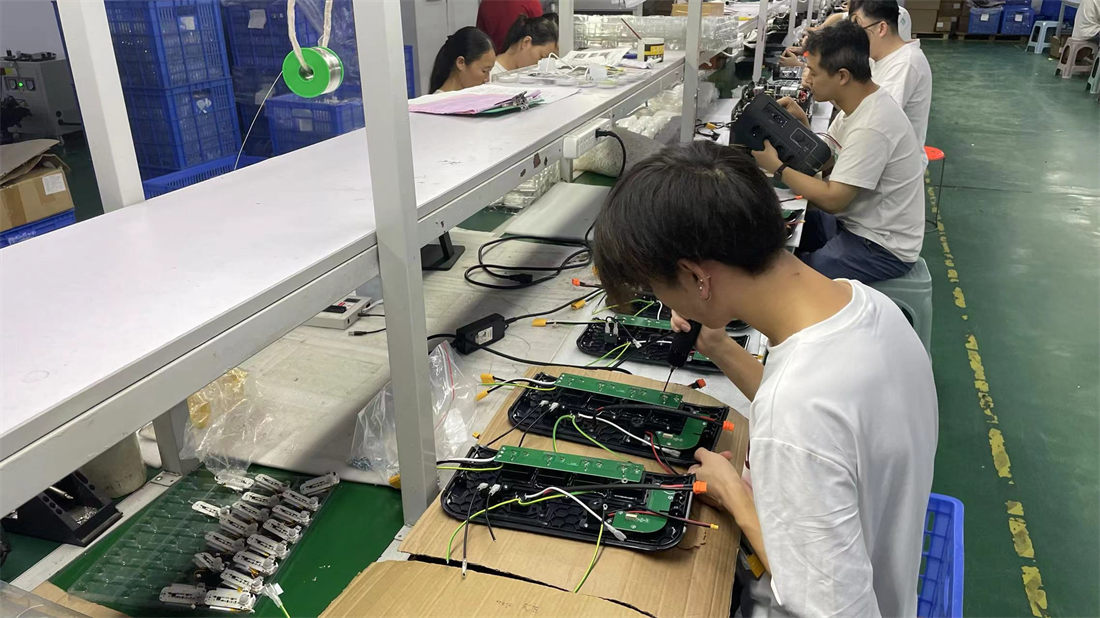
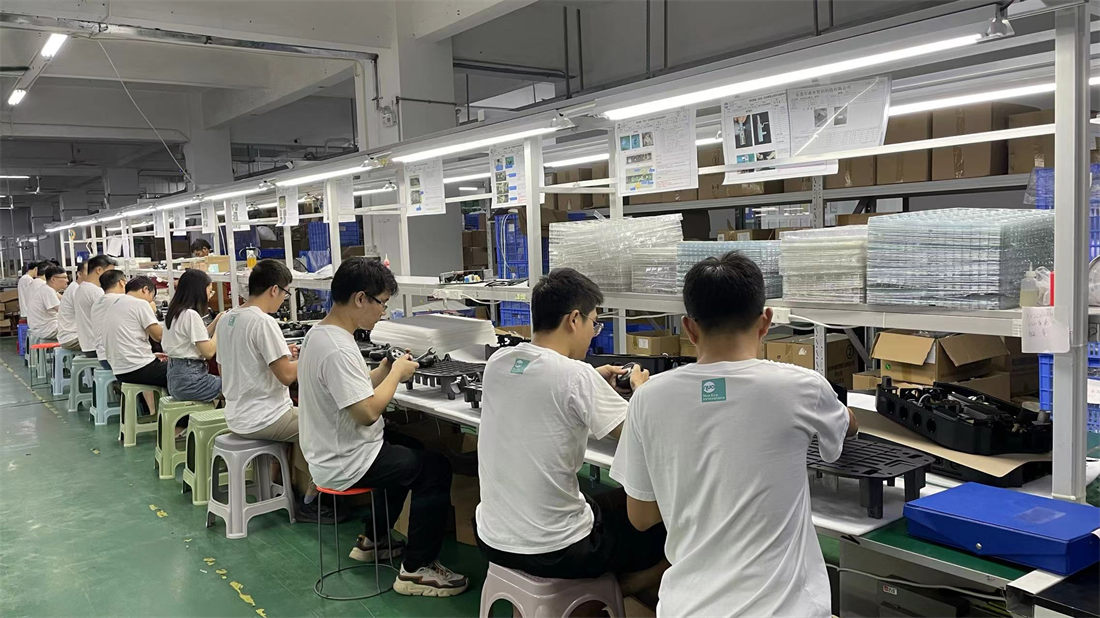
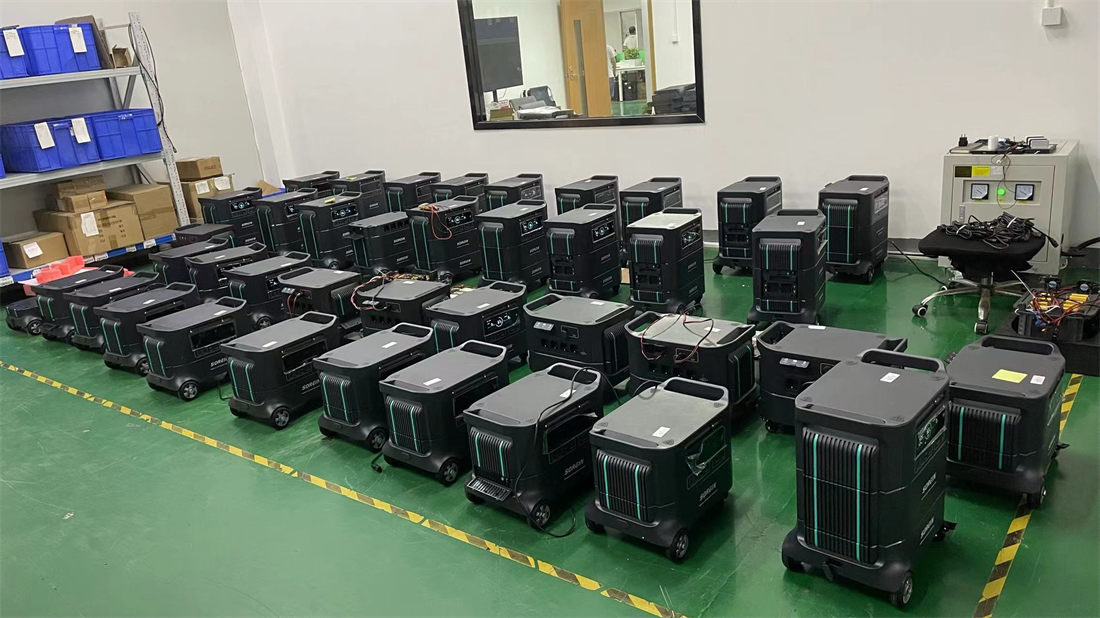
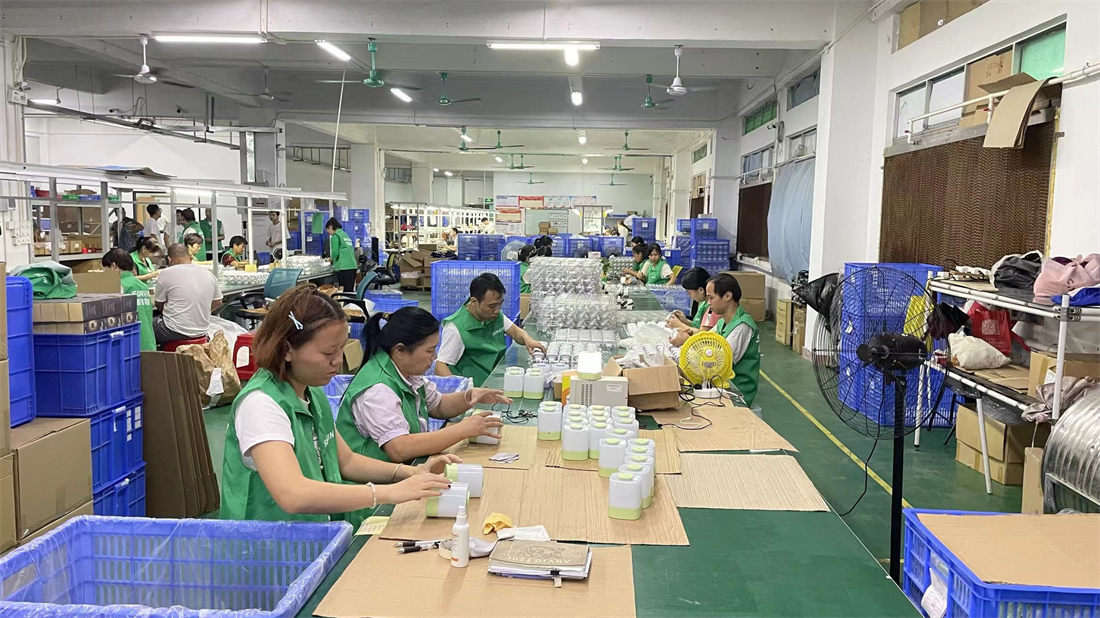
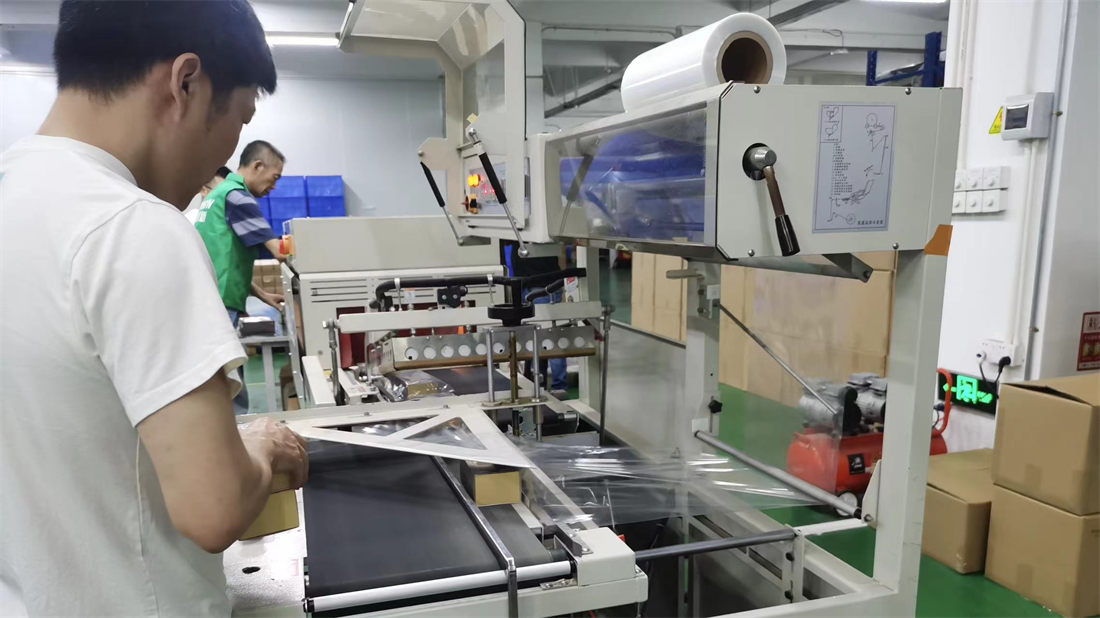
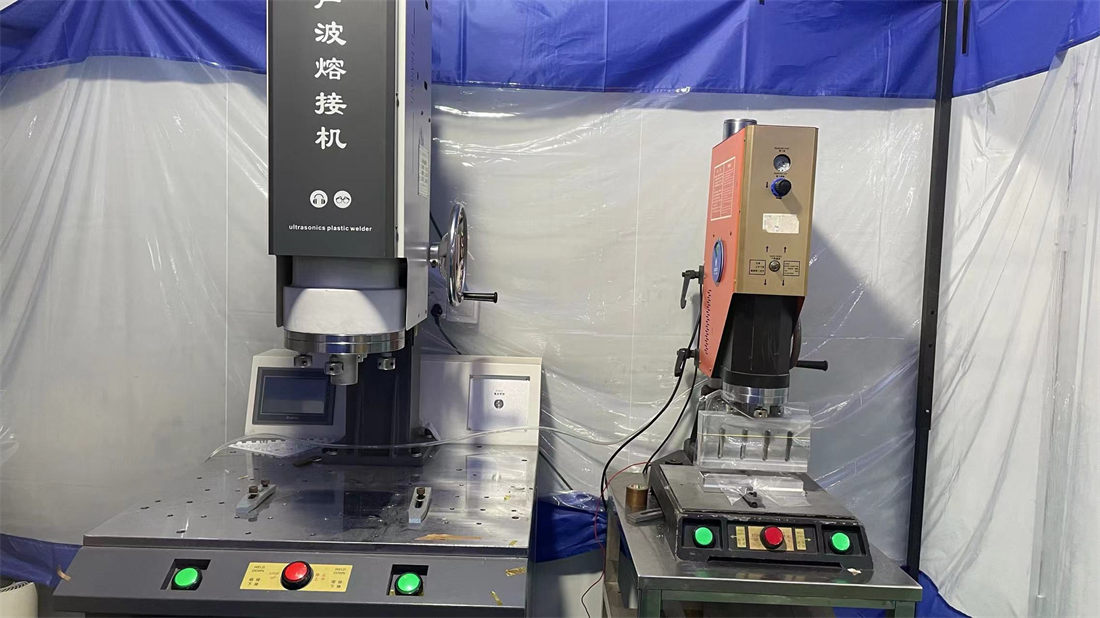
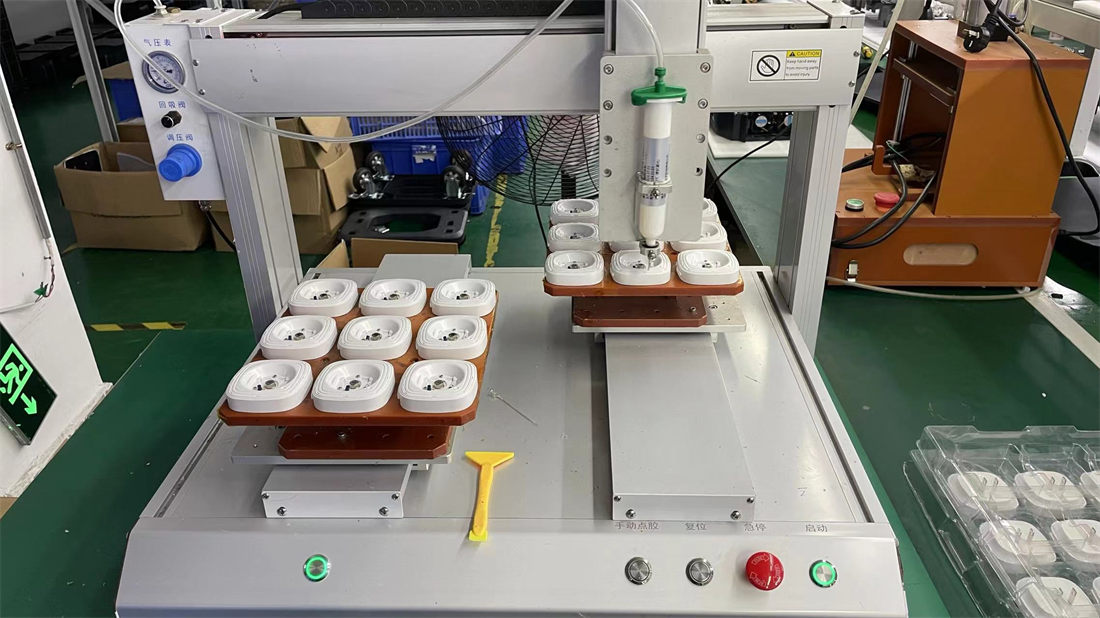
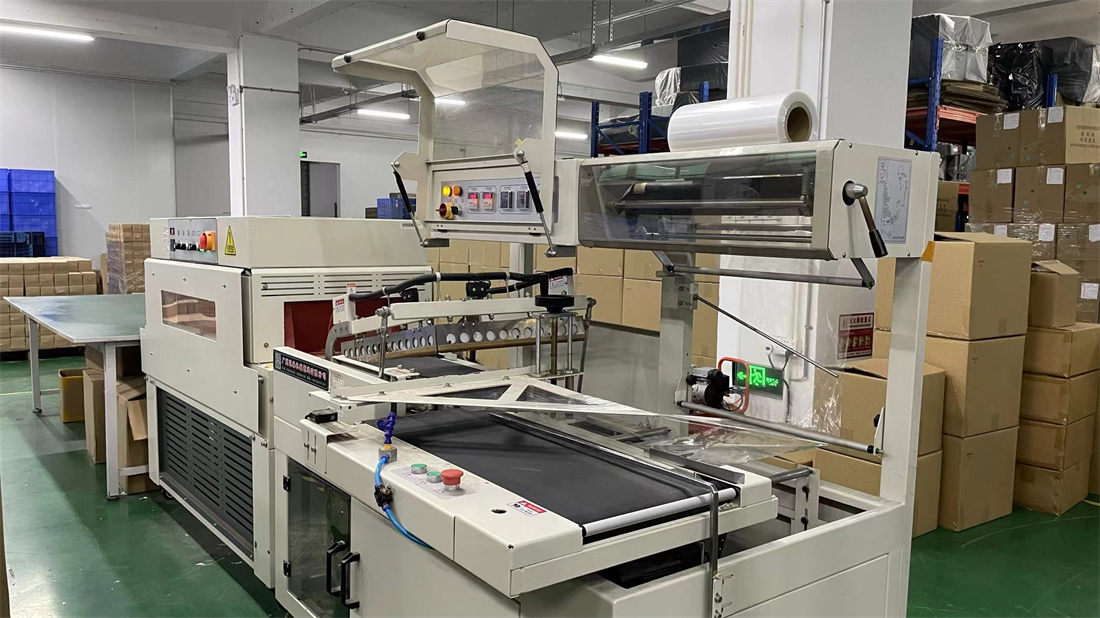
How global enterprises integrate BIPV into multi-faceted construction plans and infrastructure pipelines.
Constructed using high-performance double-tempered safety glass with integrated crystalline silicon or thin-film cells. Highly favored for commercial tower curtain walls, offering thermal insulation and active power generation.
Designed to fit directly onto industrial roofs or residential tile frameworks. These systems eliminate the structural load penalties of typical steel brackets, offering superior wind uplift ratings and absolute waterproofing.
Engineered for complex shapes, customizable transparency ranges, and color patterns. Ideal for architectural masterpieces, dynamic canopies, and transport terminals that require specialized building materials.
When sourcing BIPV products from China, global procurement teams must look past simple dollar-per-watt metrics. Because BIPV components are structural elements, they must be specified based on the following key metrics:
Common questions from structural engineers, real estate developers, and international procurement managers.
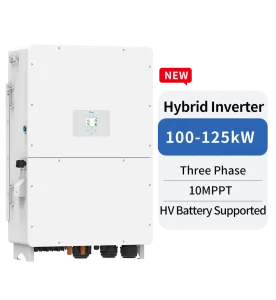
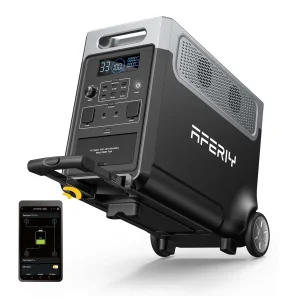
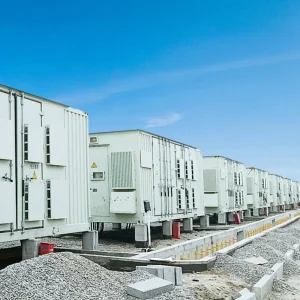
Complete your renewable energy microgrid with utility-scale inverters, high-capacity battery containers, and portable solar generators.
 Soweglow Solar