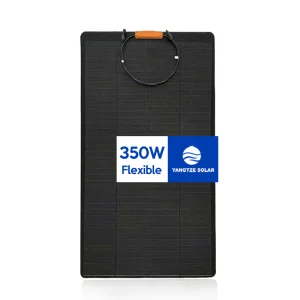
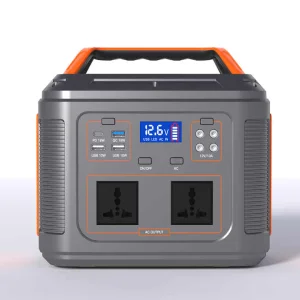
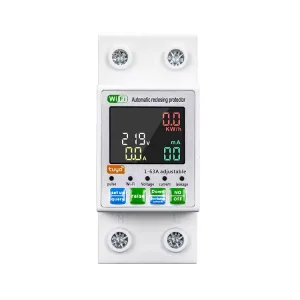
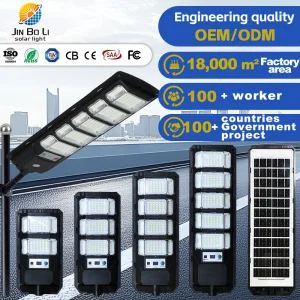
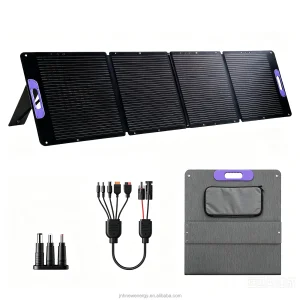
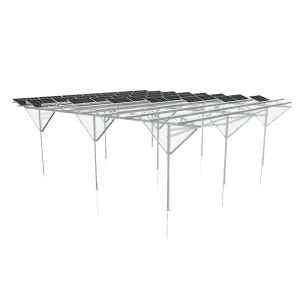
Engineered for high-yield efficiency, durability, and compliance with major global green energy subsidies and municipal incentive frameworks.
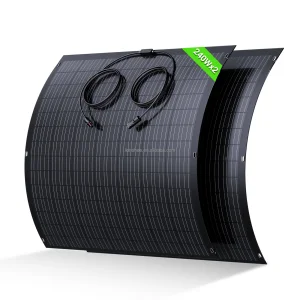
A B2B executive briefing on compliance, technological scalability, and high-efficiency product integration.
The global energy landscape is undergoing a systemic transition, driven not only by corporate ESG mandates but by highly structured legislative frameworks. In North America, the Inflation Reduction Act (IRA) has permanently altered the financing landscape for solar and battery storage installations. Similarly, in Europe, the REPowerEU program and the Net Zero Industry Act (NZIA) provide extensive tax rebates, feed-in tariffs, and grant structures designed to eliminate fossil-fuel dependencies. For commercial and industrial (C&I) enterprises, infrastructure asset managers, and EPC contractors, aligning with top-tier, trusted solar manufacturing partners is the decisive factor in qualifying for these lucrative subsidies, accelerating ROI, and securing supply chain longevity.
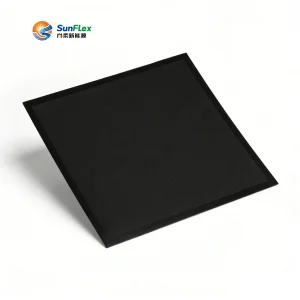
The convergence of fiscal incentives and advanced photovoltaic R&D has accelerated the commercialization of next-generation solar tech. Historically, rigid silicon wafers dominated utility scales. However, the modern incentive frameworks are structured to penalize structural inefficiency and weight, shifting the spotlight toward flexible, high-density, and smart systems. Key developments shaping the technical horizon include:
Over the next decade, policy designs are expected to mandate "smart-grid readiness." This implies that standard solar installations must integrate native IoT capabilities, such as automated energy-metering switches and remote telemetry, to actively communicate with national grids and dynamically adjust feed-in rates.
To qualify for large-scale federal incentives, developers must design projects with holistic energy flow configurations. High-performance generation must be paired with dynamic storage and intelligent management. Macro-industry solutions are scaling in three key verticals:
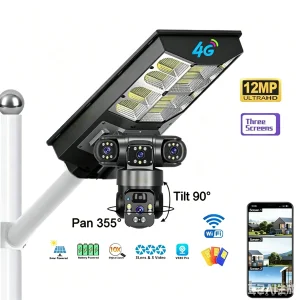
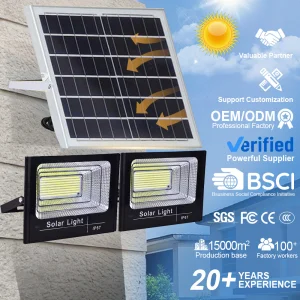
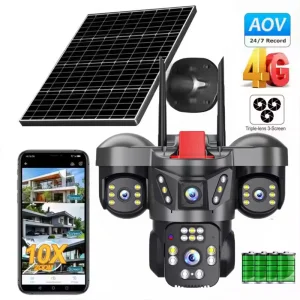
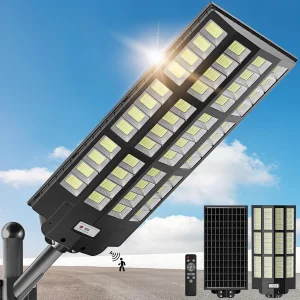
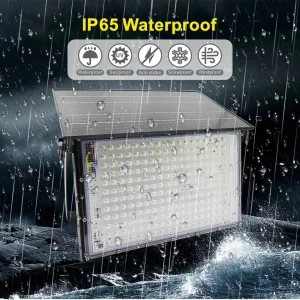
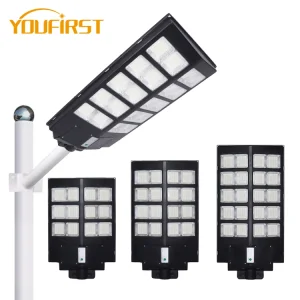
Decentralized Smart Lighting & Surveillance Systems: Municipalities globally are leveraging solar incentives to upgrade to off-grid security systems. Combining high-output LED street lights, three-lens PTZ cameras, 4G communication, and dedicated LiFePO4 battery storage, these systems bypass expensive grid connections, ensuring 360-degree security and clean illumination with zero operational emissions.
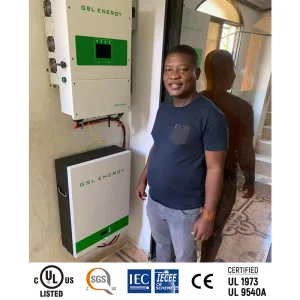
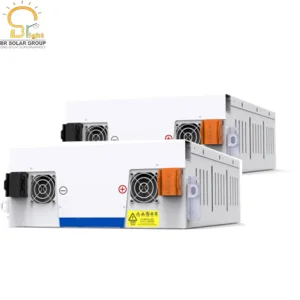
C&I Hybrid Microgrids: Combining high-capacity Pure Sine Wave Hybrid Inverters (ranging from 3Kva to 15Kva or custom high-capacity models) with modular, industrial-grade lithium energy storage systems allows manufacturing facilities to engage in peak shaving and load shifting. In regions with time-of-use (TOU) tariffs, these systems yield immense savings, often generating secondary revenue through virtual power plant (VPP) net-metering programs.
Integrated Smart Infrastructure: Smart infrastructure leverages high-amperage TUYA-integrated energy meters and circuit breakers to dynamically throttle power feeds based on solar generation profiles, stabilizing microgrids and ensuring compliance with local grid codes.
Navigating cross-border solar supply chains requires compliance with rigorous national and international standards. A supplier's value is determined not only by their factory output but also by their compliance portfolio. In Europe, CE marking and RoHS compliance are standard baseline parameters, but advanced developers increasingly require TUV Rheinland and IEC certifications to satisfy bankability requirements.
For US buyers, compliance with UL standards (such as UL 1741 for grid-tied inverters and UL 1973 for battery packs) is non-negotiable. Furthermore, local content requirements (like the Domestic Content bonus under the US IRA) dictate that a portion of the manufacturing process must occur within designated trade zones, or rely on factories that maintain full traceability documentation. Working with global suppliers who provide comprehensive testing records, transparent raw material sourcing, and specialized shipping container solutions ensures that multi-million dollar projects avoid regulatory delays at international ports or rejection from grid operators.
A trusted manufacturer specializing in advanced solar energy products, renewable energy solutions, and intelligent solar lighting systems.
Located in Shenzhen, China—the world's preeminent hub for hardware innovation and electronics manufacturing—Shenzhen Soweglow Solar Co., Ltd. stands as a professional, highly reliable manufacturer. Driven by a mission to accelerate the adoption of clean energy, Soweglow focuses on delivering efficient, eco-friendly, and cost-effective solar products that reduce carbon footprints and optimize ROI for commercial and municipal partners globally.
By investing continuously in research, development, and advanced factory automation, Soweglow ensures that its product lines meet evolving global standards. Their experienced team brings deep expertise in solar lighting engineering, photovoltaic dynamics, containerized energy storage, and international logistics. With established footprints across Europe, North America, South America, Africa, Southeast Asia, and the Middle East, they serve as a critical bridge between competitive Chinese manufacturing efficiency and local compliance requirements.
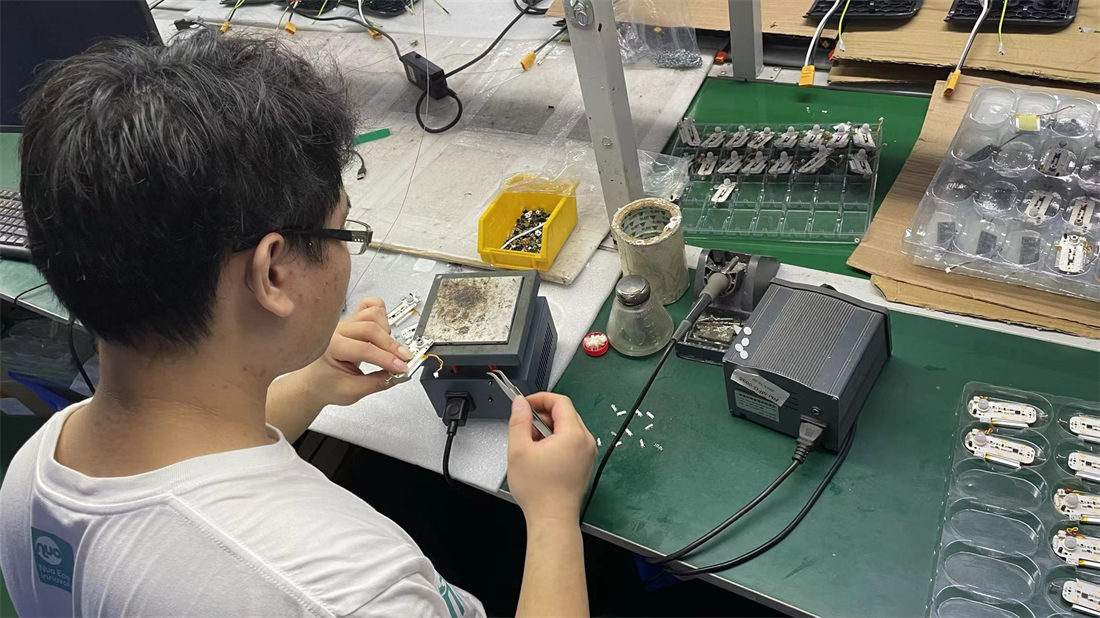
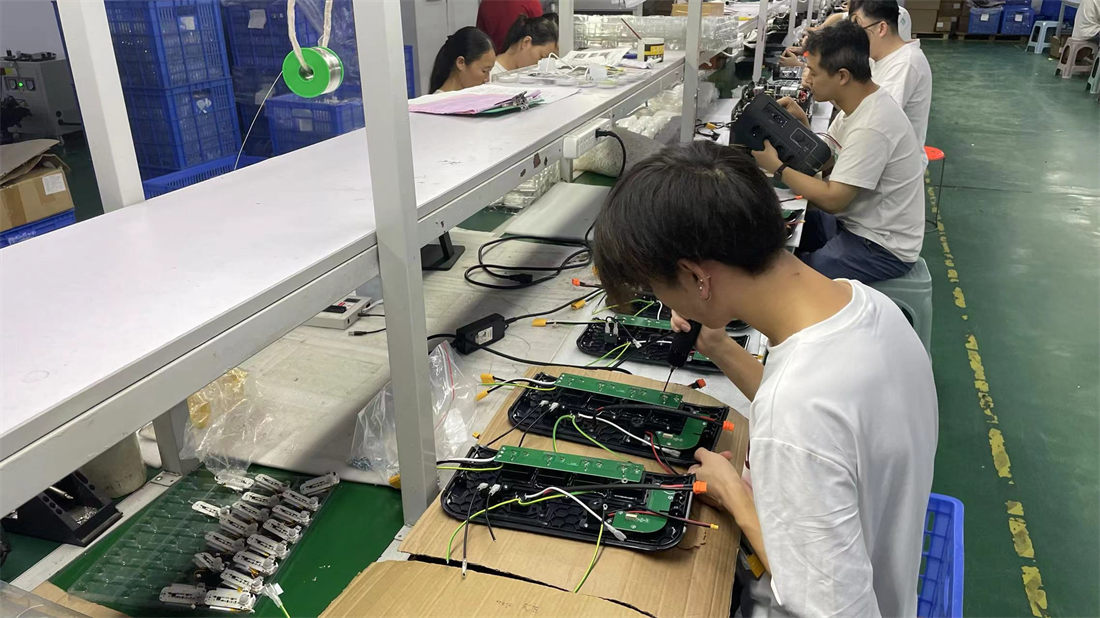
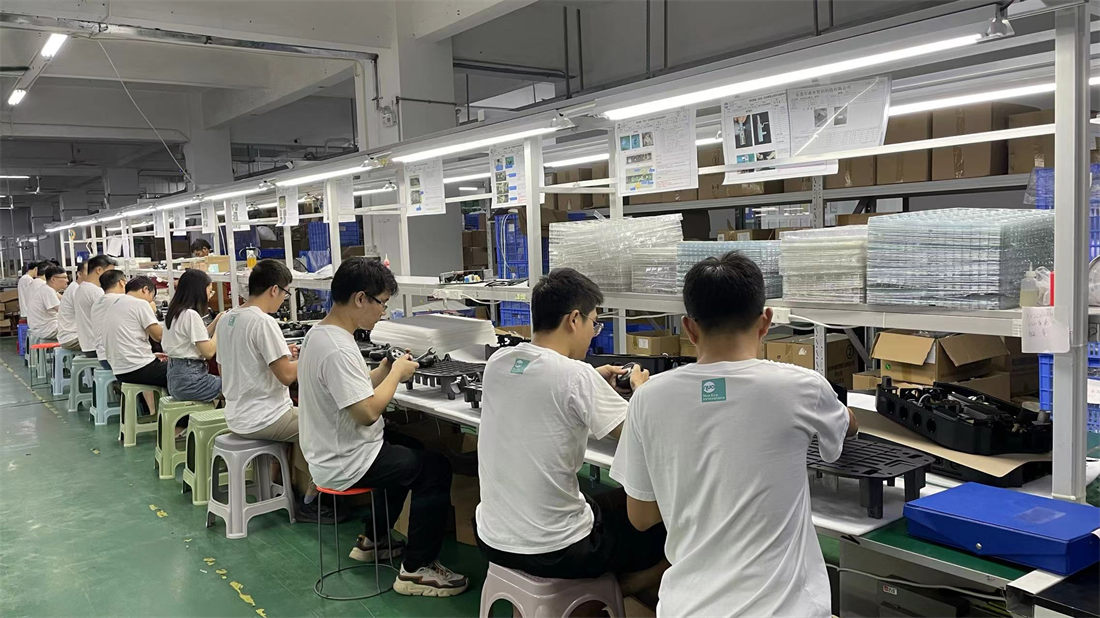
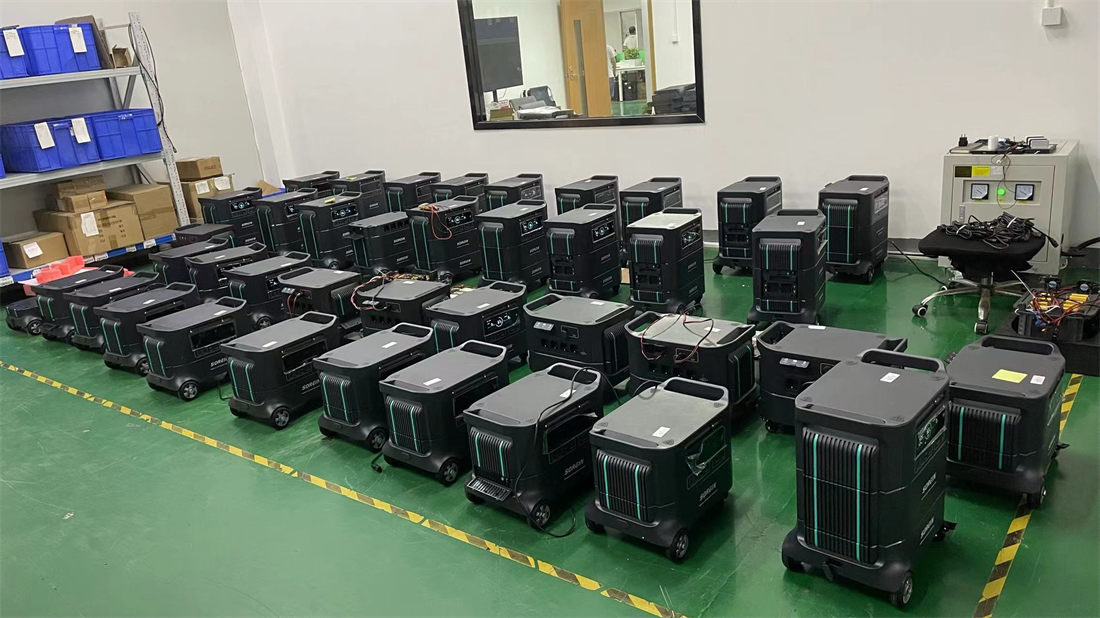
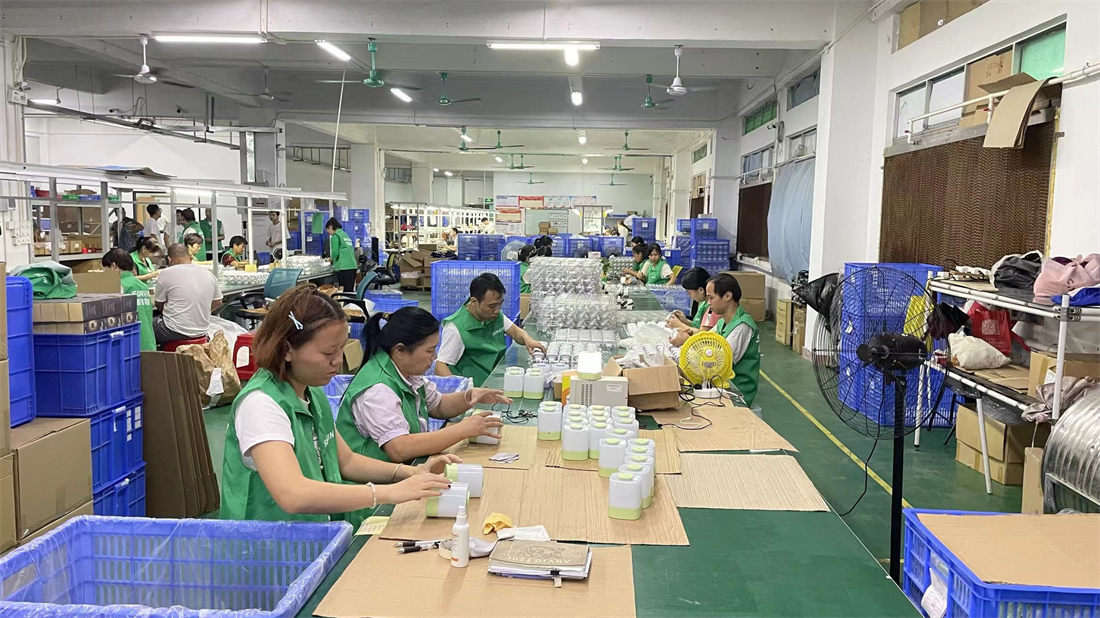
Soweglow's manufacturing facilities operate under a rigorous quality management system designed to guarantee longevity, performance consistency, and traceability. Every step in the production pipeline utilizes state-of-the-art machinery to eliminate human error and optimize production throughput.
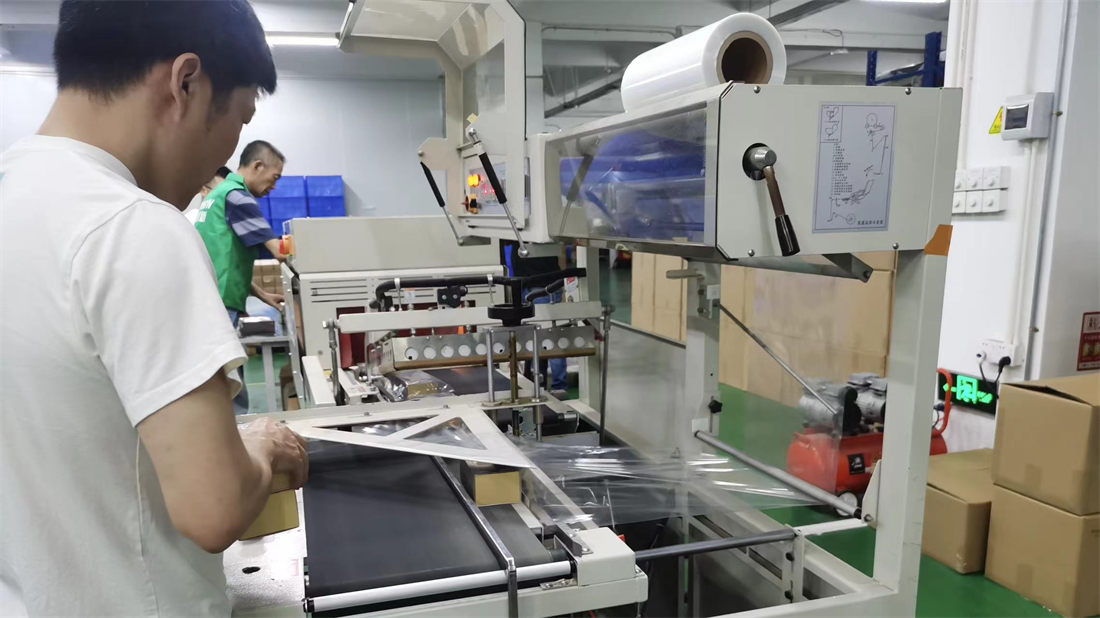
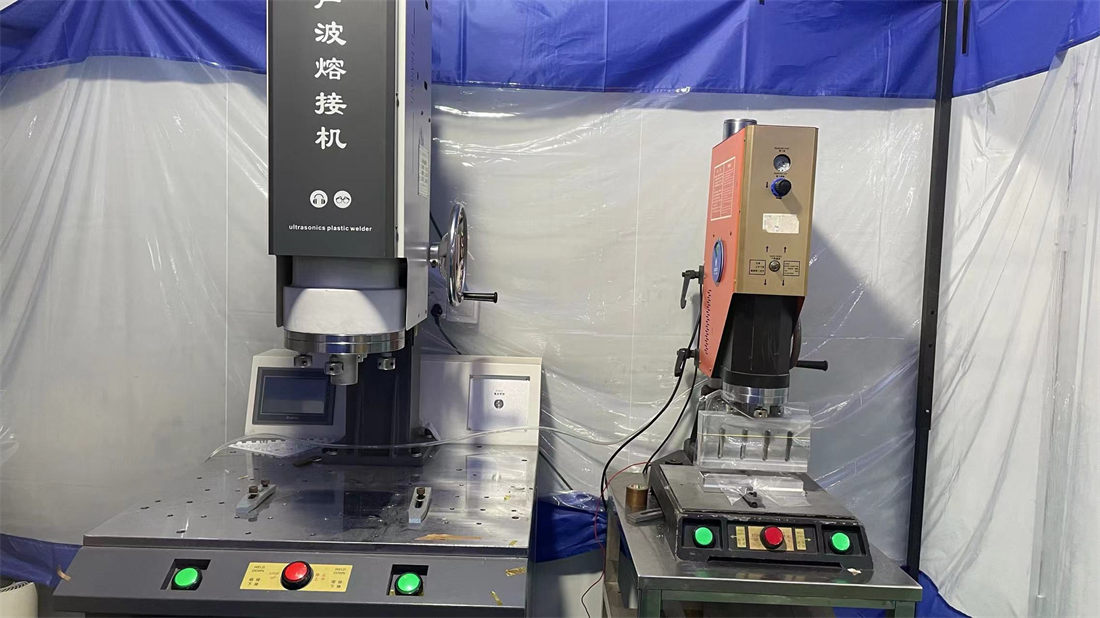
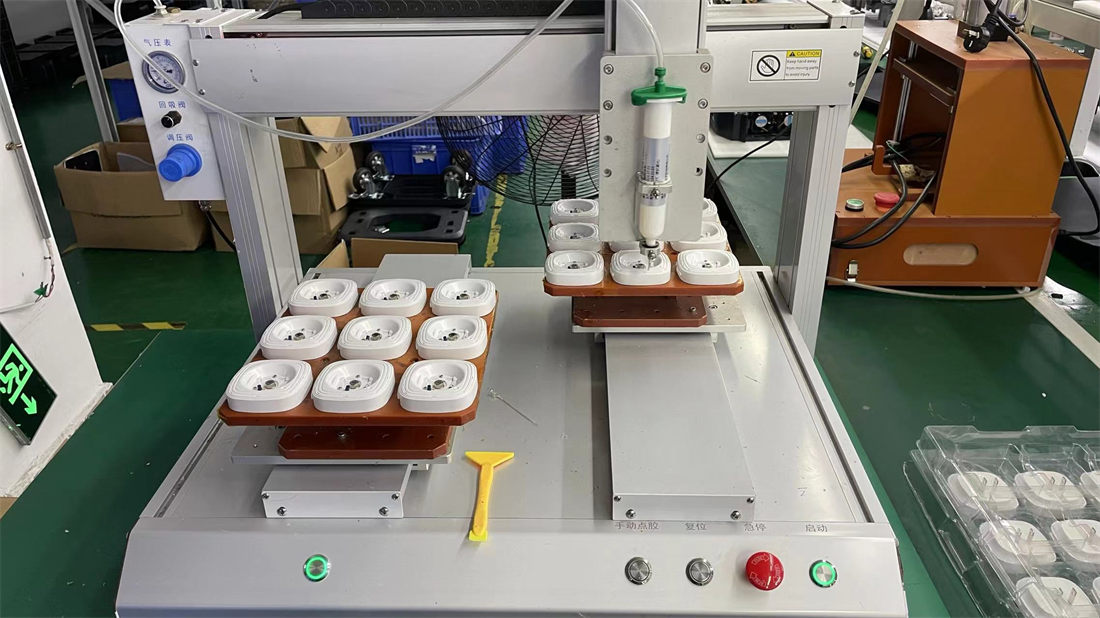
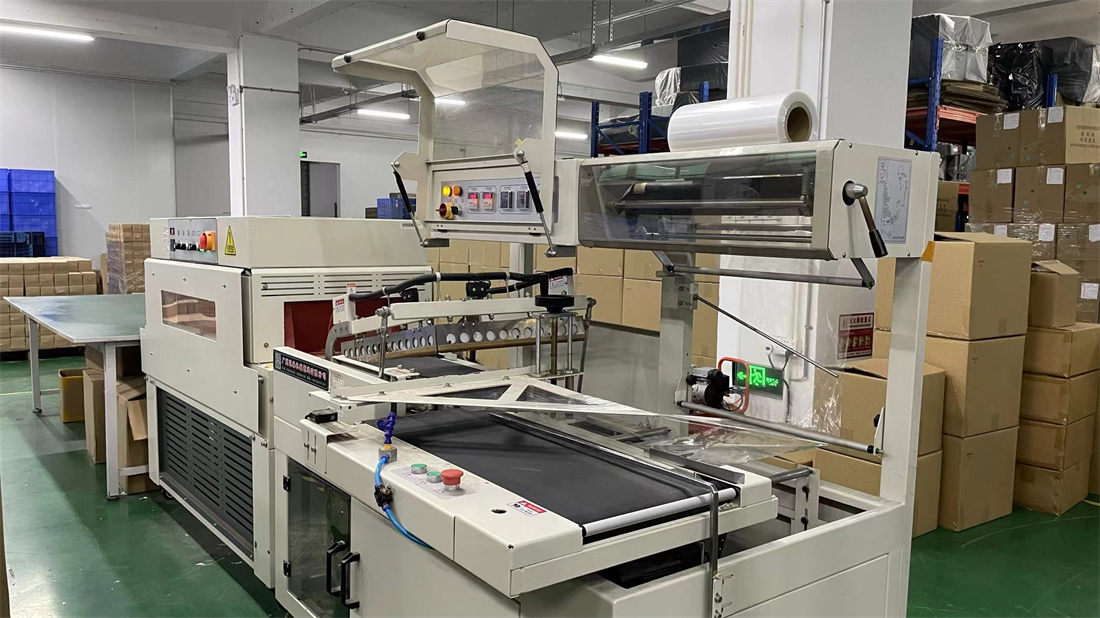
For procurement officers managing utility scale projects, raw solar panel cost constitutes only a fraction of lifetime project cost. Evaluating partners requires deep analysis of operational variables:
Explore our premium range of flexible PV modules, hybrid off-grid power solutions, and smart street infrastructure.
 Soweglow Solar