Israel’s clean energy goals have dramatically pivoted toward off-grid utility schemes, agricultural integration, and distributed commercial rooftop architectures. The Israeli Ministry of Energy's commitment to generating 30% of its electricity from renewable sources by 2030 has spurred massive infrastructure development, particularly in solar-rich territories like the Negev and Arava deserts.
However, the desert ecosystem presents unique operational difficulties. Ambient temperatures frequently top 45°C (113°F) during the summer, generating elevated cell operating temperatures that dramatically degrade photovoltaic efficiency. Consequently, system developers in Tel Aviv, Haifa, and Beersheba cannot rely on standard consumer-grade electronics. High-performance, thermally-compensated solar charge controllers are essential to regulate voltage spikes and prevent battery bank degradation.
The Israeli Electricity Authority imposes strict requirements on grid-connected solar storage architectures. Grid-feedback control and precise anti-reverse current metrics are heavily prioritized to maintain the stability of localized microgrids. Controllers integrated within these networks must support high-speed modbus communication protocols (RS485/CAN) for dynamic output limitation.
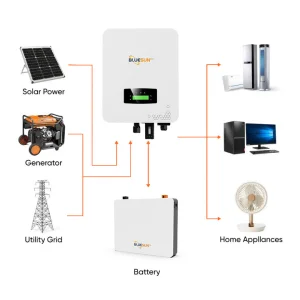
Furthermore, Israel's shift toward Lithium Iron Phosphate (LiFePO4) chemistry in industrial energy storage systems (BESS) demands intelligent charge controllers featuring configurable charging profiles, battery management system (BMS) synchronization, and precise over-current protection. This ensures maximum uptime under intense solar irradiance.
Across global commercial and industrial (C&I) sectors, solar charge control technology has evolved from simple analog switching to software-defined power conversion. Today, the design decision between Maximum Power Point Tracking (MPPT) and Pulse Width Modulation (PWM) depends entirely on budget parameters, array sizes, and environmental extremes.
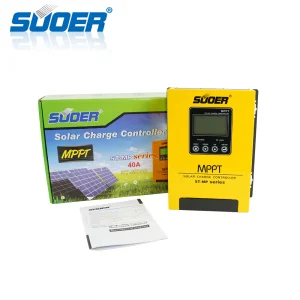
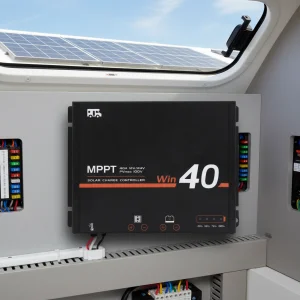
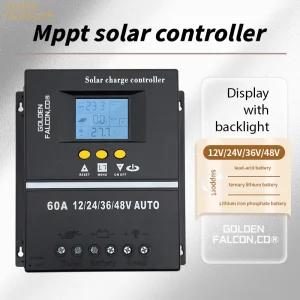
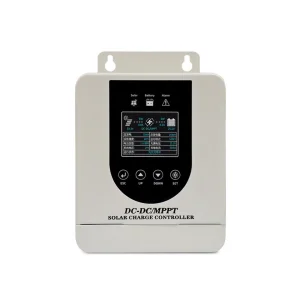
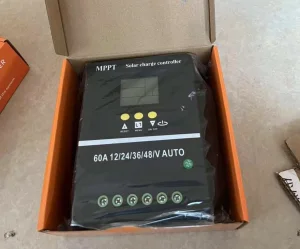
MPPT regulators dynamically adjust the system operating voltage to capture the maximum possible wattage from a solar array. They act as smart DC-to-DC converters, stepping down high PV array voltages to match the battery bank charging voltage without sacrificing power output. This is vital in cool, cloudy conditions, but equally critical in extreme desert heat where the panel’s optimal voltage (Vmpp) drops significantly. An MPPT controller can reclaim up to 30% more energy compared to standard PWM technology, reducing the total solar panel surface area needed for the project.
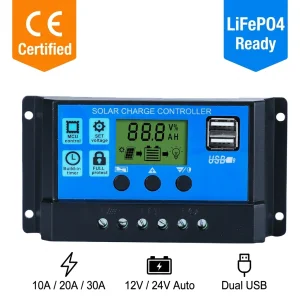
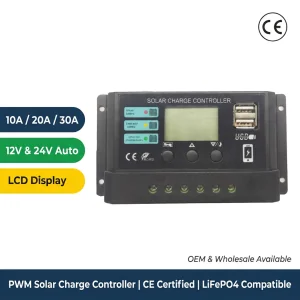
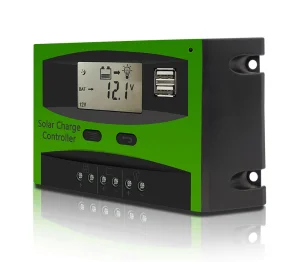
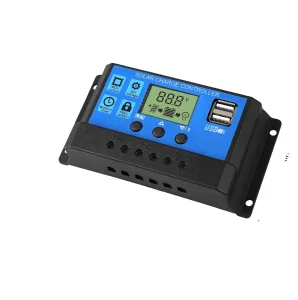
PWM controllers function as direct electronic switches between the solar array and the battery bank. The controller pulls the panel's voltage down to near the battery bank's level. This simplicity makes PWM highly reliable and cost-efficient for smaller solar arrays (typically under 150 Watts). In application scenarios where ambient temperatures are moderate and battery maintenance is a high priority, industrial PWM models with integrated dual USB interfaces and customized charge profiles represent a robust, reliable solution with long operational lifespans.
When engineering firms and solar distributors in Israel source controllers from factories, they prioritize three main operational factors:

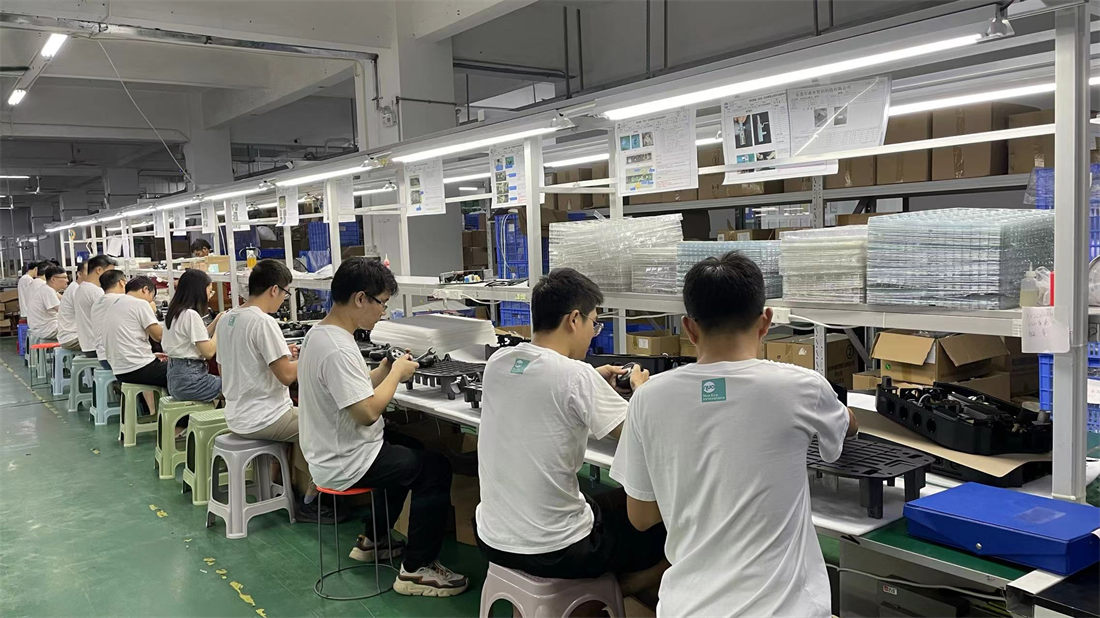
Why do leading solar EPC developers in Israel choose Shenzhen Soweglow Solar Co., Ltd. over regional distributors? The answer lies in the structural efficiency and vertical integration of the Shenzhen tech corridor. As a global technology hub, Shenzhen provides unmatched access to components, rapid prototyping resources, and highly automated manufacturing lines.
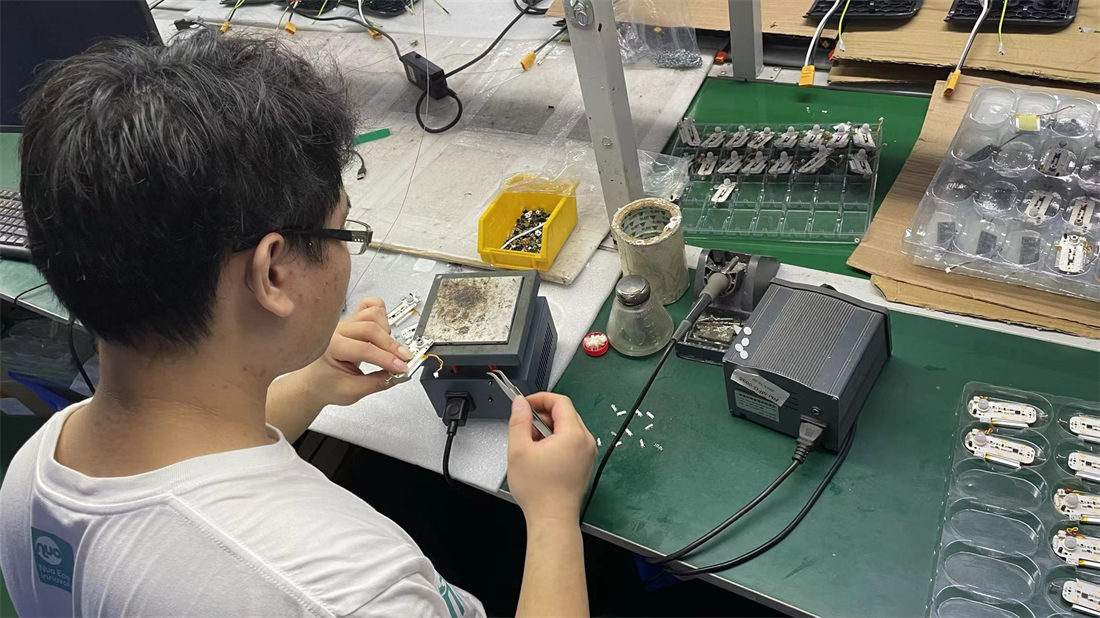
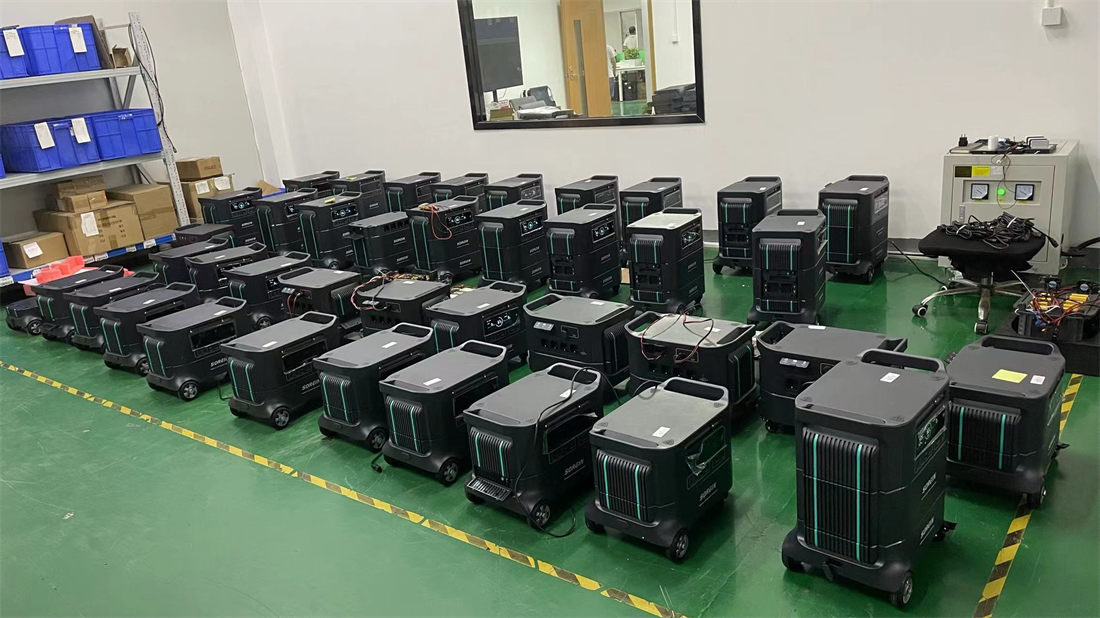
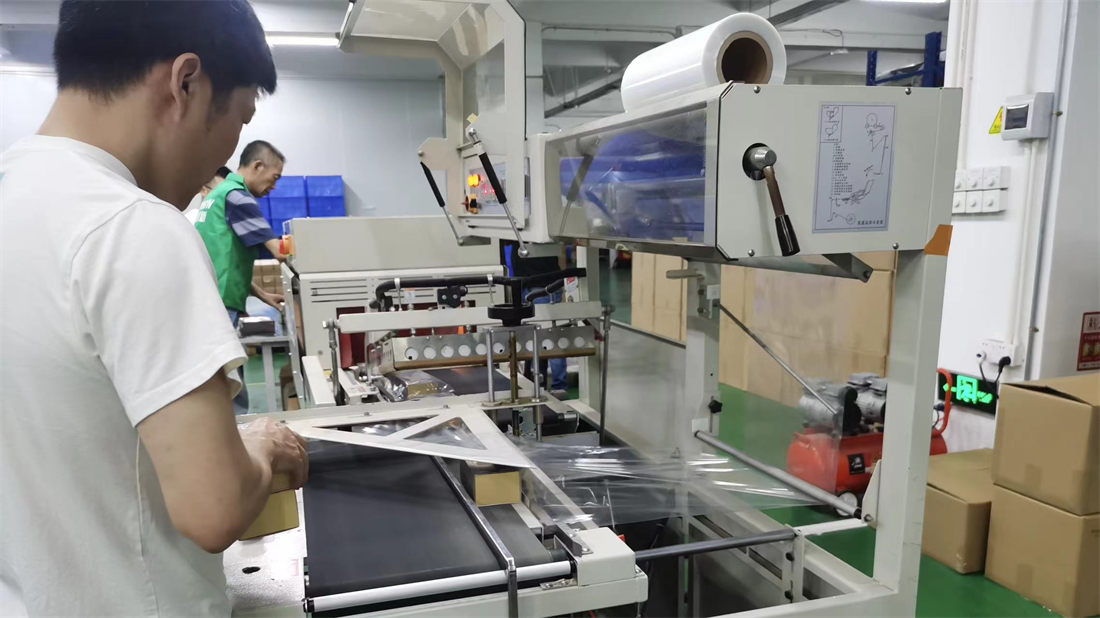
At Soweglow Solar, we combine this local efficiency with rigorous testing protocols to engineer systems that easily withstand the harshest environments. Our facility features automated SMT lines, advanced CNC housing machinery, and high-frequency wave welding systems. By sourcing directly from our factory, buyers bypass distributor markups while securing custom product modifications, specialized private-label packaging, and direct access to our technical engineering staff.
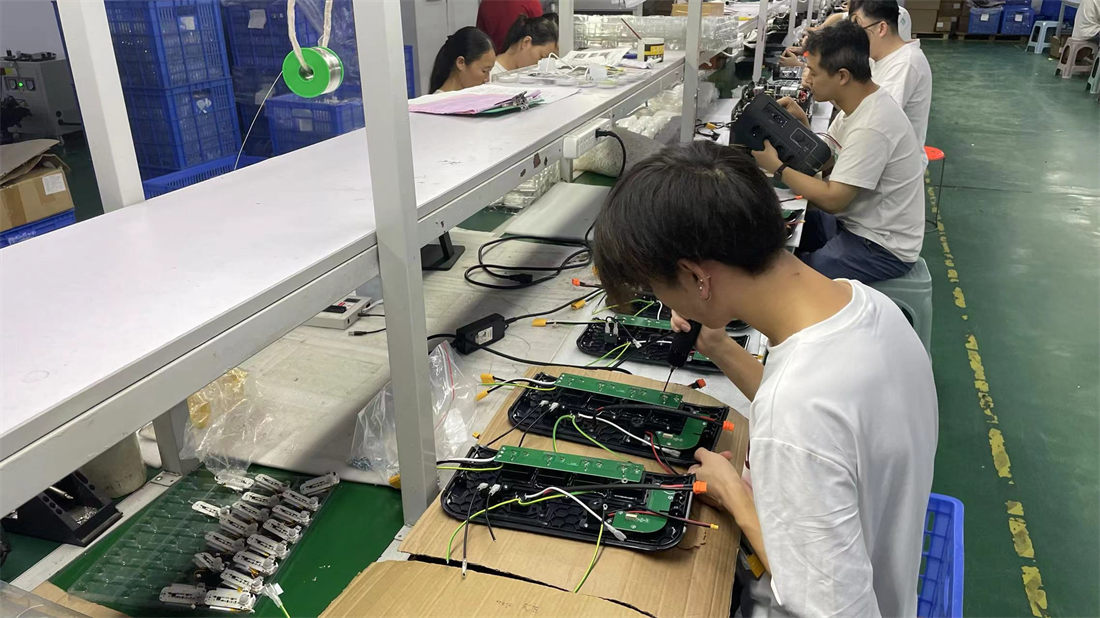

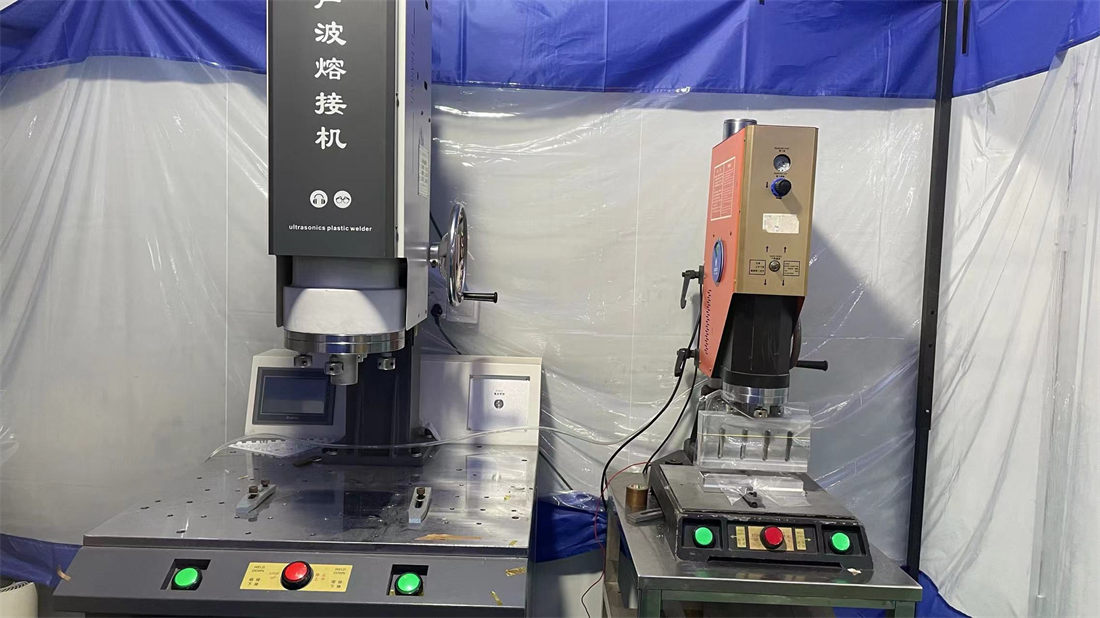
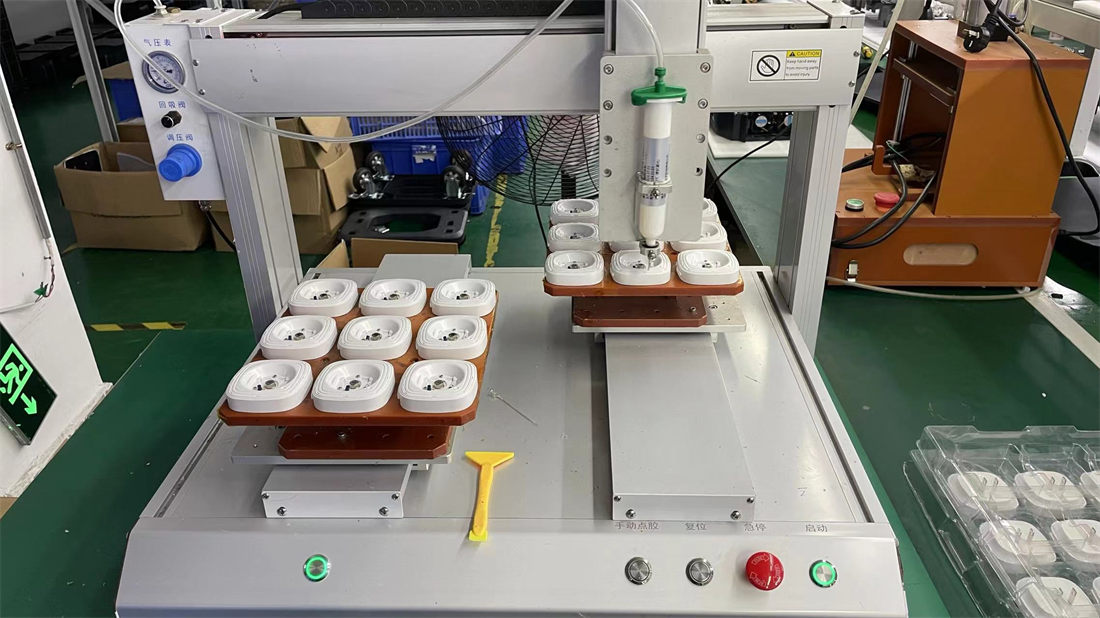
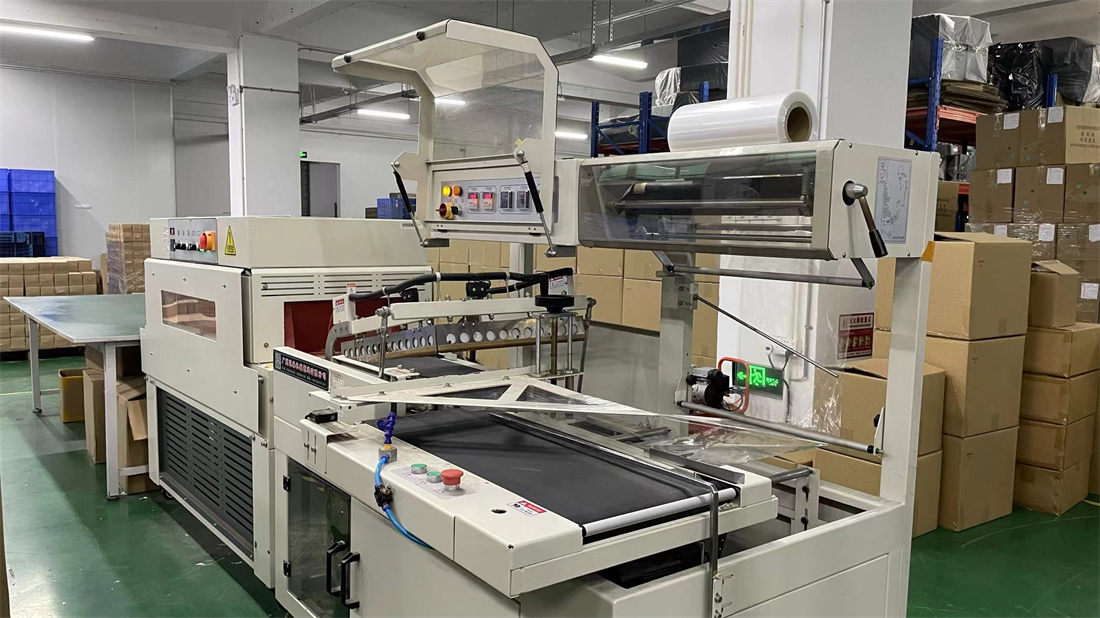
For installations in the Negev Desert or Eilat region, high thermal resistance is key. Our MPPT controllers feature customized aluminum heat-sink profiles and smart fan cooling arrays that ensure zero thermal power derating up to 45°C ambient temperatures.
In Israel's tech-driven agricultural sector (including Kibbutzim across the Galilee), off-grid drip irrigation systems require low standby current draws. Our PWM models maintain systems at high efficiencies while using minimal power during nighttime idle states.
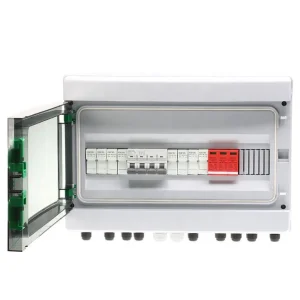
Remote telecommunication links and defense warning systems require zero downtime. Our industrial-grade MPPT and combiner boxes are built to strict IP65 dustproof/waterproof standards, protecting interior boards from sand storms and dust build-ups.
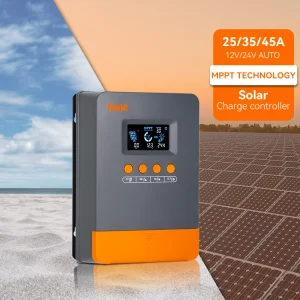
For commercial, industrial, or government projects in Israel, solar charge controllers must carry the CE mark and comply with IEC standards (especially IEC 62109-1 and IEC 62109-2 regarding safety of power converters in PV systems). Additionally, components must comply with RoHS directives to limit hazardous substances.
Under high desert heat, the operational voltage (Vmpp) of standard solar panels drops. A Pulse Width Modulation (PWM) controller pulls the panel operating voltage down to match the battery voltage, discarding the excess potential. An MPPT controller dynamically tracking the panel’s maximum power point saves this lost energy, stepping up current to ensure maximum PV generation even under extreme thermal stress.
Our specialized product lines feature conformal coatings on internal PCB boards to prevent fine dust from causing short-circuits. For harsh desert areas like Arava and Eilat, we advise installing controllers inside our IP65-rated Waterproof Combiner Boxes to completely seal electronic components from dust, sand, and humidity ingress.
Yes, our modern MPPT and PWM controllers feature pre-programmed algorithms designed for Lithium Iron Phosphate (LiFePO4) chemistries, as well as customized voltage charging steps (Bulk, Absorption, Float) for standard Lead-Acid, Gel, and AGM batteries.
For ocean freight shipments to Haifa or Ashdod ports, lead time is typically 20 to 30 days. For urgent microgrid projects, sample units or express cargo can be flown directly from Hong Kong/Shenzhen international airports to Ben Gurion International Airport in 5 to 7 business days.
 Soweglow Solar