 Soweglow Solar
Optimized systems for the UK's unique meteorological conditions, engineered for maximum energy extraction under overcast and variable diffuse light conditions.
The United Kingdom's commitment to achieving net-zero greenhouse gas emissions by 2050 has driven an unprecedented transformation in its energy sector. In recent years, the deployment of solar photovoltaic (PV) technology across the UK has expanded rapidly. From microgeneration systems under domestic roofs to utility-scale ground-mounted arrays in the south-west and east of England, solar technology has moved from a fringe energy source to a core pillar of the national grid infrastructure.
However, the physical and regulatory geography of the British Isles presents distinct challenges. With average solar irradiance ranging from 800 to 1,000 kWh/m² annually, maximizing energy conversion from diffuse daylight and frequently changing cloud cover is imperative. Additionally, strict compliance protocols managed by the Energy Networks Association (ENA)—specifically Engineering Recommendations G98 and G99—control how solar systems and battery assets interface with local Distribution Network Operators (DNOs).
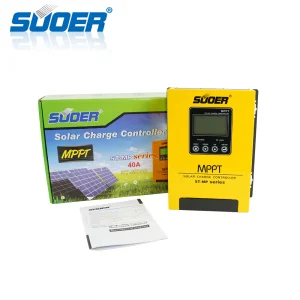
Within this context, the solar charge controller acts as the technological gateway. It is the primary subsystem responsible for modulating input voltage, managing electrochemical battery storage cycles safely, and ensuring maximum energy yields are extracted under suboptimal weather conditions. For UK distributors, commercial EPC (Engineering, Procurement, and Construction) companies, and off-grid technology developers, procuring industrial-grade charge controllers that offer high-precision Maximum Power Point Tracking (MPPT) is not simply a preference; it is a critical operational standard.
In standard solar installations globally, system designers select between Pulse Width Modulation (PWM) and Maximum Power Point Tracking (MPPT) topographies. In the United Kingdom, where overcast conditions represent the baseline meteorological state rather than the exception, this choice is particularly significant.
Pulse Width Modulation (PWM) Controllers: PWM controllers operate by establishing a direct electrical connection between the PV array and the battery storage bank. While cost-effective, they pull the PV module's output down close to the battery voltage, sacrificing potential energy. In cold but clear weather, the optimal operating voltage (Vmp) of solar panels increases significantly. A PWM controller cannot access this excess voltage, resulting in energy losses of up to 30% during typical British winter days.
Maximum Power Point Tracking (MPPT) Controllers: MPPT technology utilizes an active DC-to-DC converter stage that continuously tracks the Vmp of the panel array, decoupling the solar module voltage from the battery voltage. By continuously calculating and adjusting the optimal voltage-to-current ratio, MPPT controllers can harvest up to 30% more energy from the same solar array compared to PWM. Under the UK's typical diffuse daylight conditions (light scattered by clouds), advanced MPPT algorithms adjust their search speed to identify the true maximum power point, preventing the controller from locking onto false local power maxima.
Our industrial charge controllers utilize custom-designed algorithms optimized for rapid weather transitions. Our technical design incorporates:
From agricultural microgrids to infrastructure monitoring, robust power control ensures continuous operations.
In rural Scotland, Wales, and Northern England, off-grid agricultural operations and remote telecom base stations require reliable power. Our high-voltage MPPT controllers step down high solar voltages to match 24V or 48V battery banks, providing steady power to CCTV systems, telemetry nodes, and livestock control systems without relying on high-maintenance diesel generators.
Highways and municipal networks across the UK require autonomous, highly durable power regulators for variable message signs (VMS), speed monitoring systems, and roadside emergency communication pillars. By integrating industrial PWM and low-power MPPT controllers with IP65-rated enclosures, we ensure maintenance-free performance under cold and damp conditions.
Off-grid canal boats, holiday lodges, and residential auxiliary power systems rely on efficient solar regulators. By incorporating Bluetooth communication protocols and dedicated charging algorithms for Lithium Iron Phosphate (LiFePO4) batteries, users can monitor power flow and battery status directly through smart device interfaces.
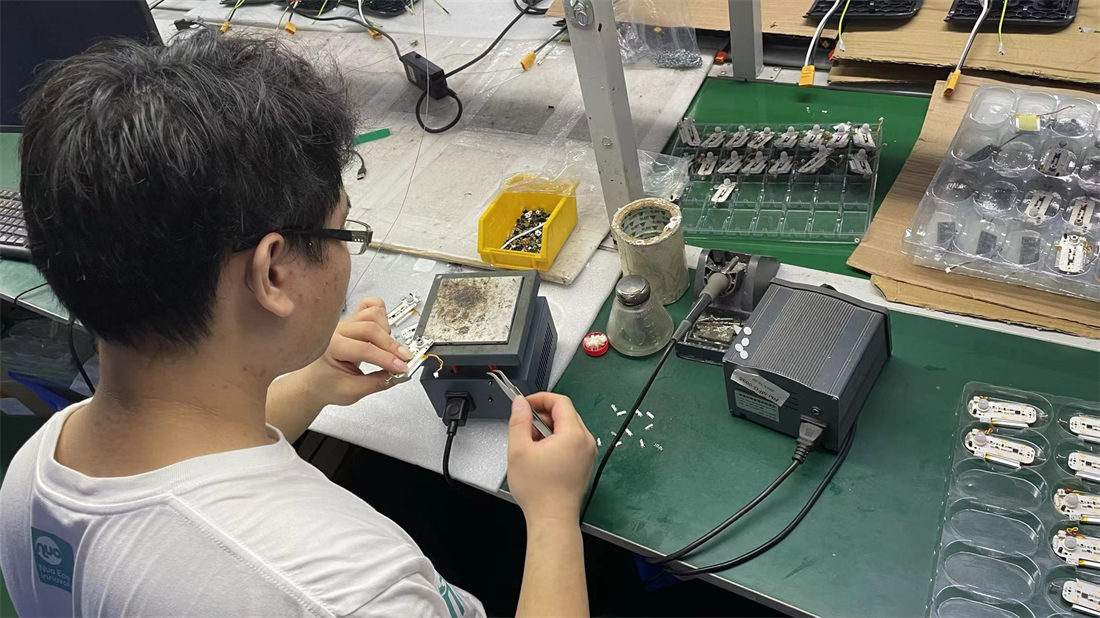
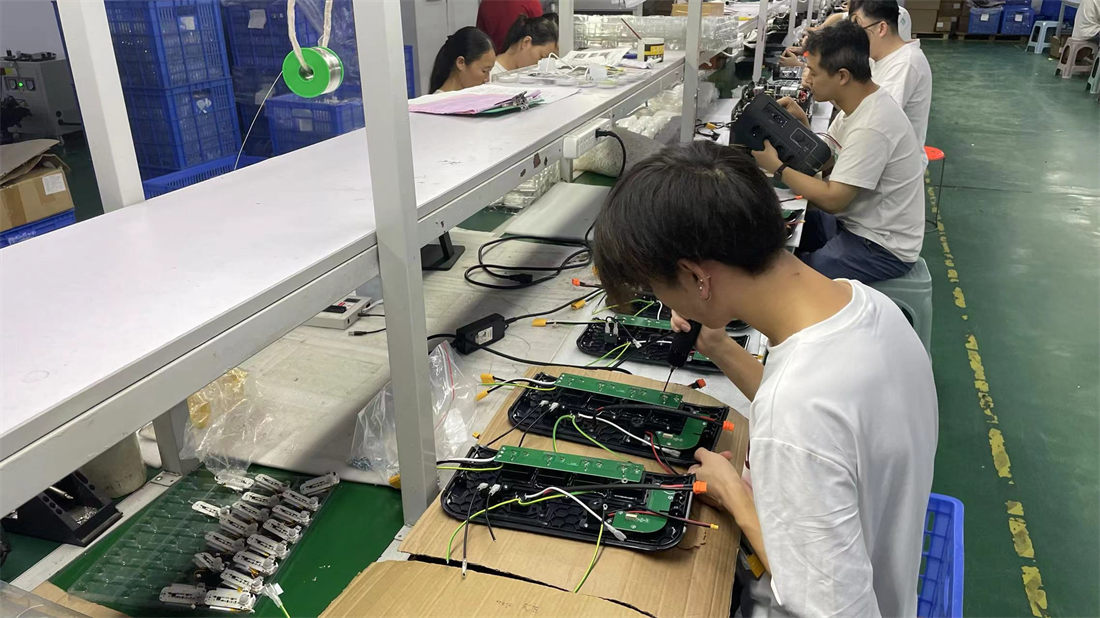
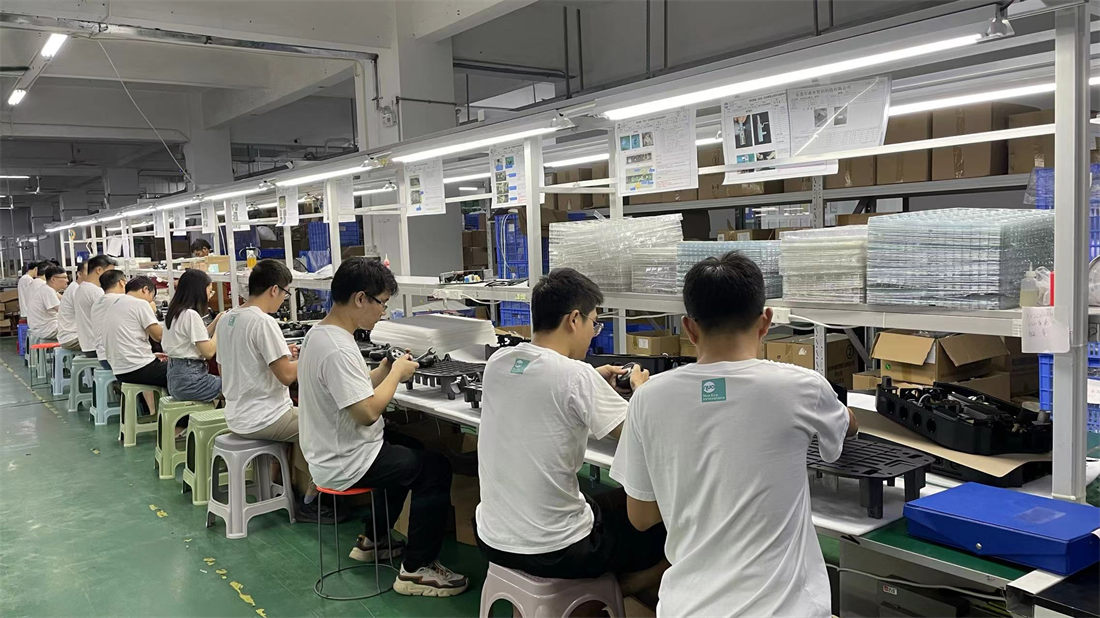
For purchasing departments, procurement directors, and electrical engineering firms in the United Kingdom, sourcing solar equipment from international manufacturers requires balancing cost efficiency with quality and compliance. Soweglow Solar address this need by operating structured manufacturing lines under strict ISO 9001:2015 quality management guidelines.
Every charge controller we manufacture undergoes a rigorous component selection process. We source high-grade MOSFETs and processing chips from leading global semiconductor manufacturers, and use high-temperature capacitors rated for extended operation. By maintaining strict control over component sourcing, we build units capable of achieving an calculated Mean Time Between Failures (MTBF) of over 50,000 operational hours.
Furthermore, our factory handles design customization (OEM/ODM) to meet specific UK market needs. Whether you require custom pre-wired connection boxes with integrated circuit breakers, specialized communication protocols for custom Battery Management Systems (BMS), or branded chassis enclosures with custom labeling, our engineering and R&D department can customize designs to match your specific technical and commercial requirements.
Contact our engineering support team for wholesale pricing, bespoke OEM configuration options, and comprehensive technical datasheets.
Deploying power electronics in the UK requires strict adherence to regulatory standards. In the wake of Brexit, the UKCA (UK Conformity Assessed) marking has become mandatory for electronics and electrical systems sold in Great Britain, replacing the CE mark for many domestic applications, though we maintain full compliance with both frameworks to facilitate seamless distribution across both the UK and European markets.
Our solar charge controllers comply with the harmonized standards governed by the British Standards Institution (BSI), including:
Shenzhen Soweglow Solar Co., Ltd. is a professional and reliable manufacturer and supplier specializing in solar energy products, renewable energy solutions, and intelligent solar lighting systems. Located in Shenzhen, China, one of the world's most innovative and dynamic technology hubs, we have been committed to the solar industry for many years, providing high-quality products and customized energy solutions to customers worldwide.
Driven by the mission of promoting clean energy and sustainable development, Soweglow Solar focuses on delivering efficient, environmentally friendly, and cost-effective solar products that help reduce energy consumption and carbon emissions. Through continuous innovation, strict quality control, and customer-oriented service, we have established long-term partnerships with clients across Europe, North America, South America, Africa, Southeast Asia, and the Middle East.
Our experienced team possesses extensive expertise in solar lighting, photovoltaic systems, energy storage solutions, project management, manufacturing, and international business. We continuously invest in research and development to ensure our products meet evolving market demands and international quality standards.
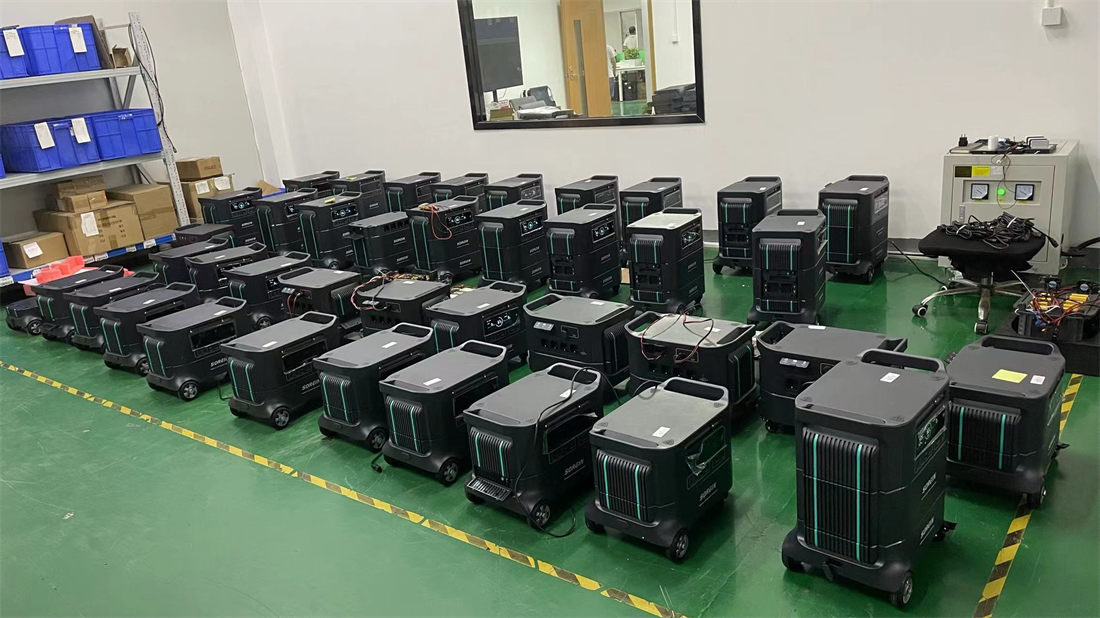
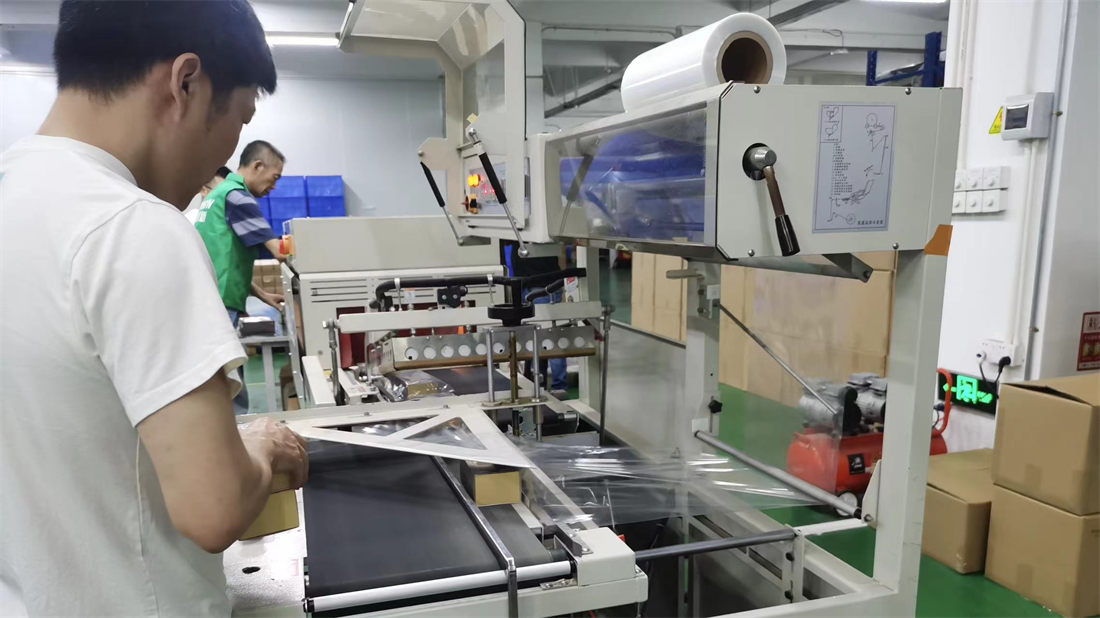
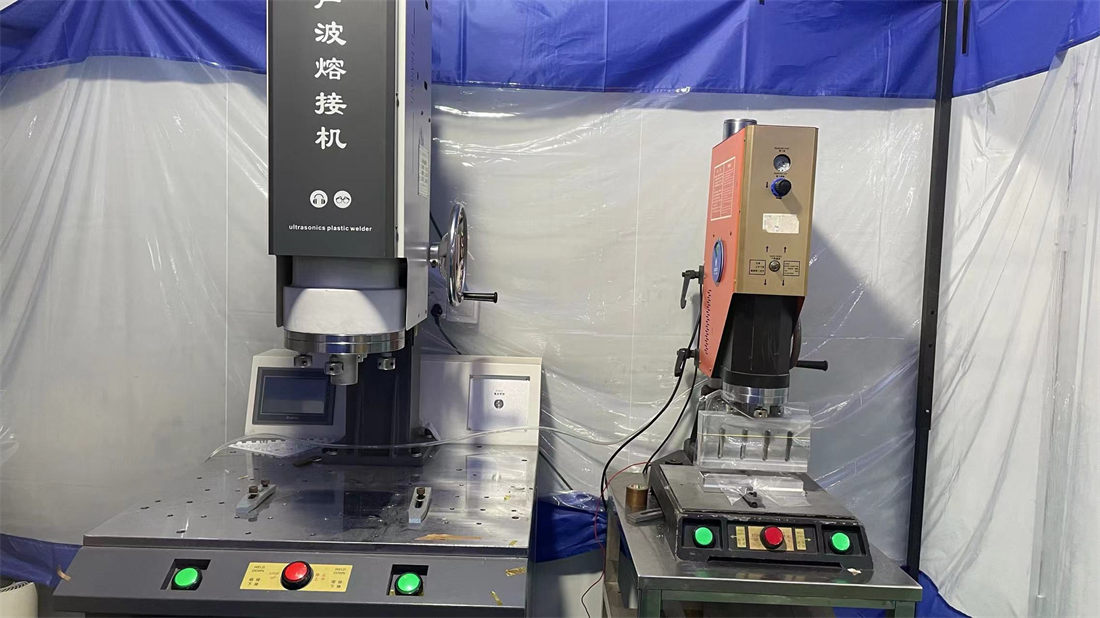
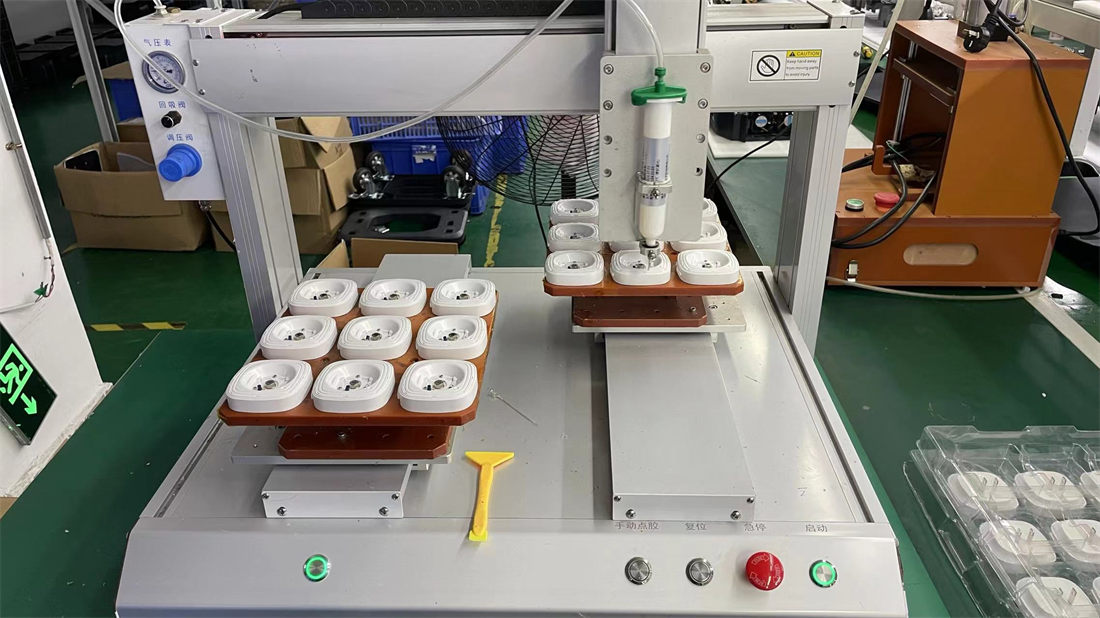
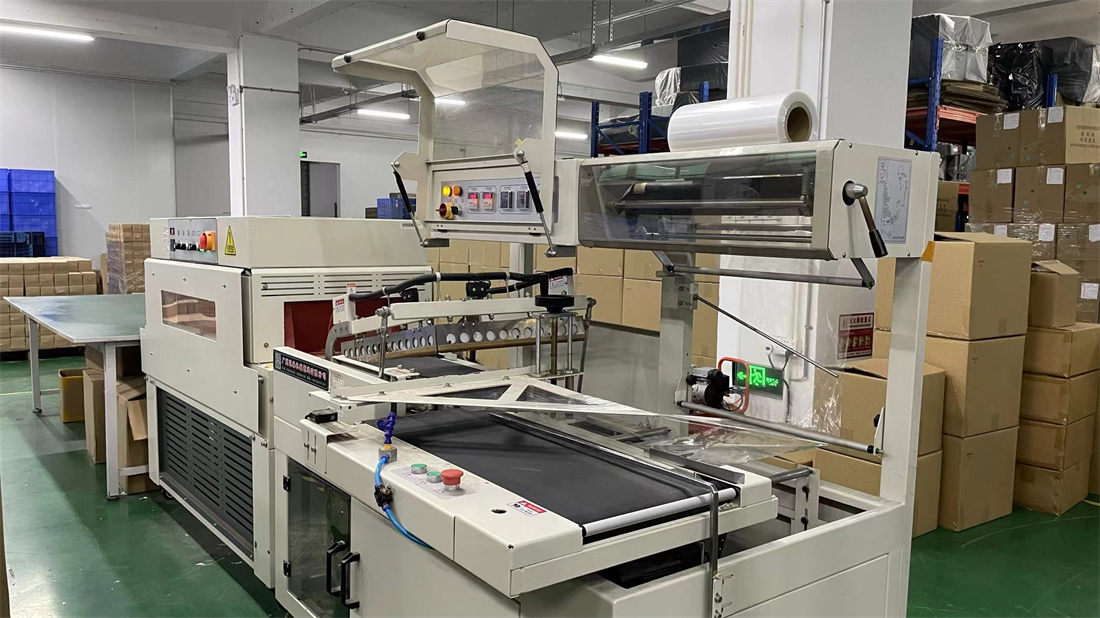
Quality is the foundation of our business. Every product undergoes strict quality inspections throughout the entire production process, from raw material selection to final assembly and shipment. Our manufacturing facilities operate under comprehensive quality management systems to ensure product reliability, safety, and long service life.
We continuously improve our production processes and technology to provide products that comply with international certifications and industry standards.

Adapting to smart grids, IoT automation, and next-generation storage integration.
As the UK transitions toward virtual power plants (VPPs) and localized micro-grids, the demand for connected power electronics is increasing. Our engineering team is developing integrated system controllers featuring native Ethernet, Wi-Fi, and LTE-M communication modules. By routing power flow diagnostics directly to localized clouds, UK municipal administrators and commercial property owners can view live efficiency logs, receive automatic fault notifications, and update firmware remotely to adapt to shifting grid compliance codes.
To minimize line resistance losses in large industrial warehouses and ground-mounted arrays, we are expanding our high-voltage MPPT product line. Higher voltage levels enable designers to use thinner copper cabling, which reduces installation costs. By incorporating wide-bandgap silicon carbide (SiC) switches, we can support higher input voltages while achieving overall conversion efficiency ratings of up to 99%.
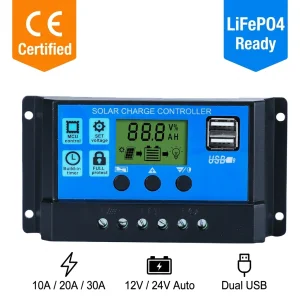
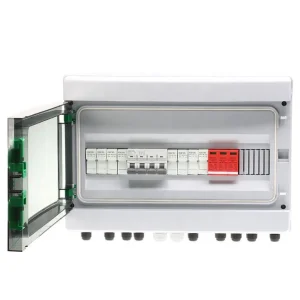
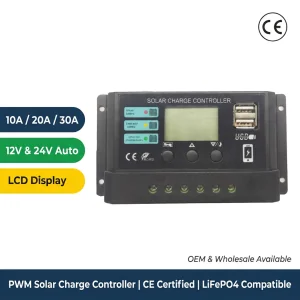
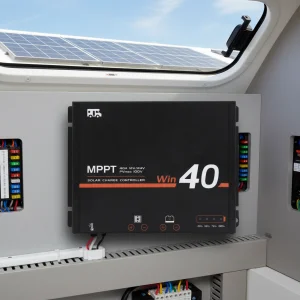
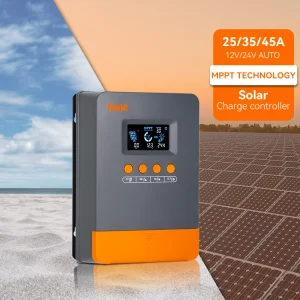
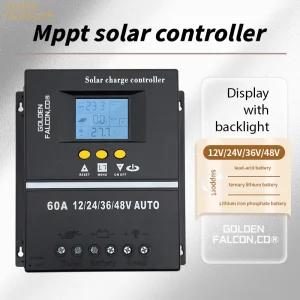
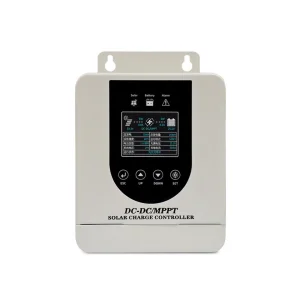
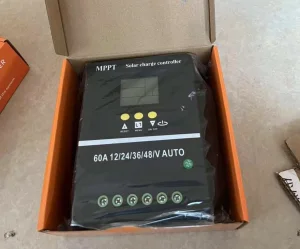
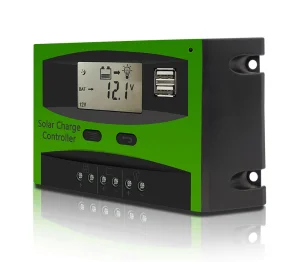
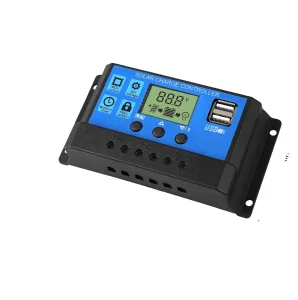
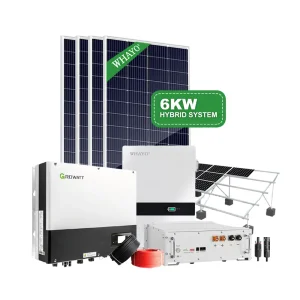
Explore our comprehensive range of certified power solutions, including advanced MPPT regulators, PWM solar controllers, and combiner units designed for the UK market.

Addressing key design, engineering, and regulatory questions from UK distributors and buyers.
Under heavy cloud cover or diffused lighting, solar panel output drop significantly. A standard MPPT controller sweeps the voltage spectrum within seconds to locate the optimal operating point. This helps harvest up to 30% more energy compared to a PWM controller, which pulls array voltages down to match battery levels.
Yes. All of our production models sold into Great Britain and the European Union comply with UKCA and CE regulations. They undergo rigorous Testing for LVD (Low Voltage Directive) safety standards and EMC (Electromagnetic Compatibility) limits to ensure low interference levels.
Yes, our controllers feature programmable charging algorithms and specific presets for LiFePO4 chemistry. This helps ensure precise regulation of absorption, float, and overvoltage cutout points to prevent damage to integrated battery management systems (BMS).
RS485 Modbus is typically used for long-distance industrial monitoring networks (such as PLC configurations). CAN communication is standard for high-speed, direct links between the charge controller and smart Lithium BMS units, enabling real-time voltage and temperature protection.
We use high-grade components, including low Rds(on) MOSFETs and extruded aluminum heatsinks. Many of our industrial controllers rely on passive convection cooling, eliminating fans to minimize mechanical wear and improve dust and moisture protection in agricultural or seaside environments.
For standard customized orders (such as customized cable layouts, specific warning labels, or custom paint styles), typical production runs take 15 to 25 working days. Shipping times vary depending on whether you choose sea freight or air cargo routes to the UK.
Yes, we provide complete technical drawings, CAD files, step-by-step installation manuals, and wiring schematics to support B2B clients and engineering partners during installation planning and site deployment.
Yes. Our controllers are rated for operation in temperatures as low as -25°C. They feature integrated temperature compensation probes that adjust target charging voltages based on battery temperatures to prevent overcharging or undercharging in cold conditions.