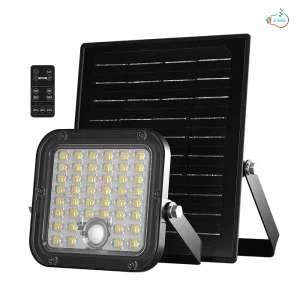
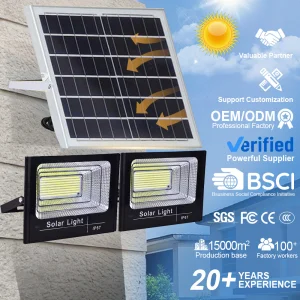
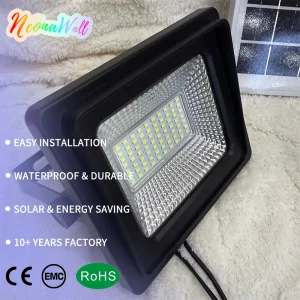
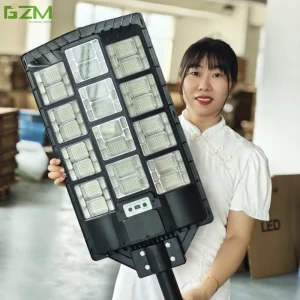
New Zealand's commitment to achieving net-zero carbon emissions by 2050 under the Climate Change Response (Zero Carbon) Amendment Act has placed sustainability at the forefront of the country's commercial, industrial, and agricultural strategies. Across the diverse geographic regions—from the windswept coastal terminals of Tauranga and Lyttelton to the massive dairy operations throughout the Waikato and Canterbury plains—energy independence and localized carbon mitigation are no longer optional. Outdoor lighting, traditionally a major draw on grid-connected municipal and commercial networks, represents one of the fastest avenues for industrial carbon reduction through the deployment of highly efficient, off-grid solar flood lights.
However, the New Zealand meteorological profile presents severe, unique challenges that standard utility-grade solar components fail to survive. The South Island’s sub-zero winter temperatures, coupled with intense UV radiation levels resulting from the thin ozone layer over the Southern Hemisphere, accelerate the aging of low-grade plastics and polymers. Concurrently, high-salinity marine air envelopes almost all major urban and industrial centers, rendering standard steel mounts and low-tier aluminum alloy housings vulnerable to localized galvanic corrosion. Thus, B2B procurement of solar flood lights for the kiwi market requires customized engineering modifications designed to address these specific regional demands.
To deliver reliable operation over a 5 to 10-year lifespan in New Zealand's environment, manufacturers must move beyond consumer-grade specifications. Premium commercial floodlighting relies on advanced material science, solid-state electronics, and optical optimization. Here is a technical breakdown of our manufacturing standards:
Given that New Zealand’s latitudes range from roughly 35°S in the Far North to 46°S in the deep South (Invercargill), the angle of incidence for solar radiation varies dramatically throughout the year. Our industrial solar flood lights employ premium N-type Monocrystalline Silicon Photovoltaic Cells, which exhibit a conversion efficiency of 22.5% to 24%. Compared to cheaper polycrystalline alternatives, N-type cells perform substantially better under diffused light conditions—a critical factor for the South Island's overcast winter months.
Furthermore, we utilize high-transmission tempered glass with hydrophilic anti-reflective coatings. This minimizes dust accumulation (soiling losses) and ensures that rainfall—abundant in regions like Fiordland and West Coast—effectively self-cleans the panel surface. Tempered glass also provides the necessary mechanical protection against hail damage, which is common during seasonal southern storms.
The battery is the heart of any off-grid solar luminaire. Standard Lithium-ion (NMC) chemistries represent fire hazards and fail rapidly under thermal cycles. We exclusively integrate Lithium Iron Phosphate (LiFePO4) batteries. LiFePO4 chemistry provides a safe, highly stable energy storage matrix with over 3,000 to 6,000 cycles at 80% Depth of Discharge (DoD). This translates directly to over 8-10 years of nightly operation.
Crucially for New Zealand's cooler zones, such as Central Otago, we integrate an advanced Battery Management System (BMS) equipped with low-temperature charging cutoff protection (0°C cutoff) and optional thermal insulation wrap. Charging standard lithium cells below freezing causes lithium plating, leading to internal short circuits. Our smart BMS prevents charging under freezing conditions while utilizing the residual heat from the LED driver or dedicated thermal elements to warm the cells, ensuring uninterrupted seasonal performance.
To resist coastal salt-fog environments, we avoid recycled die-cast aluminum alloys, which contain trace iron and silica impurities that accelerate galvanic corrosion. Instead, we use marine-grade ADC12 Die-Cast Aluminum or specialized ASA (Acrylonitrile Styrene Acrylate) engineered plastics featuring exceptional UV stabilization. Metal structures undergo an electrostatic powder coating process with AkzoNobel protective coatings, passing a 1,000-hour salt spray test (ISO 9227 / ASTM B117) to achieve a C5-M marine-grade corrosion rating.
| Technical Parameter | Standard Product Specification | Premium NZ Marine/High-UV Spec | Operational Advantage in NZ Market |
|---|---|---|---|
| PV Panel Material | Polycrystalline (17% Eff.) | N-Type Monocrystalline (22.5%+ Eff.) | Exceptional low-light capture during Otago winters |
| Battery Chemistry | Ternary Lithium (NMC) | Grade-A LiFePO4 with Low-Temp BMS | Eliminates thermal runaway; retains capacity down to -10°C |
| Enclosure Rating | IP65 (Basic seals) | IP66 / IP67 Double-Sealed Gaskets | Resists high pressure driving rain and coastal moisture |
| Wind Load Rating | Up to 120 km/h | Up to 210 km/h (NZS 1170.2 Compliant) | Withstands extreme Cook Strait and Wellington gales |
| Optical Lens | Acrylic (PMMA) | Optical Polycarbonate / Tempered Glass | Prevents yellowing and micro-cracking under intense UV |
For New Zealand procurement officers, distributors, and municipal electrical contractors, sourcing solar flood lights from offshore factories involves complex considerations. The geographic isolation of New Zealand means shipping overheads, customs clearance, and compliance validation must be optimized to achieve a competitive Total Cost of Ownership (TCO).
As a leading Chinese exporter based in Shenzhen—the global epicenter of LED and photovoltaic supply chains—we streamline the procurement process. We handle all compliance filings and offer full compatibility with New Zealand logistics. Our export protocols integrate directly with shipping lanes servicing major ports: Auckland, Tauranga, Wellington, and Lyttelton.
By purchasing directly from the manufacturer, NZ distributors bypass traditional multi-tiered retail supply chains, saving up to 30-45% in margin stack-ups. This makes high-efficiency solar lighting highly cost-effective against grid-tied options, particularly when trenching and cabling costs for grid infrastructure are taken into account.
New Zealand’s agricultural engine requires robust, autonomous lighting. Dairy milking sheds operating in the early morning hours, remote paddock gates, and machinery storage depots require bright security lighting. Standard grid-connected lighting in these remote locations requires expensive excavation, cabling, and compliance sign-offs from registered inspectors. Our off-grid Solar LED Flood Lights provide instant illumination without trenching, ensuring farm owners save thousands in upfront installation costs while enhancing worker safety and security against stock theft.
Distribution yards in Auckland, Christchurch, and Hamilton operate 24/7. High-mast solar lighting systems equipped with specialized optical distribution lenses (Type II, III, or IV asymmetric beam angles) deliver uniform ground lux levels while eliminating direct glare that can blind forklift drivers and crane operators. Our 1000W-equivalent high-lumen solar systems provide continuous, high-intensity illumination that meets industrial health and safety standards without drawing power from the local grid.
Local councils across Wellington, Christchurch, and Dunedin are constantly seeking ways to reduce public energy expenditures. By installing smart, motion-activated solar floodlights along public walkways, cycle paths, and remote reserves, councils improve community safety while achieving carbon neutral goals. Features like warm-white CCT (3000K) options comply with dark-sky preservation zones, preserving native wildlife patterns and minimizing light pollution in regions like Tekapo.
A premier global manufacturer of solar lighting systems, specializing in delivering engineered, high-durability outdoor lighting solutions for demanding international markets.
Shenzhen Soweglow Solar Co., Ltd. is a professional and reliable manufacturer and supplier specializing in solar energy products, renewable energy solutions, and intelligent solar lighting systems. Located in Shenzhen, China, one of the world's most innovative and dynamic technology hubs, we have been committed to the solar industry for many years, providing high-quality products and customized energy solutions to customers worldwide.
Driven by the mission of promoting clean energy and sustainable development, Soweglow Solar focuses on delivering efficient, environmentally friendly, and cost-effective solar products that help reduce energy consumption and carbon emissions. Through continuous innovation, strict quality control, and customer-oriented service, we have established long-term partnerships with clients across Europe, North America, South America, Africa, Southeast Asia, and the Middle East, with specialized configurations tailored specifically for the AS/NZS compliance requirements of the Oceania market.
To accelerate the adoption of renewable energy by providing innovative, efficient, and sustainable solar solutions that create long-term value for customers and contribute to a greener future. We prioritize material integrity, advanced optical engineering, and local compliance validation to ensure that our products perform reliably in the harshest global climates.
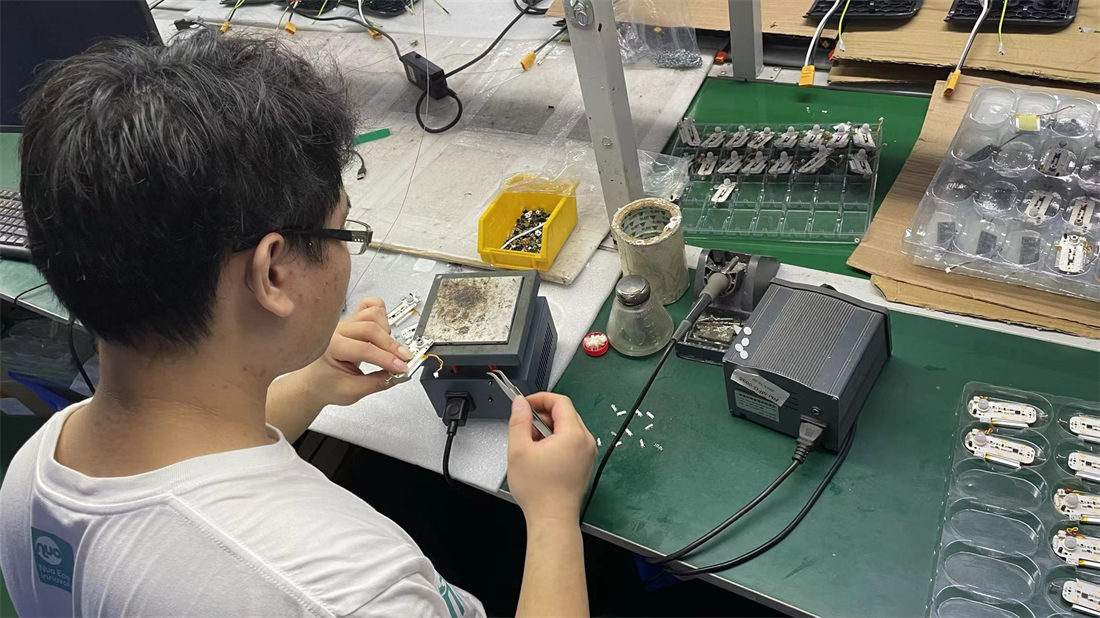
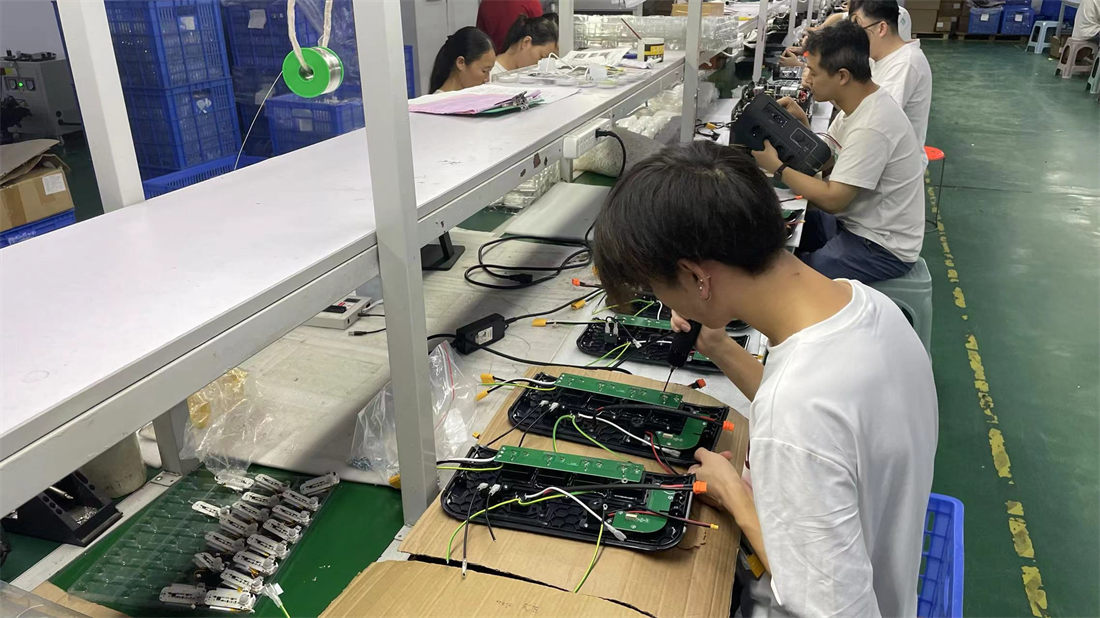
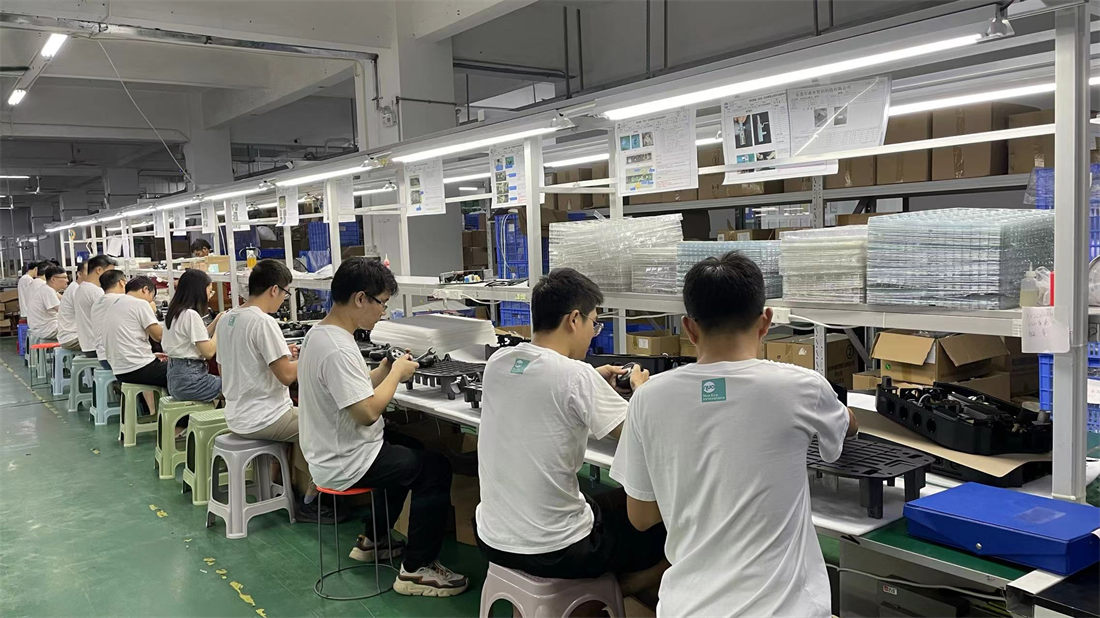
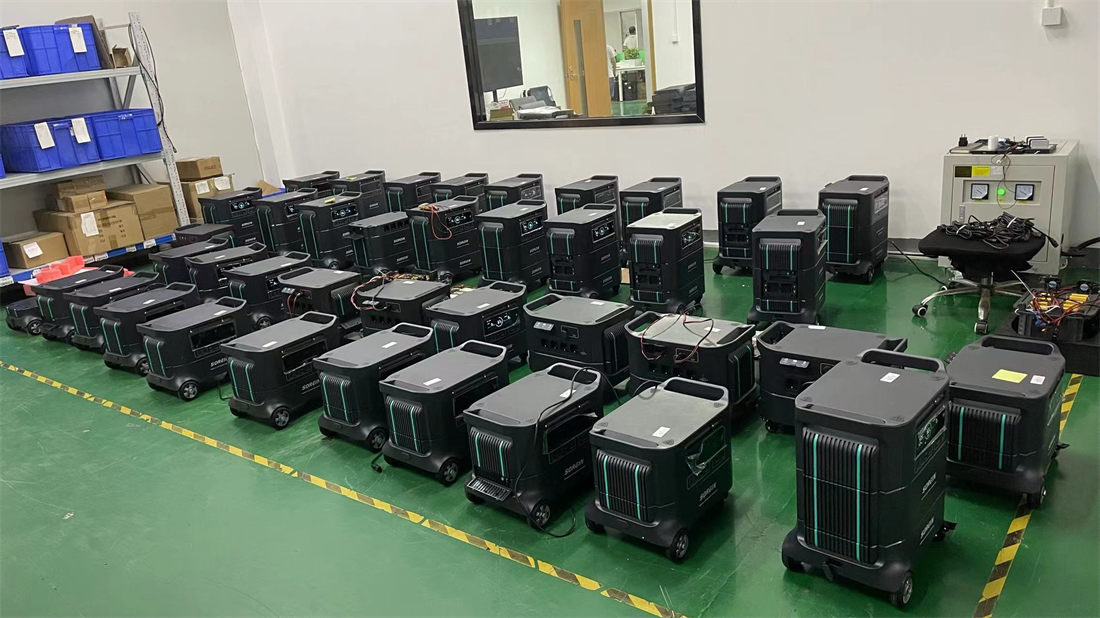
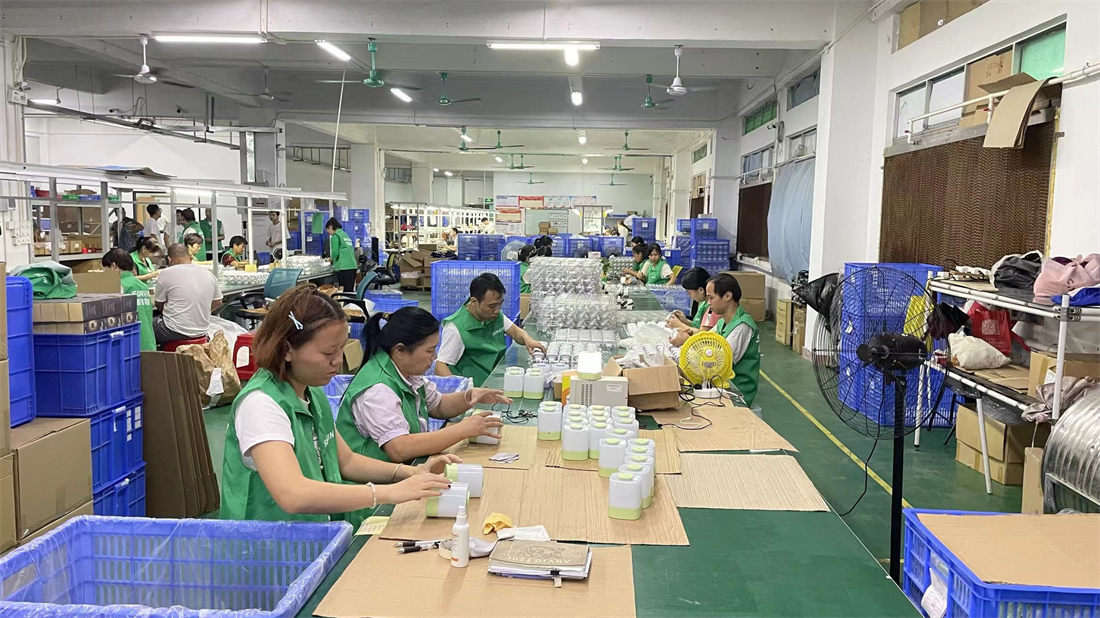
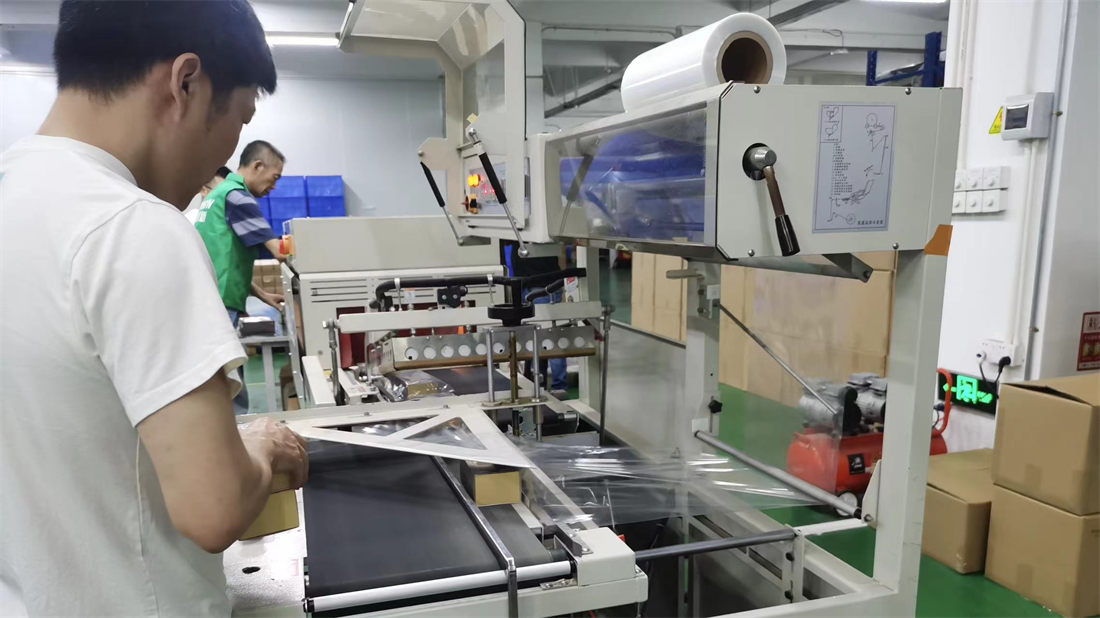
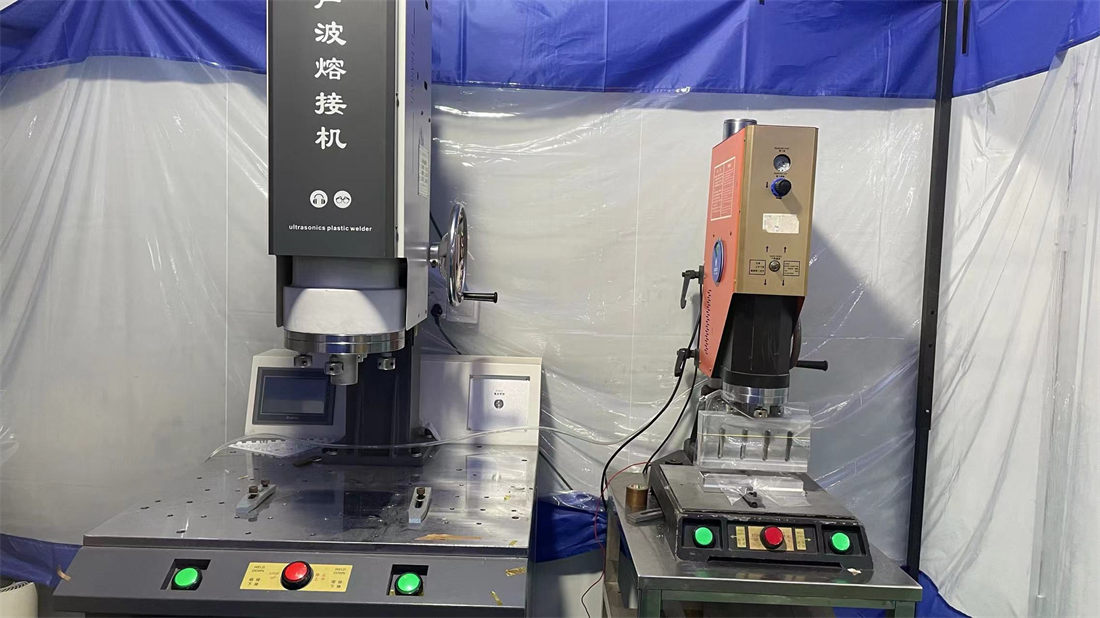
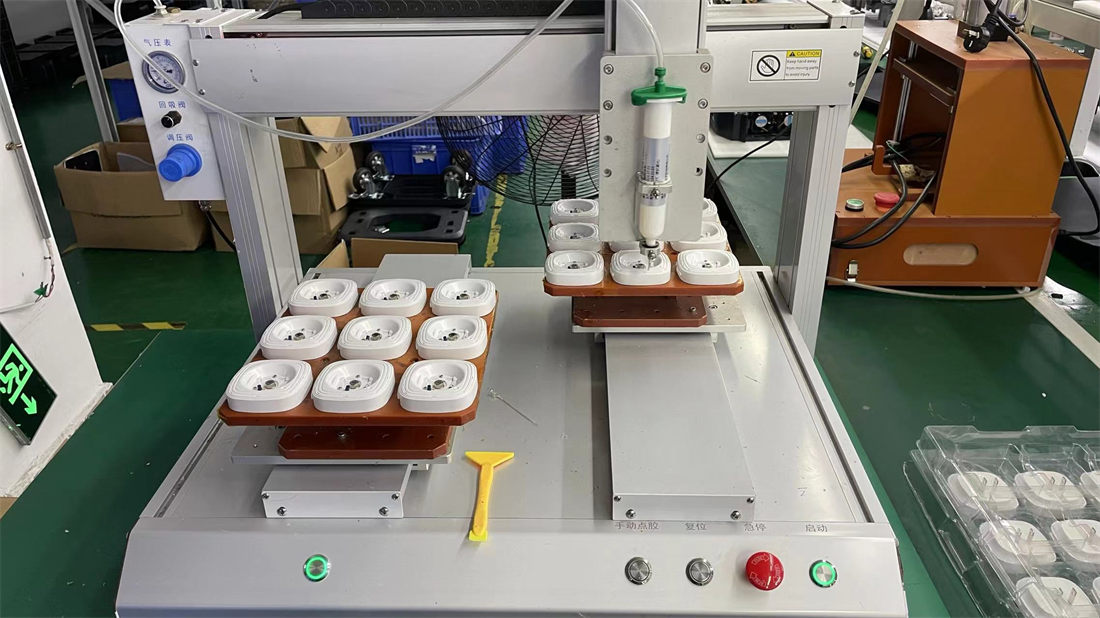
To qualify for integration into government infrastructure and utility projects, solar products must meet stringent regulatory benchmarks. At Soweglow Solar, we ensure that every batch of solar lights exported to New Zealand is backed by full technical documentation, including IES files for photometrical layout design, IP rating certifications, and detailed wind-tunnel testing documentation.
Our structures comply with the wind load calculations defined in NZS 1170.2:2011 (Structural design actions - Wind actions). This allows engineering contractors to select the appropriate pole diameters and foundations knowing the precise drag coefficient and wind-surface area of our luminaire housings. Furthermore, our LEDs run on intelligent profiles that can be programmed at the factory to match local winter/summer daylight differentials, protecting battery health and ensuring illumination long past sunrise.
As the industry transitions towards intelligent urban design, our R&D initiatives focus on bringing cutting-edge technologies to market:
Understanding details about off-grid solar technology helps ensure successful installations. Below, we address common questions from procurement managers, engineers, and distributors in the local market:
Partner with Shenzhen Soweglow Solar Co., Ltd. for factory-direct, high-durability, AS/NZS-compliant solar illumination systems designed for New Zealand's challenging environment.
Send Inquiry Now Soweglow Solar