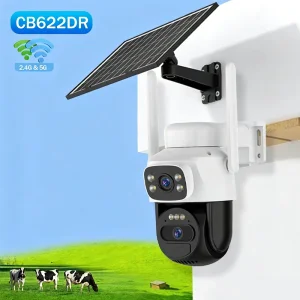
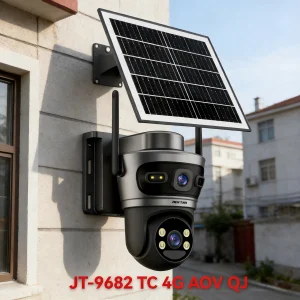
High-efficiency solar surveillance platforms built for reliable off-grid monitoring in severe Gulf Coast weather conditions.
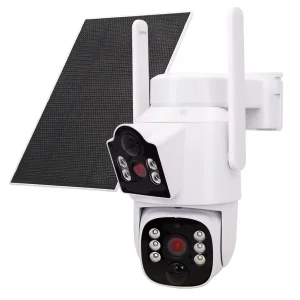
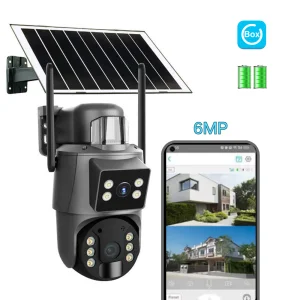
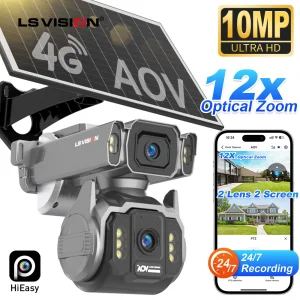
Houston, Texas stands as a global powerhouse in the oil and gas sector, logistics, manufacturing, and shipping. The city's expansive footprints—ranging from the industrial corridors along the Houston Ship Channel to remote drilling operations in East Texas and new mega-warehouses in Katy and Conroe—require robust, uninterrupted physical security. Traditional surveillance setups rely heavily on stable power grids and wired telecommunication layouts. However, Houston's unique combination of geographical vulnerability and high-value, decentralized physical assets makes traditional methods high-risk and operationally deficient.
In recent years, the stability of the ERCOT grid has become a critical operational concern for Texas businesses. Extreme weather events, such as winter storms and category 4 hurricanes (like Hurricane Beryl and Hurricane Harvey), frequently disrupt municipal power lines for days or even weeks. For security managers, power failures translate directly into security blind spots, leaving millions of dollars in equipment, copper wire, raw materials, and high-tech inventory vulnerable to theft and vandalism. Off-grid solar-powered security cameras provide immediate mitigation, maintaining continuous operation through battery banks and independent PV systems.
Despite being prone to seasonal storms, the Greater Houston area enjoys high solar irradiance, averaging over 200 sunny days annually. This rich solar profile provides a highly reliable energy harvest window to power high-draw multi-lens PTZ cameras and integrated wireless transceivers. By optimizing the solar panel angle (ideally at 30 degrees latitude orientation for year-round balance in Houston), systems can harvest sufficient energy during winter months while maintaining a continuous trickle charge during rainy seasons.
The transition from low-power consumer-grade solar cameras to high-availability industrial enterprise platforms is driven by breakthroughs in hardware efficiency, low-power system architecture, and wireless telemetry. Below is the technical progression path guiding modern engineering:
Traditional solar cameras use passive infrared (PIR) sensors that wake up only when motion is detected, missing critical pre-event footage. Industry 4.0 platforms utilize AOV (Always On Video) architectures, which run continuous low-frame-rate recording (1-5 fps) and transition instantly to full 30 fps HD when AI triggers detect threats, minimizing power draw without sacrificing critical oversight.
Fixed-lens systems present structural blind spots, while continuous mechanical panning depletes power reserves. Our systems feature dual-lens and triple-lens configurations: one static ultra-wide angle lens continuously monitors the overall scene, while a high-efficiency PTZ lens with up to 36x optical zoom tracks human/vehicle targets dynamically using AI object identification.
Houston's extreme summer heat can cause standard Lithium-ion batteries to fail or catch fire. We integrate high-capacity Lithium Iron Phosphate (LiFePO4) battery packs, which operate safely up to 60°C (140°F). Our Maximum Power Point Tracking (MPPT) controllers maintain over 97% charging efficiency, managing battery health dynamically to ensure uninterrupted power.
As Houston expands its smart city infrastructure, security networks are shifting towards localized edge computing. Future iterations of our solar cameras will execute real-time license plate recognition (LPR) and facial identification directly at the edge, sending lightweight metadata alerts over 5G networks. This reduces network data costs, minimizes latency, and optimizes energy efficiency, ensuring reliable off-grid performance.
Off-grid solar security cameras are highly adaptable systems tailored to the operational demands of Houston's core industries:
Unsecured construction sites are primary targets for copper wire and heavy machinery theft. With rapid deployment capabilities, our solar cameras can be mounted on temporary poles or mobile trailers, providing instant security. Combined with 4G LTE connectivity, site managers can monitor progress remotely from offices in downtown Houston without requiring local power or fiber installations.
Oil & gas corridors across the Houston metropolitan area cover vast, remote distances. Laying power lines to monitor these areas is cost-prohibitive. By deploying hazardous-area certified, solar-powered multi-lens systems, operators maintain continuous peripheral surveillance. AI line-crossing detection triggers alarms the moment an intruder approaches critical infrastructure.
The Port of Houston requires massive storage yards to handle millions of shipping containers annually. Traditional PTZ setups often struggle with blind spots created by shifting container stacks. Mobile solar camera trailers and pole-mounted systems can be relocated as yard layouts change, ensuring uninterrupted coverage of high-value freight zones.
Farming and ranching properties on the outskirts of Harris and Liberty Counties require perimeter security to prevent livestock theft and unauthorized access. Utilizing 4G cellular solar cameras, landowners receive instant motion-activated video alerts directly to their mobile devices, maintaining remote visibility over long distances.
Deploying outdoor commercial security hardware in Texas requires compliance with local environmental factors and regulatory frameworks:
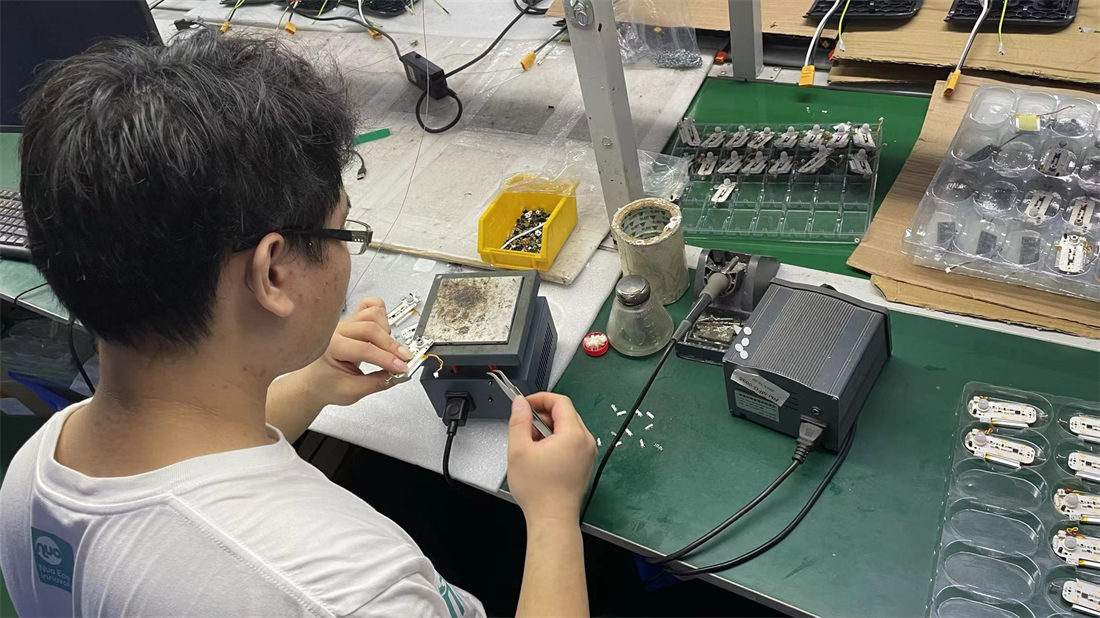
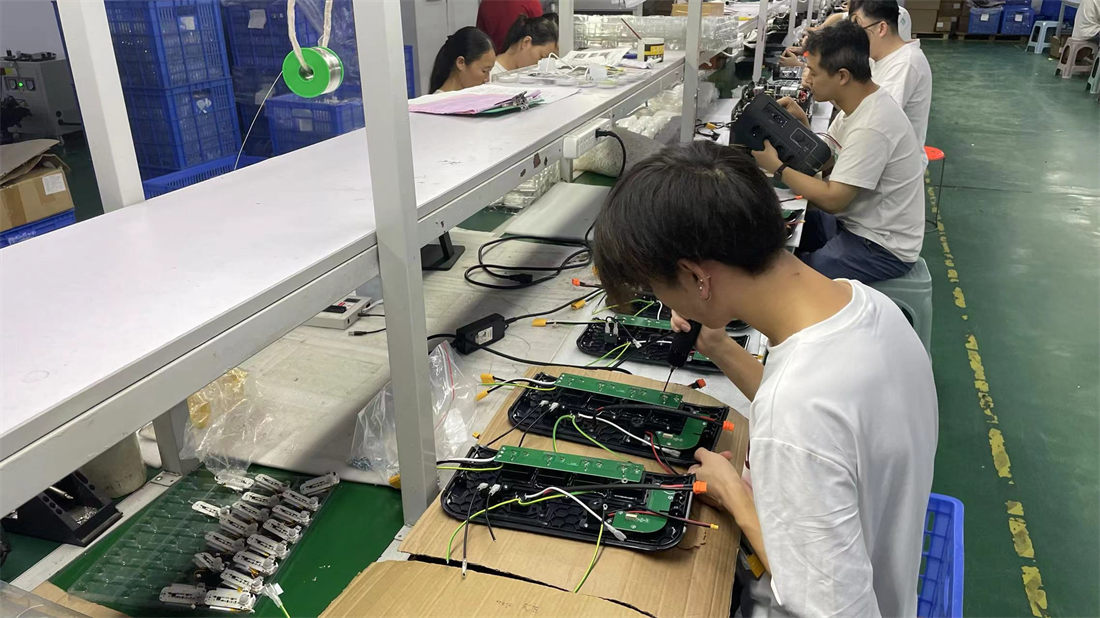
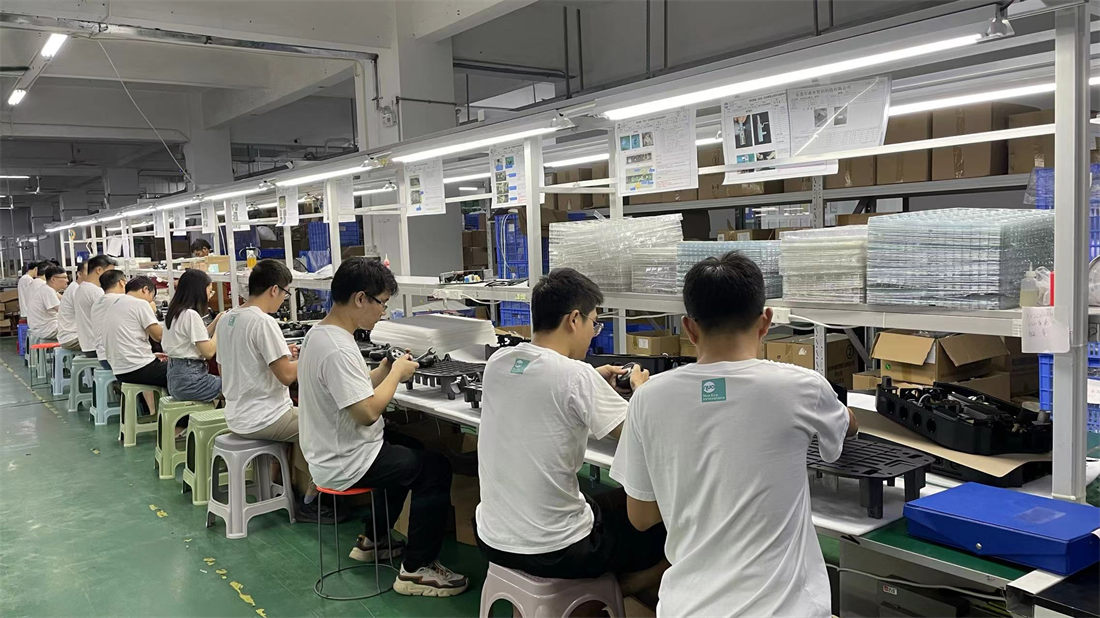
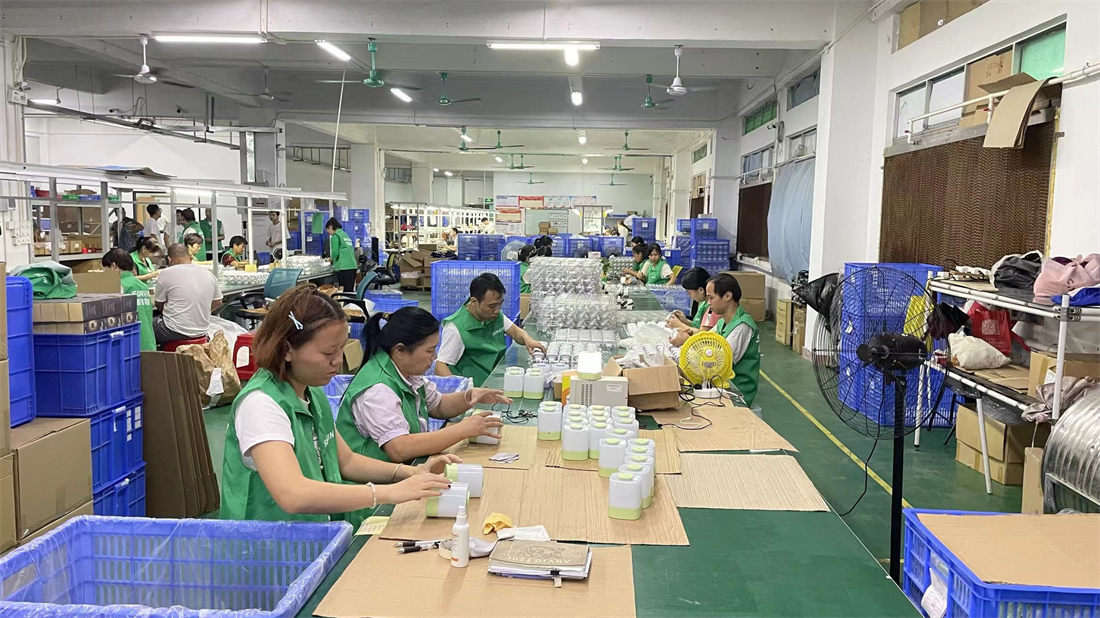
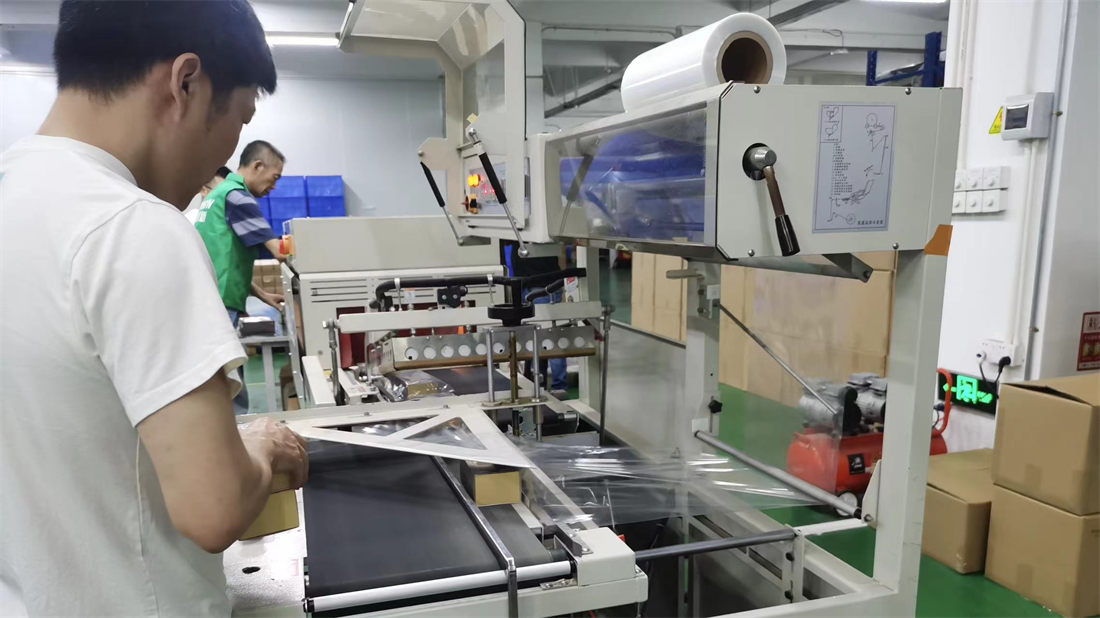
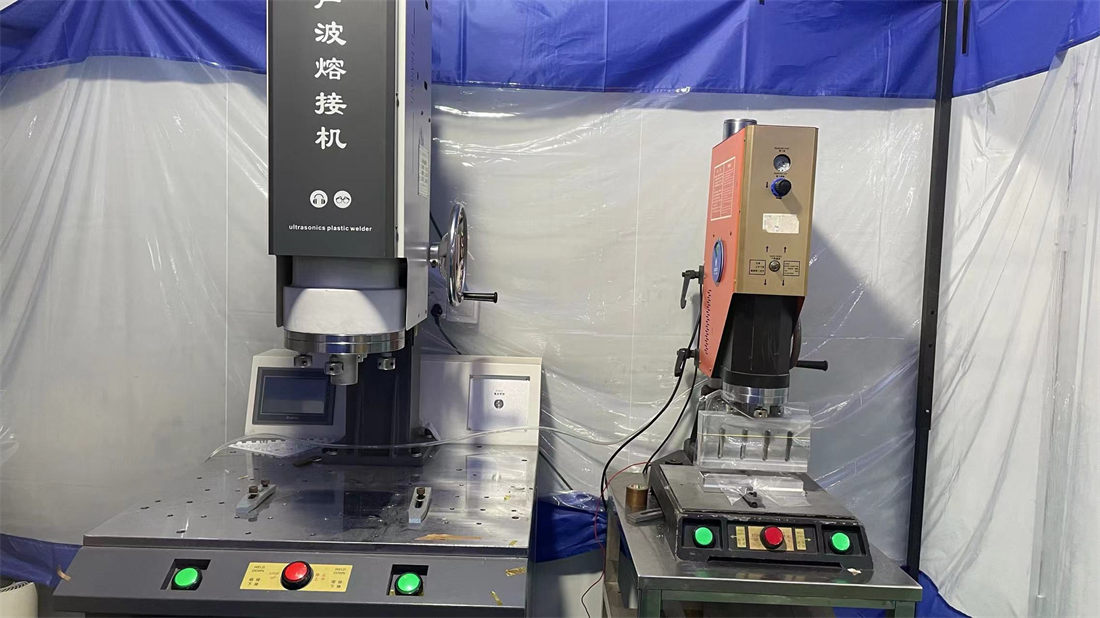
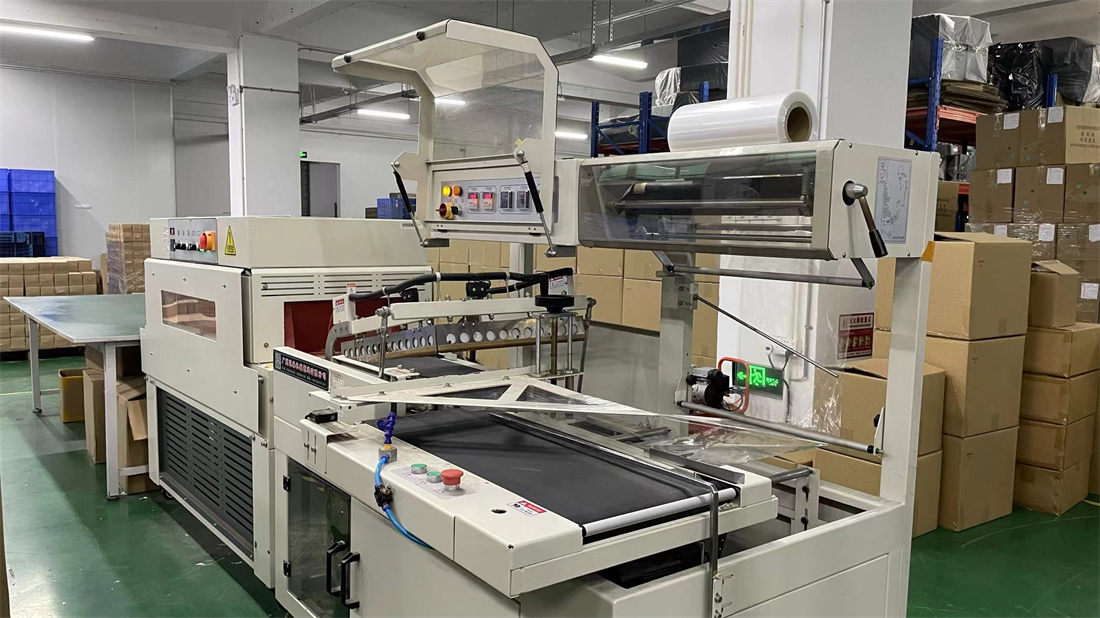
As a leading exporter to North America, our manufacturing base in Shenzhen, China integrates advanced automation and quality control processes to produce highly reliable solar security equipment. By optimizing our supply chain, we deliver high-performance surveillance systems at competitive pricing, ensuring stable lead times for project distributors throughout Houston and the wider US market.
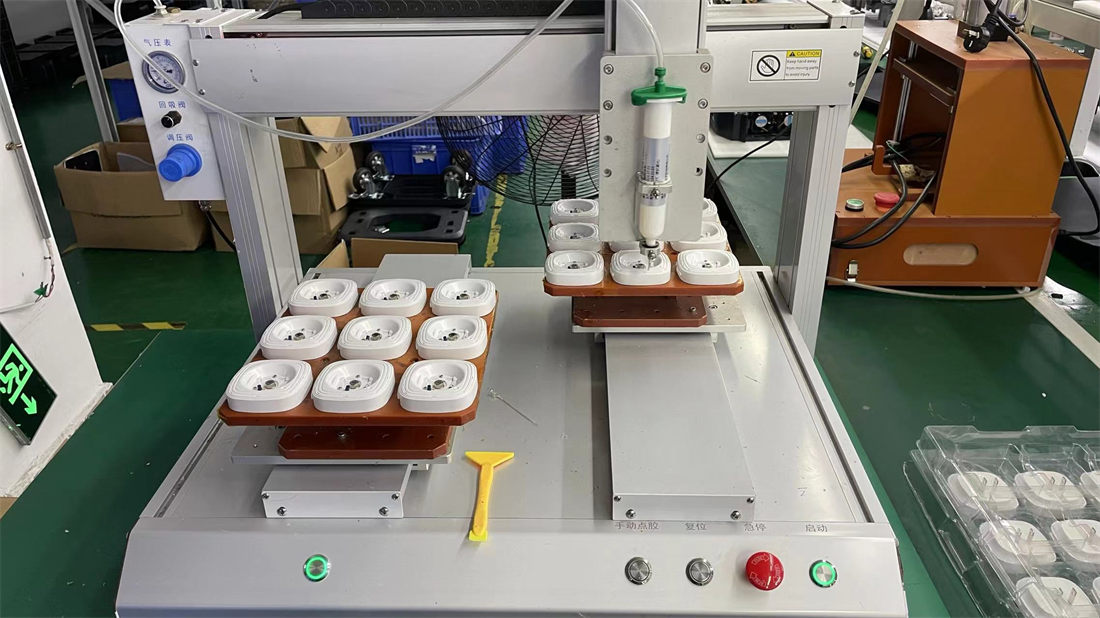
We utilize advanced automated glue-dispensing systems to seal camera housings, maintaining a consistent IP66/IP67 ingress rating. This protects internal components from Houston's high humidity and heavy rainfall, extending operational life.
Every camera batch undergoes extensive testing, including thermal stress, humidity exposure, and simulated high-pressure rain tests. This ensures our systems perform reliably in the harsh, humid environment of the Gulf Coast.
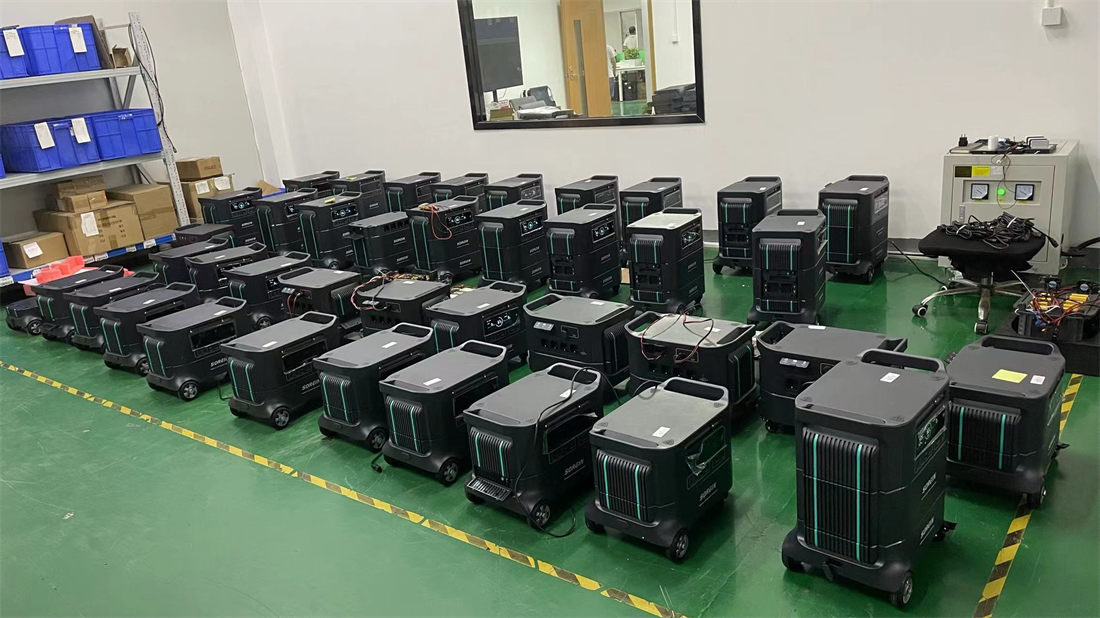
Every unit undergoes a minimum 72-hour burn-in and aging test prior to packaging. This rigorous testing protocol minimizes field failures, protecting your installation schedule and operational uptime.
High-capacity cellular solar cameras designed for persistent monitoring of heavy industrial, logistical, and energy infrastructure.
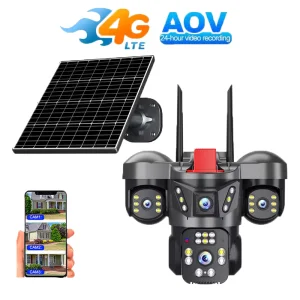
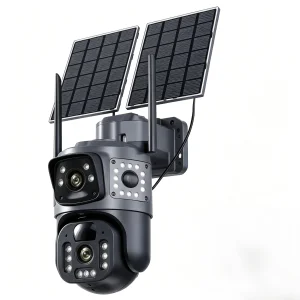
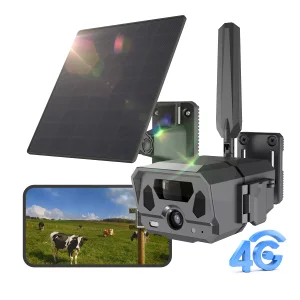
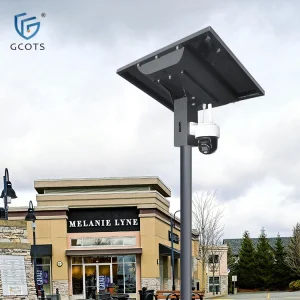
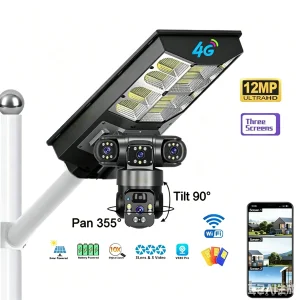
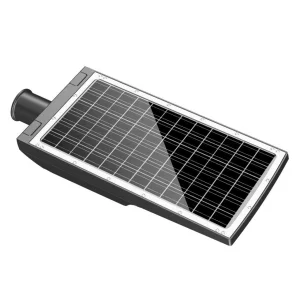
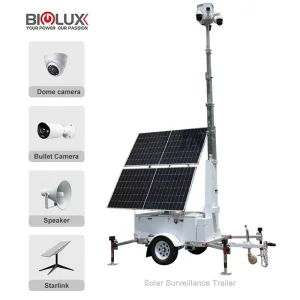
Integrated lighting and solar surveillance systems designed to optimize energy efficiency and perimeter security.
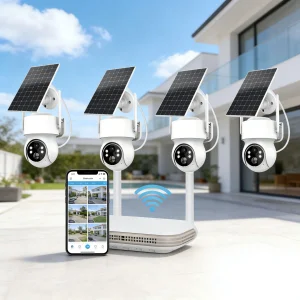
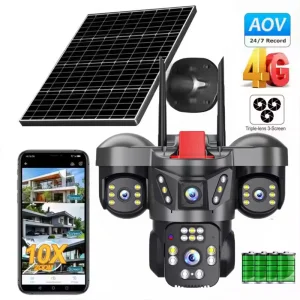
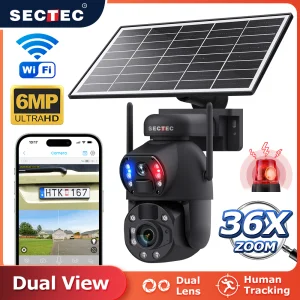
Shenzhen Soweglow Solar Co., Ltd. is a professional manufacturer and supplier specializing in solar energy products, renewable energy solutions, and intelligent solar lighting systems. Located in Shenzhen, China, one of the world's most innovative technology hubs, we have committed to the solar industry for many years, providing high-quality products and customized energy solutions to customers worldwide.
Driven by the mission of promoting clean energy and sustainable development, Soweglow Solar focuses on delivering efficient, environmentally friendly, and cost-effective solar products that help reduce energy consumption and carbon emissions. Through continuous innovation, strict quality control, and customer-oriented service, we have established long-term partnerships with clients across Europe, North America, South America, Africa, Southeast Asia, and the Middle East.
Our experienced team possesses extensive expertise in solar lighting, photovoltaic systems, energy storage solutions, project management, manufacturing, and international business. We continuously invest in research and development to ensure our products meet evolving market demands and international quality standards.
Quality is the foundation of our business. Every product undergoes strict quality inspections throughout the entire production process, from raw material selection to final assembly and shipment. Our manufacturing facilities operate under comprehensive quality management systems to ensure product reliability, safety, and long service life. We continuously improve our production processes and technology to provide products that comply with international certifications and industry standards.
Procuring industrial-grade security equipment from our manufacturing facilities in Shenzhen, China to your job sites in Houston is streamlined by established trade lanes. We offer comprehensive support throughout the import process to ensure timely delivery and regulatory compliance:
For large-scale security projects, ocean freight is the most cost-effective shipping method. Shipments from the Port of Shenzhen to the Port of Houston typically take 28 to 35 days. We coordinate all export documentation, including Bills of Lading, Certificate of Origin, and Customs Declarations, to ensure smooth clearance through US Customs.
For urgent project timelines or replacement parts, we offer air freight shipping to George Bush Intercontinental Airport (IAH). Air shipments typically arrive in Houston within 5 to 7 business days, minimizing downtime on critical security installations.
We provide OEM and ODM customization services for volume orders. This includes custom branding on camera housings, localized firmware configurations, and custom mounting brackets tailored for specific industrial sites, helping you meet exact client requirements.
Answers to common technical, logistics, and installation questions about deploying solar security cameras in Houston.
Yes. Our industrial-grade solar security cameras are designed with a minimum of 72 hours of battery autonomy. This means that even with zero solar charge, the built-in LiFePO4 batteries can power the system for three consecutive days of standard use. In low-power standby modes, this backup window can extend up to several weeks.
Our systems utilize high-temperature-rated Lithium Iron Phosphate (LiFePO4) batteries, which operate safely up to 60°C (140°F). The camera housings are constructed with UV-stabilized materials and powder-coated aluminum mounts to prevent thermal degradation and hardware failure in direct sunlight.
Our cameras are equipped with multi-carrier industrial 4G/LTE modems that support standard US cellular bands. They are compatible with SIM cards from AT&T, T-Mobile, and Verizon, allowing you to select the carrier with the strongest signal strength at your deployment site.
Yes. We offer specific NDAA-compliant configurations utilizing non-prohibited chipsets (such as Novatek or SigmaStar). If your project requires strict NDAA compliance, please specify this during the inquiry stage so we can configure your hardware accordingly.
Production for bulk container-load orders typically takes 20 to 25 days, followed by 28 to 35 days for ocean transit from the Port of Shenzhen to the Port of Houston. Total door-to-door delivery time generally averages 50 to 60 days. Expedited air shipping is available for urgent requirements.
Contact our technical engineering and export team to request a customized quote, detailed product specifications, or to discuss volume purchasing options.
Send Inquiry Now Soweglow Solar