Discover our highly efficient commercial systems, built for extreme environmental durability and certified to meet the rigid demands of global engineers and importers.
The global transition to carbon-neutral production is no longer a metric for public relations; it has become the defining baseline of regulatory compliance and financial longevity. Industrial facilities, commercial office complexes, municipal grids, and off-grid telecommunication stations are actively adopting advanced solar systems. This structural shift is propelled by the rising necessity for energy independence, localized microgrids, and the reduction of the Levelized Cost of Energy (LCOE).
Under this macro-economic reality, standard off-the-shelf photovoltaic components often fall short. Modern enterprises demand highly tailored, CE-certified systems designed to integrate into complex grid architectures. From flexible monocrystalline PV layouts on marine vessel roofs to large-scale, high-efficiency TOPcon panels mounted on ballast roofing structures, modern commercial energy designs require a holistic engineering approach.
As a leading manufacturer and exporter, Shenzhen Soweglow Solar Co., Ltd. addresses these intricate operational demands. By pairing premium engineering capabilities with state-of-the-art Chinese manufacturing efficiencies, we ensure that every system satisfies global safety standards, environmental durability ratings, and functional return on investment (ROI).
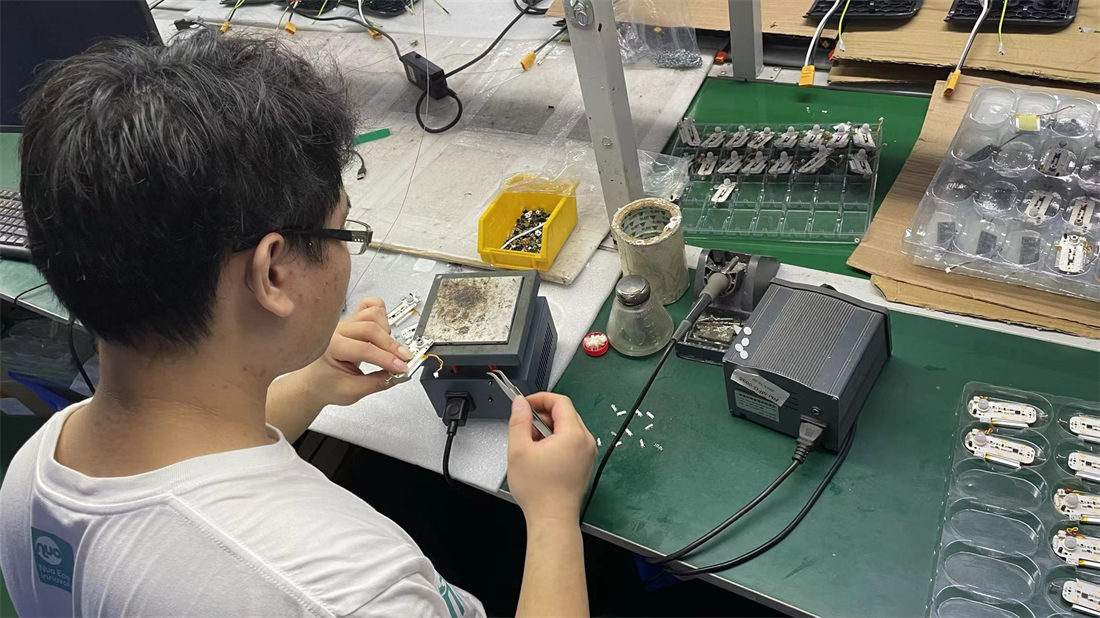
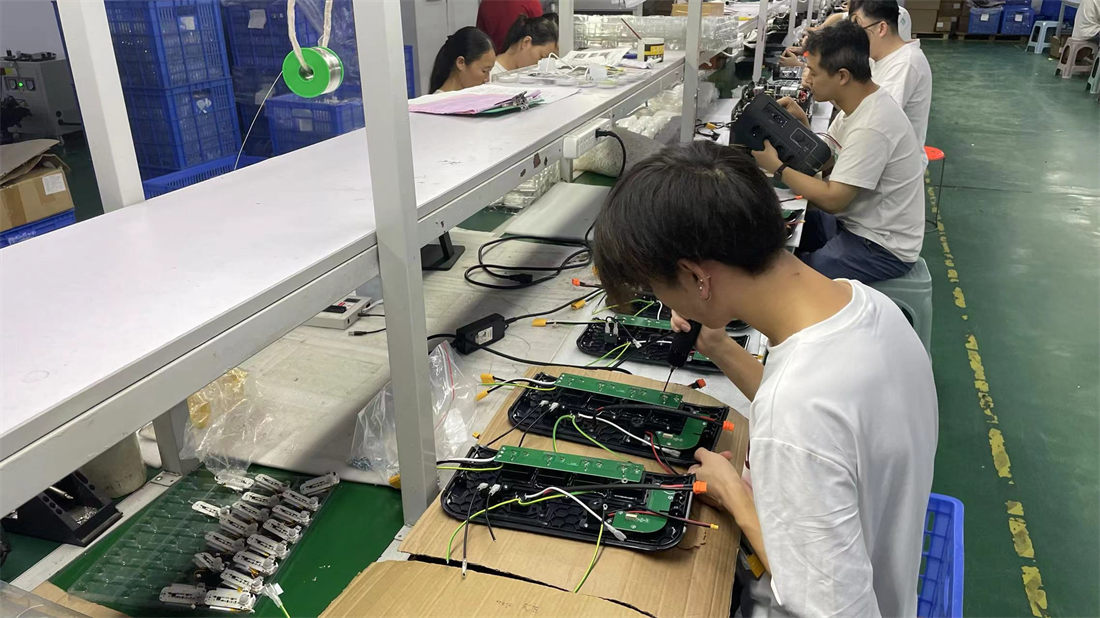
Precise electrical interconnects ensure zero power-loss over decades of high-load field usage.
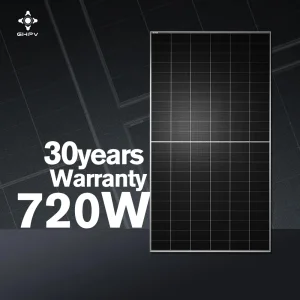
Our high-efficiency commercial equipment is designed for 30-year operational lifetimes in harsh industrial environments.
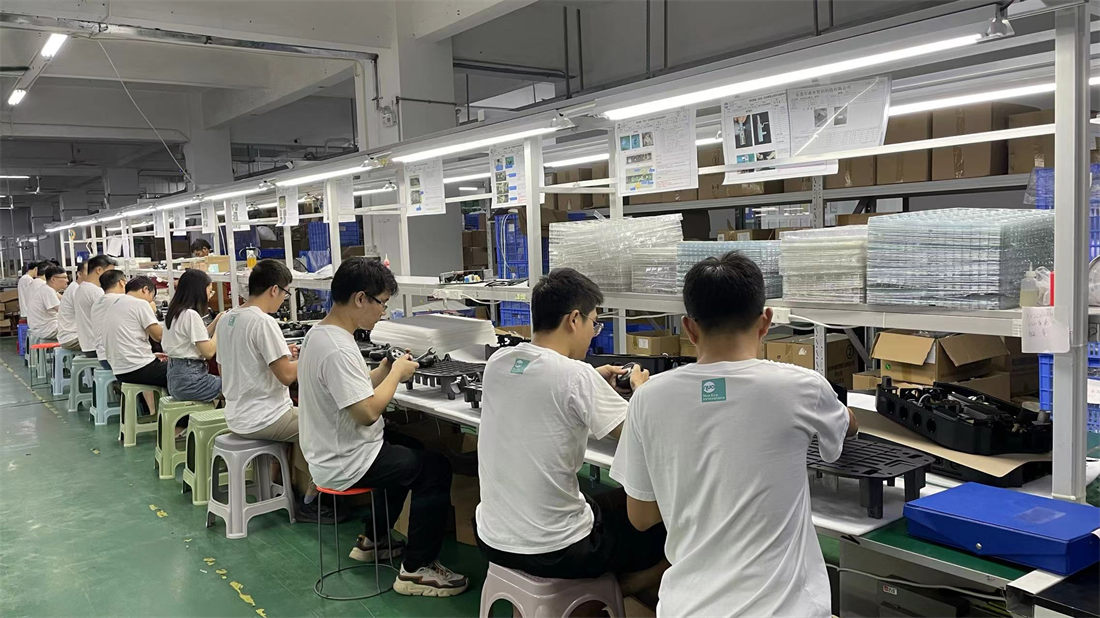
Located in China's innovation capital, our facility bridges technological R&D with cost-optimized manufacturing workflows.
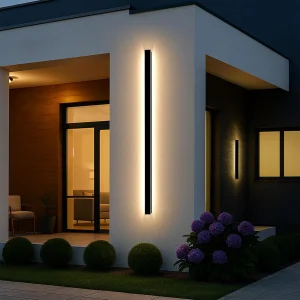
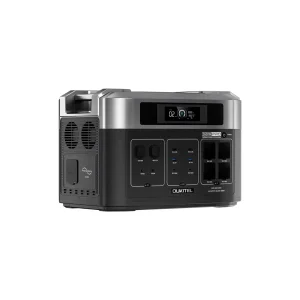
Shenzhen Soweglow Solar Co., Ltd. is a specialized manufacturer and exporter of solar energy products, commercial off-grid solutions, and intelligent solar streetlighting. Based in the Shenzhen technological hub, we utilize an advanced component supply chain and highly trained engineers. Our product range includes flexible monocrystalline marine solar panels, high-capacity LiFePO4 battery storage cabinets, intelligent MPPT charge controllers, and customized architectural outdoor lighting poles.
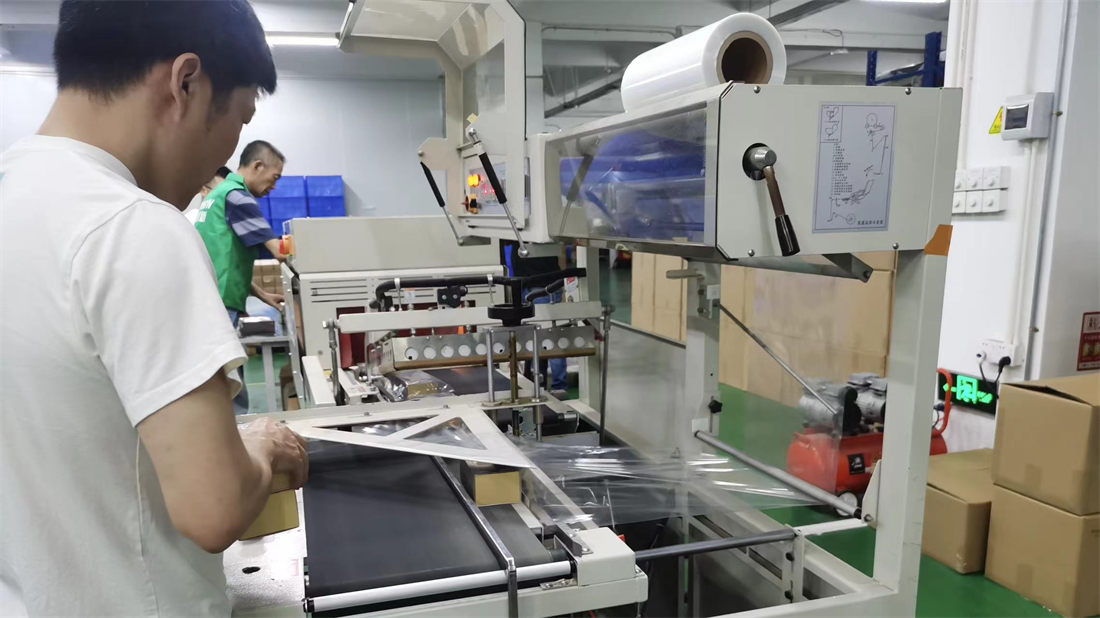
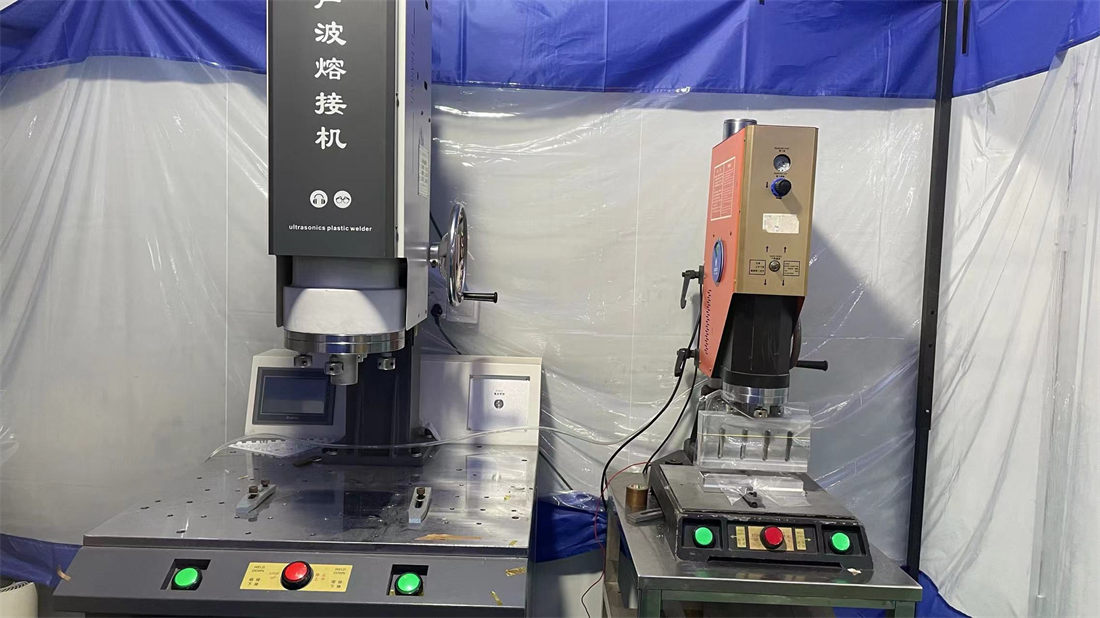
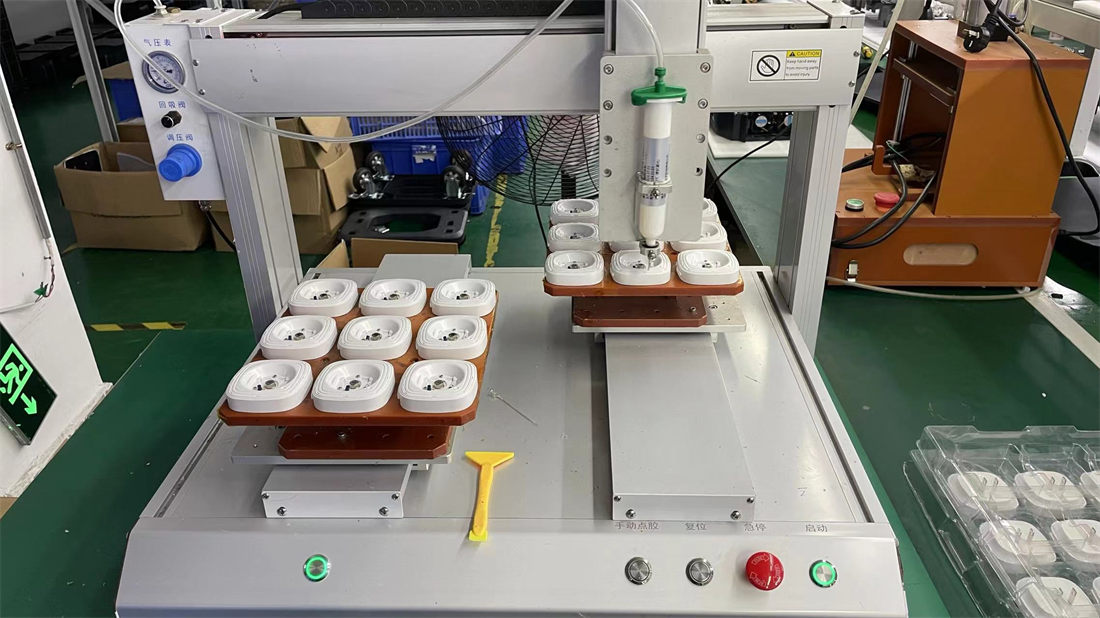
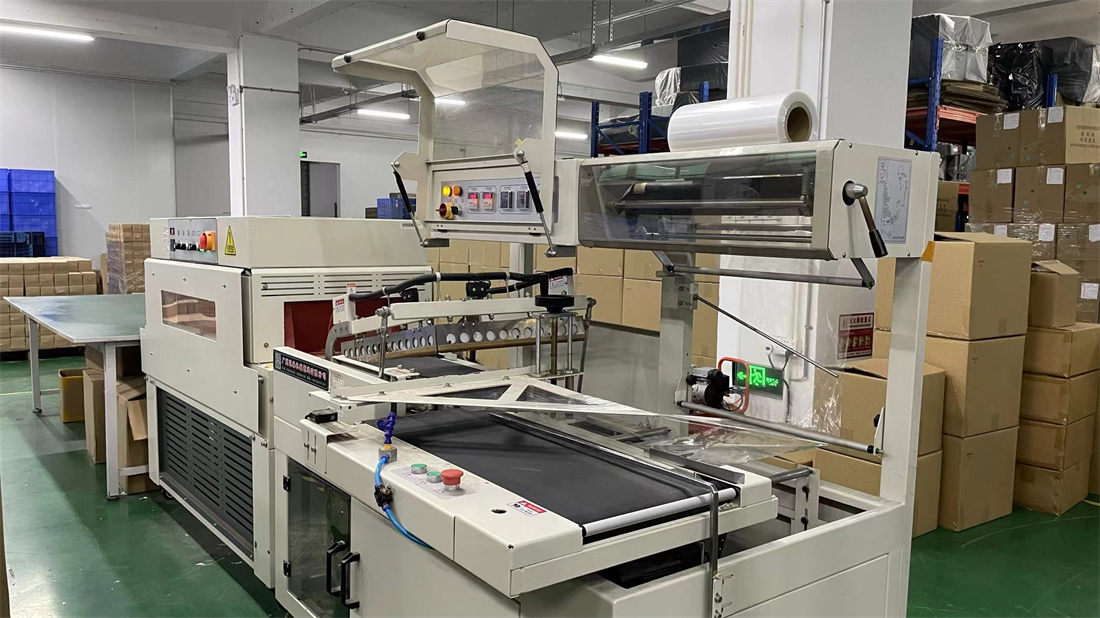
By employing comprehensive quality management architectures, our production output complies with CE, RoHS, and DLC guidelines. This adherence guarantees that import distributors, construction developers, and engineering firms receive reliable products. Our facility features advanced robotics, automated sealing machinery, and precise testing chambers. This integration reduces manual error rates, speeds up processing times, and maintains stable cost parameters.

Analyzing performance requirements across urban, industrial, and off-grid environments.
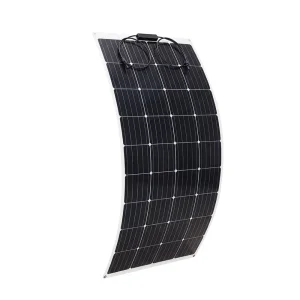
Flexible monocrystalline solar modules require resistance to salt mist and dynamic flex stresses. Integrating ETFE lamination with IP68 waterproof ratings protects these arrays on camper vans, yacht roofs, and mobile remote hubs from salt corrosion and thermal flexing.
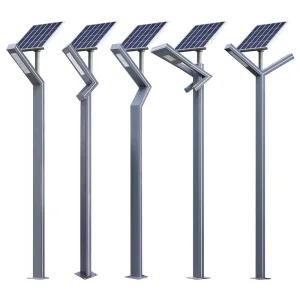
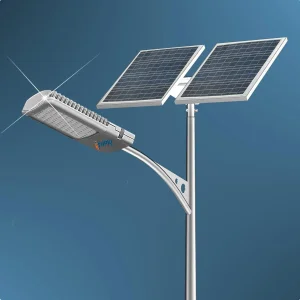
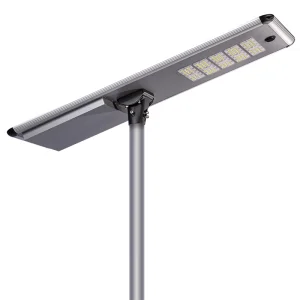
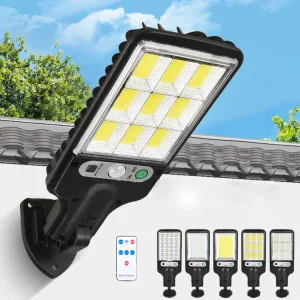
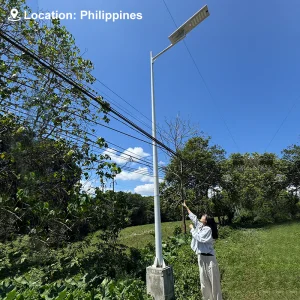
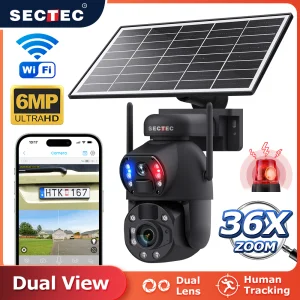
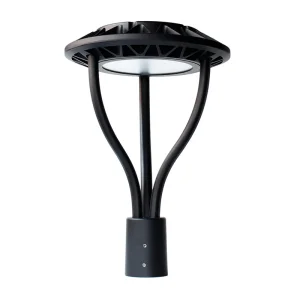
Smart city lighting relies on combining PV collection, motion detection, and CCTV security cameras. Monopole installations utilize aluminum designs and high-capacity LiFePO4 batteries to ensure consistent operation during periods of extended cloud cover.
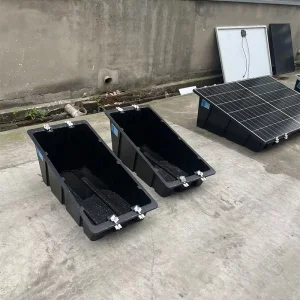
Roof penetrations present leakage risks for commercial warehouses. Using ballast-based mounting structures made of HDPE and ABS avoids roof damage, speeds up construction times, and preserves structural warranties for large-scale solar arrays.
Our solar modules endure rigorous thermal cycling and high-humidity stress tests to confirm long-term stability.
The solar industry is transitioning from p-type PERC cells to n-type technologies, primarily Tunnel Oxide Passivated Contact (TOPcon) designs. TOPcon cells reduce degradation rates and lower temperature coefficients while offering bifaciality factors up to 80%. This improvement increases energy yield in low-light environments and reflection-heavy installations.
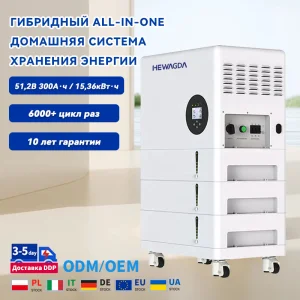
In parallel, industrial buyers are integrating solar arrays with smart battery storage (ESS) systems. This combination enables peak shaving, avoiding high commercial demand fees by utilizing stored battery power during periods of peak load.
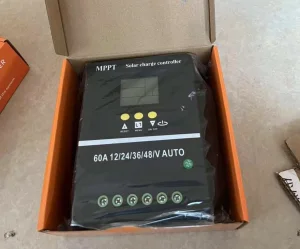
Modern off-grid and smart microgrids use high-capacity 51.2V LiFePO4 batteries paired with MPPT charge controllers. These controllers achieve conversion efficiencies up to 99.8%, ensuring minimal energy loss throughout daily charge cycles.
CE compliance requires systematic verification at each stage of manufacturing. At Shenzhen Soweglow Solar Co., Ltd., our quality control framework applies strict checks from the sourcing of raw materials to final cargo loading.
Ensures connection consistency, preventing local hot-spots under sustained high electrical currents.
Applies precise sealing layers to protect against moisture ingress, securing IP65 to IP68 ratings for external enclosures.
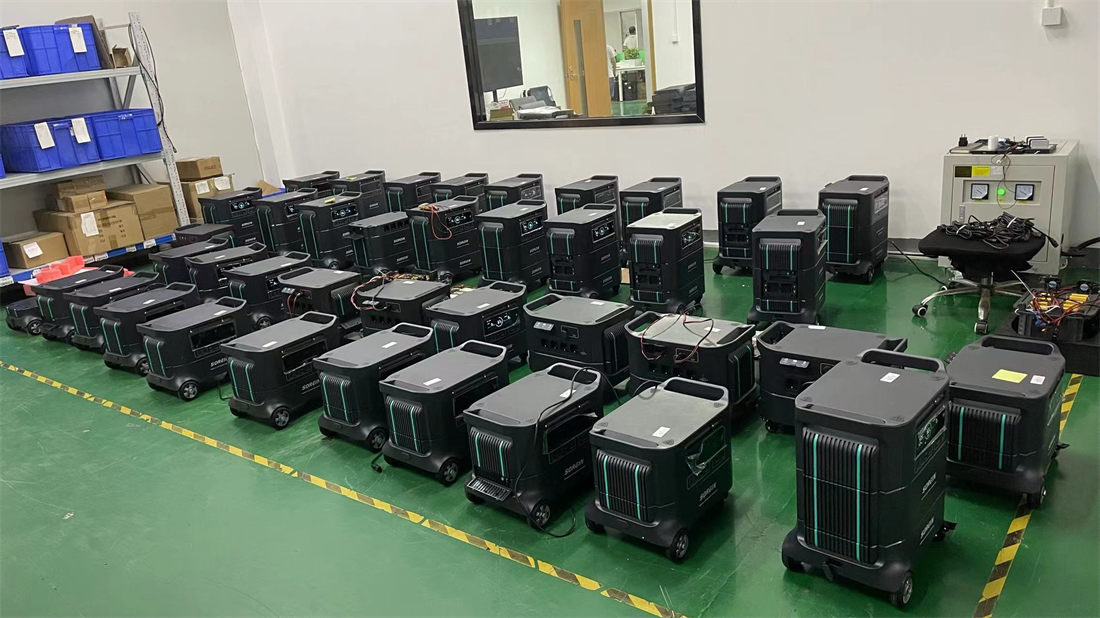
Subjects all finished electronics and battery systems to thermal chambers to confirm electrical reliability under fluctuating ambient conditions.
Our quality checks help lower defect rates, reduce warranty claims, and protect the investments of commercial buyers.
Every product undergoes extensive electrical verification to check that current, voltage, and grounding match design parameters.
Key technical considerations for commercial project planners, distributors, and procurement agents.
TOPcon (Tunnel Oxide Passivated Contact) panels offer higher module efficiency (typically over 22.5%) compared to traditional PERC panels (typically around 20-21%). TOPcon modules exhibit lower light-induced degradation (LID) rates and feature a superior temperature coefficient (-0.30%/°C), which maintains higher energy output in high-temperature environments. Additionally, their high bifaciality factor (up to 80-85%) allows them to generate significant power from reflected light on the rear side, making them ideal for commercial installations on light-colored ground surfaces or flat roofs.
LiFePO4 (Lithium Iron Phosphate) offers substantial safety and cycle-life advantages. It has a high thermal runaway threshold (approx. 270°C compared to NMC's 210°C), minimizing the risk of fire or explosion. Furthermore, LiFePO4 cells support 4,000 to 6,000 cycles at 80% Depth of Discharge (DoD), whereas standard ternary cells typically decay after 1,000 to 2,000 cycles. This long cycle life reduces the lifetime cost of ownership for commercial microgrids and grid-tied systems.
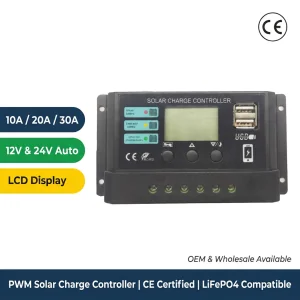
Maximum Power Point Tracking (MPPT) controllers monitor and adjust the input voltage and current of the solar array in real-time, matching it to the changing battery charge profile. This technology allows the solar array to operate at its Peak Power Voltage (Vmp), harvesting up to 30% more energy compared to Pulse Width Modulation (PWM) controllers. PWM controllers draw the array voltage down near the battery voltage, which causes energy loss, especially in cold or cloudy conditions where the panel voltage is high.
Our HDPE (High-Density Polyethylene) and ABS flat-roof ballast brackets undergo structural stress analysis and simulated wind tunnel testing. The ballast design is calculated to withstand wind velocities up to 45m/s (approx. 160 km/h) without needing roof penetrations. High-density polymers are treated with UV stabilizers to resist UV degradation and maintain material strength when exposed to outdoor environments for up to 25 years.
Yes. We provide comprehensive OEM and ODM services. Our engineers assist with custom dimensions and junction box placements for flexible solar panels, customize battery management systems (BMS) for specific communication protocols (such as CAN, RS485, or RS232), and adjust structural characteristics for aluminum garden light poles. We help ensure all customized configurations comply with destination safety and grid-connection requirements.
Select from our certified controllers, monocrystalline panels, storage batteries, and specialized outdoor installations.
 Soweglow Solar