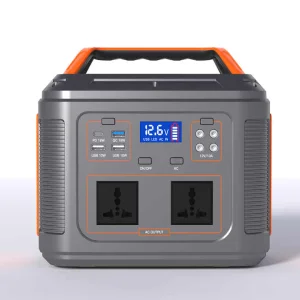
Explore our primary portfolio of high-efficiency load adapters, portable power hubs, and microgrid security hardware optimized for modern solar integrations.
Global Destination Ports Served
R&D Patents & Certifications
Production Line Quality Pass Rate
Active Remote Support & OEM Capability
As the global shift toward zero-emission grid systems accelerates, intermittent power generation poses the single greatest threat to industrial energy reliability. Solar load management (SLM) represents the critical technological paradigm that bridges the gap between peak photovoltaic (PV) generation and consumer consumption. Instead of shedding excess solar energy or incurring massive grid feed-in penalties, intelligent load management dynamically redistributes, stores, and sheds load profiles in real-time.
Shenzhen Soweglow Solar Co., Ltd. stands at the forefront of this industrial transformation. Operating out of Shenzhen, the epicenter of global smart hardware manufacturing, we design, engineer, and export integrated smart energy systems that enable C&I (Commercial and Industrial) facilities to run at peak efficiency while lowering levelized cost of energy (LCOE).
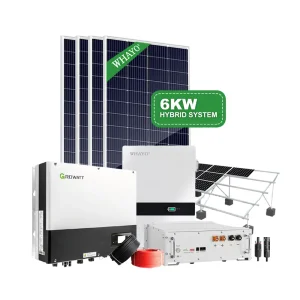
Our systemic approach to solar load management integrates smart micro-inverters, commercial-grade Energy Storage Systems (ESS), responsive LED networks, and real-time environment controllers to keep power lines balanced under any climatic condition.
By engineering systems that communicate directly with active loads, Soweglow decreases utility reliance, mitigates peak-demand penalties, and optimizes microgrid resilience.
Understanding the structural market dynamics shaping power grids, demand response programs, and corporate sustainability metrics worldwide.
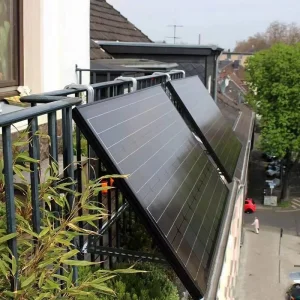
With aggressive decarbonization mandates across the EU, grid operators have established strict zero-export regulations in localized regions. Commercial properties utilizing solar must match production to dynamic consumption patterns. Balcony PV modules and modular battery systems are deployed to absorb voltage swells and ensure grid compliance.
In the US and Canada, demand charge tariffs can account for up to 50% of commercial electricity bills. Utilizing specialized hybrid solar load management controllers allows facilities to deploy battery power during peak utility pricing intervals, capping high demand charges and generating rapid return on investment.
For remote operations, mining fields, and agricultural centers in Southeast Asia and Africa, stability is the main driver. Combining massive containerized battery storage solutions (ESS) with split phase solar inverters enables reliable, off-grid microgrid setups that are insulated from utility infrastructure failures.
We are transitioning away from passive solar generation toward Active Distribution Networks. Modern load systems leverage machine learning protocols to predict solar output by monitoring real-time atmospheric data. This allows commercial plants to pre-schedule energy-intensive cycles like industrial heating, pumping, or machinery operation to line up with maximum solar output.
Deployment of local hardware controllers communicating via Modbus/CAN bus. Implementation of rapid shut-off devices and high-precision MPPT chargers to stabilize transient voltage drops.
Seamless integration of EV fast-charging stations, variable speed heat pumps, and multi-megawatt battery containers operating on automated, AI-driven peak-shaving protocols.
Dynamic cloud-coordinated aggregation of distributed energy resources. Small commercial installations and balcony systems feed into regional virtual power grids, trading excess energy in real-time.
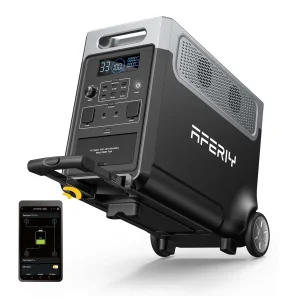
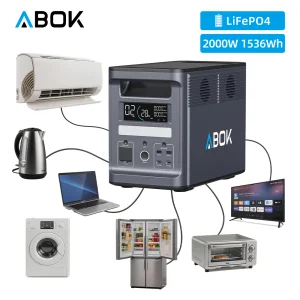
Traditional solar systems rely on the grid to absorb excess production. When solar output peaks at mid-day while consumer demand peaks in the evening, the grid experiences severe stress (known as the "duck curve"). Intelligent load controllers resolve this by automatically routing energy to thermal loads (like heat pumps), static loads (ESS containers), or decentralized systems (portable power banks).
Soweglow's split phase hybrid solar inverters and highly integrated MPPT controllers allow sub-second adjustments to energy flows. Our systems stabilize local voltages and eliminate potential over-voltage shutdowns, keeping your facilities up and running smoothly.
From residential complexes to remote installations, see how our energy architectures function across various sectors.
Leveraging full black balcony PV systems paired with mini-inverters allows urban high-rises to tap into clean power. These installations require no modification to internal building wiring, feeding clean energy directly into the household's sub-panel to balance local base loads.
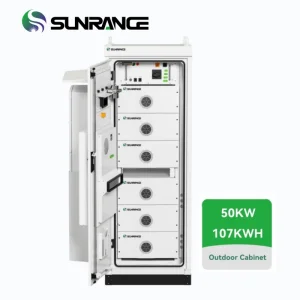
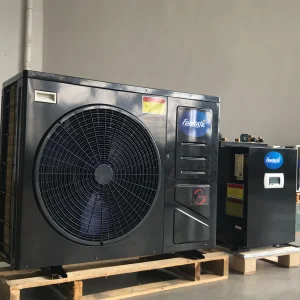
By pairing high-capacity LiFePO4 ESS container systems (ranging from 15kW to 200kW) with commercial heat pumps, factories can achieve grid independence. Excess solar energy is transferred to hot water thermal storage and battery cells, ensuring uninterrupted overnight operations.
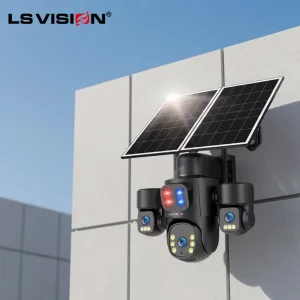
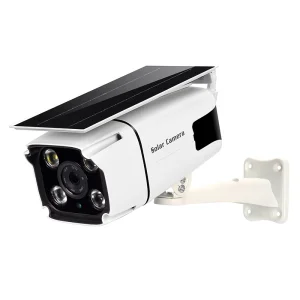
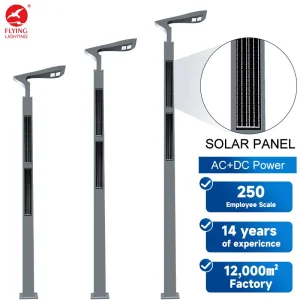
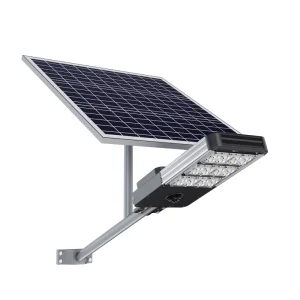
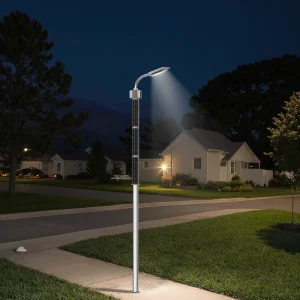
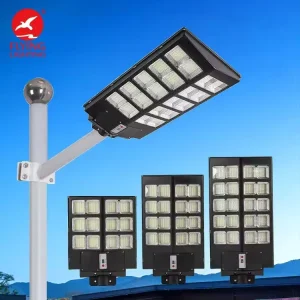
Municipal street lighting networks are retrofitted with AC/DC hybrid solar streetlights and low-power CCTV cameras. These systems operate as self-contained microgrids that dynamically dim during low-activity hours, reducing energy requirements and operating costs.
Established in Shenzhen, China, Shenzhen Soweglow Solar Co., Ltd. is a dedicated manufacturer and global exporter of high-performance solar energy products, intelligent solar lighting configurations, and renewable energy solutions. We have spent years establishing ourselves in the renewable energy sector, focusing on the delivery of reliable, efficient, and cost-effective hardware designed for global commercial and industrial applications.
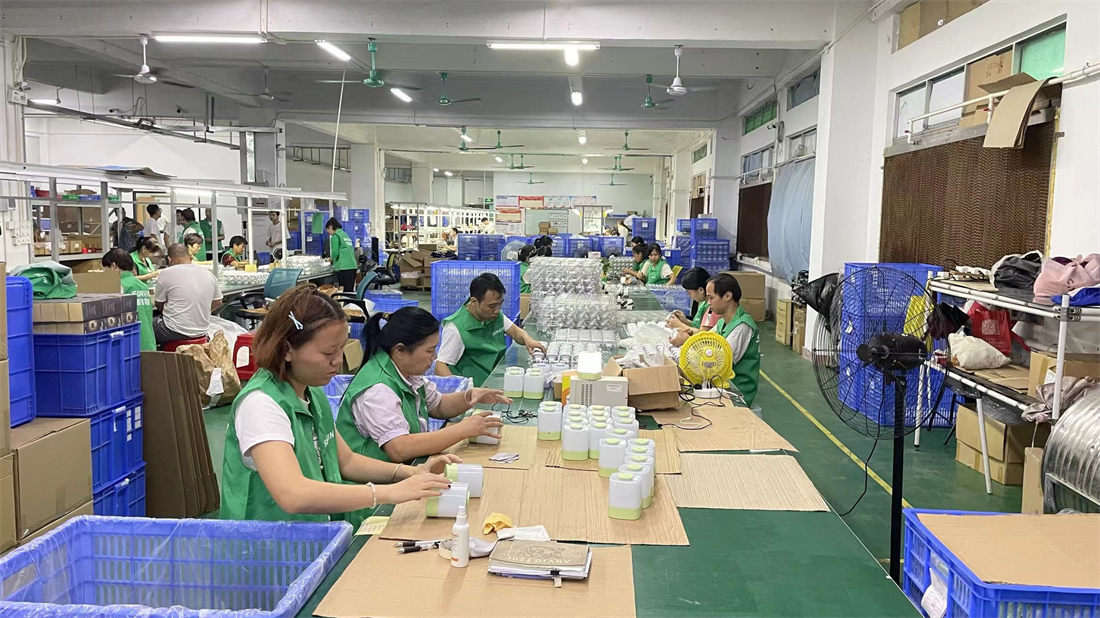
Driven by our mission to accelerate clean energy adoption, our experienced team provides end-to-end support, covering R&D, precision manufacturing, international quality certifications, and post-installation support. Partnering with distributors, developers, and grid contractors across Europe, the Americas, Africa, and the Middle East, we provide reliable solar architectures built for long-term field durability.
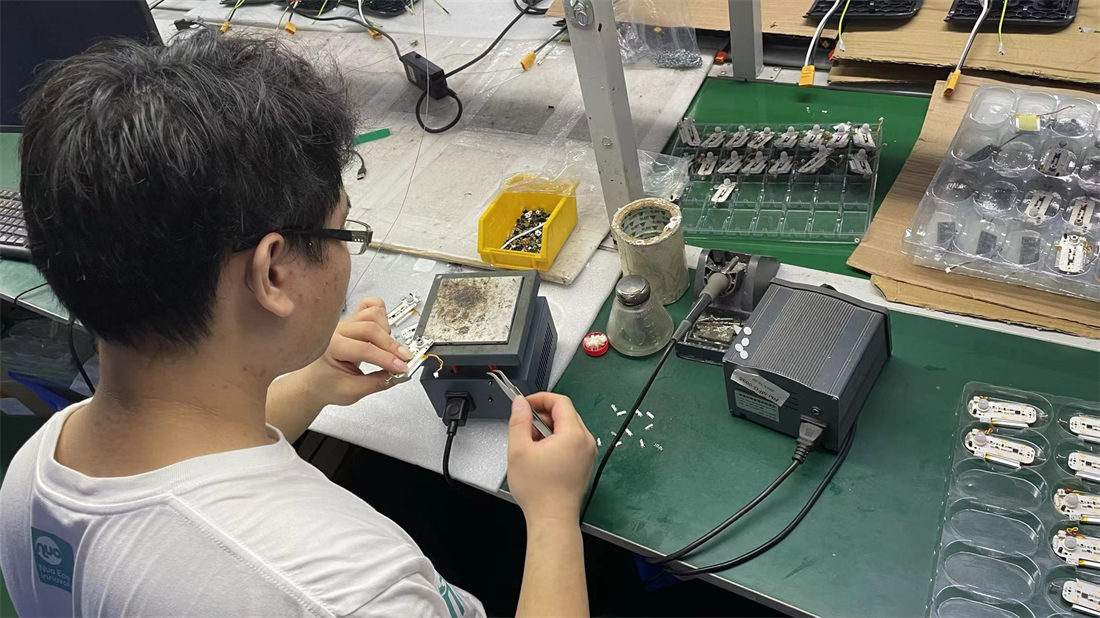
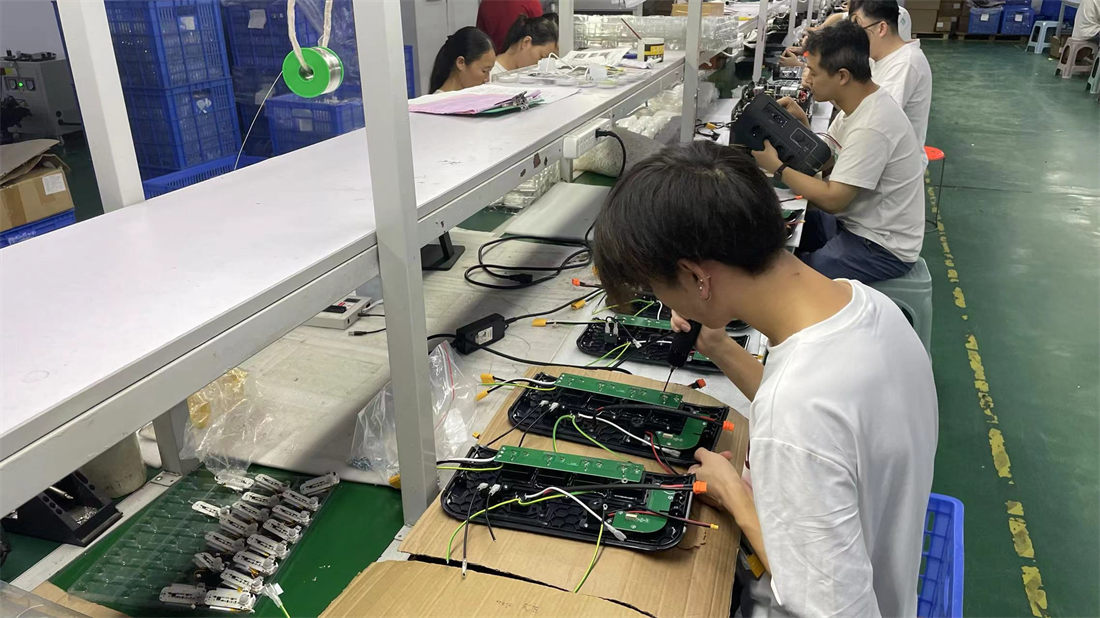
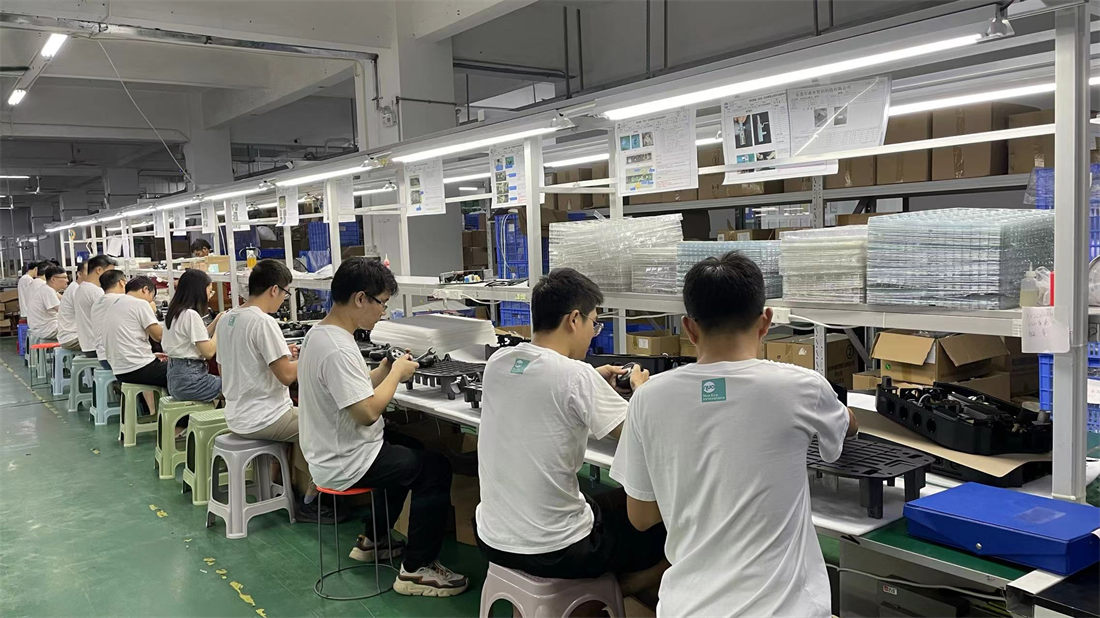
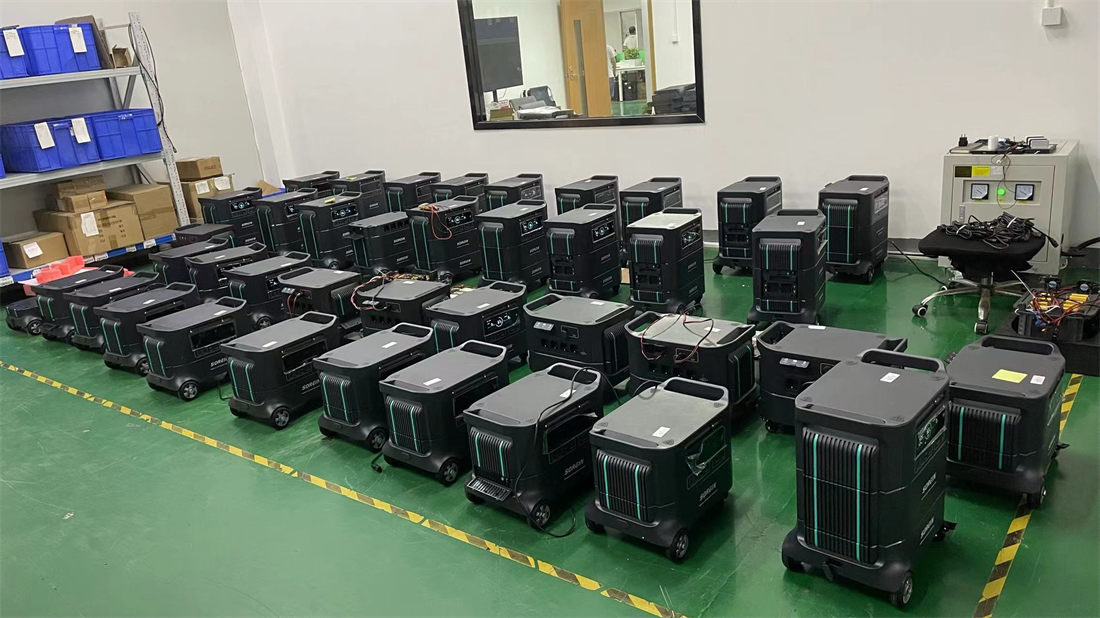
Our Quality Assurance Guarantee: Quality is the foundation of our business. Every component undergoes multi-stage inspections, including raw material verification, optical testing, automatic safety evaluations, and extended aging runs. Operating under international manufacturing standards, Soweglow products deliver consistent performance in challenging environments.
"To accelerate the adoption of renewable energy by providing innovative, efficient, and sustainable solar solutions that create long-term value for customers and contribute to a greener future."
Our proximity to Shenzhen's technological resources allows us to continually upgrade our products. By incorporating the latest semiconductor technology, robust thermal management designs, and advanced battery cells, our equipment delivers lasting performance in the field.
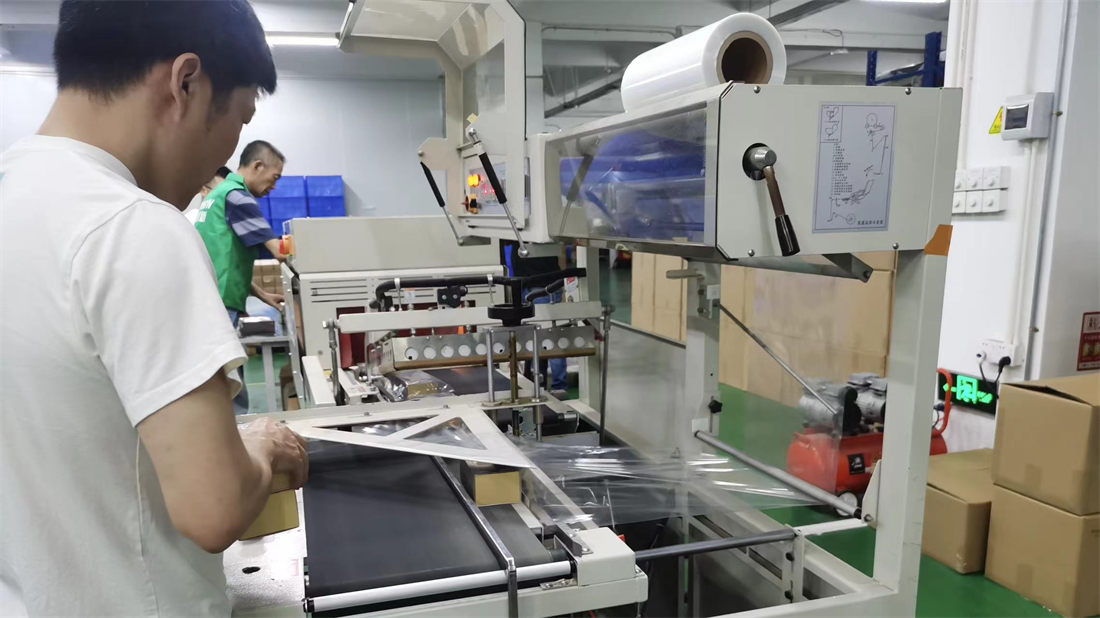
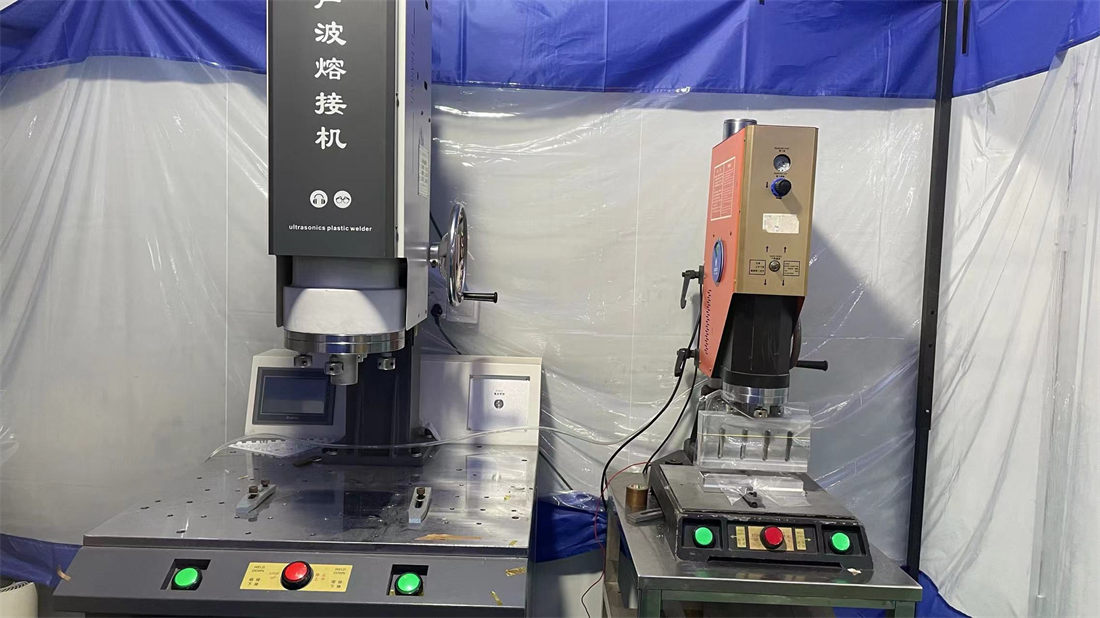
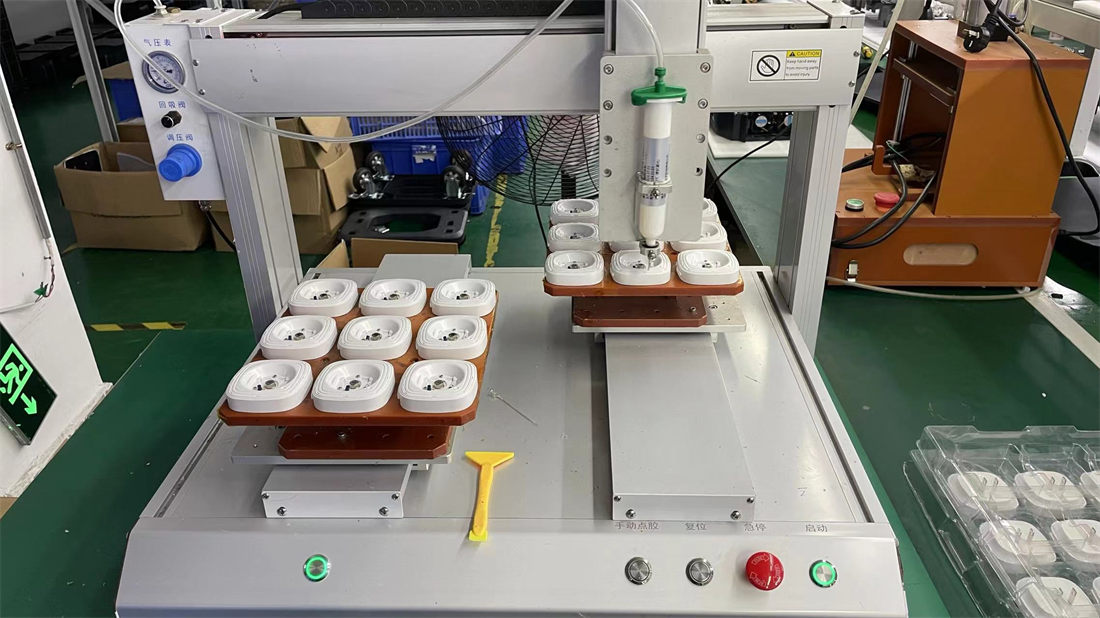
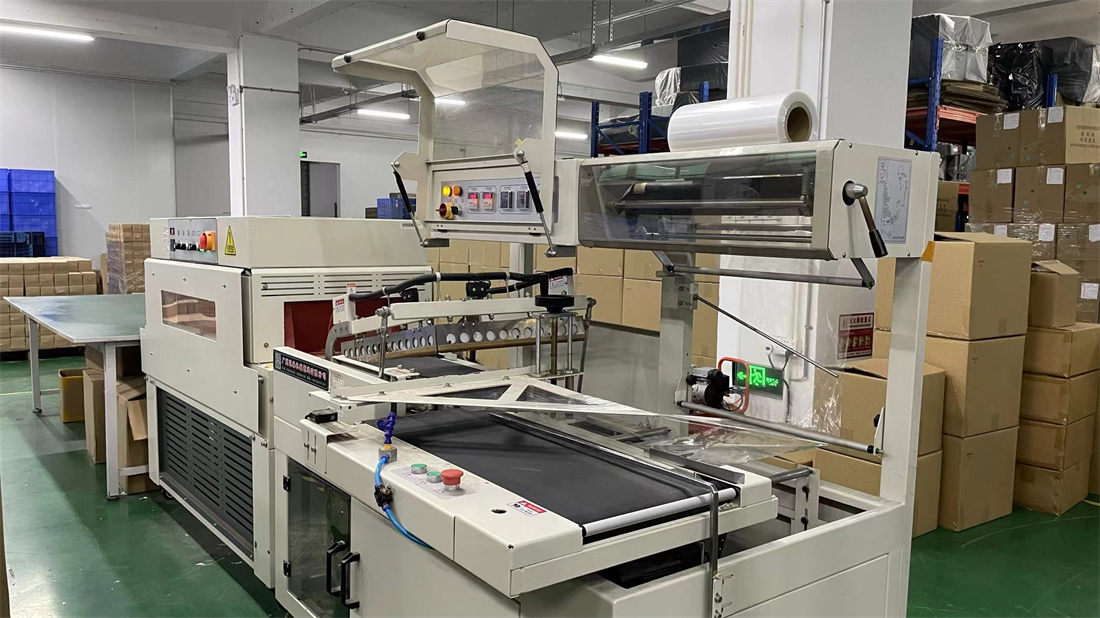
A inside look at our state-of-the-art Shenzhen production lines, featuring high-precision automated machinery and rigorous quality control testing.
Addressing technical and operational considerations for solar integration projects.
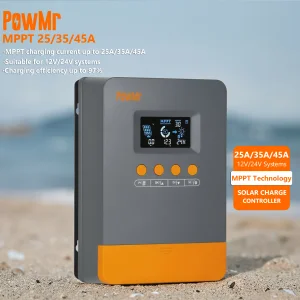
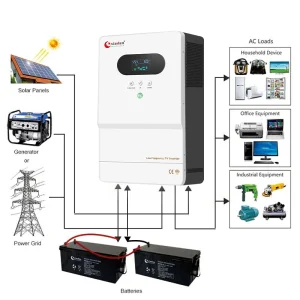
Complete your project design with high-performance solar charge controllers, industrial storage options, hybrid street lighting, and efficient heat pump solutions.

 Soweglow Solar