Explore our core tier-1 engineered solar modules, intelligent off-grid storage units, and high-efficiency smart lighting networks designed for rugged deployment.
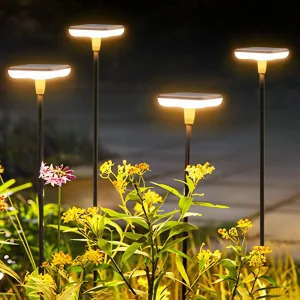
An in-depth analysis of structural supply dynamics, grid decentralization, and procurement paradigms in the modern photovoltaic ecosystem.
The global demand for distributed photovoltaics is governed by two compounding vectors: localized energy autonomy and aggressive carbon-reduction mandates (such as the EU's Net-Zero Industry Act and the United States' IRA framework). By generating electricity at the point of consumption, distributed structures reduce transmission losses (which average 5% to 8% in traditional utility lines) and effectively shield operators from volatile grid-pricing schemas.
Furthermore, the rapid scaling of modern Virtual Power Plants (VPPs) has elevated residential and industrial PV sites from passive consuming nodes to active grid stabilization contributors. Utilizing hybrid smart inverters coupled with advanced lithium-iron-phosphate (LiFePO4) chemistries, local installations feed critical reserve power back to regional distribution systems during periods of extreme thermal load or localized transmission failure.
“The integration of Maximum Power Point Tracking (MPPT) intelligence and smart battery systems is transitioning the global distributed solar market from basic generation hardware to dynamic, cloud-managed edge-grid assets.”
For engineering, procurement, and construction (EPC) contractors, municipal developers, and global industrial distributors, the evaluation of Chinese manufacturing facilities has shifted from a pure CAPEX calculation to a sophisticated assessment of Levelized Cost of Energy (LCOE) and lifecycle resilience. High-quality supply partnerships are evaluated on three critical matrices:
Thermal mitigation under high ambient operational parameters. Advanced IP65 and IP67 ingress ratings combined with structural anodized aluminum framing ensure modules survive physical and chemical weathering in seaside, high-salinity, and arid locations.
Integrating monocrystalline silicon technologies with ultra-low recombination losses and robust MPPT controller efficiency profiles. Ensuring systems capture maximum diffuse irradiance during overcast periods to consistently yield maximum power output.
Transitioning away from conventional volatile lead-acid batteries to highly resilient, non-toxic Lithium Iron Phosphate (LiFePO4) storage chemistry. Providing 3000 to 6000 cycles at depth of discharge (DoD) of 80% to protect downstream microgrids.
A global paradigm in engineering excellence, pioneering robust commercial-grade solar solutions out of China’s leading innovation corridor.
Step inside our advanced manufacturing facility. From high-grade raw material validation to robotic packaging, we guarantee quality at every step.
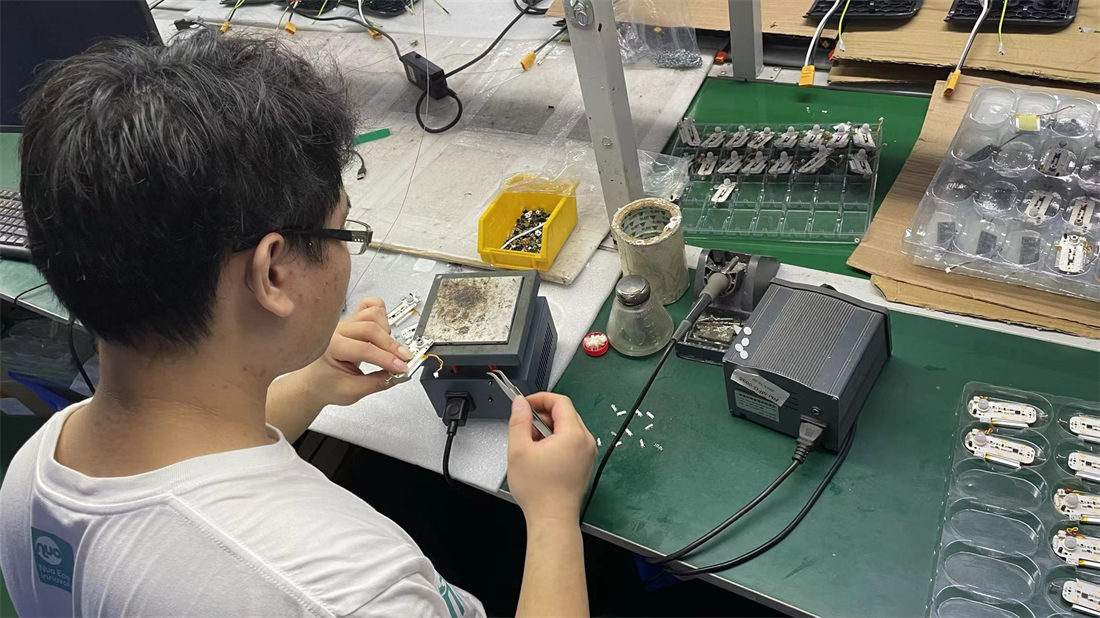
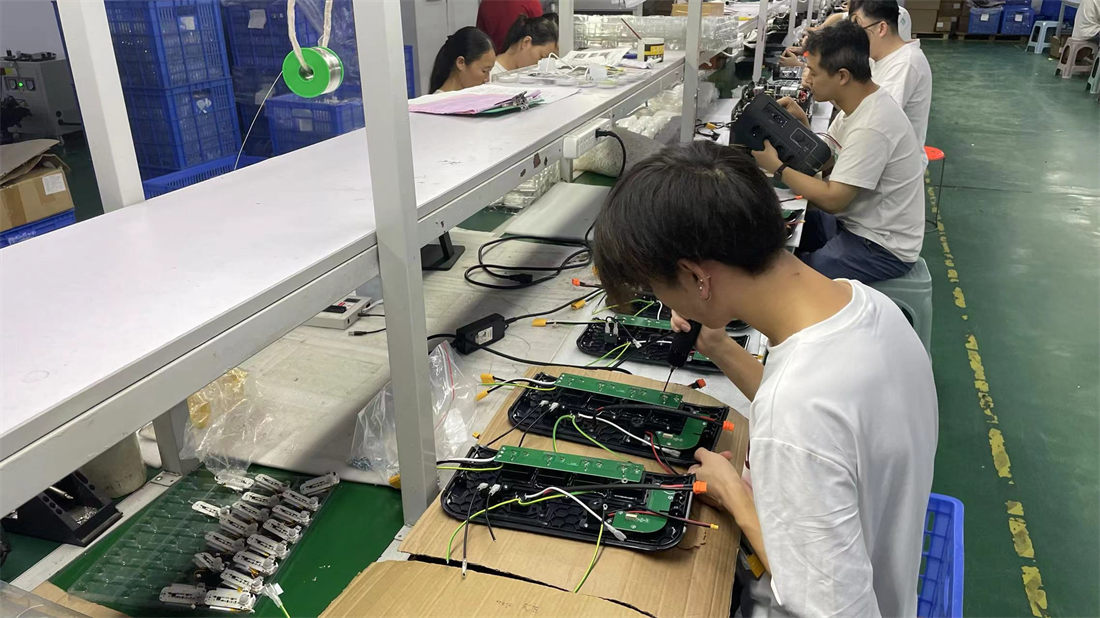
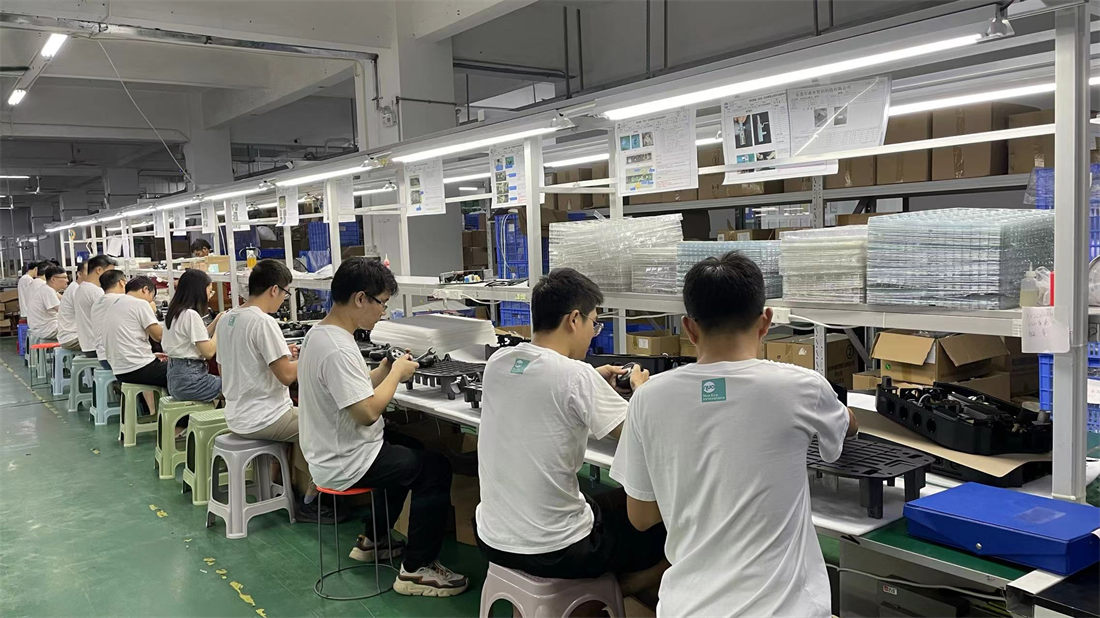
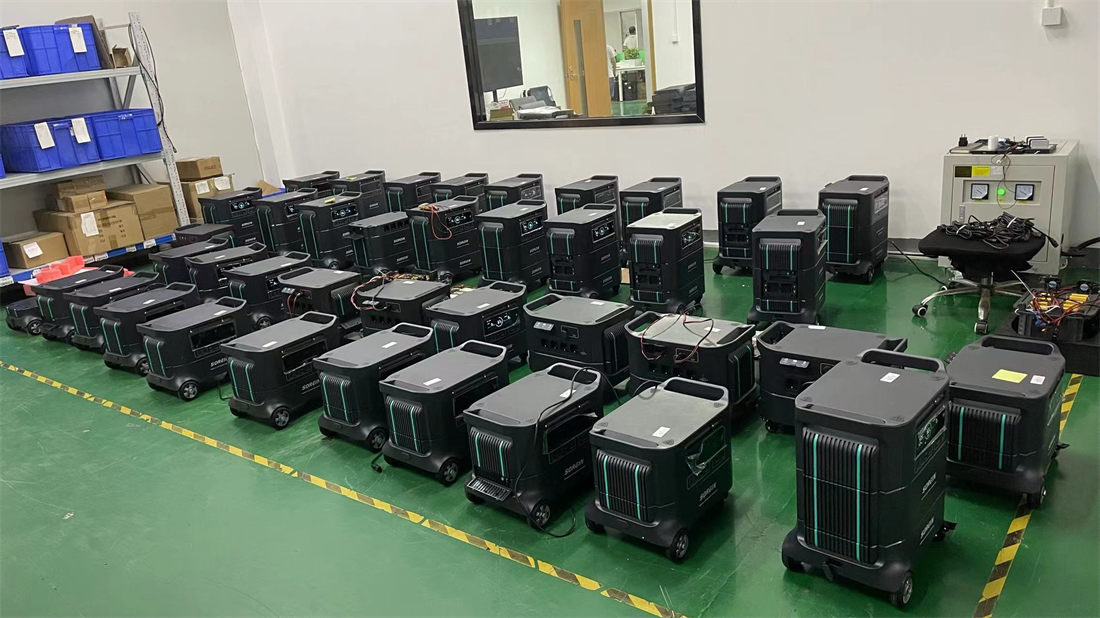

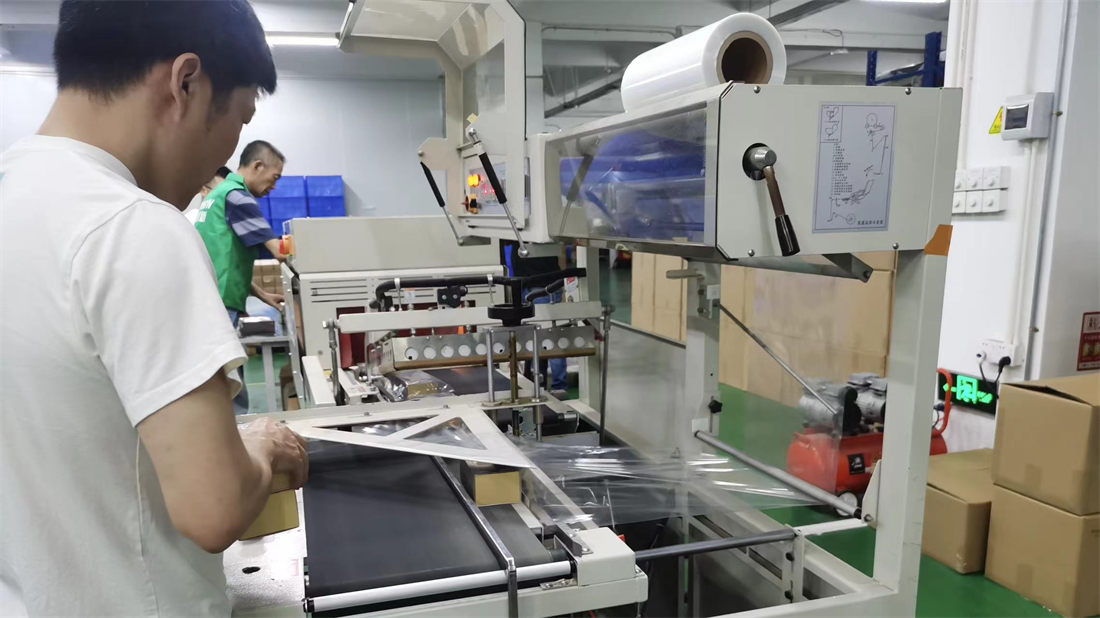
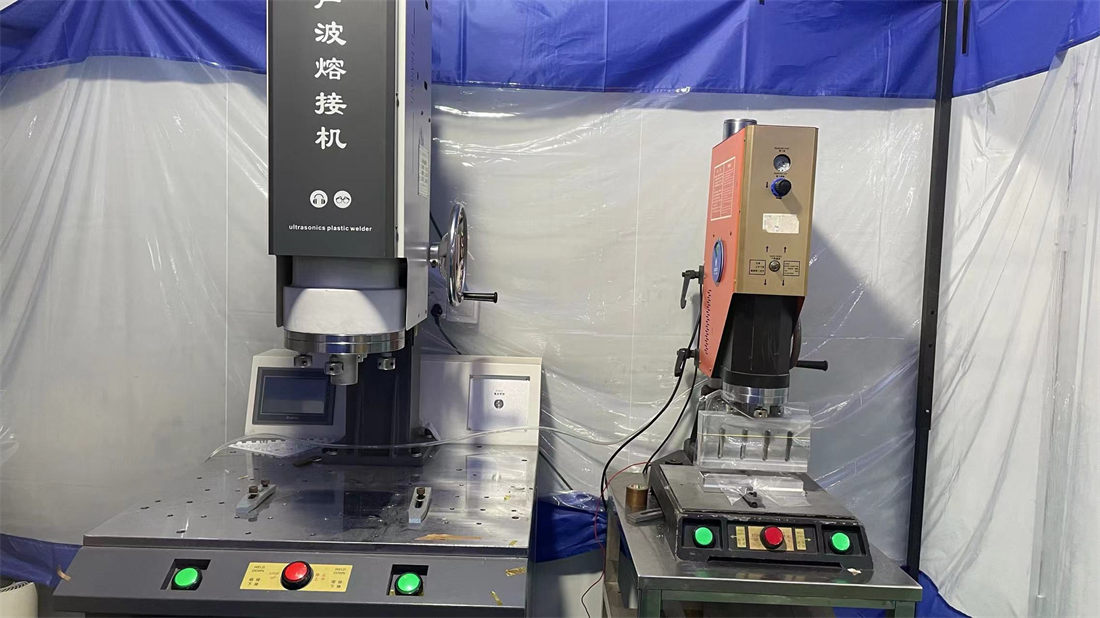
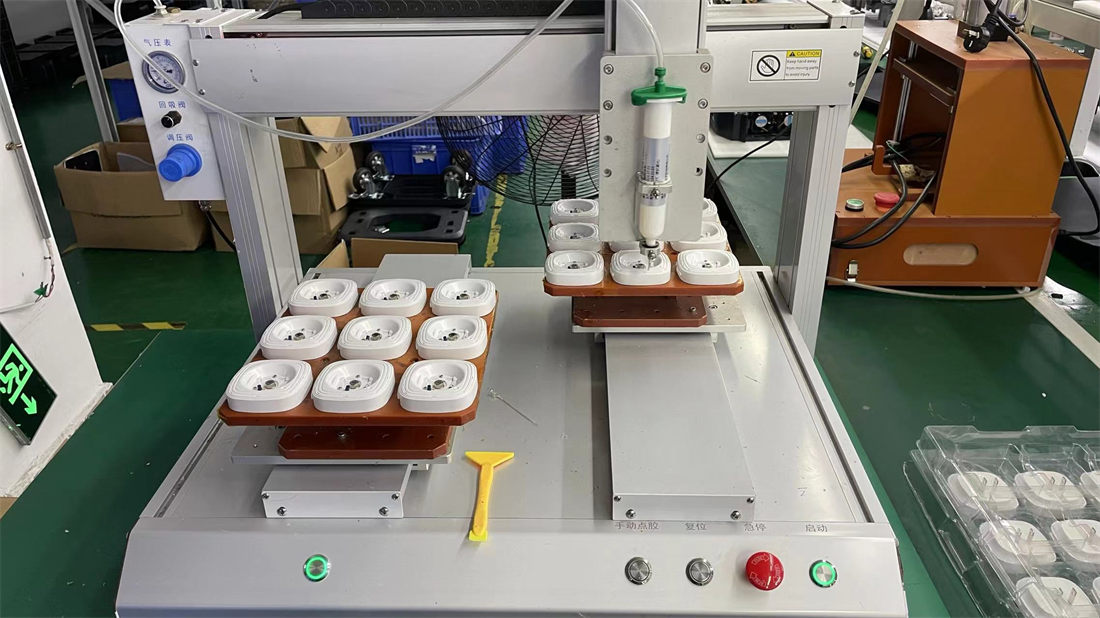
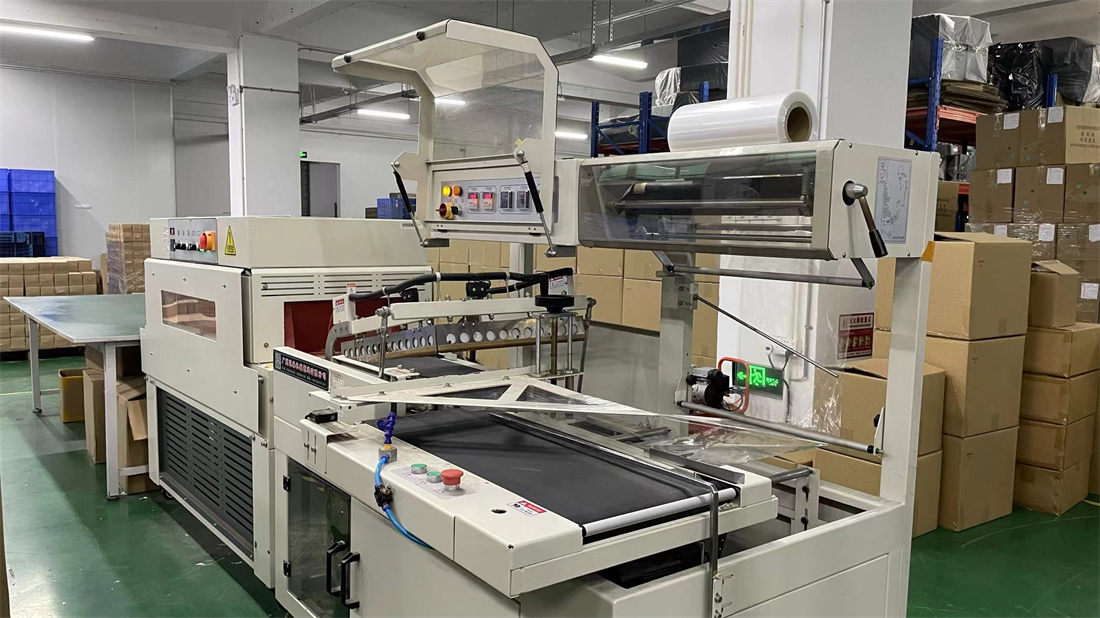
By integrating Industry 4.0 automation networks into our Shenzhen production facility, we maintain granular control over raw material batch testing, automated component soldering, and dynamic thermal performance monitoring. Our system tracks every single photovoltaic unit from assembly to final verification, ensuring unparalleled reliability.
Our automated optical inspection (AOI) processes catch micro-cracks and soldering anomalies at the micron level, while our advanced environmental chambers simulate 25-year lifecycle strains under extreme heat, freezing cycles, and variable relative humidity.
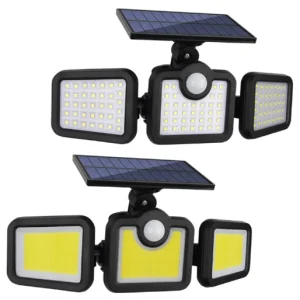
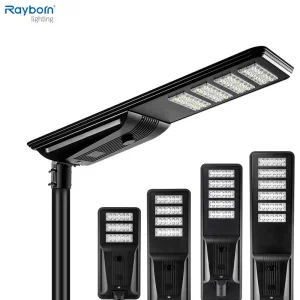
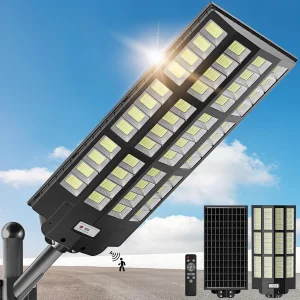
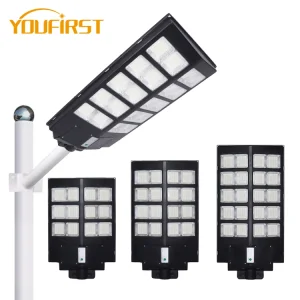
Maximum luminous efficacy in our smart integrated street light systems.
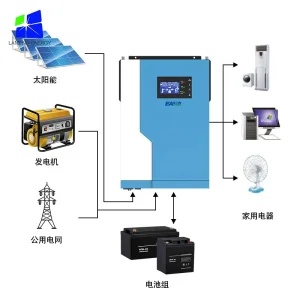
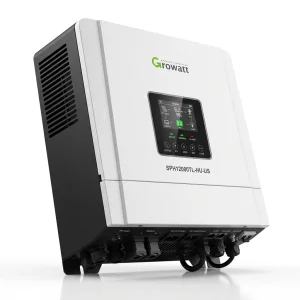
Industrial grade single pure sine wave DC to AC power inversion.
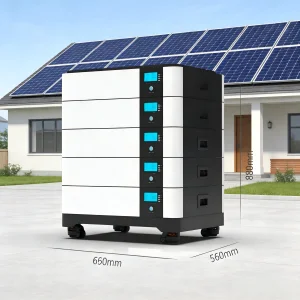
High-density, stackable LiFePO4 cells for smart residential microgrids.
Independently traced through automatic dispensing and aging cycles.
Understanding how distributed solar, storage, and intelligent lighting systems operate across real-world commercial and rural sectors.
For municipality planners and transportation engineering firms, lighting highways and rural arteries presents a significant logistical and financial challenge due to trenching and grid connection overhead. Deploying high-efficacy systems like our High Bright 200lm/W MPPT Solar Street Lights completely avoids grid interconnect expenditures.
These luminaires feature integrated microwave motion detection and smart MPPT controller schemes. By actively adjusting current output relative to remaining battery capacity and real-time movement, they deliver uninterrupted lighting throughout high-cloud seasons while preserving the structural lifespan of the LiFePO4 pack.
In manufacturing environments, agricultural sorting stations, and medical hubs operating in developing or unstable grid territories, a fraction of a second of power fluctuation can cause significant capital losses. Utilizing heavy-duty 12kW Pure Sine Wave Inverters (48V to 230V) protects sensitive circuitry by delivering clean AC power indistinguishable from (and often superior to) main grid feeds. These high-capacity devices automatically switch power sources from grid, PV, or storage within milliseconds of utility interruption.
Urban environments in high-density European cities are experiencing a surge in balcony solar system installations. Our Plug-and-Play All-in-One Hybrid 5kWh Storage System is designed specifically to fill this niche. By lowering installation friction, urban residents can capture local solar energy from balcony facades, feed essential appliances during peak pricing hours, and maintain a robust power reserve in the event of grid instability.
In-depth responses to critical logistical, technical, and operational questions asked by global B2B solar buyers.
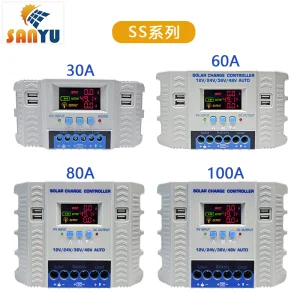
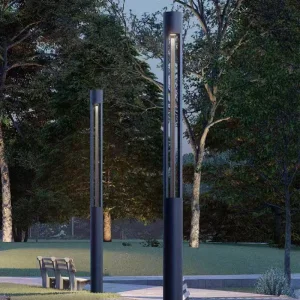
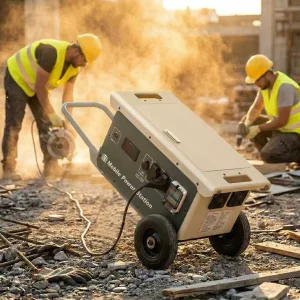
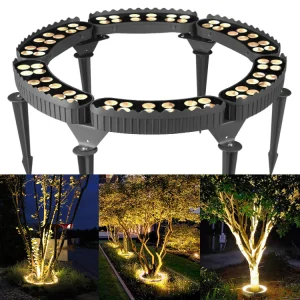
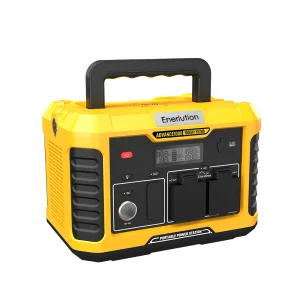
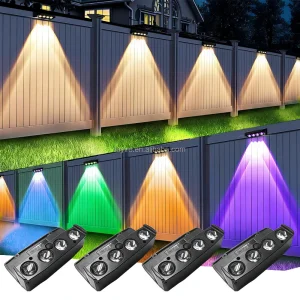
Complete your procurement requirements with our professional series of solar landscaping, portable generators, off-grid inverters, and charging controllers.
 Soweglow Solar