In the era of rapid climate fluctuations and accelerating carbon emission regulations, modern commercial, industrial, and residential sectors face the critical mandate of energy optimization. Heating, Ventilation, and Air Conditioning (HVAC) systems are historically responsible for over 40% of average commercial building utility draws, presenting a primary bottleneck in achieving Net-Zero operational metrics. As a premier China Top Solar Air Conditioner Manufacturer & Factory, Shenzhen Soweglow Solar Co., Ltd. sits at the intersection of thermal management and clean energy infrastructure, providing advanced PV-driven climate solutions designed to eliminate grid reliance during peak cooling loads.
This technical whitepaper examines the global operational conditions, mechanical architecture, investment returns, and technological evolution paths of solar-assisted refrigeration systems. Operating out of Shenzhen, the epicenter of global smart hardware prototyping and high-throughput electronic manufacturing, our facility merges advanced thermal-exchange processes with state-of-the-art power distribution hardware to guarantee resilient, long-life, and high-efficiency performance across extreme geographic profiles.
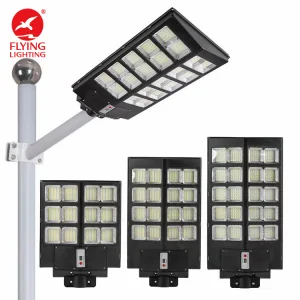
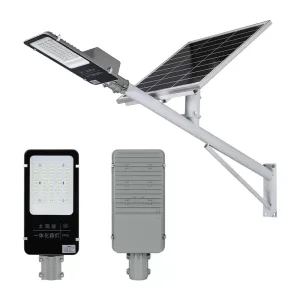
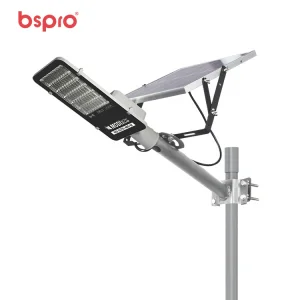
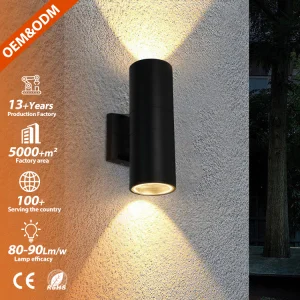
Explore our integrated microgrid building blocks, utility lighting components, and energy management hardware.
In international logistics parks, high-intensity mining zones, remote telecom centers, and residential developments, modern energy solutions must balance upfront capital investments against ongoing operational expenses. Solar air conditioners present a direct method for offsetting high local grid tariffs, resolving regional supply deficits, and fulfilling ESG corporate mandates. Unlike standard household split units, commercial solar cooling setups operate as localized thermal networks, utilizing advanced load profiling and dynamic energy shifts to direct clean power where it is needed most.
Multi-story workspaces and hospitality complexes exhibit high thermal loads during daylight hours—aligning with peak solar generation. Incorporating hybrid solar air conditioners allows facility managers to utilize dual-source energy routing, prioritizing solar-generated power for runtime requirements and pulling from municipal grids only when cloud cover interrupts panel output. This approach reduces peak demand charges, which can account for up to 30% of total utility pricing.
Off-grid off-highway enclosures, high-altitude research installations, and telecom transmitter facilities require constant thermal control to prevent equipment degradation. In these remote locations, conventional fuel generator units demand constant service intervals and high operating costs. Direct DC-driven solar climate systems interface natively with existing telecom storage banks, eliminating AC inversion steps and optimizing total operating efficiency by up to 25%.
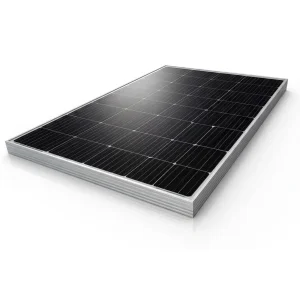
Rural agricultural cooperatives and sorting hubs depend on reliable cold storage lines. In developing regional markets characterized by grid instability, any power disruption risks ruining agricultural yields. Coupling high-performance off-grid air conditioners with monocrystalline solar panels creates localized cold microgrids, ensuring preservation systems run uninterrupted during daily grid events.
Our systems incorporate high-performance DC brushless compressors and dynamic grid-sharing logic controllers to optimize power usage.
Operates entirely on direct PV-generated DC currents (ranging from DC48V to DC300V) without requiring complex conversion equipment. Energy flows straight from the PV array to our high-efficiency BLDC compressor, reducing transmission losses.
Designed for locations with grid access, our smart hybrid design switches between PV input and grid power. Built-in logic systems adjust supply sources in real-time, using 100% solar power during peak daylight hours and adding grid electricity as needed without interrupting runtime.
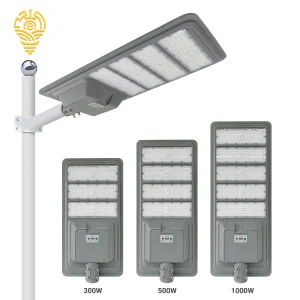
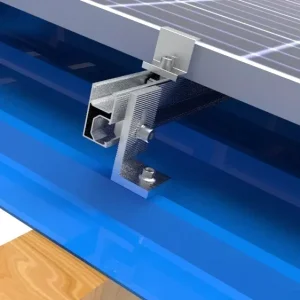
Integrates solar HVAC units with structural PV, battery backups, and localized street lights. Using customized components like mounting brackets and off-grid inverters, our engineers build integrated self-contained infrastructure complexes.
The core design of our solar-driven thermodynamic system relies on variable-frequency refrigeration loops. By using eco-friendly refrigerants like R32 or R410A alongside wide-voltage scroll compressors, these units maintain reliable cooling efficiency even when ambient outdoor temperatures exceed 55°C. In contrast to standard induction motor units, our DC-driven designs run variable cycles, matching compressor speeds with real-time PV generation curves to prevent system cycles and current spikes.
| System Component | Technical Feature Specs | Operational Optimization Advantage |
|---|---|---|
| Compressor Unit | Brushless DC (BLDC) Twin-Rotary Inverter | Minimizes mechanical losses, runs stably down to low DC voltages, and prevents current spikes. |
| Power Controller | Integrated MPPT Power Allocation Board | Tracks solar input in real-time, matching power sources to protect mechanical systems during cloud cover. |
| Heat Exchanger | Hydrophilic Golden Fin Anti-Corrosive Coating | Improves thermal exchange efficiency by 15% and resists salt-spray wear in maritime or coastal zones. |
| System Expansion | Electronic Expansion Valves (EEV) | Adjusts refrigerant flow dynamically to maintain stable temperatures under fluctuating heat loads. |
Looking ahead, the integration of IoT monitoring tools with local climate algorithms will further enhance system efficiency. Next-generation Soweglow systems use cloud-linked modems to monitor weather forecasts, adjusting pre-cooling routines ahead of ambient heat spikes. This allows installations to store cooling capacity when solar generation is at its peak, reducing evening grid draws and improving overall efficiency.
A Professional and Reliable Manufacturer Specializing in Renewable Energy Solutions, Intelligent Solar Systems, and Custom Manufacturing Processes.
Based in Shenzhen, China—a global hub for electronics and hardware innovation—Shenzhen Soweglow Solar Co., Ltd. develops high-efficiency solar products, clean energy configurations, and intelligent solar lighting systems. We support energy transitions worldwide, providing customized products designed for reliability, longevity, and ease of installation.
Guided by our mission to promote sustainable development, Soweglow Solar focuses on delivering high-efficiency, cost-effective solutions that help clients reduce carbon emissions and overall energy costs. Through continuous R&D and strict quality controls, we maintain partnerships with commercial contractors and distributors throughout Europe, North America, South America, Africa, Southeast Asia, and the Middle East.
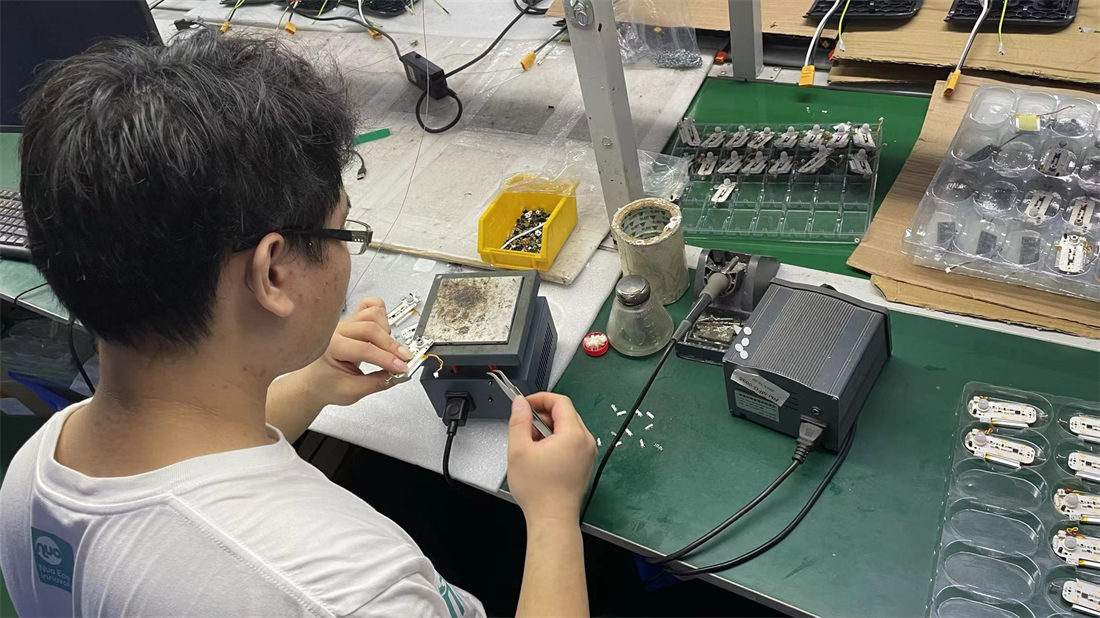
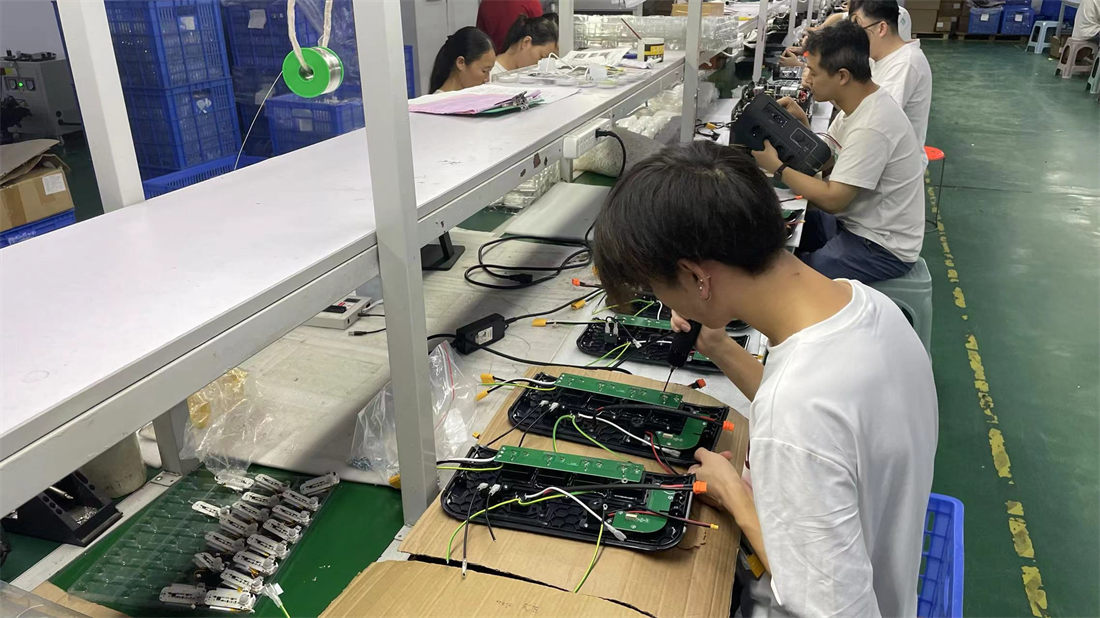
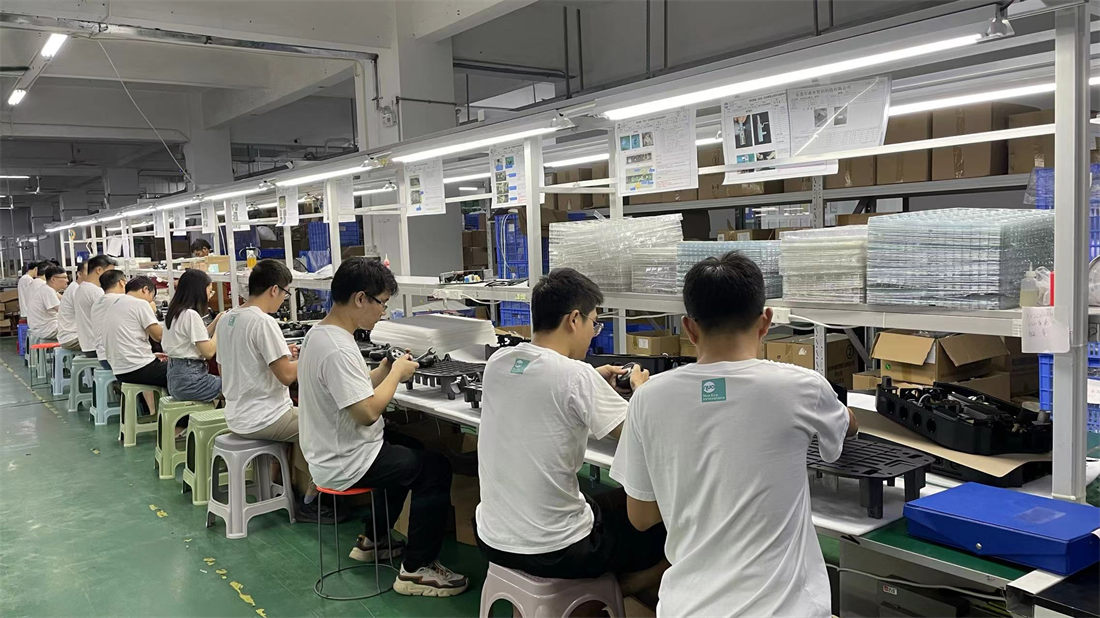
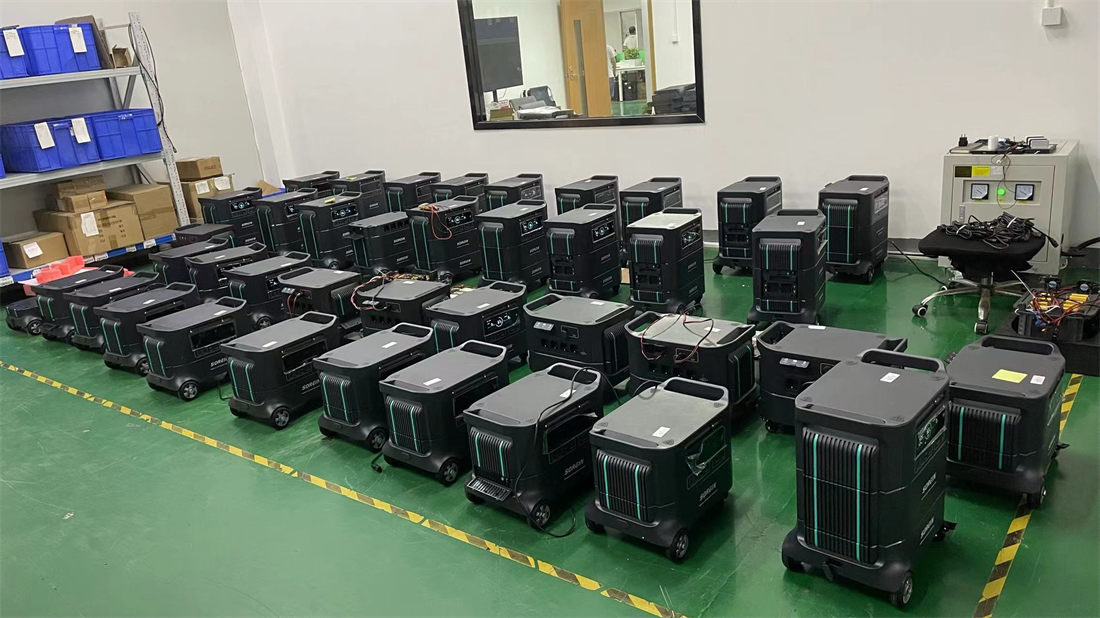
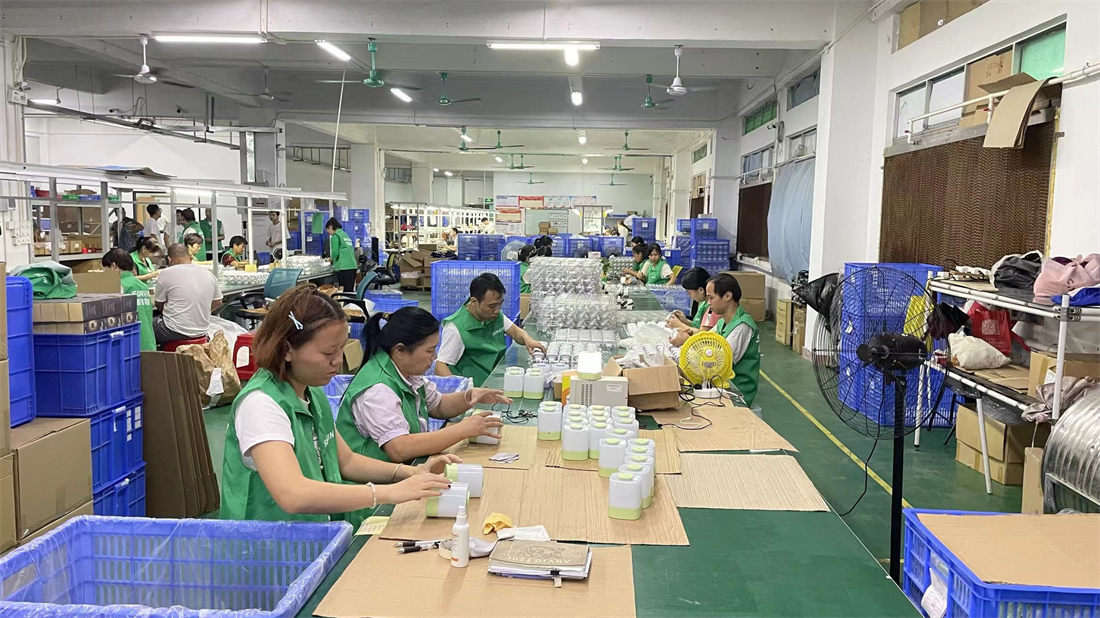
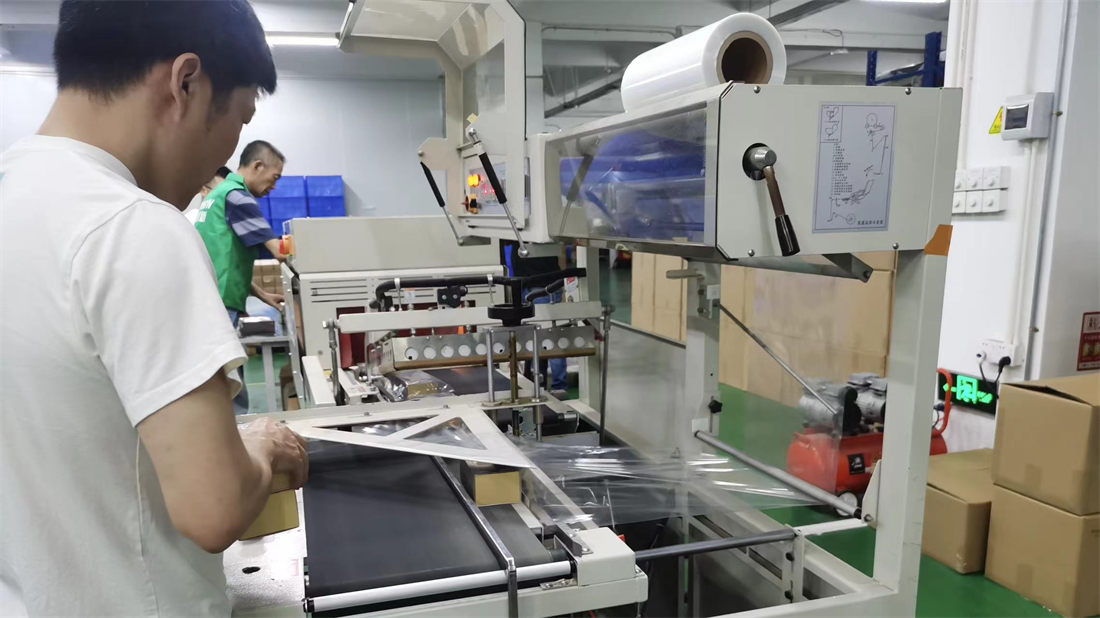
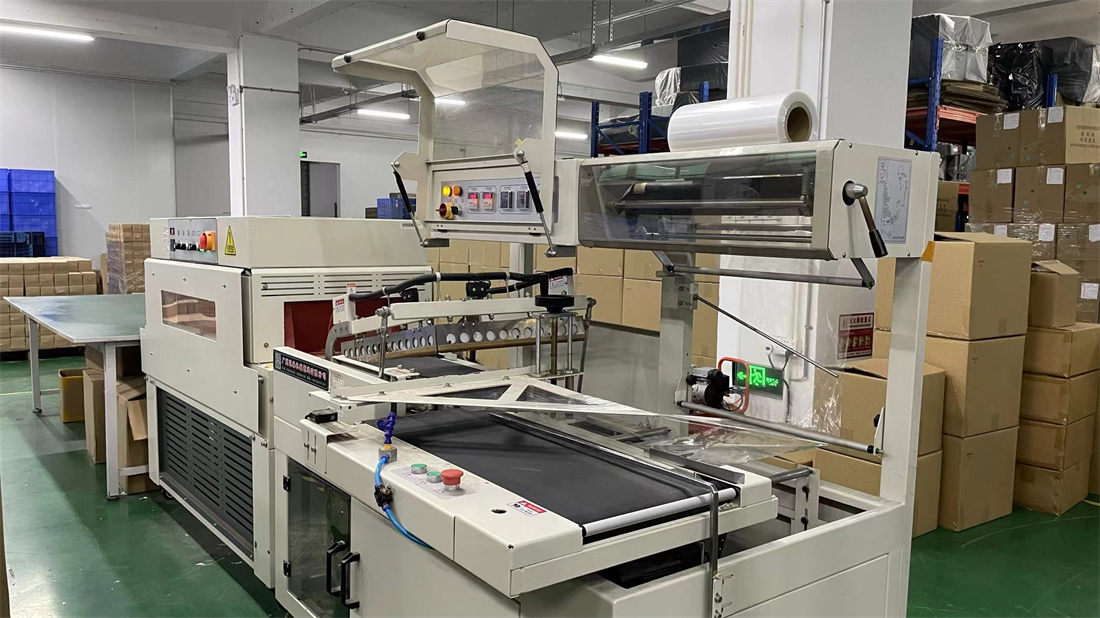
Operating a solar-focused production hub requires strict attention to international engineering standards. At Soweglow Solar, each batch of solar components, lighting equipment, and climate controls undergoes rigorous testing stages before leaving our facility. This includes automated optical inspections, dynamic load checks, vibration assessments, and environmental chamber testing to ensure stability in harsh climates.
Our facilities utilize comprehensive quality management systems to verify product safety, efficiency, and expected service life. We also prioritize compliance with global certification standards, including CE, RoHS, ISO 9001, and UL, ensuring our equipment integrates smoothly into municipal and commercial projects worldwide.
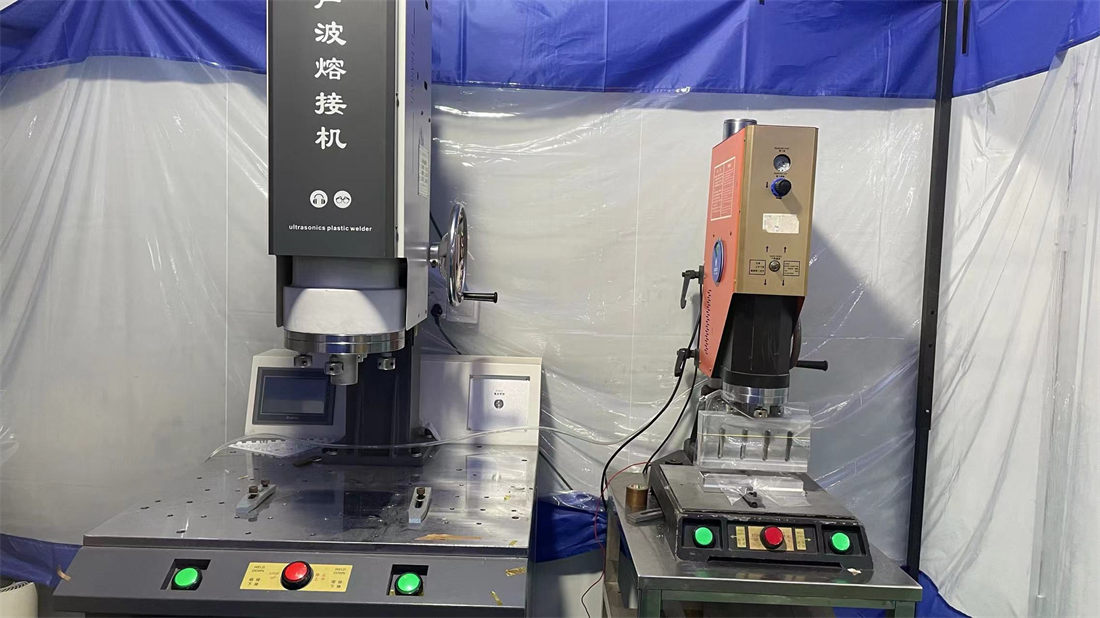
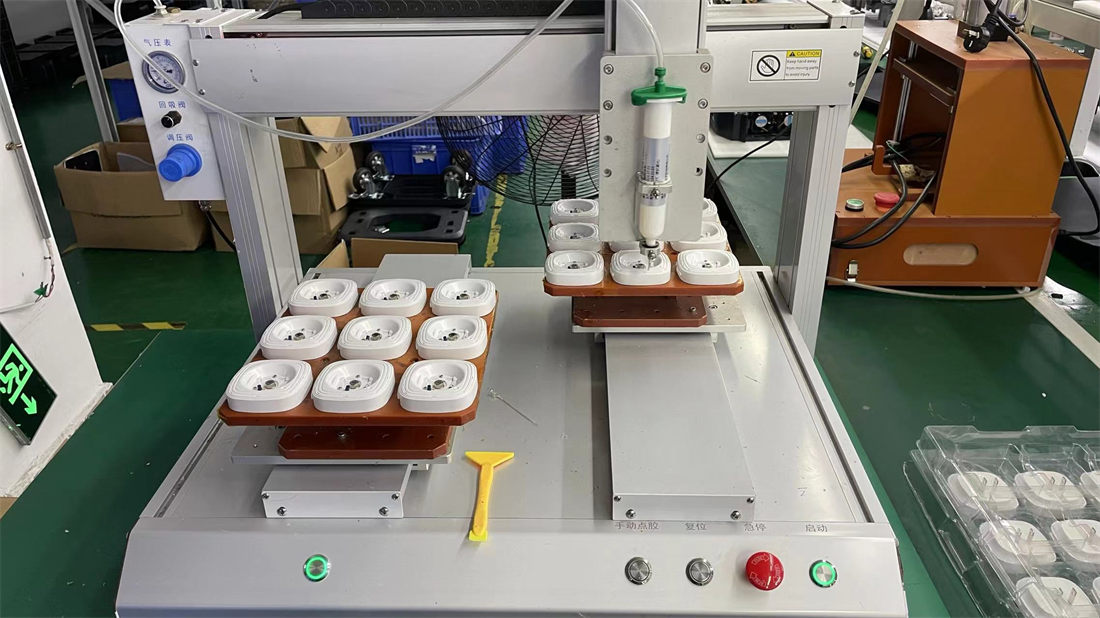
By investing in automated equipment—such as precision ultrasonic welders and automated sealant dispensers—we maintain consistent manufacturing tolerances. This systematic approach ensures reliable performance and reduces field failure rates, providing our global clients with dependable, low-maintenance energy solutions.
Explore our structural mounting, specialized PV panels, smart sensors, and outdoor lighting units.
Expert clarifications regarding architectural planning, power management, storage calculation, and deployment standards.
 Soweglow Solar