Explore our industrial-grade photovoltaic infrastructure components, high-voltage inverters, and battery storage solutions certified for global compliance and grid parity integration.
The global transition from fossil-fuel-dominated power systems to decentralized, low-carbon alternatives is accelerating under unprecedented regulatory pressures and market dynamics. B2B enterprises, municipal buyers, and national utility grids are systematically re-evaluating supply chains to identify manufacturing partners capable of delivering high-precision, robust, and cost-effective renewable energy components. As a premier China wholesale green energy products manufacturer and exporter, Shenzhen Soweglow Solar Co., Ltd. is positioned at the intersection of technological innovation, massive industrial scale, and global trade compliance.
The core imperative of modern green energy adoption centers on reducing the Levelized Cost of Energy (LCOE) and Levelized Cost of Storage (LCOS). Achieving these reductions requires not only raw module manufacturing efficiency but also the deep integration of intelligent energy management systems (EMS), smart metrology, and high-performance energy storage technologies. Industrial solar modules must perform reliably for over 25 years under diverse climatic pressures, and grid-connected storage devices must handle thousands of micro-cycles while ensuring zero thermal runaway risks.
Unlike standard trading operations, our manufacturing philosophy is structured around structural durability, deep component traceability, and electrical interoperability. This whitepaper analyzes the mechanical, thermal, and chemical systems of our clean energy systems, detailing the critical engineering factors that procurement managers must audit to safeguard their capital investments.
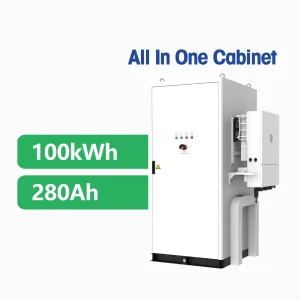
From advanced multi-phase photovoltaic anti-reverse smart meters used in dynamic European grid control setups to modular 100kWh C&I containerized lithium-ion storage units, our engineering division in Shenzhen incorporates dynamic testing structures directly into the assembly flow. By controlling the supply chain from raw silicon wafer specification assessments to high-density cell-level battery packing, Soweglow Solar guarantees performance metrics that meet and exceed Tier-1 performance criteria.
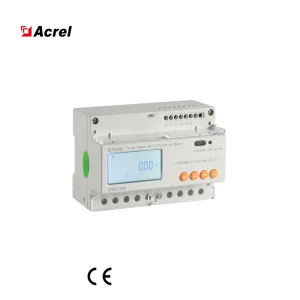
Modern grid codes in highly populated zones (such as Spain, Germany, and California) strictly prohibit unauthorized energy feed-in to the distribution grid. Our DTSD1352 Three-phase Multi-electric Parameter Photovoltaic Inverter Anti-reverse Current Energy Meter acts as the central sentinel for local micro-grid structures. Operating with DO/DI contacts and supporting 3x10(80)A configurations, this device analyzes active, reactive, and apparent power in real-time, sending high-speed commands to PV inverters to trim their output curves. This prevents reverse-current flow, shielding commercial entities from municipal grid penalties while optimizing local solar consumption.
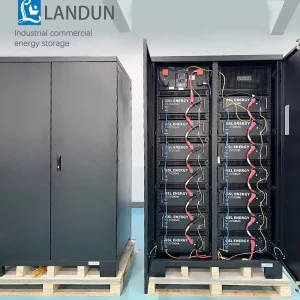
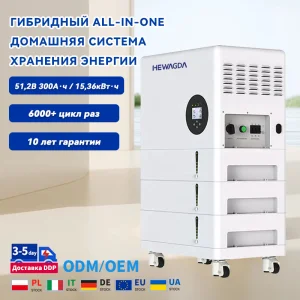
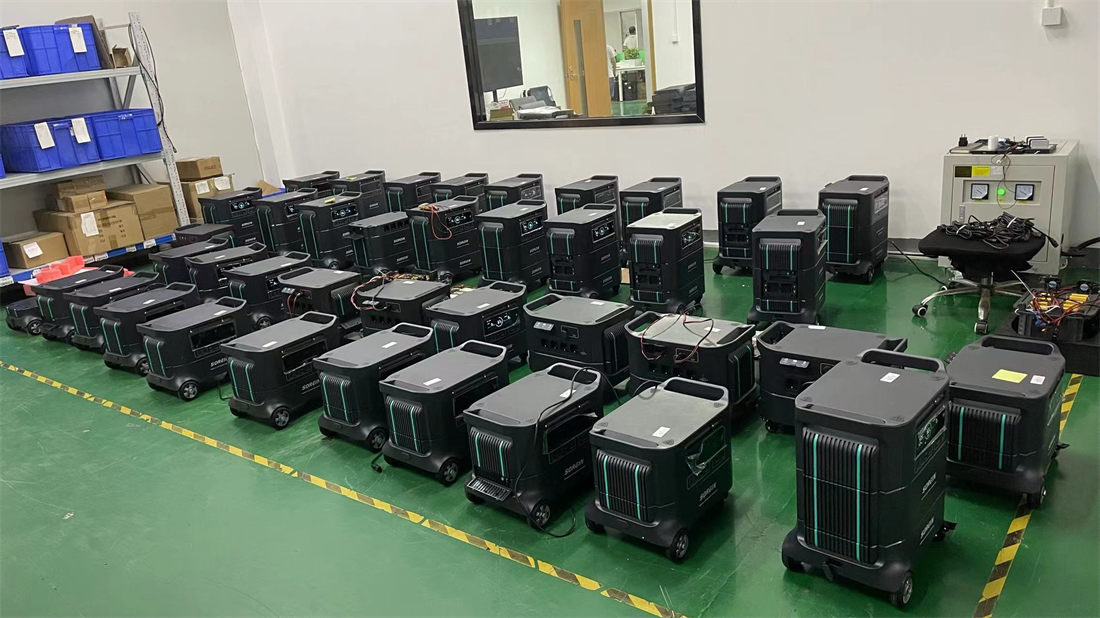
Fluctuating grid pricing demands high-capacity energy storage. Our 100kw Grid-Connected 200kwh Lithium Battery System is built for commercial peak-shaving, microgrid backup, and heavy load shifts. Integrating reliable LiFePO4 cells with a localized liquid or forced-air cooling thermal management array, it guarantees high efficiency even under constant peak load operation. For residential use cases, the 51.2V Split LiFePO4 Battery (offering 100Ah, 200Ah, and 300Ah variations) interfaces with hybrid inverters to enable off-grid power security. It features high cycle life, built-in active balancing BMS, and modular installation profiles.
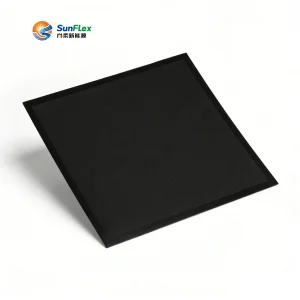
We are breaking structural design limits by manufacturing lightweight Flexible Perovskite Solar Modules. At only 0.6mm thickness, these modules are designed for non-load-bearing structural applications, curved roofs, and low-light environments. Under ambient indoor conditions or overcast skies, perovskite structures harvest diffuse light much more efficiently than standard monocrystalline panels. For mobile applications (RVs, marine transport, camping), our high-durability Monocrystalline ETFE Flexible Panels combine flexible structural design with the physical resilience of ETFE coatings, resisting UV degradation and marine salinity.
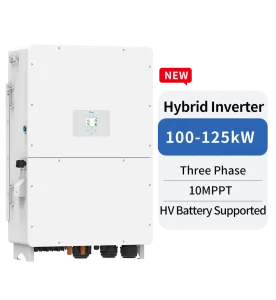
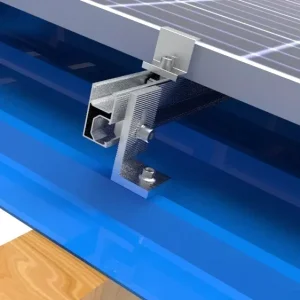
An energy grid is only as robust as its power conversion stage. The Deye 100KW/125KW Three-Phase Hybrid Inverter and the GSL ENERGY 48V Pure Sine Wave Inverters manage solar arrays, energy storage, and backup generator inputs. These units feature ultra-fast switching times (<10ms) and run on advanced MPPT logic, optimizing power harvesting from uneven solar arrays. Furthermore, we design structural mounts and hardware like the Aluminum L-Foot Bracket systems for metal roofs and Ground Concrete Base Mounting structures to ensure mechanical wind-load stability under hurricane conditions.
Shenzhen, China, stands as the global epicentre for power electronics design, lithium mineral refinement, and industrial manufacturing engineering. This geographical centralization allows us to leverage an agile, tightly integrated raw materials supply chain, reducing transportation lead times and enabling cost control structures that are impossible to replicate in fragmented manufacturing zones.
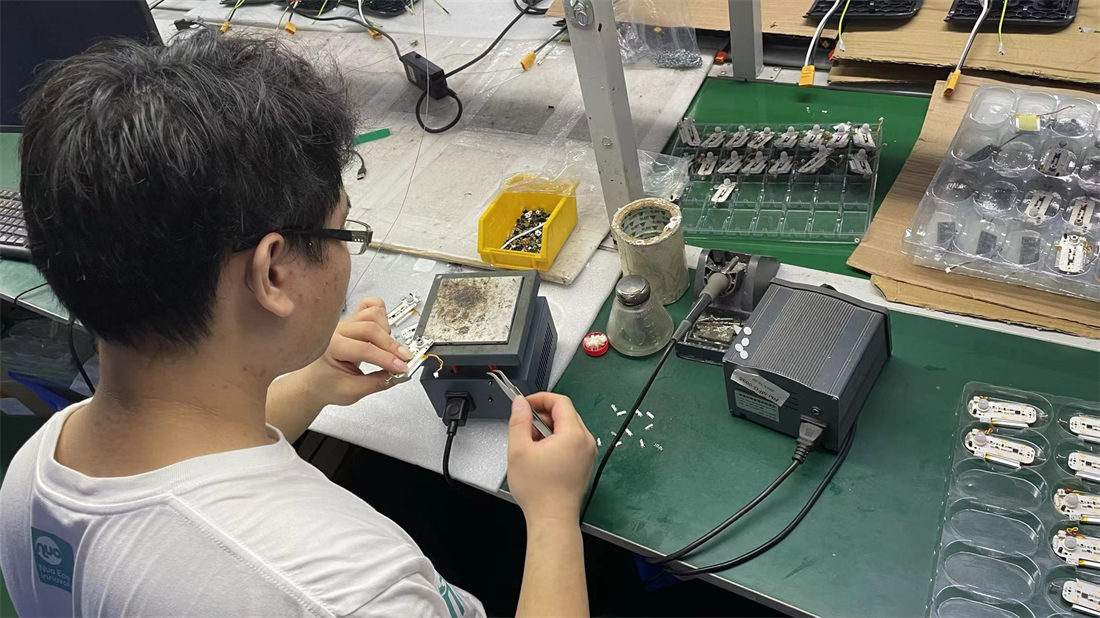
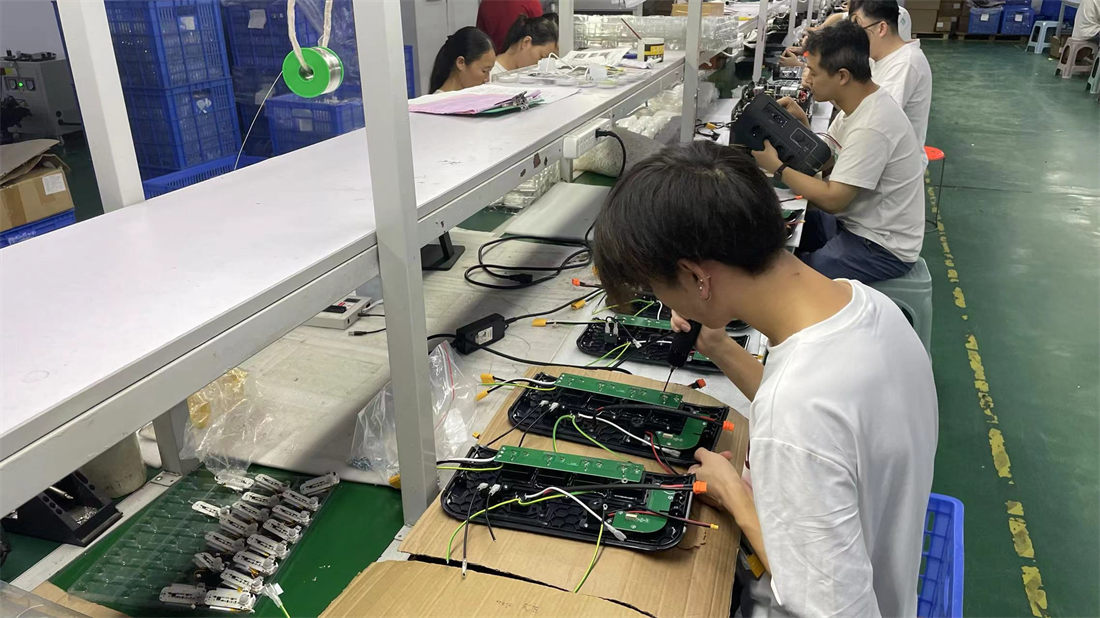
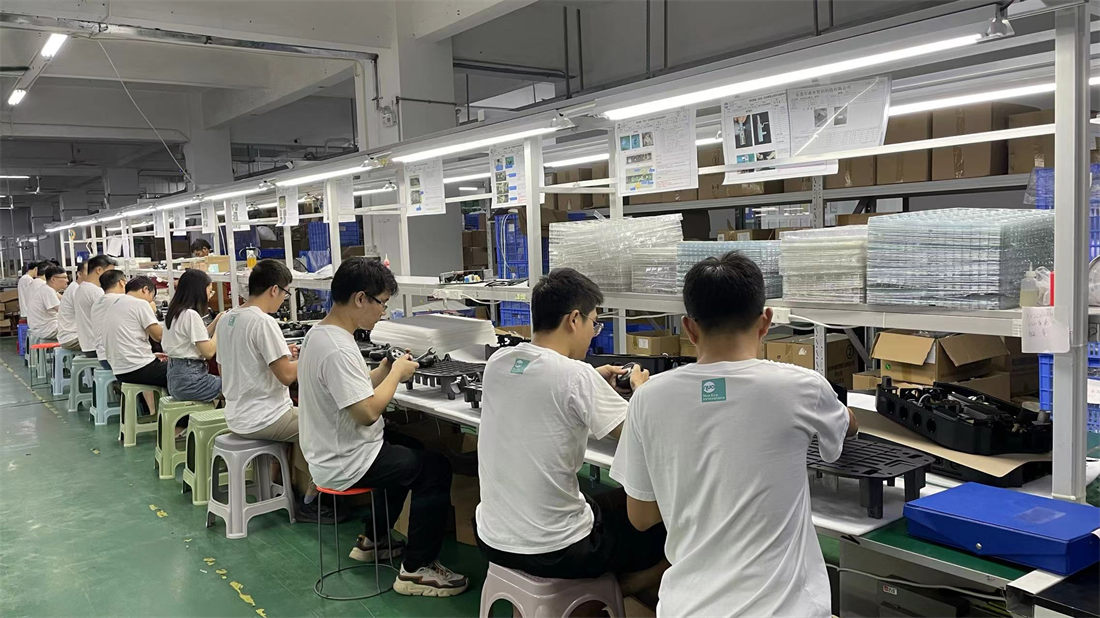
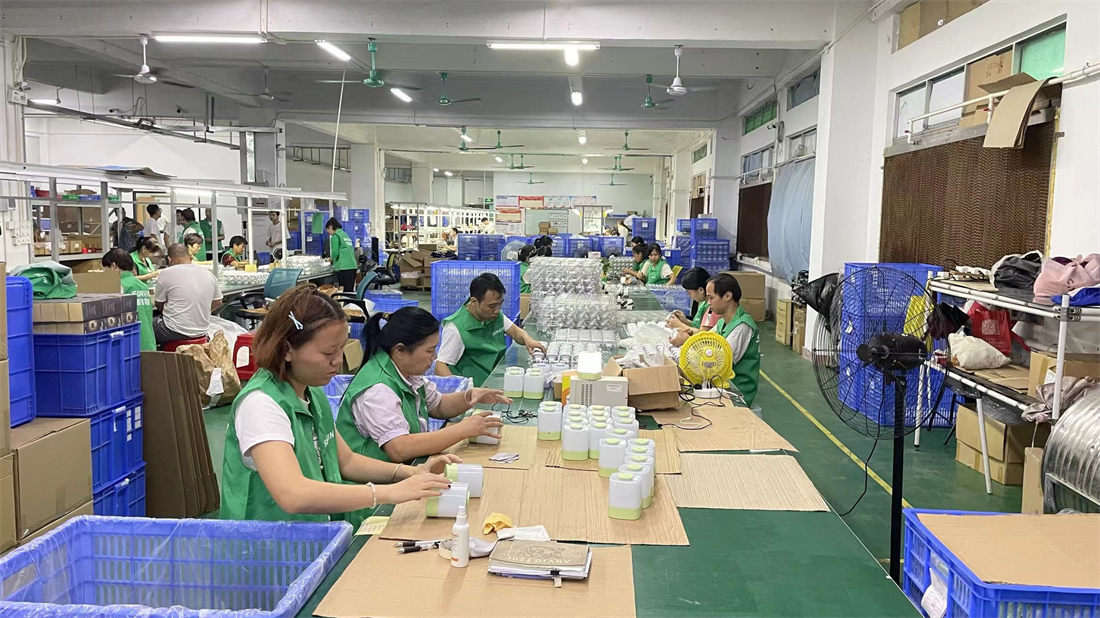
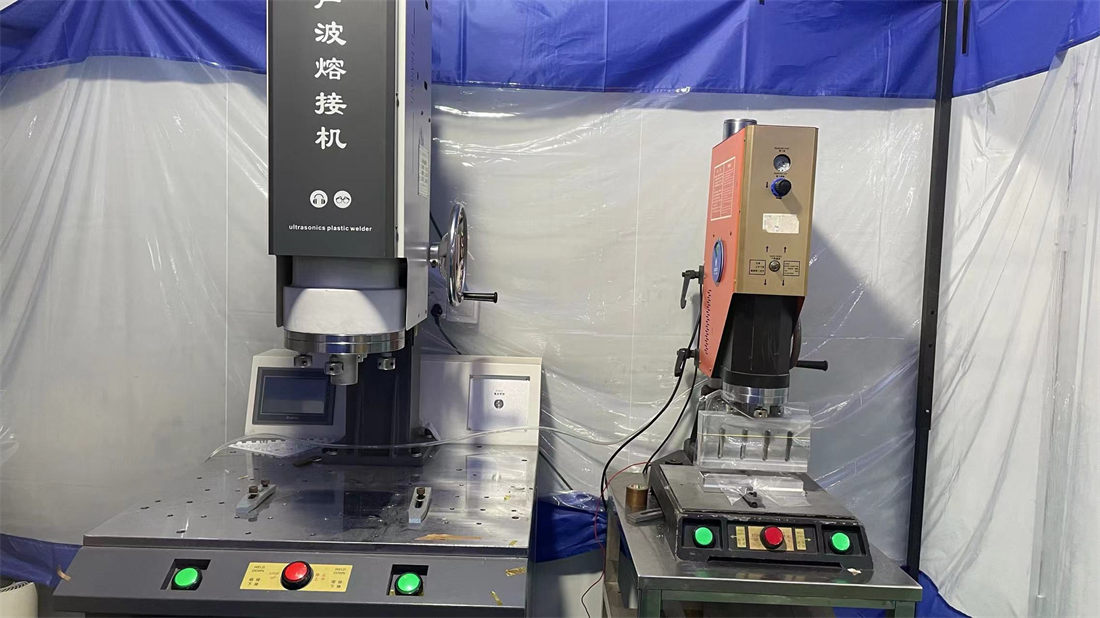
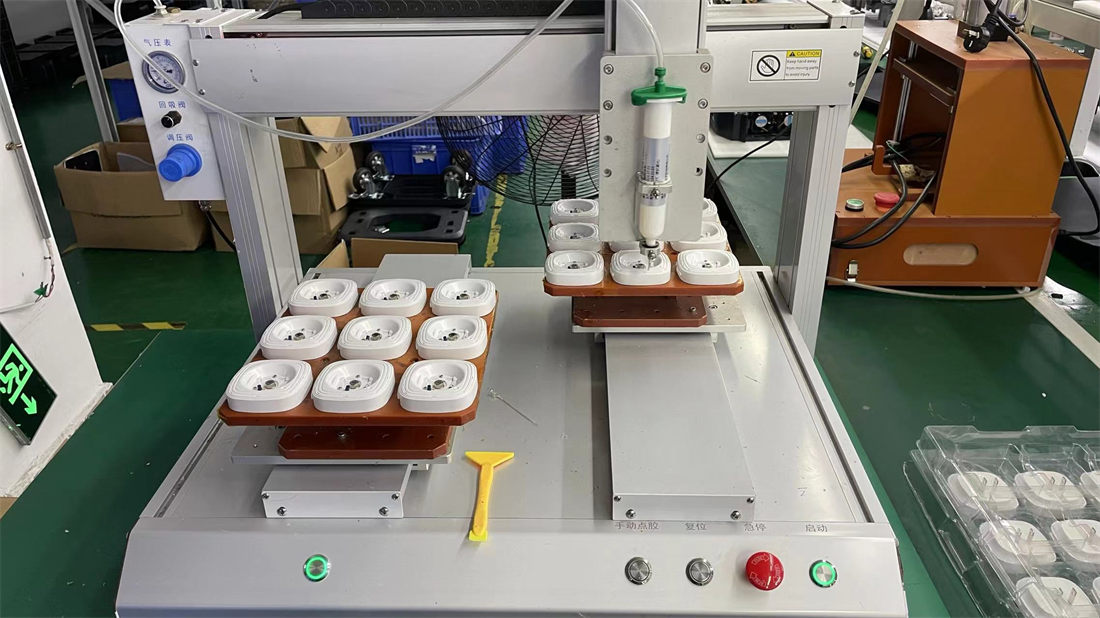
At Shenzhen Soweglow Solar Co., Ltd., we go beyond standard assembly. We operate cleanroom environments, utilizing automated robotic processes to guarantee cell-to-pack precision and reliability. By maintaining direct partnerships with raw materials producers (such as high-purity polysilicon suppliers and A-grade LiFePO4 cell refiners), we isolate our clients from global commodity volatility while enforcing strict trace-element audits.
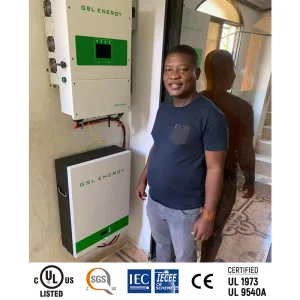
Distributing green energy hardware internationally requires navigating a complex matrix of regulatory compliance frameworks. Industrial grid operators and electrical safety bureaus demand rigorous certifications to prevent electrical hazards, grid disturbances, and battery fire incidents. Our manufacturing workflows are structured around achieving and retaining critical global benchmarks, ensuring swift installation sign-offs for engineering, procurement, and construction (EPC) companies.
Beyond safety standards, localized compatibility is a key focus. Different geographic regions operate on distinct utility architectures. Our inverters support both 50Hz and 60Hz grid setups, split-phase outputs for North American residential requirements, and three-phase high-voltage options for EMEA and APAC industrial grids. Furthermore, our anti-reverse smart meters communicate over standard Modbus-RTU protocols, facilitating integration with diverse SCADA systems and cloud monitoring dashboards.
For corporate purchasing departments and ESG compliance officers, purchasing green energy hardware is not merely a transactional procurement; it is a critical capital expenditure (CAPEX) decision. Mitigating risks requires analyzing component lifetime reliability, factory testing protocols, and supplier longevity. When sourcing from China, procurement teams must evaluate manufacturers using precise parameters to avoid long-term system failures.
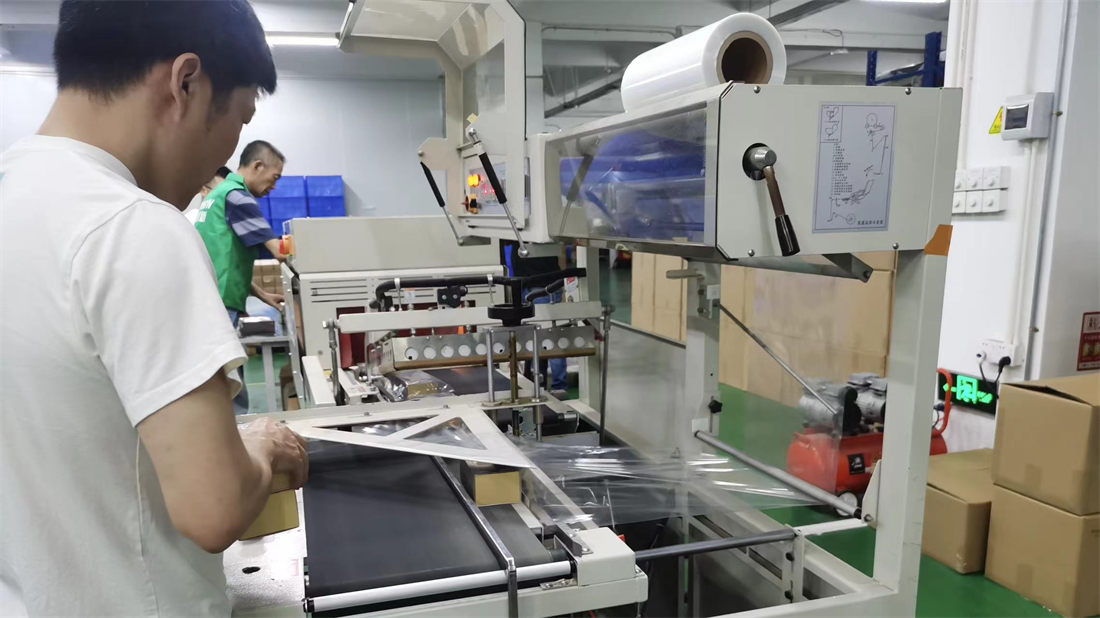
The first critical risk vector is thermal stress degradation. Solar panels and battery cells are exposed to extreme high and low temperature fluctuations. Our factory manages this vulnerability by applying strict aging and environmental chamber testing to every batch before packaging. If a battery module cannot withstand rapid thermal cycling without voltage imbalances, it is rejected at the cell-sorting phase. Our high-voltage inverter assemblies undergo full-load burn-in tests to ensure the integrity of power components (IGBTs) and gate drivers.
The second key risk factor is warranty enforceability and technical support. A 10-year battery warranty or a 25-year solar panel performance guarantee is only valuable if backed by a reliable manufacturer. Soweglow Solar mitigates this by maintaining replacement inventory and offering engineering support channels for troubleshooting, firmware updates, and component diagnostics. This ensures that installers and field engineers have direct access to factory expertise, streamlining maintenance workflows and maximizing uptime.
The renewable energy landscape is shifting from passive generation to active, intelligent integration. One of the most promising technological leaps is the development of Perovskite-Silicon Tandem Cells. By layering a perovskite cell over a traditional monocrystalline silicon wafer, manufacturers can harvest a wider spectrum of solar radiation. This allows panels to exceed the theoretical limits of silicon-only panels, paving the way for higher energy densities in space-constrained layouts.
Simultaneously, the integration of Artificial Intelligence in Battery Management Systems (BMS) is changing how energy storage assets operate. Real-time diagnostic algorithms process cell voltage, internal resistance, and temperature trends to predict thermal runaway risks before they escalate. This predictive maintenance capability allows industrial storage sites to run with minimal on-site supervision, lowering operational costs and improving system safety.
Finally, the rise of Virtual Power Plants (VPPs) is redefining energy distribution. By networking residential batteries, smart inverters, and commercial storage units into a single grid-interactive system, operators can sell excess power back to the grid during peak demand. This trend shifts energy storage from a pure backup system to a revenue-generating asset, accelerating the return on investment for distributed green energy projects worldwide.
Explore our industrial energy storage containers, hybrid inverters, mounting kits, and smart solar tracking systems designed to build high-performance clean energy assets.
 Soweglow Solar