The global transition toward decentralized power grids necessitates a paradigm shift in PV components. Standard solar configurations face structural fatigue, electrical degradation, and operational inefficiencies when deployed in aggressive climates. Our engineering framework resolves these systemic failures by integrating advanced metallurgy, smart conversion algorithms, and intelligent tracking systems.
Operating from Shenzhen—the primary hardware innovation hub of the world—Soweglow Solar establishes critical pathways for international C&I developers, EPC general contractors, and volume distributors to procure reliable, certified, and high-yielding clean energy assets.
Our core competence centers on the fusion of structural resilience with power electronics. From high-durability Zn-Al-Mg steel ground mounts designed for 30-year operational lifetimes to intelligent high-voltage AC/DC conversion interfaces, our technology portfolio addresses the entire value chain of Balance of System (BoS) optimization.
Through severe testing protocols and continuous material refinement, we maintain high compliance metrics across international standard frameworks (CE, FCC, RoHS, and local grid codes), ensuring seamless project financing and field reliability.
Explore our premium range of commercial mounting frameworks, high-voltage convertors, ESS generators, and specialized outdoor modules.
The global commercial and industrial sectors are shifting toward localized energy production, driven by volatile utility pricing, regulatory decarbonization mandates, and the rising electrification of industrial processes. However, maximizing system yields requires robust Balance of System (BoS) solutions designed to match the lifespan of the solar panels themselves.
Our technological innovation targets the key challenges of C&I infrastructure: grid integration stability, physical structure durability under high wind and seismic loads, and real-time battery management. By addressing these factors, we help developers reduce Levelized Cost of Energy (LCOE) and optimize return on investment (ROI).
Today's C&I developers look beyond cell efficiencies. The focus is now on the operational system—ensuring mounting structures survive aggressive microclimates (C4/C5 corrosion zones) and power electronics provide stable, clean output to high-voltage industrial grids.
Integrating robust structural engineering with intelligent power conversion interfaces to optimize long-term asset yields.
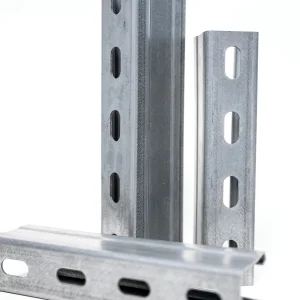
Traditional hot-dip galvanized steel ground mounts often experience accelerated corrosion in high-salinity or high-humidity regions. Our Zn-Al-Mg (Zinc-Aluminum-Magnesium) coated ground racks provide superior self-healing properties. The chemical formulation forms a protective layer (simonkolleite) over cut edges and scratches, providing exceptional corrosion resistance in class C4 and C5 environments.
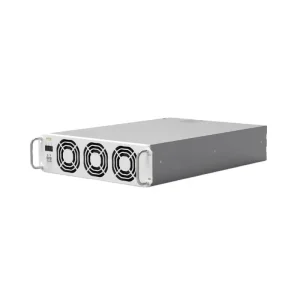
Modern microgrid and fleet EV charging infrastructures require high-efficiency, reliable power conversion. Our 30kW Three-Phase High-Voltage AC/DC Converter uses a digital control loop with CAN-bus integration, achieving up to 96.5% efficiency. It manages bi-directional power flows and provides grid-stabilizing capabilities, making it ideal for integration with smart chargers and energy storage systems (ESS).
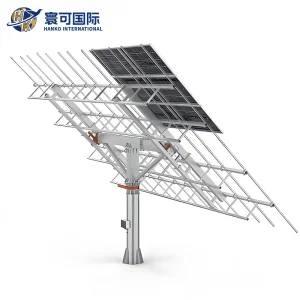
To maximize energy capture throughout the day, static arrays are being replaced with smart tracking systems. Featuring a closed-loop astronomical positioning algorithm, our Intelligent Dual Motor Dual-Axis Solar Tracker keeps modules aligned perpendicular to the sun's rays. This configuration increases annual energy yields by up to 25% to 35% compared to traditional fixed-tilt systems.
Bridging the gap between static grids and local electricity demand with flexible modules and high-performance energy storage.
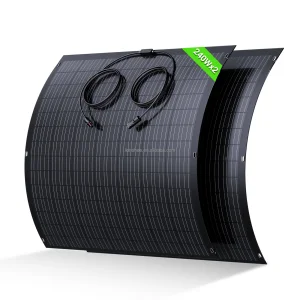
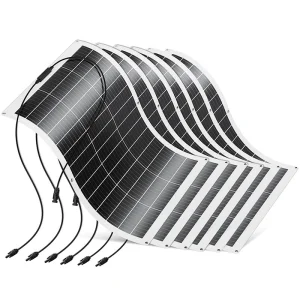
For structural roofs with weight-bearing limitations, traditional glass modules are often unsuitable. Our 240W flexible monocrystalline solar panels weigh under 2.5 kg/m² and bend up to 30 degrees. This allows simple installation on curved RV roofs, standard balcony railings, and corrugated metal industrial buildings without requiring heavy framing systems.
By utilizing high-grade ETFE encapsulation, these panels offer excellent UV resistance and flame-retardant properties, preventing the delamination issues common in standard PET flexible panels.
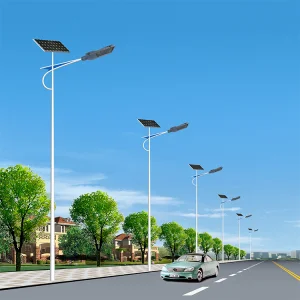
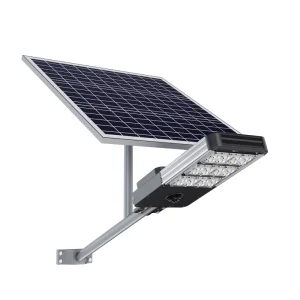
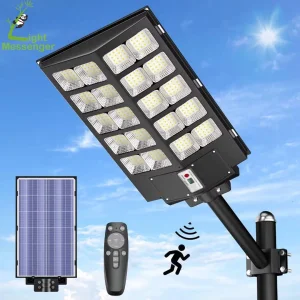
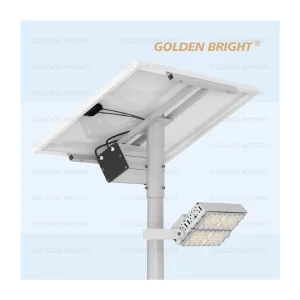
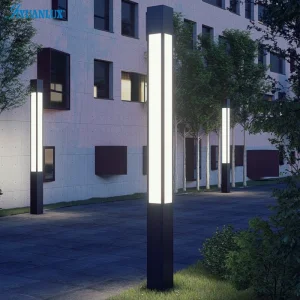
Off-grid municipal infrastructure requires reliable, independent operation. Our IP65 split-type and all-in-one solar streetlights utilize high-accuracy MPPT controllers to regulate lighting based on battery state-of-charge (SoC). This ensures continuous operation through extended cloudy periods.
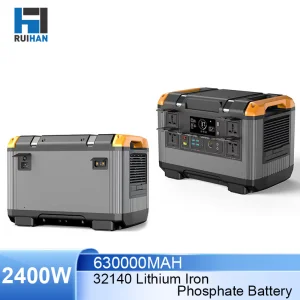
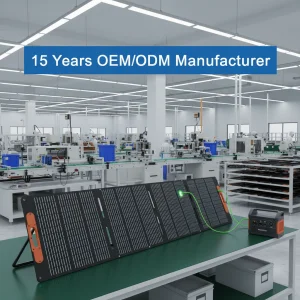
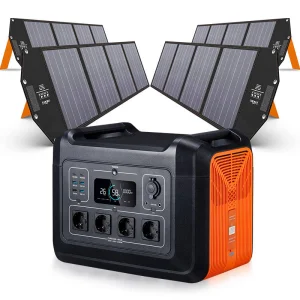
For portable power, our high-capacity LiFePO4 battery stations (up to 3000W) feature pure sine wave inverters, providing reliable power for field engineering, remote clinics, emergency responses, and off-grid communication setups.
Step-by-step documentation of our manufacturing line in Shenzhen, highlighting the automated precision that ensures long-term reliability.
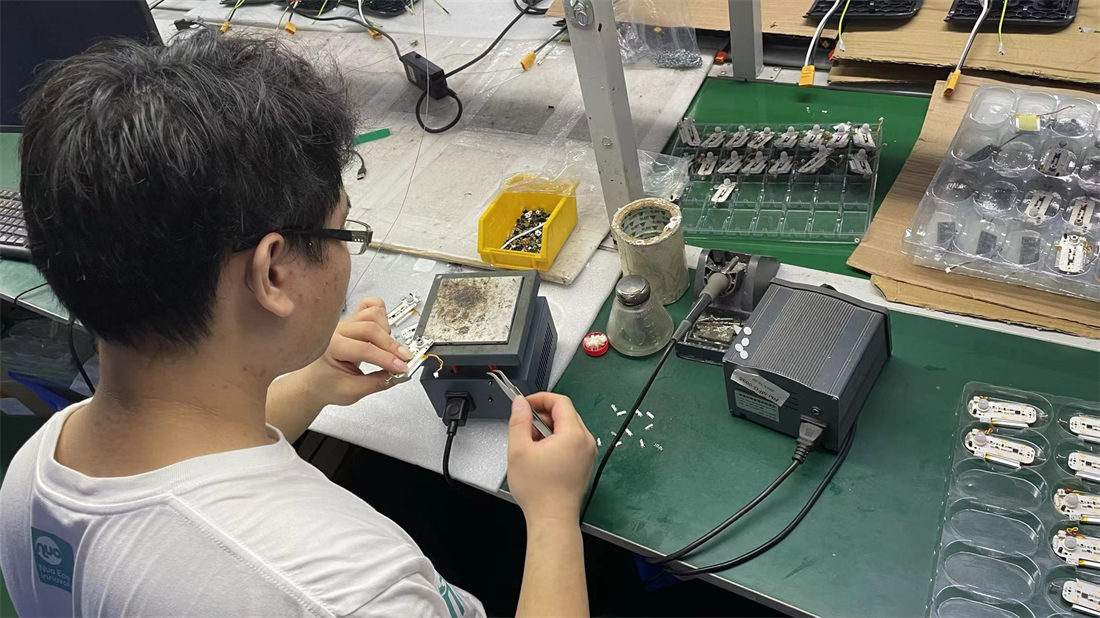
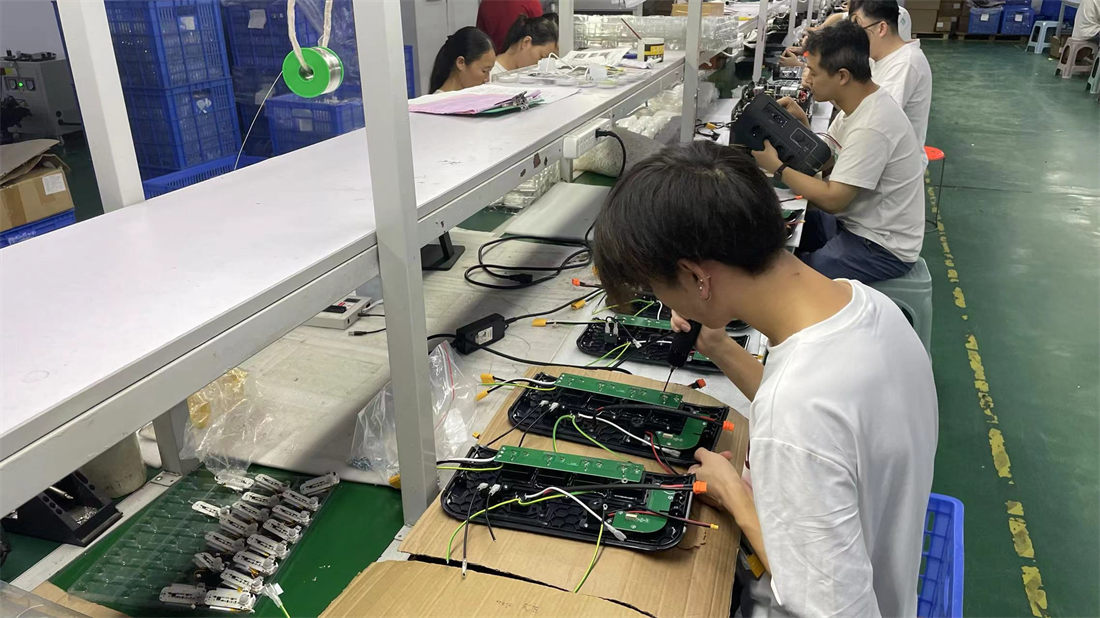
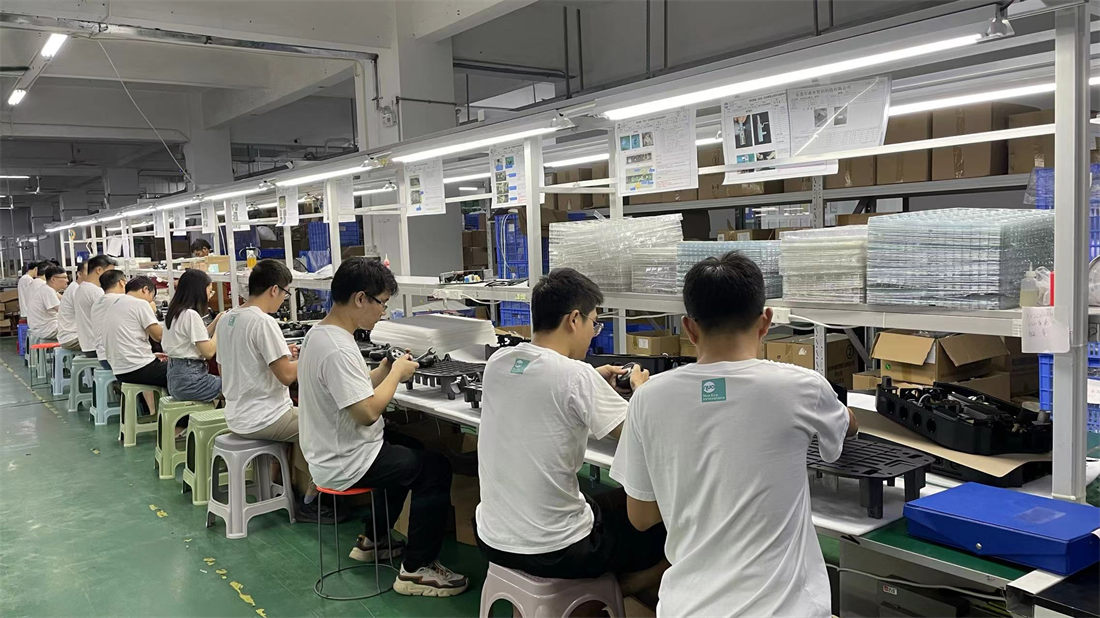
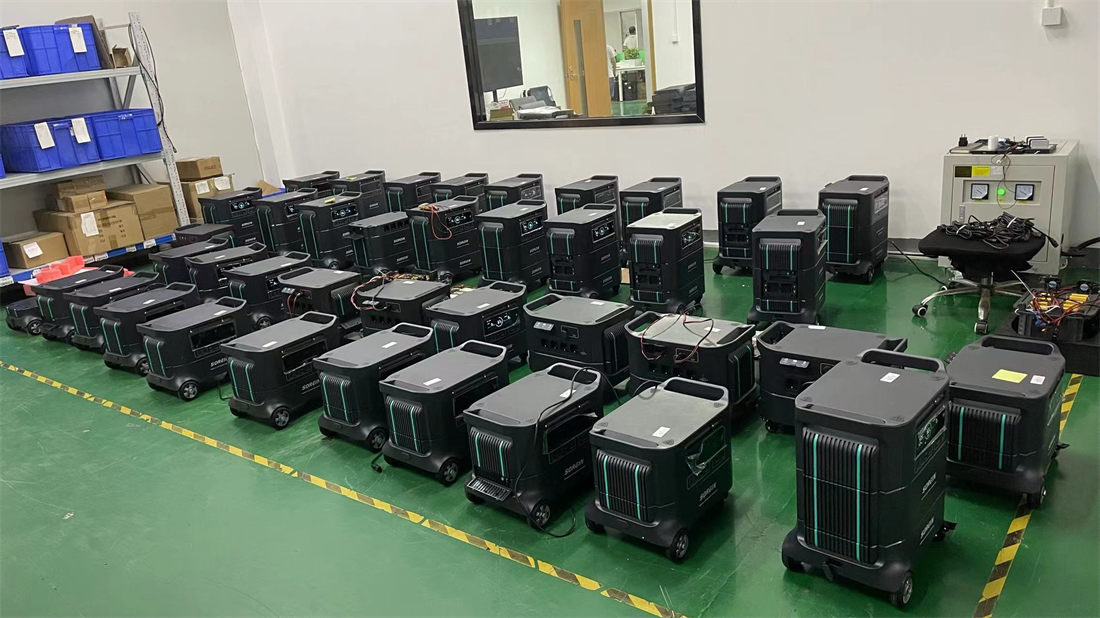
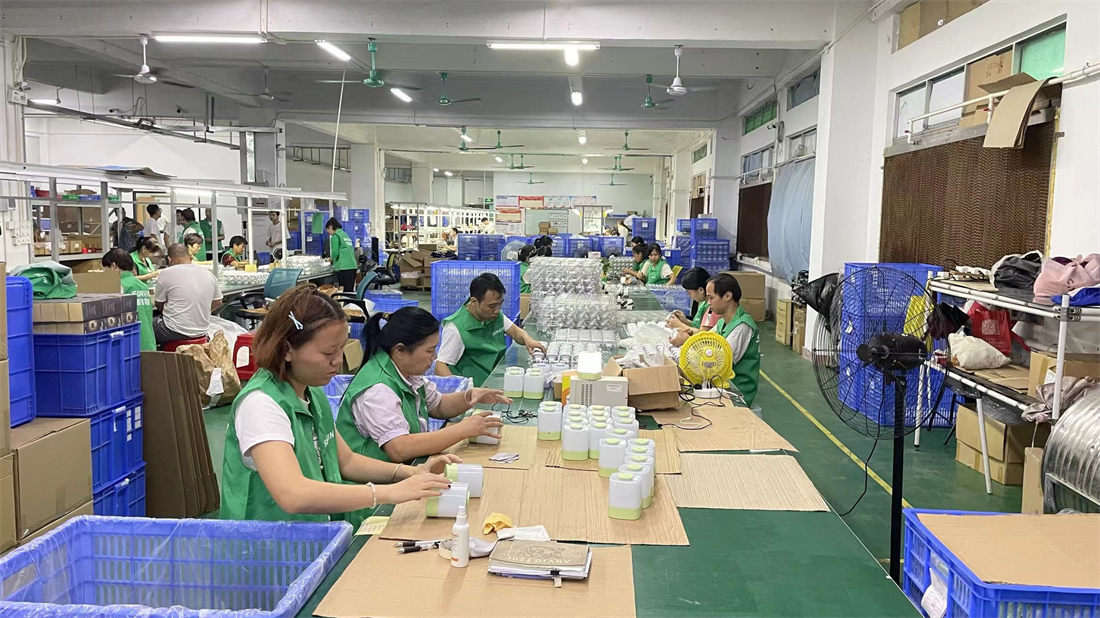
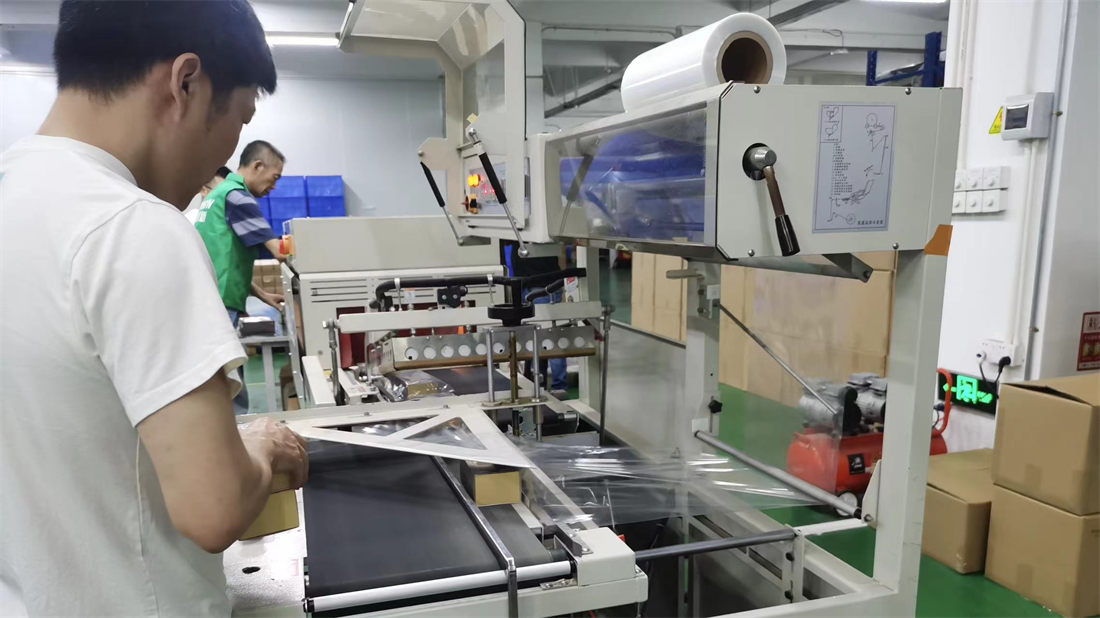
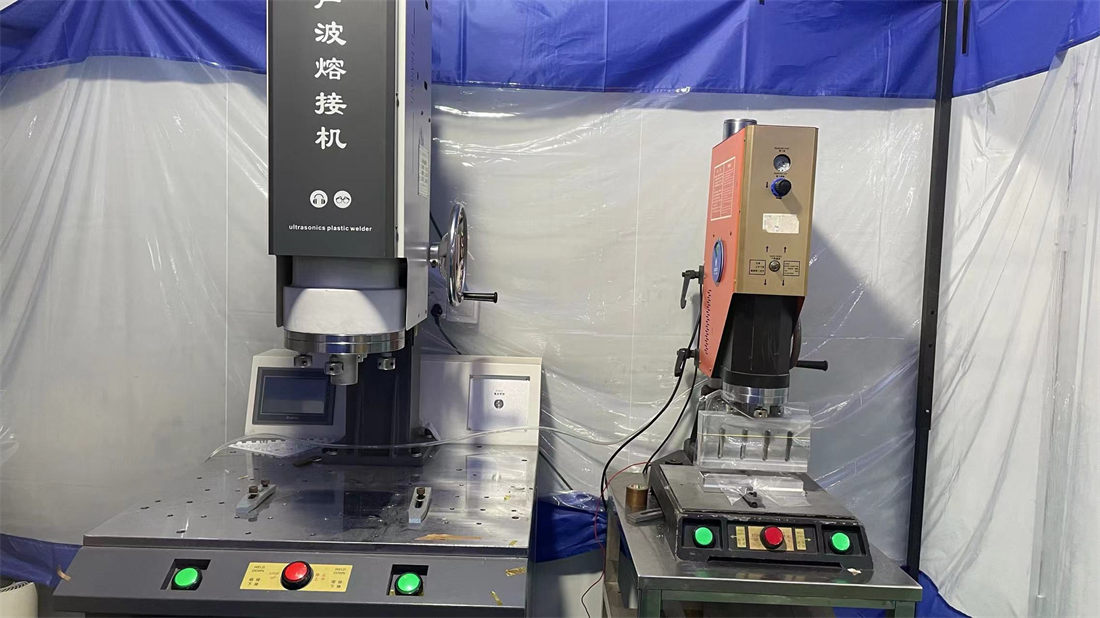
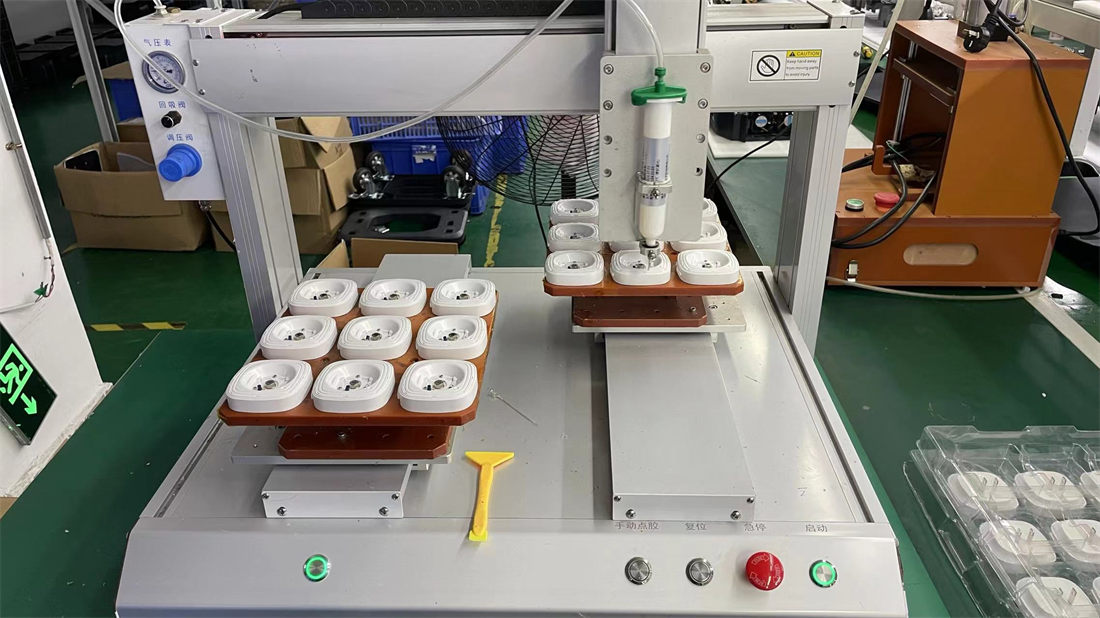
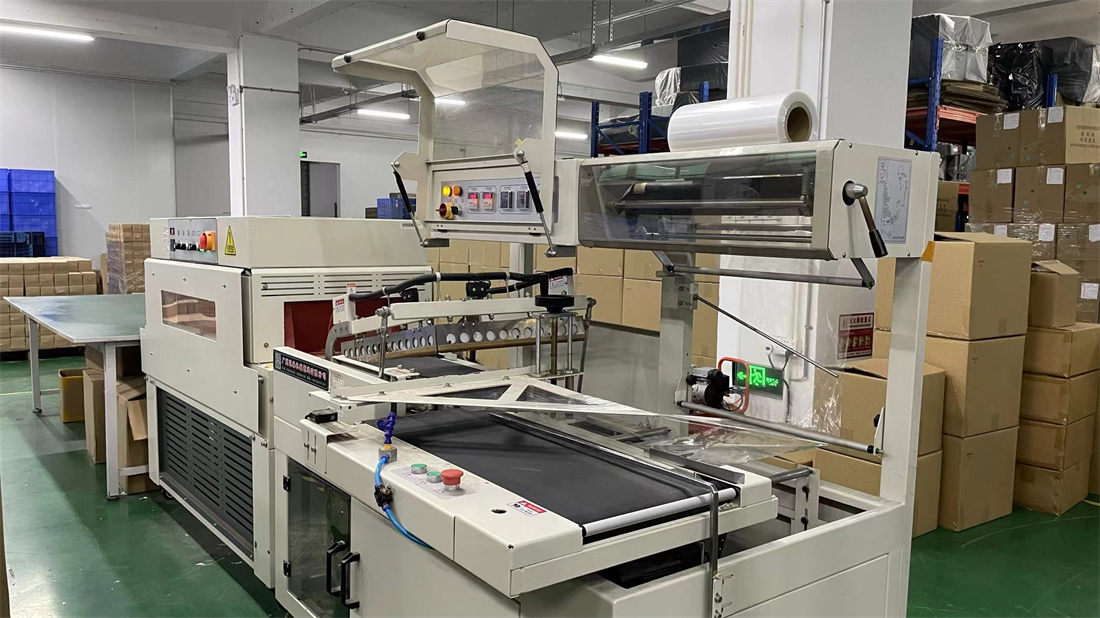
Every controller, converter, and structural element we supply undergoes rigorous testing on our manufacturing line. We employ Ultrasonic Welding to ensure low contact resistance at critical connections. Automatic CNC Glue Dispensing ensures IP65/IP67 rating seals, while Environmental Chamber Aging helps identify and prevent early component failures before shipping.
A forward-looking view into our R&D roadmap, detailing next-generation cell efficiency, power electronics, and AI integration.
Our immediate development path is focusing on integrating higher efficiency N-Type TOPCon and Heterojunction (HJT) cells into our flexible and folding modules. This transition aims to improve low-light efficiency and lower temperature coefficients, enabling higher yield output even in high-temperature C&I roof settings.
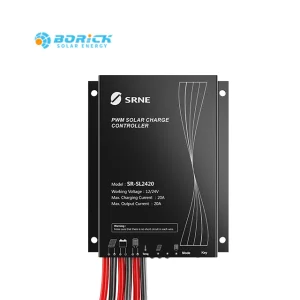
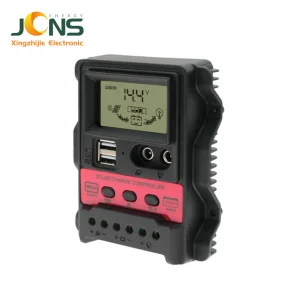
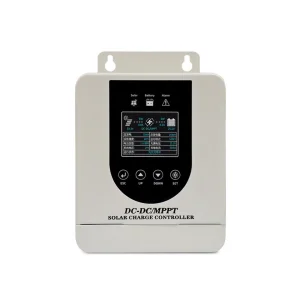
We are updating our MPPT and PWM controller range to include standard IoT modules. These modules enable secure connection to cloud-based SCADA systems, providing remote analytics and predictive diagnostics. Operators can track module health, optimize battery charging cycles, and detect wiring faults remotely, reducing field maintenance costs.
As grid requirements grow more stringent, our AC/DC converters are being upgraded to support Virtual Power Plant (VPP) communications. This allows coordinated response to grid frequency fluctuations, enabling active power factor correction and rapid-shutdown safety mechanisms that meet new international standards.
We are designing closed-loop recycling pathways and implementing "second-life" battery sorting processes. This ensures the lithium iron phosphate cells used in our high-capacity ESS systems support circular economy goals, reducing raw material reliance while maintaining excellent cycling performance.
Ensuring compliance across diverse markets and offering customized solutions optimized for local installation conditions.
Navigating local grid codes and safety regulations is a key consideration for international developers. We design our systems to comply with relevant global standards, including CE certification, RoHS directives, and specific European/US safety regulations.
By partnering with local engineering and logistics networks, we offer field support, local spare parts stock, and rapid warranty handling. This localized approach reduces installation risks and simplifies the certification process for grid connection.
Our technology is applied across a wide range of use cases:
Complete your balance-of-system with our digital charge controllers, dual-axis solar trackers, and high-capacity portable generators.
Engineering answers to common integration questions regarding structural durability, electrical efficiency, and battery safety.
Zn-Al-Mg (Zinc-Aluminum-Magnesium) coatings provide up to 5 times the corrosion resistance of standard HDG steel in high-corrosive (C4/C5) environments. When scratches or cut edges expose the steel, the magnesium and aluminum in the coating form a dense, stable protective layer (simonkolleite) that heals the cut. This minimizes the risk of red rust formation and reduces maintenance needs over the typical 25-30 year service life of a solar plant.
Our 30kW AC/DC Converter features a high power density design with digital control loops, achieving peak conversion efficiency of up to 96.5%. It supports high-voltage input ranges and includes an integrated CAN-bus interface for real-time monitoring. This combination is designed to handle bi-directional power flows with low total harmonic distortion (THD), making it highly compatible with modern C&I microgrids and electric vehicle fleet chargers.
Standard panels are heavy (typically over 12 kg/m²) and require substantial aluminum framing. Our 240W flexible monocrystalline panels weigh under 2.5 kg/m² and utilize high-grade ETFE encapsulation. They are designed for roofs with weight-bearing limitations, such as older metal warehouses, RVs, and curved architectural surfaces, allowing fast adhesive installation without compromising performance.
LiFePO4 (Lithium Iron Phosphate) offers significant safety advantages over cobalt-based lithium chemistries. It features high thermal stability, preventing thermal runaway even under high operating temperatures. Additionally, LiFePO4 batteries support up to 3,000 to 5,000 charging cycles at 80% Depth of Discharge (DoD), ensuring long service life for residential, industrial, and portable power applications.
Our split-type and all-in-one streetlights utilize intelligent MPPT or high-efficiency PWM controllers with built-in dimming algorithms. These systems monitor battery state-of-charge (SoC) and ambient temperature. When the battery charge level drops during consecutive rainy days, the controller automatically reduces LED output and adjusts power curves to maintain basic operation throughout the night, preventing complete system shutdowns.
 Soweglow Solar