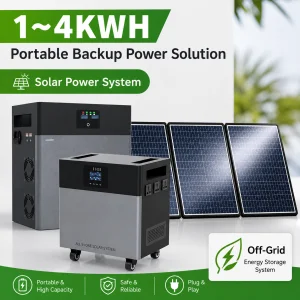
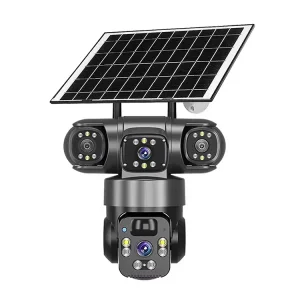
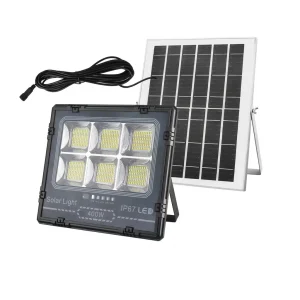
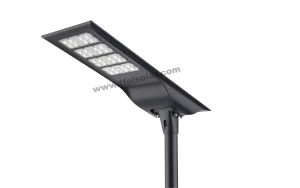
High-efficiency photovoltaic system components engineered for residential, commercial, and industrial microgrids
As the international community accelerates toward net-zero carbon goals, residential energy dynamics are undergoing a radical shift. Traditional grid reliance is giving way to high-reliability decentralized power networks. Today's home solar systems are no longer just basic, passive photovoltaic (PV) panels mounted on a roof; they have evolved into comprehensive, software-driven energy microgrids that integrate high-capacity power storage, smart invertors, and real-time load management systems.
Modern consumers and business enterprises are seeking high-efficiency hardware that ensures grid independence during periods of extreme weather or rolling blackouts, while simultaneously reducing utility bills through intelligent peak-shaving. Choosing the right manufacturer and exporter for these systems requires analyzing technical benchmarks, certifications, supply chain robustness, and long-term durability metrics. Shenzhen Soweglow Solar Co., Ltd. leads this category, engineering state-of-the-art products that sit at the intersection of longevity and smart technological integration.
Four major trends are currently shaping the evolution of residential and commercial solar hardware:
The manufacturing cluster of Shenzhen and Guangdong province represents the epicenter of the global solar supply chain. Chinese solar super-factories provide a competitive edge in design, quality, and cost efficiency, which is difficult to replicate elsewhere. These advantages are divided into three core operational vectors:
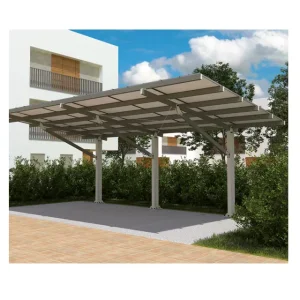
Within a 50-kilometer radius of Shenzhen, manufacturers have direct access to raw materials, lithium refining facilities, microchip foundries, and structural metal fabrication mills. This concentration eliminates international logistics bottlenecks during early production stages, allowing for rapid iterations of customized components like adjustable PV mounting brackets and custom aluminum carport shelters. Shenzhen Soweglow Solar Co., Ltd. capitalizes on this cluster effect to reduce time-to-market and lower capital expenditures, passing these savings directly to B2B procurers and global importers.
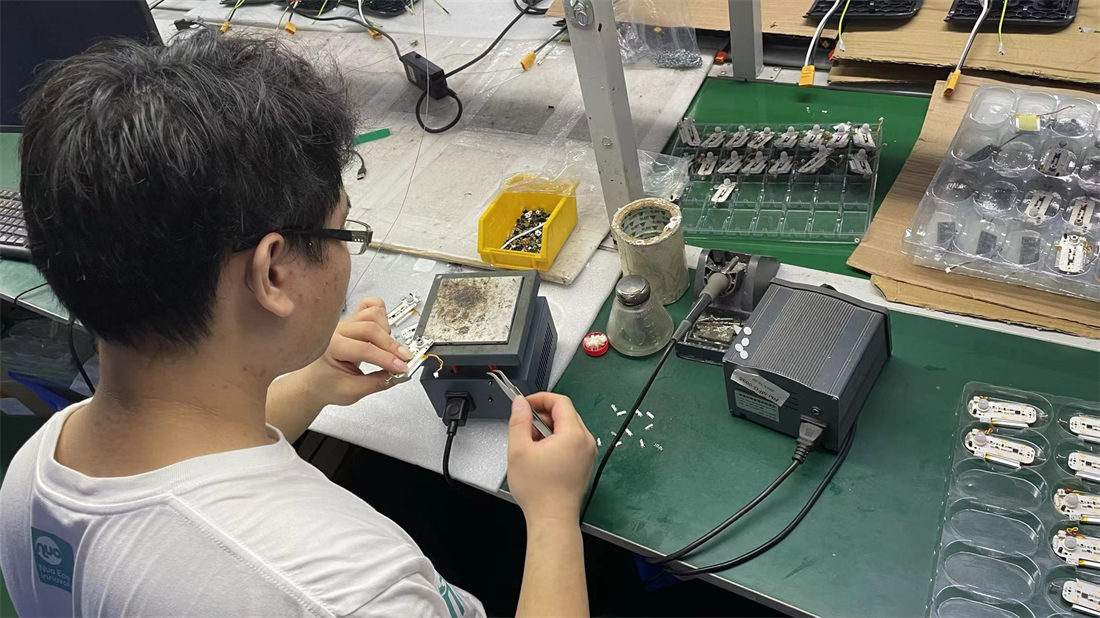
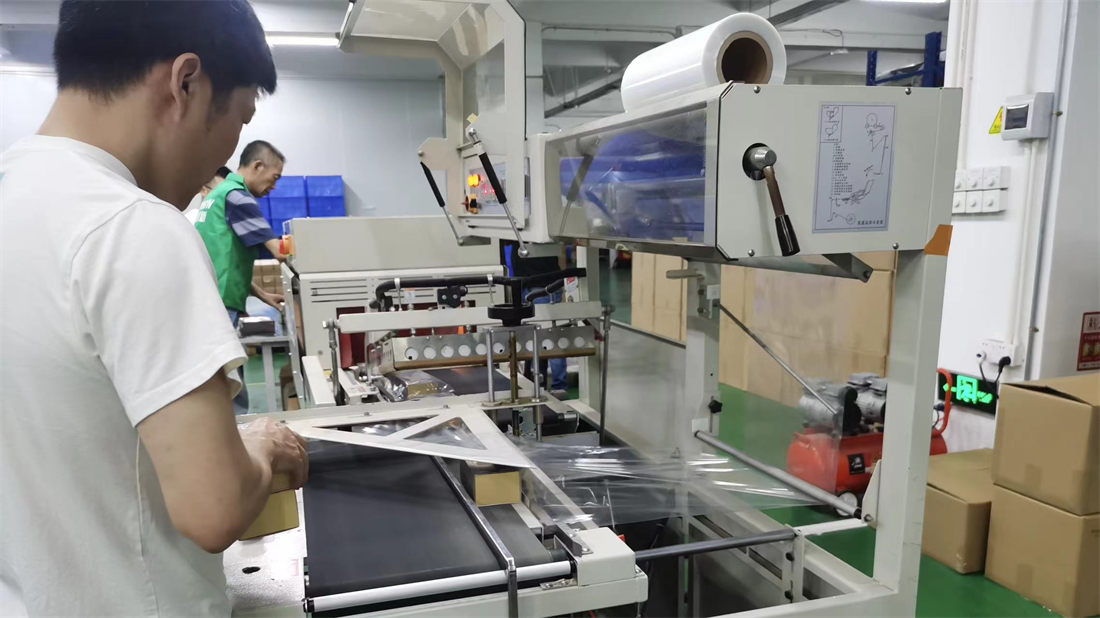
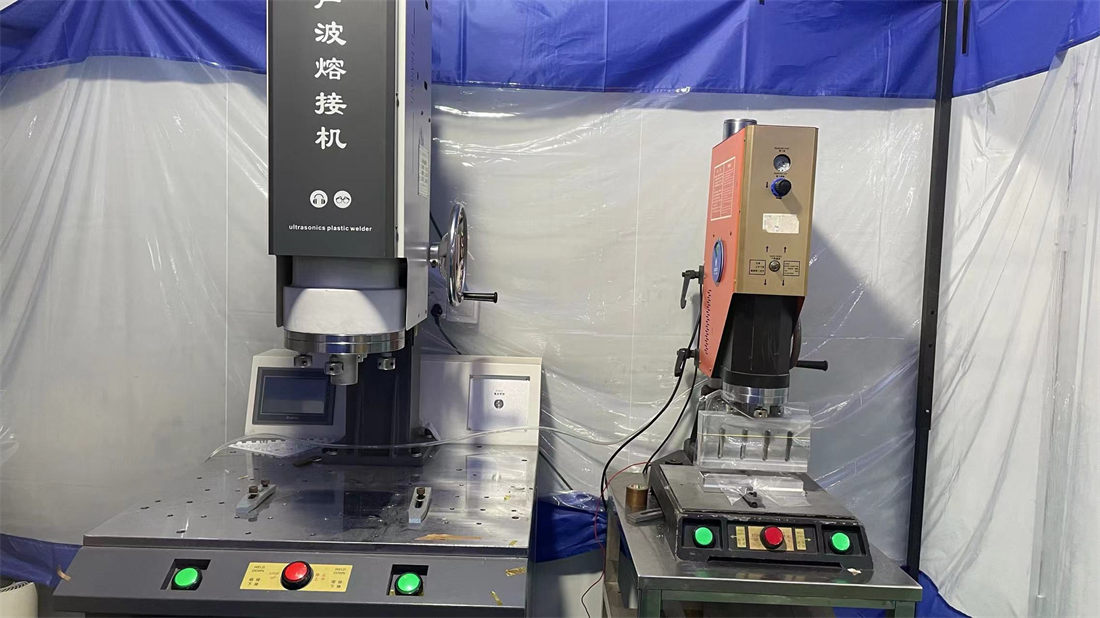
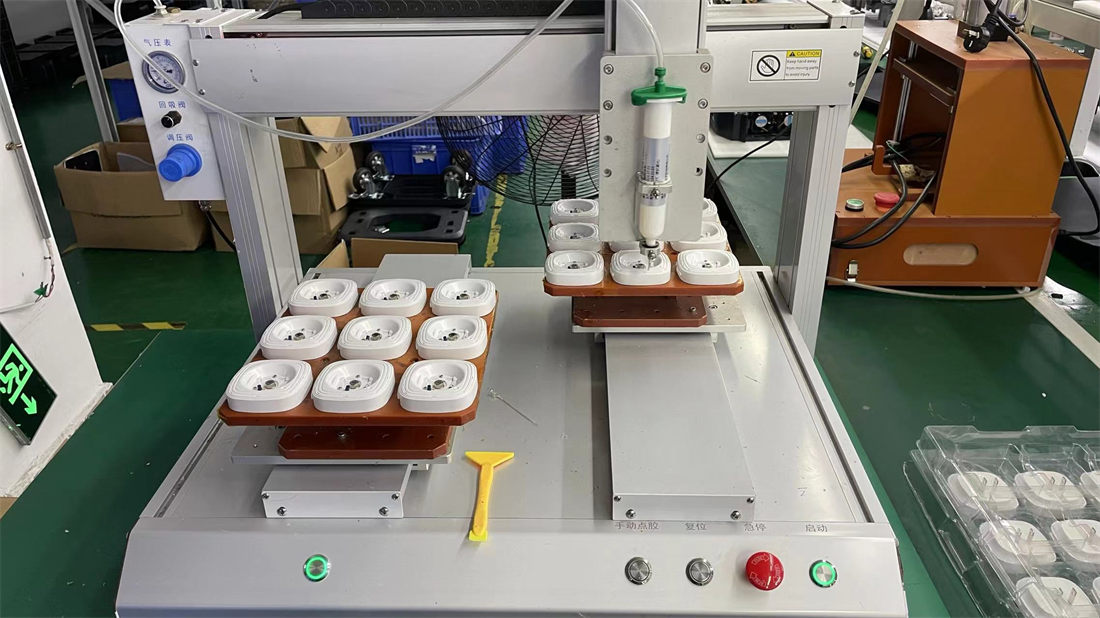
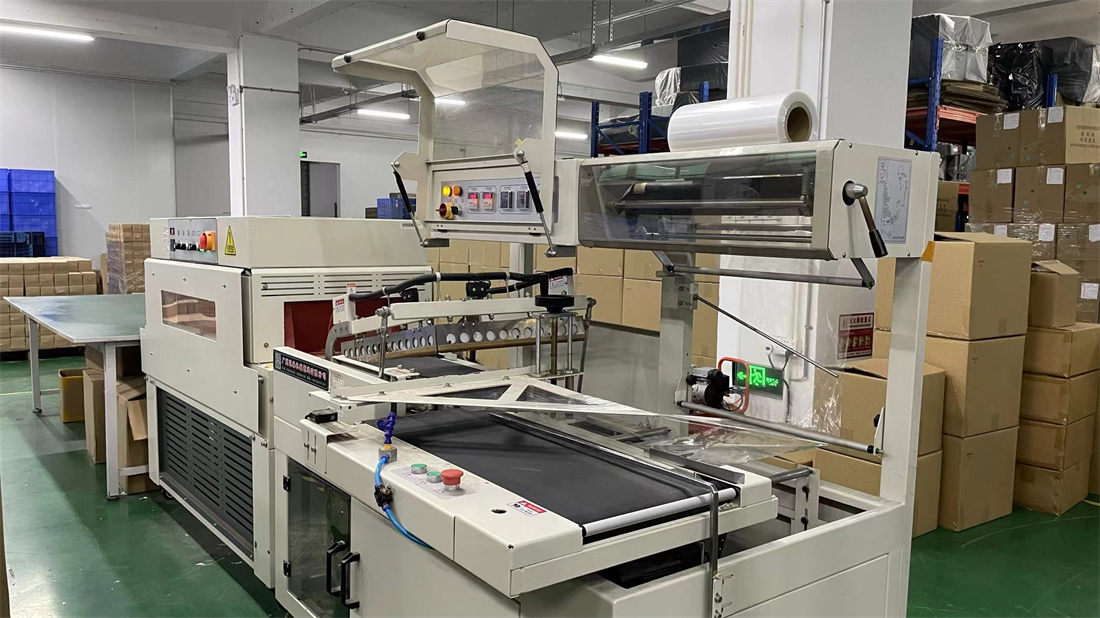
Modern solar modules and storage systems require high manufacturing precision. Ultrasonic welding, automatic glue dispensing, and automated film shrinking are standard practices in Chinese factories. Automation minimizes human error, ensures hermetic sealing against moisture ingress (critical for IP65/IP67 street lights and outdoor surveillance cameras), and stabilizes voltage tolerances across thousands of lithium cells in a single storage container. Furthermore, local access to hardware and firmware engineers ensures that MPPT controllers and battery management systems (BMS) are constantly updated to handle complex power grids.
Leading Chinese exporters maintain strict quality assurance (QA) protocols, aligning with global standards. Top factories conduct 100% automated optical inspections (AOI), active capacity sorting for lithium-ion cells, and extensive thermal aging tests. Products destined for North American, European, and South American markets are certified with CE, RoHS, UL, and UN38.3 (for battery transport safety), guaranteeing low failure rates and high consumer trust.
Engineered systems designed to resolve the most challenging energy, structural, and monitoring needs across global environments
Ideal for isolated areas, telecom base stations, and high-altitude farms. Combining wind-solar hybrid controllers and high-density LFP batteries ensures consistent power availability despite extreme fluctuations in direct sunlight.
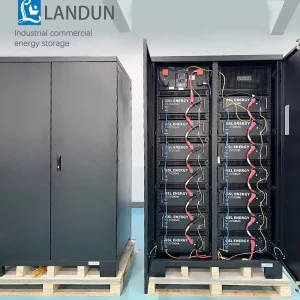
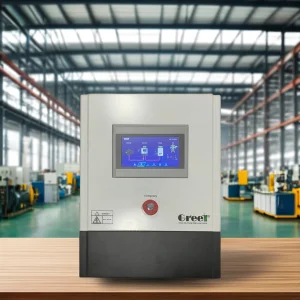
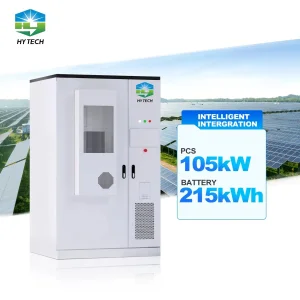
For commercial spaces requiring 100kW to 1MWh high-voltage storage solutions. These cabinets operate continuously to absorb low-cost off-peak energy, releasing it during expensive peak hours, reducing operating costs.
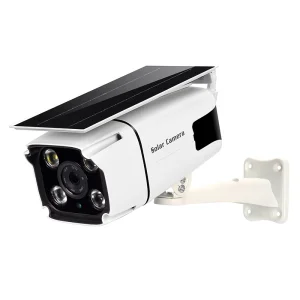
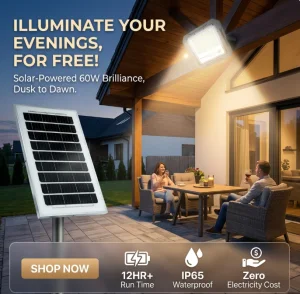
Providing independent power to security hardware. Integrating outdoor 4G PTZ cameras with direct solar panels enables remote monitoring of highways, farms, and national parks with zero electrical infrastructure costs.
When engineering home solar systems, performance stability relies heavily on systemic integration. Below, we break down the operational engineering dynamics of core solar hardware components:
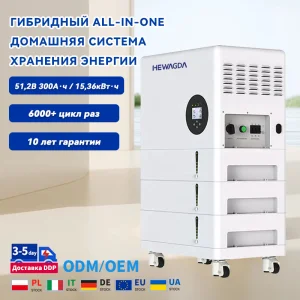
Soweglow's 51.2V split home-use LFP batteries are engineered to address the critical limits of grid-tied and off-grid storage. By maintaining a chemistry based on lithium iron phosphate rather than traditional nickel-cobalt, these batteries prevent thermal runaway up to 600°C. Standard systems operating at 51.2V operate more efficiently under continuous heavy loads, like running central air conditioners or electric vehicle charging ports. Built-in smart BMS track cell degradation, control cell balancing, and prevent over-discharging issues.
In regions where wind energy complements solar cycles, a wind-solar hybrid MPPT controller acts as the central brain. By combining wind turbine inputs and photovoltaic panel strings into a single grid-tied or off-grid controller, users get 24-hour power generation capabilities. This hybrid setup utilizes two distinct tracking modules to handle fluctuating inputs, maintaining a high system conversion efficiency of over 99.8%.
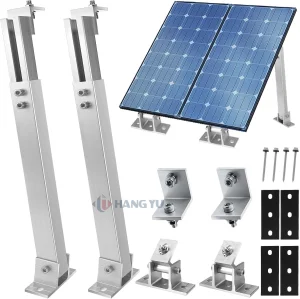
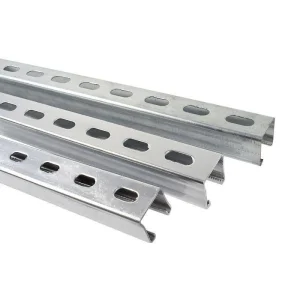
Solar arrays fail most often due to structural collapse under high wind loads or seismic shifts. Sourcing premium mountings, such as adjustable anodized aluminum bracket kits or hot-dip galvanized steel ground rails, is vital. Using high-grade materials protects panels from galvanic corrosion and structural wear over a 25-year lifespan. These kits feature adjustable tilt mechanisms (10 to 60 degrees) that maximize solar irradiance capture across different latitudes.
A professional and reliable manufacturer specializing in solar energy products and intelligent solar systems
Shenzhen Soweglow Solar Co., Ltd. is located in Shenzhen, China, one of the world's most innovative and dynamic technology hubs. We have been committed to the solar industry for many years, providing high-quality products and customized energy solutions to customers worldwide. Driven by the mission of promoting clean energy and sustainable development, Soweglow Solar focuses on delivering efficient, environmentally friendly, and cost-effective solar products that help reduce energy consumption and carbon emissions. Through continuous innovation, strict quality control, and customer-oriented service, we have established long-term partnerships with clients across Europe, North America, South America, Africa, Southeast Asia, and the Middle East.
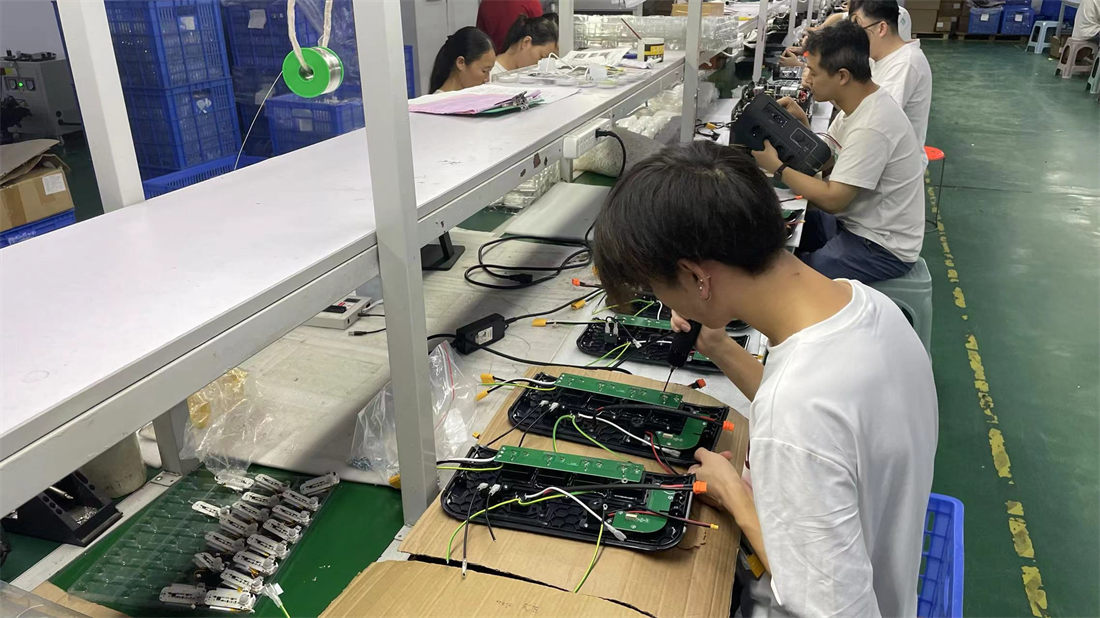
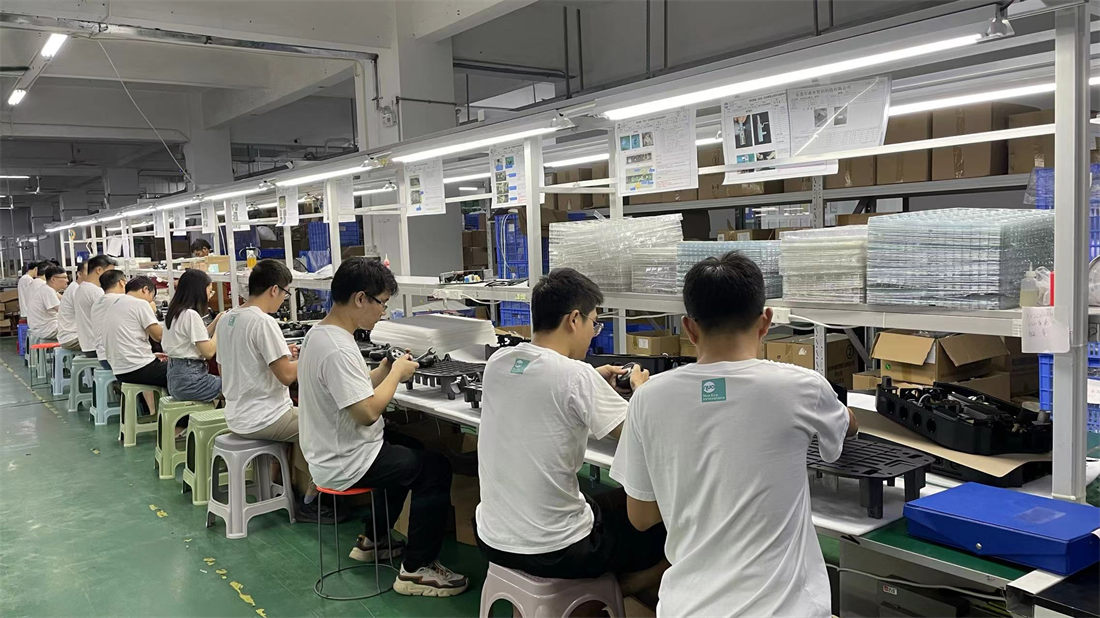
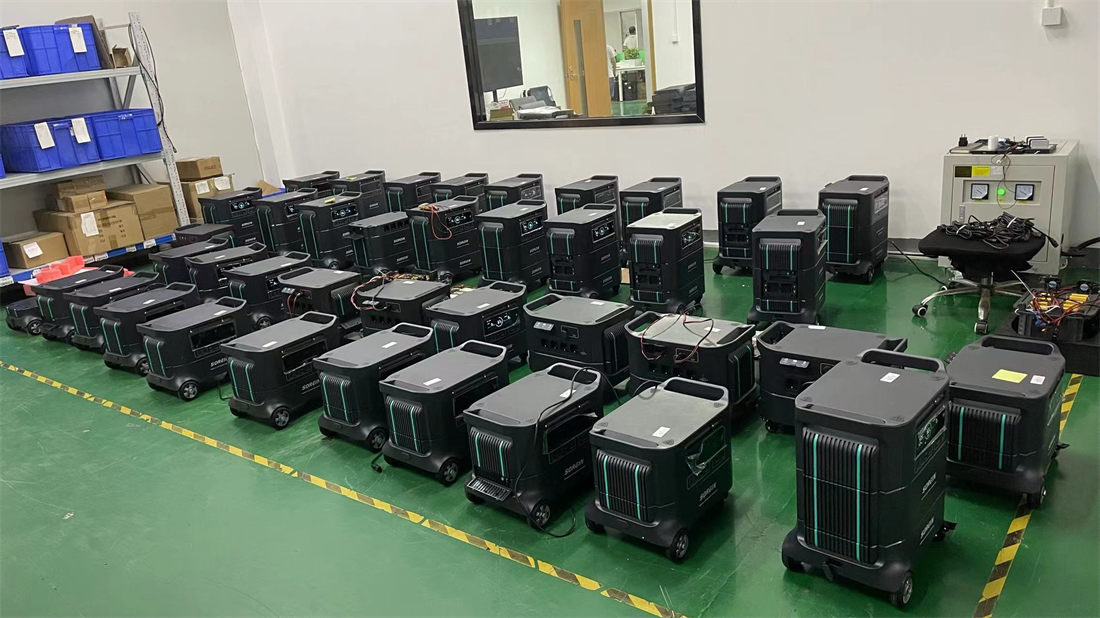
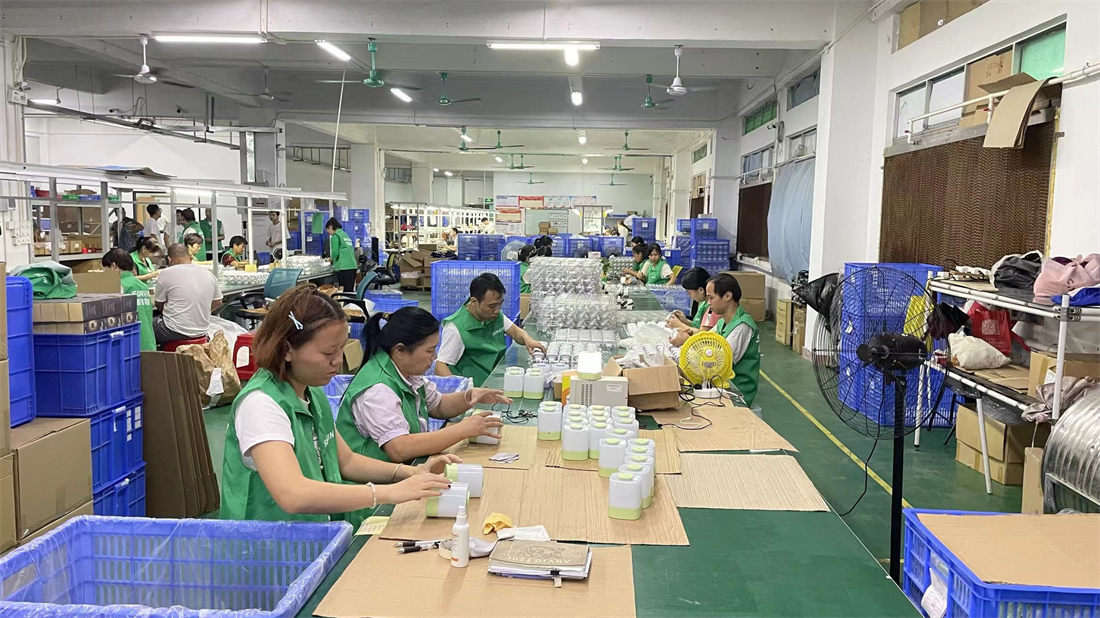
Our experienced team possesses extensive expertise in solar lighting, photovoltaic systems, energy storage solutions, project management, manufacturing, and international business. We continuously invest in research and development to ensure our products meet evolving market demands and international quality standards. Quality is the foundation of our business. Every product undergoes strict quality inspections throughout the entire production process, from raw material selection to final assembly and shipment. Our manufacturing facilities operate under comprehensive quality management systems to ensure product reliability, safety, and long service life. We continuously improve our production processes and technology to provide products that comply with international certifications and industry standards.
Our Mission: To accelerate the adoption of renewable energy by providing innovative, efficient, and sustainable solar solutions that create long-term value for customers and contribute to a greener future.
For large-scale importers, procurement companies, and local solar installers, buying hardware from overseas requires balancing initial investment costs with long-term reliability. Below is a checklist for evaluating potential suppliers:
Shenzhen Soweglow Solar Co., Ltd. addresses these procurement challenges by providing comprehensive documentation, custom design support (such as custom-tilt PV mount designs), and reliable shipping coordination to ensure seamless project execution.
Expert technical insights to help guide your procurement and home solar integration decisions
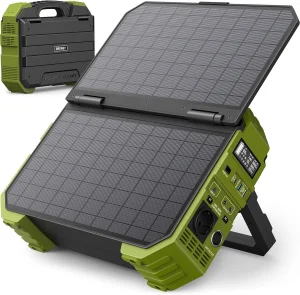
From portable solar generators to large-scale containerized energy storage systems
 Soweglow Solar