Highly integrated inverters, smart lithium energy storage arrays, and high-efficiency lighting architectures certified for heavy-duty commercial deployment.
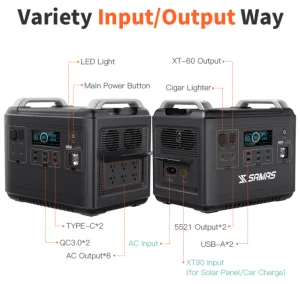
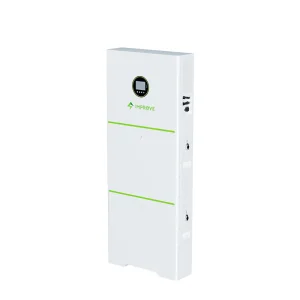
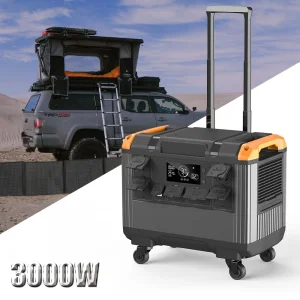
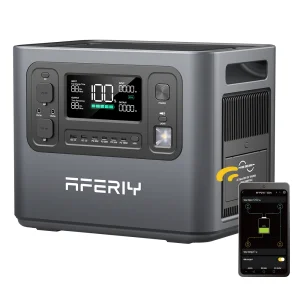
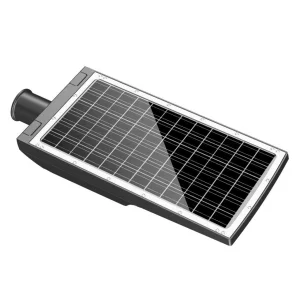
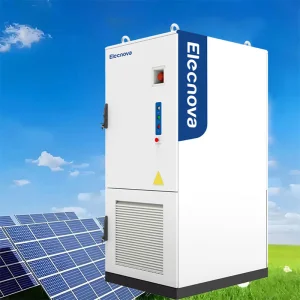
The shift toward clean energy is no longer just about compliance; it is a core commercial requirement. Modern commercial, industrial, and municipal infrastructure projects need reliable outdoor lighting and off-grid power to lower operational expenses, meet ESG goals, and ensure long-term performance. Integrating outdoor solar lighting with energy storage systems (ESS) requires a deep understanding of photovoltaic conversion, battery chemistry, and smart power management.
This report analyzes the core technologies, supply chain factors, and regulatory standards that define top-tier outdoor solar lighting manufacturers. As projects shift from simple grid-tied fixtures to off-grid systems with smart tracking and remote management, choosing the right manufacturing partner becomes a critical financial and engineering decision.
Located in Shenzhen, China's leading technology hub, Shenzhen Soweglow Solar Co., Ltd. designs and manufactures advanced solar energy products, renewable energy systems, and intelligent outdoor solar lighting. By combining R&D with strict manufacturing standards, the company provides high-performance, cost-effective clean energy systems to customers worldwide.
Soweglow Solar focuses on promoting clean energy and reducing carbon emissions through continuous product innovation and strict quality control. The company maintains long-term supply partnerships across Europe, North America, South America, Africa, Southeast Asia, and the Middle East. Its experienced engineering and project management teams ensure all products meet international quality and performance standards.
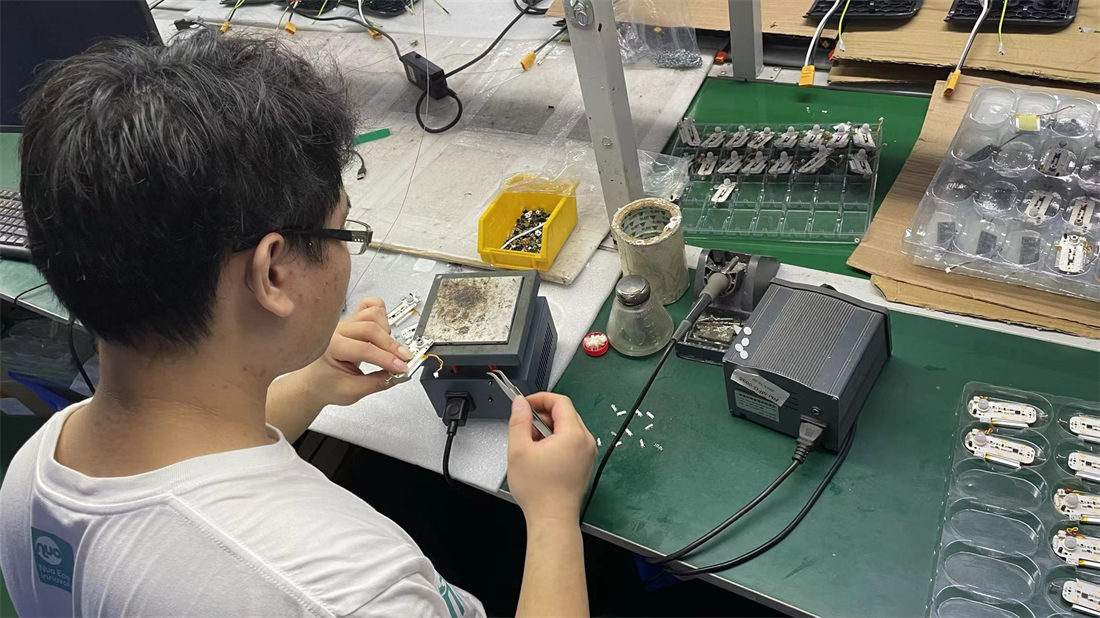
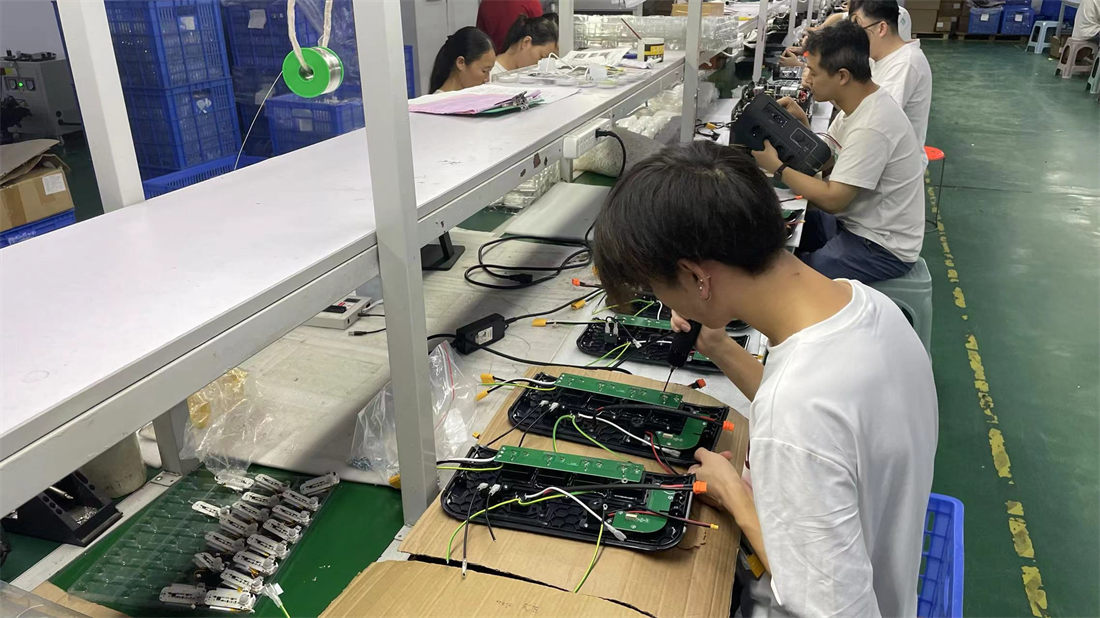
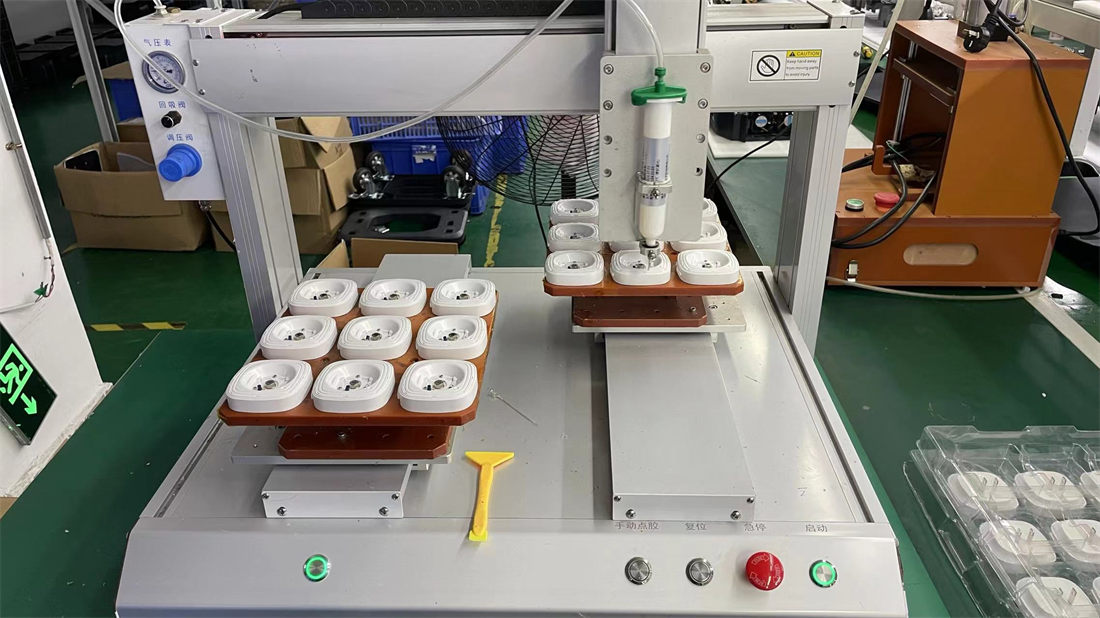
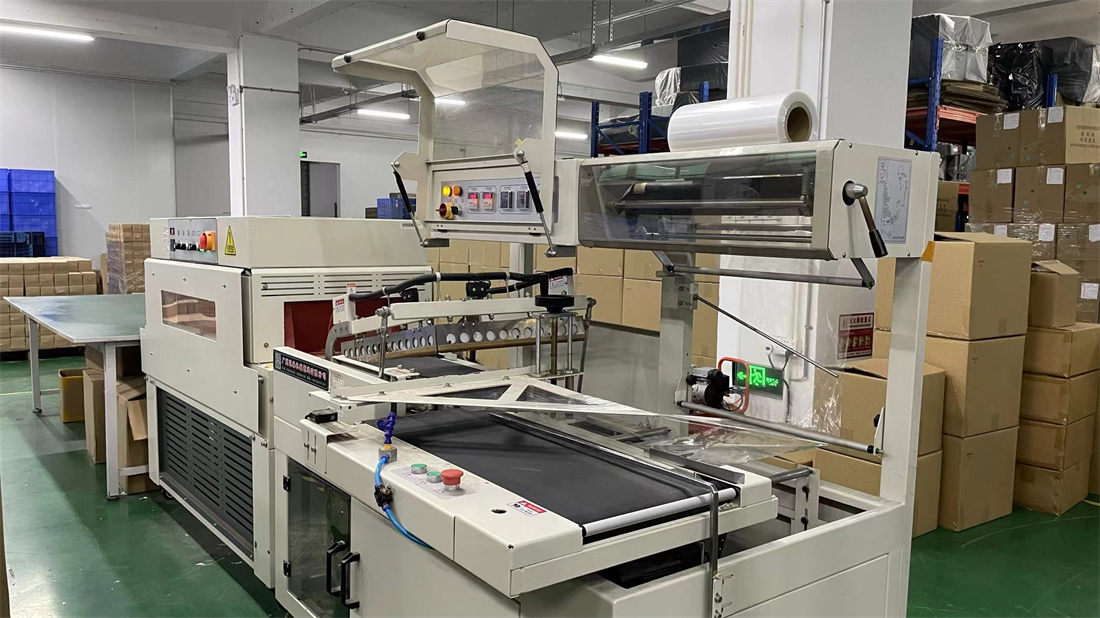
Every product undergoes systematic testing and verification. The manufacturing facility uses automated assembly, precision welding, and environmental testing to ensure each system performs reliably under harsh operating conditions.
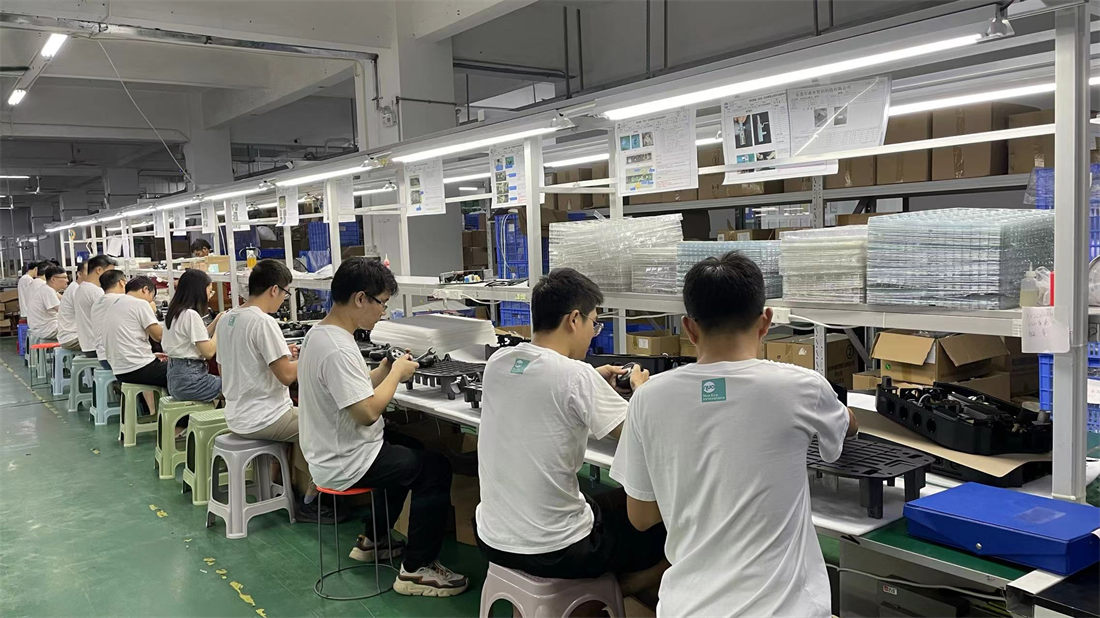
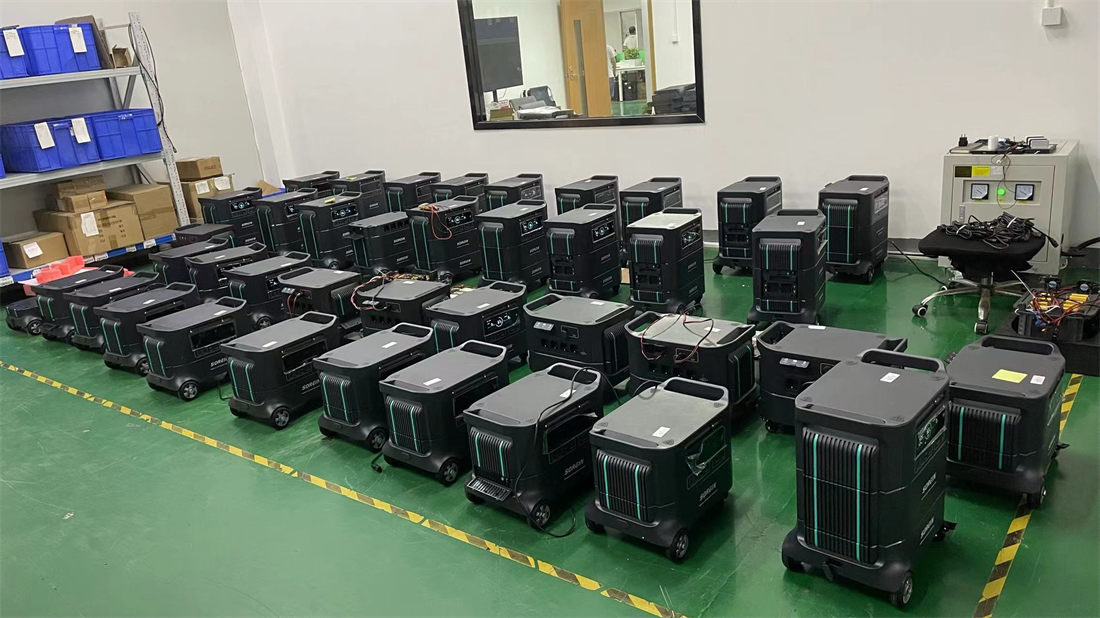

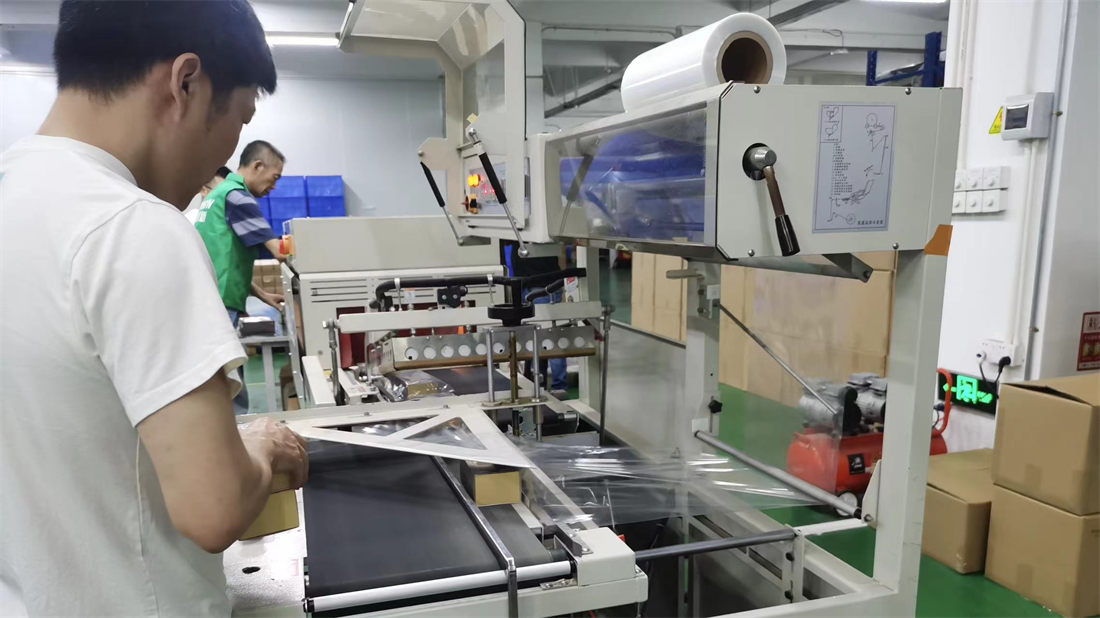
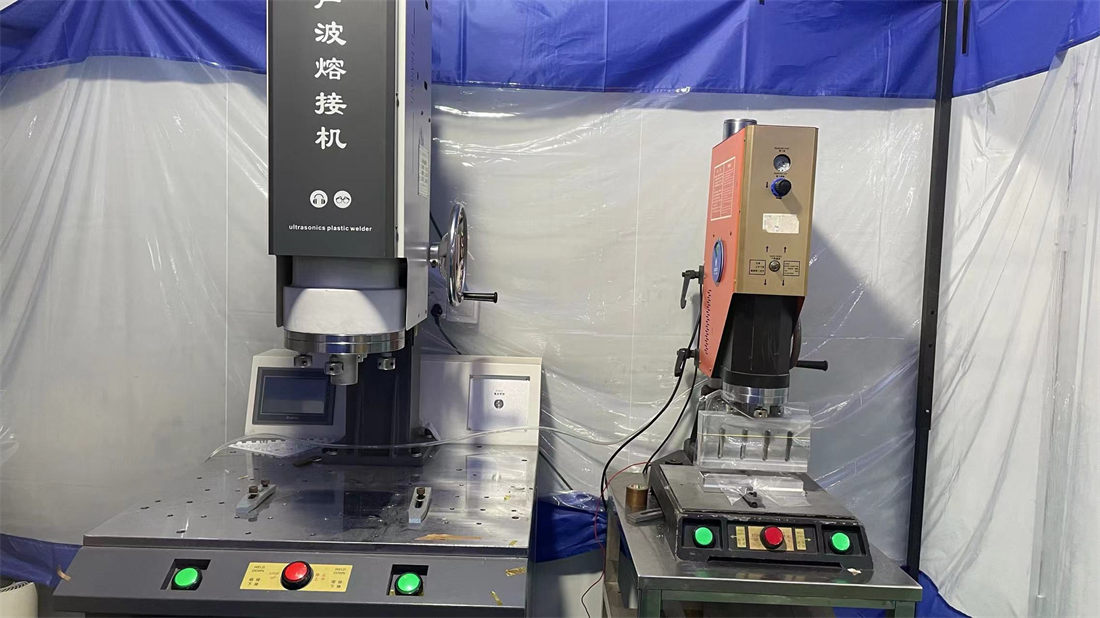
Outdoor solar lighting systems operate in diverse and demanding climates. General-purpose designs often fail when exposed to extreme regional conditions. To ensure reliability, systems must be engineered to match local environmental factors.
In regions like the Middle East and North Africa, solar components face intense heat and dust. System housing requires IP66 dust-proof ingress protection. Thermal management systems are integrated to keep batteries below critical temperatures, and monocrystalline modules are selected for their low temperature coefficient to maintain conversion efficiency.
High-latitude areas like Northern Europe and Canada experience short winter days and freezing temperatures. Sourcing systems for these regions requires batteries with built-in heating systems (thermal blankets) and custom firmware that optimizes charging paths at low temperatures. Bifacial solar modules are often used to capture reflected light from snow.
Salt spray and high humidity quickly corrode standard metal housings. Marine-grade hardware, electrophoretic and powder-coated aluminum parts, and fully sealed, resin-potted electrical connections are essential to prevent corrosion and premature component failure.
The solar lighting industry is moving away from basic, unmonitored systems. Modern projects demand smart, integrated designs that offer higher conversion efficiency, longer battery life, and remote configuration capabilities.
The manufacturing ecosystem in Shenzhen provides unique advantages for the production of advanced solar systems. This cluster offers high-speed component sourcing, rapid prototyping, and automated assembly, which helps reduce production lead times and maintain consistent quality.
Because local suppliers of raw silicon, battery management systems (BMS), high-precision optics, and aluminum casting are situated close to assembly plants, the supply chain is highly responsive. Custom configurations can be developed, tested, and moved into production quickly, giving buyers a significant time-to-market advantage.
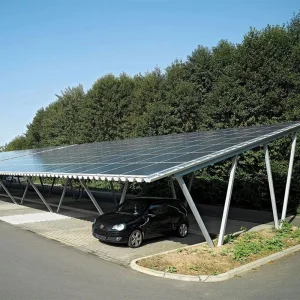
Industrial warehousing, commercial properties, and municipal roads are key markets for off-grid lighting installations. High energy prices and carbon taxes make solar systems an attractive investment. Sourcing solar fixtures for commercial carports, parking lots, and perimeter pathways offers three main benefits:
To qualify for municipal tenders and major commercial projects, solar products must meet strict safety, environmental, and performance standards. Procurement managers should verify that suppliers hold valid certifications before finalizing contracts.
Technical answers to common questions asked by B2B buyers and project engineers.
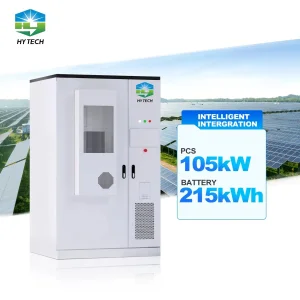
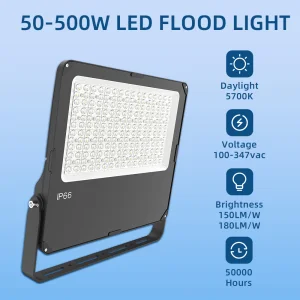
Complete your solar installation with high-output floodlights, flexible solar modules, mounting racks, and commercial-grade energy storage systems.
 Soweglow Solar