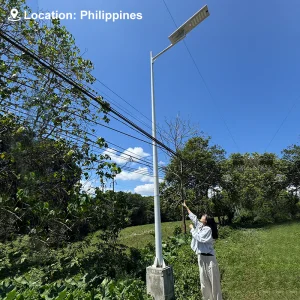
Explore our premium range of smart solar systems, intelligent surveillance, and highly efficient storage modules.
Navigating global macro policies, technology standards, and supply chain strategies in the modern renewable energy epoch.
China's commitment to peaking carbon emissions by 2030 and achieving carbon neutrality by 2060 (known as the "30/60" target) has structurally reshaped the global clean energy economy. Far from being simple environmental rhetoric, these policies have forced deep integration between the manufacturing sector and regional infrastructure upgrades. This coordinated industrial planning enables top manufacturers to establish vertically integrated facilities that control every level of production, from wafer synthesis to advanced lithium-iron-phosphate (LiFePO4) storage architecture.
For global importers, this regulatory paradigm creates significant advantages. Export taxation policies, financial backing for R&D centers, and streamlined logistics systems lower the overall Levelized Cost of Energy (LCOE). Manufacturers situated within technology hubs like Shenzhen can leverage robust shipping lanes, advanced power grid testing infrastructure, and reliable access to Tier-1 components. These policy frameworks ensure that Chinese exporters maintain consistent supply chains despite turbulent global markets.
Historically, global procurement focused primarily on minimizing initial CapEx. However, commercial operations are transitioning to a procurement model focused on total lifecycle value and reliability. International regulatory shifts—such as Europe's Carbon Border Adjustment Mechanism (CBAM) and America's domestic assembly requirements—demand documented proof of carbon tracking, chemical safety compliance, and robust production audits.
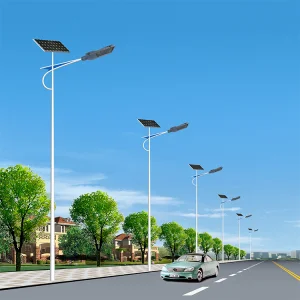
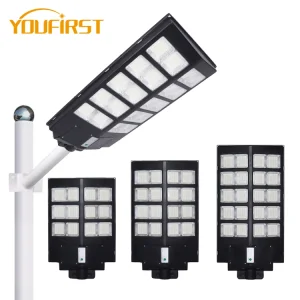
To succeed in this environment, modern energy systems must prioritize reliability. High-capacity assets, such as 314Ah LiFePO4 battery banks and commercial-grade solar streetlights, are deployed in remote, harsh environments where maintenance costs are high. System failure is not merely an inconvenience; it represents a major threat to operational continuity. Procurement professionals now seek manufacturing partners who demonstrate strong E-E-A-T (Experience, Expertise, Authoritativeness, and Trustworthiness) by providing comprehensive laboratory certifications, standardized test reports, and fully transparent material track records.
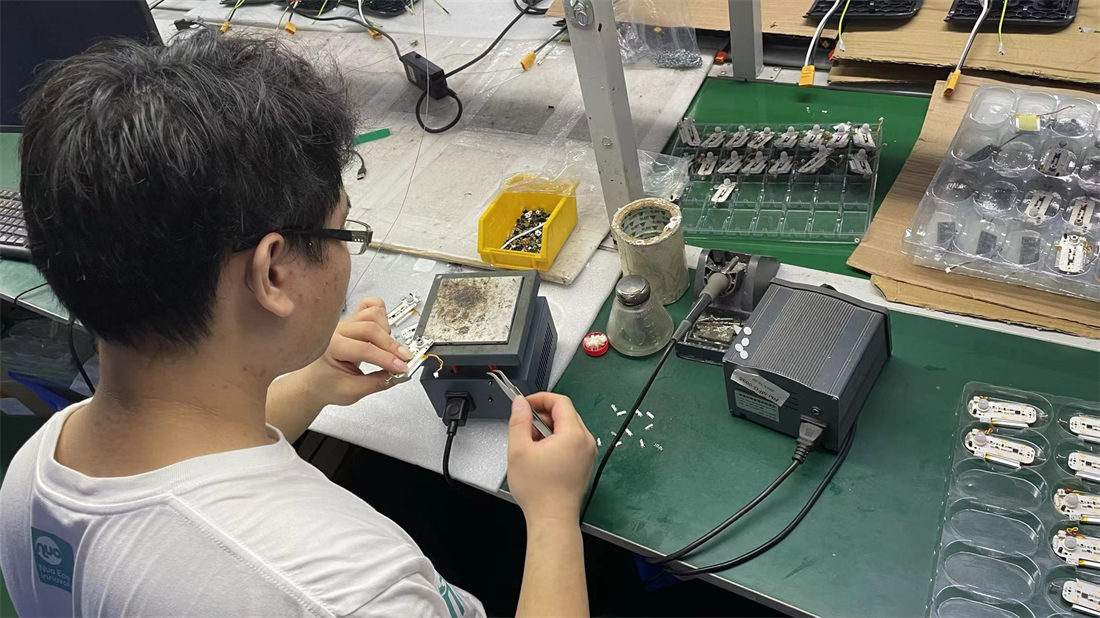
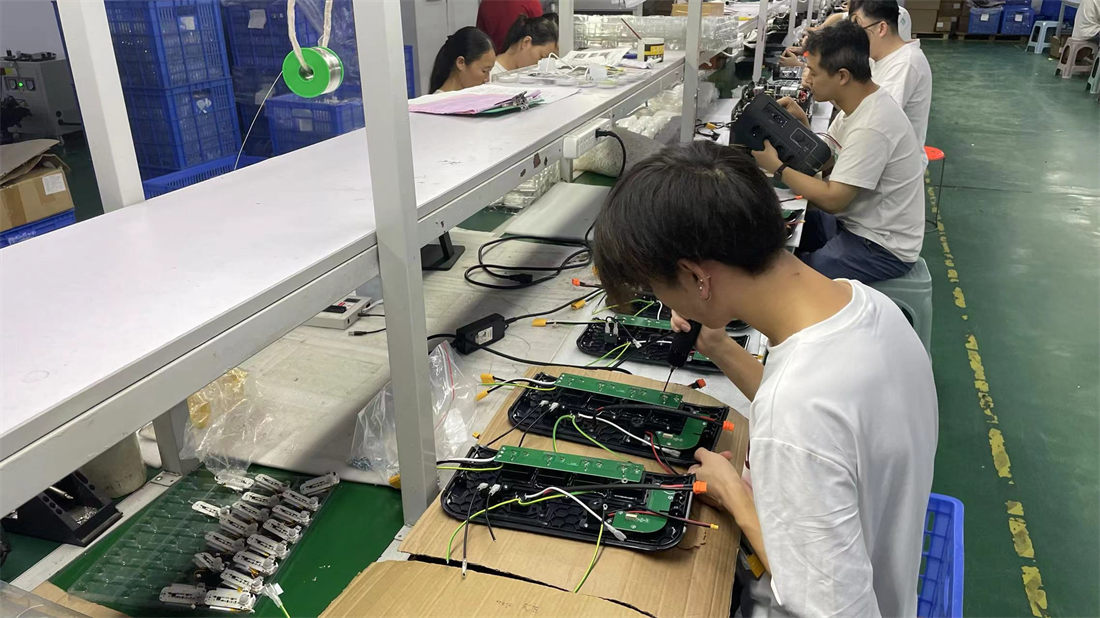
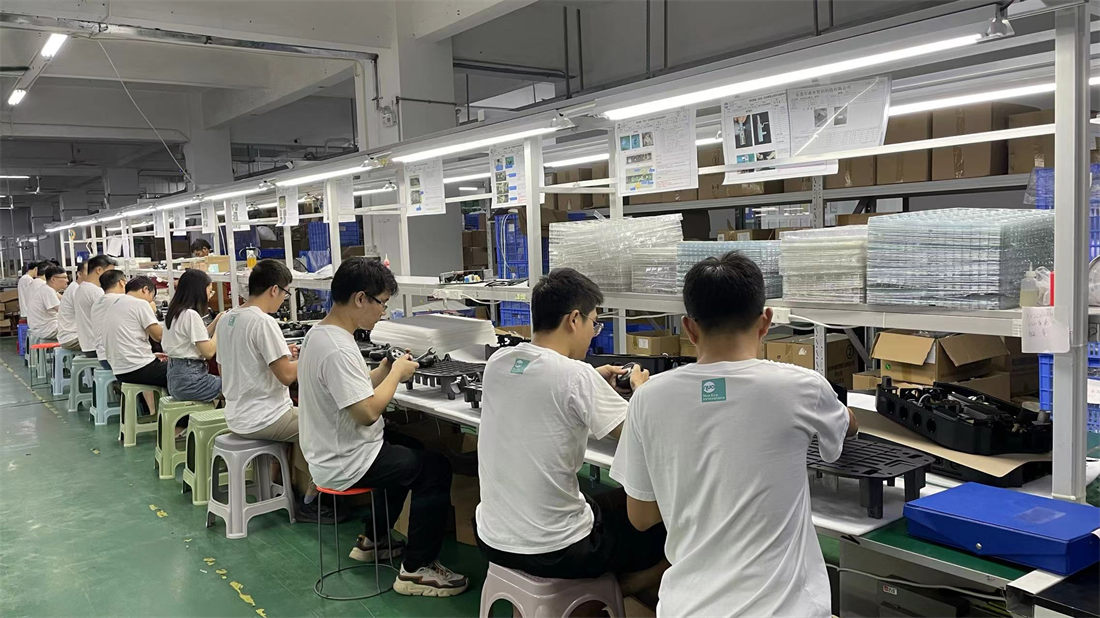
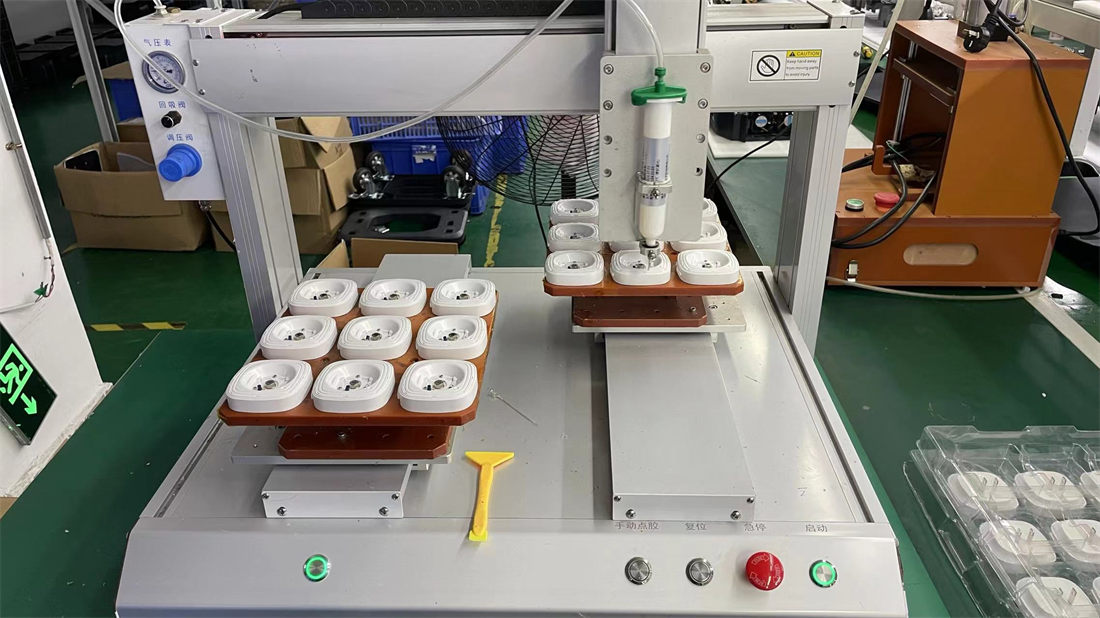
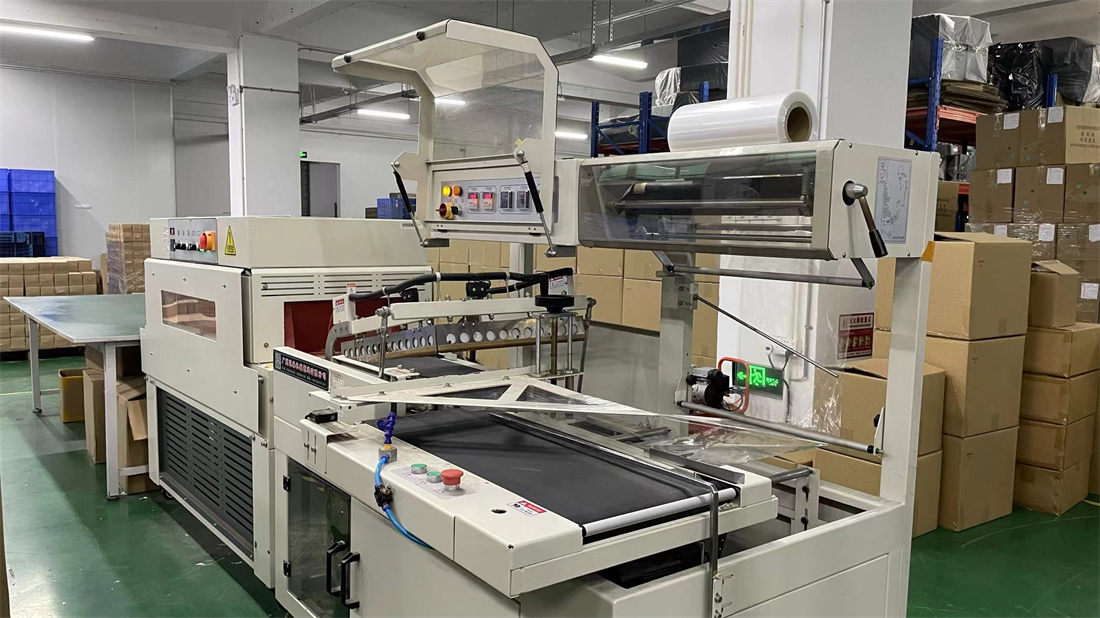
The manufacturing facilities of Soweglow Solar showcase the "Factory 4.0" approach to clean energy production. Moving beyond manual assembly lines, modern production plants utilize advanced automation to ensure quality consistency at scale. Modern production methodologies emphasize the following critical processes:
By automating these processes, we minimize human error and scale output to meet large municipal and industrial demands. This automation helps prevent thermal runaway in energy storage systems and ensures long-term performance under harsh environmental conditions.
Shenzhen Soweglow Solar Co., Ltd. is a professional and reliable manufacturer and supplier specializing in solar energy products, renewable energy solutions, and intelligent solar lighting systems. Located in Shenzhen, China, one of the world's most innovative and dynamic technology hubs, we have been committed to the solar industry for many years, providing high-quality products and customized energy solutions to customers worldwide.
Driven by the mission of promoting clean energy and sustainable development, Soweglow Solar focuses on delivering efficient, environmentally friendly, and cost-effective solar products that help reduce energy consumption and carbon emissions. Through continuous innovation, strict quality control, and customer-oriented service, we have established long-term partnerships with clients across Europe, North America, South America, Africa, Southeast Asia, and the Middle East.
Our experienced team possesses extensive expertise in solar lighting, photovoltaic systems, energy storage solutions, project management, manufacturing, and international business. We continuously invest in research and development to ensure our products meet evolving market demands and international quality standards.
"To accelerate the adoption of renewable energy by providing innovative, efficient, and sustainable solar solutions that create long-term value for customers and contribute to a greener future."
Quality is the foundation of our business. Every product undergoes strict quality inspections throughout the entire production process, from raw material selection to final assembly and shipment. Our manufacturing facilities operate under comprehensive quality management systems to ensure product reliability, safety, and long service life. We continuously improve our production processes and technology to provide products that comply with international certifications and industry standards.
A transparent look inside our production floor, where automation and expert testing meet.
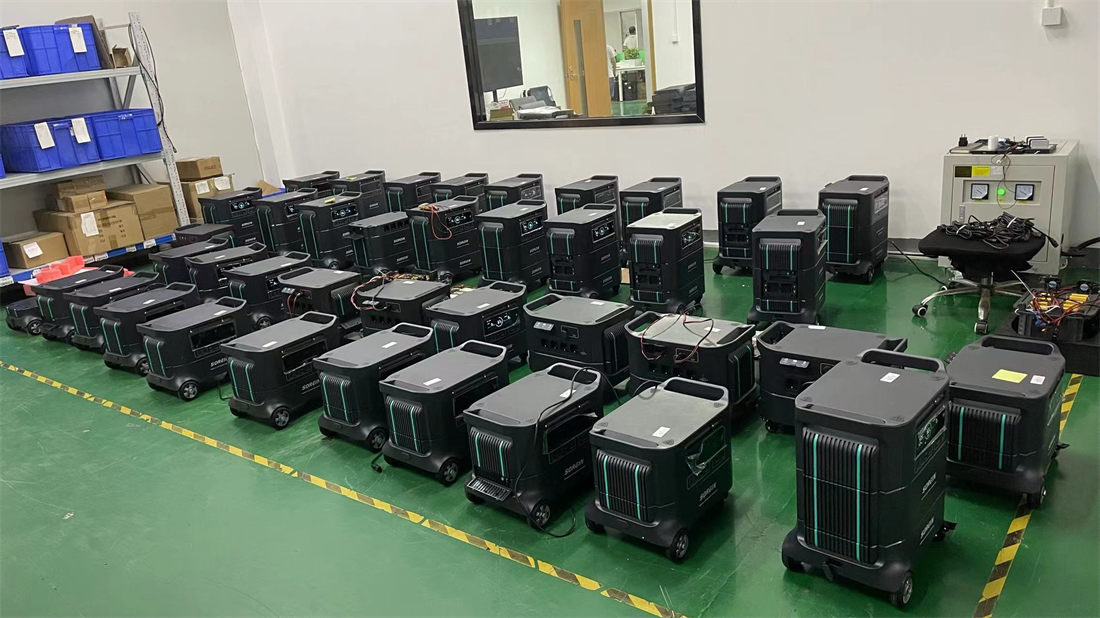
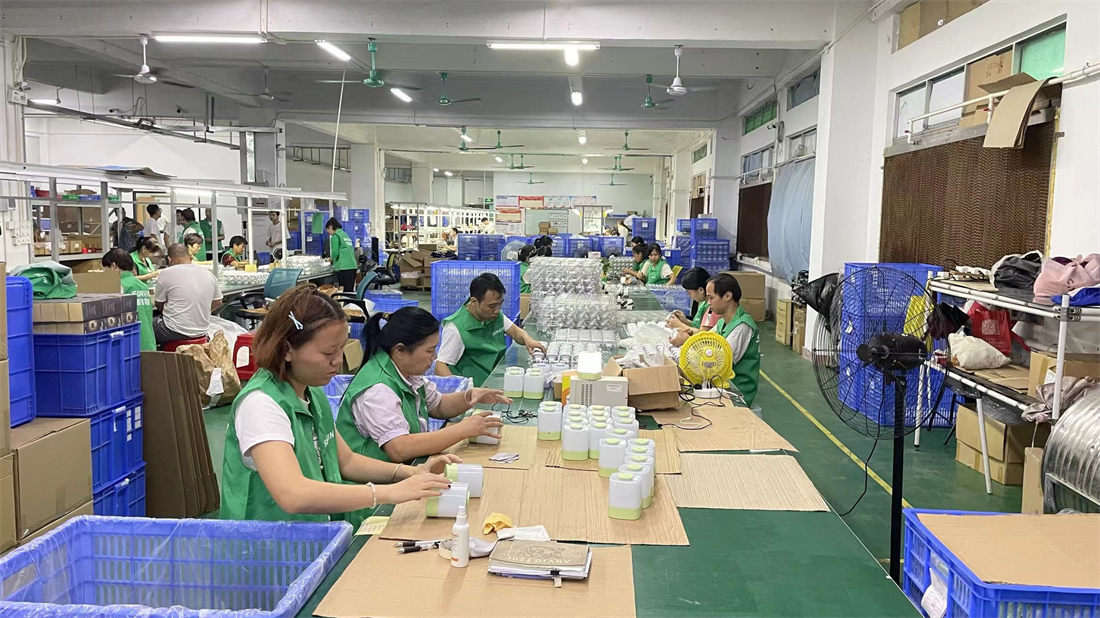
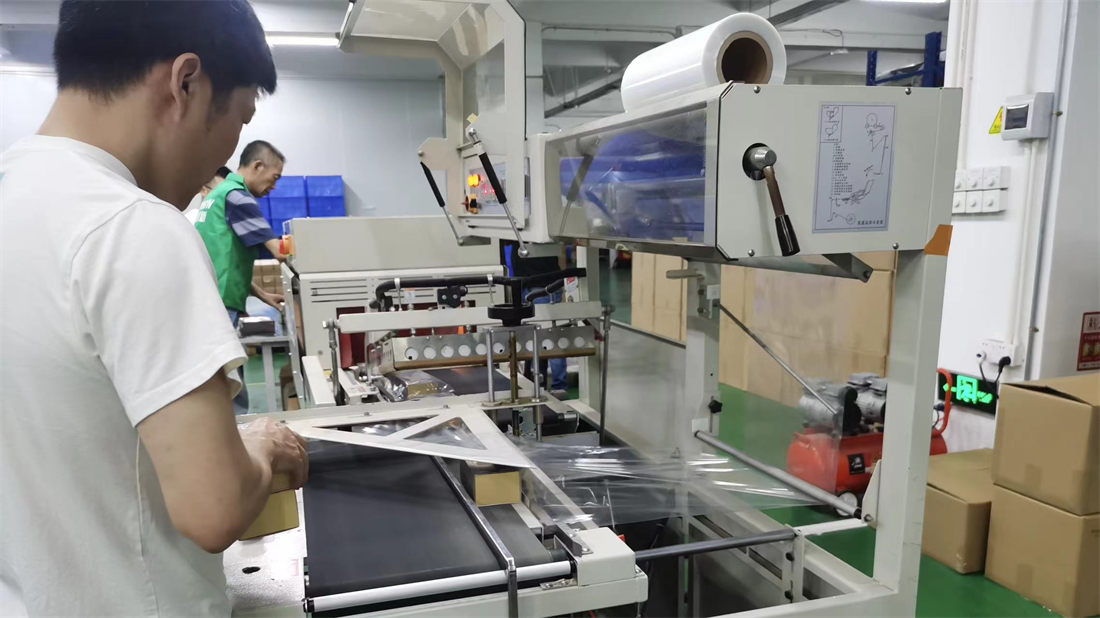
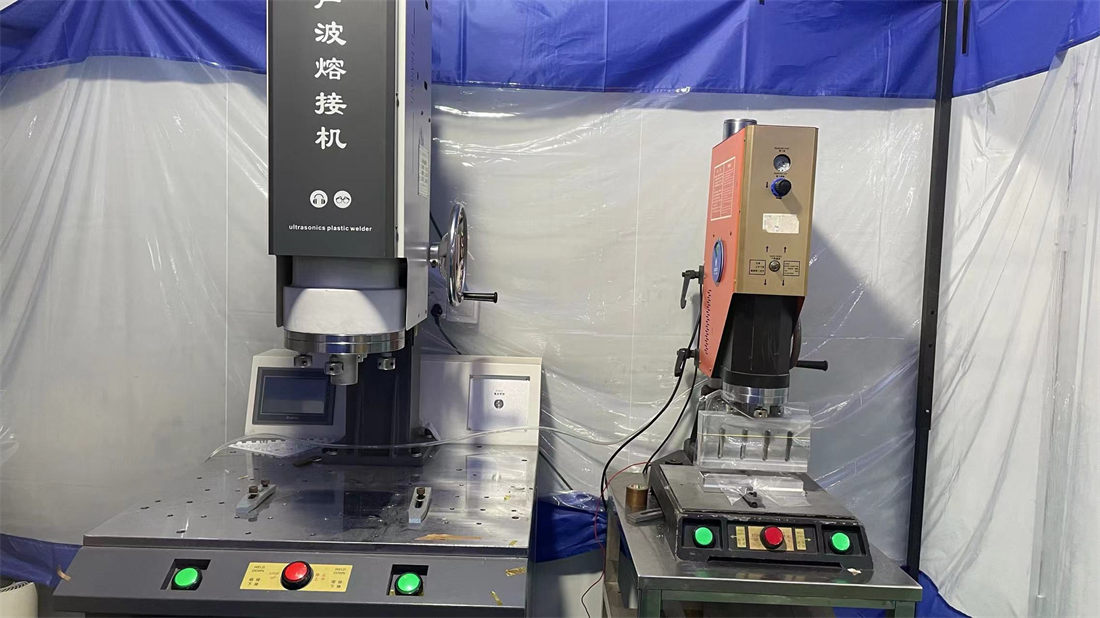
Analyzing how different solar technology tiers are integrated into real-world projects worldwide.
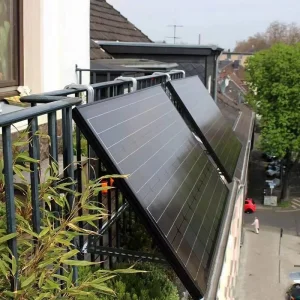
In densely populated urban environments, particularly in Western and Central Europe, balcony-mounted solar systems (ranging from 800W to 1000W) are increasingly common. These systems allow apartment tenants and urban homeowners to feed electricity directly into their domestic rings via standard socket connections.
This localized energy generation strategy reduces rely on centralized distribution grids during peak hours. When paired with high-efficiency grid-tied micro-inverters, balcony PV systems provide residential consumers with immediate cost savings while helping municipalities meet regional carbon reduction targets.
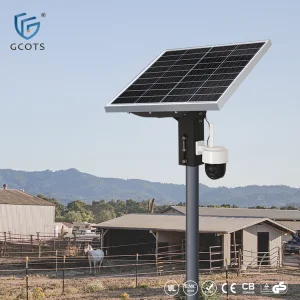
For mining operations, large agricultural facilities, and transport corridors, maintaining consistent surveillance is critical. Running traditional power and communication lines to remote perimeters is often cost-prohibitive.
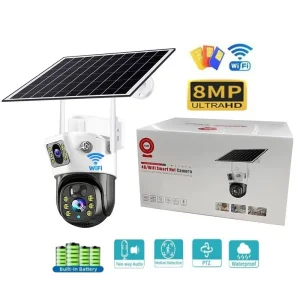
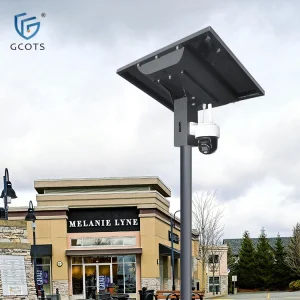
Integrated systems that combine high-resolution 4G/WiFi PTZ cameras, dual-lens tracking systems, and dedicated LiFePO4 batteries offer a self-sustaining solution. By capturing and storing solar power, these smart nodes operate independently of local utility grids, maintaining active security monitoring through cloudy periods or system disruptions.
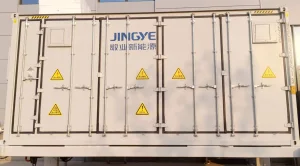
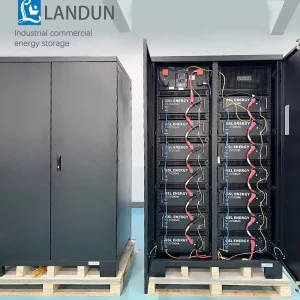
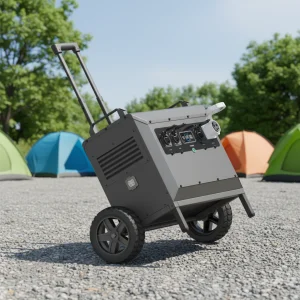
Industrial operations face high demand charges from utility providers during peak operation windows. A 100kW grid-connected system paired with a 200kWh energy storage cabinet allows facilities to store energy during off-peak hours (or generate it through onsite solar arrays) and discharge it when demand spikes.
In addition to cost savings, these storage installations provide emergency backup power during grid failures. Their scalable, modular design allows managers to add capacity as their operations grow, helping to protect factories from electrical instability.
Expert answers addressing regulatory, chemical, and design questions for large-scale procurement.
Shipping large-format lithium batteries requires adherence to global transport laws. Importers must confirm their supplier provides verified UN38.3 test reports, Safety Data Sheets (SDS), and certification for maritime transport of dangerous goods (IMO/IMDG). At Soweglow Solar, every shipping container of our 314Ah modules and 100kW cabinets includes these certifications to streamline customs clearance.
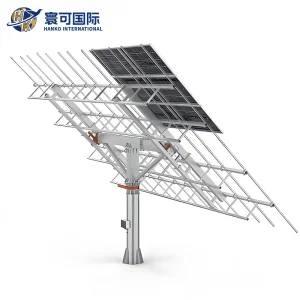
Dual-motor tracking systems automatically adjust solar panels on two axes, keeping them perpendicular to the sun throughout the day. This active tracking can increase overall energy yields by up to 25% to 35% compared to static, south-facing arrays. While the initial equipment cost is higher, the increased output shortens the payback period on utility-scale projects.
The Chinese government offers VAT rebates on exported solar technology to help maintain stable, competitive pricing globally. Working directly with an established manufacturer allows buyers to benefit from these tax structures, ensuring lower FOB/CIF costs compared to working through third-party trading intermediaries.
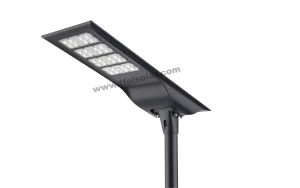
The lifetime of a solar streetlight depends on its battery chemistry and LED driver quality. By utilizing high-grade LiFePO4 chemistry rather than older lead-acid or standard lithium-ion batteries, our streetlights typically achieve over 3,000 charge cycles. This translates to an operational lifetime of 8 to 10 years, even under high-temperature conditions.
Our balcony power kits are designed for "plug-and-play" installation. They feature built-in micro-inverters that output standard AC power, matching home grid requirements. Safety mechanisms such as anti-islanding protection automatically shut off the inverter if the household grid goes down, preventing back-feeding hazards.
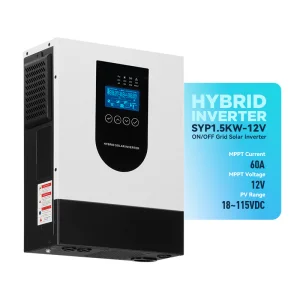
Explore our selection of off-grid inverters, heating systems, and smart street lighting technologies.
 Soweglow Solar