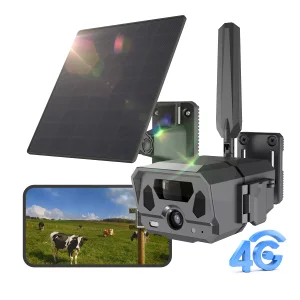
Explore our highly integrated field-tested hardware deployed globally for off-grid operations, emergency lighting, and solar structures.
How smart diagnostic frameworks, preventive cycles, and state-of-the-art technologies minimize LCOE and secure long-term asset value.
As the global clean energy transition accelerates, utility-scale photovoltaic installations and off-grid distributed microgrids are emerging as core building blocks of our power grids. However, maintaining high operational efficiency over a 25- to 30-year operational lifecycle requires more than just installing solar modules and walking away. High-performance solar assets are continuously exposed to harsh outdoor stresses: extreme thermal fluctuations, UV radiation, high winds, chemical pollution, and dust accumulation. Without expert solar maintenance services, minor structural and electrical faults quickly cascade into severe system degradation, dropping energy yields and leading to premature capital expenditure loss.
From a professional asset management perspective, modern Operation and Maintenance (O&M) services have moved past reactive cleaning. Today's O&M uses thermal imaging inspections, string-level electrical diagnostics, anti-PID (Potential Induced Degradation) testing, and proactive hardware replacement strategies. In this context, sourcing rugged, certified component arrays—such as high-efficiency bifacial solar panels, off-grid pure sine wave hybrid inverters, and high-capacity LiFePO4 batteries—is the primary safeguard against unplanned downtime. Partnering with a manufacturer that bridges production excellence with field-level O&M engineering ensures that every junction box, mounting rack, and monitoring unit performs exactly as planned under real-world conditions.
An industry leader in integrated solar energy solutions, engineering high-efficiency hardware for extreme reliability.
To accelerate global clean energy adoption by providing innovative, highly efficient, and sustainable solar hardware. We build robust systems that yield long-term asset value, working toward a carbon-neutral future through continuous engineering developments.
Every product goes through strict quality control gates, from silicon cell sorting to final thermal chambers. Operating under international standards, we focus on mechanical strength, electrical insulation, and weatherproofing to guarantee long operational life.
Headquartered in Shenzhen, China's core technology hub, our distribution network serves utility developers, EPC companies, and distributors across Europe, North America, South America, Africa, Southeast Asia, and the Middle East.
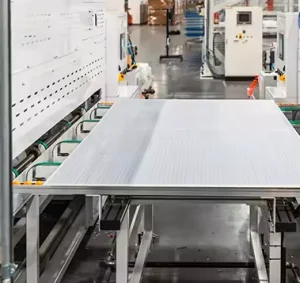
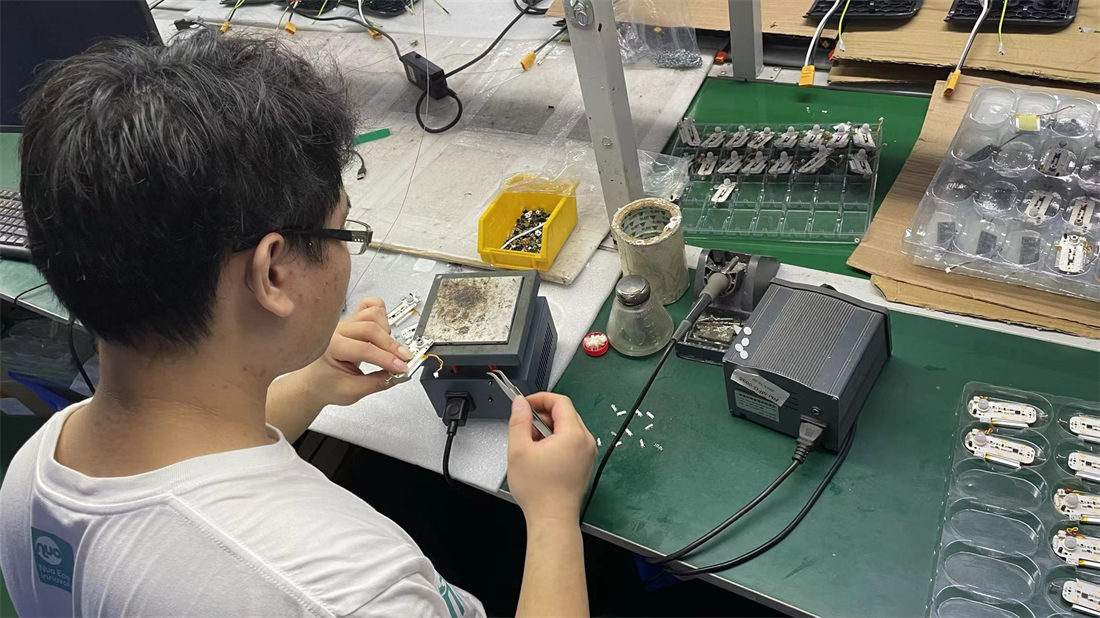
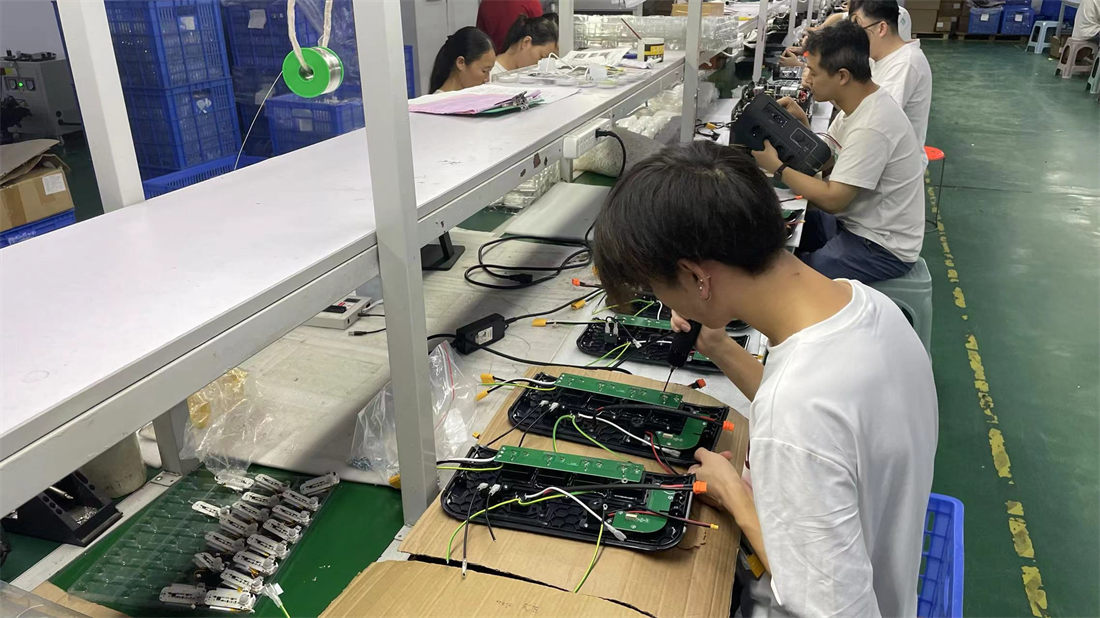
Step-by-step production flow showing our strict quality engineering and automated manufacturing technology.
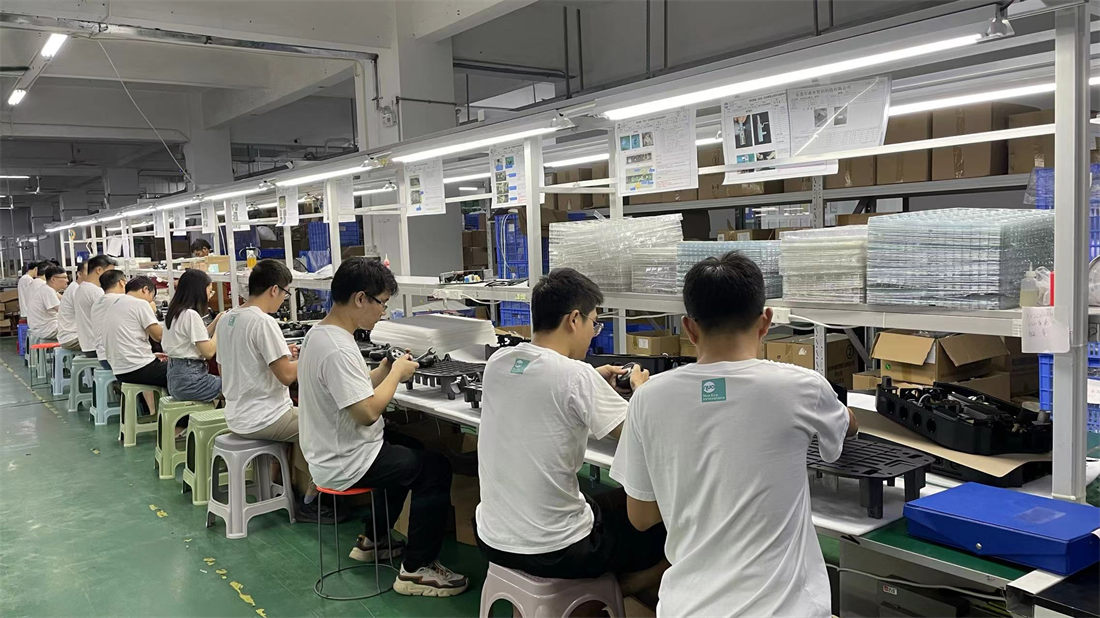
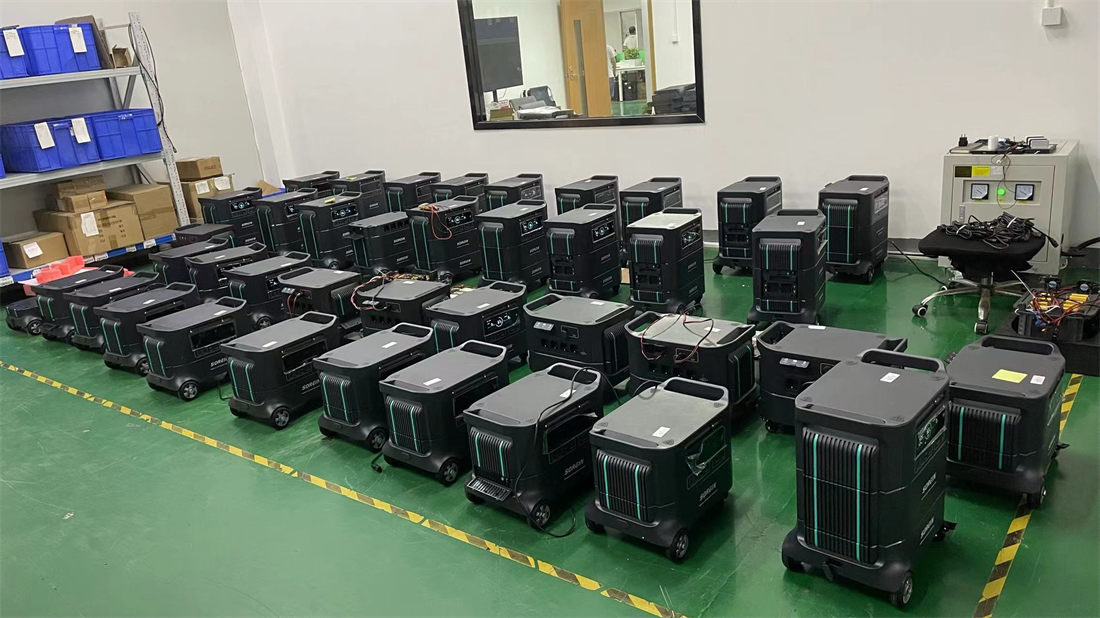
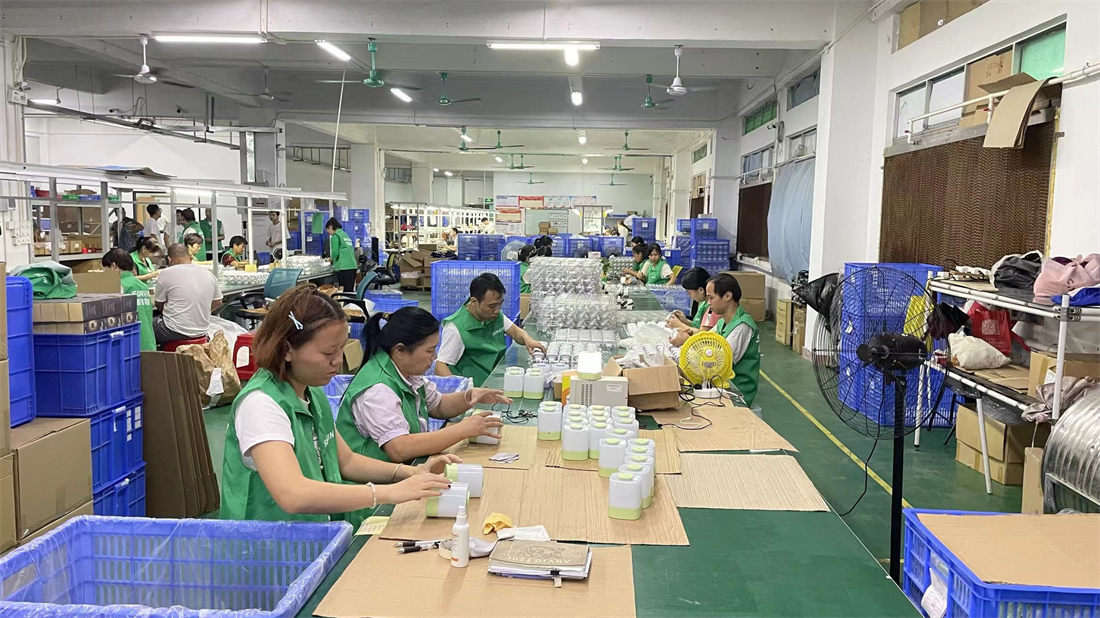
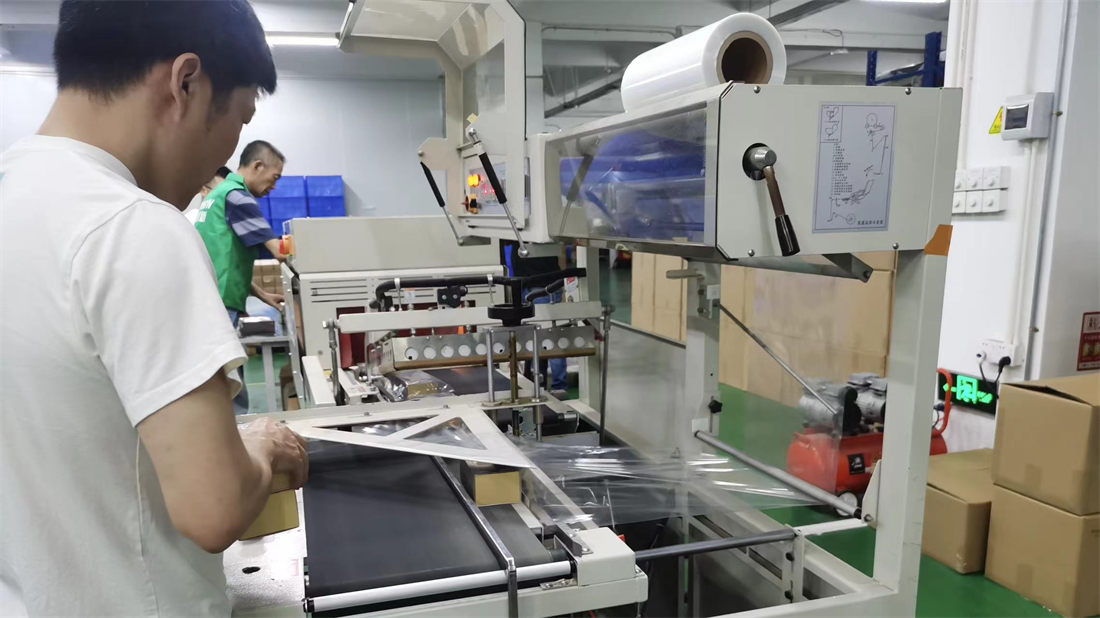
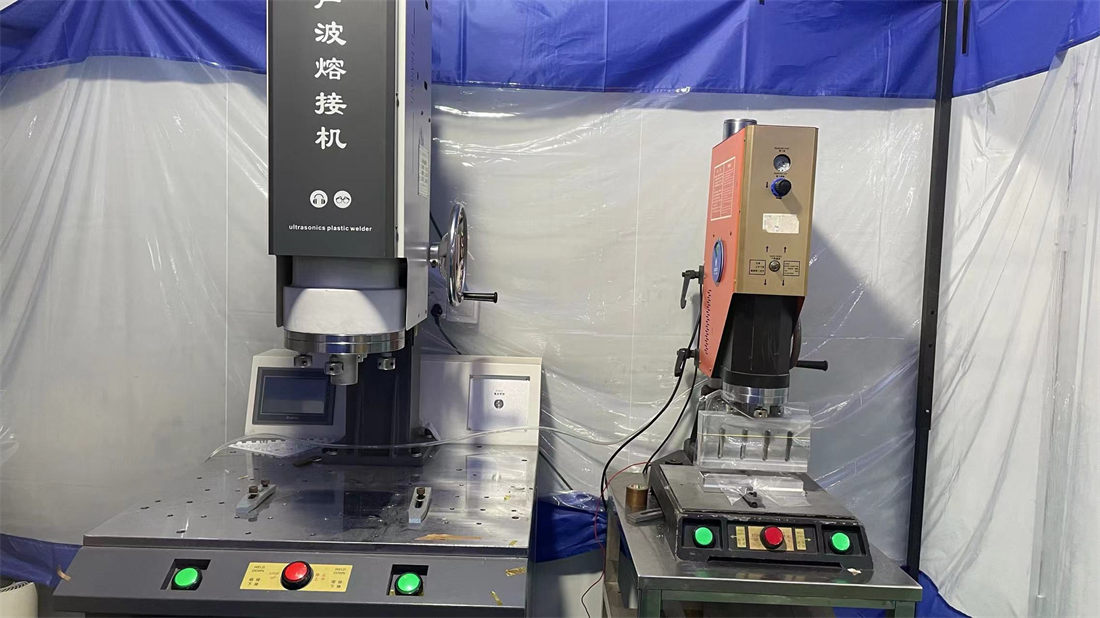
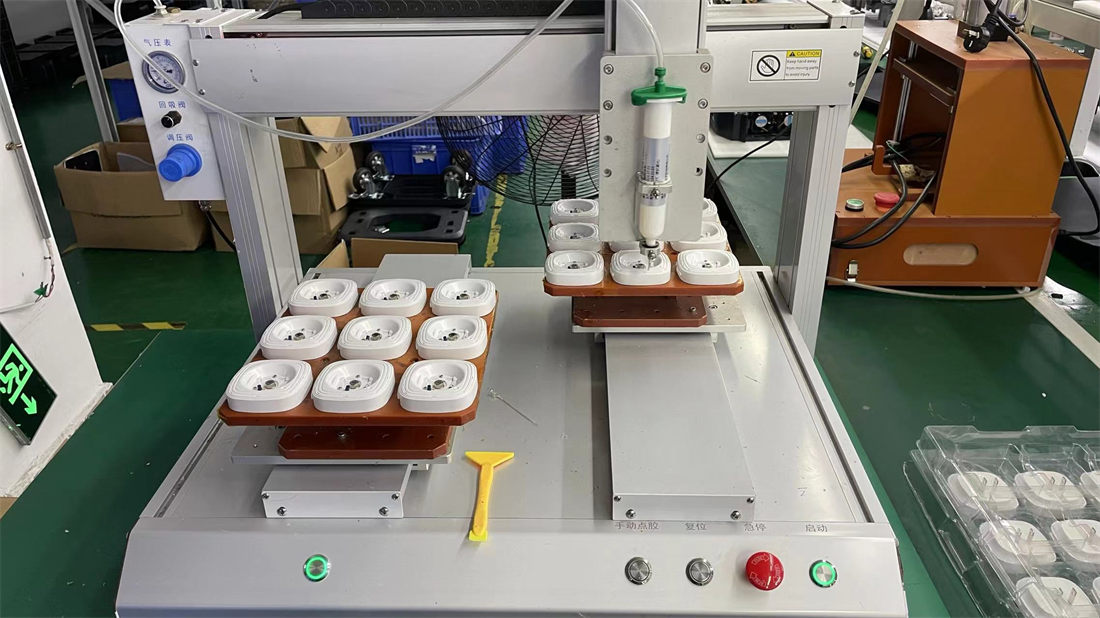
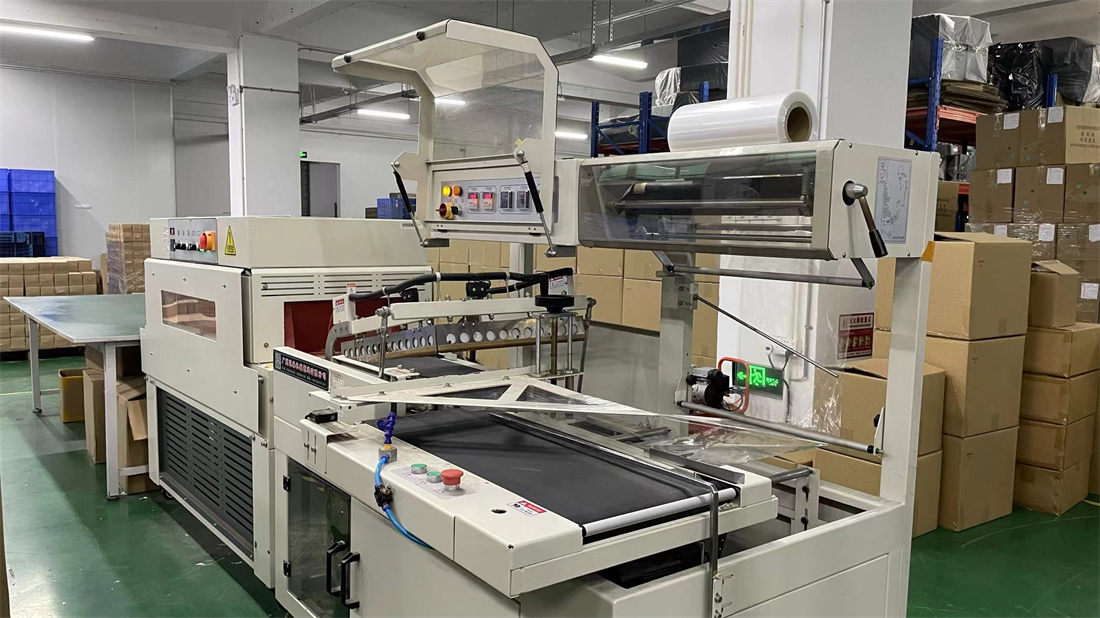
How our Shenzhen manufacturing base leverages vertical integration to deliver high-performance solar assets at scale.
China’s photovoltaic ecosystem produces over 80% of the world's solar components, driving clean energy cost efficiencies. Situated in Shenzhen, Shenzhen Soweglow Solar Co., Ltd. sits directly within the world's most advanced hub for electronics, power semiconductors, and smart control systems. This geographic advantage lets us source high-grade raw silicon, lithium-iron-phosphate (LiFePO4) chemistry, and smart electronics with short lead times and strict control.
By utilizing specialized local machinery—like high-frequency Ultrasonic Welding Machines and computerized Automatic Glue Dispensing Systems—we reduce mechanical error margins. Our manufacturing line integrates raw material sourcing directly with structural assembly, structural potting, and systematic aging tests. This close configuration allows us to ship high-durability products—such as 30-year warranty Mono-Bifacial TOPCon panels, off-grid pure sine wave hybrid inverters, and heavy-duty IP66-rated illumination assemblies—at highly competitive prices.
Helping EPC contractors and industrial developers optimize CAPEX, lower O&M costs, and maximize long-term ROI.
For industrial project managers, procurement decisions look past initial CAPEX, focusing on total cost of ownership (TCO) and long-term yield consistency. System breakdowns, low cell efficiency, and short battery life degrade financial models. System integrators need reliable, industrial-grade equipment designed to withstand tough field conditions.
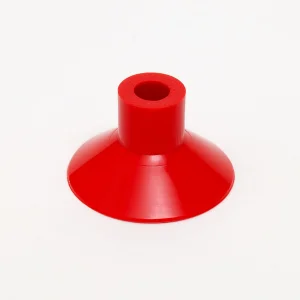
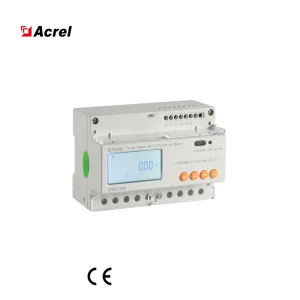
We support global procurement requirements by manufacturing systems with high safety factors. Our heavy-duty mounting suction cups keep panels stable in windy areas, while our 314Ah lithium storage batteries (LiFePO4) use active balance BMS to manage deep discharge cycles. We also provide multi-parameter smart energy meters (like the DTSD1352) to give site operators real-time power data. This detailed visibility helps prevent grid feed-in faults and allows operators to diagnose grid irregularities before they cause downtime.
Adhering to strict international standards to ensure fast grid connection and worry-free operation.
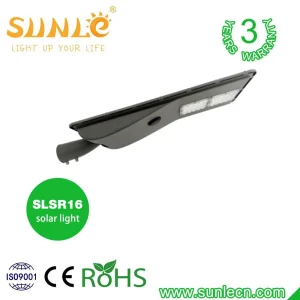
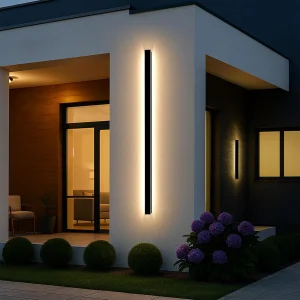
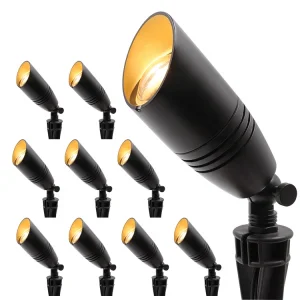
Our outdoor lights and junction boxes are rated IP65, IP66, and IP67. They are tested in water chambers and salt-mist chambers to prevent moisture intrusion, internal corrosion, and short circuits in humid coastal or tropical environments.
Our split-phase hybrid inverters and multi-parameter energy meters meet strict grid standards, preventing reverse currents. Our high-capacity 314Ah LiFePO4 batteries carry UN38.3 and safety certifications, ensuring safe transport and deployment.
We coordinate customs clearance and transport paperwork for destinations worldwide. All shipments are packed using automatic film-shrinking machines to protect sensitive hardware from damp air and ocean transit vibration.
How AI-based monitoring, N-type TOPCon cells, and high-capacity storage are improving operational reliability.
The global solar market is moving toward smart, automated maintenance models. AI-driven monitoring systems are replacing manual checks. High-definition security cameras (like the Willfine G100) now include smart motion detection algorithms. When installed at solar farms, these units protect equipment from theft and monitor weather patterns, sending warning alerts directly to local operators.
At the module level, N-type TOPCon cell technology is quickly replacing older PERC modules. TOPCon panels feature a lower temperature coefficient and improved bifaciality, yielding up to 25% more energy from back-side reflections. In energy storage, developers are shifting to high-capacity 314Ah lithium cells. These cells allow for smaller footprint batteries with higher energy density, simplifying installation and long-term cooling maintenance.
How our integrated products support diverse energy needs in municipal, industrial, and off-grid settings.
From remote construction sites to high-end residential homes, solar power demands vary by application. Our products are engineered for specific, practical scenarios:
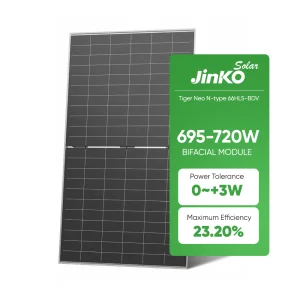
Our high-efficiency 720W bifacial TOPCon panels are built for flat-roof industrial buildings. Combined with three-phase parameter meters, they provide zero-export power to run heavy machinery without feeding unapproved current back to the utility grid.
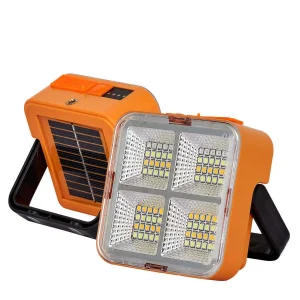
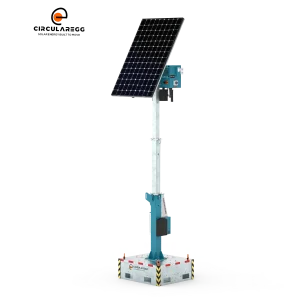
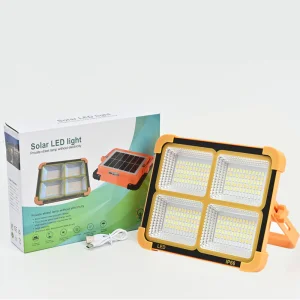
Our 120W LED solar floodlights and mobile CCTV towers provide temporary lighting and security for infrastructure builds, highways, and mining operations. These modular systems require no trenching or cabling and deploy in minutes.
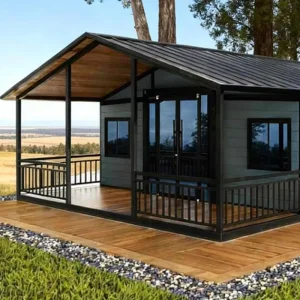
For eco-villas, remote container homes, and research cabins, our hybrid split-phase inverters connect solar panels with 314Ah LiFePO4 batteries. They deliver 24/7 split-phase power (120V/240V) to run household appliances and water pumps.
Technical answers to help buyers evaluate components, battery storage safety, and system maintenance.
Browse our advanced off-grid hybrid inverters, solar panels, and smart security devices built for tough field environments.
 Soweglow Solar