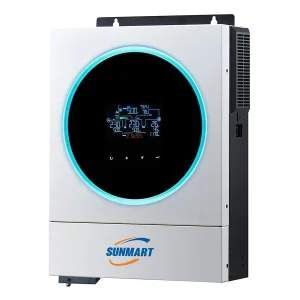
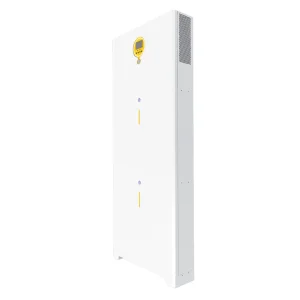
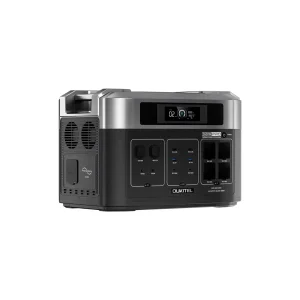
Explore our industrial-grade components, smart grid hybrid inverters, off-grid systems, and high-efficiency lighting arrays tailored for global C&I buyers.
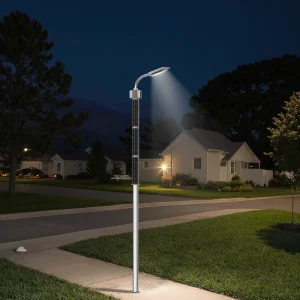
Navigating technology transitions, financial dynamics, and systemic disruptions within the utility, commercial, and residential solar sectors.
The global energy sector is transitioning from centralized, carbon-heavy fossil fuel distribution grids to highly decentralized, smart clean energy ecosystems. As solar photovoltaic (PV) technology crosses the threshold of grid parity in over 85% of global territories, the conversation has shifted. Industry leaders are no longer merely looking at peak power capacity; the priority has evolved to grid stability, energy autonomy, and system intelligence. The Integration of smart battery energy storage systems (BESS), coupled with hybrid inverter technologies, forms the core of this transition. This allows commercial operators and municipal developers to transform variable solar generation into a reliable baseload power resource.
Crucial to this evolution is the transition of cell technologies. The industry has rapidly pivoted from traditional p-type PERC (Passivated Emitter and Rear Cell) structures toward n-type TOPCon (Tunnel Oxide Passivated Contact) and HJT (Heterojunction Technology) cell layouts. N-type architectures offer lower temperature coefficients, reduced Light-Induced Degradation (LID), and superior bifaciality factors. These improvements directly translate into higher energy yields over the system's operational lifetime, maximizing return on investment (ROI) for global utility projects and commercial installations alike.
Commercial and Industrial (C&I) enterprises face distinct hurdles when procuring solar systems. Key considerations include ensuring equipment durability, maintaining supply chain transparency, and complying with stringent safety standards like UL, CE, RoHS, and DLC. When purchasing large volumes of solar modules, inverters, and battery banks, long-term performance is critical. A system with inferior components may yield attractive initial cost savings, but it risks early failure, high maintenance overheads, and potential liability issues from thermal incidents.
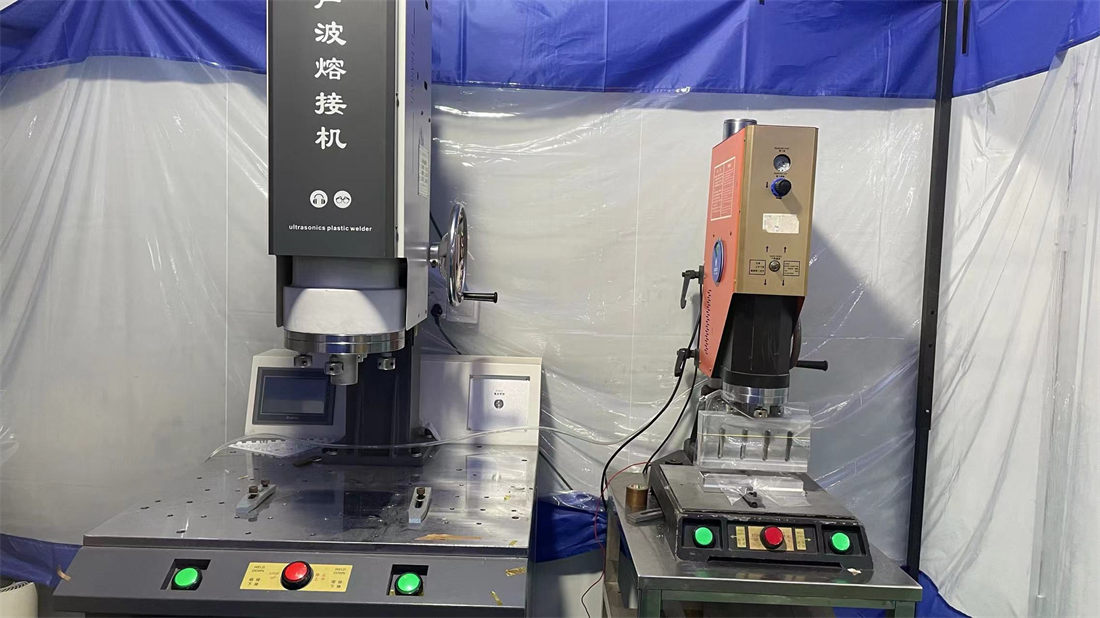
Reliable procurement teams mitigate these operational risks by evaluating suppliers against strict E-E-A-T criteria. Working directly with verified Chinese manufacturing facilities that operate under ISO 9001, ISO 14001, and ISO 45001 standards ensures consistent production quality. For instance, testing structural components with modern ultrasonic welding and conducting thermal performance checks under load are essential practices to ensure system reliability.
| Cell Technology Type | Standard Efficiency Range | Temperature Coefficient | Degradation Profile | Primary Target Application |
|---|---|---|---|---|
| n-Type TOPCon | 22.5% – 25.5% | -0.30% / °C | <0.4% annually (years 2-30) | Utility & High-Yield Commercial Projects |
| p-Type PERC | 20.5% – 22.8% | -0.35% / °C | <0.55% annually (years 2-25) | Budget-Constrained Residential & Street Lights |
| Heterojunction (HJT) | 23.0% – 26.0% | -0.26% / °C | <0.35% annually (years 2-30) | Extreme Climate Environments & Premium Arrays |
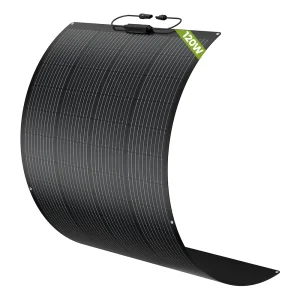
| Flexible Monocrystalline | 19.0% – 21.5% | -0.38% / °C | <0.7% annually (years 2-15) | Mobile Off-Grid, Camping, RVs, Yachts |
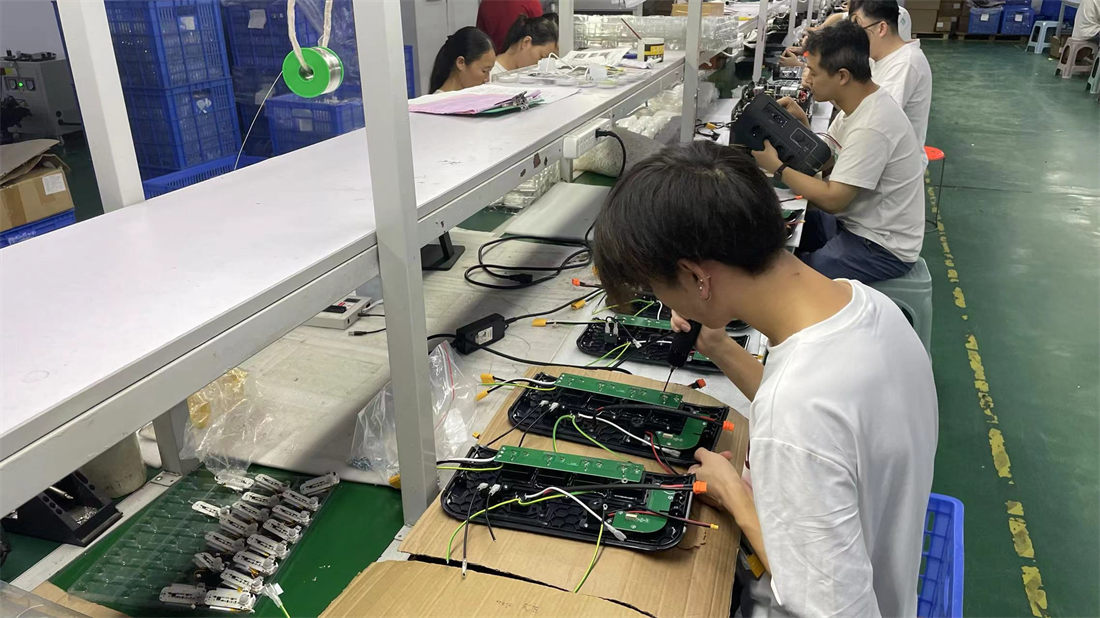
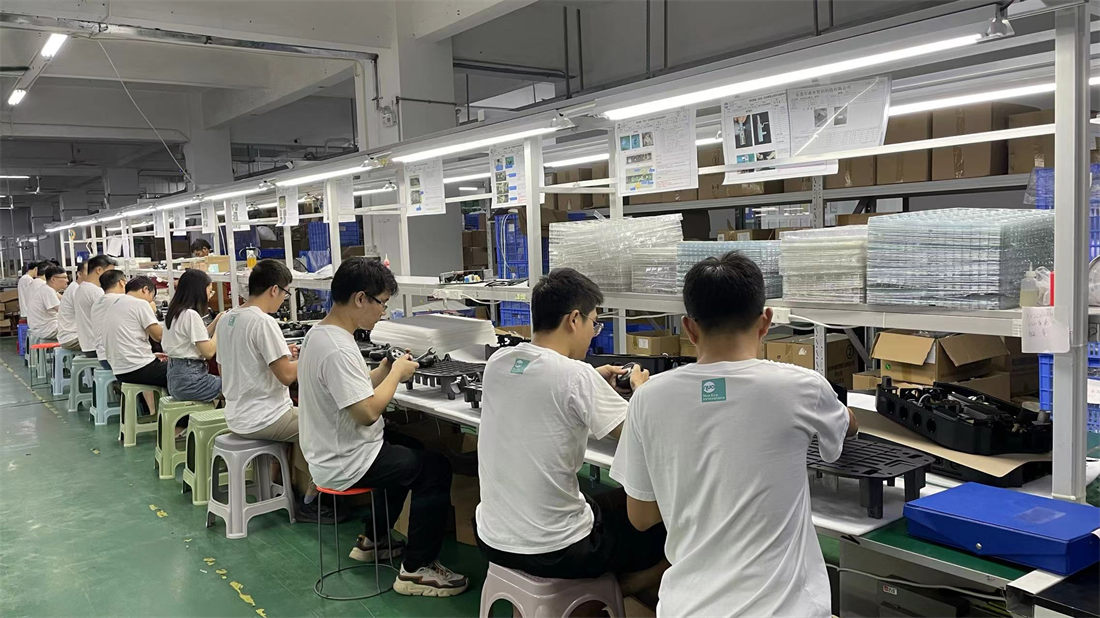
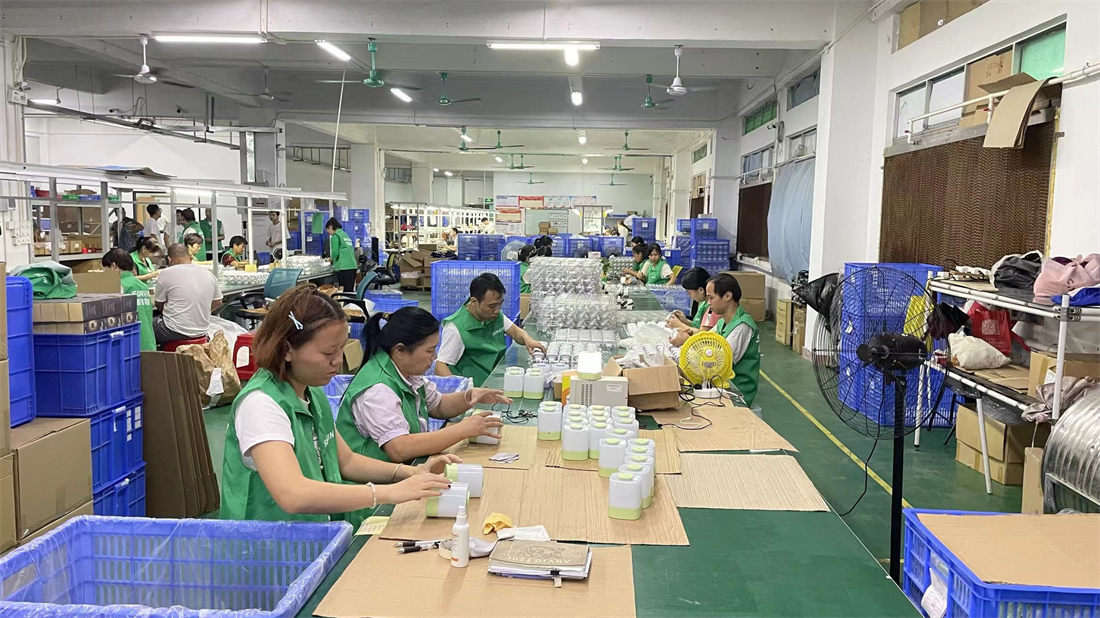
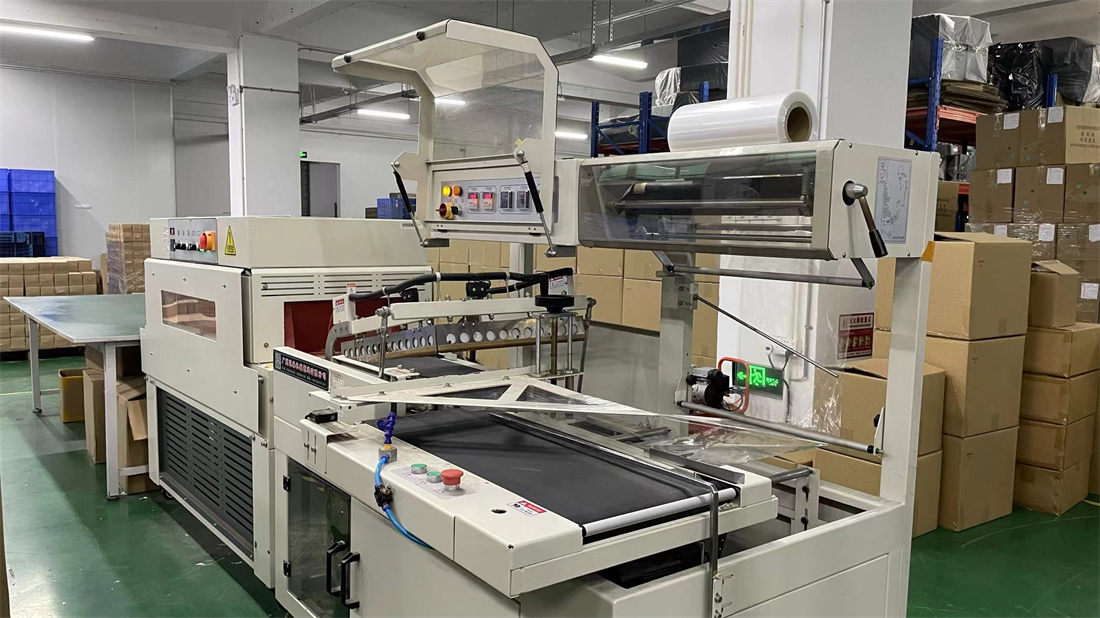
China's photovoltaic manufacturing ecosystem has transitioned from high-volume assembly to advanced Industry 4.0 automation. This shift is characterized by integrated supply chains, automated optical inspection (AOI), robotic component handling, and real-time process monitoring. Our production center, located in Shenzhen, China, operates at the heart of this technological environment. We leverage regional logistics, component suppliers, and precision engineering talent to deliver reliable solar equipment to international markets.
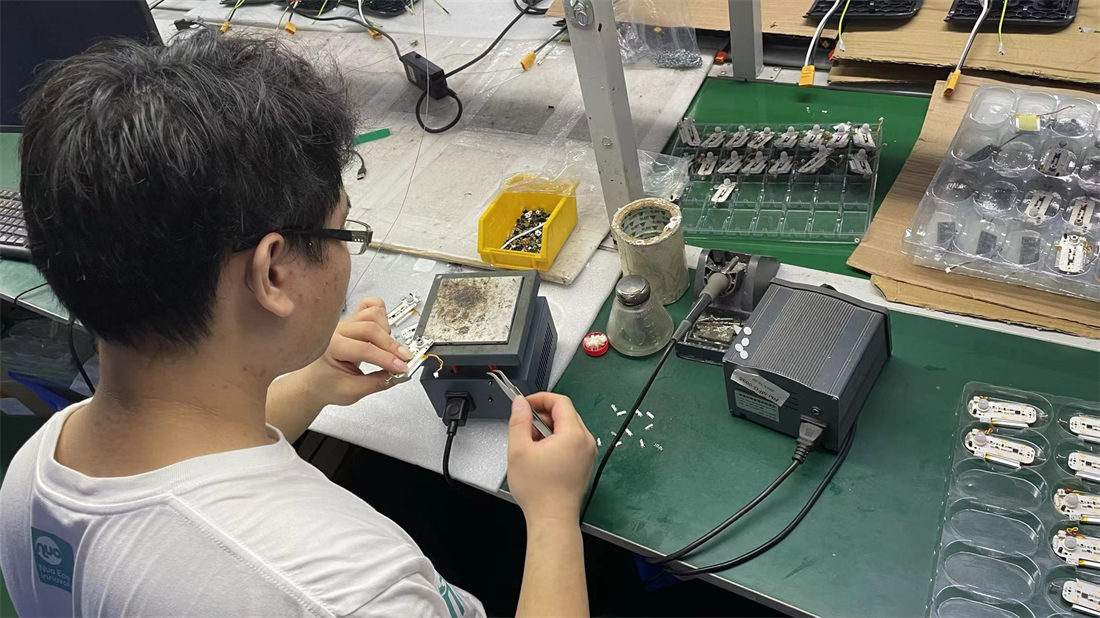
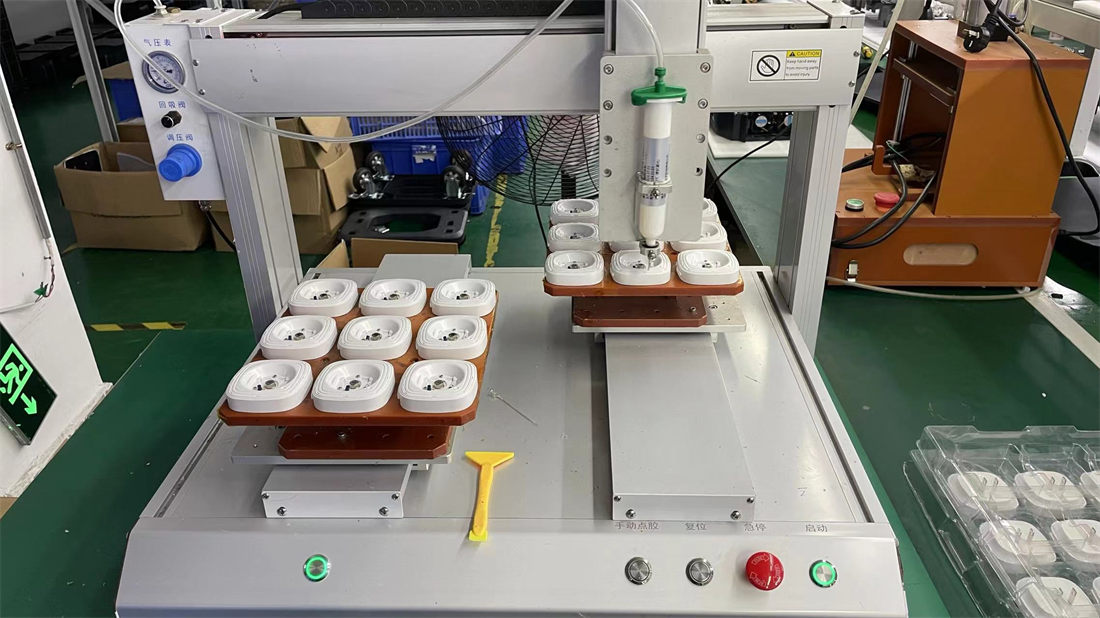
Modern production quality relies on strict engineering standards. At our facility, automation minimizes human-error variables. High-resolution optical systems inspect solar cells for micro-cracks invisible to the naked eye. Automated glue dispensers apply weatherproof gaskets uniformly to prevent moisture ingress, while high-frequency ultrasonic welding creates reliable electrical connections capable of withstanding thermal contraction and expansion cycle stress.
We utilize high-speed tabber-stringer machinery to solder ribbon contacts to PV cells, maintaining precise thermal controls to prevent micro-cracking and hot spots.
Dual electroluminescence tests are conducted before and after lamination, scanning for micro-fractures, electrical open circuits, or alignment flaws.
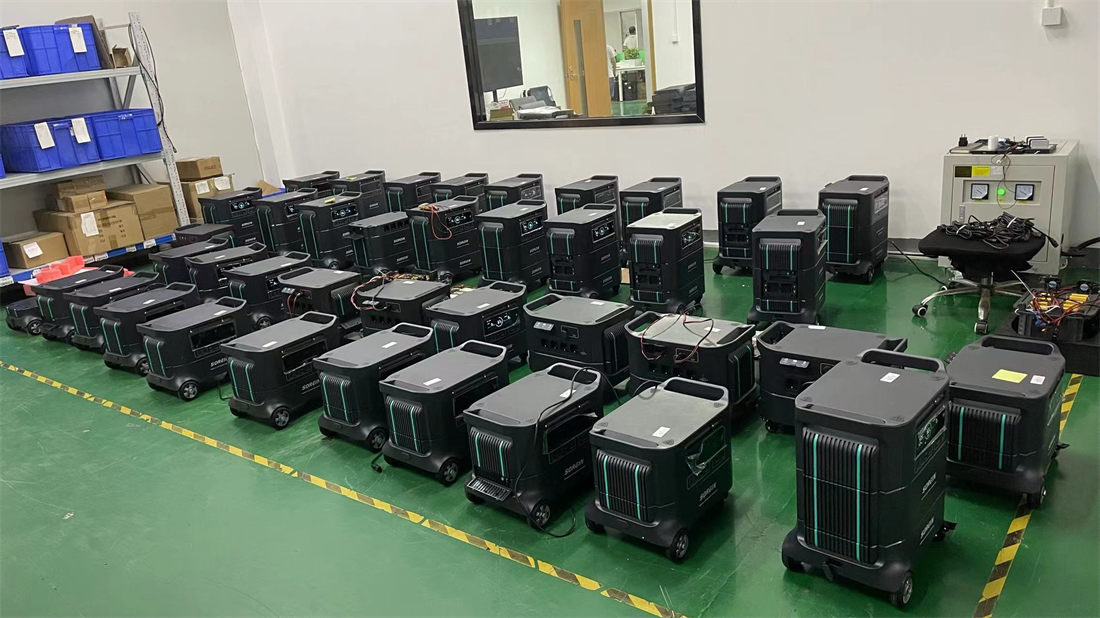
Lithium Iron Phosphate (LiFePO4) battery cells and smart electronics are subjected to high-temperature aging cycles under maximum load conditions.
A Professional Solar Manufacturer & Quality Assurance Pioneer based in Shenzhen, China.
Shenzhen Soweglow Solar Co., Ltd. is a professional and reliable manufacturer and supplier specializing in solar energy products, renewable energy solutions, and intelligent solar lighting systems. Located in Shenzhen, China, one of the world's most innovative and dynamic technology hubs, we have been committed to the solar industry for many years, providing high-quality products and customized energy solutions to customers worldwide.
Driven by the mission of promoting clean energy and sustainable development, Soweglow Solar focuses on delivering efficient, environmentally friendly, and cost-effective solar products that help reduce energy consumption and carbon emissions. Through continuous innovation, strict quality control, and customer-oriented service, we have established long-term partnerships with clients across Europe, North America, South America, Africa, Southeast Asia, and the Middle East.
Our experienced team possesses extensive expertise in solar lighting, photovoltaic systems, energy storage solutions, project management, manufacturing, and international business. We continuously invest in research and development to ensure our products meet evolving market demands and international quality standards.
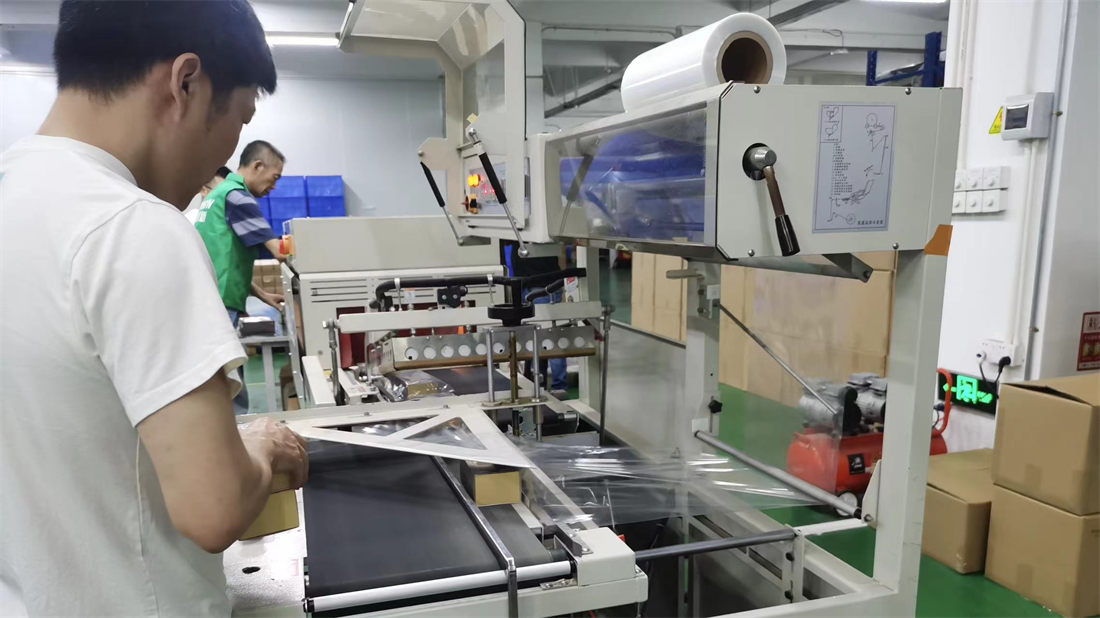
Quality is the foundation of our business. Every product undergoes strict quality inspections throughout the entire production process, from raw material selection to final assembly and shipment. Our manufacturing facilities operate under comprehensive quality management systems to ensure product reliability, safety, and long service life. We continuously improve our production processes and technology to provide products that comply with international certifications and industry standards.
To accelerate the adoption of renewable energy by providing innovative, efficient, and sustainable solar solutions that create long-term value for customers and contribute to a greener future.
Analyzing key drivers of industrial solar adoption across global regions, and how decentralized infrastructure mitigates energy challenges.
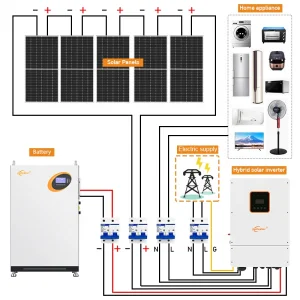
For industrial operators, electricity supply disruptions directly impact production. A power outage lasting only minutes can disrupt continuous-flow manufacturing, spoil sensitive goods, and damage machinery, leading to significant financial losses. Modern commercial facilities are reducing their reliance on centralized grids by adopting on-site hybrid solar systems. Deploying high-capacity LiFePO4 battery storage alongside intelligent bi-directional hybrid inverters provides clean, seamless backup power. In the event of grid failure, these systems switch to backup mode in milliseconds, maintaining facility operations without interruption.
Every geographical region presents unique regulatory, environmental, and financial drivers for solar integration:
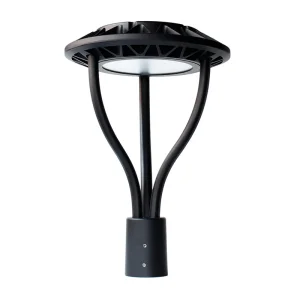
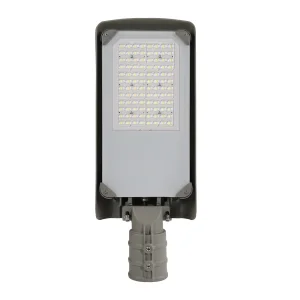
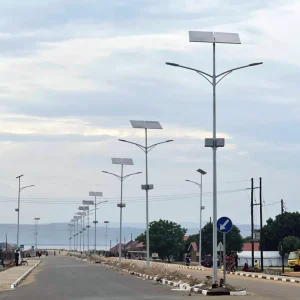
Our DC/AC hybrid outdoor street light systems provide continuous illumination along arterial roads. These fixtures automatically manage power draws, drawing from local battery storage and switching to AC grid power only when solar reserves are depleted during long periods of overcast weather.
In isolated farming communities far from utility infrastructure, microgrids utilizing 5KW to 30KW hybrid solar kits establish localized energy grids. This enables reliable operation of agricultural water pumps, domestic appliances, and community refrigeration systems.
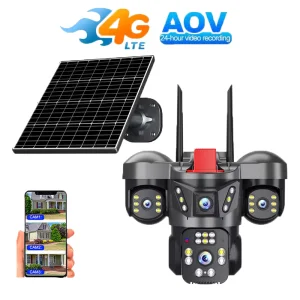
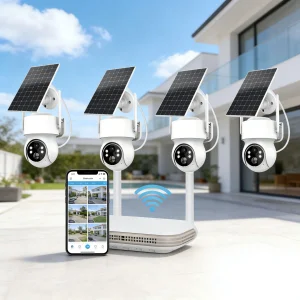
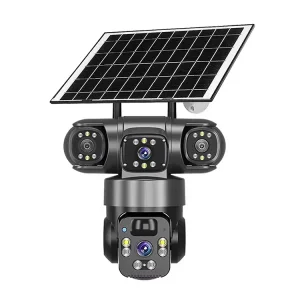
Protecting remote infrastructure like oil pipelines or construction yards requires continuous security monitoring. Our 4G/WiFi low-power outdoor solar cameras operate independently, utilizing small integrated batteries to maintain security coverage indefinitely.
Detailed technical answers for EPC contractors, sourcing leads, and solar design engineers.
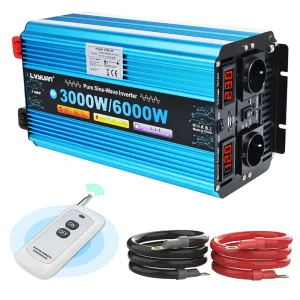
Off-grid solar inverters operate independently of the utility grid, converting DC power stored in battery banks to AC power for local loads. They cannot feed excess power back to the grid and rely entirely on solar generation or auxiliary generators when batteries are depleted. In contrast, hybrid inverters are connected to both the battery system and the utility grid. They intelligently manage energy flow, drawing power from the grid during high-demand periods, feeding excess solar energy back to the grid for net-metering credits, and charging batteries when rates are low, optimizing energy costs.
LiFePO4 chemistry offers significant performance advantages for industrial energy systems. They support over 6,000 charge cycles at 80% depth of discharge (DoD), compared to lead-acid batteries which typically yield only 500 to 1,500 cycles. Additionally, LiFePO4 batteries feature high thermal stability, reducing safety risks, and possess high energy density, requiring less space. Their faster recharge rate and high discharge efficiency also lower the overall levelized cost of storage (LCOS) over the lifecycle of the system.
An IP66 rating indicates a dust-tight enclosure protected against high-pressure water jets. In highway installations, lighting systems are subjected to severe environmental stress, including wind-blown dust, rain, and road debris. The IP66 rating prevents moisture and particulates from entering the optical assembly and driver housing, preserving internal electronics and preventing early lumen depreciation or electrical short circuits.
ETFE (Ethylene Tetrafluoroethylene) is a highly durable fluoropolymer film. Compared to cheap PET coatings, ETFE offers superior light transmittance, UV resistance, and self-cleaning properties. It withstands prolonged exposure to harsh sunlight without yellowing or cracking, protecting the underlying solar cells. Additionally, ETFE's textured surface reduces light reflection, capturing more angled sunlight throughout the day to maximize energy generation.
LCOE is calculated by dividing the total lifetime cost of the solar system (including initial CAPEX, financing costs, and ongoing O&M expenses) by the total estimated energy output (in kWh) over the system's operational lifespan. By factoring in annual panel degradation and potential inverter replacements, this metric allows procurement teams to accurately compare solar generation costs against retail utility electricity rates to verify project viability.
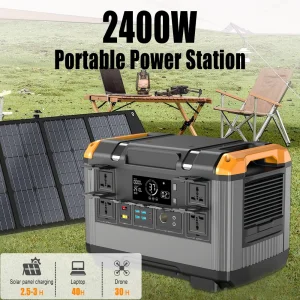
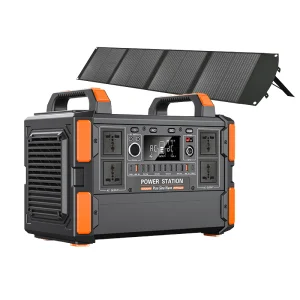
Explore our portable solar generators, high-density LiFePO4 battery modules, and compact off-grid backup systems for remote operations.
 Soweglow Solar