Soweglow Solar
1 / 5
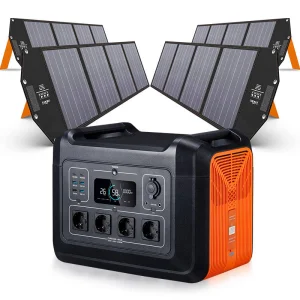
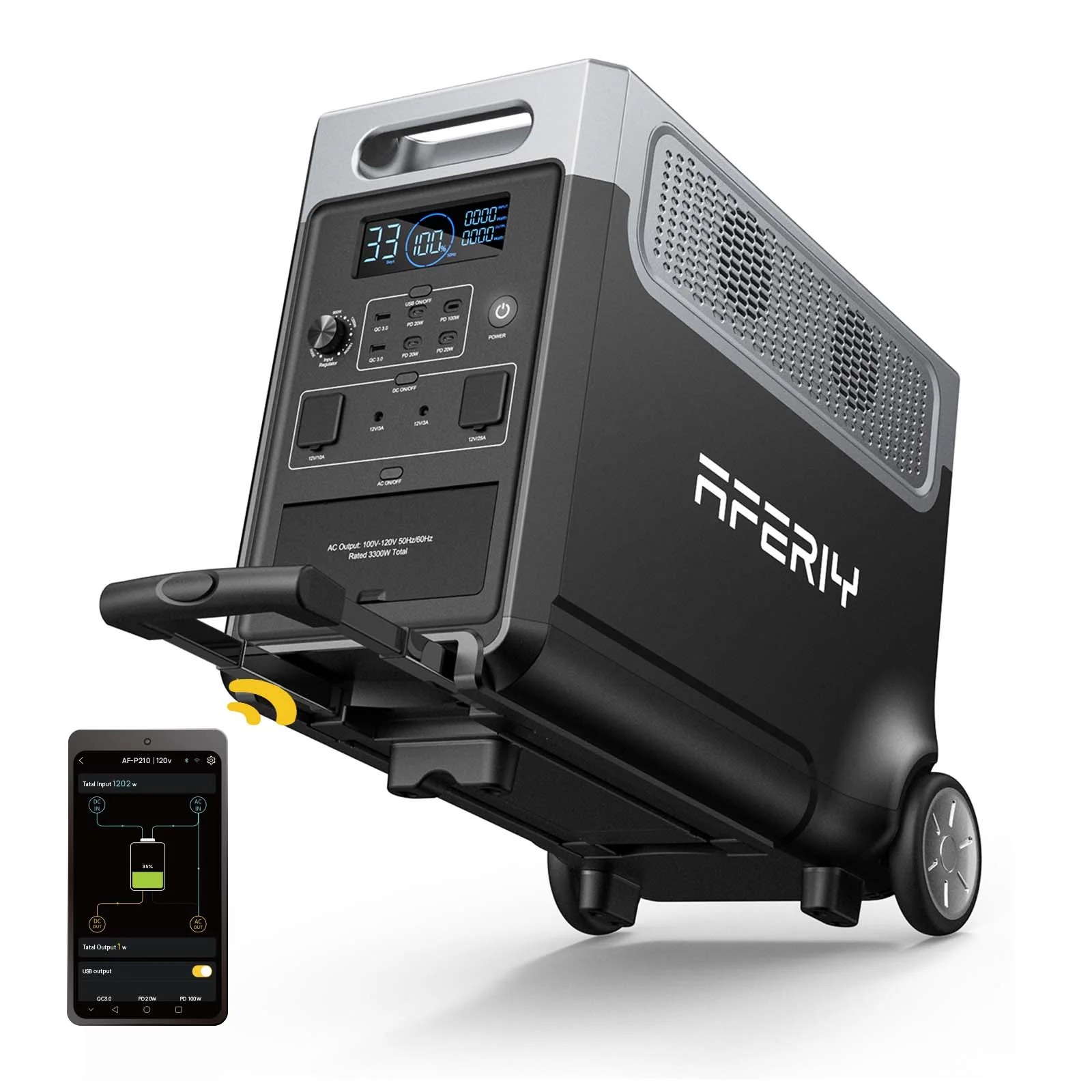
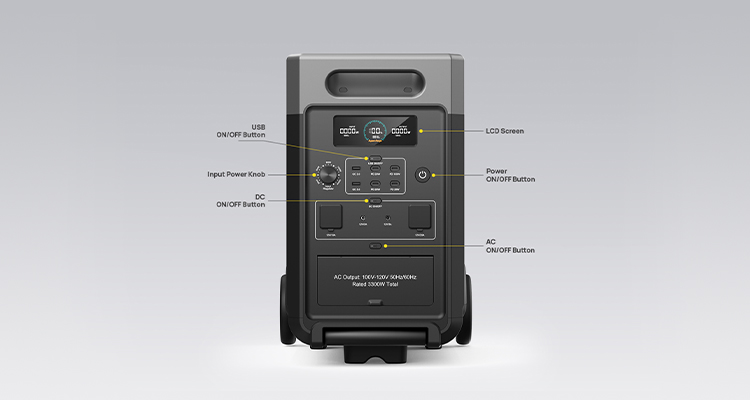
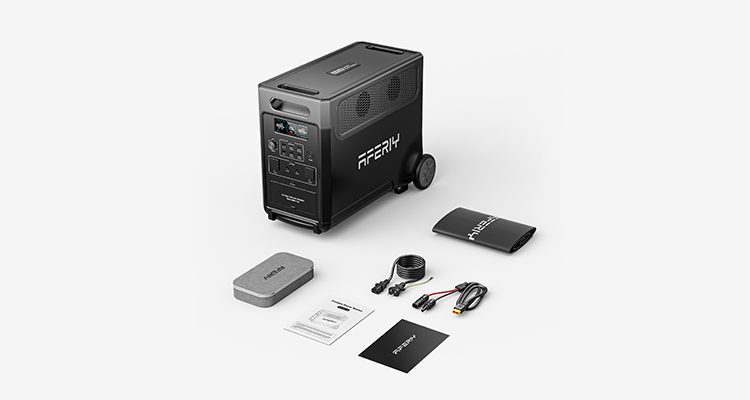
| Product name | 3600W Portable Power Station |
| Product Size | L*W*H=584*321*464mm |
| Product weight | 40kg |
| Capacity | 3840Wh |
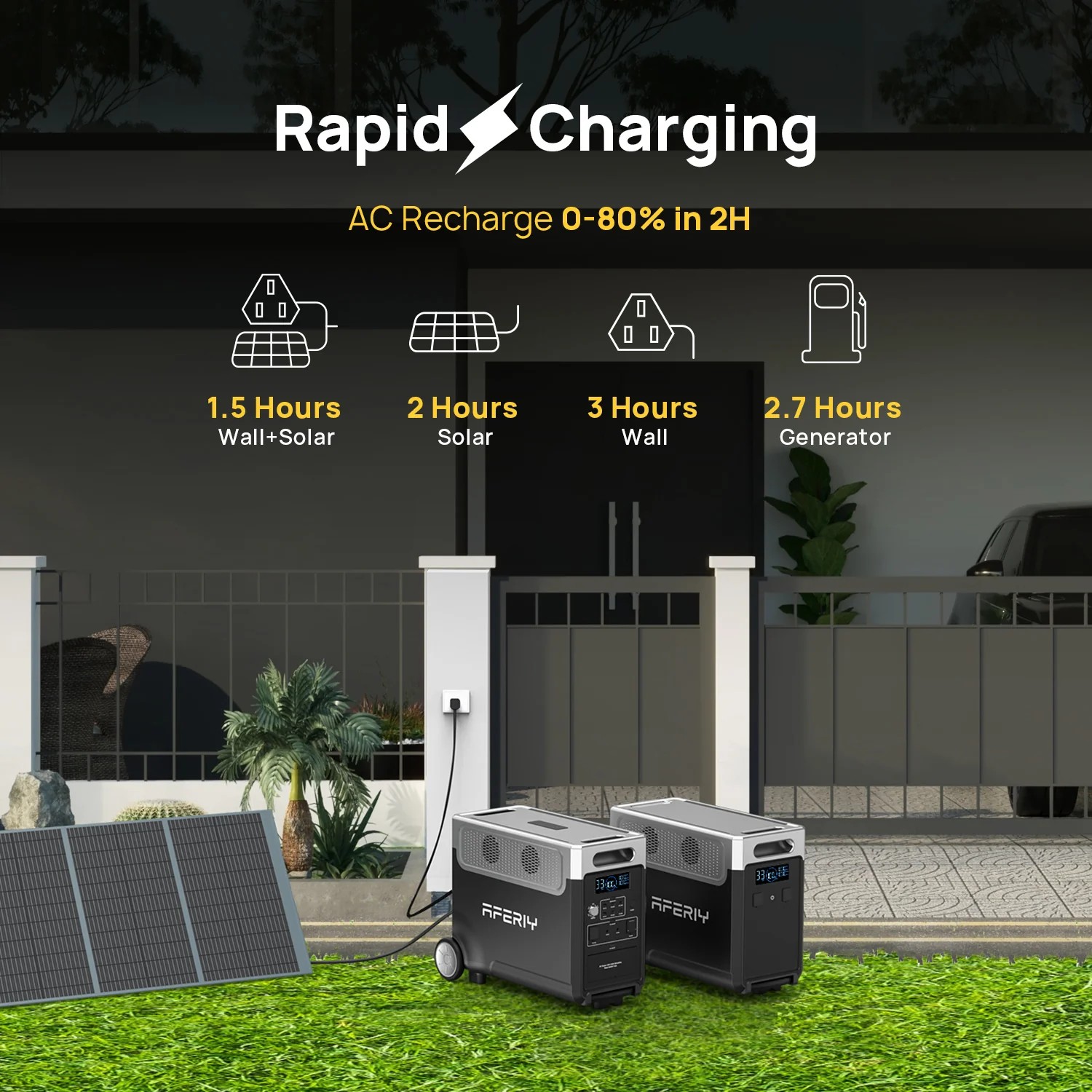
| AC charging | 100V-120V 1500W max, 220V-240V 2200W max |
| XT90 input | 12-160V 2000W max |
| AC output | 100V-120V, rated 3300W; 220V-240V, rated 3600W |
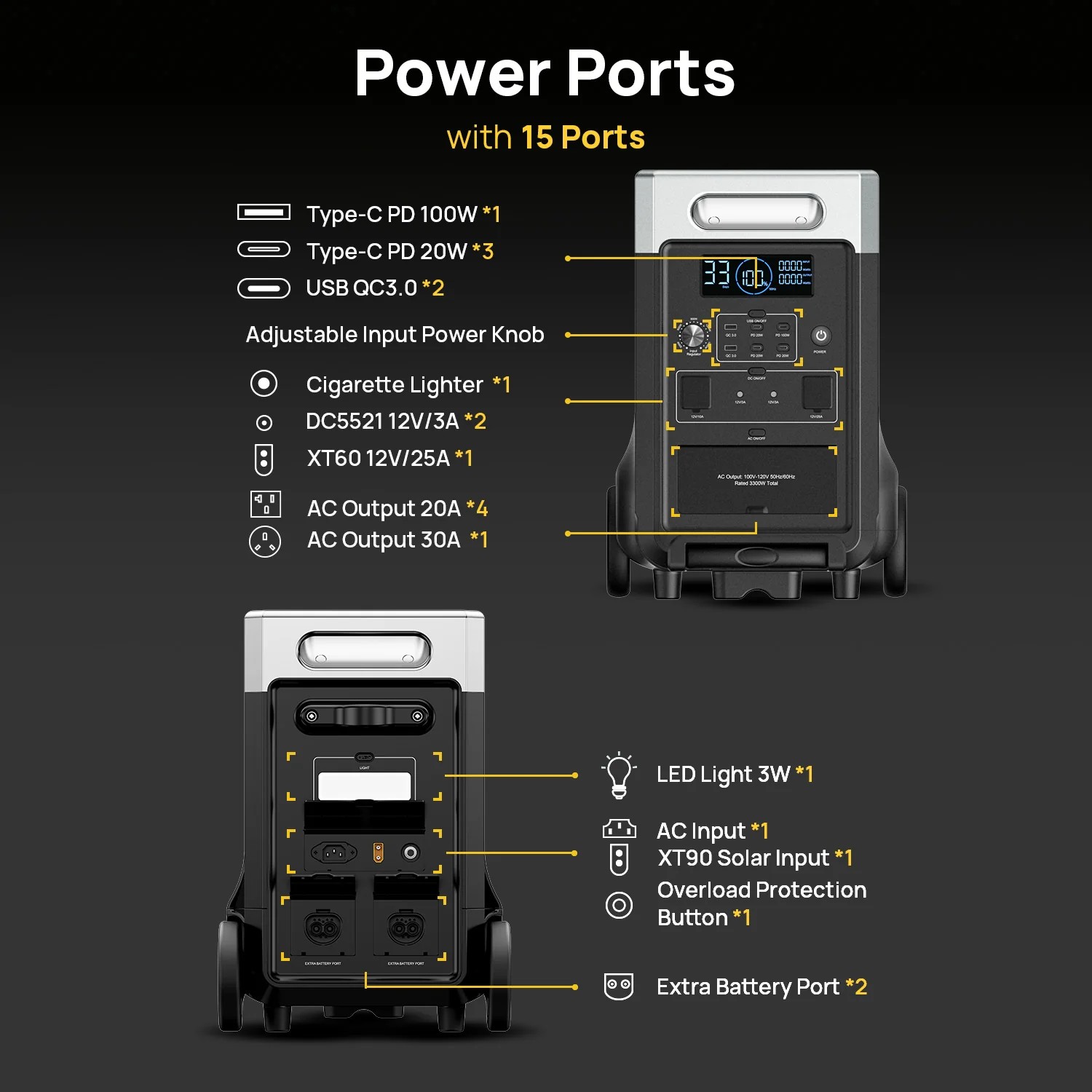
| USB-A Output | (QC3.0 18W)*2 |
| Type-C 1/Type-C 2 | (PD20W)*3 / (PD100W)*1 Included PD3.0 protocol |
| DC5521 | 12V/3A*2 |
| XT-60 output/Car Charging Output | 12V/25A / 12V/10A |
| Shutdown Current | <500uA |
| Working Temperature | -10-40°C |
| Environment humidity | ≤90%RH |
| Cycle Times | 3500 times |
| Battery type | 40135LifePo4 |
| Single cell rated voltage | 3.2V |
| Single cell rated capacity | 20Ah |
| Battery pack rated voltage | 48V |
| Battery pack output voltage | 40V-54V |
| Battery pack rated capacity | 3840Wh |
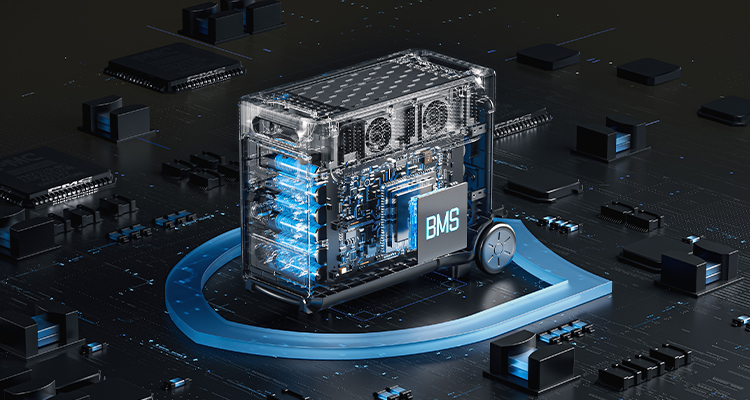
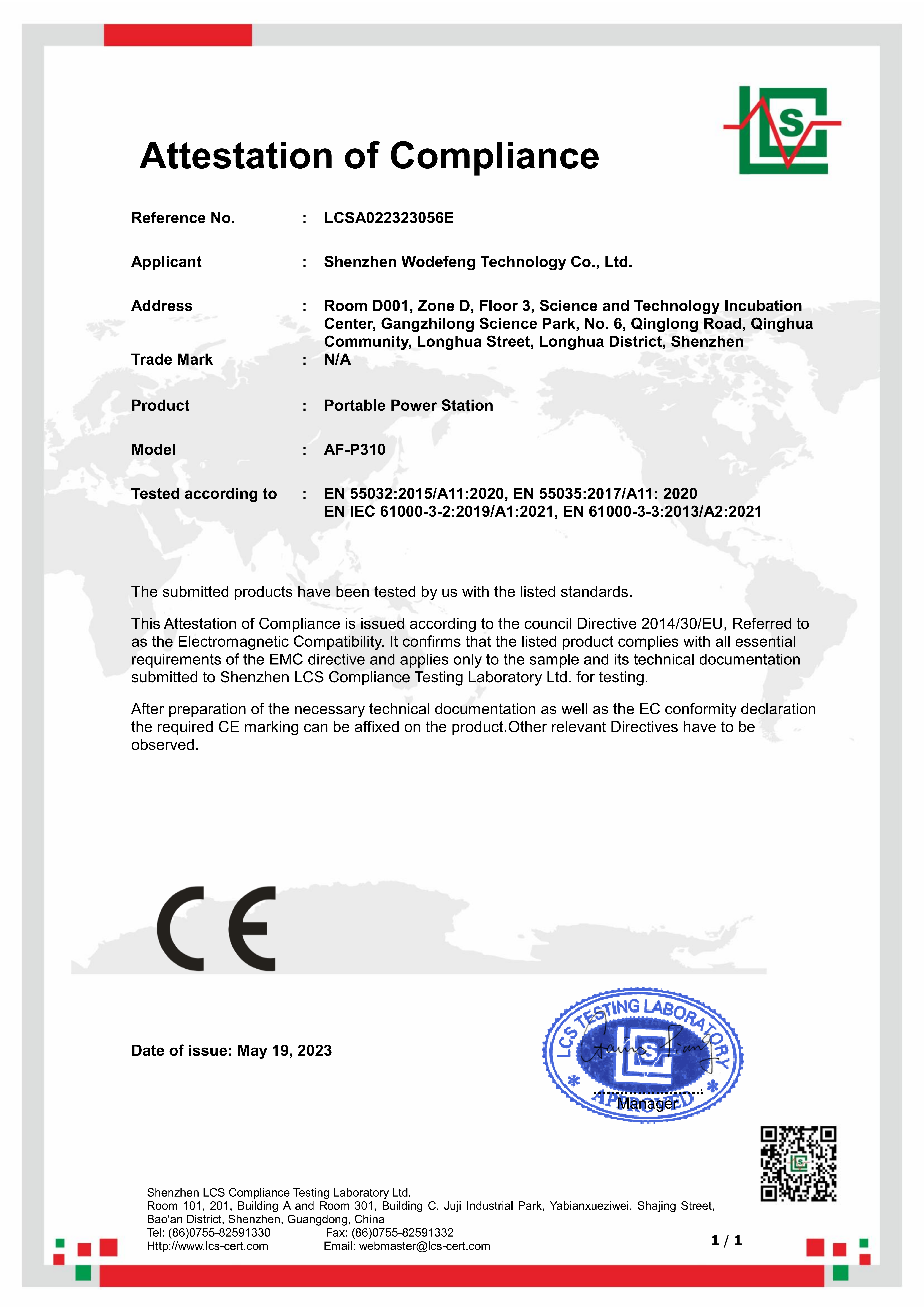
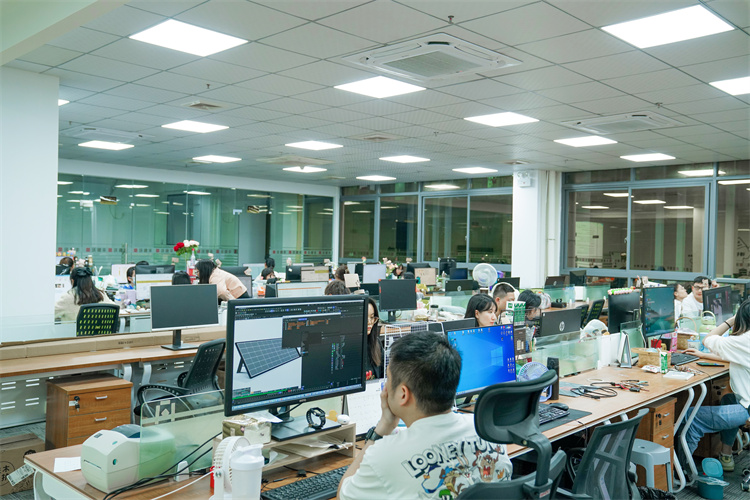
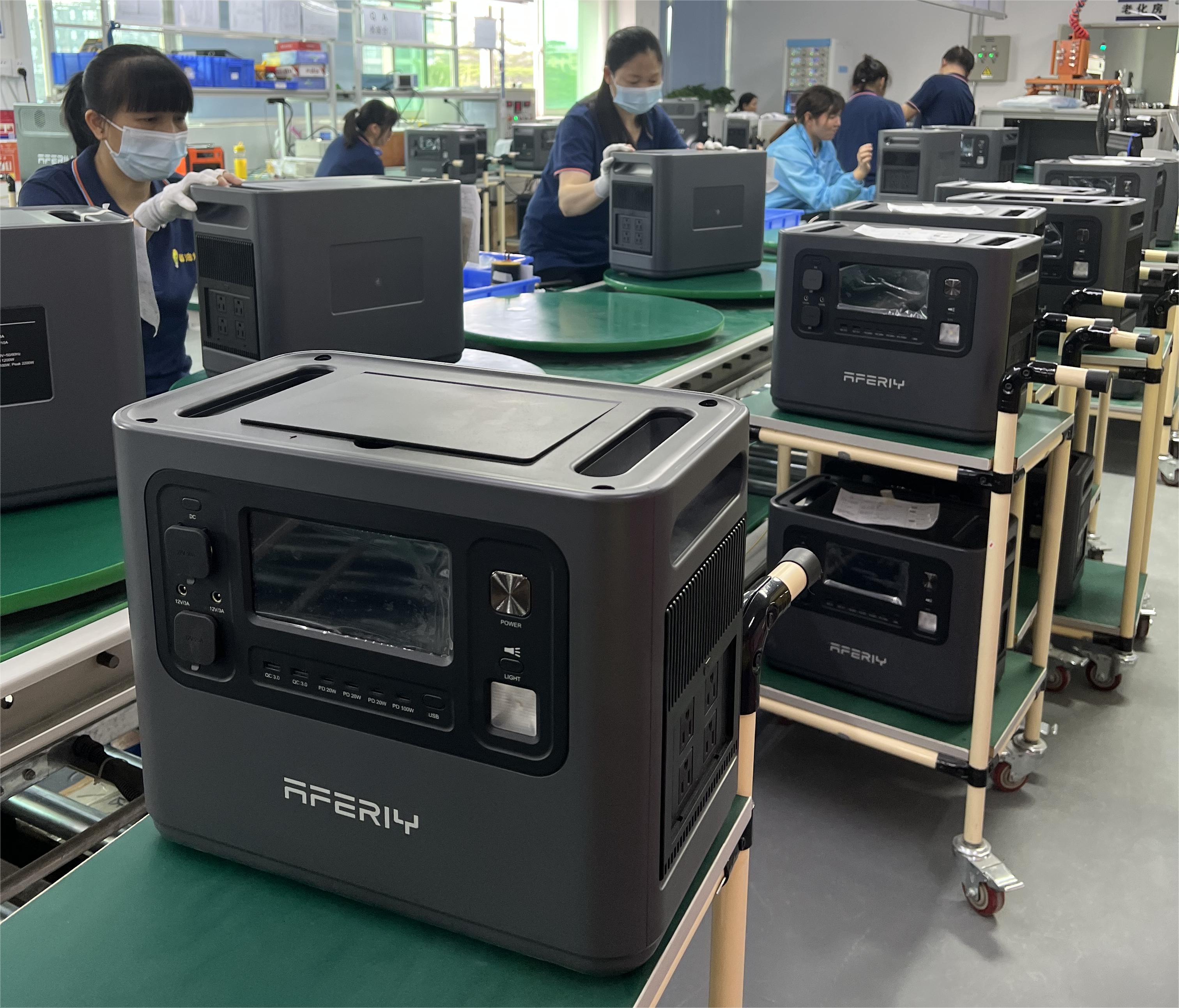
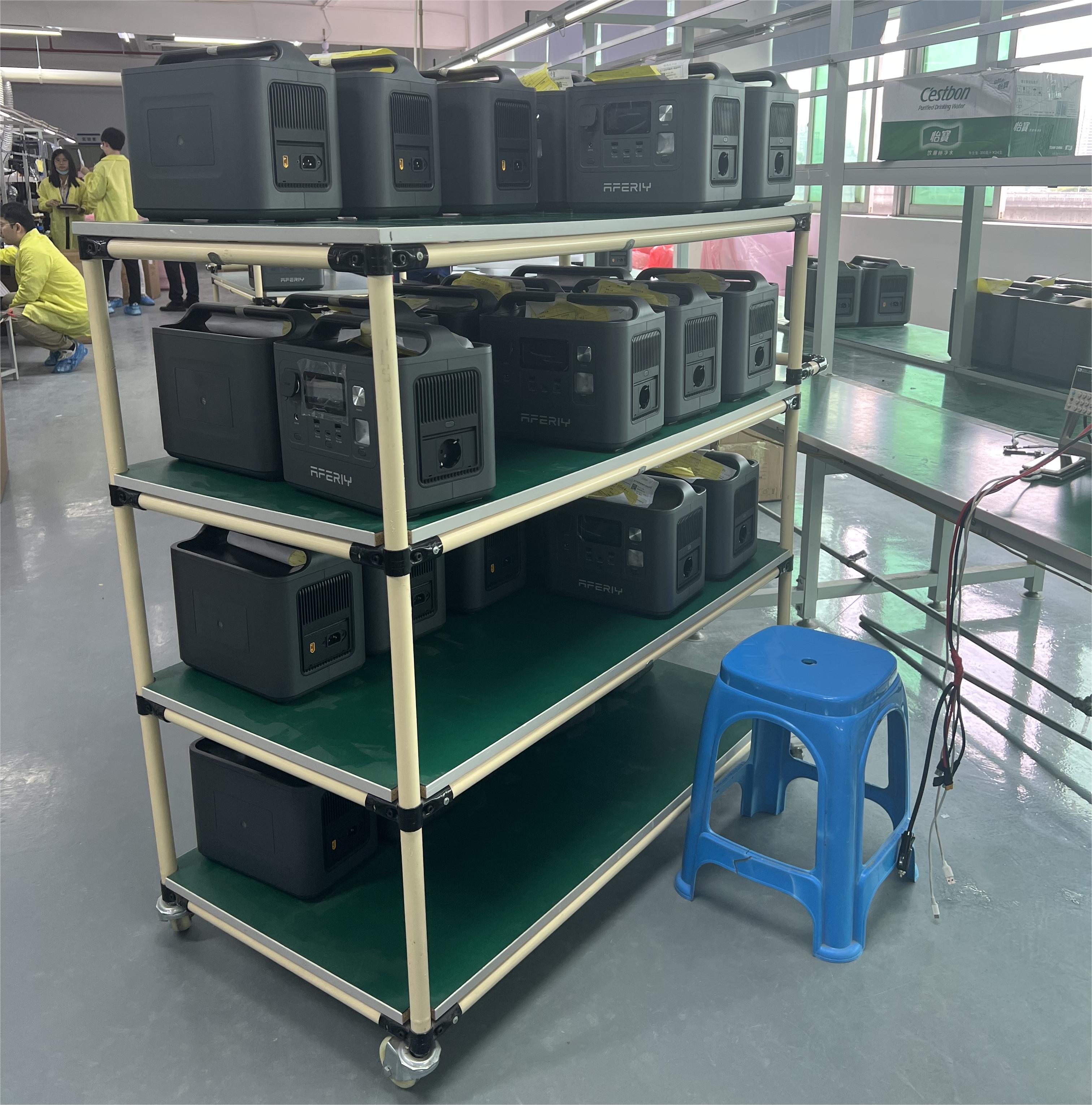
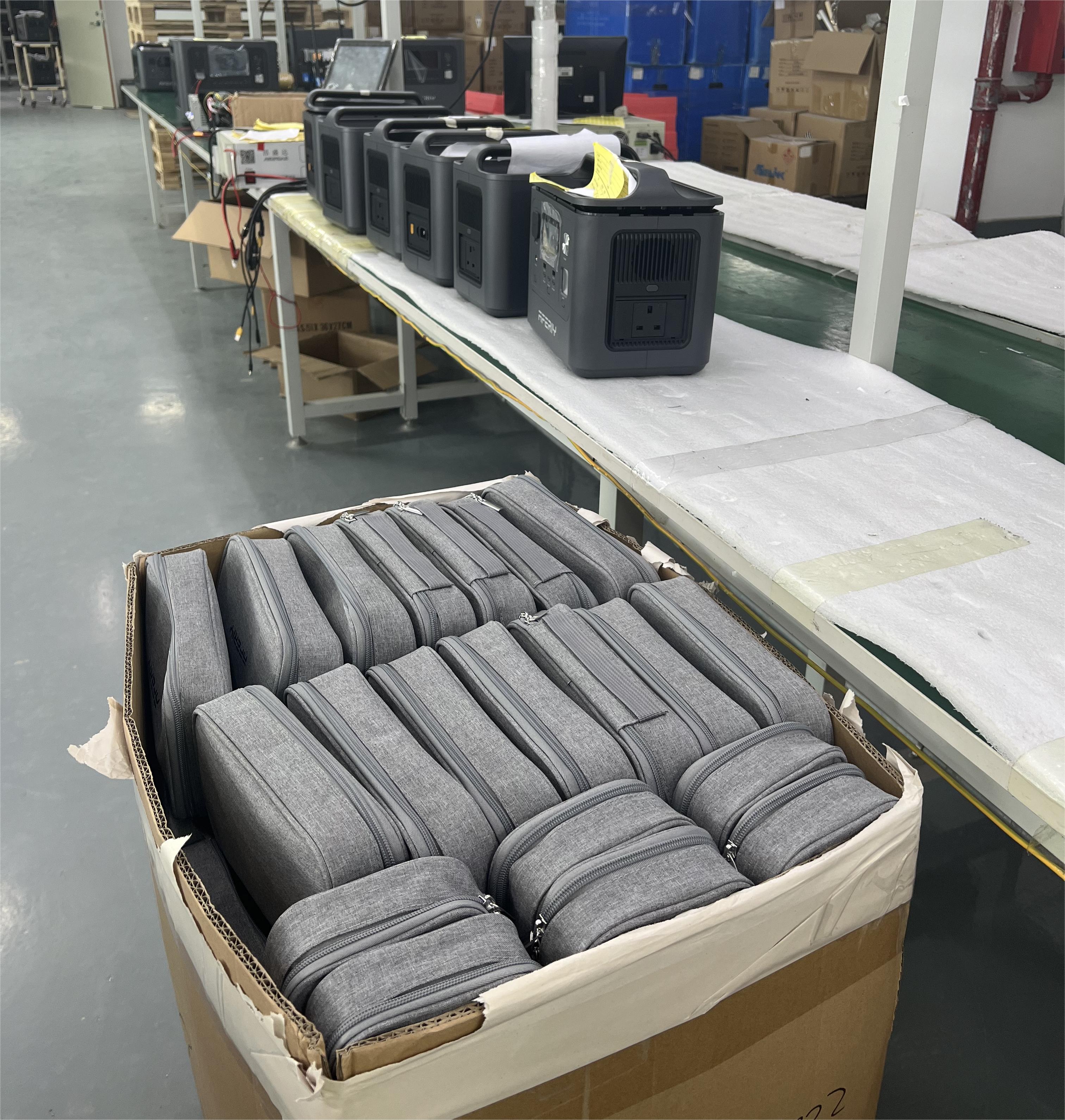
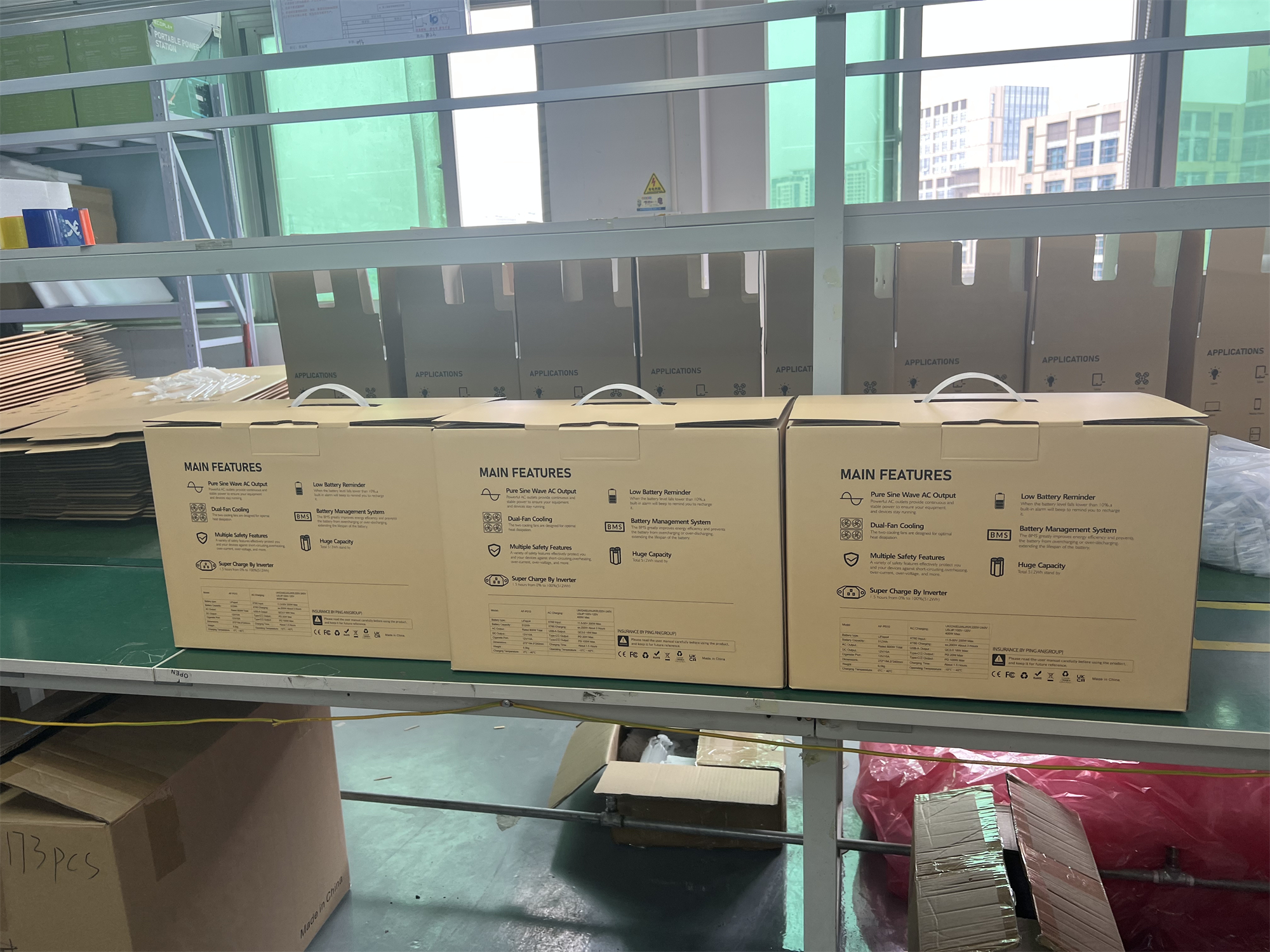
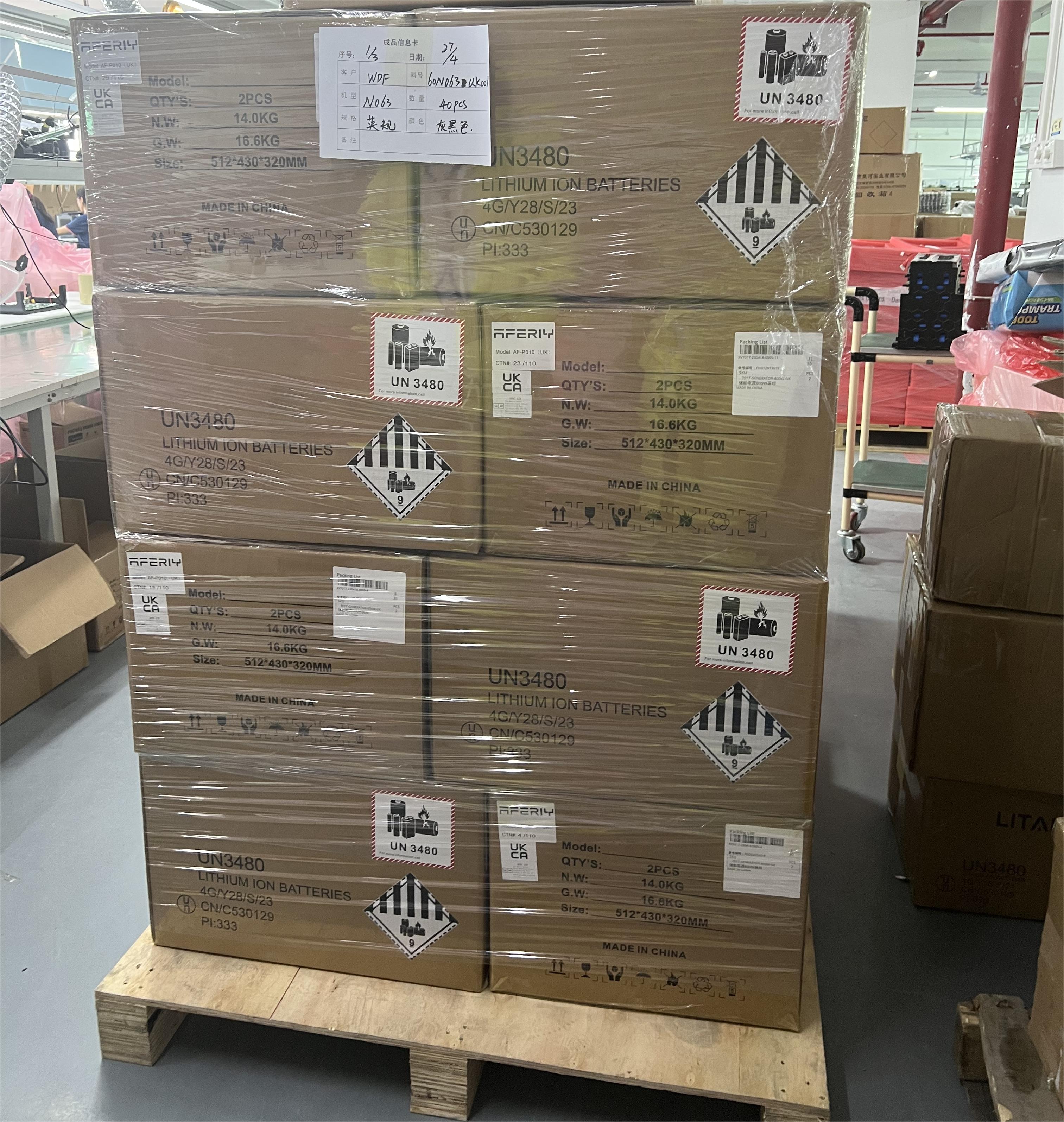
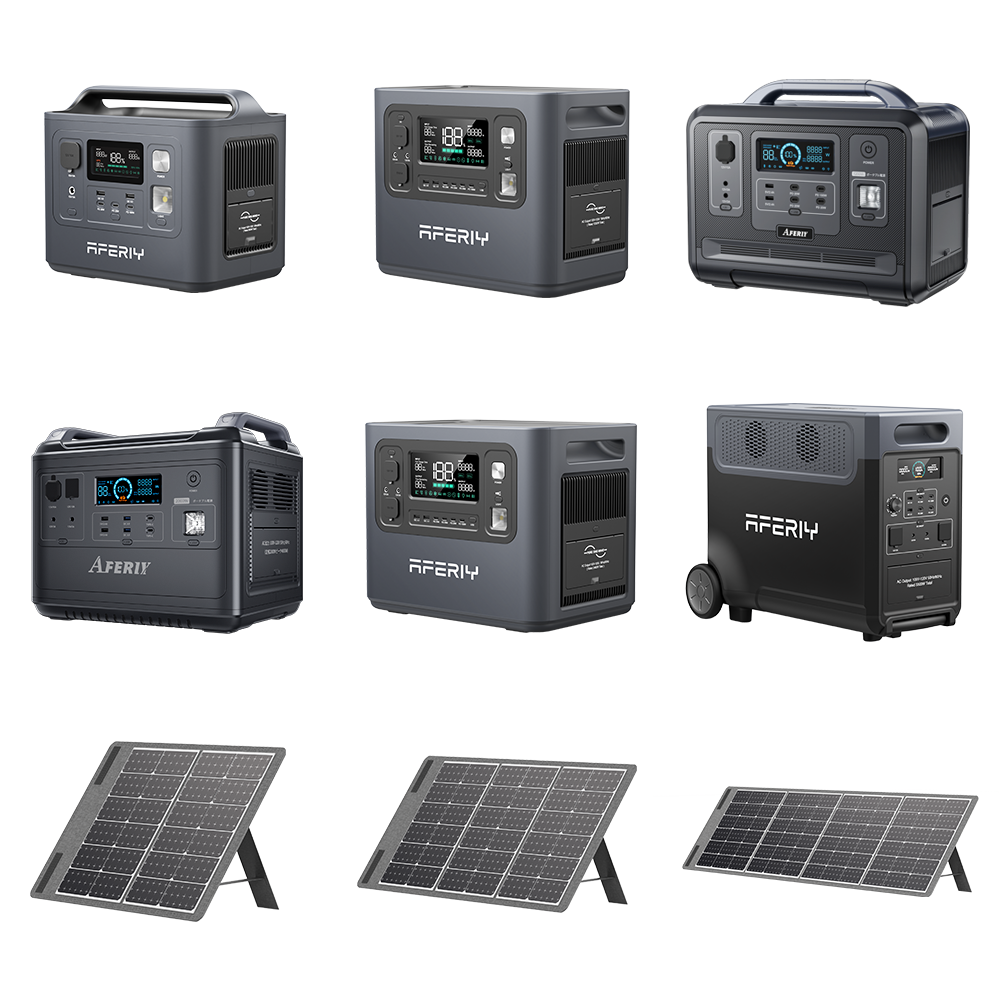
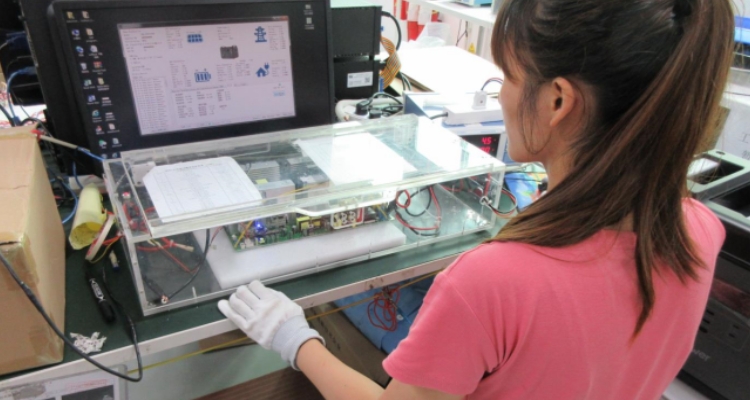
Before Assembling, we test all components (particularly the inverter, battery pack, and BMS system) to confirm they operate to requirements.
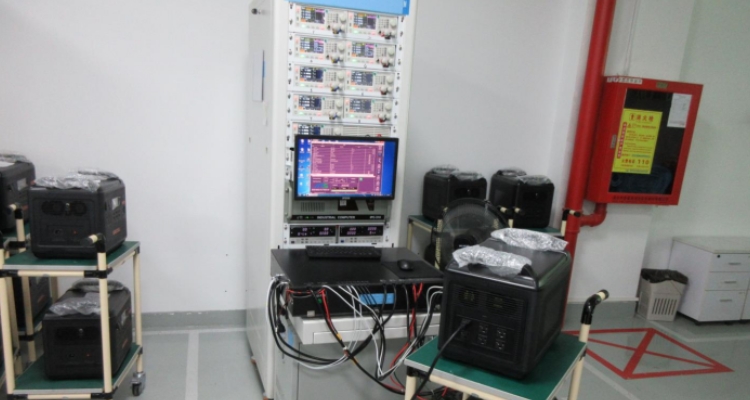
Automatic testing port output to confirm all ports have a good connection.
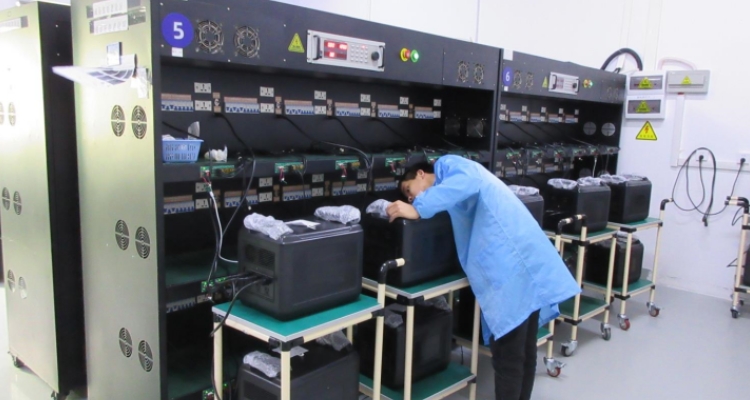
Station charging & discharging, testing if batteries charge fully, and discharging to confirm at least 8% capacity inside.
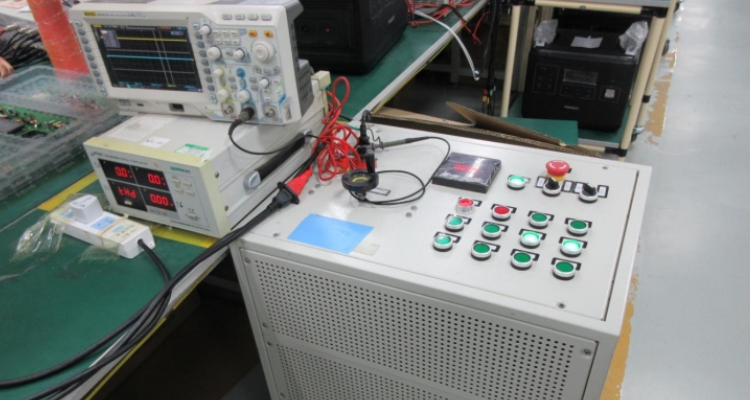
Testing the station's max power and confirming it exceeds nominal power limit settings to avoid battery overcharge.
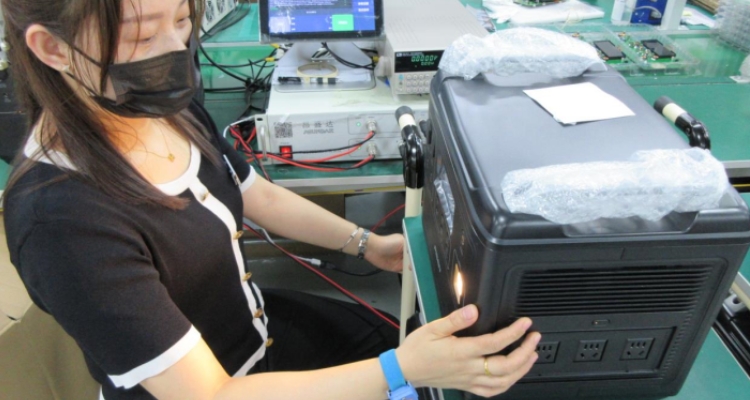
Testing port output manually again to confirm all ports maintain stable, good connections.
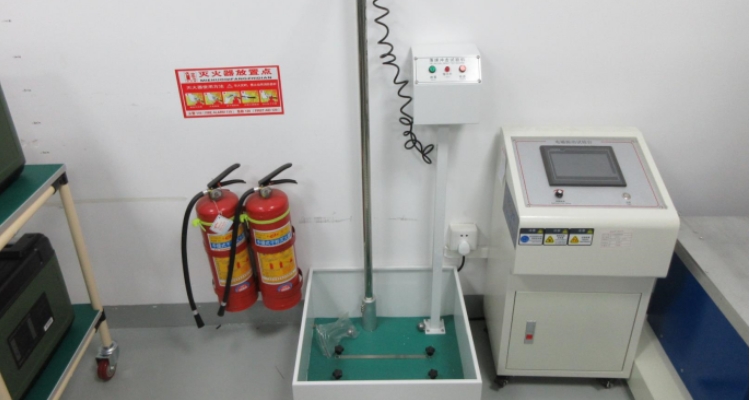
Falling ball impact testing and simulated transportation shipping shaking to check overall product operational robustness.
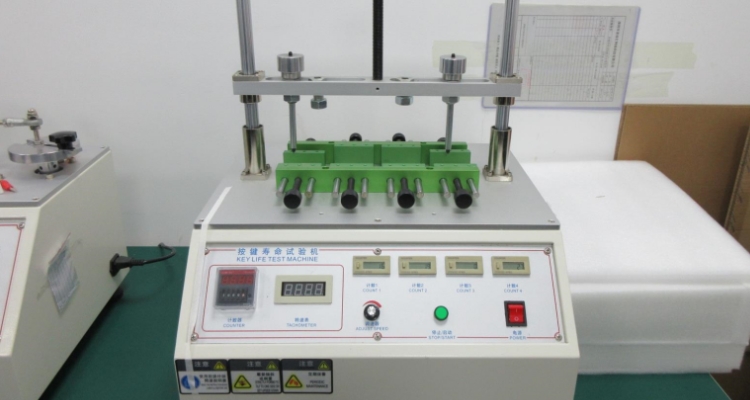
Thousands of button press cycles to ensure all structural keys continue to operate normally.
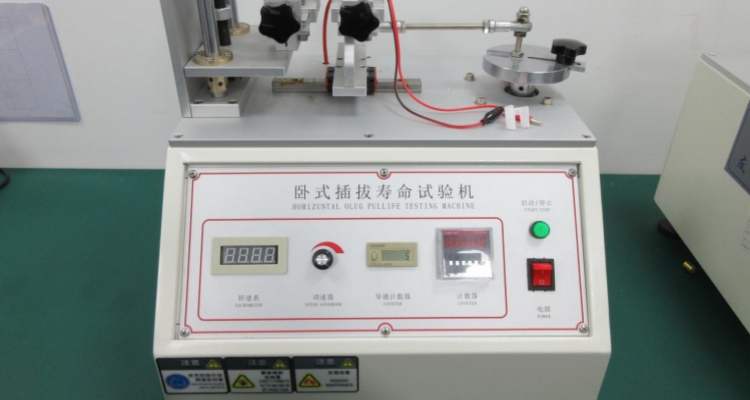
Thousands of plug-in and unplug cycles, checking that all ports maintain tight, reliable connections.
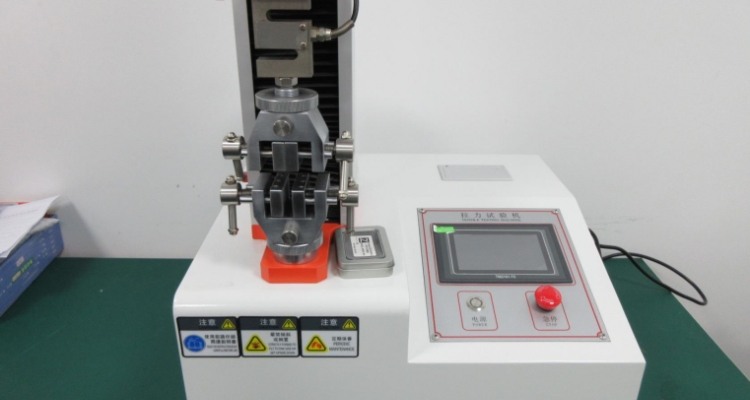
Tensile stress testing on handles to confirm structural stability and handle load capability.
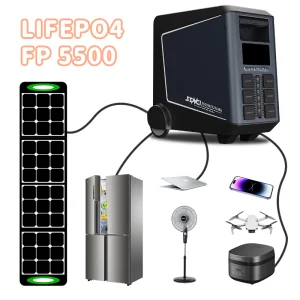
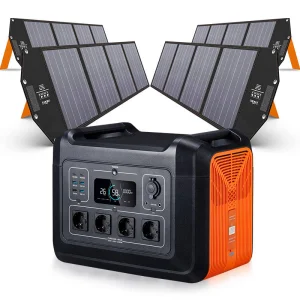
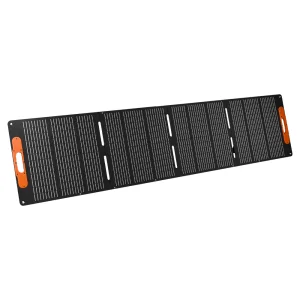
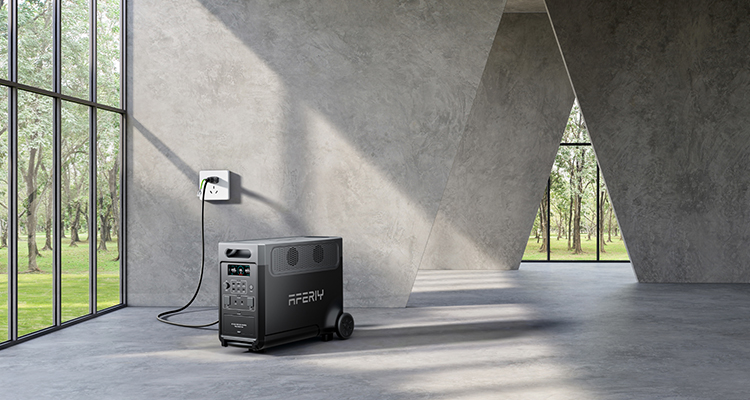
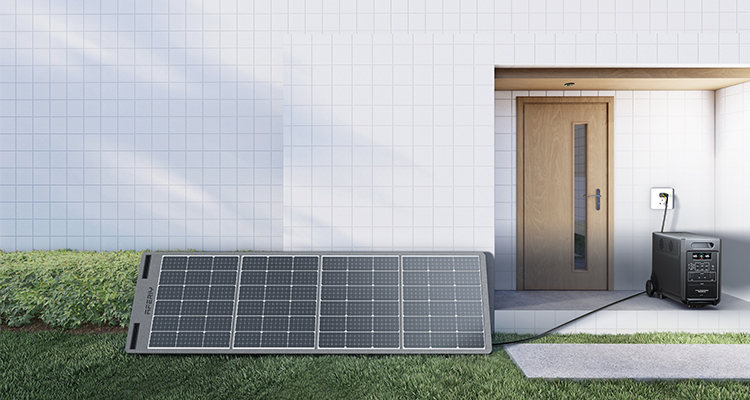
There are 4 charging methods supported: AC + solar charging, AC charging, solar charging, and car charging.
It uses a lithium iron phosphate battery (LiFePO4). It has more than 3500 charge cycles, offering outstanding longevity and stability.
Yes, it supports UPS (Uninterruptible Power Supply) function to provide emergency backup power during sudden power failures.
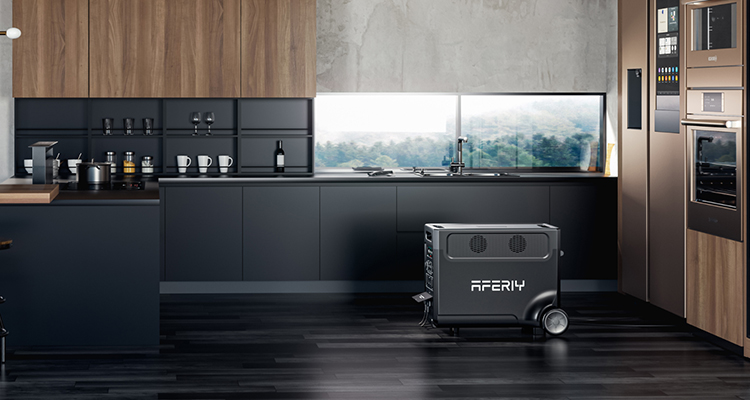
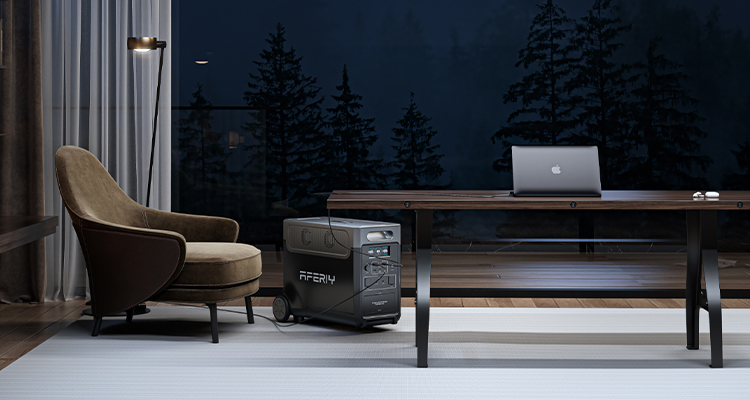
Yes, it can be used both indoors and outdoors. Ensure it is protected from rain and direct sun exposure. It is highly suitable for home emergency backup, outdoor camping, RV trips, and outdoor photography.
It refers to a lithium-ion battery that uses lithium iron phosphate (LiFePO4) as the positive electrode material. Even after 3,500 cycles of charge and discharge, it maintains more than 85% of its initial capacity. It is about 6 times more durable than average batteries, offers superior safety, high temperature resistance, and lower lifetime costs.
BMS stands for Battery Management System. It is used for real-time monitoring of battery parameters, fault diagnosis, short-circuit protection, leakage monitoring, and temperature protection. It guarantees safety features such as overvoltage/undervoltage protection, overload protection, and short circuit protection.