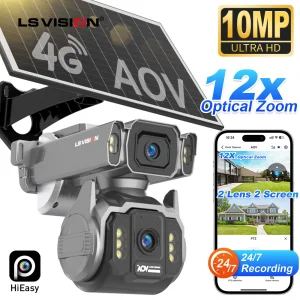
CE Certified Solar Monitoring System Manufacturers

Empowering global utility-scale and Commercial & Industrial (C&I) solar infrastructures with high-precision diagnostic and real-time asset performance monitoring systems.

The Strategic Value of Advanced Solar Monitoring Systems

A Technical Whitepaper on Maximizing Asset Performance, Ensuring Safety Compliances, and Streamlining O&M Frameworks.

1. Executive Summary & Macro Industry Solutions

As global PV installations accelerate toward terawatt-scale capacity, the structural complexity of managing distributed energy resources (DERs) has grown exponentially. Standard solar generation configurations suffer persistent losses from localized shading, dynamic grid demand shifts, unforeseen equipment degradation, and environmental stresses. To safeguard capital-intensive PV assets, a robust, highly communicative Solar Monitoring System is no longer optional; it is the cornerstone of modern operational risk mitigation.

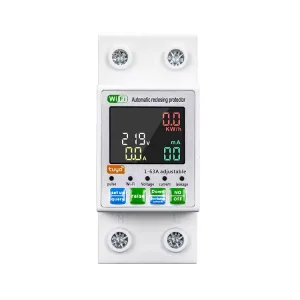
A CE certified solar monitoring system serves as the primary data acquisition (DAQ) and processing node within a solar facility. By continuously sampling voltage, current, module temperatures, and ambient irradiance, these systems supply the core intelligence required to calculate Levelized Cost of Energy (LCOE) and Performance Ratio (PR) with absolute mathematical certainty. The integration of high-fidelity monitoring infrastructure allows asset owners to make the transition from reactive maintenance models to predictive maintenance frameworks, minimizing downtime and optimizing financial yields.

Grid Stability & Curtailment

Enables real-time data feeding to local SCADA networks, adapting dynamically to active power curtailment directives from distribution system operators (DSOs).

AI-Powered Analytics

Applies localized anomaly detection algorithms to isolate underperforming strings, mitigating the impacts of PID and micro-cracking.

Full CE & RED Compliance

Engineered to align with strict EU electromagnetic compatibility and safety regulations, ensuring minimal radio frequency interference (RFI) profiles.

2. Global Commercial & Industrial (C&I) Market Landscapes

Within the C&I solar sector, financial viability hinges on self-consumption optimization and peak-shaving efficiencies. Modern factory complexes, logistics parks, and multi-tenant commercial properties feature highly variable load curves. An automated monitoring platform provides the high-resolution metrics required for Energy Management Systems (EMS) to balance load dynamics with local PV and BESS output.

Geographically, market priorities diverge depending on regulatory pressures and grid characteristics:

  • European Union: Strict mandates regarding grid feed-in limits, low-voltage ride-through (LVRT) capabilities, and absolute compliance with Harmonized Standards require highly sophisticated local controllers with built-in zero-export features.
  • North America: A focus on rapid-shutdown compliance (NEC standards) and high-speed telemetry outputs to facilitate participation in virtual power plants (VPPs) and dynamic demand-response markets.
  • Asia-Pacific & Middle East: Extreme thermal profiles and high dust/soiling rates demand ruggedized sensor layouts and advanced thermal performance indexing to determine optimum dry-cleaning schedules.

Shenzhen Soweglow Solar Co., Ltd.

Shenzhen Soweglow Solar Co., Ltd. is a professional and reliable manufacturer and supplier specializing in solar energy products, renewable energy solutions, and intelligent solar lighting systems. Located in Shenzhen, China, one of the world's most innovative and dynamic technology hubs, we have been committed to the solar industry for many years, providing high-quality products and customized energy solutions to customers worldwide.

Driven by the mission of promoting clean energy and sustainable development, Soweglow Solar focuses on delivering efficient, environmentally friendly, and cost-effective solar products that help reduce energy consumption and carbon emissions. Through continuous innovation, strict quality control, and customer-oriented service, we have established long-term partnerships with clients across Europe, North America, South America, Africa, Southeast Asia, and the Middle East.

100%
CE Compliant Production
72hr+
Continuous Aging Tests

Our Core Focus

Our experienced team possesses extensive expertise in solar lighting, photovoltaic systems, energy storage solutions, project management, manufacturing, and international business. We continuously invest in research and development to ensure our products meet evolving market demands and international quality standards.

Mission Statement:

"To accelerate the adoption of renewable energy by providing innovative, efficient, and sustainable solar solutions that create long-term value for customers and contribute to a greener future."

Uncompromising Quality Assurance

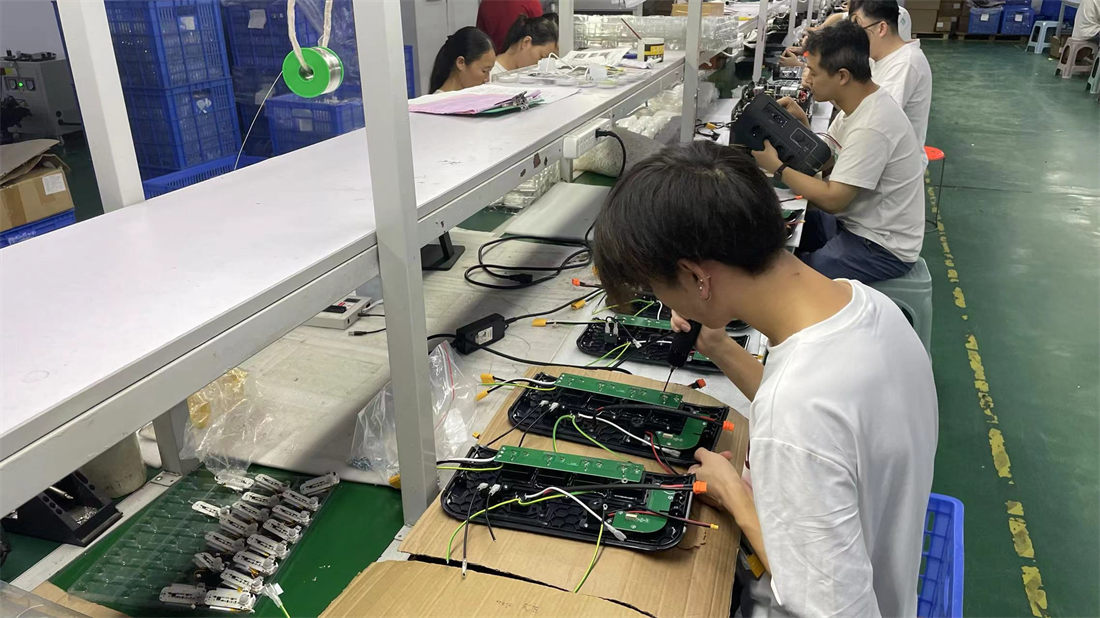
Quality is the foundation of our business. Every product undergoes strict quality inspections throughout the entire production process, from raw material selection to final assembly and shipment.
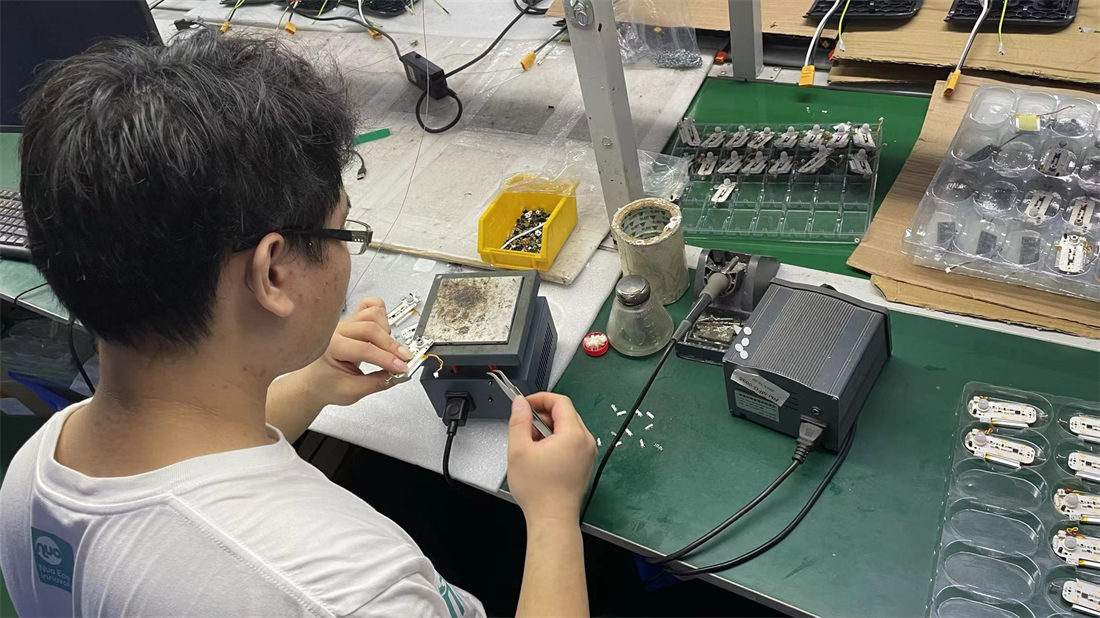
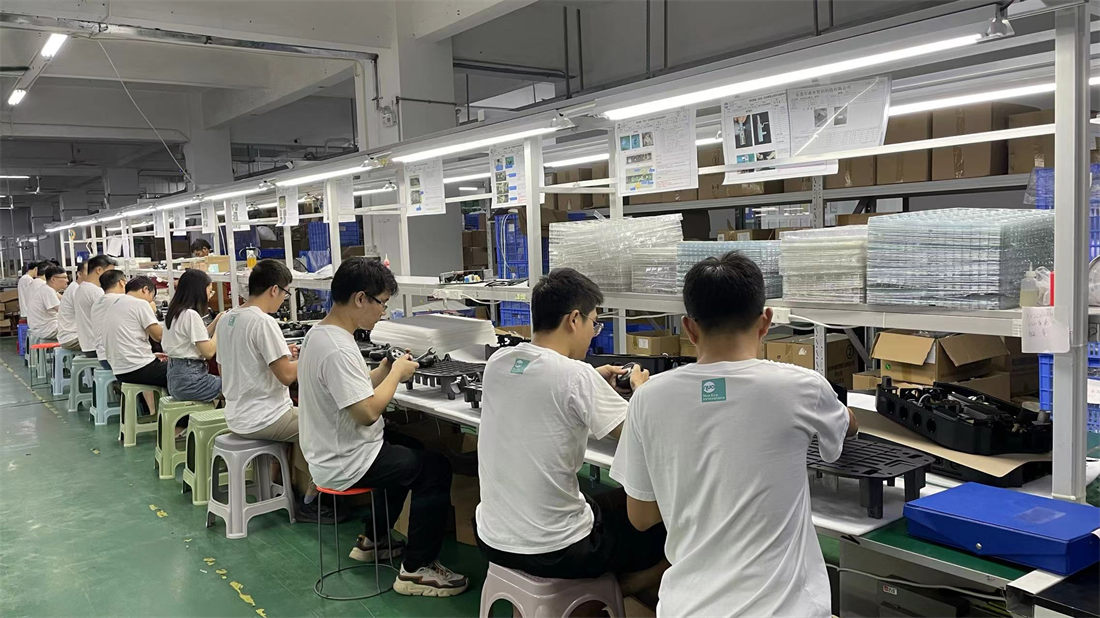
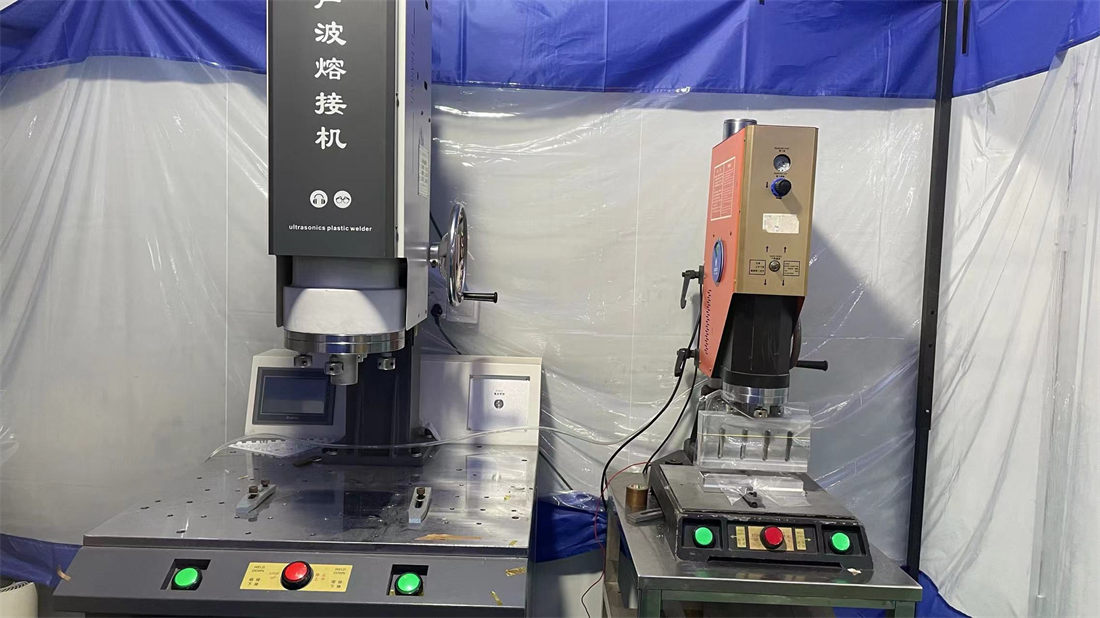
Welding Process at Soweglow
Welding
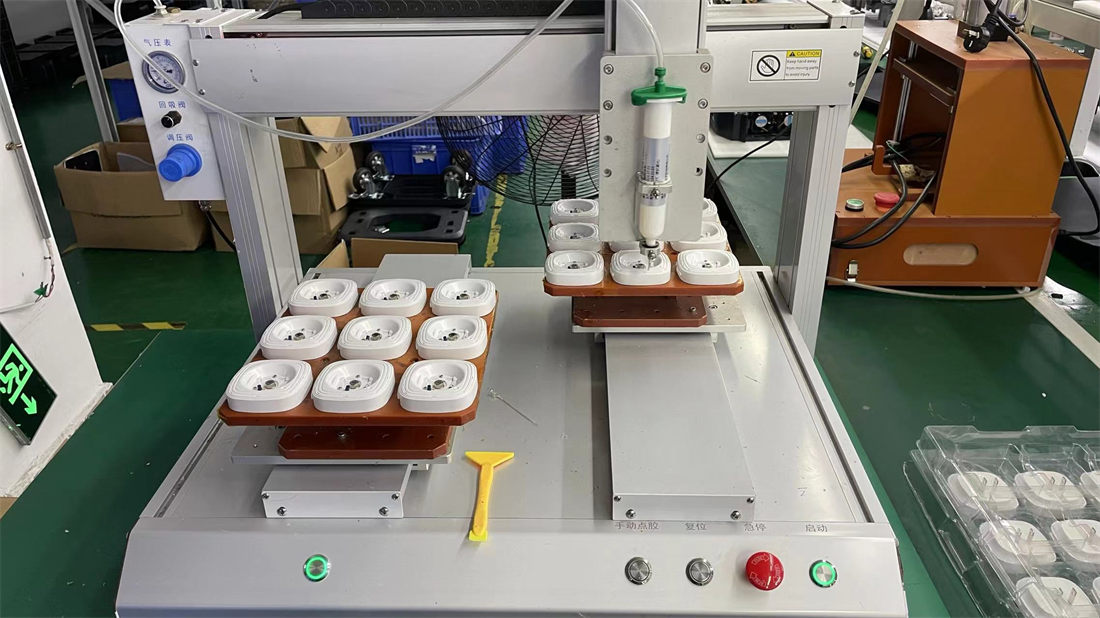
Assembly Process Stage 1
Assembling 1
Assembly Process Stage 2
Assembling 2
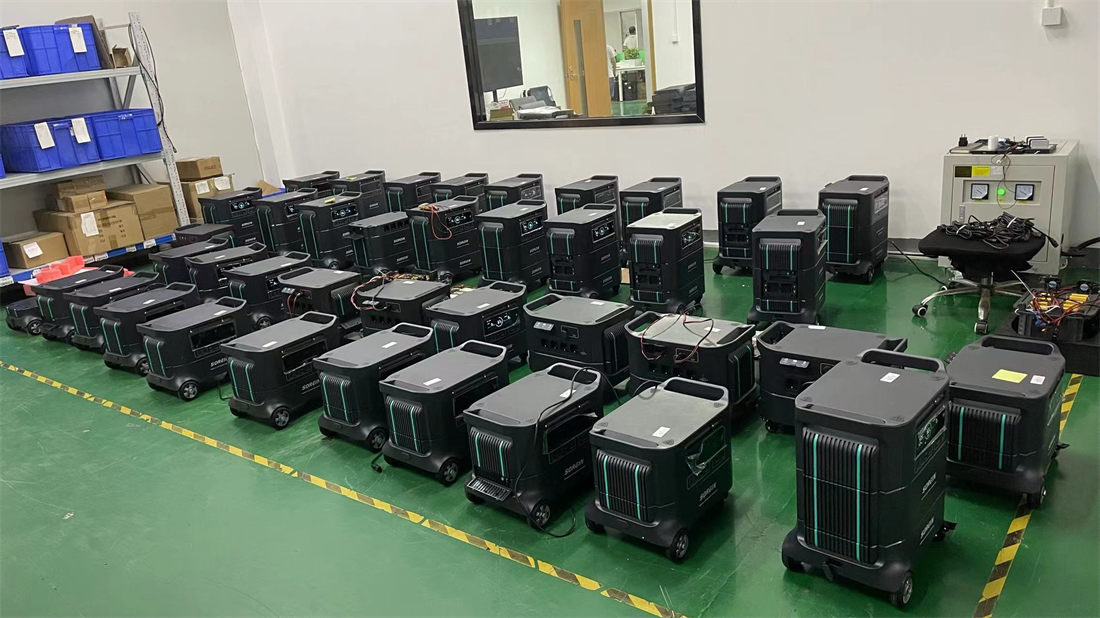
Aging and Performance Testing
Aging Testing
Rigorous QC Inspection
Inspection
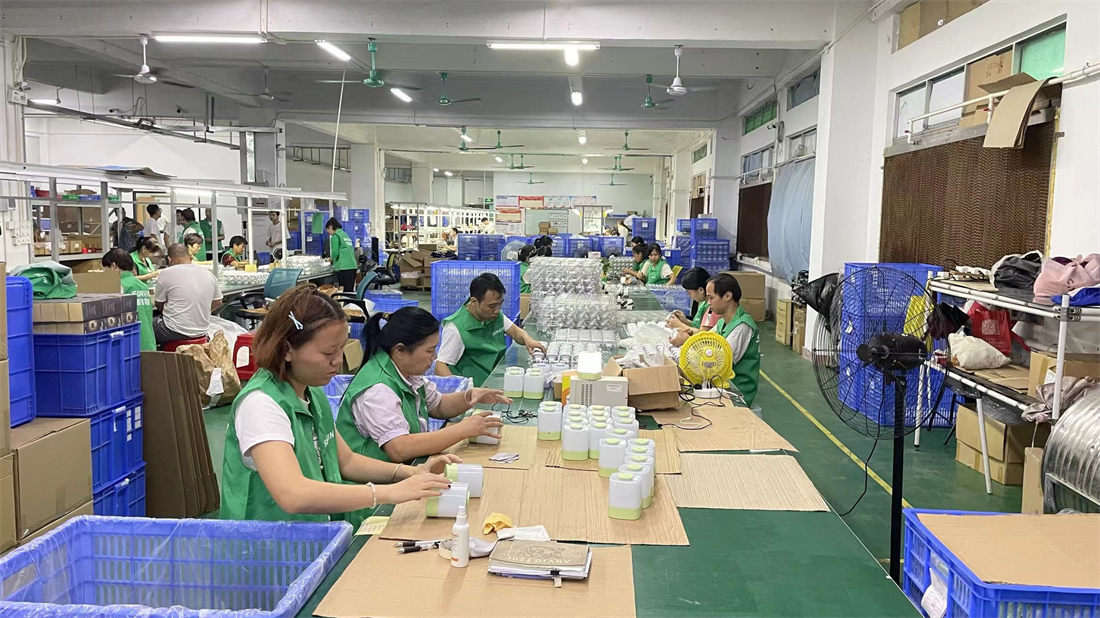
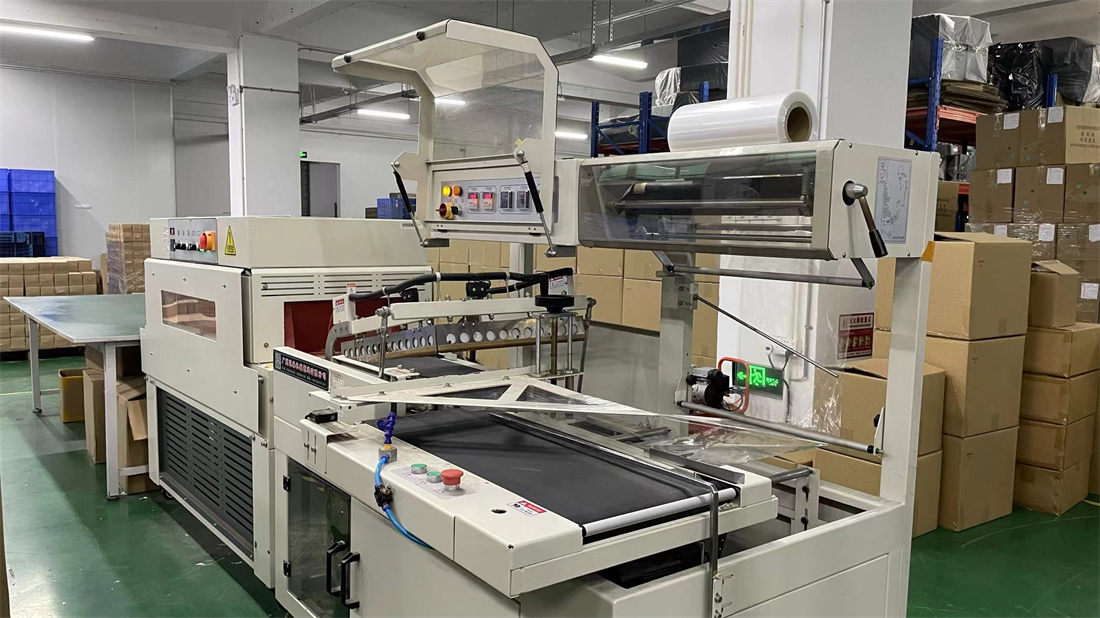
Secure Packaging Operations
Packaging
Ultrasonic Welding Machine
Automatic Glue Dispensing Machine
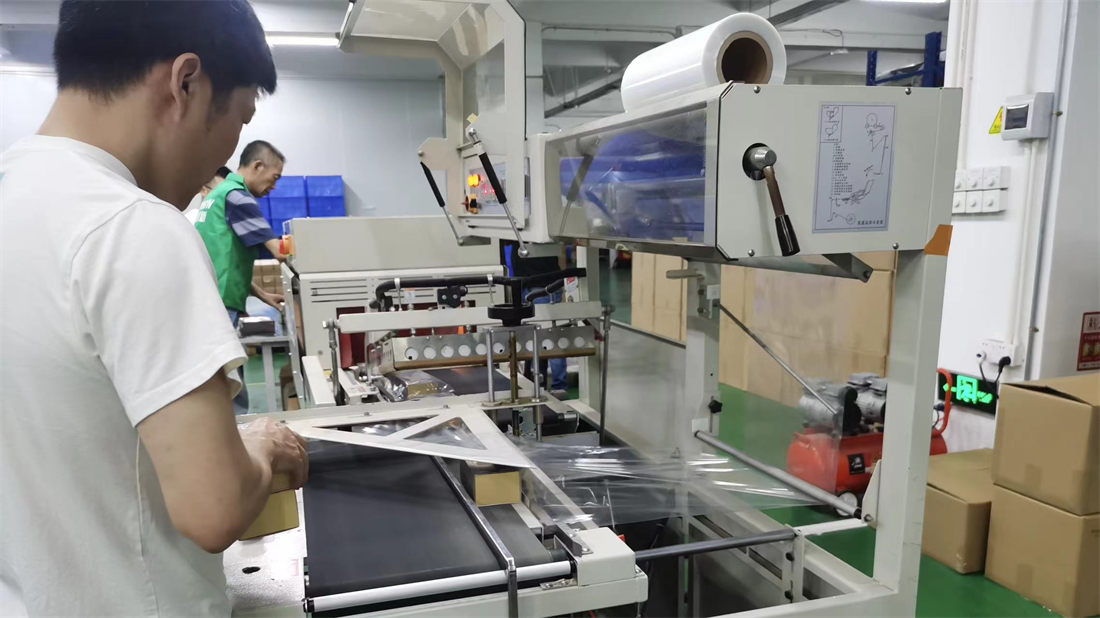
Automatic Film Shrinking Machine

3. Deciphering CE Certification: Safety, Reliability, and Legal Acceptance

CE marking is not merely a quality seal; it is a legally mandatory passport for products sold within the European Economic Area (EEA). For solar monitoring instruments, which interface directly with high-voltage inverters, current transformers (CTs), and data communication networks, CE compliance encompasses several rigorous directives:

  • Electromagnetic Compatibility Directive (EMC) 2014/30/EU: Ensures the monitoring equipment does not emit harmful electromagnetic noise that could interfere with inverter functions, communication lines, or surrounding civilian grid operations. Conversely, it guarantees the system is immune to standard environmental electrical stresses (surges, electrostatic discharge).
  • Low Voltage Directive (LVD) 2014/35/EU: Validates safety margins for electrical systems operating within 50 to 1000 VAC and 75 to 1500 VDC. The monitoring systems must be insulated appropriately, preventing physical risks to on-site technicians and facility operators.
  • Radio Equipment Directive (RED) 2014/53/EU: Applies to all solar monitoring systems utilizing wireless links (Wi-Fi, 4G, LoRaWAN) to transmit data to localized servers or cloud databases. This directive dictates optimal spectrum usage and electrical safety standards for communication modules.

Shenzhen Soweglow Solar Co., Ltd. executes meticulous testing phases during manufacturing, using automated calibration equipment and simulated electrical anomalies to verify that all output parameters line up precisely with CE, IEC, and global grid requirements.

4. Localized Application Scenarios & Environmental Customization

Different installation topologies expose solar components to diverse atmospheric threats. A standard configuration will not survive without engineering adjustments. Our monitoring platforms are structured according to application-specific profiles:

  • Coastal & Offshore Marine Installations: In highly corrosive environments containing high salt content, standard housings rust rapidly. Soweglow implements specialized IP66-rated, UV-stabilized polycarbonate or powder-coated aluminum enclosures that isolate sensitive logic boards from ambient moisture and salt spray.
  • Desert & High-Solar Index Zones: High ambient temperatures reduce the efficiency of monitoring processing chips and can lead to premature failure. Through localized heat-sink designs and passive thermal management, our hardware functions continuously in ambient temperatures up to 70°C without thermal throttling.
  • Urban BIPV & Rooftop Environments: These setups focus heavily on electromagnetic compatibility and micro-level string monitoring. With multi-point current monitoring, operators can pinpoint exact modules suffering from soot or shading, triggering automated alerts for localized cleaning crews.

Technology Roadmap & Future Directions

Our commitment to R&D guides the progression of our hardware and cloud monitoring platforms.

Phase 1: Advanced Edge Computing Integration

Moving beyond standard data acquisition to real-time Edge Analytics. Sensors preprocess high-frequency raw electrical waveforms locally, reducing data transmission bandwidth by 80% while capturing short-term transient grid events.

Phase 2: Predictive Failure Mapping via AI

Deploying machine-learning algorithms directly inside localized cloud databases to detect anomalies, track solar module degradation rates over decades, and alert operators to faults before they lead to shutdowns.

Phase 3: Decentralized Blockchain Grid Balancing

Integrating cryptographic proof-of-generation layers within monitoring boards, facilitating micro-grid energy trades and automated generation verification protocols for carbon credit offset validation.

Technical Q&A / Frequently Asked Questions

Expert insights into selecting, deploying, and maintaining solar monitoring architectures.

What are the key technical parameters measured by a solar monitoring system? +
A comprehensive solar monitoring system tracks a range of parameters divided into three domains: Electrical (DC current/voltage per string, AC current/voltage across phases, active/reactive power, power factor, and frequency), Environmental (module surface temperature, ambient temperature, global horizontal irradiance, and wind speed), and Operational (inverter efficiency, performance ratios, soiling degradation indicators, and alarm logs).
Why is CE certification critical for commercial and industrial solar monitoring installations? +
CE certification ensures compliance with European safety, environmental protection, and electromagnetic interference laws. For C&I systems, CE compliance ensures that the monitoring system will not introduce electronic noise to other building systems (complying with EMC regulations), prevents hazard events during grid surges (LVD compliance), and uses wireless communication bandwidth safely without interference (RED compliance).
How do Soweglow monitoring systems integrate with existing third-party SCADA software? +
Our monitoring platforms support standard industrial transmission protocols, including Modbus RTU/TCP, DNP3, and IEC 60870-5-104. This enables integration with third-party SCADA architectures, utility control centers, or cloud-based Energy Management Platforms (EMS) via restful API outputs.
What is the difference between string-level and system-level solar monitoring? +
System-level monitoring tracks the cumulative energy output of the entire system, typically through the central inverter or utility meter. String-level monitoring, by contrast, tracks the output of individual panels or groups of panels (strings), allowing you to pinpoint localized degradation, shading, or failure within the array.
How does weather data impact the calculation of the Performance Ratio (PR)? +
The Performance Ratio (PR) compares the actual AC energy yield against the theoretical DC energy possible under measured solar irradiance. Without pyranometers and temperature sensors, variations in solar intensity and module heating (which reduces cell efficiency) cannot be calculated, making it difficult to differentiate between weather anomalies and actual system degradation.